


Written for travellers who come for history: early starts at the big sites, the stories behind them and quieter places most visitors miss. Updated 2026.

Where to Stay in Kyoto for Culture and History

Where to stay in Kyoto for history and culture — four bases next to shrines, temples and the stories behind them.

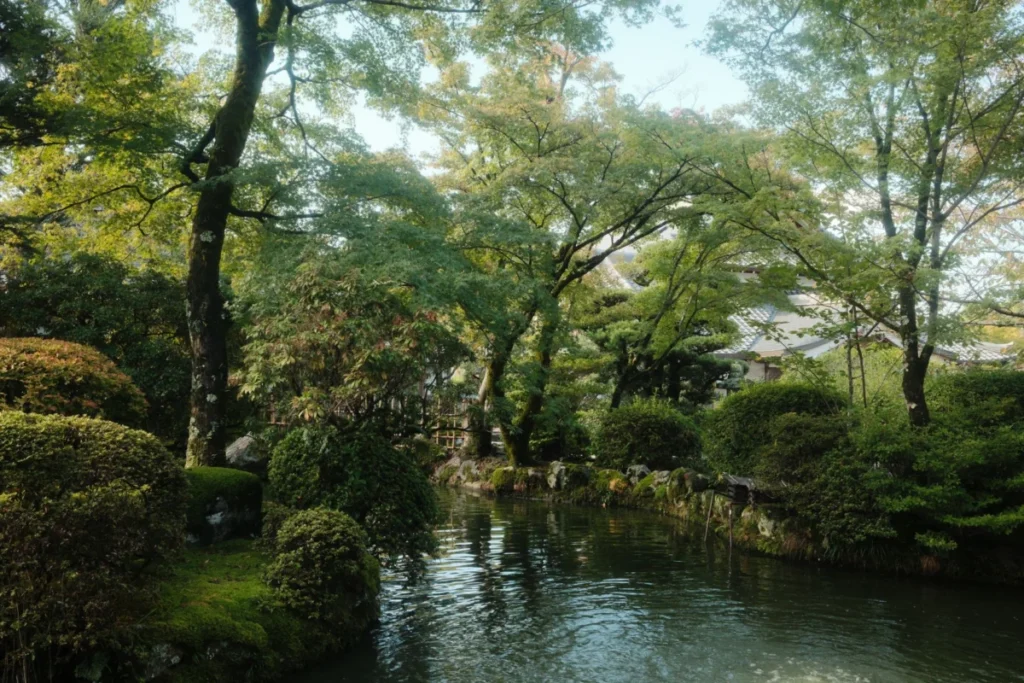
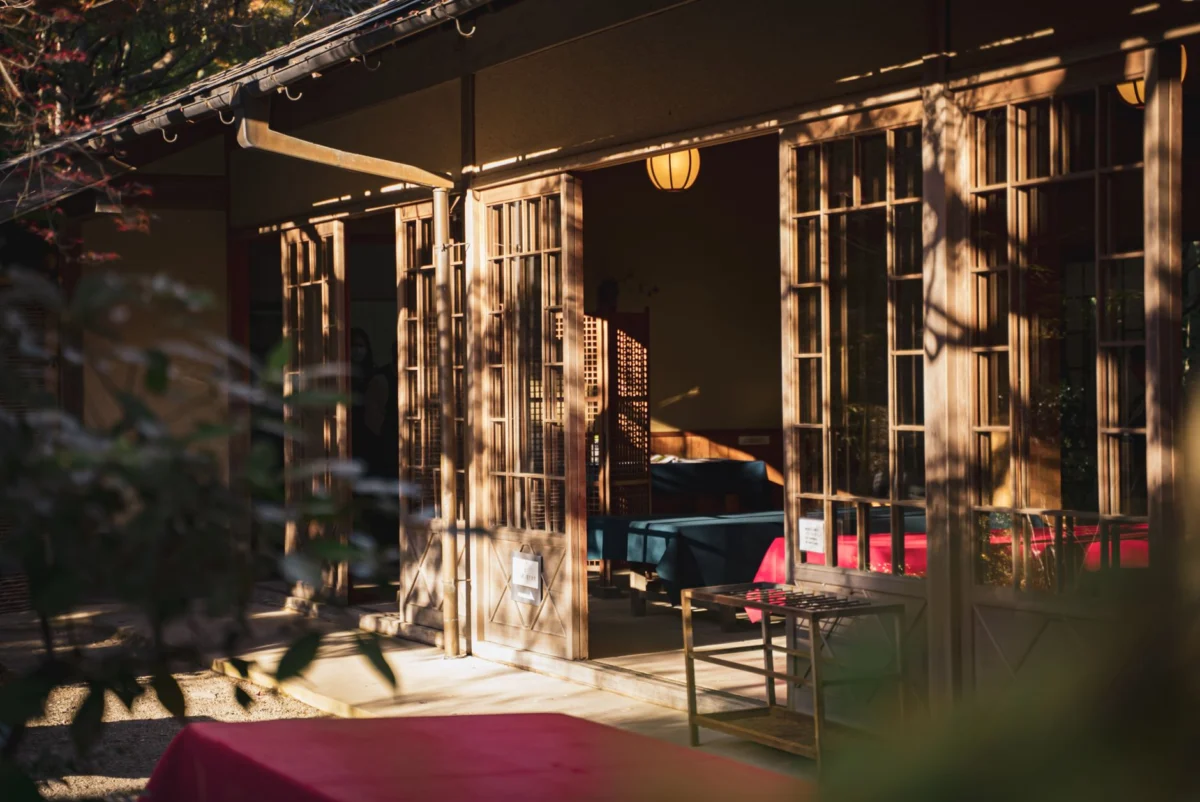
Traditional tea house in Kyoto surrounded by lush gardens
At a Glance
Country Japan
City Kyoto
Day / Night 17° / 7°
Local Time 10:01
November — Now Peak season
Best Months Dec · Nov

Kyoto was Japan’s capital for over a thousand years, and where you sleep decides how much of that history you see before the crowds arrive. This guide covers four bases: Shimogamo with one of Japan’s oldest shrines, the temple trail of Sakyo below Ginkaku-ji, the Byōdō-in and Tale of Genji town of Uji, and the old slopes of Sannenzaka and Ninenzaka below Kiyomizu-dera. Each comes with a day route, the facts behind the sights and the kind of room to look for.

Our favourite Kyoto hotels for history lovers

Best overall
⭐ 10.0
Yadoya Kyoto Shimogamo

Yadoya Kyoto Shimogamo

A small inn in the Shimogamo area, north of the meeting point of the Kamo and Takano rivers. From here you can walk to Shimogamo Shrine and its old forest before the first visitors, and Demachiyanagi station connects you to the rest of Kyoto.

Top pick
⭐ 9.1
Fufu Kyoto

Fufu Kyoto

An upscale hotel on Niōmon-dōri near Nanzen-ji, in the south of Sakyo. Nanzen-ji, the Philosopher’s Path and the Okazaki museums are within walking distance, so you can see the temples early and come back to a quiet room in the middle of the day.

Luxury stay
⭐ 9.3
Hotel Okura Kyoto Okazaki Bettei

Hotel Okura Kyoto Okazaki Bettei

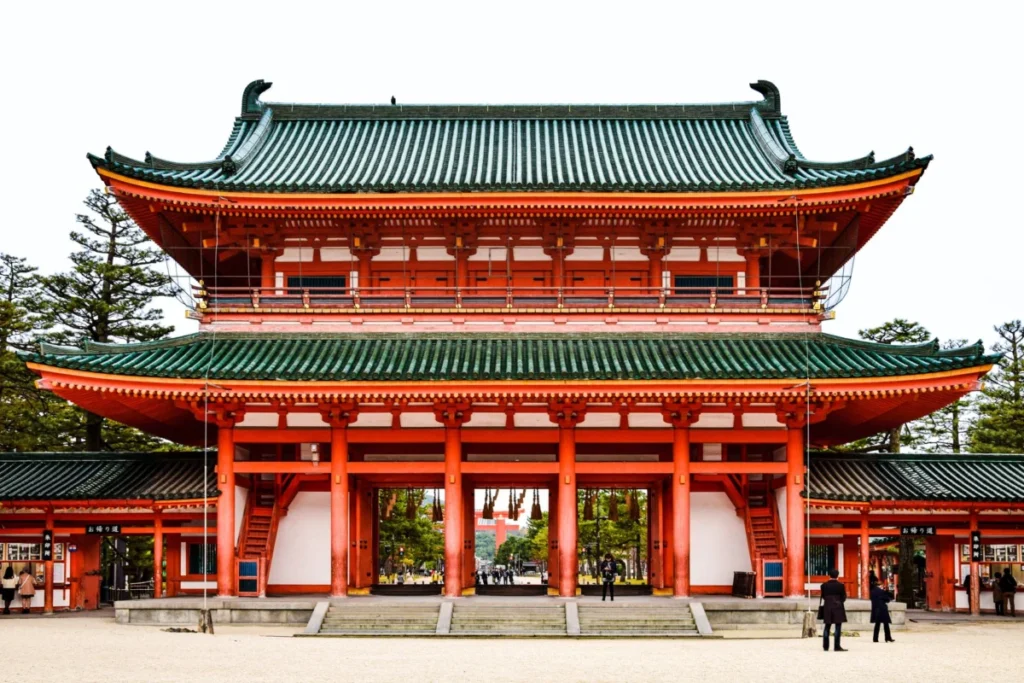
An upscale hotel in Okazaki, a short walk from Heian Shrine, the canal and the art museums. From here the Philosopher’s Path, Nanzen-ji and Shinnyo-dō are all a pleasant walk away.

Which Kyoto history suits you?

Pick the period and mood you want — ancient shrines, Zen temples, Heian court culture or old Edo streets — and we will show you the neighbourhood.

Best choice: Shimogamo

Best for: Ancient shrines and calm

Best choice: Sakyo

Best for: Zen temples and walks

Best choice: Uji

Best for: Heian history and tea

Best choice: Sannenzaka-Ninenzaka

Best for: Old streets and temples

Best hotels in Kyoto for culture and history

Rooms within walking distance of the shrines and temples, so you can be at the gate when it opens.

Fufu Kyoto
Top pick
⭐ 9.1 Outstanding
654 reviews

Fufu Kyoto

Sakyo • Upscale ryokan-style hotel • Near Nanzen-ji

An upscale hotel on Niōmon-dōri near Nanzen-ji, in the south of Sakyo. Nanzen-ji, the Philosopher’s Path and the Okazaki museums are within walking distance, so you can see the temples early and come back to a quiet room in the middle of the day.

  • Near Nanzen-ji
  • Walk to the Philosopher’s Path
  • Quiet location
Hotel Okura Kyoto Okazaki Bettei
Luxury stay
⭐ 9.3 Outstanding
442 reviews

Hotel Okura Kyoto Okazaki Bettei

Sakyo (Okazaki) • Upscale hotel • By Heian Shrine

An upscale hotel in Okazaki, a short walk from Heian Shrine, the canal and the art museums. From here the Philosopher’s Path, Nanzen-ji and Shinnyo-dō are all a pleasant walk away.

  • Walk to Heian Shrine
  • Museums nearby
  • Quiet streets at night
Hanayashiki Ukifune-en
Smart choice
⭐ 8.5 Very Good
97 reviews

Hanayashiki Ukifune-en

Uji • Riverside ryokan • Facing the Uji River

A traditional ryokan on the Uji River, just upstream from Byōdō-in and opposite the islands of Uji Park. Staying in Uji lets you see Byōdō-in at opening time and walk the Tale of Genji sights in the evening after the day-trippers have gone.

  • On the Uji River
  • Walk to Byōdō-in
  • Traditional ryokan
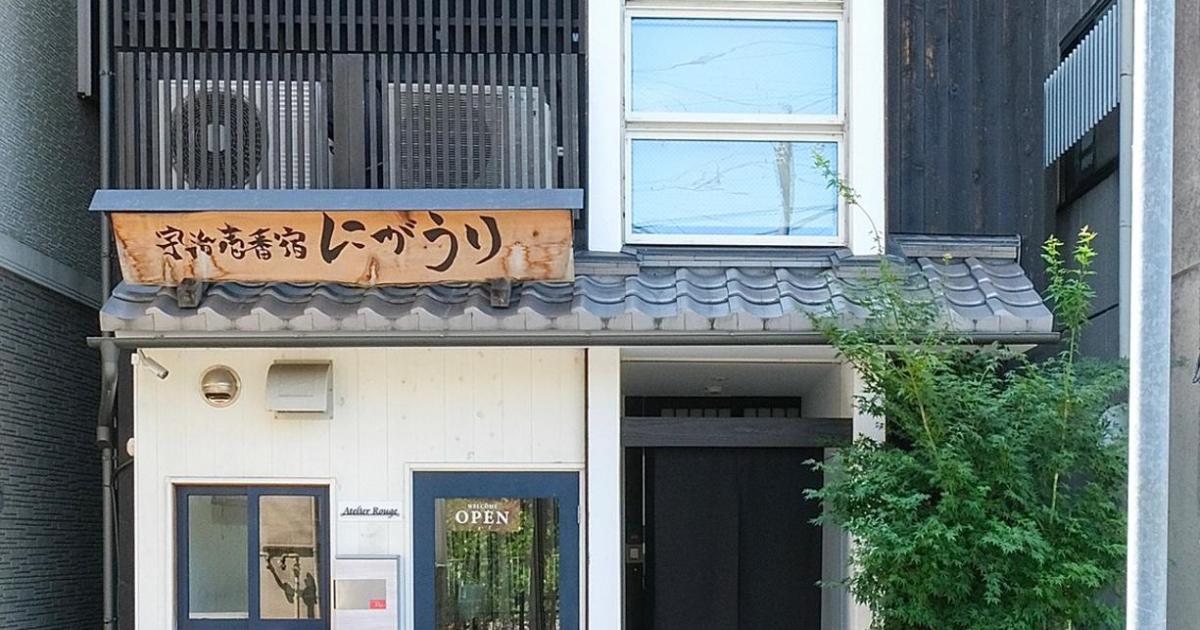
Uji-Ichibanyado-Nigauri
Editor’s choice
⭐ 9.2 Superb
29 reviews

Uji-Ichibanyado-Nigauri

Uji • 4-star guesthouse • Uji Satojiri

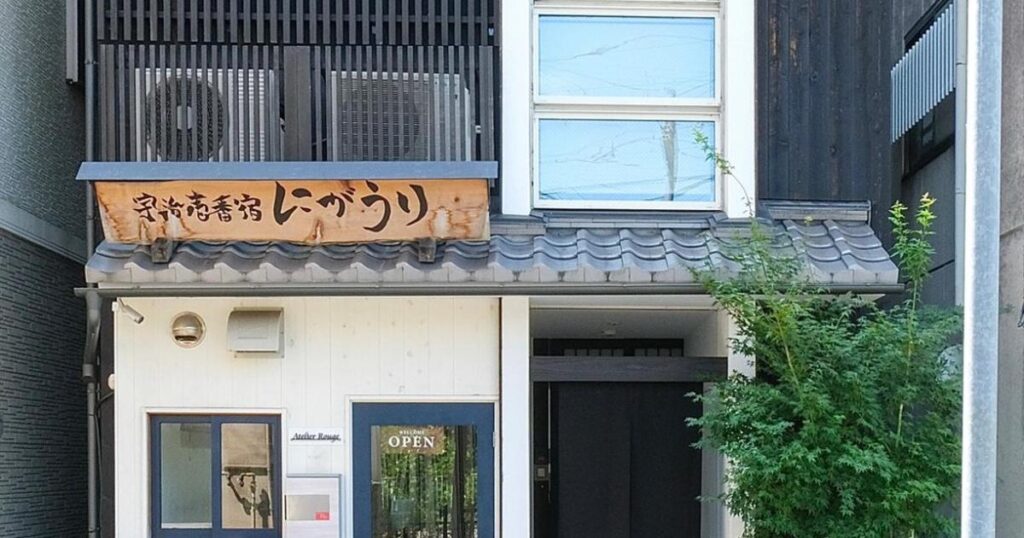
A 4-star guesthouse in the Satojiri area of Uji, with spacious tatami rooms that have a kitchenette, a washing machine and a private bathroom with a bath. Staying in Uji means you can reach Byōdō-in at opening time and walk the riverside tea streets after the day-trippers leave. It has under 30 reviews so far (9.2) and the reception speaks Japanese only, so check the map and arrival instructions before you book.

  • Tatami rooms with kitchenette
  • Bath in every room
  • Free parking
Sowaka
Walkable area
⭐ 9.6 Exceptional
269 reviews

Sowaka

Higashiyama • Small luxury hotel • Old streets near Yasaka

A small hotel in a traditional building in the Higashiyama hills, a few minutes from the Yasaka Pagoda, Ninenzaka and Kōdai-ji. Staying here means you can walk the old slopes at dawn and after dark, when they are almost empty.

  • Traditional building
  • Walk to Sannenzaka and Ninenzaka
  • Near Kōdai-ji
Hotel The Celestine Kyoto Gion
Premium stay
⭐ 9.3 Outstanding
2604 reviews

Hotel The Celestine Kyoto Gion

Gion • Hotel • Between Gion and Higashiyama

A hotel on the Gion side of Higashiyama, between Yasaka Shrine and Kennin-ji. You can walk up to Ninenzaka and Kiyomizu-dera in about 15 minutes, and back down into Gion in the evening.

  • Walk to Yasaka Shrine
  • About 15 minutes to Kiyomizu-dera
  • Gion streets nearby

How we choose

For history lovers we look first at how close a hotel is to the main historic sites on foot, then at traditional character, and only then at guest ratings.

The best areas to stay in Kyoto for culture and history

Four historic quarters, each with a walking route, the stories behind the sights and an honest note on what to expect.

Shimogamo

Shimogamo is the quiet residential district in the fork between the Kamo and Takano rivers, built around one of the oldest shrines in Japan. Local families, students and priests from shrine families live here, and the streets feel far removed from the busy centre.

For a history lover, the day starts at Shimogamo Shrine, reached through Tadasu no Mori, a remnant of the forest that covered the Kyoto basin. From there you walk south past Kawai Shrine to the river delta, cross into the old shopping street of Demachi and finish at Shōkoku-ji, the Zen temple founded by the shogun Ashikaga Yoshimitsu. In the evening the area is very quiet.

The honest downside: Shimogamo is a 15–20-minute train or bus ride from Gion and Kiyomizu-dera, and there are only a few small hotels and inns. It suits travellers who want calm, not nightlife.

Local picks

For Culture & History
  • 1
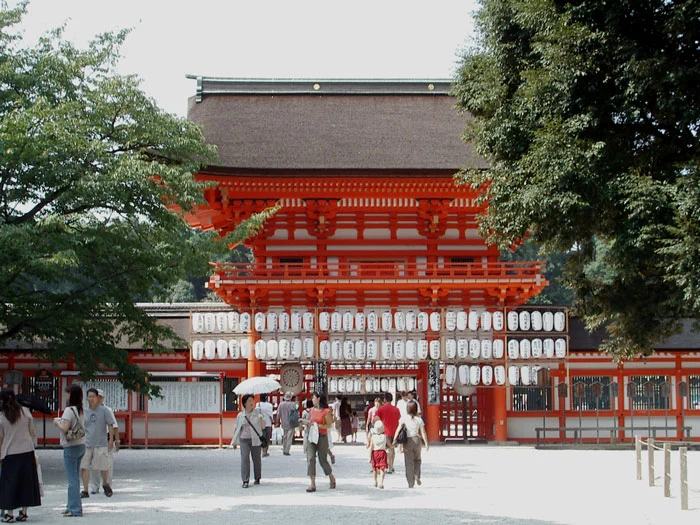
    MorningShimogamo ShrineCome early, when priests are sweeping the gravel and the vermilion halls are quiet. The shrine is one of the two Kamo shrines that protected the capital. Look for the Mitarashi stream inside the grounds.
  • 2
    WalkTadasu no MoriWalk back south through the shrine forest, a surviving piece of the woodland that once covered the Kyoto basin. The long gravel path under old trees is the approach used by the Aoi Matsuri procession.
  • 3
    Hidden historyKawai ShrineA small sub-shrine of Shimogamo at the southern end of the forest. It is linked to Kamo no Chōmei, author of Hōjōki, whose family served Shimogamo Shrine. Most visitors walk straight past it.
  • 4
    Late morningKamo River deltaWhere the Takano and Kamo rivers meet, stepping stones lead across the water. Sit on the bank and you are looking at the rivers that shaped the layout of the old capital.
  • 5
    LunchDemachi Masugata shopping streetCross the river to this old covered shopping street, where local shops still sell food and everyday goods. It is a good place to pick up lunch and see daily life north of the centre.
  • 6
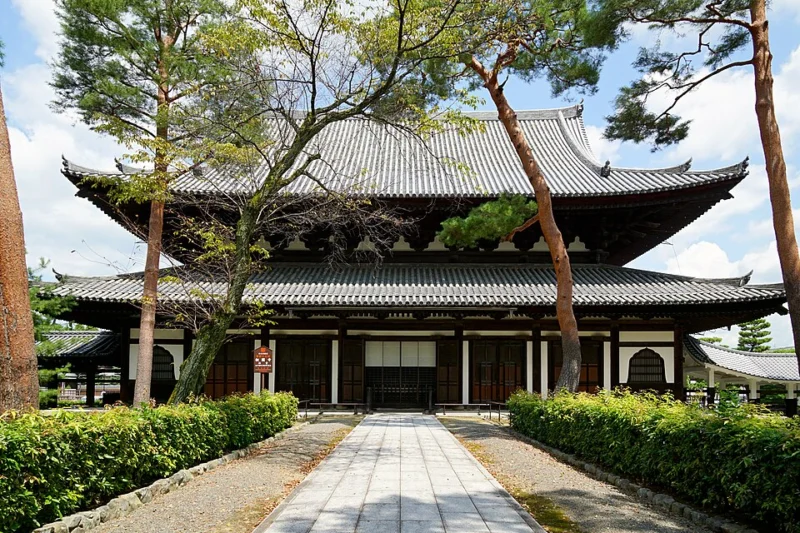
    AfternoonShōkoku-jiAbout 15 minutes’ walk west, the Zen temple founded in 1382 by the shogun Ashikaga Yoshimitsu. The Hattō hall has a famous dragon painted on its ceiling, and the Jōtenkaku Museum in the grounds shows the temple’s art. Kinkaku-ji and Ginkaku-ji both belong to Shōkoku-ji.
  • Getting aroundDemachiyanagi · Keihan and Eizan RailwayDemachiyanagi station has Keihan trains to Gion-Shijō and Fushimi Inari and the Eizan Railway to Kurama. The Karasuma subway at Imadegawa is a 15-minute walk west, past Shōkoku-ji.
  • Where to stayShimogamo has a handful of small inns, guesthouses and short-stay rentals rather than big hotels. Look for something within ten minutes of Demachiyanagi station, and check the check-in time, as small inns often have no night desk.

Did you know?

Older than Kyoto itself Shimogamo Shrine is believed to date to the 6th century, long before Kyoto became the capital, and is a UNESCO World Heritage Site.
A priest’s son who wrote a classic Kamo no Chōmei, author of the 13th-century essay Hōjōki, was the son of a head priest of Shimogamo Shrine.
The Aoi Matsuri on 15 May Every 15 May the Aoi Matsuri procession in Heian court dress walks from the Imperial Palace to Shimogamo Shrine.
Shimogamo

Sakyo

Sakyo’s eastern edge, at the foot of the Higashiyama hills, is where the shoguns and monks of medieval Kyoto built their retreats. Between Ginkaku-ji and the Okazaki museum quarter there are temples on every hillside, linked by the canal path known as the Philosopher’s Path, and much of the area is quiet residential streets.

For a history lover, the day starts at Ginkaku-ji, the villa of the shogun Ashikaga Yoshimasa and the home of the Higashiyama culture of tea, gardens and ink painting. Then you walk south along the canal to the moss-covered gate of Hōnen-in, and on to Shinnyo-dō and the hilltop temple of Kurodani, which most tour groups never reach.

The honest downside: there is no subway here, the hotels are mostly further south near Nanzen-ji and Okazaki, and the streets are dark and quiet in the evening. Ginkaku-ji itself is very busy in the middle of the day.

Local picks

For Culture & History
  • 1
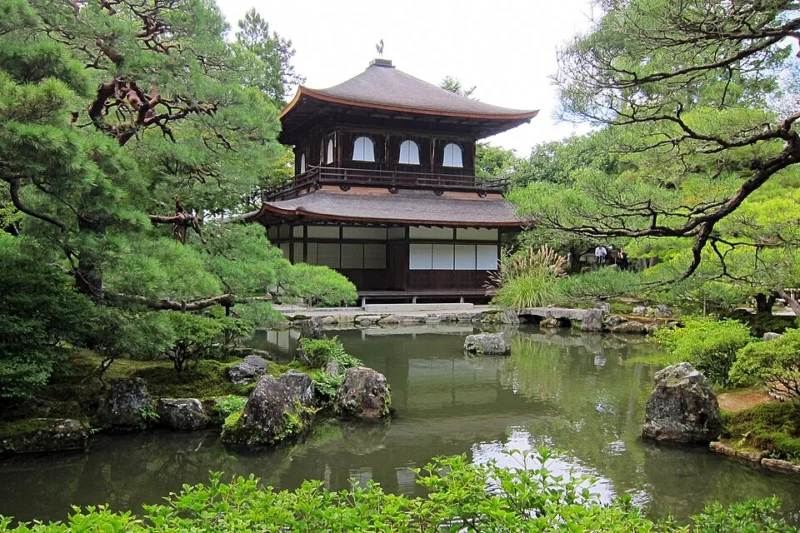
    MorningGinkaku-jiBe at the gate when it opens, before the groups arrive. Walk past the raked sand cone and the pavilion, then up the hillside path for a view over the garden. The pavilion was never covered in silver, despite its name.
  • 2
    WalkPhilosopher’s PathFollow the canal south from the Ginkaku-ji end. It runs for about 2 km under cherry trees towards Nanzen-ji. Turn off after about ten minutes for Hōnen-in.
  • 3
    Hidden historyHōnen-inUp a short lane from the canal, a thatched gate leads into a temple founded in 1680. Two white sand mounds with designs that change with the seasons sit on either side of the path. The grounds are free.
  • 4
    AfternoonShinnyo-dōWalk west over the hill to this large Tendai temple with a three-storey pagoda. Outside the autumn leaf season it is often almost empty. The grounds close in the late afternoon.
  • 5
    Late afternoonKonkai Kōmyō-ji (Kurodani)A few minutes south, the big Jōdo temple known as Kurodani stands on a low hill with a large cemetery behind it. Climb the steps for a view west over the city before the gates close.
  • Getting aroundCity buses · Higashiyama and Keage subway stationsBuses run along Shirakawa-dōri to the Ginkaku-ji stop. From Kurodani it is about 15 minutes’ walk south to Higashiyama station on the Tōzai subway line, or to Keage near Nanzen-ji.
  • Where to stayHotels in this part of Sakyo are mostly upscale ryokan-style and small hotels near Nanzen-ji and Okazaki, with a few guesthouses near Ginkaku-ji. Stay within walking distance of the Philosopher’s Path or a Tōzai line station, and book early for November.

Did you know?

A shogun’s retirement villa Ginkaku-ji began as the retirement villa of the shogun Ashikaga Yoshimasa and became a Zen temple after his death.
Named after a philosopher The Philosopher’s Path is named after Kitarō Nishida, a Kyoto University philosophy professor who walked it regularly.
A temple for Hōnen Hōnen-in was built in 1680 at a place associated with Hōnen, founder of the Jōdo sect of Buddhism.
Sakyo

Uji

Uji is a small riverside city south of Kyoto, about 20–30 minutes by train, and for anyone interested in the Heian period it is unmissable. Aristocrats built villas here in the 11th century, one of which became Byōdō-in, and the last chapters of The Tale of Genji are set along this river. Uji has also been famous for its green tea for centuries.

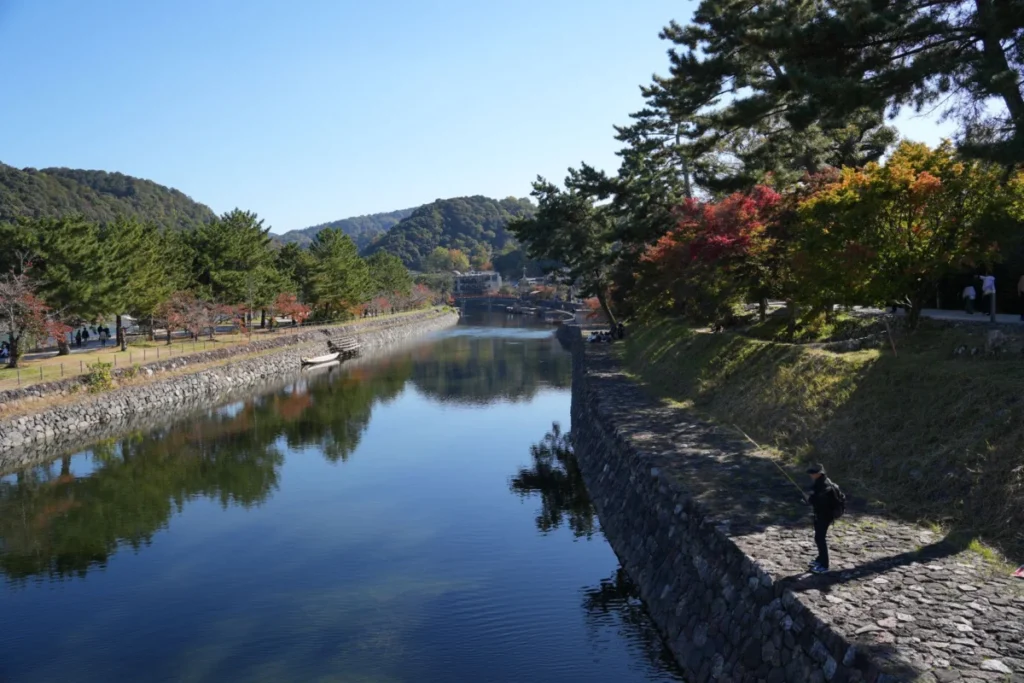
Stay overnight and you can be at Byōdō-in when it opens, take tea by the river at midday and cross to the east bank in the afternoon for Ujigami Shrine and the Tale of Genji Museum. In the evening, when the day-trippers have left, the riverbank by Uji Bridge is quiet.

The honest downside: Uji is out of Kyoto, so other sights mean a train ride each way, and the choice of hotels is small. One or two nights is enough for most travellers.

Local picks

For Culture & History
  • 1
    MorningByōdō-in OmotesandōWalk the approach street to Byōdō-in before the tea shops open. It is lined with old tea merchants’ houses. Come back later in the day to shop.
  • 2
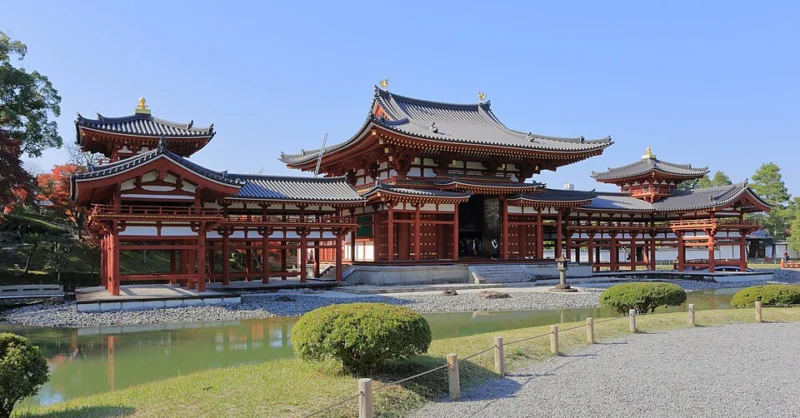
    At openingByōdō-inThe Phoenix Hall of 1053 seems to float on its pond, and it appears on the Japanese 10-yen coin. Visit the Hōshōkan museum to see the original phoenixes and the wooden bodhisattvas from the hall. Tours of the hall interior have limited places, so buy those first.
  • 3
    MiddayTaihō-an tea houseA city-run tea house on the river path near Byōdō-in, where you can join a simple tea ceremony with Uji matcha. It is an easy introduction if you have never attended one.
  • 4
    WalkUji ParkCross to the islands in the river, with a stone pagoda and views of the green hills. It is the best place to understand why Heian aristocrats built their villas here.
  • 5
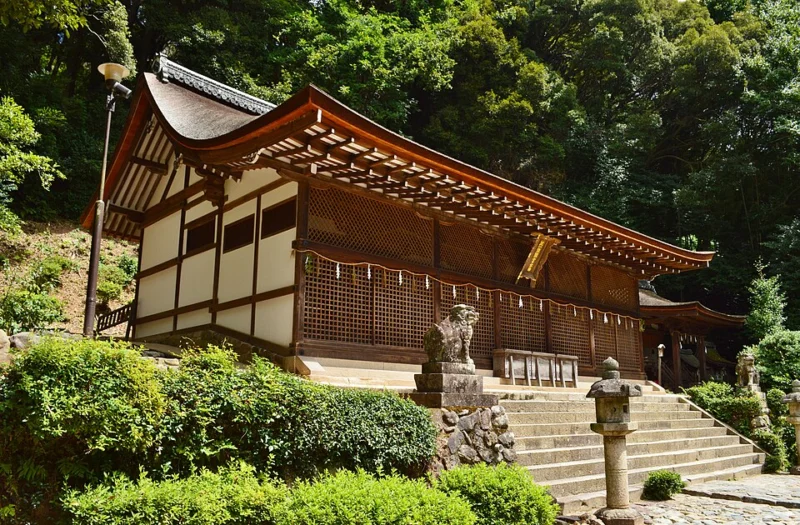
    AfternoonUjigami ShrineOn the east bank, a small shrine whose main hall dates from around 1060 — the oldest original shrine building in Japan. It is quiet and easy to miss. Be respectful, as it is still an active shrine.
  • 6
    AfternoonTale of Genji MuseumA few minutes north, a city museum about The Tale of Genji and the Heian court, with models and films that explain the Uji chapters. It is closed on Mondays.
  • 7
    EveningMurasaki Shikibu statueCross back over Uji Bridge to the statue of Murasaki Shikibu at its western end. As the light drops, the river and the hills look much as the novel describes them.
  • 8
    Tea and sweetsNakamura Tokichi HontenAn old tea merchant near JR Uji station with a café serving matcha sweets and noodles. It closes in the late afternoon, so go before the statue if you arrive late.
  • Getting aroundJR Uji · Keihan UjiThe JR Nara Line runs from Kyoto Station to JR Uji, and the Keihan Uji Line connects at Chūshojima with trains to Gion-Shijō. Both stations are a short walk from Uji Bridge.
  • Where to stayUji has a few riverside ryokan and small guesthouses, but no big hotel district. Stay near Uji Bridge or the Byōdō-in approach, so the sights are a few minutes’ walk away, and book a ryokan with dinner, as the town is quiet at night.

Did you know?

A villa turned temple Byōdō-in was a Fujiwara family villa that Fujiwara no Yorimichi turned into a Buddhist temple in 1052.
The Uji chapters The last ten chapters of The Tale of Genji, the 11th-century novel by Murasaki Shikibu, are set in Uji.
Japan’s oldest shrine building Tree-ring dating found that Ujigami Shrine’s main hall was built around 1060, making it the oldest original Shinto shrine building in Japan.
Uji

Sannenzaka-Ninenzaka

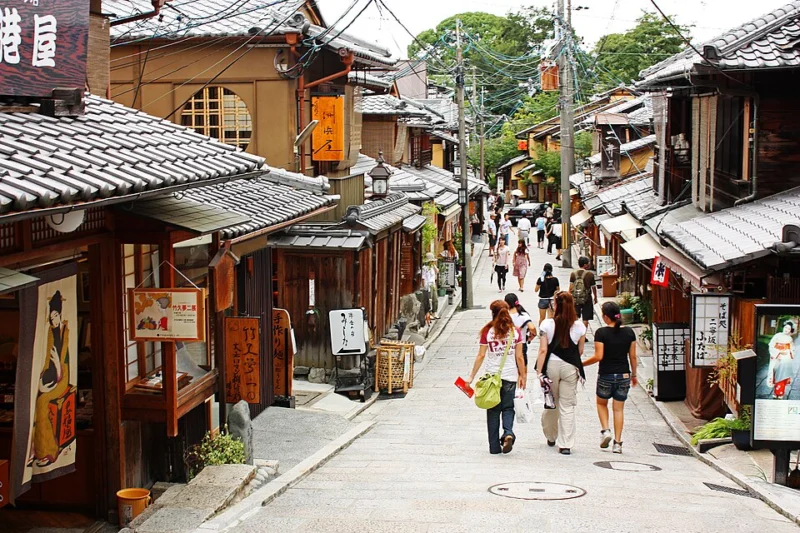
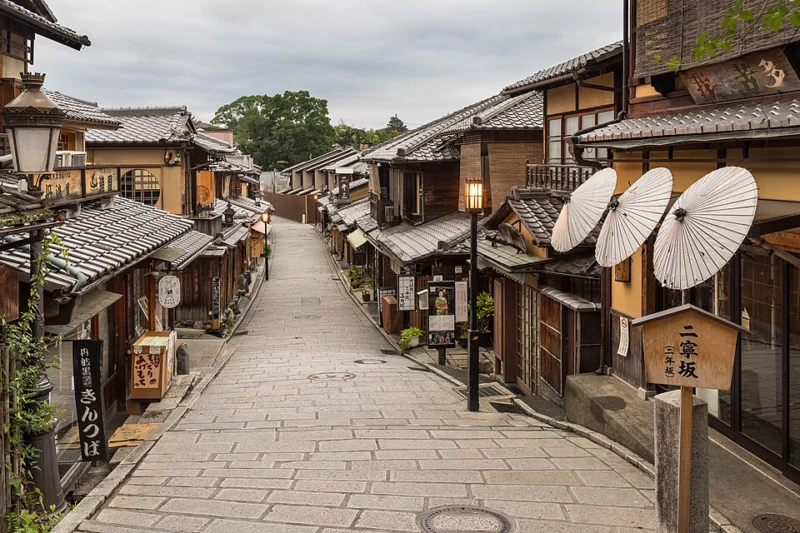
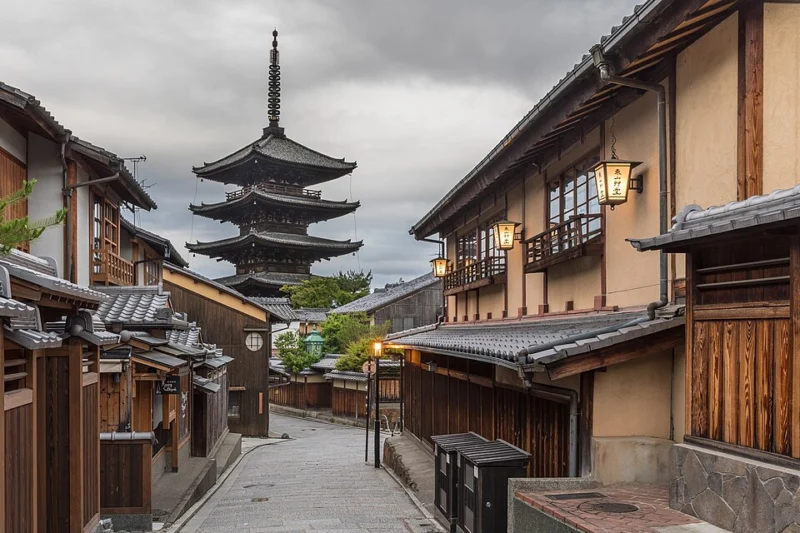
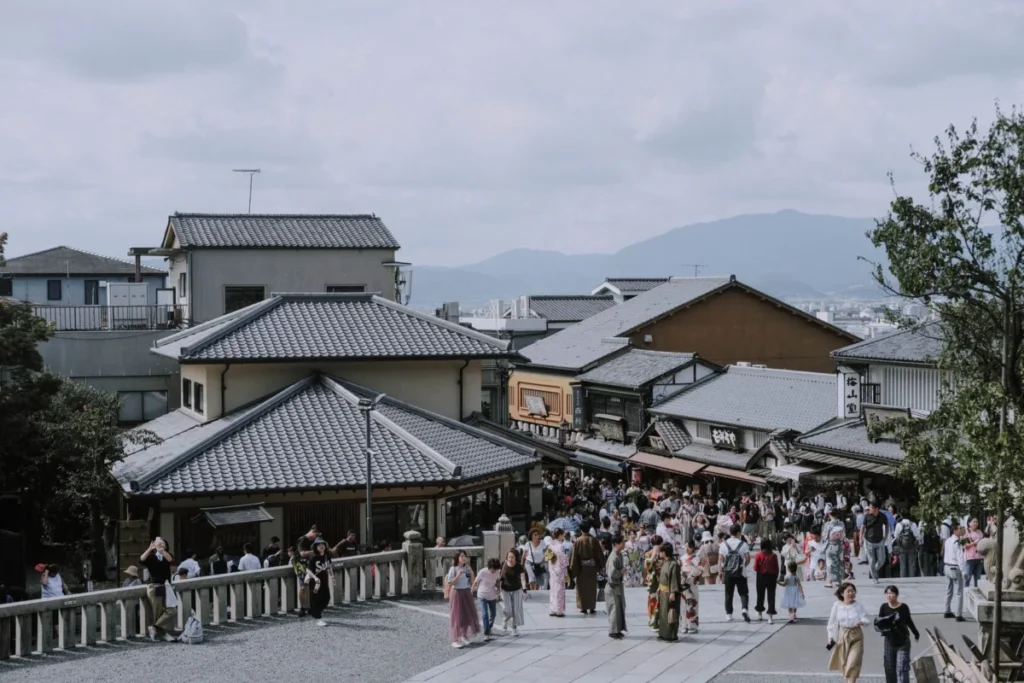
Sannenzaka and Ninenzaka are the two stone-paved slopes that climb towards Kiyomizu-dera through a preserved district of wooden townhouses, with Yasaka Pagoda rising above the roofs. Together with Ishibe-kōji and Nene no Michi, they form the best-preserved old streetscape in Kyoto.

For a history lover, the trick is timing. Climb to Kiyomizu-dera at opening time, come down the slopes before the shops open, and spend the afternoon at Kōdai-ji, the temple built by Toyotomi Hideyoshi’s widow. After the shops close, the lanes empty and you see them as they looked a century ago.

The honest downside: between about 10 am and 5 pm these are some of the most crowded streets in Japan, rooms in the district are expensive, and the slopes are steep for anyone with heavy luggage.

Local picks

For Culture & History
  • 1
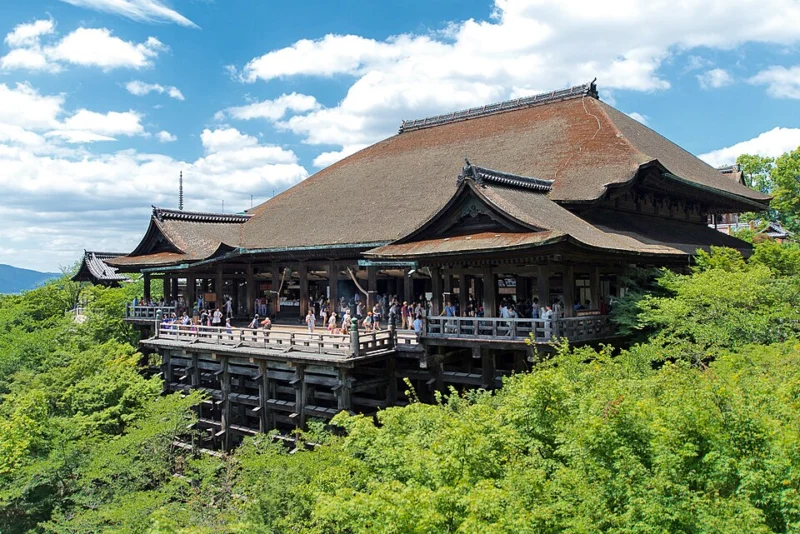
    At openingKiyomizu-deraClimb to Kiyomizu-dera as early as you can — it opens before most temples. Walk out onto the great wooden stage, then down to the Otowa waterfall, where the temple’s story began. By 10 am the crowds arrive.
  • 2
    WalkSannenzakaWalk down the stone steps of Sannenzaka while most shops are still shuttered. Look at the old wooden facades and the lattice windows rather than the shop signs.
  • 3
    WalkNinenzakaTurn onto Ninenzaka, the gentler slope with more two-storey townhouses. It is part of the same preserved district, so the streetscape is protected.
  • 4
    LandmarkYasaka Pagoda (Hōkan-ji)The five-storey pagoda of Hōkan-ji is the symbol of the district. Photograph it from the lane below, then walk around to the temple gate.
  • 5
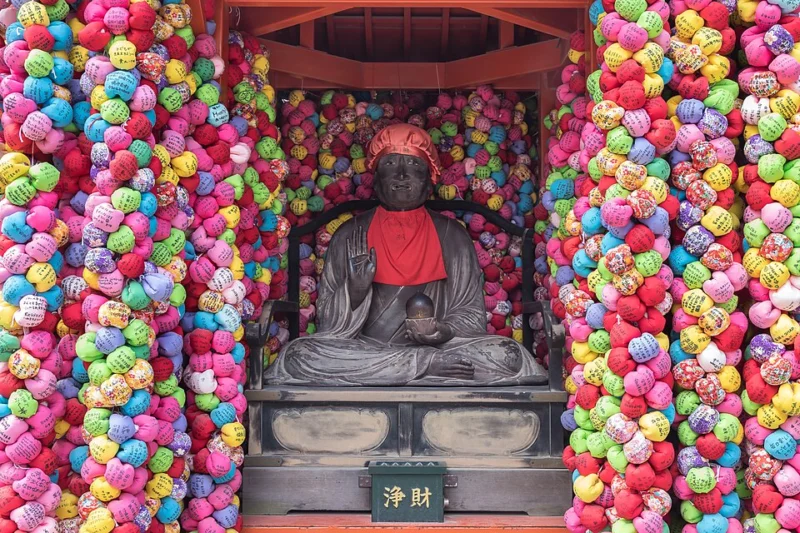
    Hidden historyYasaka Kōshin-dōA tiny temple just below the pagoda, hung with hundreds of colourful cloth balls. They are offerings to the monkey deity of the temple. It takes five minutes.
  • 6
    AfternoonIshibe-kōjiA narrow stone lane between high walls of old inns and townhouses, running between Nene no Michi and Shimogawara-dōri. Walk it slowly and quietly — people live here.
  • 7
    AfternoonNene no MichiThe broad stone path below Kōdai-ji, named after Nene, Hideyoshi’s widow. It is the calmest of the old streets.
  • 8
    Late afternoonKōdai-jiFinish at the temple Nene built in memory of Hideyoshi, with its gardens, bamboo grove and the mausoleum hall. Check the evening illumination dates in spring, summer and autumn.
  • Getting aroundGion-Shijō · Kiyomizu-Gojō · city busesKeihan trains stop at Gion-Shijō and Kiyomizu-Gojō, each about 15–20 minutes’ walk downhill from the slopes. City buses stop at Kiyomizu-michi and Gojōzaka on Higashiōji-dōri.
  • Where to stayThe district itself has small luxury hotels and ryokan in old buildings; more choice is a few minutes away in Gion and around Yasaka Shrine. Stay within walking distance of the slopes so you can be there early and late, and travel light — taxis cannot reach every lane.

Did you know?

The “safe delivery” slope The real name of Sannenzaka is Sanneizaka, “safe delivery hill”, after prayers for childbirth to the Kannon of Kiyomizu-dera.
A widow’s temple Kōdai-ji was built by Hideyoshi’s widow Nene in his memory, with support from Tokugawa Ieyasu, and consecrated in 1606.
Founded in 778 According to temple tradition, Kiyomizu-dera was founded in 778, before Kyoto became the capital.
Sannenzaka-Ninenzaka

Planning your stay in Kyoto

For Culture & History
  • Opening timesMost temples open between 8 and 9 am and close between 4 and 5 pm. Kiyomizu-dera opens earlier, so plan it as your first stop.
  • Entry feesMany temple grounds are free, but halls, gardens and museums usually charge a small fee. Carry cash, as not every temple takes cards.
  • FestivalsThe Aoi Matsuri (15 May), Gion Matsuri (July) and Jidai Matsuri (22 October) are Kyoto’s three great festivals. Book well ahead for those dates.
  • Respect at sacred sitesRemove shoes where asked, do not photograph inside halls where signs forbid it, and keep your voice down. Many sites are active places of worship.
Self-guided walking tours Culture & History (Kyoto, Japan)
Routes 4
Pick a route

Best time to visit Kyoto (Japan)

Now (November) avg high: 17°C, mostly dry, full season — expect crowds. Best months to walk: Dec & Nov.

Live Temp …
~Day / Night Temp 17°C / 7°C
Sunrise / Sunset 6:26 / 16:56
Local time 10:01
Best Months Dec & Nov
J Jan F Feb M Mar A Apr M May J Jun J Jul A Aug S Sep O Oct N Nov best month this month D Dec best month
Check Kyoto hotels
Temperature Average daytime high, month by month. Zero line marks freezing point.
Crowds How busy it gets — traveller interest by month.
Rainfall Rainy days to expect each month.
Sunshine Hours of sun per day, by month.
Kyoto guides →

Best hotels in Kyoto for culture and history

Rooms within walking distance of the shrines and temples, so you can be at the gate when it opens.
Yadoya Kyoto Shimogamo
Best overall
10.0 Exceptional
63 reviews

Yadoya Kyoto Shimogamo

A small inn in the Shimogamo area, north of the meeting point of the Kamo and Takano rivers. From here you can walk to Shimogamo Shrine and its old forest before the first visitors, and Demachiyanagi station connects you to the rest of Kyoto.

Ideal for: History lovers who want a quiet base near an ancient shrine
Fufu Kyoto
Top pick
9.1 Outstanding
654 reviews

Fufu Kyoto

An upscale hotel on Niōmon-dōri near Nanzen-ji, in the south of Sakyo. Nanzen-ji, the Philosopher’s Path and the Okazaki museums are within walking distance, so you can see the temples early and come back to a quiet room in the middle of the day.

Ideal for: History lovers who want comfort close to the eastern temples
Hotel Okura Kyoto Okazaki Bettei
Luxury stay
9.3 Outstanding
442 reviews

Hotel Okura Kyoto Okazaki Bettei

An upscale hotel in Okazaki, a short walk from Heian Shrine, the canal and the art museums. From here the Philosopher’s Path, Nanzen-ji and Shinnyo-dō are all a pleasant walk away.

Ideal for: History lovers who want a polished base near Heian Shrine
Hanayashiki Ukifune-en
Smart choice
8.5 Very Good
97 reviews

Hanayashiki Ukifune-en

A traditional ryokan on the Uji River, just upstream from Byōdō-in and opposite the islands of Uji Park. Staying in Uji lets you see Byōdō-in at opening time and walk the Tale of Genji sights in the evening after the day-trippers have gone.

Ideal for: History lovers who want to stay overnight in Uji
Uji-Ichibanyado-Nigauri
Editor’s choice
9.2 Superb
29 reviews

Uji-Ichibanyado-Nigauri

A 4-star guesthouse in the Satojiri area of Uji, with spacious tatami rooms that have a kitchenette, a washing machine and a private bathroom with a bath. Staying in Uji means you can reach Byōdō-in at opening time and walk the riverside tea streets after the day-trippers leave. It has under 30 reviews so far (9.2) and the reception speaks Japanese only, so check the map and arrival instructions before you book.

Ideal for: Culture lovers who want to wake up in Uji
Sowaka
Walkable area
9.6 Exceptional
269 reviews

Sowaka

A small hotel in a traditional building in the Higashiyama hills, a few minutes from the Yasaka Pagoda, Ninenzaka and Kōdai-ji. Staying here means you can walk the old slopes at dawn and after dark, when they are almost empty.

Ideal for: History lovers who want to sleep in the old streets
Hotel The Celestine Kyoto Gion
Premium stay
9.3 Outstanding
2604 reviews

Hotel The Celestine Kyoto Gion

A hotel on the Gion side of Higashiyama, between Yasaka Shrine and Kennin-ji. You can walk up to Ninenzaka and Kiyomizu-dera in about 15 minutes, and back down into Gion in the evening.

Ideal for: History lovers who want Gion and Higashiyama on foot

Coming for a festival or the autumn leaves?

Rooms near the temples go first in cherry blossom season, in November and around the Aoi Matsuri (15 May) and Gion Matsuri (July) — book early if your dates are fixed.

Compare Kyoto hotels for history lovers

Location, style and the historic sites nearby — side by side.
Fufu Kyoto
Top pick
9.1 Outstanding
654 reviews

Fufu Kyoto

Sakyo • Upscale ryokan-style hotel • Near Nanzen-ji
Comfort among the eastern temples
Location
Walk to Nanzen-ji
Hotel Okura Kyoto Okazaki Bettei
Luxury stay
9.3 Outstanding
442 reviews

Hotel Okura Kyoto Okazaki Bettei

Sakyo (Okazaki) • Upscale hotel • By Heian Shrine
Heian Shrine and the museums on foot
Location
Near Heian Shrine and museums

Traditional Local Food Kyoto (Japan)

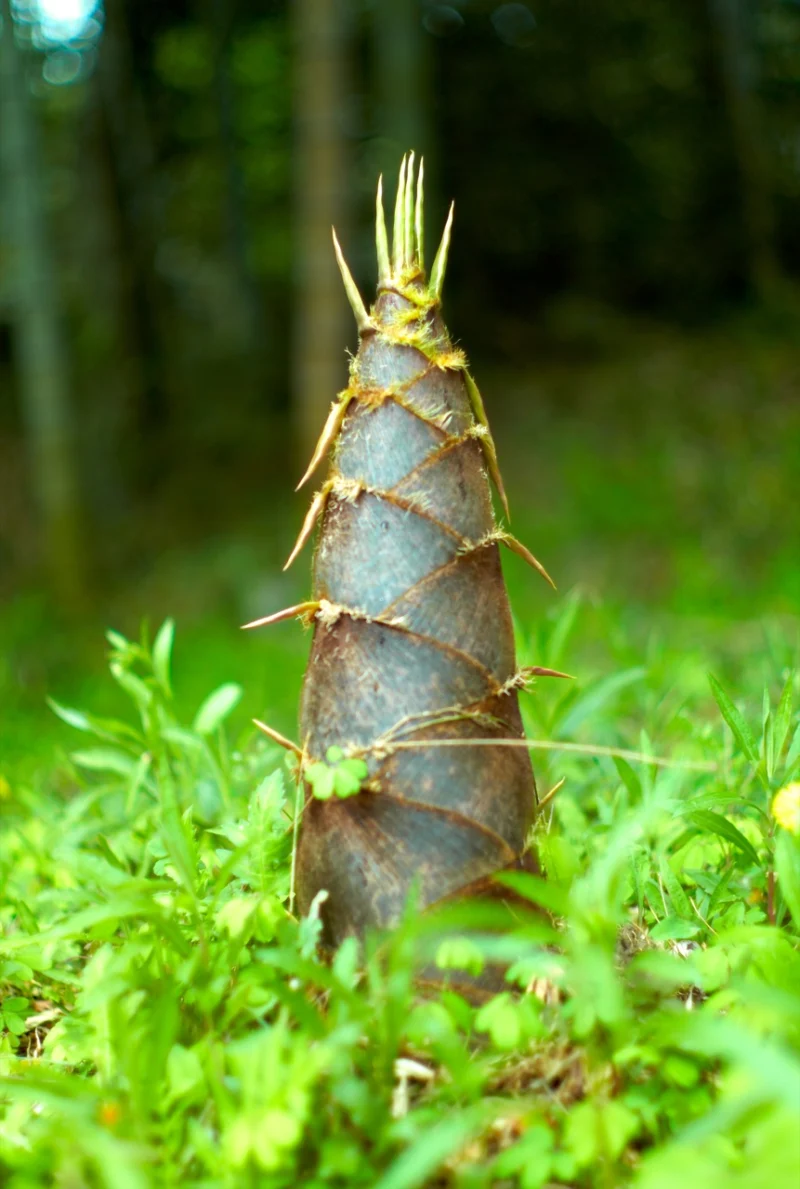
Grilled Bamboo Shoots
Snack Vegan

Grilled Bamboo Shoots

筍
TAH-kay-no-ko

Tender bamboo shoots, typically grilled and seasoned simply, representing spring.

Open Grilled Bamboo Shoots recipe
Main course Fish & Seafood

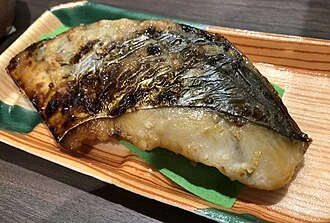
Grilled White Miso Marinated Fish

西京焼き
sai-kyo yah-kee

White miso marinated fish, grilled to achieve a savory sweetness.

Open Grilled White Miso Marinated Fish recipe
🐟
Main course Fish & Seafood

Hamo no Kiriotoshi

鱧の切り落とし
ha-mo no kee-ri-oh-toh-shee

Thinly sliced pike conger served in summer.

Open Hamo no Kiriotoshi recipe
🐟
Main course Fish & Seafood

Hamo no Yubiki

鱧の湯引き
Hah-moh noh Yoo-bee-kee

Lightly poached pike conger eel served with plum sauce.

Open Hamo no Yubiki recipe
Kuzu Manju
Dessert Vegan

Kuzu Manju

葛饅頭
koo-zoo mahn-joo

A summer dessert featuring cool, translucent jelly with sweet fillings.

Open Kuzu Manju recipe
Dessert Vegan

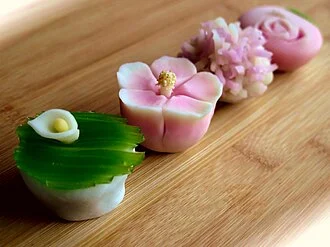
Kyo-Wagashi

京和菓子
kee-yoh wah-gah-shee

Traditional Kyoto sweets usually served with tea.

Open Kyo-Wagashi recipe
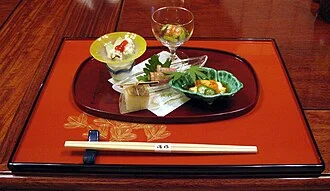
Main course Vegetarian

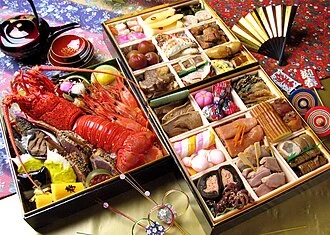
Kyo-kaiseki

京懐石
Kyo-kai-seh-key

A traditional multi-course Japanese dinner featuring seasonal ingredients.

Open Kyo-kaiseki recipe
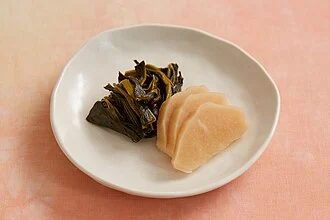
Snack Vegan

Kyo-tsukemono

京漬物
kyo-tsu-keh-mo-no

Traditional Kyoto pickled vegetables.

Open Kyo-tsukemono recipe
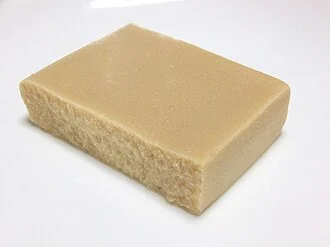
Main course Vegan

Kyoto Style Koyadofu

高野豆腐
koh-yah doh-foo

Freeze-dried tofu simmered in dashi broth.

Open Kyoto Style Koyadofu recipe
Soup Vegetarian

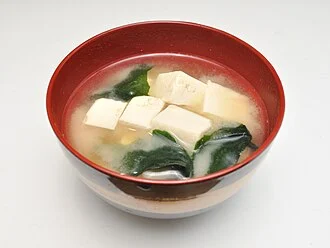
Kyoto Style Misoshiru

白味噌汁
mee-soh shee-roo

Traditional white miso soup with seasonal vegetables.

Open Kyoto Style Misoshiru recipe
Drink Vegan

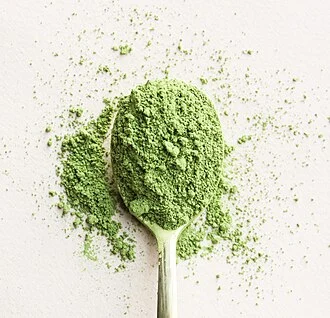
Matcha

抹茶
Maat-chah

Finely ground powder of specially grown and processed green tea leaves

Open Matcha recipe
Dessert Vegetarian

Matcha Green Tea Sweets

抹茶和菓子
mah-chah wah-gah-shee

Traditional sweets made with matcha, typically served with tea.

Open Matcha Green Tea Sweets recipe
Dessert Vegan

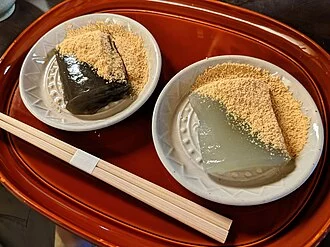
Matcha Warabimochi

抹茶わらび餅
Maht-cha Wah-rah-bee-moh-chee

A jelly-like confection made from bracken starch and matcha served with kinako.

Open Matcha Warabimochi recipe
Main course Fish & Seafood

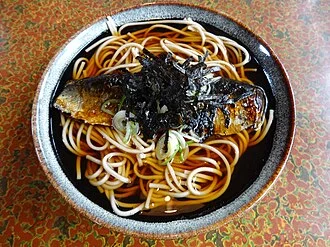
Nishin Soba

にしんそば
Nee-shin Soh-bah

Buckwheat noodles served in dashi broth topped with sweetened herring.

Open Nishin Soba recipe
Main course Vegetarian

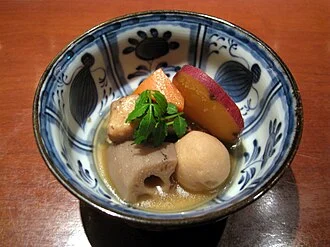
Obanzai

おばんざい
oh-ban-zai

A variety of traditional Kyoto home-cooked dishes.

Open Obanzai recipe
Saba Sushi
Main course Fish & Seafood

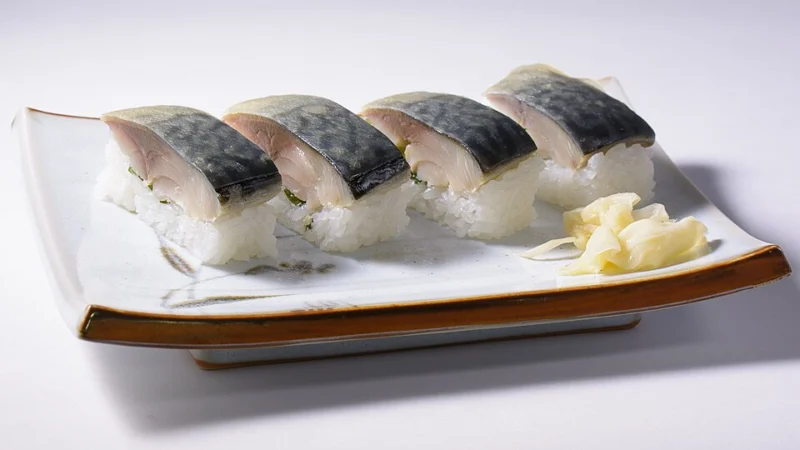
Saba Sushi

鯖寿司
sah-bah sue-shee

Pressed sushi made with mackerel and vinegared rice, a specialty of Kyoto.

Open Saba Sushi recipe
Main course Vegan

Shojin Ryori

精進料理
shoh-jeen ryo-ri

Traditional Zen Buddhist vegan cuisine.

Open Shojin Ryori recipe
Dessert Vegan

Yatsuhashi

八ツ橋
yaht-soo-hah-shee

Kyoto's iconic sweet made from glutinous rice flour, sugar, and cinnamon.

Open Yatsuhashi recipe
Main course Vegetarian

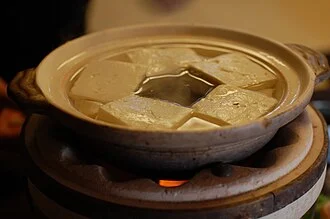
Yudofu

湯豆腐
Yoo-doh-foo

Tofu simmered in a light broth and served with dipping sauces.

Open Yudofu recipe

Activities & Experiences

Things to Do in Kyoto

Top-rated tours, day trips and local experiences — book in advance to secure your spot.

City & Country Data Kyoto (Japan)

Key travel data for Kyoto — local prices, safety, healthcare, local currency and essentials, curated by Triplandio.

Safety 🔒 89
Health 🏥 100
Lifestyle ⭐ 48
Infra 🏗️ 100
Rank 🎯 #5
Score 📊 70
Tourists ✈️ 4.1M/y
GDP/cap 💵 $36.0k
Life Exp ❤️ 84.0 yrs
Population 👥 123.4M
Currency 💱 JPY ¥
Language 🗣️ Japanese
Payments 💳 Mixed
Emergency 🆘 110
Coffee ☕ $3.50
Beer 🍺 $3.50
Lunch 🍽️ $10.00
Groceries 🛒 $50.00/w
Taxi/km 🚕 $1.50
Transit 🚇 $2.00
Fuel ⛽ $1.20/l
Internet 📡 $40.00/m
Salary 💵 $2,500/m

Travel tipsKyoto (Japan)

Quick tips

  1. Some cold and allergy medicines are banned — Critical

    Japan's strict stimulant-drug law covers Vicks inhalers, cold and flu tablets containing pseudoephedrine, some allergy and sinus remedies and some codeine painkillers. Visitors have been detained and deported, so check your medicines with the Japanese embassy before you fly.

  2. Don't follow street touts into bars — Critical

    In nightlife districts such as Kabukicho, Roppongi, Shibuya and Ikebukuro in Tokyo, touts lure visitors into bars where drinks are spiked and huge sums are charged to their cards. Ignore touts and check prices before you order.

  3. Don't chase geiko in Gion — Caution

    Geiko and trainee maiko in Kyoto's Gion district are working women, not attractions. Don't block their way, touch them or photograph them without permission, and keep out of the private lanes marked by signs.

  4. Always carry your passport — Caution

    Tourists in Japan must carry their passport at all times, not a photocopy. Police can arrest you if you cannot show proof of your permission to stay.

  5. Smoking on the street is often banned — Caution

    Smoking while walking on the streets of Tokyo and many other Japanese cities is illegal. Look for the designated smoking areas, usually near stations, and smoke only there.

  6. Carry cash as well as cards — Local tip

    Many small restaurants, shrines, temples and rural shops in Japan still take cash only. ATMs at 7-Eleven stores and post offices are the most reliable for foreign cards.

  • Do
  • Carry your passport at all times
  • Take shoes off where slippers wait
  • Wash before getting into an onsen
  • Carry cash for small places
  • Take your rubbish with you
  • Don’t
  • Bring pseudoephedrine medicine
  • Follow touts into bars
  • Tip in restaurants
  • Smoke while walking
  • Take phone calls on trains

Kyoto tips for history lovers

Plan around festivals

The Aoi Matsuri procession on 15 May runs from the Imperial Palace to Shimogamo and Kamigamo shrines, and the Gion Matsuri fills July. Book early for those dates, or avoid them if you want quiet temples.

Tip: Aoi Matsuri 15 May, Gion Matsuri in July

Try a tea ceremony in Uji

Uji has been famous for green tea for centuries. The city-run Taihō-an tea house by the river near Byōdō-in holds simple tea ceremonies, which are a good introduction before a more formal one.

Tip: Tea by the Uji River

Read before you go

Kyoto makes more sense with a little background: the Heian court of the Tale of Genji, the Ashikaga shoguns behind Ginkaku-ji and Shōkoku-ji, and Toyotomi Hideyoshi and his wife Nene at Kōdai-ji. One evening of reading changes how you see the next day.

Tip: A little reading goes a long way

Walk the slopes after dark

Sannenzaka, Ninenzaka and Ishibe-kōji empty out once the shops close. A stay in Higashiyama lets you walk them in the evening, when the old wooden houses and stone paving are easy to see.

Tip: Old streets without the crowds

Kyoto for culture and history: FAQ

When is the best time to visit Kyoto?

The best time to visit Kyoto is December and November — fewer crowds, comfortable temperatures, less rain and more sunshine. Compare every month in the seasonal chart above.

When is the best time to visit Kyoto's historic sites?

Spring and autumn are the most beautiful but also the busiest. Late May, June and early December are quieter, and in any season the first hour after opening is the calmest time at the big temples.

Where can I see a traditional tea ceremony?

In Uji, the city-run Taihō-an tea house near Byōdō-in holds tea ceremonies, and the tea house at Nakamura Tokichi Honten offers a longer session. In Kyoto itself, many temples and tea schools run sessions — book ahead.

Which area is best for history lovers?

Sannenzaka and Ninenzaka put you inside a preserved Edo-era streetscape below Kiyomizu-dera. Sakyo suits travellers who prefer Zen temples and quiet walks, and Uji is best for the Heian period and the Tale of Genji.

Which temples are quieter than the famous ones?

Shōkoku-ji near Demachiyanagi, Hōnen-in and Shinnyo-dō in Sakyo, and Ujigami Shrine in Uji are all historically important and far calmer than Kiyomizu-dera or Kinkaku-ji.

Is Uji worth an overnight stay?

Yes, if you love the Heian period. Byōdō-in, Ujigami Shrine and the Tale of Genji Museum are all within a short walk, and staying overnight lets you see them early and walk the river in the evening.

How do I get between the historic areas?

Keihan trains link Demachiyanagi, Gion-Shijō and Uji, and the JR Nara Line also runs to Uji. For Sakyo and Higashiyama, city buses and walking work best. An ICOCA card works on all of them.

Kyoto’s history, one quarter at a time

★ For history lovers
Kyoto was Japan’s capital for over a thousand years, and where you sleep decides how much of that history you see before the crowds arrive. This guide covers four bases: Shimogamo with one of Japan’s oldest shrines, the temple trail of Sakyo below Ginkaku-ji, the Byōdō-in and Tale of Genji town of Uji, and the old slopes of Sannenzaka and Ninenzaka below Kiyomizu-dera. Each comes with a day route, the facts behind the sights and the kind of room to look for.
  • Handpicked hotels
  • Areas close to the history
  • Museums and landmarks on foot
  • Updated 2026
Asia — Japan — Kyoto — Where to Stay in Kyoto for Culture and History
keyboard_arrow_up