

Gion
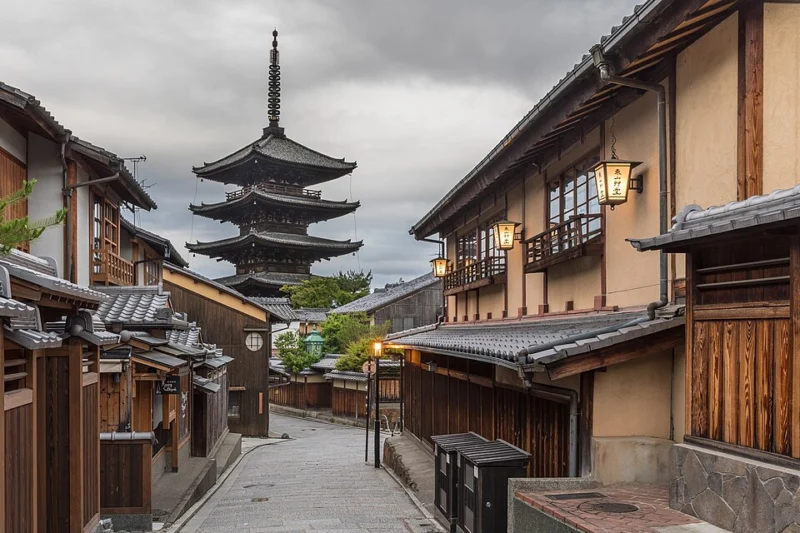
Gion is Kyoto's old geisha quarter, a few streets of wooden teahouses between the Kamo river and Yasaka Shrine. Most visitors come for an evening and leave, but it is also one of the best budget bases in the city, because so much of it costs nothing. The shrine never closes, the canals are free and the temple grounds above the district are open to walk into.
Start early on the free side: the huge gate of Chion-in, the lanterns of Yasaka Shrine, the stone lanes of Hanamikoji. Grab breakfast at a convenience store, keep your yen for one paid temple hall, and come back to the Shirakawa canal at dusk when the willows and lanterns are lit.
The honest downside: restaurants on the main streets of Gion are expensive. Walk ten minutes west across the river to Kawaramachi for cheap dinners, and stay in a hostel rather than a ryokan.
Local picks
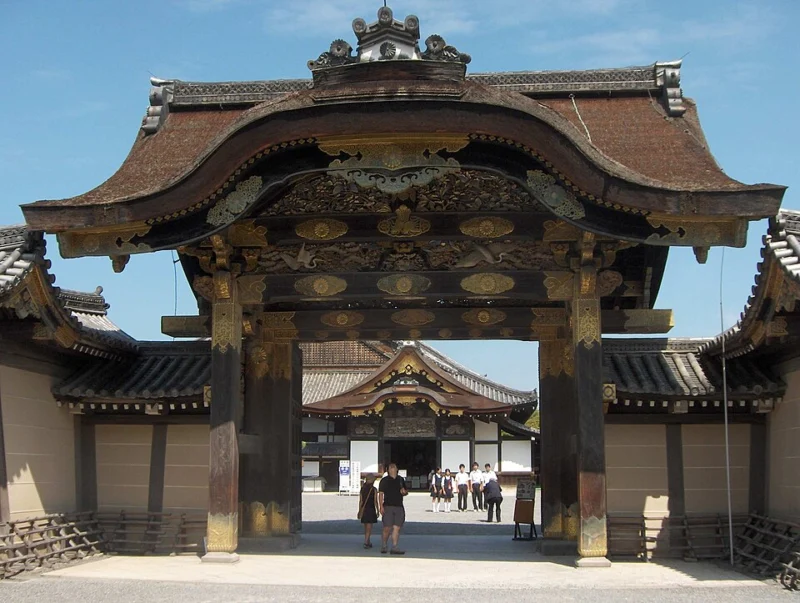
For Budget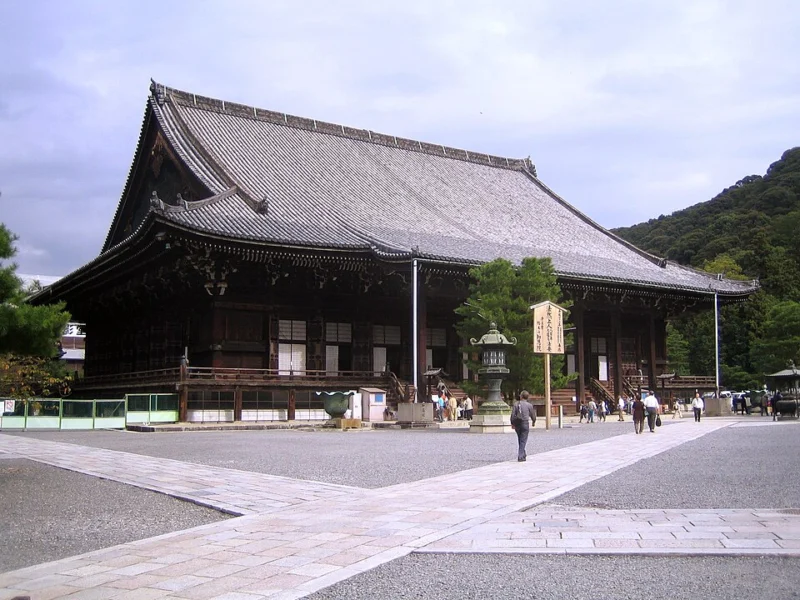 1Free morningChion-inStart at the head temple of the Jōdo sect, whose Sanmon gate from 1621 is one of the largest wooden temple gates in Japan. Walking through the grounds is free, and early in the morning you may hear the monks chanting.
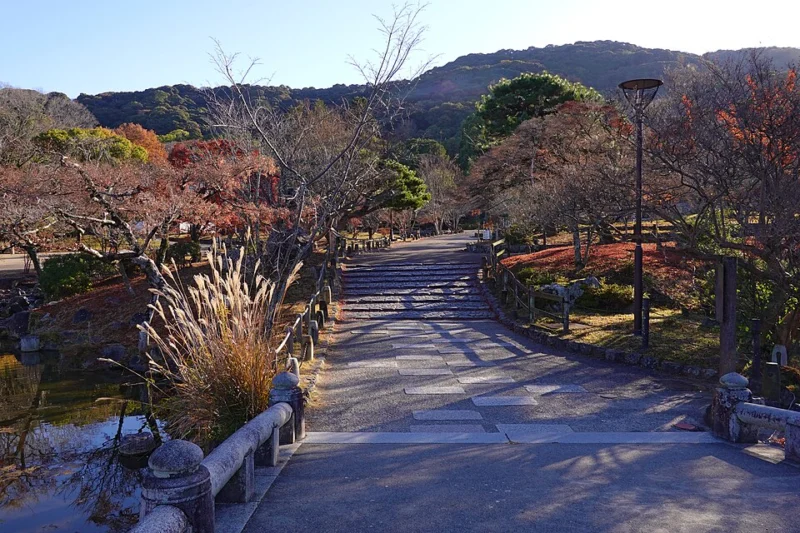 2Free parkMaruyama ParkKyoto's oldest public park sits right behind Yasaka Shrine. It is packed during cherry blossom season, but the rest of the year it is a quiet place to eat a convenience-store breakfast on a bench.
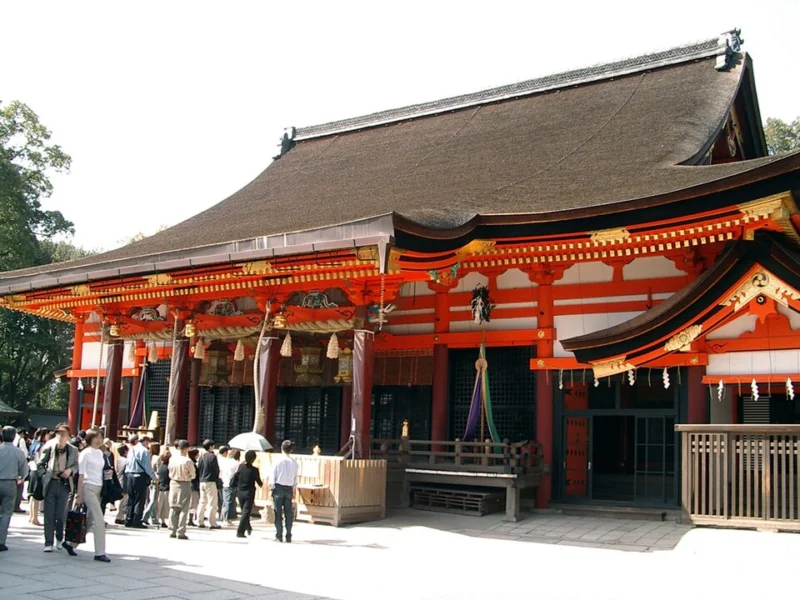 3Always openYasaka ShrineThe shrine behind Kyoto's Gion Matsuri festival is free and open day and night. Come back after dark, when the hundreds of paper lanterns on the dance stage are lit.
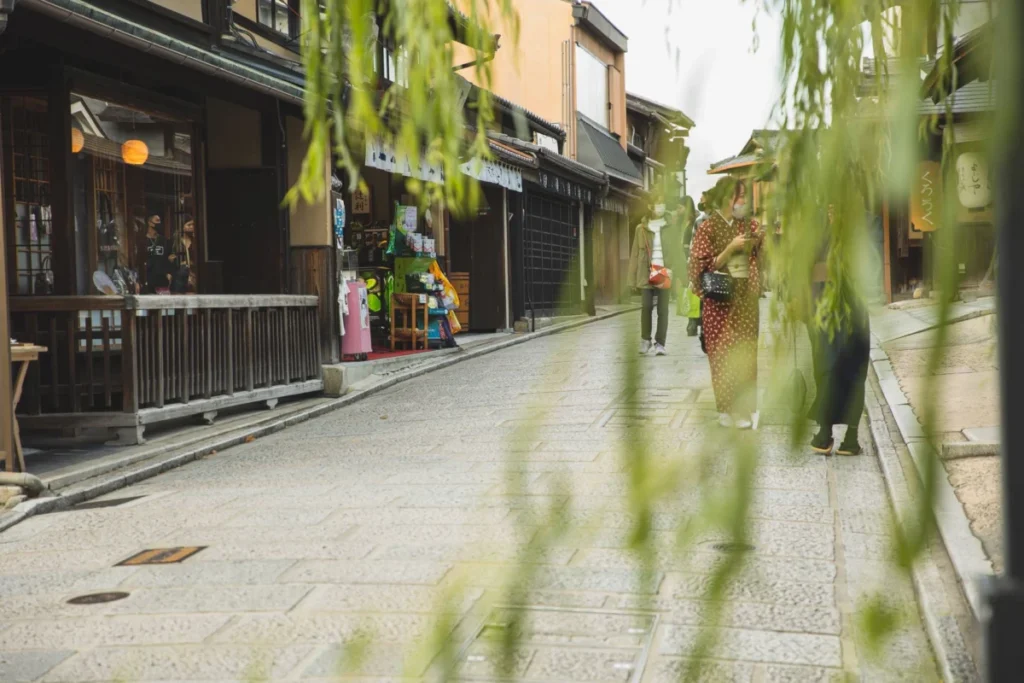
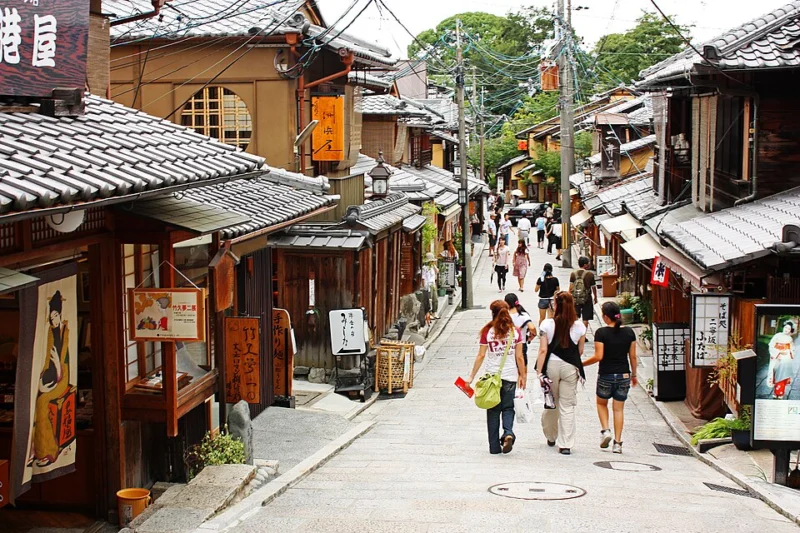
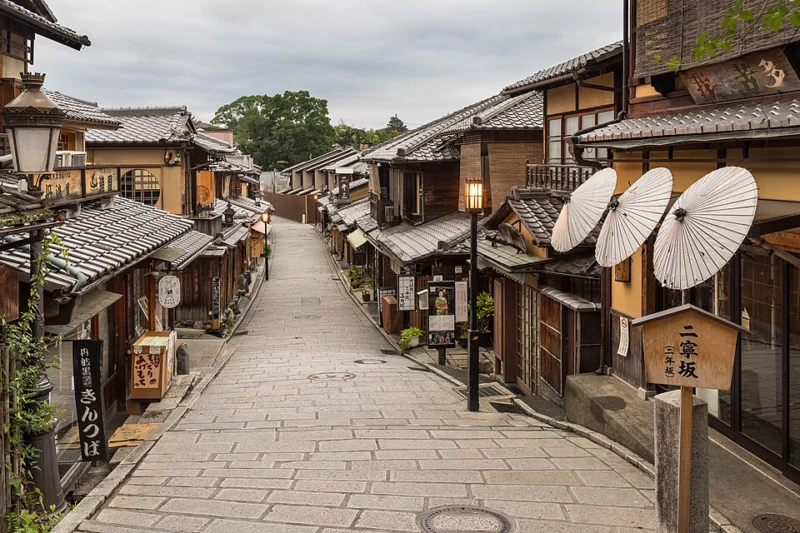
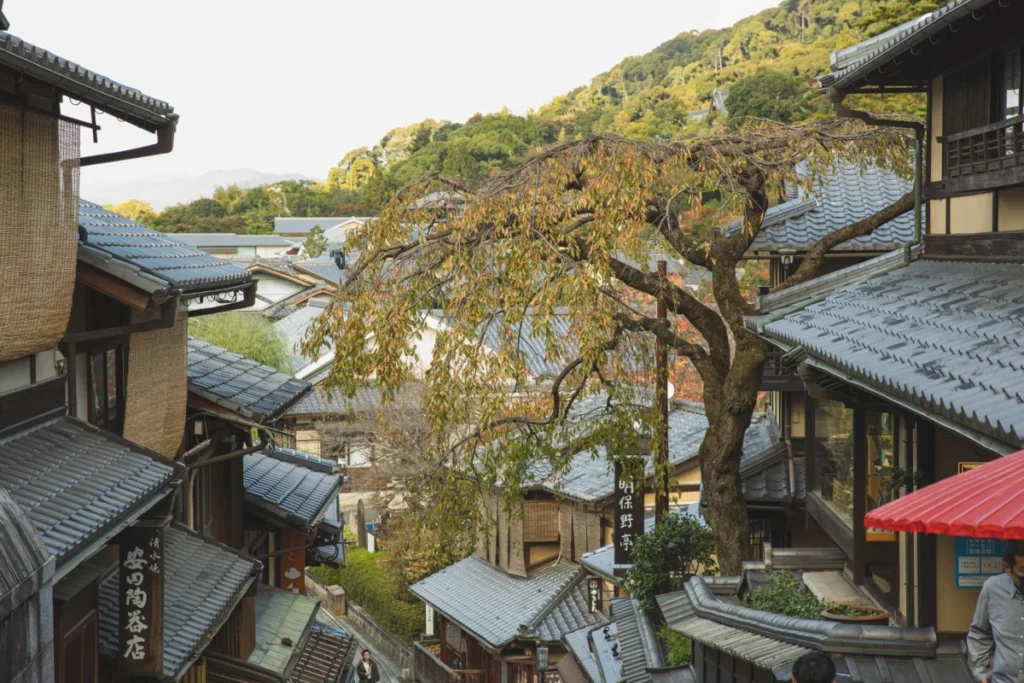
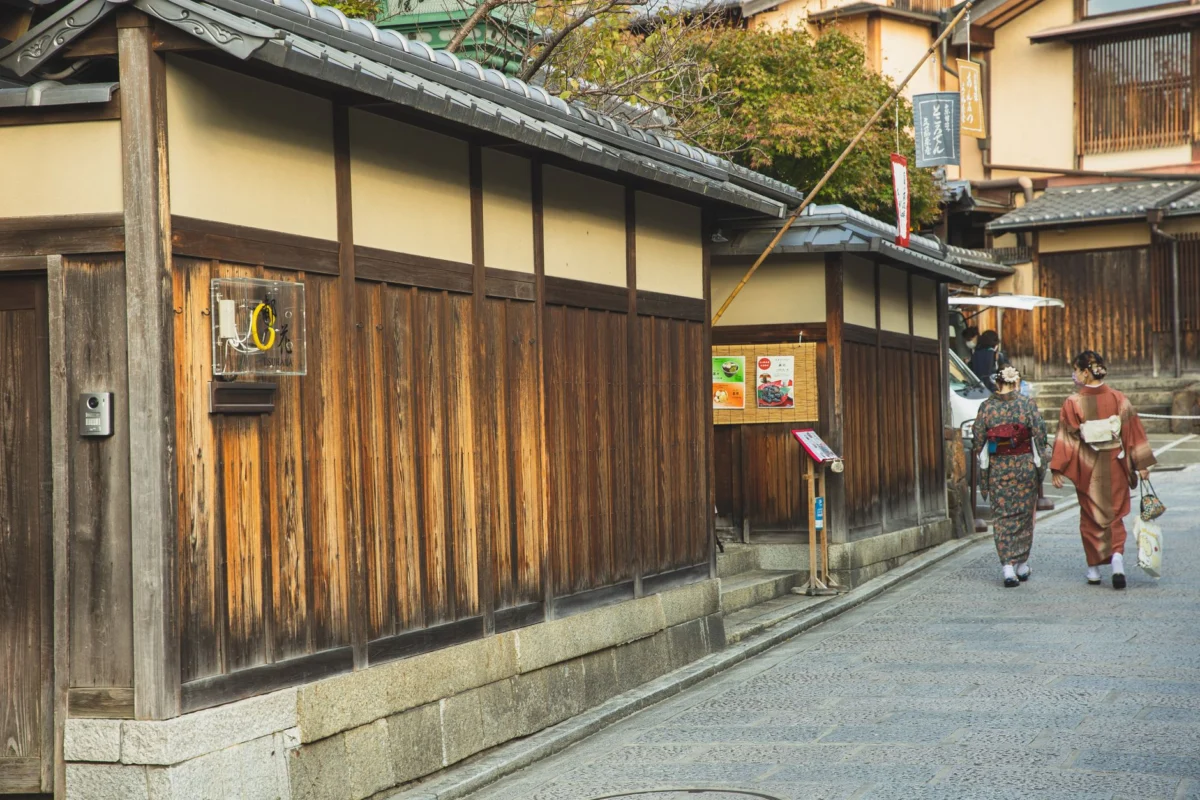
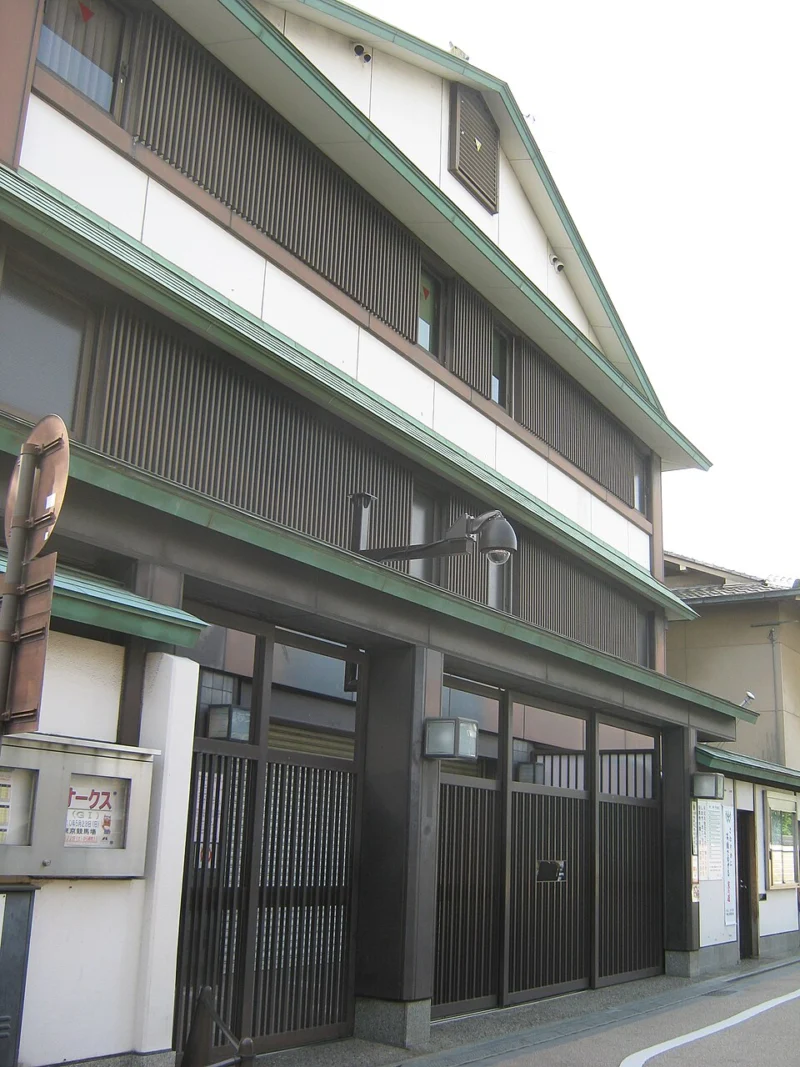 4Free walkHanamikoji StreetThe main lane of Gion's teahouse district, with wooden fronts and bamboo blinds. Look but don't chase geiko for photos, and keep out of the private side lanes marked with no-entry signs — Gion fines visitors who ignore them.
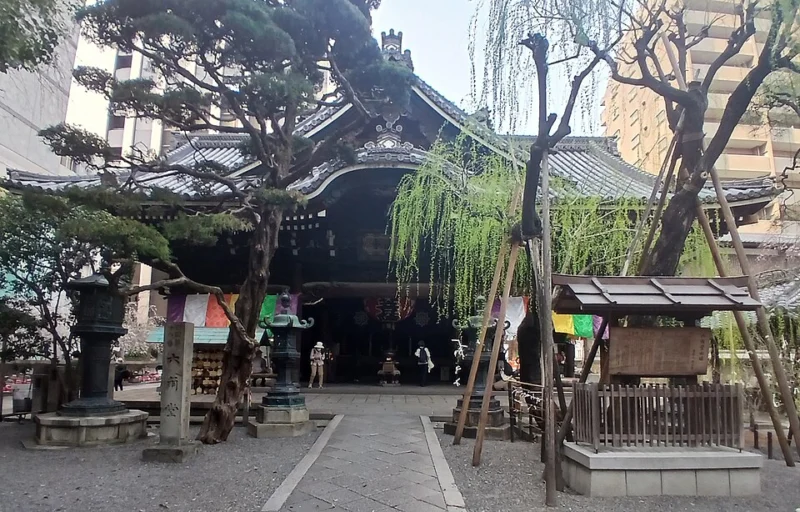
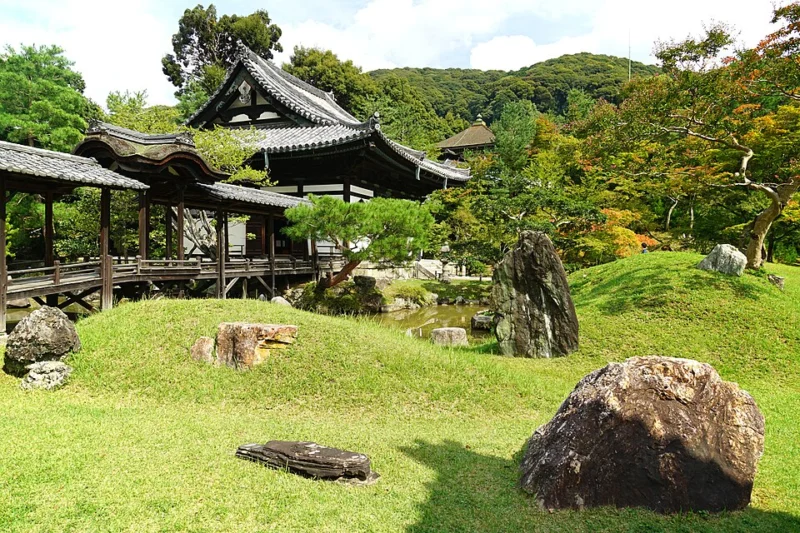
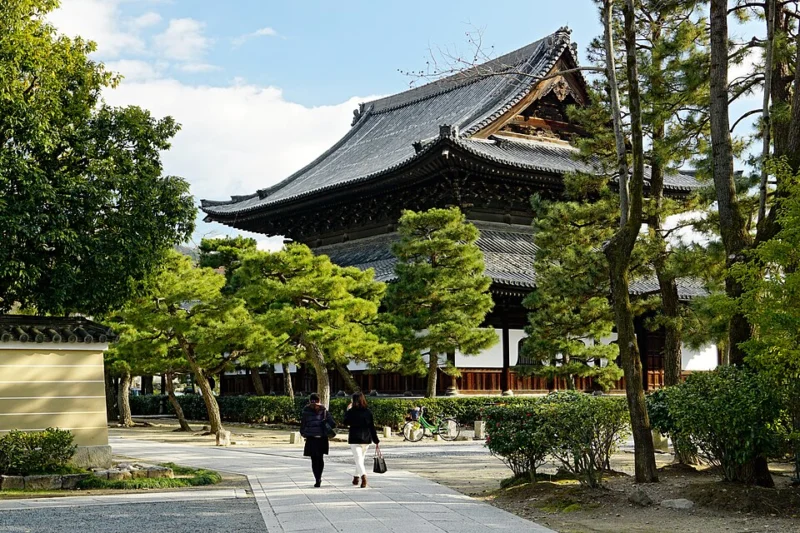 5Worth the ticketKenninji TempleKyoto's oldest Zen temple, founded in 1202, has free grounds at the south end of Hanamikoji. If you pay for one hall today, make it this one: the twin dragons painted across the ceiling of the Dharma Hall in 2002 and the famous Wind God and Thunder God screens (shown as a copy).
- 6Free eveningShirakawa CanalFinish along the stone-edged canal between Shijō and Sanjō, where willows hang over the water and the teahouses light their lanterns. The small Tatsumi bridge and shrine are the classic spot, and it costs nothing to stand there and watch.
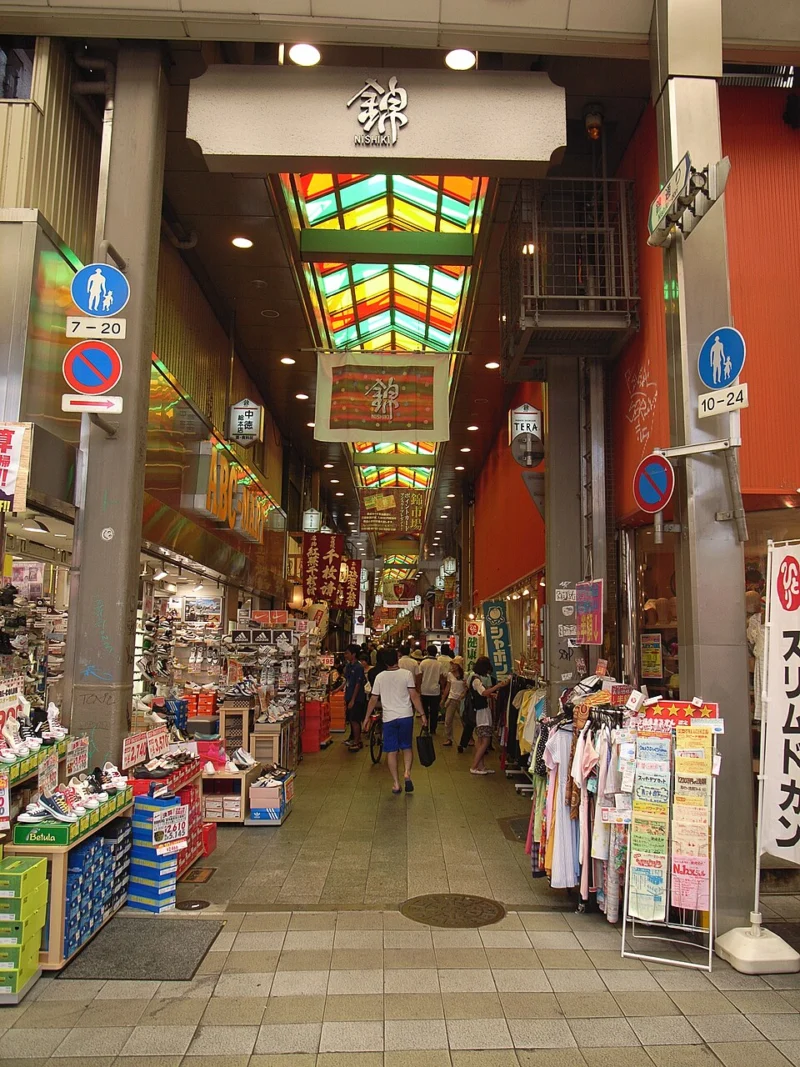
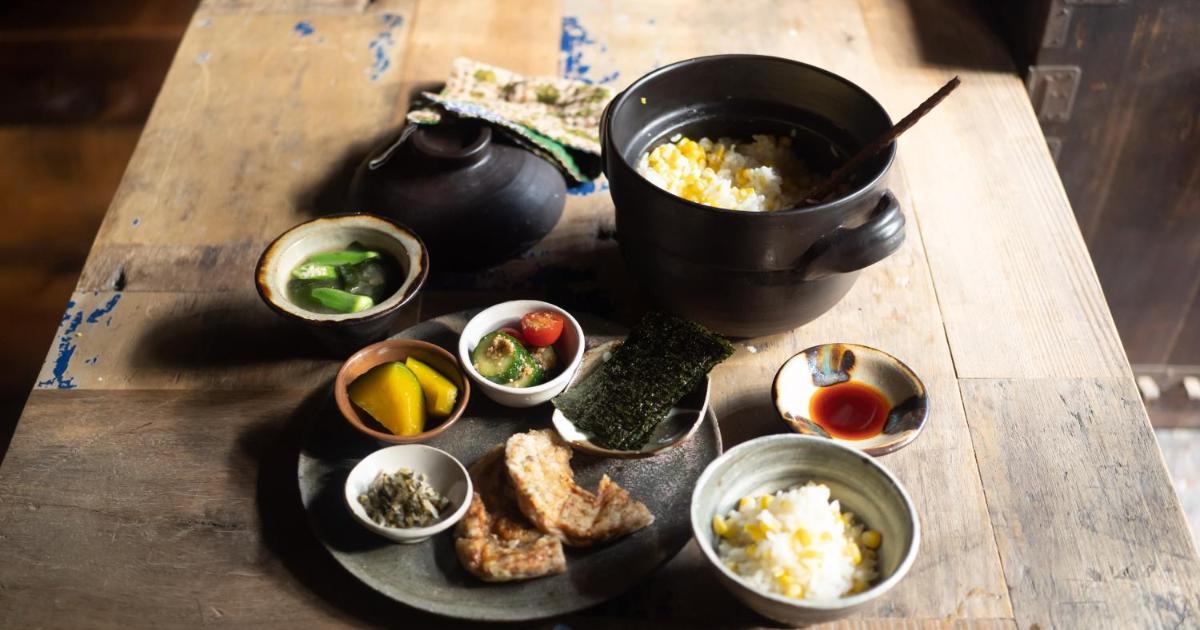
- Cheap eatsAcross the river in KawaramachiGion's own restaurants are pricey, so walk ten minutes west over the Shijō bridge for dinner. Around Kawaramachi and Sanjō you will find conveyor-belt sushi, noodle shops and chain izakaya at a fraction of Gion prices.
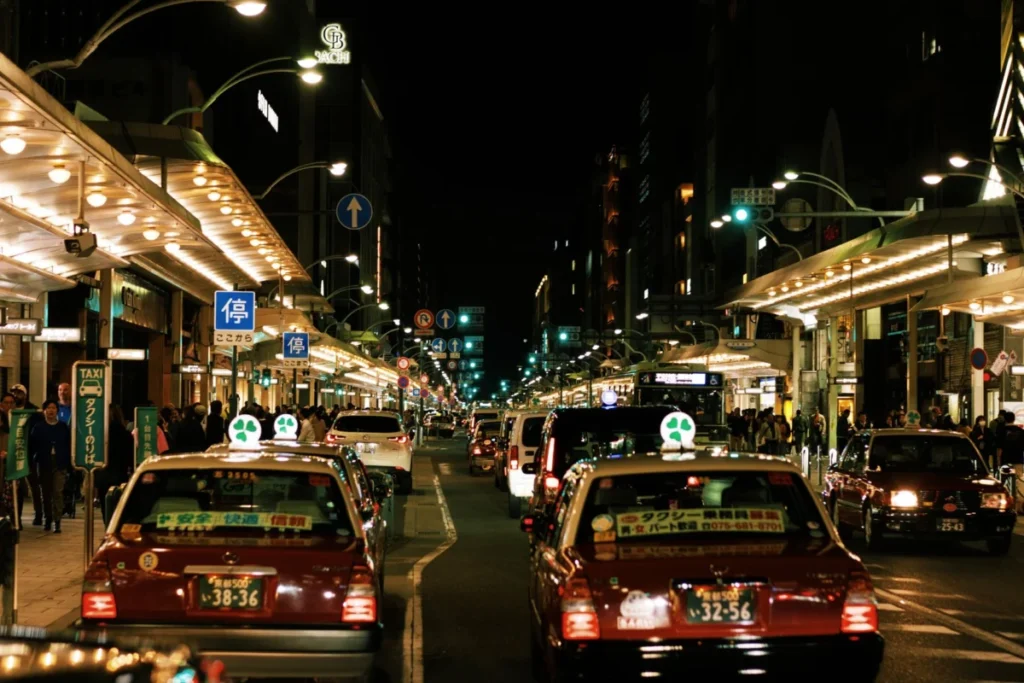
- Getting aroundGion-Shijō · HigashiyamaThe Keihan line at Gion-Shijō runs to Fushimi Inari, and the Tōzai subway line at Higashiyama crosses the city east to west. Buses run along Higashiōji-dōri, but for the sights on this walk you won't need them.
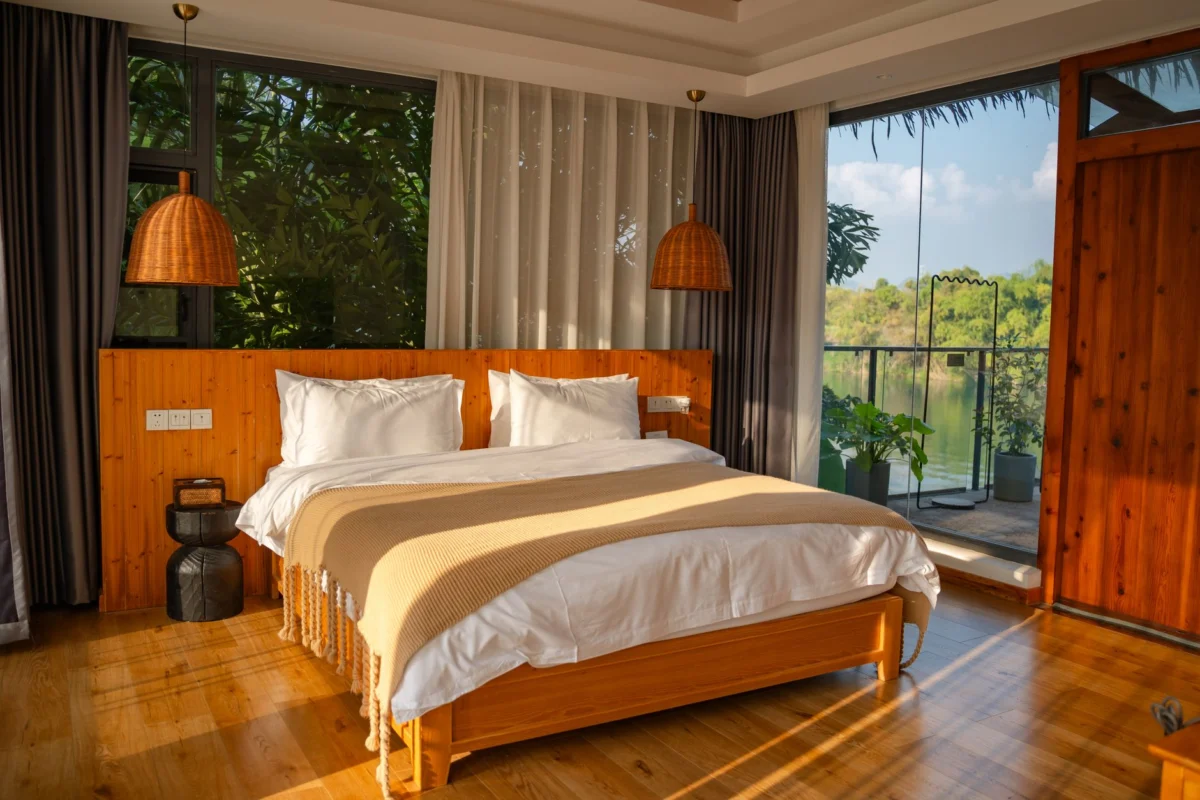
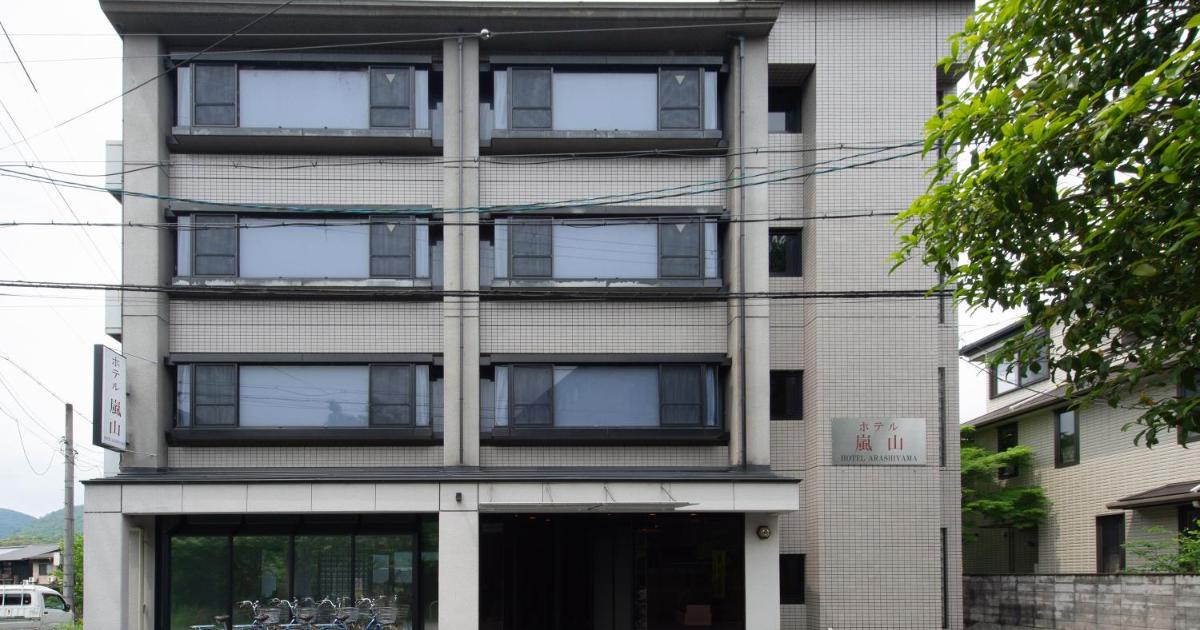
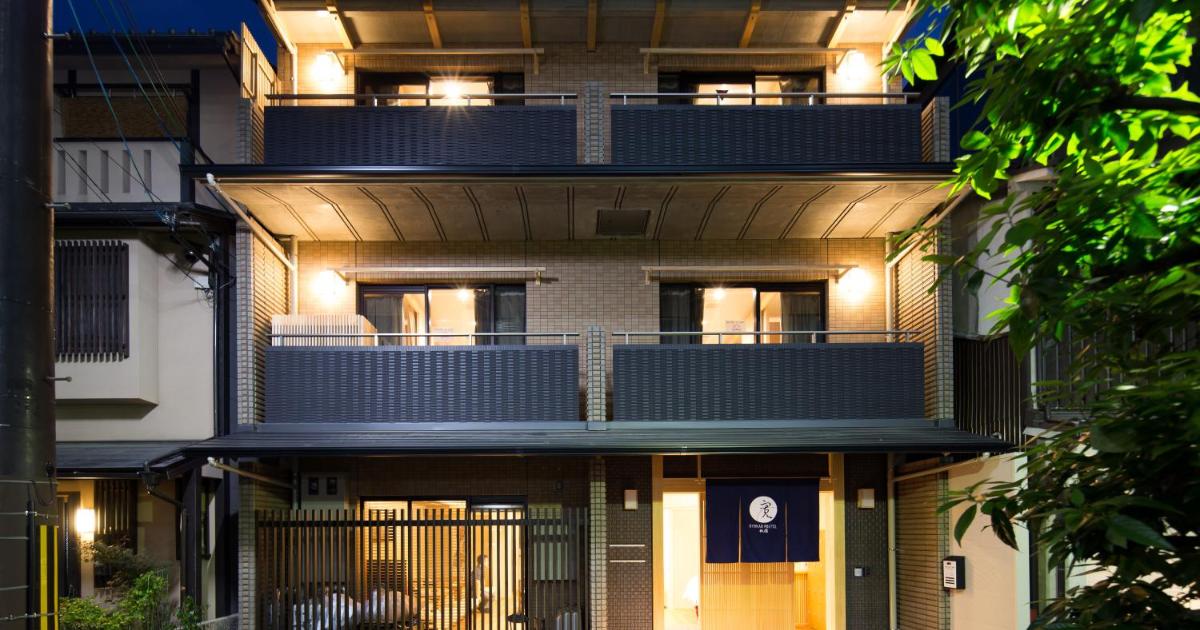
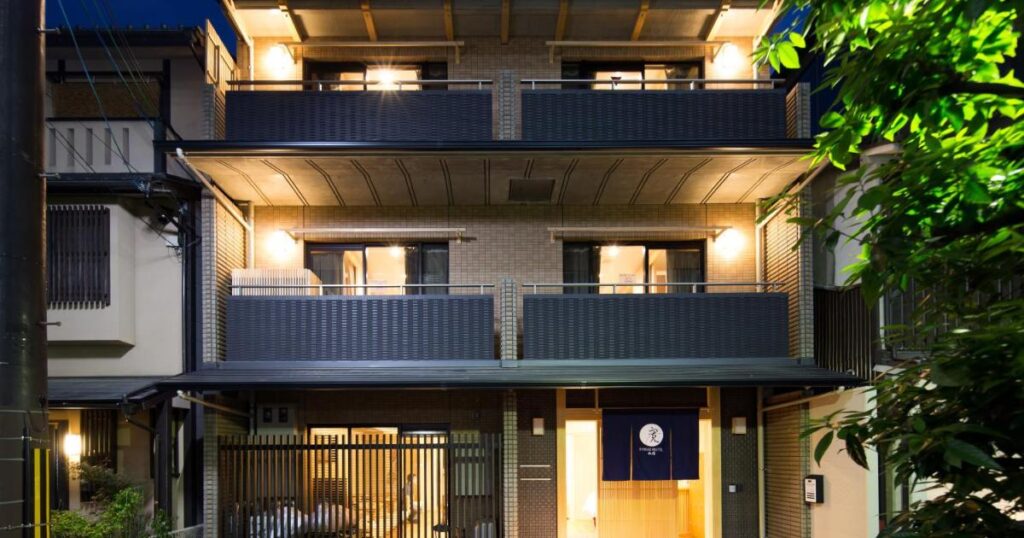
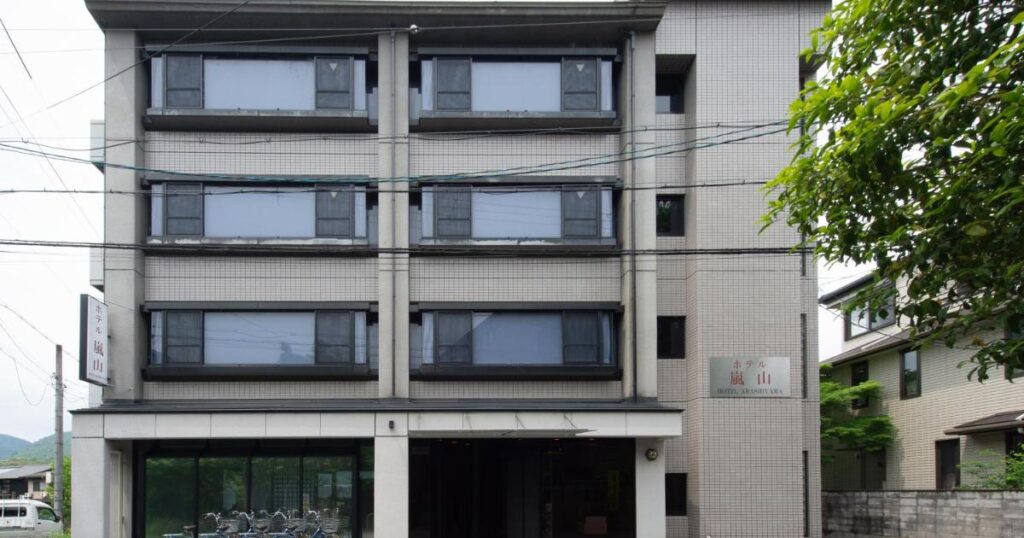
- Where to stayGion has hostels and small guesthouses on the side streets around Shinmonzen-dori and Higashiōji-dōri. Ryokan in the old lanes are beautiful but rarely cheap, so compare a private room in a hostel first and book early for spring and autumn.
Did you know?
| A teahouse town by a shrine Gion grew in the Edo period from teahouses that served visitors to Yasaka Shrine. |
| Ochaya are not tea shops Gion's teahouses host geiko entertainment and normally admit guests only by introduction. |
| Ichiriki Chaya and the 47 rōnin Ōishi Kuranosuke, leader of the 47 rōnin, is said to have partied at Ichiriki Chaya to fool his enemies. |
| Named after a shrine The district took its name from Gion Shrine, renamed Yasaka Shrine in 1868. |