Explore Guides
ASIA / JAPAN
Triplandio Kyoto guide covers 12 travel guides across 26 areas, complete with hotel picks. Explore 48 self-guided walking tours in Kyoto with 123 POI, spanning 115.6 km in total. Get inspired by 30 local dishes, complete with recipes and our unique Food Flavour DNA graph.
Kyoto
City & Country Data Kyoto (Japan)

Key travel data for Kyoto — local prices, safety, healthcare, local currency and essentials, curated by Triplandio.
🌍 Japan
Safety
89
Health
100
Lifestyle
48
Infra
100
Rank
#5
Score
70
Tourists
4.1M/y
GDP/cap
$36.0k
Life Exp
84.0 yrs
Population
123.4M
Currency
JPY ¥
Language
Japanese
Payments
Mixed
Emergency
110
💰 Prices in Kyoto
Coffee
$3.50
Beer
$3.50
Lunch
$10.00
Groceries
$50.00/w
Taxi/km
$1.50
Transit
$2.00
Fuel
$1.20/l
Internet
$40.00/m
Salary
$2,500/m
Travel tipsKyoto (Japan)

Quick tips
- Some cold and allergy medicines are banned — Critical
Japan's strict stimulant-drug law covers Vicks inhalers, cold and flu tablets containing pseudoephedrine, some allergy and sinus remedies and some codeine painkillers. Visitors have been detained and deported, so check your medicines with the Japanese embassy before you fly.
- Don't follow street touts into bars — Critical
In nightlife districts such as Kabukicho, Roppongi, Shibuya and Ikebukuro in Tokyo, touts lure visitors into bars where drinks are spiked and huge sums are charged to their cards. Ignore touts and check prices before you order.
- Don't chase geiko in Gion — Caution
Geiko and trainee maiko in Kyoto's Gion district are working women, not attractions. Don't block their way, touch them or photograph them without permission, and keep out of the private lanes marked by signs.
- Always carry your passport — Caution
Tourists in Japan must carry their passport at all times, not a photocopy. Police can arrest you if you cannot show proof of your permission to stay.
- Smoking on the street is often banned — Caution
Smoking while walking on the streets of Tokyo and many other Japanese cities is illegal. Look for the designated smoking areas, usually near stations, and smoke only there.
- Carry cash as well as cards — Local tip
Many small restaurants, shrines, temples and rural shops in Japan still take cash only. ATMs at 7-Eleven stores and post offices are the most reliable for foreign cards.
- Do
- Carry your passport at all times
- Take shoes off where slippers wait
- Wash before getting into an onsen
- Carry cash for small places
- Take your rubbish with you
- Don’t
- Bring pseudoephedrine medicine
- Follow touts into bars
- Tip in restaurants
- Smoke while walking
- Take phone calls on trains
Critical
Prison or heavy penalty possible
Laws & fines
- Zero tolerance of drugs — Critical
Drug penalties in Japan are severe, including for cannabis. Foreigners have been convicted after small amounts arrived by post or after testing positive in police raids on clubs, and trafficking sentences have ranged from 6 to 17 years.
- A positive drug test is enough — Critical
If Japanese police find an illegal substance in your blood, you can be charged even if your drink was spiked. Refusing a police drug test can itself lead to arrest.
- Detention without charge for 23 days — Critical
Japanese police can hold a suspect for up to 23 days without charge, even for minor offences such as theft, trespassing or a fight in a bar.
- Drink-driving rules are very strict — Critical
Japan's drink-driving limit is very low, and offenders face fines and possible prison. Passengers who knew the driver had been drinking can also be arrested. If you drink, don't drive or cycle.
Entry & visa
- Overstaying is treated seriously — Critical
Staying in Japan beyond your permitted date risks arrest, detention and a heavy fine. Working without the right visa is also illegal, however informal the job.
Beaches & adventure
- Bear attacks are increasing — Critical
Bear sightings and attacks have increased in Japan's mountains and forests, sometimes near towns. Don't hike alone where bears have been seen, carry a bell, take all food waste with you and follow local alerts.
Caution
Fines, losses or injury possible
Scams & safety
- Private lanes in Gion are closed — Caution
Some narrow lanes off Hanamikoji Street in Kyoto's Gion district are private roads closed to tourists. Obey the signs, which warn of a fine for entering.
- Illegally parked bicycles are removed — Caution
Kyoto removes bicycles left outside official bicycle parking and charges a fee to get them back. Use the paid bike parks near stations and sights.
Laws & fines
- Check bar prices before you drink — Caution
Visitors have been arrested after arguing with staff over huge bar bills in Japanese nightlife areas. See a price menu before you go in, confirm any entry charge and keep track of what you order.
- Groping on crowded trains — Caution
Women on Japanese commuter trains have been groped or secretly photographed from below. Police advise shouting to draw attention and asking another passenger to call staff. Some lines run women-only carriages at rush hour.
Entry & visa
- No meat products in your bag — Caution
Bringing sausages, ham, bacon, jerky or other meat products into Japan without animal-quarantine approval is illegal and can mean a heavy fine or prison. Eat or bin them before landing.
Health
- Summer heat can be dangerous — Caution
Japanese summers are hot and humid, and heatstroke sends many people to hospital each year. Drink water often, rest in the shade and take heat warnings seriously.
Beaches & adventure
- Driving needs the right permit — Caution
Traffic in Japan drives on the left. Visitors from the UK and many other countries need the 1949 International Driving Permit (IDP), bought before travel, plus their licence and insurance papers; driving without them can mean arrest and a fine.
- Typhoons, floods and landslides — Caution
Typhoon season in Japan runs from June to December, peaking July to September and hitting the south hardest. Heavy rain brings floods and landslides fast in coastal and mountain areas, so follow Japan Meteorological Agency warnings and any evacuation orders.
Good to know
Rules and useful facts
Scams & safety
- Travel advisory: Level 1 of 4 — Good to know
Exercise normal precautions — the U.S. State Department's rating for Japan.
- Crowds at Fushimi Inari and Kiyomizu — Good to know
Kyoto's busiest shrines and temples are packed from mid-morning. Pickpocketing is rare but not unknown, so keep bags closed, and go early for photos and calmer paths.
Laws & fines
- Same-sex couples have no legal recognition — Good to know
Same-sex relationships are legal in Japan, but same-sex marriage is not recognised and there is no legal protection from discrimination. Shinjuku Nichome in Tokyo and Doyamacho in Osaka are well-known LGBT+ areas.
Customs
- Tattoos can keep you out — Good to know
Because tattoos are linked with organised crime in Japan, some hot springs, pools, gyms and beaches refuse tattooed guests. Check in advance, look for tattoo-friendly baths or cover small tattoos with a plaster.
Tipping & money
- Foreign cards at ATMs — Good to know
Many Japanese bank ATMs reject foreign cards, and Cirrus, Maestro and some other debit cards are not widely accepted. Use 7-Eleven, JP Post Bank or post office machines.
Entry & visa
- Visa-free stays for many passports — Good to know
Visitors from the UK, the USA, the EU and many other countries can enter Japan as tourists for up to 90 days without applying in advance. The rules depend on your passport, so check with the Japanese embassy.
- Fingerprints and photo on arrival — Good to know
Foreign visitors have their fingerprints and photo taken at Japanese immigration. Your passport must be valid for your whole stay with a blank page for the landing stamp.
Health
- Tap water is safe — Good to know
Tap water is safe to drink throughout Japan, and free water or tea is served in most restaurants.
- Bring a large medicine supply legally — Good to know
Beyond banned ingredients, bringing more than about a month's supply of prescription medicine into Japan can require an import certificate. Check the rules for your medicines before you travel.
- Treatment is excellent but expensive — Good to know
Hospitals in Japan are high quality, but you pay the full cost and some check your insurance before treating you. Travel insurance is essential; call 119 for an ambulance.
- Ticks and mosquitoes — Good to know
Ticks and biting insects occur in Japanese countryside and forests, and dengue has been reported. Use repellent and cover your legs when hiking.
Beaches & adventure
- Climbing Mount Fuji — Good to know
Mount Fuji's trails open only in summer, roughly July to early September, and climbers now have to register and pay a fee in advance. Altitude sickness and sudden cold are real risks near the 3,776 m summit.
- Earthquakes and tsunami — Good to know
Japan has frequent earthquakes. If you feel a strong one near the coast, move to high ground at once and follow hotel and station instructions. The Japan Visitor Hotline (+81 50 3816 2787) gives English help in disasters, day and night.
- Missile alerts — Good to know
North Korean missile tests sometimes trigger J-Alert warnings on phones in Japan. Follow the on-screen instructions and check NHK World (the English service of Japan's public broadcaster) for updates.
- Check volcano warnings before hiking — Good to know
Japan has several active volcanoes, and some popular hiking peaks close when activity rises. Check the Japan Meteorological Agency's volcano warnings before you climb and obey closed-trail signs.
Local tips
Local know-how
Scams & safety
- Don't eat while walking — Local tip
Many Kyoto shopping streets, including Nishiki Market, ask visitors not to eat while walking. Eat snacks standing at the stall where you bought them.
Getting around
- Kansai Airport (KIX) → Kyoto — Local tip
Kyoto has no airport of its own. The JR Haruka express runs from Kansai International Airport to Kyoto Station in about 75 minutes.
- Itami (ITM) → Kyoto — Local tip
Osaka's domestic Itami airport has limousine buses to Kyoto Station taking about 55 minutes, depending on traffic.
- Use trains rather than buses — Local tip
Kyoto city buses are slow and often too full to board near big sights. The subway and the JR, Keihan and Hankyu railways reach Fushimi Inari, Arashiyama and the Gion area faster.
- IC cards work everywhere — Local tip
ICOCA, Suica and PASMO cards work on Kyoto's subway, trains and buses, so you don't need exact change.
- From Tokyo by bullet train — Local tip
The shinkansen (bullet train) from Tokyo reaches Kyoto Station in about 2 hours 15 minutes, arriving in the south of the centre.
Customs
- Take your shoes off indoors — Local tip
Remove your shoes in Japanese homes, traditional inns (ryokan), many temples and some restaurants — look for a step up or a row of slippers. Use the separate toilet slippers only in the toilet.
- Wash before entering a hot spring — Local tip
At a hot spring or public bath (onsen or sento), shower and rinse thoroughly on the stool before getting in. Swimwear is not allowed and your small towel stays out of the water.
- Keep quiet on trains — Local tip
Don't take phone calls on Japanese trains and buses, and keep conversations low. Loud behaviour in public attracts disapproving looks.
- Chopstick manners — Local tip
Never stand chopsticks upright in a bowl of rice or pass food from chopsticks to chopsticks — both mirror Japanese funeral rites. Rest them on the holder or across your bowl.
- Carry your rubbish with you — Local tip
Public bins are rare in Japan. Keep a small bag for your rubbish and sort it into the bins at convenience stores or your hotel.
Tipping & money
- Don't tip in Japan — Local tip
Tipping is not part of Japanese culture, and leaving money on the table can cause confusion — staff may chase you to return it. Good service is simply included.
- Prices are fixed — Local tip
Bargaining is not expected in Japanese shops or markets. The price shown is the price, though flea markets and some electronics shops may give a small discount if you ask politely.
- Pay with an IC card — Local tip
Rechargeable transport cards such as Suica, PASMO and ICOCA also work in convenience stores, vending machines and many cafés, which saves counting coins.
Entry & visa
- Speed up arrival online — Local tip
You can fill in your immigration and customs details in advance on Visit Japan Web, the government's free arrival website, and show a QR code at the airport.
Say it locally
Add “kudasai” (please) to requests, and a small bow goes with almost every greeting and thank you.
Through the year
Festival or season Public holiday (exact date)
- Autumn leaves
Nov–Dec 2026 · Maple colours peak in Kyoto and Tokyo from mid-November to early December, bringing crowds similar to cherry blossom time.
- Autumn leaves peak
Nov–Dec 2026 · Late November is Kyoto's busiest time of year, when temples such as Tofuku-ji and Eikan-do are crowded all day.
- Culture Day
Wed 3 Nov 2027 · Public holiday
- Labor Thanksgiving Day
Mon 23 Nov 2026 · Public holiday
- New Year holidays
Dec 2026–Jan 2027 · From about 29 December to 3 January many businesses, museums and restaurants close, while shrines are crowded with first visits of the year.
- New Year's Day
Fri 1 Jan 2027 · Public holiday
- Coming of Age Day
Mon 11 Jan 2027 · Public holiday
- National Foundation Day
Thu 11 Feb 2027 · Public holiday
- Emperor's Birthday
Tue 23 Feb 2027 · Public holiday
- Cherry blossom season
Mar–Apr 2027 · Blossom moves north from late March in Tokyo and Kyoto to early May in Hokkaido; hotels fill up and parks get very crowded.
- Spring Equinox
Sun 21 Mar 2027 · Public holiday
- Golden Week
Apr–May 2027 · A cluster of public holidays from late April to early May, when half of Japan travels — book trains and rooms well ahead.
- Shōwa Day
Thu 29 Apr 2027 · Public holiday
- Constitution Memorial Day
Mon 3 May 2027 · Public holiday
- Greenery Day
Tue 4 May 2027 · Public holiday
- Children's Day
Wed 5 May 2027 · Public holiday
- Rainy season (tsuyu)
Jun–Jul 2027 · Weeks of frequent rain from early June to mid-July across most of Japan; Hokkaido is largely spared.
- Typhoon season
Jul–Sep 2027 · The season runs from June to December but peaks July to September, when typhoons can cancel flights, ferries and bullet trains for a day or two, especially in the south.
- Gion Matsuri
Jul 2027 · Kyoto's great festival runs through July, with huge float processions on 17 and 24 July; central streets close and hotels book up.
- Sea Day
Mon 19 Jul 2027 · Public holiday
- Obon
Aug 2027 · Mid-August family holiday when people return to their hometowns; trains and motorways are packed and some shops close.
- Mountain Day
Wed 11 Aug 2027 · Public holiday
- Respect for the Aged Day
Mon 20 Sep 2027 · Public holiday
- Autumn Equinox
Thu 23 Sep 2027 · Public holiday
- Sports Day
Mon 11 Oct 2027 · Public holiday
Sources: GOV.UK travel advice · U.S. State Dept · Google public holidays
Best time to visit Kyoto (Japan)
Now (November) avg high: 17°C, mostly dry, full season — expect crowds. Best months to walk: Dec & Nov.
Live Temp
…
~Day / Night Temp
17°C / 7°C
Sunrise / Sunset
6:25 / 16:57
Local time
14:02
Best Months  Dec & Nov
J
Jan
F
Feb
M
Mar
A
Apr
M
May
J
Jun
J
Jul
A
Aug
S
Sep
O
Oct
N
Nov
 D
Dec
D
Dec
Check Kyoto hotels
Temperature
Average daytime high, month by month. Zero line marks freezing point.
Crowds
How busy it gets — traveller interest by month.
Rainfall
Rainy days to expect each month.
Sunshine
Hours of sun per day, by month.
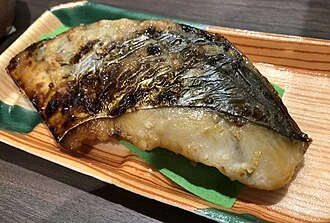
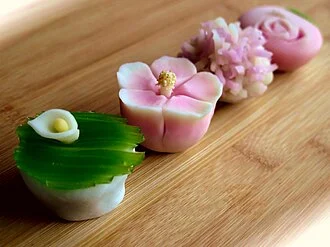
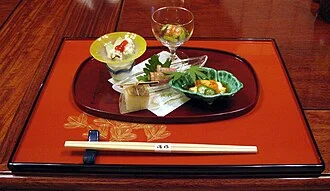
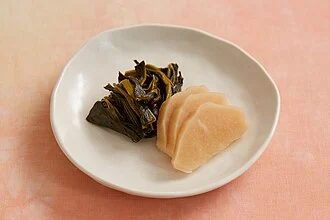
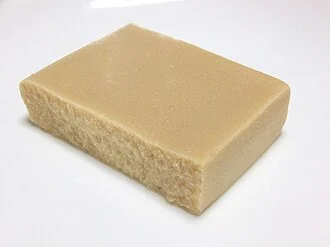
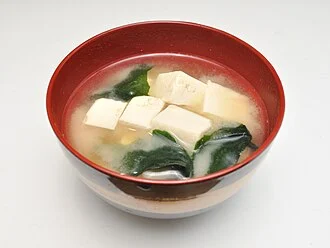
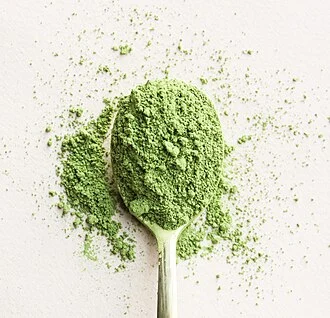
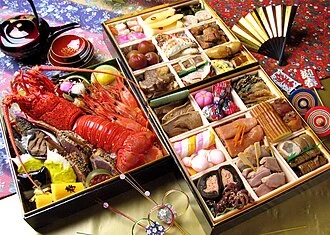
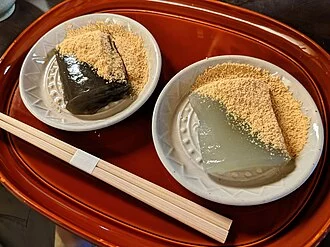
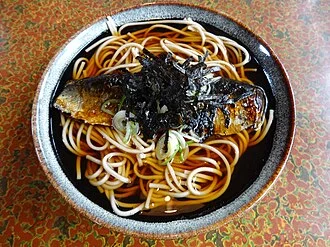
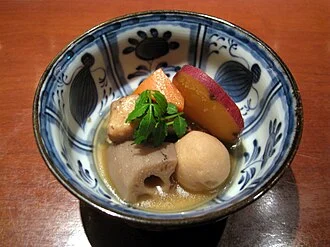
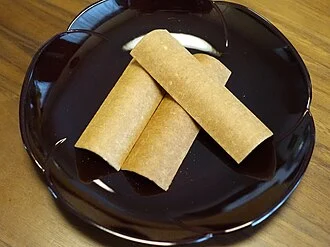
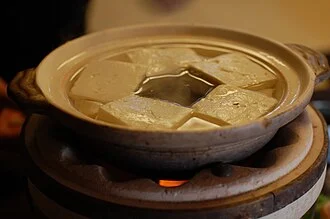
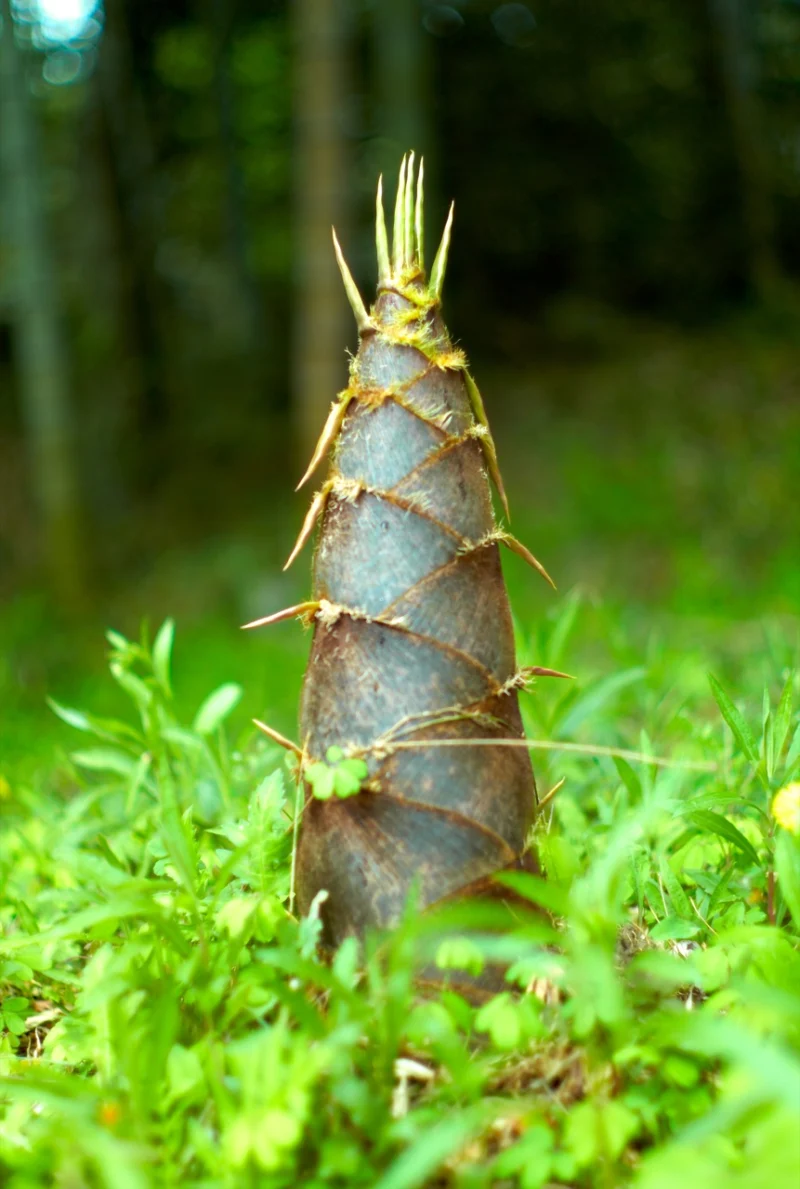
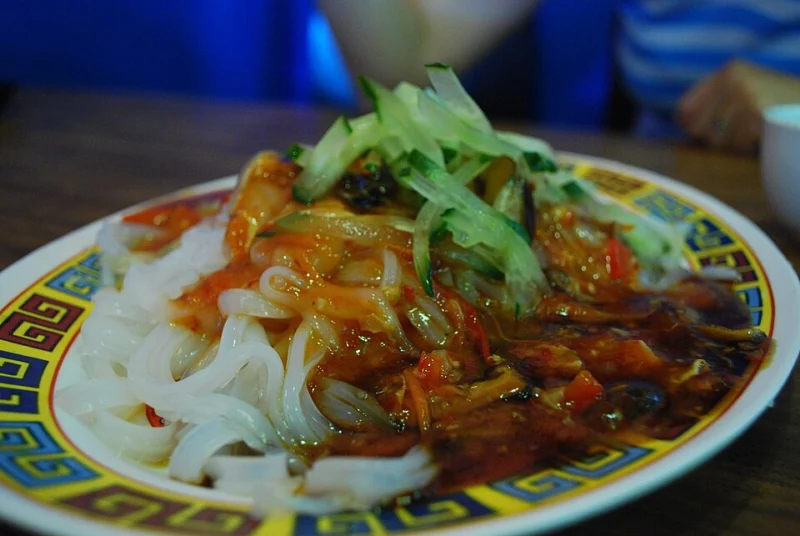
Tender bamboo shoots, typically grilled and seasoned simply, representing spring. White miso marinated fish, grilled to achieve a savory sweetness. Thinly sliced pike conger served in summer. Lightly poached pike conger eel served with plum sauce. A summer dessert featuring cool, translucent jelly with sweet fillings. Traditional Kyoto sweets usually served with tea. A traditional multi-course Japanese dinner featuring seasonal ingredients. Traditional Kyoto pickled vegetables. Freeze-dried tofu simmered in dashi broth. Traditional white miso soup with seasonal vegetables. Finely ground powder of specially grown and processed green tea leaves Traditional sweets made with matcha, typically served with tea. A jelly-like confection made from bracken starch and matcha served with kinako. Buckwheat noodles served in dashi broth topped with sweetened herring. A variety of traditional Kyoto home-cooked dishes. Pressed sushi made with mackerel and vinegared rice, a specialty of Kyoto. Traditional Zen Buddhist vegan cuisine. Kyoto's iconic sweet made from glutinous rice flour, sugar, and cinnamon. Tofu simmered in a light broth and served with dipping sauces.
Traditional Local Food
Kyoto (Japan)
 Snack
Vegan
Grilled Bamboo Shoots
筍
TAH-kay-no-ko
Main course
Fish & Seafood
Grilled White Miso Marinated Fish
西京焼き
sai-kyo yah-kee
🐟
Main course
Fish & Seafood
Hamo no Kiriotoshi
鱧の切り落とし
ha-mo no kee-ri-oh-toh-shee
🐟
Main course
Fish & Seafood
Hamo no Yubiki
鱧の湯引き
Hah-moh noh Yoo-bee-kee
 Dessert
Vegan
Kuzu Manju
葛饅頭
koo-zoo mahn-joo
Dessert
Vegan
Kyo-Wagashi
京和菓子
kee-yoh wah-gah-shee
Main course
Vegetarian
Kyo-kaiseki
京懐石
Kyo-kai-seh-key
Snack
Vegan
Kyo-tsukemono
京漬物
kyo-tsu-keh-mo-no
Main course
Vegan
Kyoto Style Koyadofu
高野豆腐
koh-yah doh-foo
Soup
Vegetarian
Kyoto Style Misoshiru
白味噌汁
mee-soh shee-roo
Drink
Vegan
Matcha
抹茶
Maat-chah
Dessert
Vegetarian
Matcha Green Tea Sweets
抹茶和菓子
mah-chah wah-gah-shee
Dessert
Vegan
Matcha Warabimochi
抹茶わらび餅
Maht-cha Wah-rah-bee-moh-chee
Main course
Fish & Seafood
Nishin Soba
にしんそば
Nee-shin Soh-bah
Main course
Vegetarian
Obanzai
おばんざい
oh-ban-zai
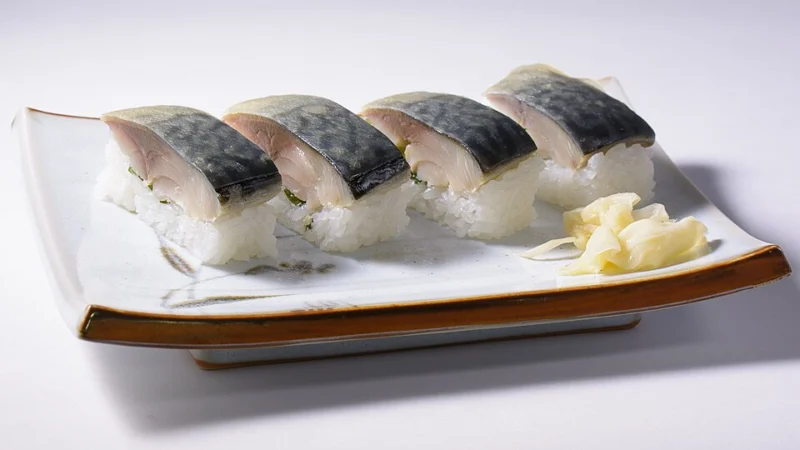 Main course
Fish & Seafood
Saba Sushi
鯖寿司
sah-bah sue-shee
Main course
Vegan
Shojin Ryori
精進料理
shoh-jeen ryo-ri
Dessert
Vegan
Yatsuhashi
八ツ橋
yaht-soo-hah-shee
Main course
Vegetarian
Yudofu
湯豆腐
Yoo-doh-foo