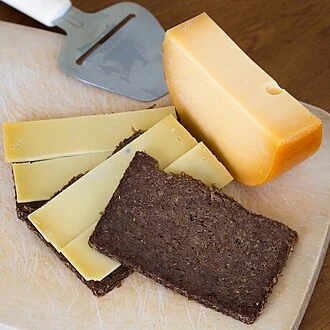
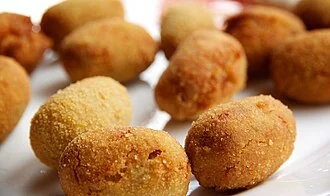
Explore Guides
EUROPE / NETHERLANDS
Triplandio Utrecht guide covers 9 travel guides across 25 areas, complete with hotel picks. Explore 35 self-guided walking tours in Utrecht with 48 POI, spanning 84.2 km in total. Get inspired by 27 local dishes, complete with recipes and our unique Food Flavour DNA graph.
Utrecht
City & Country Data Utrecht (Netherlands)

Key travel data for Utrecht — local prices, safety, healthcare, local currency and essentials, curated by Triplandio.
🌍 Netherlands
Safety
86
Health
94
Lifestyle
81
Infra
98
Rank
#4
Score
70
Tourists
7.3M/y
GDP/cap
$73.7k
Life Exp
82.0 yrs
Population
18.1M
Currency
EUR €
Language
Dutch
Payments
Cashless
Emergency
112
💰 Prices in Utrecht
Coffee
$4.20
Beer
$7.00
Lunch
$22.00
Groceries
$50.00/w
Taxi/km
$3.00
Transit
$3.50
Fuel
$2.29/l
Internet
$50.00/m
Salary
$4,059/m
Travel tipsUtrecht (Netherlands)

Quick tips
- Cannabis is tolerated, not legal — Critical
Cannabis can only be bought and used in licensed coffeeshops, in small amounts. Buying it on the street, carrying it outside those places or smoking it in public spaces is illegal.
- Magic mushrooms are banned, truffles are not — Critical
Fresh and dried magic mushrooms are illegal in the Netherlands. Psilocybin truffles are sold legally in “smart shops”, but mixing them with alcohol or cannabis can be very dangerous.
- Canals are a real drowning risk — Critical
People drown in Dutch canals every year, mostly after heavy drinking or cannabis. Canal edges have no railings, so stay well back from the water at night.
- Carry your passport as ID — Caution
Everyone aged 14 or over in the Netherlands must be able to show ID when police ask. Visitors should carry their passport; anyone 16 or over who can't show it can be fined 100 euros.
- Stay off the red cycle paths — Caution
The red or marked lanes beside Dutch roads are cycle paths, and cyclists ride fast and expect them to be clear. Look both ways for bikes and mopeds before you step off the kerb.
- Do
- Carry your passport as ID
- Tap in and out on public transport
- Look for bikes before crossing
- Lock your bike to something fixed
- Carry a contactless card
- Don’t
- Buy drugs on the street
- Smoke cannabis in public places
- Walk on the red cycle paths
- Swim in the canals
- Hang your bag on a café chair
Critical
Prison or heavy penalty possible
Laws & fines
- Drug laws still apply at airports — Critical
Buying or carrying drugs outside the tolerated coffeeshop system is illegal in the Netherlands and can lead to prison, including when you are only transiting through Schiphol or another Dutch airport.
Health
- Drink spiking — Critical
Drinks are sometimes spiked in Dutch bars and clubs, particularly those of young women and solo travellers. Don't leave a drink unattended and seek medical help straight away if you feel unwell.
Caution
Fines, losses or injury possible
Scams & safety
- Very busy cycle paths — Caution
Utrecht has some of the busiest cycle routes in the Netherlands, especially around the station and Vredenburg. Walk on pavements, look both ways for bikes and don't stop on a cycle path.
- Bike theft — Caution
Bike theft is common in Utrecht. Use both locks and park in the guarded bike garages at Utrecht Centraal or in the city centre.
- Low canal wharves at night — Caution
Utrecht's canals have unique low wharves with terraces at water level and no railings. Take care there after a few drinks, especially in the dark.
Laws & fines
- Cross only at marked crossings — Caution
Crossing a Dutch road away from a marked crossing (jaywalking) can be fined. At zebra crossings, still check for cyclists, mopeds and trams, which often don't stop.
- Trams have priority — Caution
Trams have right of way over other traffic in Dutch cities. Drivers must stop when a tram or bus stops in the middle of the road to let passengers on and off.
- Traffic fines are paid on the spot — Caution
Speed cameras and unmarked police cars are common on Dutch roads, and fines can be issued on the spot. Always ask for a receipt when you pay a fine.
Customs
- Don't walk with a drink in the street — Caution
Many Dutch city centres have zones where drinking alcohol in the street is banned, and police can fine you there. Drink on café terraces rather than on the pavement.
Entry & visa
- No meat or dairy from outside the EU — Caution
You cannot bring meat, milk or products containing them into the Netherlands from outside the EU. Baby milk and special medical foods are exceptions.
- Declare 10,000 euros in cash — Caution
Declare cash or travellers' cheques worth 10,000 euros or more when entering or leaving the EU. Undeclared money can be seized.
Beaches & adventure
- Lock your bike twice — Caution
Bike theft is very common in the Netherlands. Use the frame lock and a chain lock, and attach the bike to a fixed rack or a bike garage.
- Cycling rules for visitors — Caution
Keep to the right on Dutch cycle paths, signal turns with your arm and use lights after dark. Riding on footpaths or while holding a phone can be fined.
- North Sea swimming — Caution
The North Sea off the Dutch coast has strong currents and cold water even in summer. Swim near a lifeguard post and never swim near piers or breakwaters.
- Mudflat walking needs a guide — Caution
Walking on the tidal Wadden Sea mudflats (wadlopen) is only safe with a licensed guide, because tides come in fast and fog can hide the way back.
Good to know
Rules and useful facts
Scams & safety
- Travel advisory: Level 2 of 4 — Good to know
Exercise increased caution — the U.S. State Department's rating for Netherlands.
Laws & fines
- Cyclists have right of way — Good to know
Drivers in the Netherlands must watch for cyclists and mopeds, which have priority in many situations. Check mirrors and blind spots before every right turn.
Tipping & money
- Many places are card-only — Good to know
Many Dutch shops, cafés, museums and even some market stalls accept only cards and phones, not cash. Look for “pin only” signs and carry a contactless card.
- Some shops refuse credit cards — Good to know
A few Dutch supermarkets and smaller shops accept only debit cards. Carry both a debit and a credit card, or a little cash, as a back-up.
Entry & visa
- The 90-in-180-day rule — Good to know
Visitors from visa-free countries can stay in the Schengen area, including the Netherlands, for up to 90 days in any 180 days. Overstaying can lead to a ban of up to 3 years.
- Passport age and validity — Good to know
For non-EU visitors, your passport must have been issued less than 10 years before you arrive and be valid for at least 3 months after you leave the Schengen area.
- New biometric border checks — Good to know
The EU Entry/Exit System (EES) now records fingerprints and a photo of non-EU visitors at the border. It is free, but allow extra time on arrival and departure.
Health
- Call 112 in an emergency — Good to know
Dial 112 in the Netherlands for an ambulance, police or fire service. Contact your travel insurer quickly if you are referred to a hospital.
- Bring your EHIC or GHIC — Good to know
Visitors from the EU, and the UK with a Global Health Insurance Card (GHIC) or European Health Insurance Card (EHIC), get medically necessary state healthcare. It does not replace travel insurance.
- Ticks in dunes and forests — Good to know
Ticks live in Dutch dunes, heaths and woods and can spread Lyme disease. Check your skin after walks and remove any tick promptly with tweezers.
Local tips
Local know-how
Getting around
- Schiphol → Utrecht by train — Local tip
Direct trains run from Schiphol Airport (AMS) to Utrecht Centraal in about 30 minutes. Tap in and out with a contactless card or buy a ticket at the machines.
- Utrecht Centraal is the rail hub — Local tip
Utrecht Centraal is the busiest station in the Netherlands, with direct trains to most Dutch cities. The old town and the Dom Tower are about a 10-minute walk away.
- Walk or cycle in the centre — Local tip
Central Utrecht is compact and best on foot or by bike. Buses and trams also run from the station; tap in and out with a contactless card.
Customs
- The Dutch are direct — Local tip
People in the Netherlands tend to say exactly what they think, politely but plainly. Directness is not rudeness, and you can answer in the same straightforward way.
- Splitting the bill is normal — Local tip
Among friends in the Netherlands it is common for everyone to pay for their own share of a meal or round. Payment apps and card terminals make splitting easy.
- Book dinner, eat early — Local tip
Many Dutch restaurants serve dinner from about 17:30 and kitchens can close by 22:00. Book ahead at weekends, especially in Amsterdam, Utrecht and Rotterdam.
Tipping & money
- Tipping is modest — Local tip
Service is included in prices in the Netherlands. Round up or leave about 5–10% for good table service; nobody expects a tip at a bar counter.
- Prices are fixed — Local tip
Bargaining is not usual in Dutch shops. At flea markets such as King's Day street sales you can make a friendly offer.
Health
- Tap water is excellent — Local tip
Tap water in the Netherlands is among the best in Europe and safe to drink everywhere. Ask for free tap water (“kraanwater”) in cafés, though some charge for it.
Beaches & adventure
- Wind and rain on a bike — Local tip
Strong winds often make Dutch cycle routes much harder than they look on the map. Check the forecast and take rain gear on longer rides.
Say it locally
Almost everyone speaks English, but a Dutch greeting is always appreciated; use “alstublieft” (please) with strangers.
Through the year
Festival or season Public holiday (exact date)
- Sinterklaas season
Nov–Dec 2026 · Saint Nicholas arrives by boat in mid-November and gifts are exchanged on 5 December; expect festive markets and busy shops.
- Autumn and winter storms
Oct 2026–Mar 2027 · Strong westerly gales can stop trains and ferries and make cycling hard; check the weather warnings before travel days.
- Christmas Day
Fri 25 Dec 2026 · Public holiday
- Second Day of Christmas
Sat 26 Dec 2026 · Public holiday
- New Year's Day
Fri 1 Jan 2027 · Public holiday
- Carnival in the south
Feb 2027 · Maastricht, Den Bosch and other southern towns hold several days of costumed street parties before Lent; hotels fill up.
- Tulip season
Mar–May 2027 · Bulb fields between Haarlem and Leiden flower from late March to mid-May, and Keukenhof gardens open; expect crowds and book tickets ahead.
- Good Friday
Fri 26 Mar 2027 · Public holiday
- Easter Sunday
Sun 28 Mar 2027 · Public holiday
- Easter Monday
Mon 29 Mar 2027 · Public holiday
- King's Birthday
Tue 27 Apr 2027 · Public holiday
- Liberation Day
Wed 5 May 2027 · Public holiday
- Ascension Day
Thu 6 May 2027 · Public holiday
- Whit Sunday
Sun 16 May 2027 · Public holiday
- Whit Monday
Mon 17 May 2027 · Public holiday
- Beach and festival season
Jun–Aug 2027 · Long light evenings, busy coast resorts and outdoor festivals; the Wadden Islands and beach towns book up in July and August.
- Amsterdam Dance Event
Oct 2027 · Hundreds of electronic music events across Amsterdam in mid-October push hotel prices up across the region.
Sources: GOV.UK travel advice · U.S. State Dept · Google public holidays
Best time to visit Utrecht (Netherlands)
Now (November) avg high: 10°C, wetter month, moderate crowds. Best months to walk: Apr & Jun.
Live Temp
…
~Day / Night Temp
10°C / 5°C
Sunrise / Sunset
8:44 / 18:03
Local time
0:08
Best Months  Apr & Jun
J
Jan
F
Feb
M
Mar
A
Apr
M
May
J
Jun
J
Jul
A
Aug
S
Sep
O
Oct
N
Nov
 D
Dec
M
May
J
Jun
J
Jul
A
Aug
S
Sep
O
Oct
N
Nov
D
Dec
Check Utrecht hotels
Temperature
Average daytime high, month by month. Zero line marks freezing point.
Crowds
How busy it gets — traveller interest by month.
Rainfall
Rainy days to expect each month.
Sunshine
Hours of sun per day, by month.
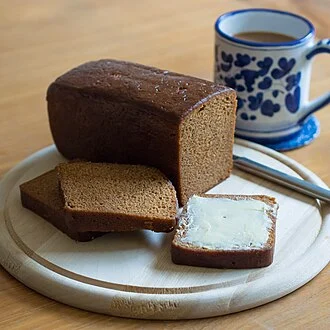
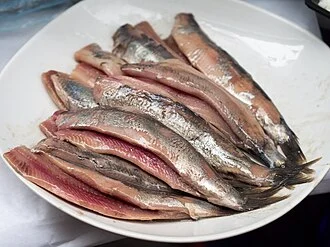
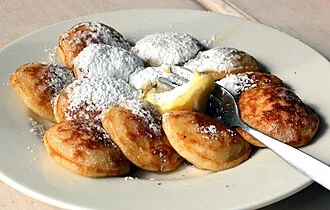
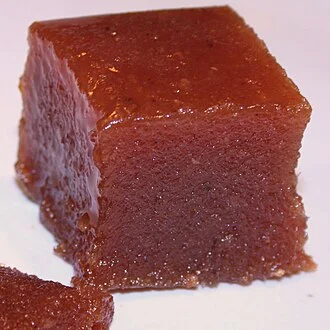
A hearty beef stew made with local vegetables. Dense rye bread made dark with molasses and rich spices. A hearty soup made from brown beans, vegetables, and smoked sausage. A moist, spiced cake often served for breakfast or as a snack. Raw herring, traditionally served with onions and pickles. A warming spiced wine beverage popular in winter. A creamy soup made with coarse mustard, often topped with bacon or chives. Mini Dutch pancakes, served with powdered sugar and butter. A delicate jelly made from the fragrant quince fruit, enjoyed on bread. A dense, dark loaf made from rye flour, commonly eaten with cheese or butter. A traditional dish of pears slow-cooked in red wine, spices, and sweeteners. Thin, filled waffles with caramel syrup. A traditional sweet pie with fruit filling. A buttery, crumbly shortbread cookie traditional to Utrecht. A breaded and deep-fried roll filled with creamy veal ragout.
Traditional Local Food
Utrecht (Netherlands)
🥩
Main course
Meat
Beef Stew
Stoofpot
STOHF-pot
🌿
Bread
Vegetarian
Black Bread
Zwartbrood
ZWART-broht
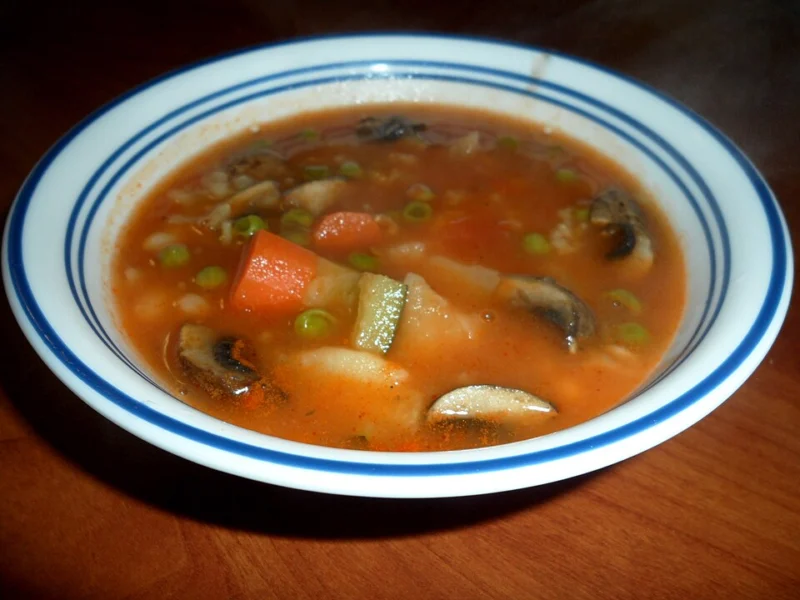 Soup
Meat
Brown Bean Soup
Bruine bonensoep
BROW-nuh BOH-nuh-soop
Snack
Vegetarian
Dutch Spiced Cake
Peperkoek
PAY-per-kook
Snack
Fish & Seafood
Hollandse Nieuwe
HOL-lahns-uh NEE-wee-uh
🌱
Drink
Vegan
Mulled Wine
Bisschopswijn
BIS-khops-vine
Soup
Vegetarian
Mustard Soup
Mosterdsoep
MOH-sterd-soop
Dessert
Vegetarian
Poffertjes
POH-fer-chess
Dessert
Vegan
Quince Jelly
Kweeperengelei
KWEH-peh-ren-gheh-lai
Bread
Vegan
Rye Bread
Roggebrood
ROH-guh-broad
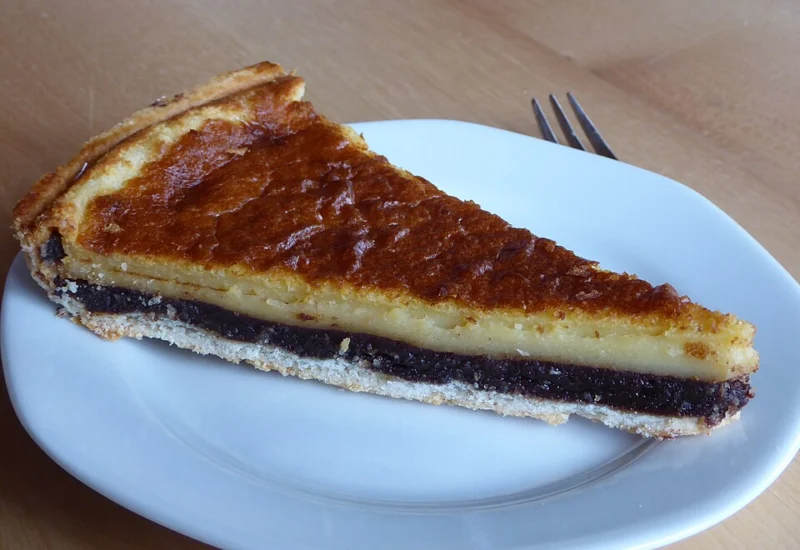 Dessert
Vegetarian
Stewed Pears
Stoofperen
STOH-fuh-peh-rehn
Dessert
Vegetarian
Stroopwafel
strope-vah-fel
 Dessert
Vegetarian
Utrecht Tart
Utrechts Taart
oo-TREKTS tahrt
🌿
Snack
Vegetarian
Utrechtse Spritsen
OOT-racht-suh SPRIT-suhn
Snack
Meat
Veal Croquette
Kalfskroket
KALFS-kro-ket