

Explore Guides
AFRICA
Egypt
Triplandio Egypt guide covers 11 travel guides with 1 city across 22 areas, complete with hotel picks. Explore 42 self-guided walking tours in Egypt with 124 POI, spanning 180.2 km in total. Get inspired by 16 local dishes, complete with recipes and our unique Food Flavour DNA graph.
Country Data Egypt

Key travel data for Egypt — safety, healthcare, local currency and essentials, curated by Triplandio.
🌍 Egypt
Safety
39
Health
34
Lifestyle
43
Infra
37
Rank
#80
Score
30
Tourists
13.0M/y
GDP/cap
$3.1k
Life Exp
71.8 yrs
Population
118.4M
Currency
EGP E£
Language
Arabic
Payments
Mixed
Emergency
123
Travel tipsEgypt

Quick tips
- Drug offences can mean death — Critical
Possessing, using or trafficking even small amounts of drugs in Egypt can lead to life imprisonment or the death penalty. Khat, a chewed leaf stimulant, is also illegal.
- Don't bring a drone — Critical
Importing or flying a drone in Egypt without prior permission from the Ministry of Defence can mean up to 7 years in prison or a fine of 5,000–50,000 Egyptian pounds.
- Criticising the state can get you detained — Critical
Foreigners involved in political activity or criticism of the Egyptian government risk detention, and that includes negative posts on social media. Avoid all protests.
- Ask before photographing people — Critical
Egyptian tourism rules require written permission before photographing an Egyptian citizen, and photographing children is prohibited. Photos of military sites, including the Suez Canal, are illegal.
- Buy your visa yourself — Good to know
Most visitors need a visa: get an e-visa online or buy one on arrival at the airport kiosk for 30 US dollars cash. Agents who approach you charge more; you don't need them.
- Nile Valley in winter, Red Sea all year — Local tip
Luxor, Aswan and Cairo are best October–April, when temperatures are bearable for sightseeing. The Red Sea resorts are warm enough to swim most of the year.
- Do
- Buy your visa at the official kiosk
- Carry small notes for baksheesh
- Agree prices before any ride
- Ask before photographing people
- Cover up away from the beach
- Don’t
- Bring a drone
- Photograph soldiers or the Suez Canal
- Criticise the government online
- Drink alcohol in public
- Pay touts at the pyramids
Critical
Prison or heavy penalty possible
Regions & seasons
- Sinai: stay in permitted areas — Critical
South Sinai's coastal resorts are open to visitors, but North Sinai and parts of inland South Sinai are off-limits under official travel advice.
Laws & fines
- No preaching or converting — Critical
Encouraging people to convert to Christianity or any other religion is illegal in Egypt.
- LGBT+ travellers face prosecution — Critical
Same-sex activity is not explicitly illegal in Egypt, but LGBT+ people have been prosecuted under 'debauchery' laws, including for flying rainbow flags, and some travellers were jailed over sexual content online. Be very discreet on dating apps and social media.
Health
- Some medicines are controlled — Critical
Some prescription and over-the-counter medicines are controlled in Egypt and need Ministry of Health permission. Carry a doctor's letter stating your condition and the amount you carry.
Beaches & adventure
- Rescue insurance is essential — Critical
Air or sea rescue in Egypt can cost over 4,000 US dollars an hour, and rescues only start once payment is guaranteed. Make sure your insurance or dive company covers it.
- Choose reputable dive boats — Critical
Divers, including tourists, have died in recent Red Sea boat incidents, and safety standards vary widely. Book liveaboards and dive trips through a reputable operator, ask for a full safety briefing, and never dive below your insurance depth limit.
- Keep to permitted desert areas — Critical
Much of the Western Desert and all of North Sinai are off-limits under official travel advice. Visit the White Desert, Siwa and other permitted oases with licensed operators; off-road trips need a qualified guide and a Ministry of Interior permit.
- Be careful with resort staff — Critical
UK figures show most sexual assaults on visitors in Egypt happened in Red Sea resorts, often by hotel or excursion staff the victim had met. Don't let staff into your room when you're alone, don't leave children unaccompanied, and share taxi details with a friend.
- Terrorist attacks remain likely — Critical
Terrorists are likely to try to attack in Egypt, including at religious sites, crowds and places popular with foreigners; tourists were shot in Alexandria in 2023 and 2024. Security at sights is tight, so stay alert and follow police instructions.
Caution
Fines, losses or injury possible
Getting between cities
- Nile cruises between Luxor and Aswan — Caution
Most Nile cruises sail between Luxor and Aswan in 3–4 nights, stopping at temples on the way. Overcrowding and poor safety have caused accidents on Nile boats and Red Sea ferries, so pick an established company.
- Avoid driving at night — Caution
Road accidents are common in Egypt, so don't drive outside cities and resorts after dark. To drive, carry your licence plus the 1949 International Driving Permit (IDP); seatbelts are compulsory in front and drink-driving can mean prison.
- Bus and train crashes happen — Caution
Serious bus crashes in Egypt have killed many people, including tourists, and there have been fatal train collisions and derailments. Use reputable coach companies and travel by day where you can.
Laws & fines
- Drink only in licensed places — Caution
Drinking alcohol in Egypt is legal only in licensed restaurants, bars, hotels, private homes and some tourist resorts. Drinking anywhere else can lead to arrest.
- Professional cameras need a permit — Caution
You need a permit to bring professional photo or film equipment into Egypt, including lighting gear. Taking or sharing photos considered damaging to Egypt's image is illegal.
- Satellite phones get confiscated — Caution
Egyptian customs confiscate satellite phones and radio equipment unless you have prior clearance. Declare expensive cameras and electronics when you arrive.
Tipping & money
- Bargain hard in markets — Caution
Haggling is expected in Egyptian markets, souvenir shops and with felucca (sailing boat) and horse-carriage drivers. Agree the full price, in which currency, before the ride or purchase.
- Touts at tourist sites — Caution
Touts at Egyptian sights offer unofficial guiding, camel rides or “free” gifts, then demand money. Say a firm “la, shukran” (no, thank you) and keep walking.
Entry & visa
- Don't overstay your visa — Caution
Leaving Egypt on a visa that expired more than 14 days earlier can mean a fine and delays. Extend it at a Passport and Immigration Office before it runs out.
Health
- Hotel doctors can overcharge — Caution
Some hotel doctors in Egyptian resorts have overcharged for treatment and medicines. Pharmacies outside hotels are often much cheaper for simple remedies.
- Heat in Upper Egypt — Caution
Luxor, Aswan and Abu Simbel regularly exceed 40°C in summer. Visit temples at opening time, carry water and wear a hat.
Beaches & adventure
- Check hot-air balloon operators — Caution
Some tour operators have stopped selling balloon flights in Luxor because they couldn't verify safety standards. Ask your tour company before booking.
- Obey beach closures for sharks — Caution
Shark attacks, occasionally fatal, have happened off Egypt's Red Sea resorts. Follow lifeguard instructions and closures, and don't swim far out.
- Wear a helmet on quad bikes — Caution
Several tourists have been seriously hurt in quad bike accidents in Egyptian resort areas, and safety standards vary a lot. Always wear a crash helmet and choose an operator with well-maintained bikes.
Good to know
Rules and useful facts
Regions & seasons
- Cairo and the Delta — Good to know
Cairo has mild winters and hot, humid summers, with heavy traffic and air pollution all year. Spring can bring sandstorms.
Laws & fines
- Carry your passport and visa — Good to know
Egyptian police check ID regularly and may detain you if you can't show your passport and visa, or at least a digital or paper copy.
- Report crimes before you leave — Good to know
Call the tourist police on 126 to report a crime in Egypt. Prosecution is difficult once you've left the country.
Tipping & money
- Limit on Egyptian pounds — Good to know
You can take up to 5,000 Egyptian pounds into or out of Egypt. Foreign currency is unlimited, but amounts over 10,000 US dollars must be declared.
Entry & visa
- Travel advisory: Level 2 of 4 — Good to know
Exercise Increased Caution — the U.S. State Department's rating for Egypt.
- Passport valid for 6 months — Good to know
Your passport must be valid for at least 6 months after arrival in Egypt and have at least one blank page.
- Visa options — Good to know
An Egyptian e-visa bought online in advance saves queues. On arrival, visas cost 30 US dollars cash and last 30 days; since 1 August 2026, Cairo Airport also sells digital visas by card for 36 dollars.
- Sinai-only stamp for Sharm — Good to know
Visitors flying into Sharm El-Sheikh for under 15 days, staying only in Sharm, Dahab, Nuweiba or Taba, get a free Sinai entry stamp. To go further or stay longer you need a full visa.
- Yellow fever certificate if needed — Good to know
If you arrive from a country with yellow fever risk, you must show a yellow fever vaccination certificate to enter Egypt.
- Bring cash for the Taba crossing — Good to know
Crossing from Israel into Egypt at Taba needs cash in US dollars, and fees have risen at short notice: bring at least 170 US dollars per person, because ATMs at the crossing often run dry. The border can also close without warning.
Health
- Ambulance number is 123 — Good to know
Call 123 for an ambulance in Egypt. Contact your insurer quickly if you are taken to a clinic or hospital.
- Don't drink the tap water — Good to know
Drink only bottled water in Egypt, avoid ice unless you know its source, and be careful with salads and unpeeled fruit to avoid stomach upsets.
- Dengue and tick-borne fever — Good to know
Mosquitoes spread dengue in parts of Egypt, and ticks can carry Crimean-Congo haemorrhagic fever, a serious viral illness. Use insect repellent and avoid handling livestock.
Local tips
Local know-how
Getting between cities
- Domestic flights save time — Local tip
Flights link Cairo with Luxor, Aswan, Abu Simbel, Hurghada and Sharm El-Sheikh in about 1–1.5 hours, much faster than Egypt's long, tiring roads.
- Sleeper trains along the Nile — Local tip
Overnight sleeper trains run between Cairo, Luxor and Aswan. Book through the official sleeper-train operator and keep valuables with you in the cabin.
Regions & seasons
- Upper Egypt: Luxor and Aswan — Local tip
The temple cities of the southern Nile Valley are hot and dry, pleasant from October to April and very hot in summer.
- Red Sea coast — Local tip
Hurghada, Marsa Alam and the South Sinai resorts such as Sharm El-Sheikh and Dahab have sunshine year-round; winter evenings and the sea can be cool.
Customs
- Dress modestly away from resorts — Local tip
In Cairo, Luxor, rural areas, mosques and markets, cover shoulders and knees. Beachwear is fine in Red Sea resorts but not in town.
- Respect Ramadan — Local tip
During Ramadan it is culturally insensitive to eat, drink or smoke in public during daylight in Egypt. Many restaurants open only after sunset, and traffic is chaotic just before it.
- Keep affection private — Local tip
Kissing and cuddling in public are frowned upon in Egypt, though holding hands is generally fine. Behaviour accepted in resorts may cause offence elsewhere.
- Visiting mosques — Local tip
Remove your shoes, cover arms and legs, and women should cover their hair when visiting Egyptian mosques. Avoid prayer times, especially Friday midday.
Tipping & money
- Baksheesh is part of life — Local tip
Small tips (baksheesh) are expected in Egypt for guides, drivers, porters, toilet attendants and anyone who helps you. Keep a stash of small notes in Egyptian pounds.
- Tipping in restaurants — Local tip
Egyptian restaurant bills often include a service charge, but waiters rarely receive it all. Leaving about 10% extra in cash is common.
Our Egypt city guides
Go to the Giza pyramids at opening time, use Uber or Careem, and ignore touts at the gate.
Say it locally
Egyptian Arabic is understood across the Arab world; a warm “ahlan” (hello) and “shukran” (thank you) go a long way.
Through the year
Festival or season Public holiday (exact date)
- Peak sightseeing season
Oct 2026–Apr 2027 · Cooler weather brings the crowds to Luxor, Aswan and Cairo; book cruises and hotels early, especially around Christmas.
- Coptic Christmas Day
Thu 7 Jan 2027 · Public holiday
- Revolution Day January 25
Mon 25 Jan 2027 · Public holiday
- Ramadan
Feb–Mar 2027 · The Muslim fasting month moves about 11 days earlier each year; in 2027 it falls around February–March. Opening hours shorten and evenings get lively.
- Abu Simbel sun festival
Feb 2027, Oct 2027 · On about 22 February and 22 October the rising sun lights the inner sanctuary of Abu Simbel temple; expect big crowds before dawn.
- Khamsin sandstorms
Mar–May 2027 · Hot, dusty desert winds can blow for days in spring, cutting visibility and sometimes delaying flights.
- Eid el Fitr (tentative)
Wed 10 Mar 2027 · Public holiday
- Eid el Fitr Holiday (tentative)
11–12 Mar 2027 · Public holiday
- Sinai Liberation Day
Sun 25 Apr 2027 · Public holiday
- Labor Day
Sat 1 May 2027 · Public holiday
- Spring Festival
Mon 3 May 2027 · Public holiday
- Arafat Day (tentative)
Sun 16 May 2027 · Public holiday
- Eid al-Adha (tentative)
Mon 17 May 2027 · Public holiday
- Eid al-Adha Holiday (tentative)
18–19 May 2027 · Public holiday
- Summer heat
Jun–Aug 2027 · Upper Egypt passes 40°C; Nile cruises are cheaper but sightseeing is hard outside early mornings.
- Muharram (tentative)
Mon 7 Jun 2027 · Public holiday
- June 30 Revolution
Wed 30 Jun 2027 · Public holiday
- Revolution Day July 23
Fri 23 Jul 2027 · Public holiday
- Prophet Mohamed's Birthday (tentative)
Sun 15 Aug 2027 · Public holiday
- Armed Forces Day
Wed 6 Oct 2027 · Public holiday
Sources: GOV.UK travel advice · U.S. State Dept · Google public holidays
Traditional Local Food Egypt
Soup
Vegan
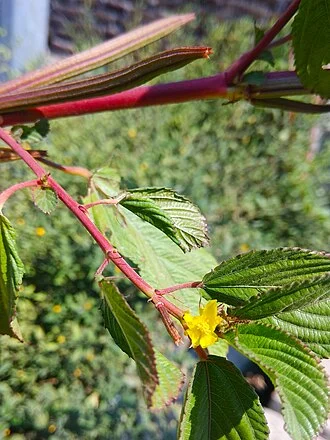
Molokhia
ملوخية
moo-loh-HEE-yah
A green soup made from finely chopped jute leaves, garlic, and coriander.
Open Molokhia recipe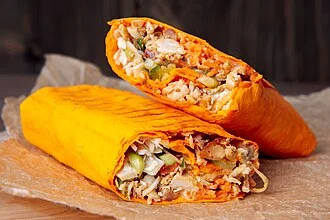
Street food
Meat
Shawarma
شاورما
shuh-WAR-muh
Thinly sliced meat, traditionally lamb or chicken, served in pita with vegetables and tahini.
Open Shawarma recipe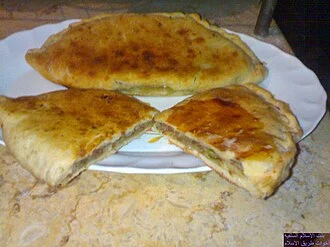
Street food
Meat
Hawawshi
حواوشى
ha-WOW-shee
Spicy minced meat stuffed in flatbread, baked until crispy.
Open Hawawshi recipe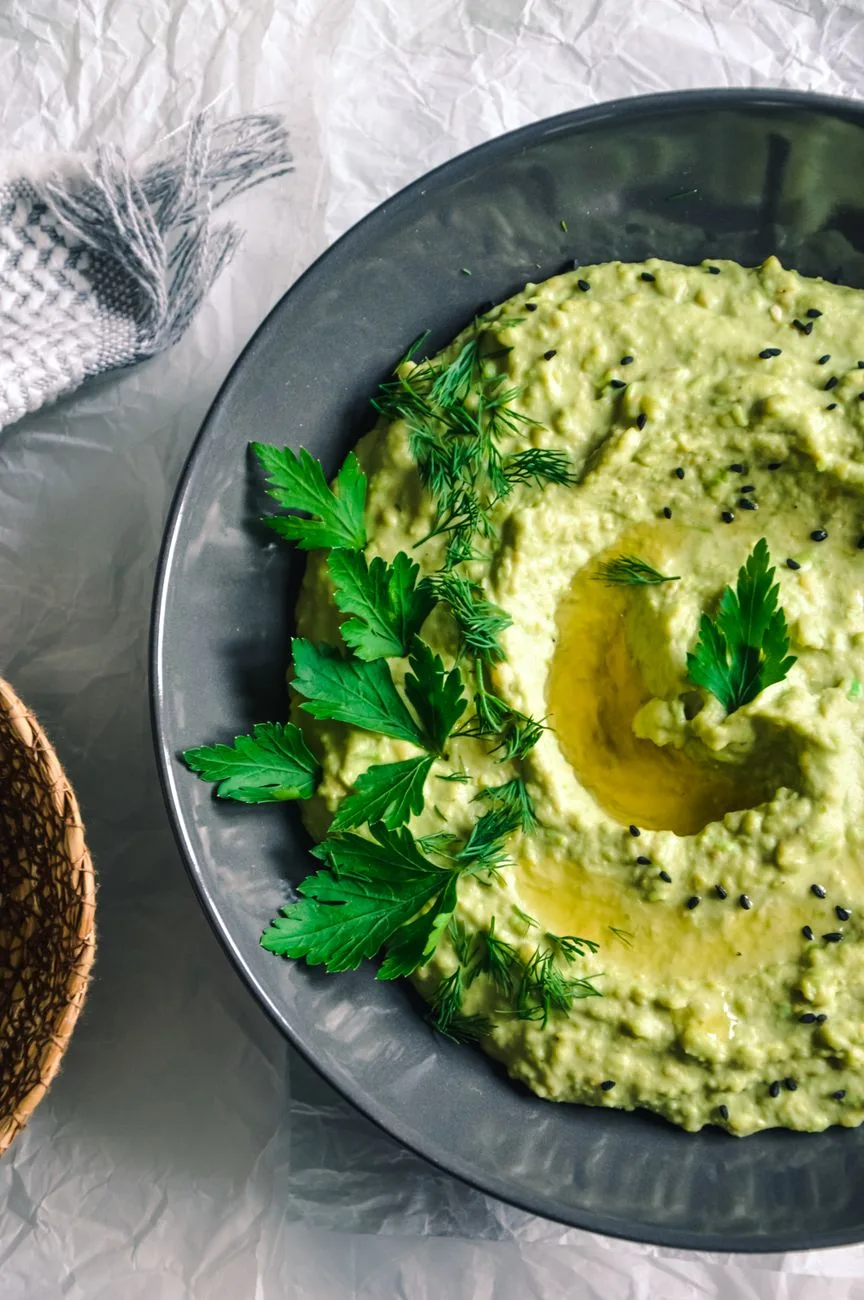
Starter
Vegan
Besarah
بصارة
bee-sah-rah
A flavorful vegan dip made from pureed fava beans and fresh herbs.
Open Besarah recipe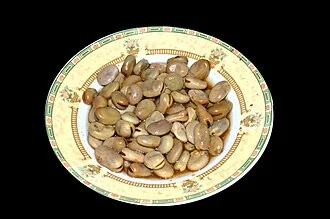
Snack
Vegan
Fatta Medames
فول مدمس
FOOL MED-ah-mes
A traditional breakfast dish of slow-cooked fava beans spiced with cumin and lemon.
Open Fatta Medames recipe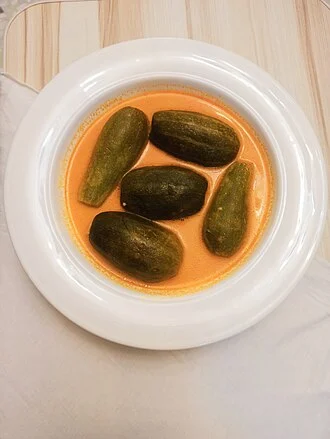
Main course
Vegetarian
Mahshi
محشي
MAH-shee
Vegetables stuffed with rice, herbs, and sometimes meat.
Open Mahshi recipe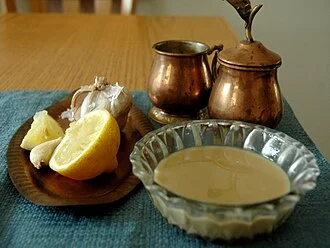
Starter
Vegan
Tahini Salad
سلطة طحينة
Ta-hee-nee sah-la-tah
A simple salad featuring tahini sauce mixed with fresh vegetables.
Open Tahini Salad recipe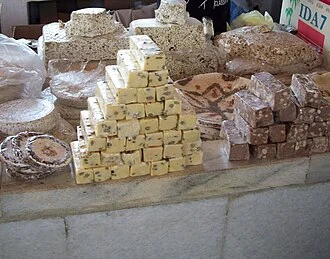
Dessert
Vegetarian
Halawa
حلاوة
Ha-la-wa
A dense sweet confection made primarily from tahini paste and sugar, often garnished with nuts.
Open Halawa recipe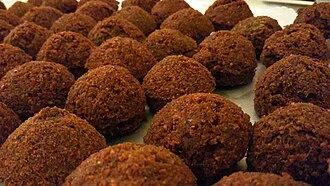
Street food
Vegan
Ta'ameya
طعمية
tah-ah-MEE-yah
An Egyptian variant of falafel made with fava beans, mixed with herbs and spices, and deep-fried.
Open Ta'ameya recipe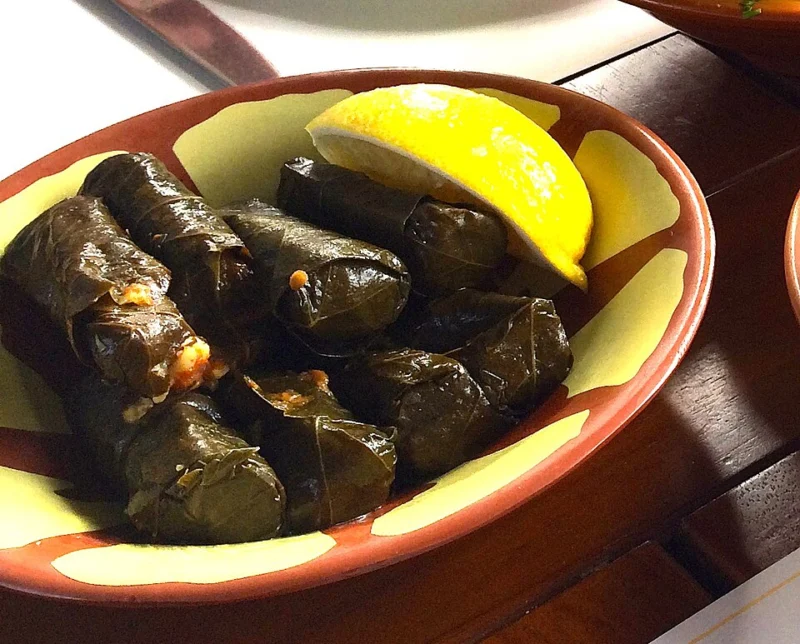
Main course
Meat
Egyptian Grilled Pigeon
حمام محشي
hah-MAAM MAH-shee
Stuffed pigeon grilled and typically served with rice or freekeh.
Open Egyptian Grilled Pigeon recipe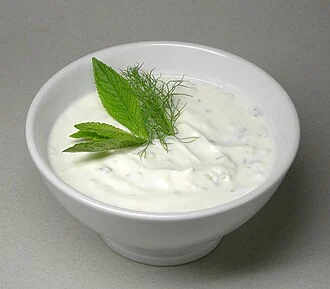
Starter
Vegan
Tarator
طرطور
TAH-rah-tor
A creamy dip or soup made with tahini, garlic, and lemon.
Open Tarator recipe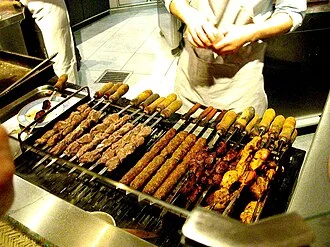
Main course
Meat
Kabab
كباب
kah-BAHB
Grilled spiced lamb skewers, a popular choice among meat lovers in Egypt.
Open Kabab recipe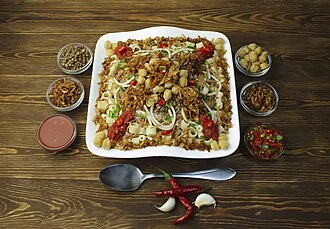
Main course
Vegan
Koshari
كشري
KUH-shuh-ree
A hearty Egyptian dish made of rice, lentils, pasta, and chickpeas topped with tomato sauce.
Open Koshari recipe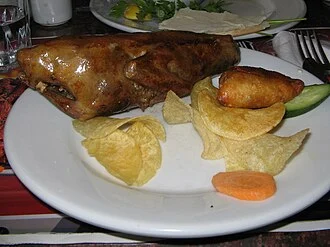
Main course
Meat
Stuffed Pigeon
حمام محشي
hah-maam mah-shee
A traditional dish with pigeons stuffed with a spiced rice mix.
Open Stuffed Pigeon recipe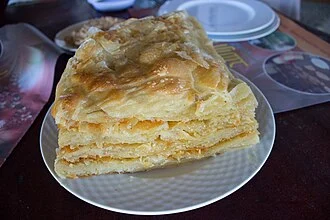
Dessert
Vegetarian
Feteer Meshaltet
فطير مشلتت
Fee-teer Meh-shal-teet
A flaky pastry layered with butter, often topped or filled with sweet or savory ingredients.
Open Feteer Meshaltet recipe