

Sultanahmet
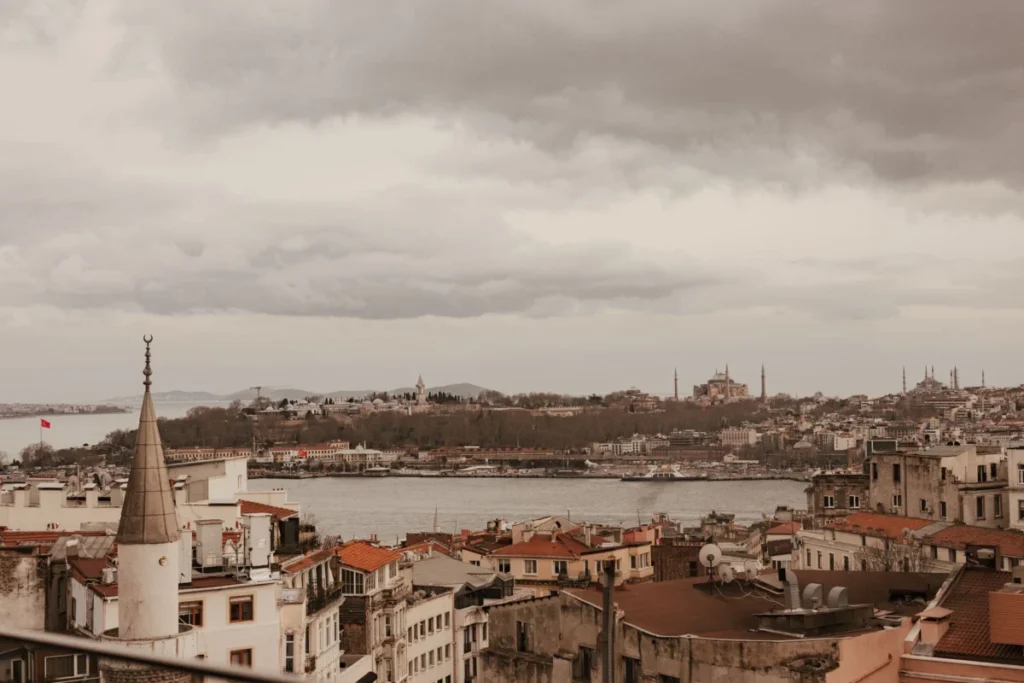
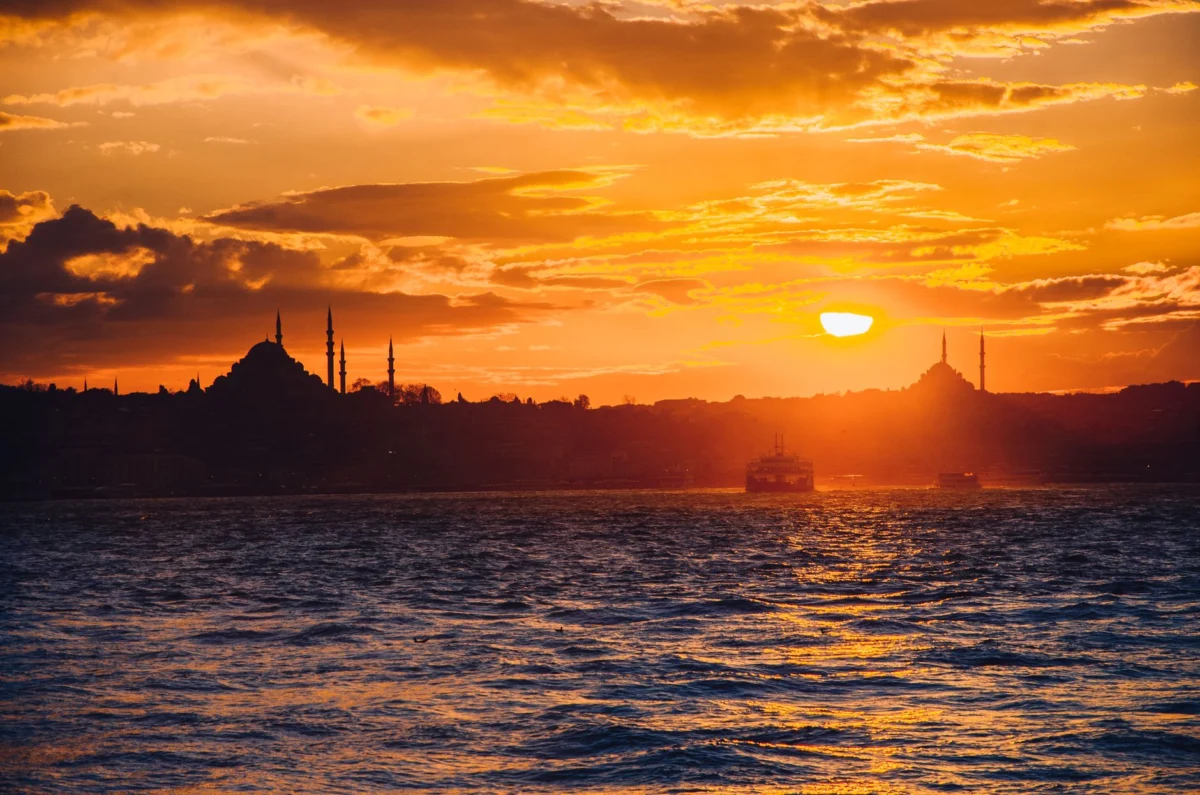
Sultanahmet is the oldest part of Istanbul, and for a wellness trip it has what no other district can match: historic hammams in working Ottoman buildings, a few minutes' walk from your hotel. Stay here and a day can start under the plane trees of Gülhane Park and end on the hot marble stone of a bathhouse.
The trick is timing. Before 9 am the square between Hagia Sophia and the Blue Mosque is almost empty, and the park paths belong to locals out walking. Spend the busy middle of the day indoors — in the cool, dim Cistern of Theodosius or the hot room of Cağaloğlu Hamamı — and come out again when the tour groups have gone.
The honest downside: by day the main streets are crowded and full of touts, and with so many mosques the dawn call to prayer is loud. Choose a hotel on a back lane, ask for a room that does not face a minaret and pack earplugs.
Local picks
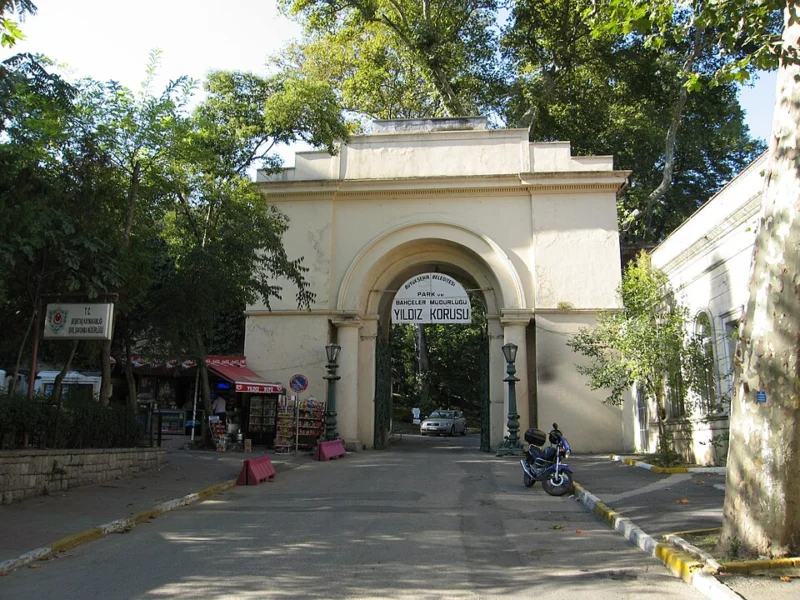
For Quiet & Wellness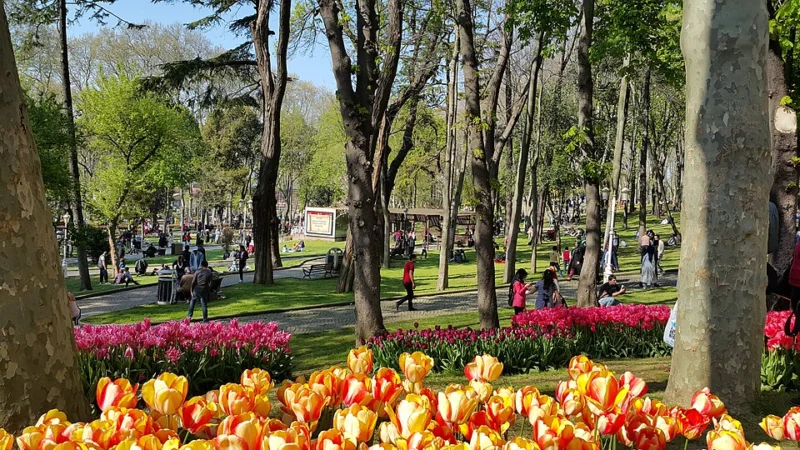 1Early morningGülhane ParkOnce the outer garden of Topkapı Palace, it opened to the public in 1912 and is the oldest public park in Istanbul. Walk its shady avenues before 9 am, when locals come for their morning walk and the city is still quiet.
- 2Short stopFountain of Sultan Ahmed IIIAn 18th-century fountain house in front of the palace gate, covered in tiles and carved marble. Five minutes is enough, but the square around it is calm at this hour.
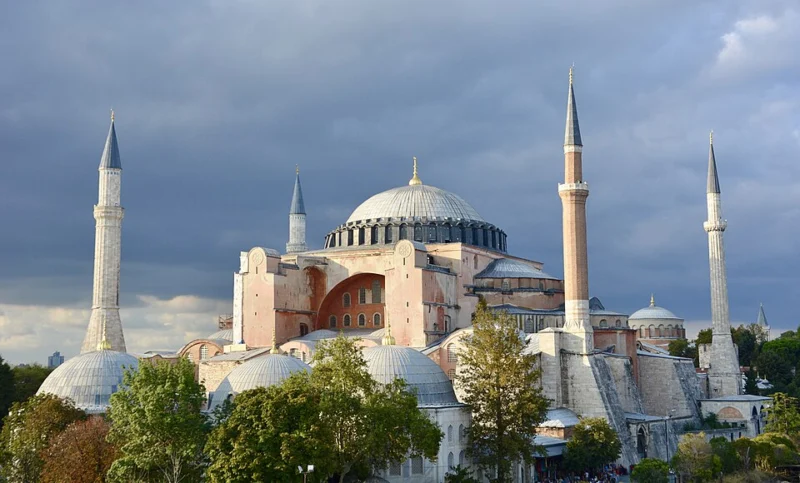 3At opening timeHagia SophiaForeign visitors now follow a separate, ticketed route to the upper galleries. Come at opening time, before the queues, and dress for a working mosque — covered shoulders and knees, and a headscarf for women.
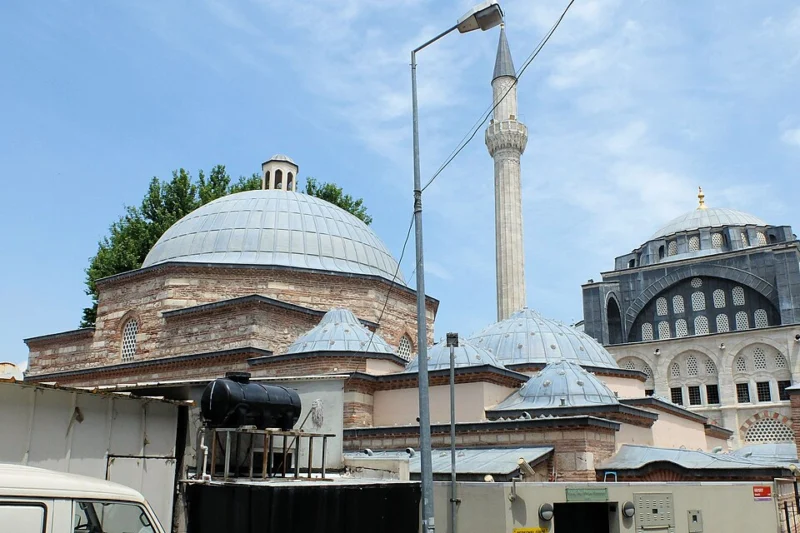
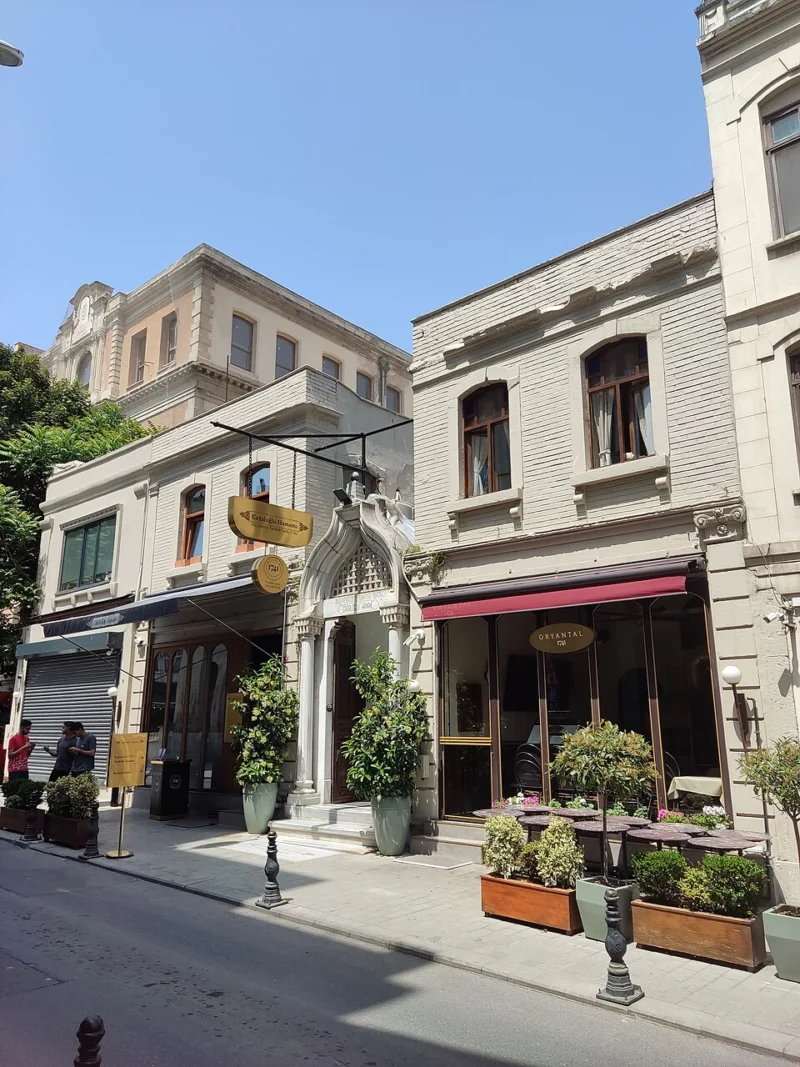 4HammamCağaloğlu HamamıFinished in 1741, it was one of the last great bathhouses built in Ottoman Istanbul, with separate sections for men and women. Book a time slot, take the full scrub and foam wash, and rest in the cool room afterwards.
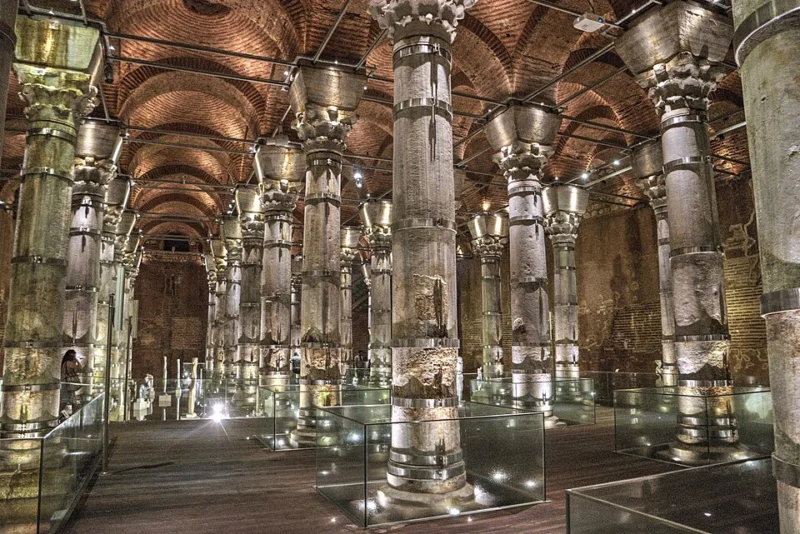 5Cool breakCistern of TheodosiusA fifth-century water cistern entered from Piyer Loti Caddesi, rediscovered in 2010 when the building above it was demolished. It is smaller and calmer than the famous Basilica Cistern, and pleasantly cool on a hot afternoon.
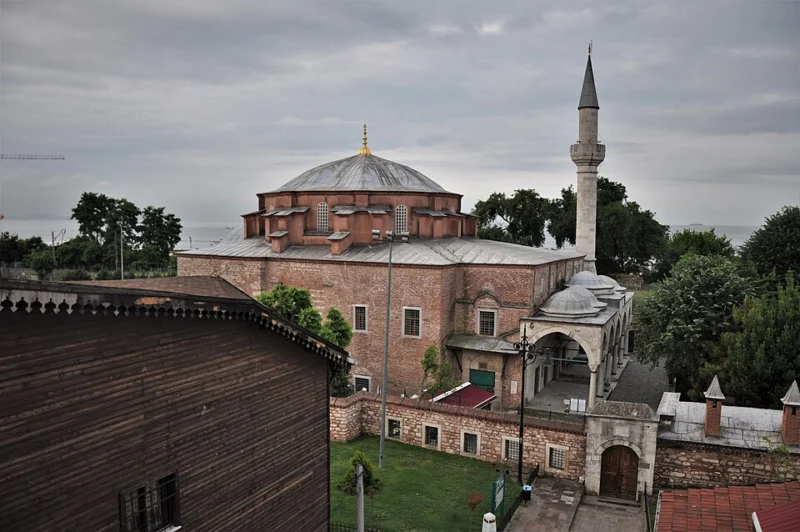 6Late afternoonLittle Hagia SophiaBuilt as the Church of Saints Sergius and Bacchus in the 6th century, it is now a small mosque on a quiet street near the Sea of Marmara. Sit in the courtyard as the light softens — the crowds rarely come this far.
- Getting aroundT1 tram · Sultanahmet · GülhaneThe T1 tram stops at Sultanahmet and Gülhane and runs down to Eminönü and across to Karaköy. From Eminönü, ferries cross to Üsküdar on the Asian side in 15–20 minutes.
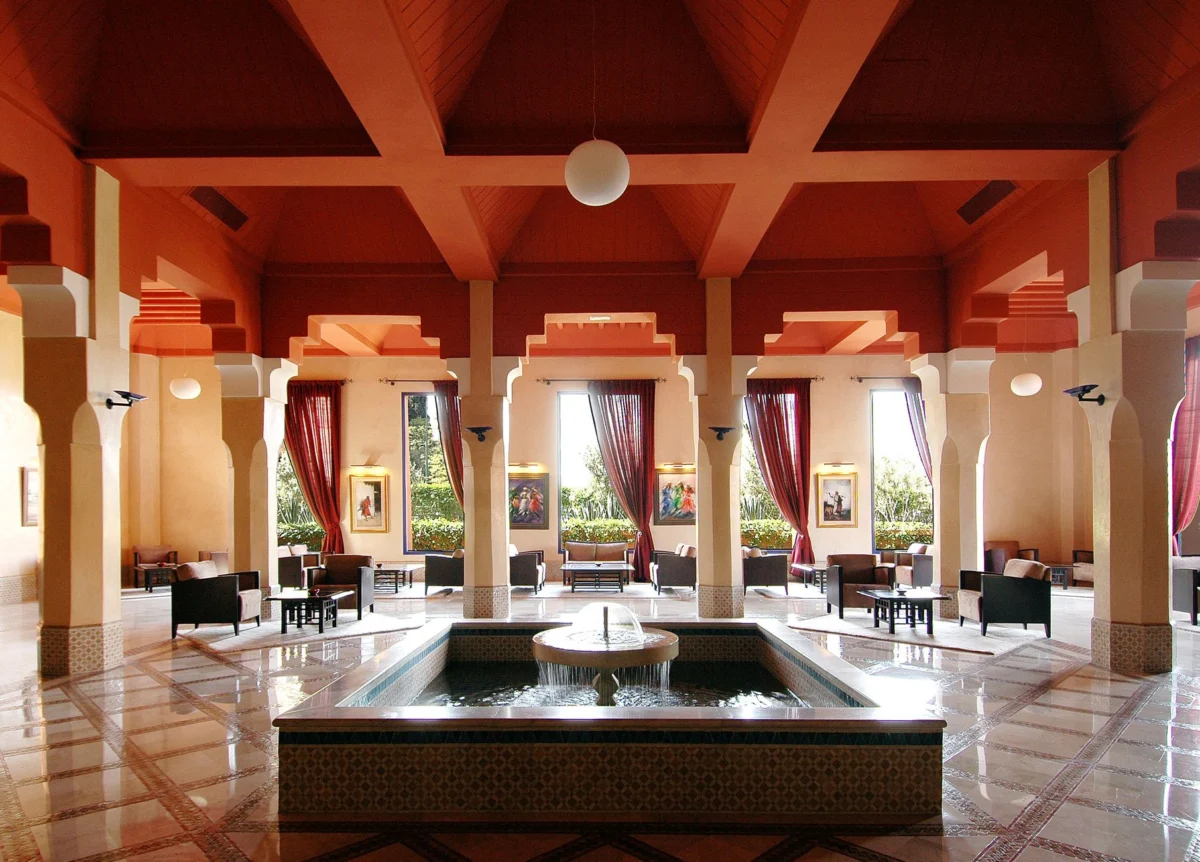
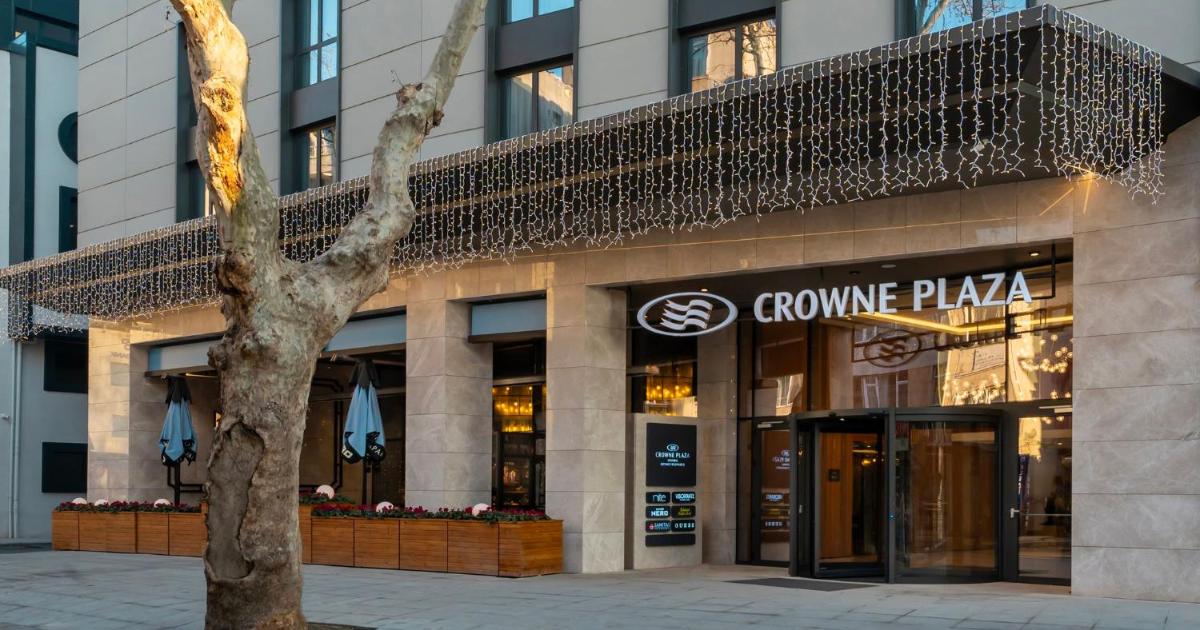
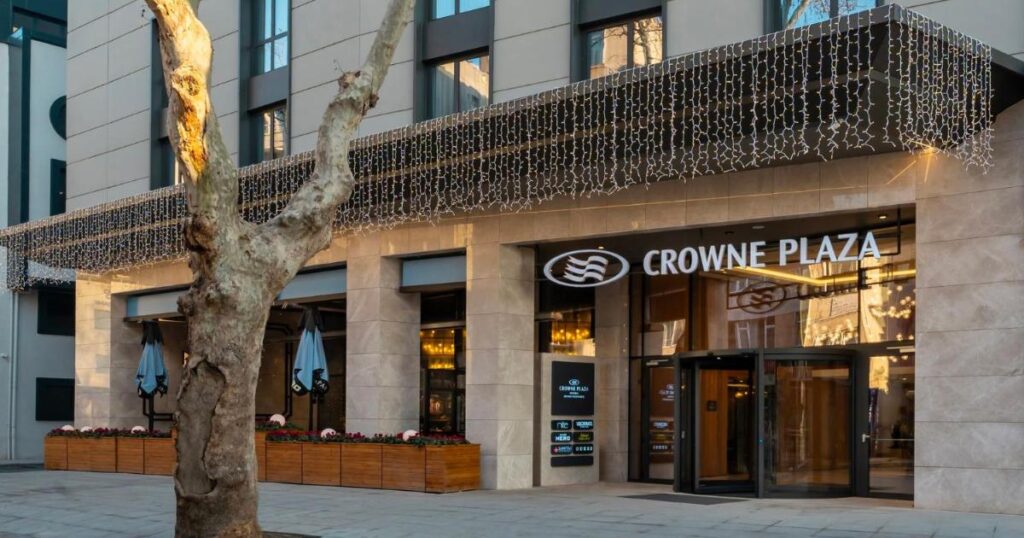
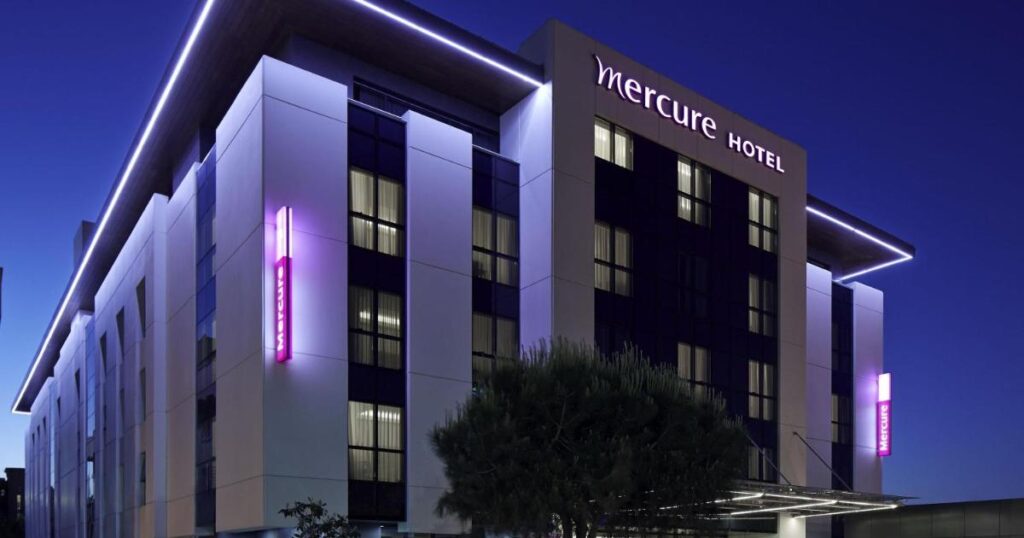
- Where to stayLook for small hotels on the back lanes south of the Blue Mosque and around Hagia Sophia, or spa hotels off Divanyolu. Avoid rooms facing a minaret or the tram line, and ask whether the hotel has its own hammam or partners with one nearby.
Did you know?
| Hagia Sophia’s many lives Completed in 537 as a church, it became a mosque in 1453, a museum in 1935 and a mosque again in 2020. |
| The builder of the Blue Mosque Sultan Ahmed I commissioned the Blue Mosque, built between 1609 and 1617. |
| Where the name comes from The district is named after Sultan Ahmed I’s mosque, the Sultanahmet Camii. |
| A bathhouse that paid for books Cağaloğlu Hamamı, finished in 1741, was built to raise money for Sultan Mahmud I’s library inside Hagia Sophia. |