

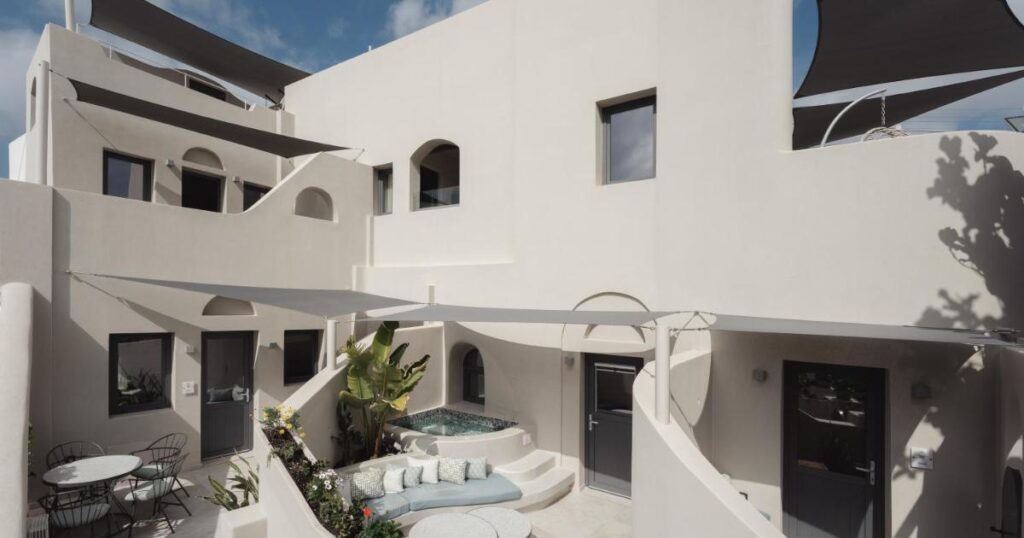
Fira
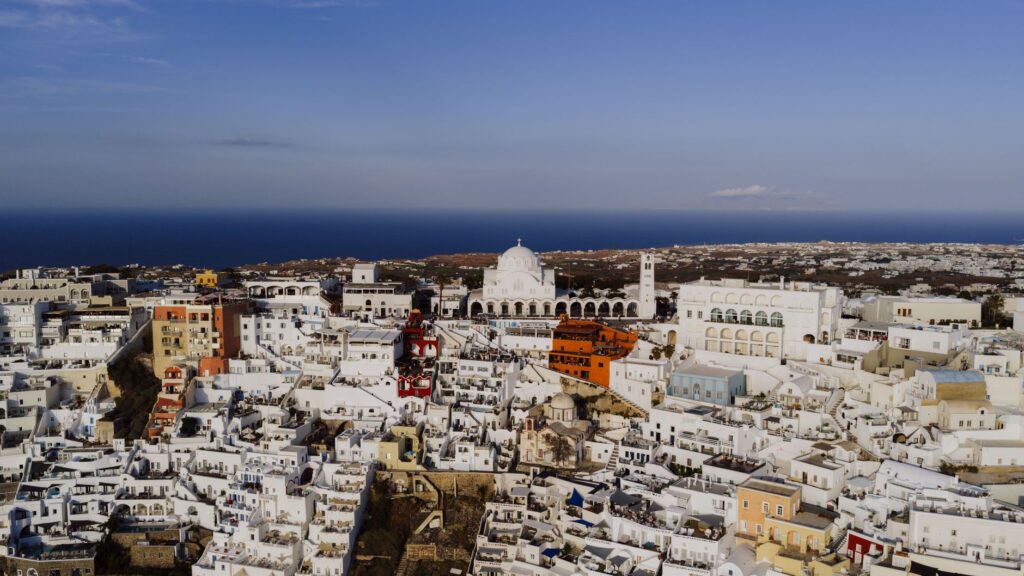
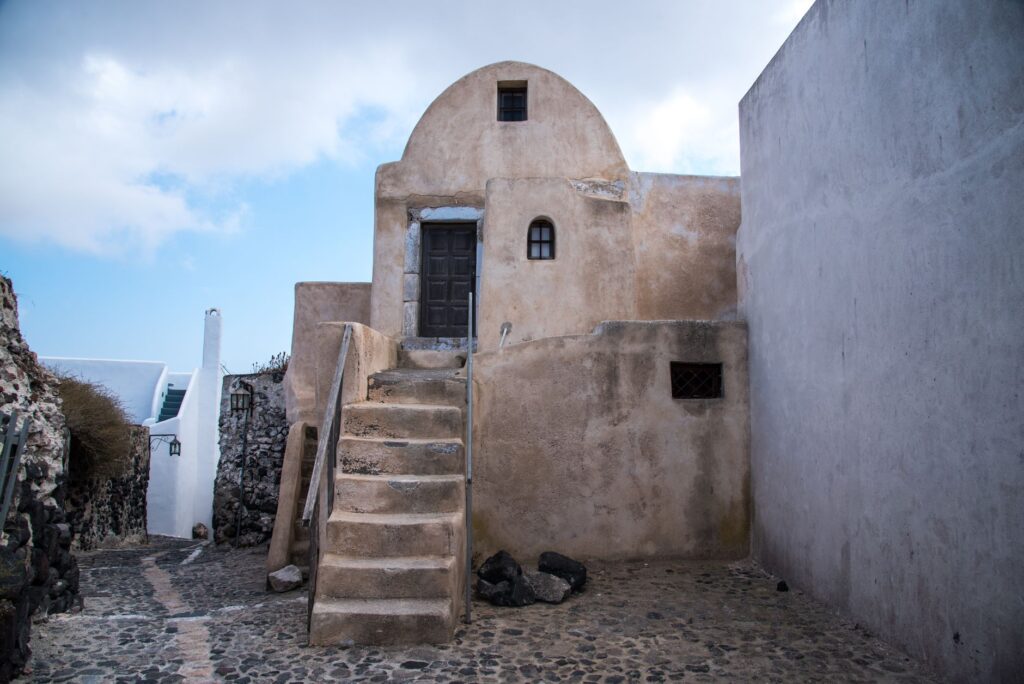
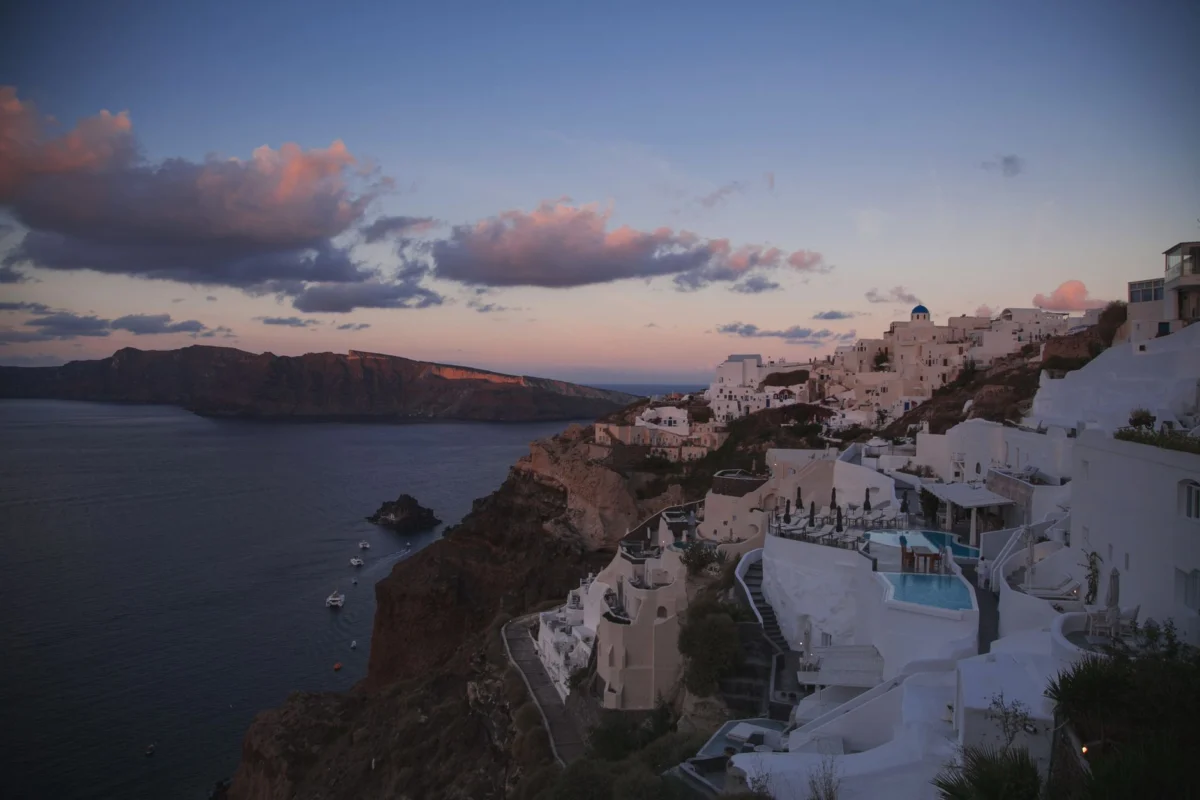
Fira is the capital of Santorini, a town strung along the top of the caldera cliff. Its name comes from Thíra, the old name of the whole island. With children it is best as a base for sightseeing: the Museum of Prehistoric Thera and the Archaeological Museum of Thera are a short walk apart, and older kids who like history will find plenty to look at.
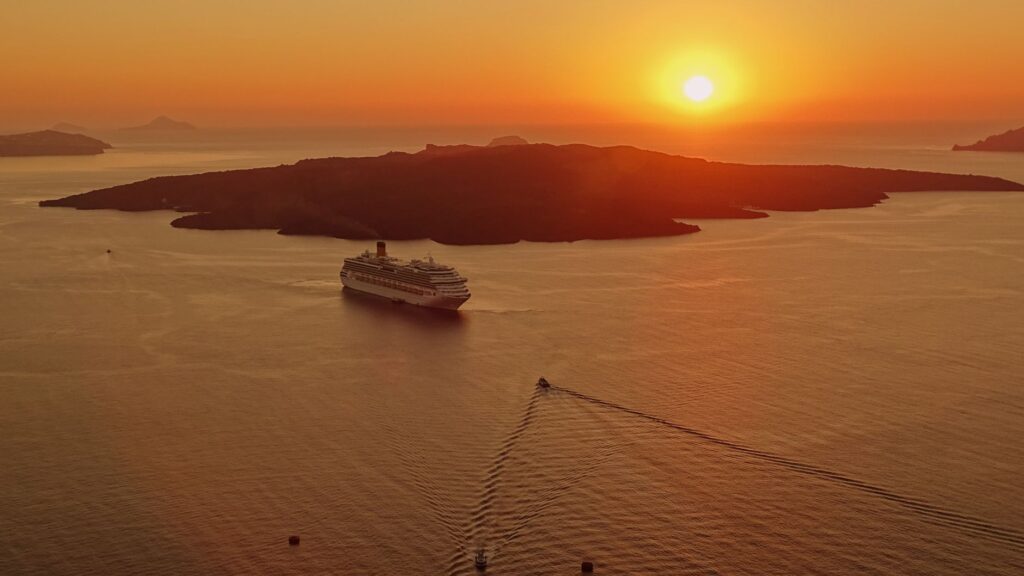
Go in the morning before the heat. After the museum, wander to Theotokopoulos Main Square for a snack, then on to Panoramic View Fira, where the whole caldera opens up below you. Teenagers will love the views; toddlers are happier with a short visit and a long lunch. In the evening the centre gets lively, so families usually prefer dinner early.
For grandparents, the museums are an easy, shaded morning. The honest downside: the lanes along the cliff are narrow, crowded in summer and full of steps, so a pushchair is hard work and there is no beach.
Local picks
For Family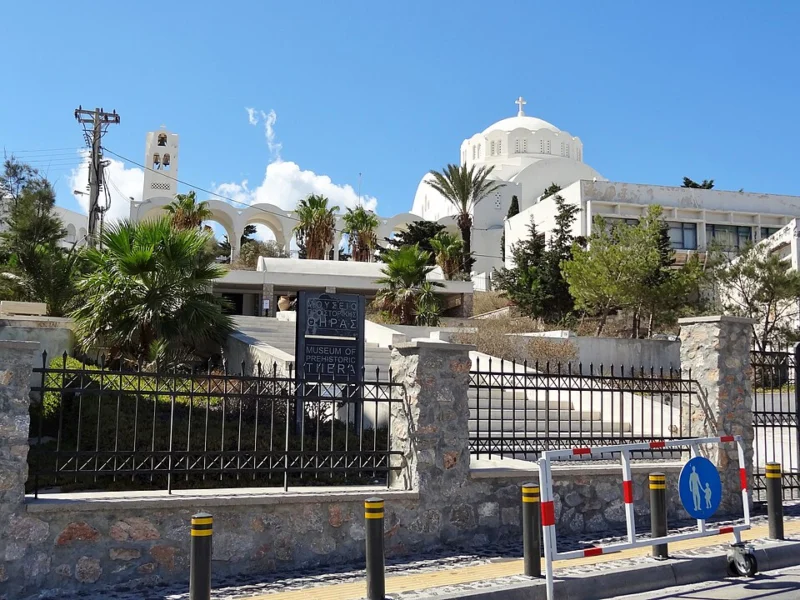 1MorningMuseum of Prehistoric TheraStart here while it is cool. Older children can spot finds from the island's distant past, and the visit is short enough for younger ones.
- 2Quick lookMATI Art Gallery FiraA small contemporary art gallery just round the corner. Pop in for colourful pieces that keep kids curious for ten minutes.
- 3Snack breakTheotokopoulos Main SquareThe main square is the place for a drink and a rest. There are cafés and snack places all around it.
- 4Big viewPanoramic View FiraFinish at the viewpoint over the caldera. Hold small hands tightly here, as it is right on the cliff edge.
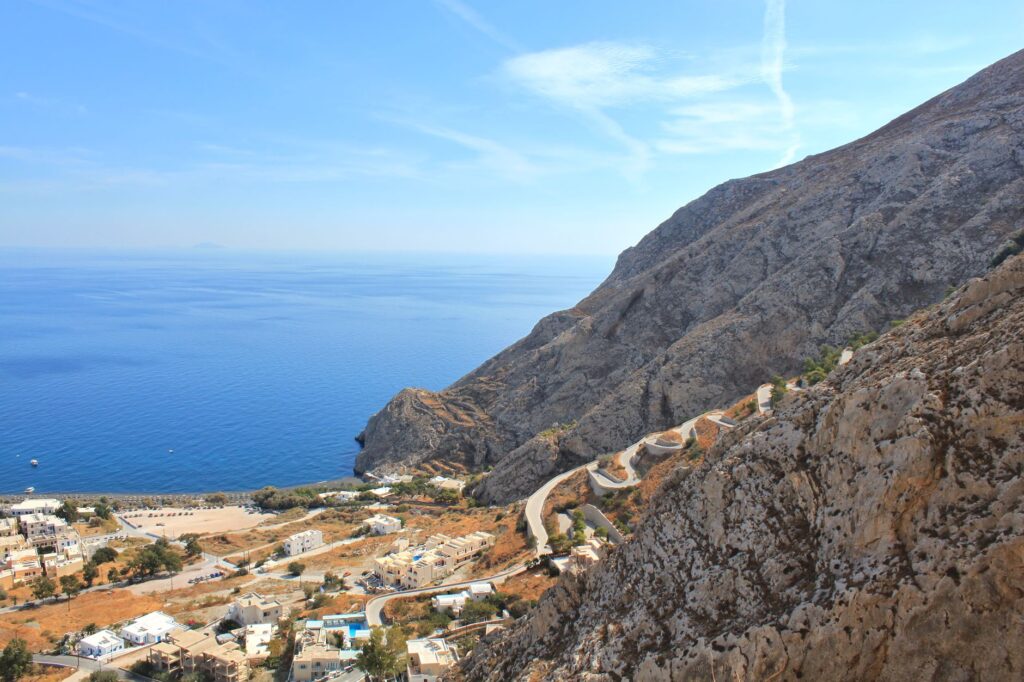
- Getting aroundTo the beach villagesKamari is about 8 km and Perissa about 13 km from Fira, so beach days mean a bus or taxi ride. Fira is the natural starting point for both.
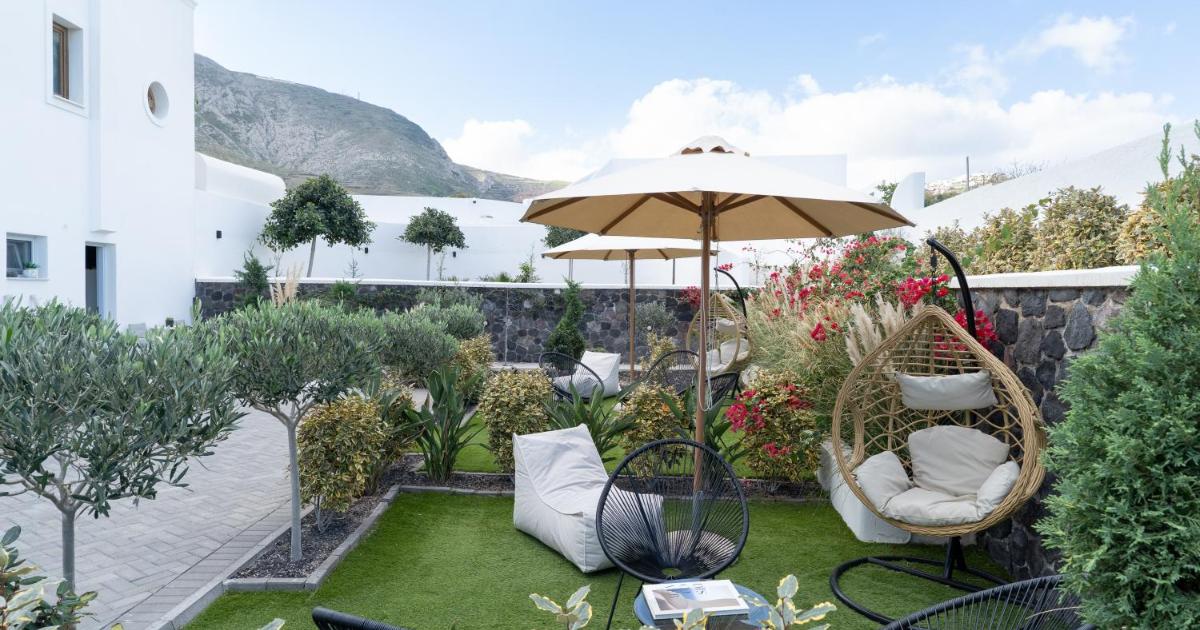
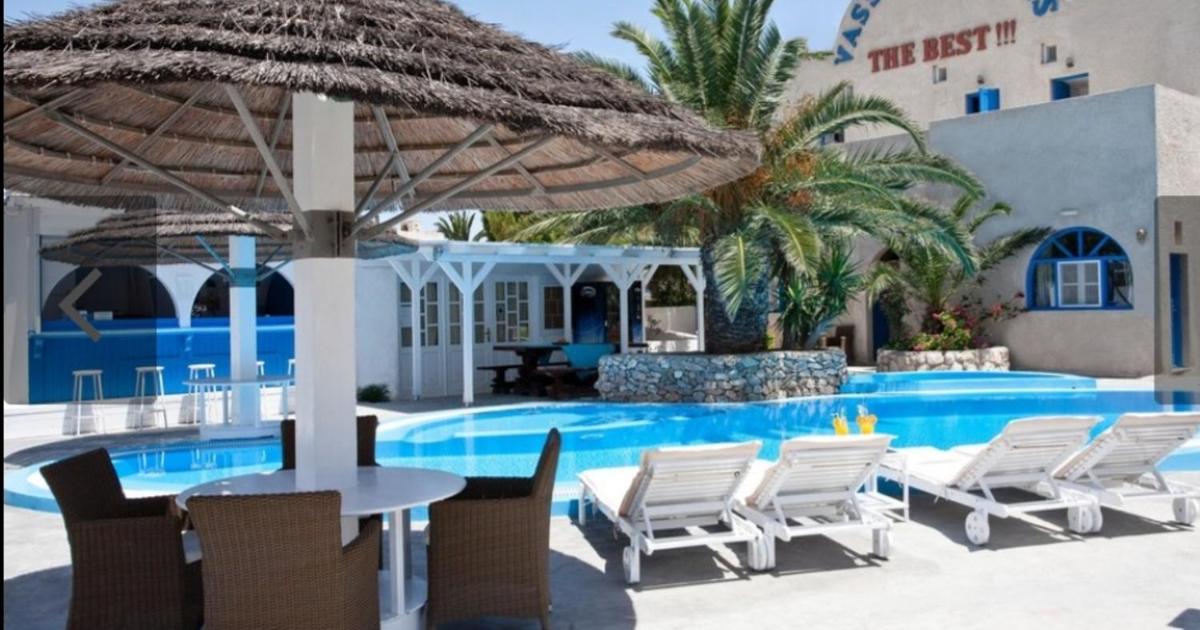
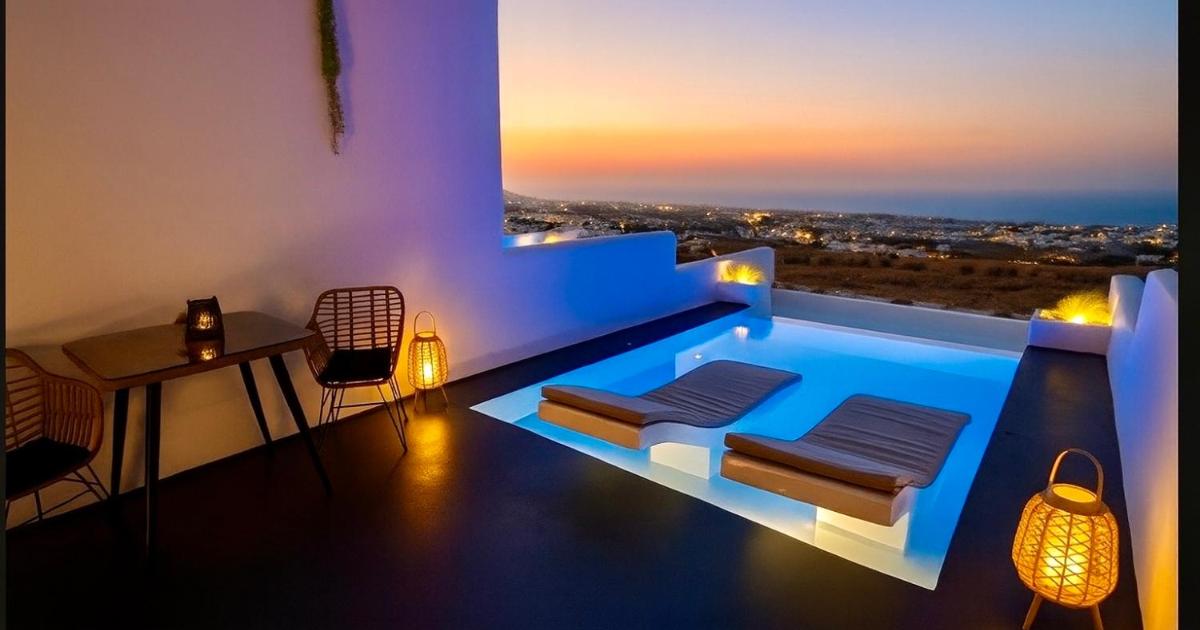
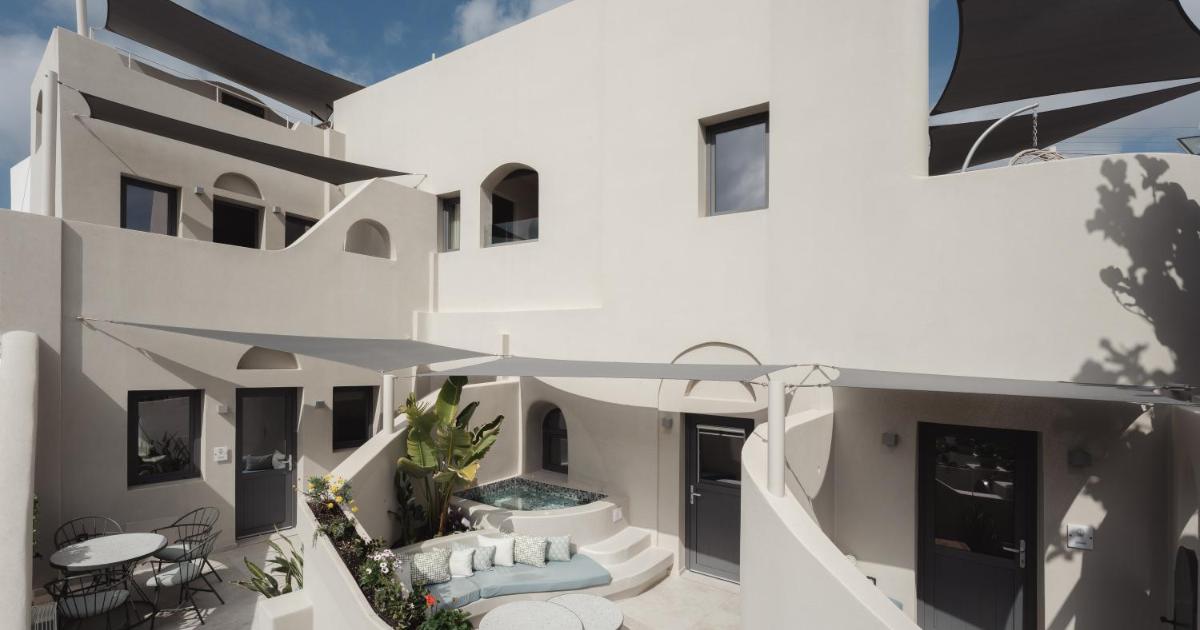
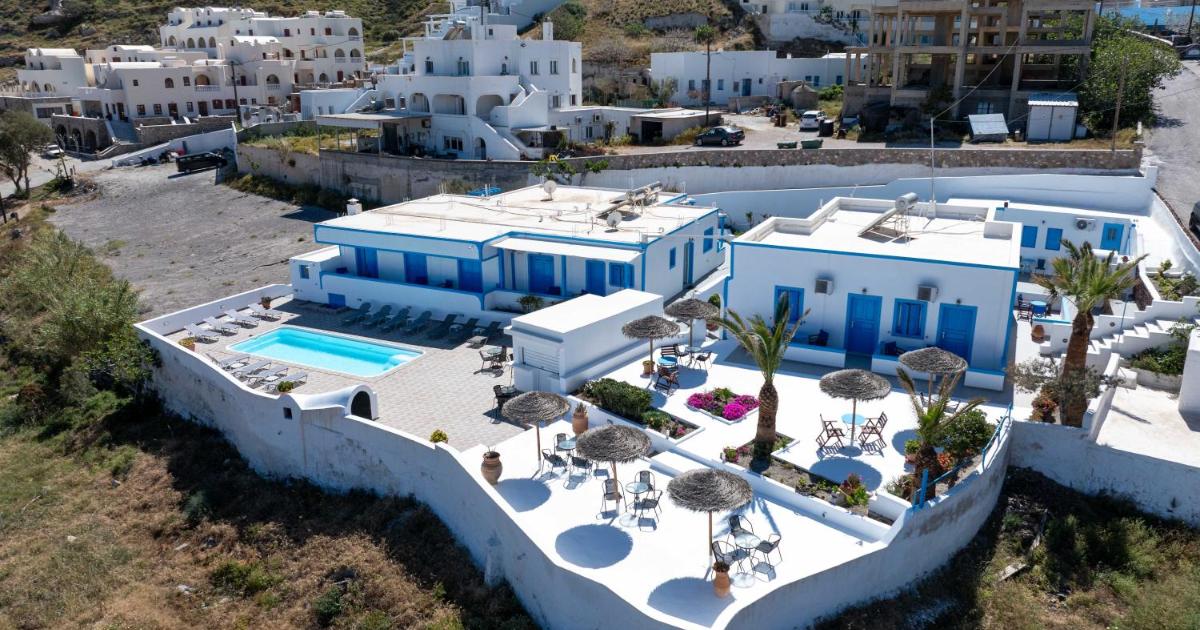
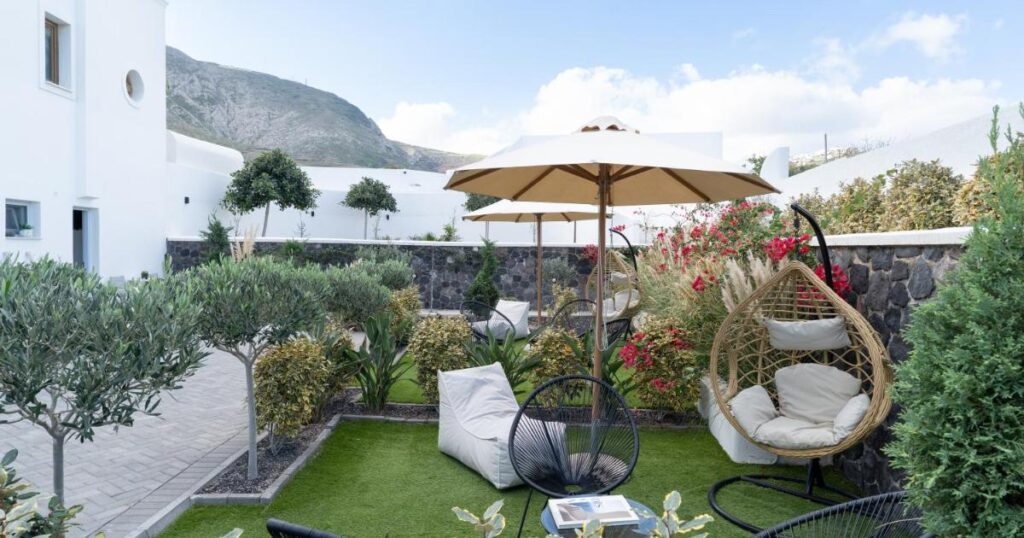
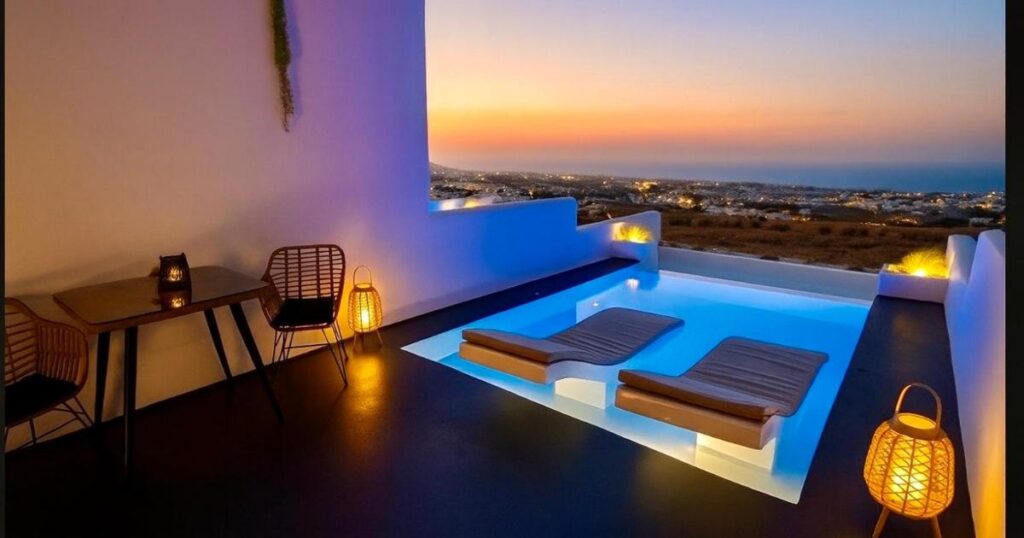
- Where to stayLook for an apartment or a family room a street or two back from the cliff, where it is quieter and cheaper. Check how many steps lead to the entrance if you travel with a pushchair.
Did you know?
| Named after the island Firá takes its name from an alternative pronunciation of Thíra, the ancient name of Santorini itself. |
| Built on an old church The Museum of Prehistoric Thera stands where the Ypapanti Church stood before the 1956 Amorgos earthquake. |
| A museum from 1960 The Archaeological Museum of Thera was built in 1960 to replace an older museum that collapsed in the same earthquake. |