



Banjul
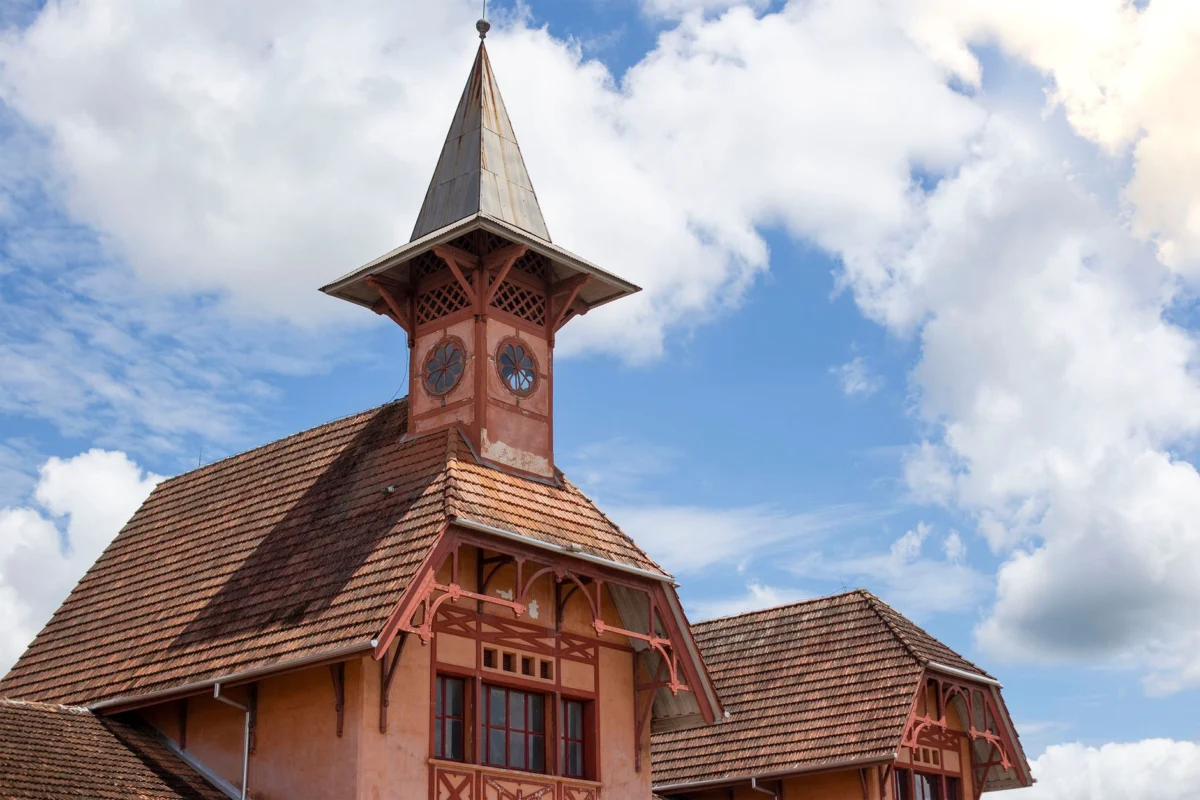
Banjul is a hub of colonial history and cultural richness. As the capital of The Gambia, Banjul offers a unique blend of modern vibrancy and traditional allure. Its streets tell stories of a colonial past, intertwined with African cultural tapestries. Visit the National Museum of The Gambia to dive into local heritage and understand the country’s evolution from its colonial roots to independence. The Albert Market, a bustling cacophony of colors, offers not only a chance to purchase local crafts but also to engage with the Gambian way of life.
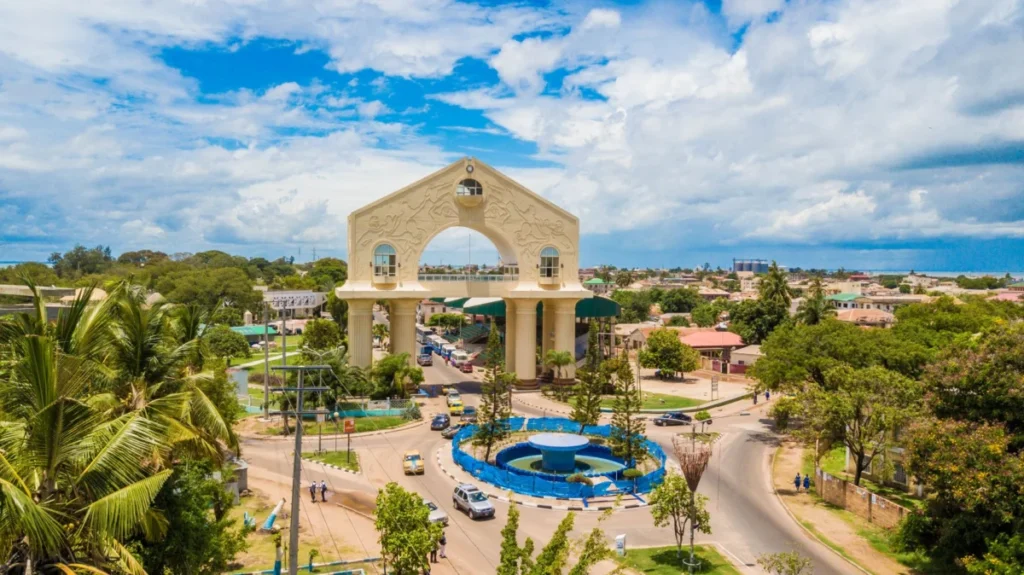
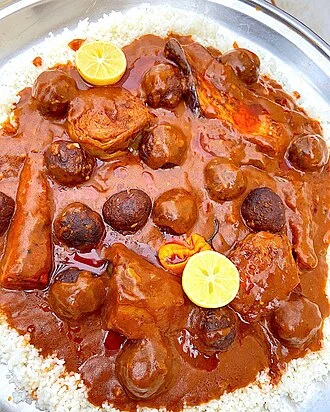
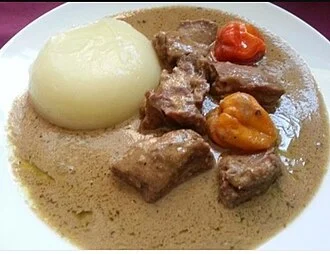
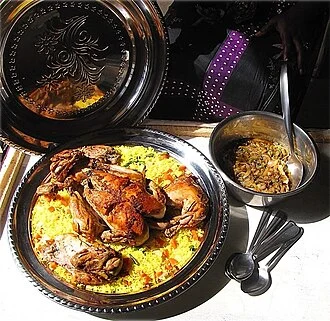
Navigating through Banjul, you'll encounter landmarks like Arch 22, symbolizing freedom, and the Saint Mary's Cathedral, echoing the diversity of beliefs that coexist in harmony. The city's cultural events are vivid expressions of its heritage, from traditional music festivals to the welcoming chatter of local residents. Traditional performances and culinary adventures await you, especially with dishes like domoda or benechin, which encapsulate the rich flavors of Gambian culture. Banjul is a tapestry of history, perfect for those seeking an immersive cultural journey.
| Banjul's Colonial Naming Origin Founded in 1816 by the British as Bathurst. |
| Banjul's Role in Abolition Banjul was a crucial checkpoint in ending the slave trade. |
| Banjul's Best Hidden Market Albert Market is great for authentic local crafts. |
| Distinguished Yosef Ben-Jochannan The historian was born in Banjul in 1918. |