
Written for travellers who count their yen — free sights, lunch-set tricks and cheap transport. Updated 2026.

Where to Stay in Tokyo on a Budget

Where to stay in Tokyo on a budget — four central neighbourhoods where cheap lunches, free shrines and fast trains keep costs down.

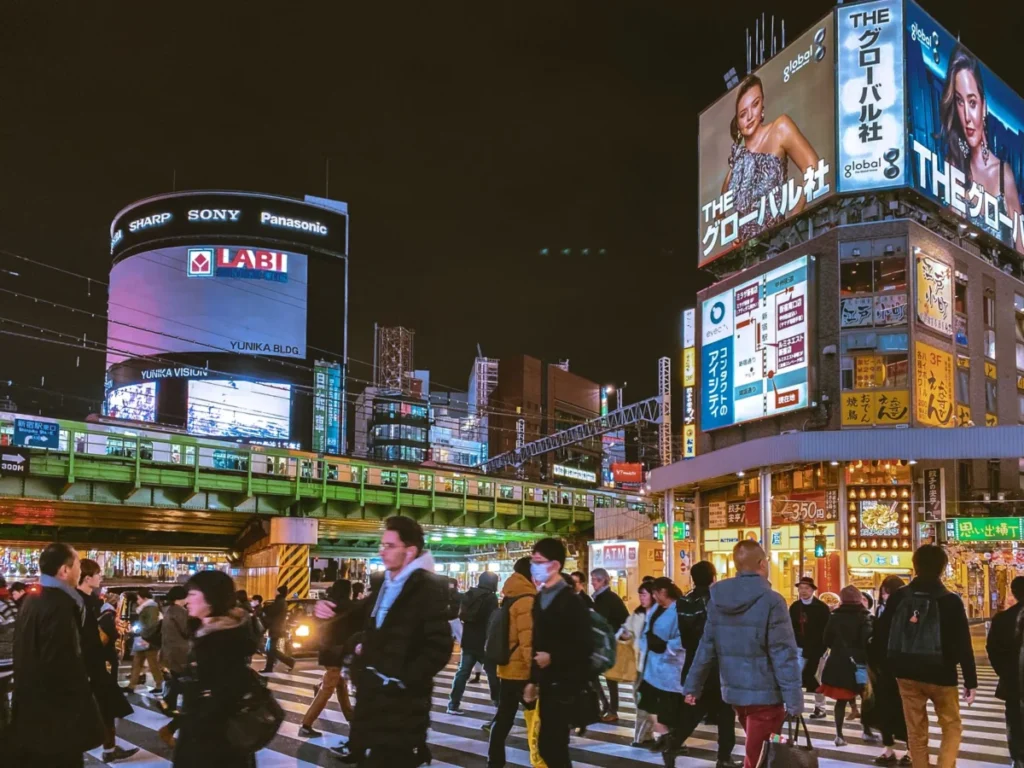
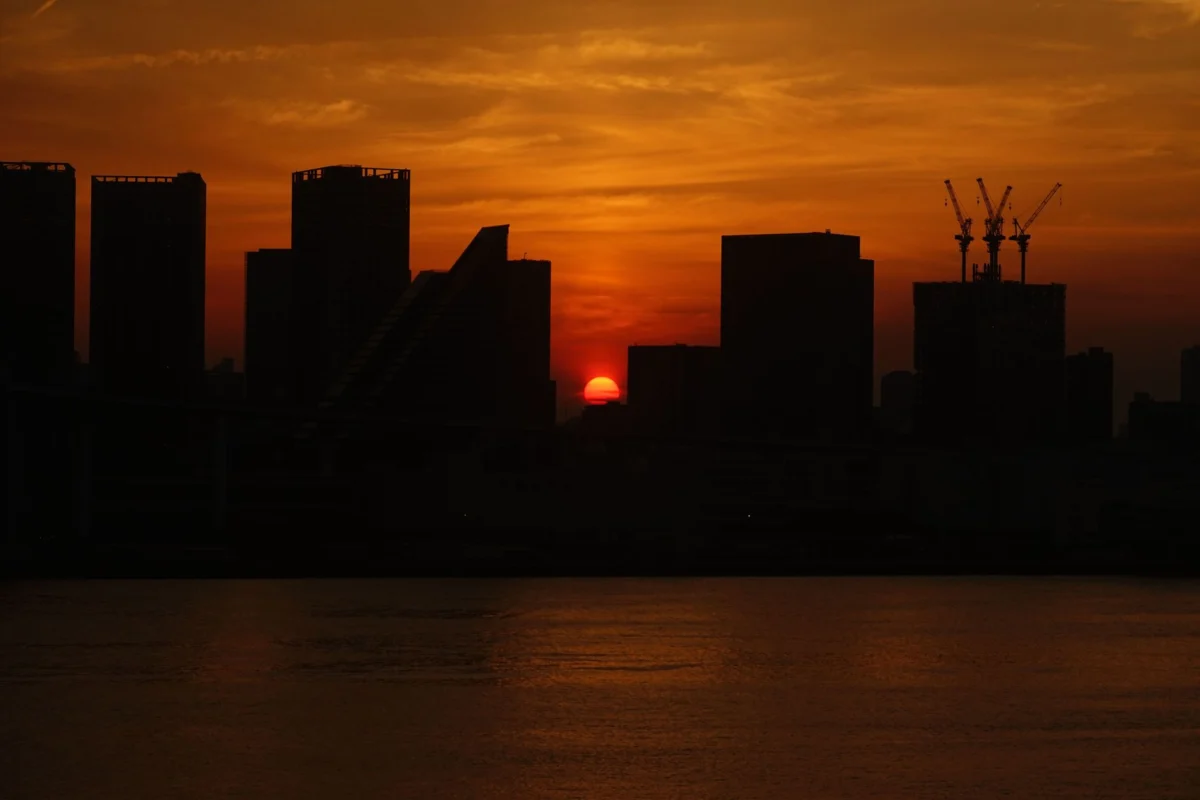
Tokyo skyline at sunset
At a Glance
Country Japan
City Tokyo
Day / Night 17° / 9°
Local Time 19:56
November — Now Peak season
Best Months Dec · Jul

Tokyo is cheaper than its reputation if you know how locals eat and move. This guide looks at four neighbourhoods — business-district Akasaka, old-merchant Nihonbashi, easy-going Ebisu and riverside Meguro — and shows where your money goes furthest in each: free shrines and walks, set lunches, food alleys and the train lines that save you time and fares.

Best-value Tokyo hotels in these neighbourhoods

Smart choice
⭐ 8.7
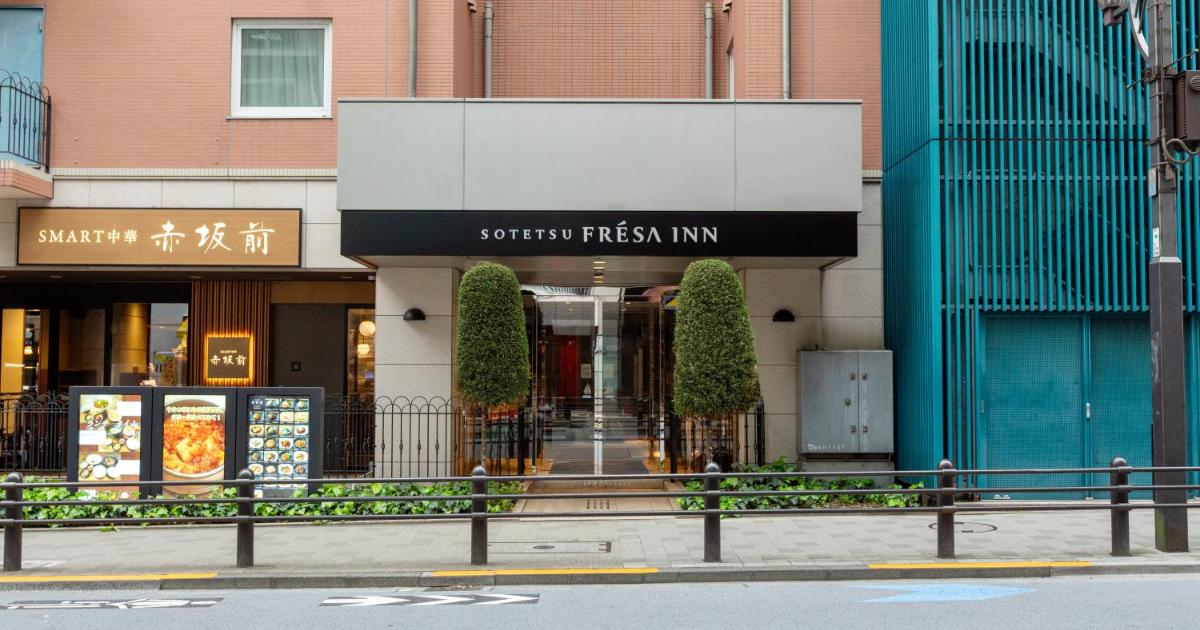
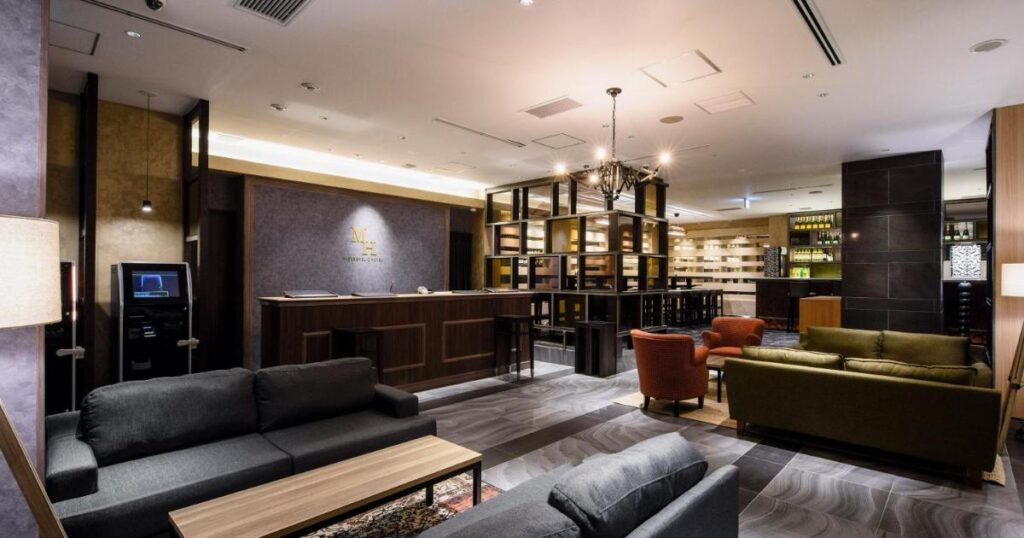
Sotetsu Fresa Inn Tokyo-Akasaka

Sotetsu Fresa Inn Tokyo-Akasaka

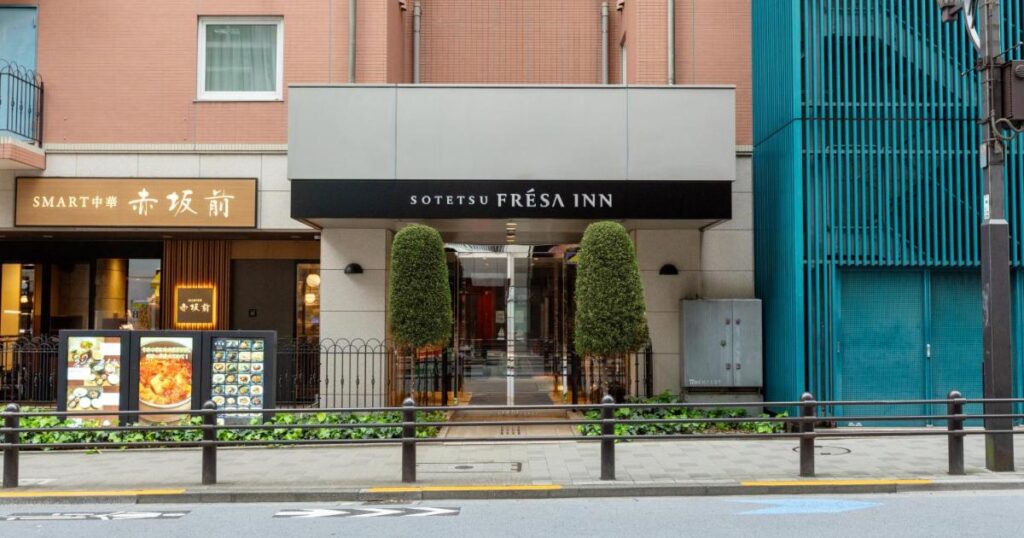
A 3-star business hotel 50 metres from Akasaka Station, with direct Chiyoda Line trains to Omotesando and Meiji-Jingu. Hie Shrine is a 5-minute walk and Tokyo Midtown about 700 metres away. Rooms are compact but have a bathtub, and breakfast is served in the ground-floor coffee shop; more than 3,000 reviews rate it 8.7.

Budget option
⭐ 8.2
HOTEL HILLARYS Akasaka

HOTEL HILLARYS Akasaka

A small hotel on Misuji-dori in Akasaka 3-chome, a street of lunch counters and izakaya. Guests rate it very highly, and Hie Shrine and the Akasaka metro stations are a short walk away.

Top pick
⭐ 8.5
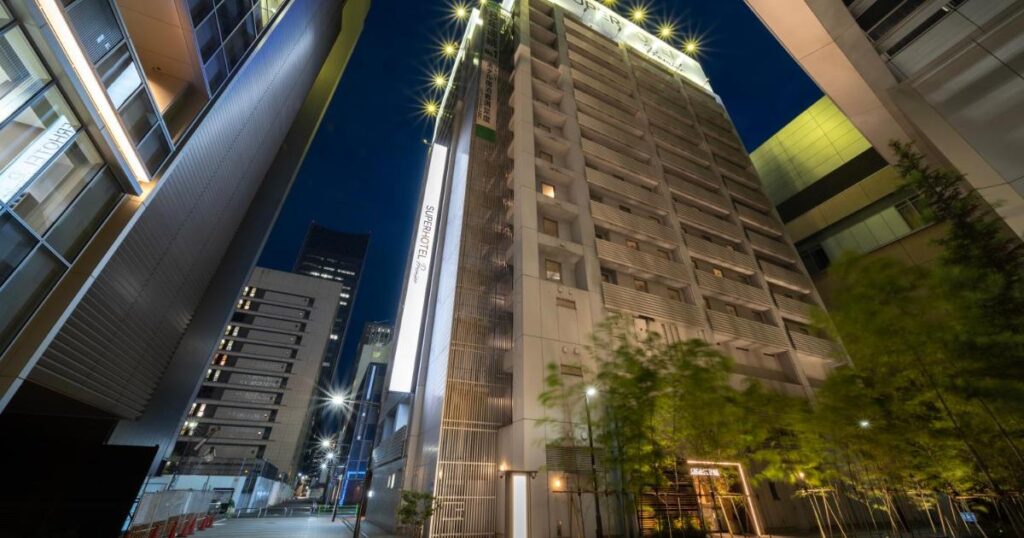
Super Hotel Premier Tokyo Station Yaesu-Chuoguchi

Super Hotel Premier Tokyo Station Yaesu-Chuoguchi

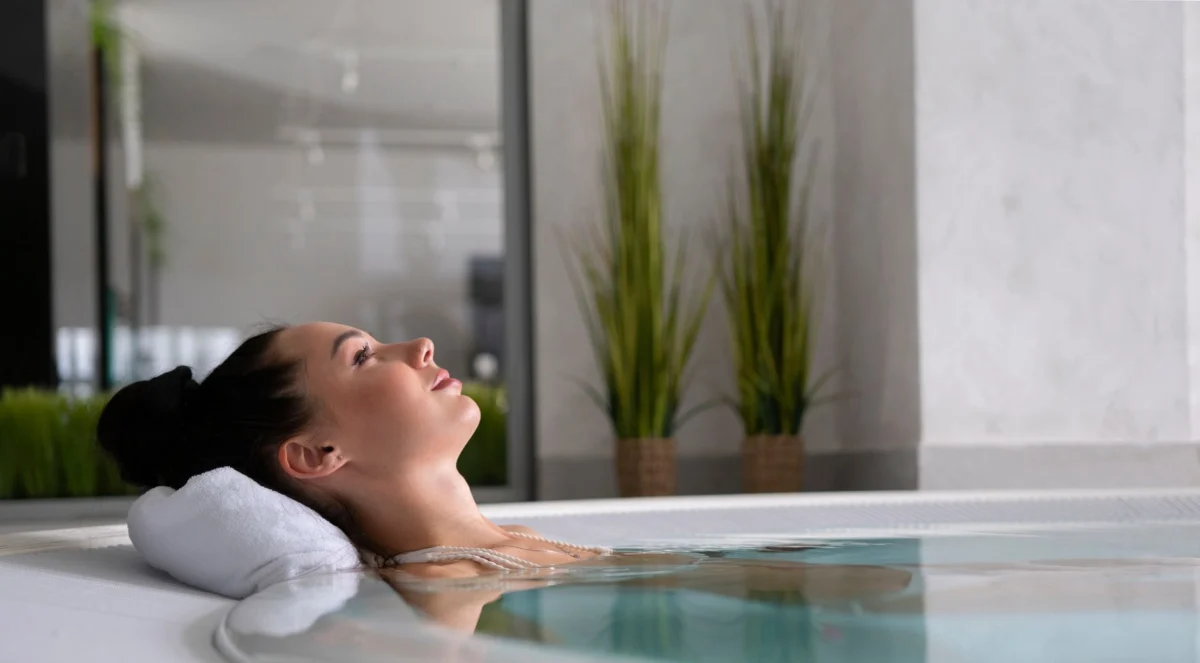
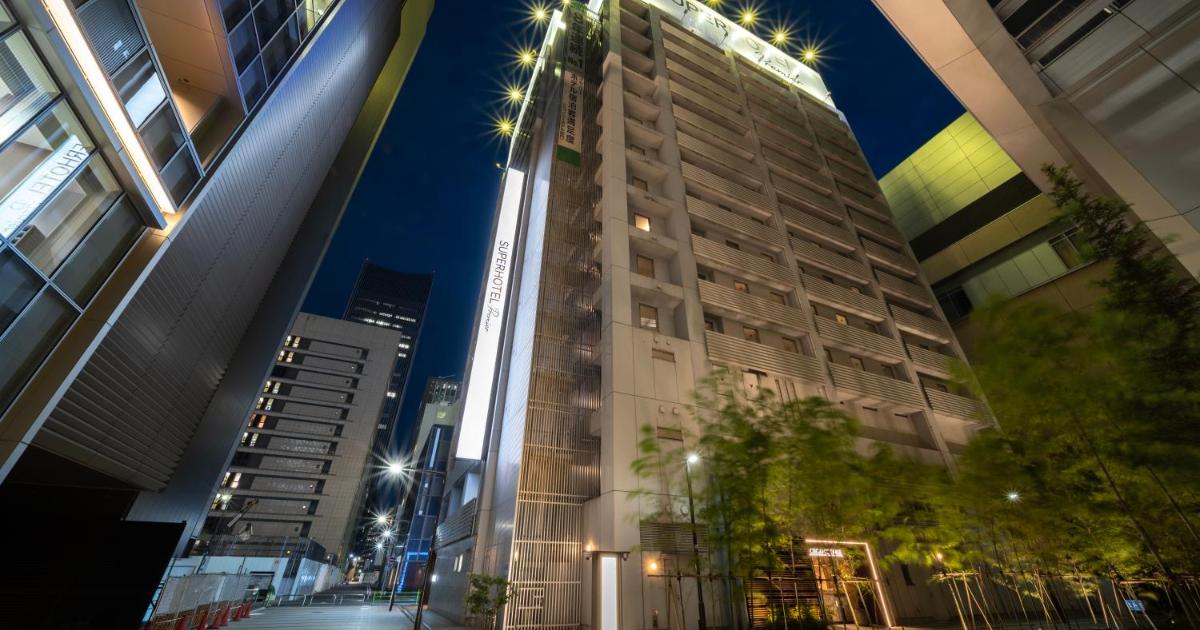
A 3-star budget chain hotel in Yaesu, a 3-minute walk from Tokyo Station's Shinkansen platforms and about 5 minutes on foot from Ginza. The best part is the hot-spring public baths, one for men and one for women, after a long day of walking. Rooms are small and plain; more than 4,000 reviews rate it 8.5.

Which Tokyo fits your budget?

Pick what matters most — we will show you the neighbourhood.

Best choice: Akasaka (赤坂)

Best for: Cheap lunches & metro

Best choice: Nihonbashi (日本橋)

Best for: Airport trains & value

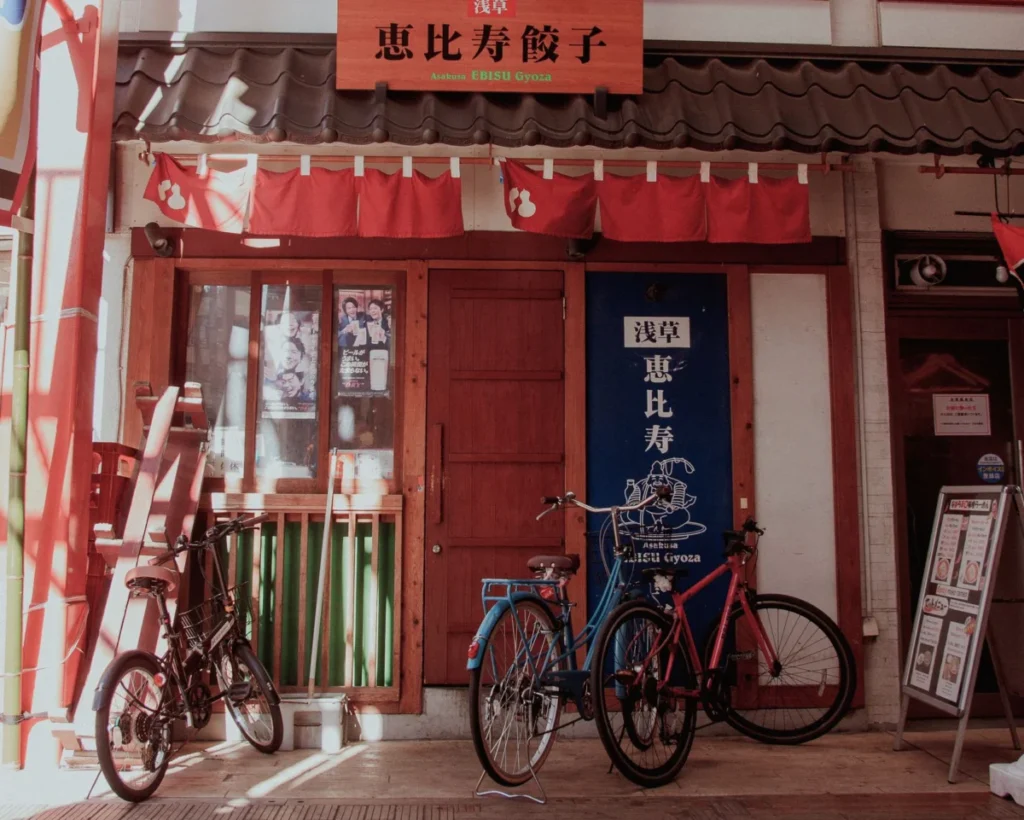
Best choice: Ebisu (恵比寿)

Best for: Cheap bites & bars

Best choice: Meguro (目黒)

Best for: Free walks & quiet

Good-value hotels in Tokyo

Compact rooms, apartment-style stays and well-rated chain hotels within walking distance of a metro or JR station.

HOTEL HILLARYS Akasaka
Budget option
⭐ 8.2 Outstanding
2362 reviews

HOTEL HILLARYS Akasaka

Akasaka • Small hotel • Misuji-dori

A small hotel on Misuji-dori in Akasaka 3-chome, a street of lunch counters and izakaya. Guests rate it very highly, and Hie Shrine and the Akasaka metro stations are a short walk away.

  • Very high guest rating
  • On a street full of cheap eats
  • Short walk to the metro
Super Hotel Premier Tokyo Station Yaesu-Chuoguchi
Top pick
⭐ 8.5 Very good
4331 reviews

Super Hotel Premier Tokyo Station Yaesu-Chuoguchi

Nihonbashi • 3-star hotel • 3 min walk to Tokyo Station

A 3-star budget chain hotel in Yaesu, a 3-minute walk from Tokyo Station's Shinkansen platforms and about 5 minutes on foot from Ginza. The best part is the hot-spring public baths, one for men and one for women, after a long day of walking. Rooms are small and plain; more than 4,000 reviews rate it 8.5.

  • 3 min walk to Tokyo Station
  • Hot-spring public baths
  • 5 min walk to Ginza
lyf Ginza Tokyo
Walkable area
⭐ 8.8 Fabulous
2246 reviews

lyf Ginza Tokyo

Kyobashi • 3-star social hotel • Shared kitchen

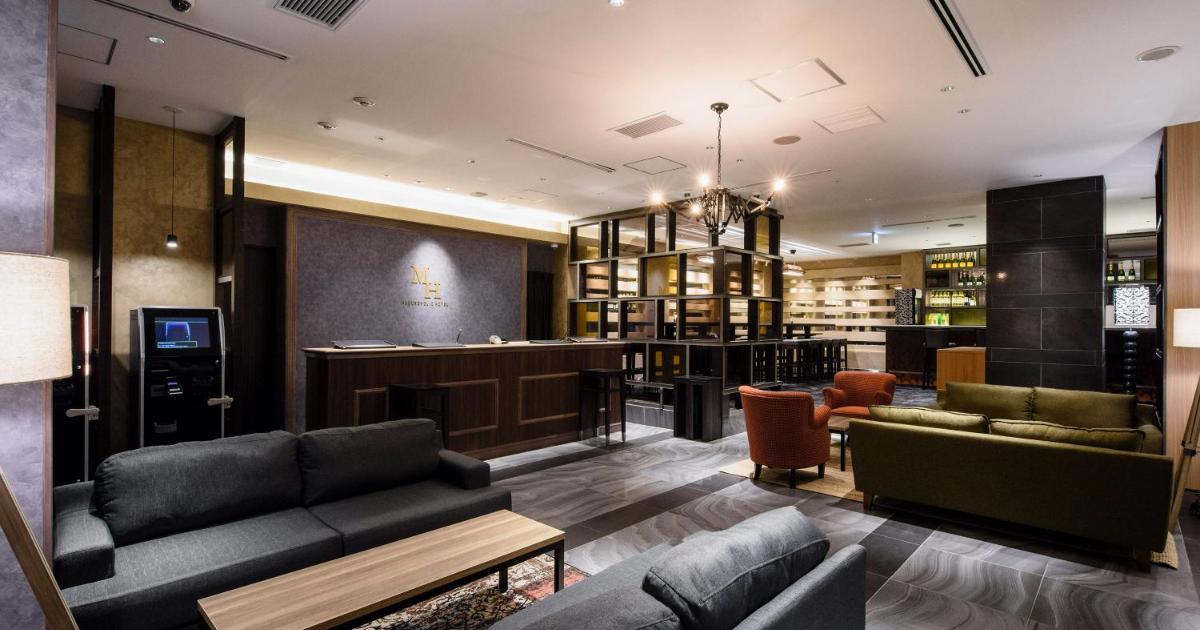
A 3-star hotel in Kyobashi, on the walk between Nihonbashi and Ginza, built around a lounge, a bar and a shared kitchen where you can cook instead of eating out every night. There is a small fitness centre and a buffet breakfast. More than 2,000 reviews rate it 8.8; rooms are compact.

  • Shared kitchen and lounge
  • Buffet breakfast
  • Walk to Ginza and Nihonbashi
Meguroholic Hotel
Editor’s choice
⭐ 8.0 Very good
939 reviews

Meguroholic Hotel

Meguro • 3-star hotel • Free breakfast

A 3-star hotel on Meguro 1-chome in Meguro ward, praised by guests for its easy public transport links. Breakfast is included, and every room has a microwave and minibar, which helps if you buy dinner at a convenience store. Around 940 reviews rate it 8.0 — rooms are basic, but the price-to-location balance is good.

  • Breakfast included
  • Microwave in every room
  • Coffee shop on site
Itos Ebisu
Editor’s choice
⭐ 9.1 Superb
66 reviews

Itos Ebisu

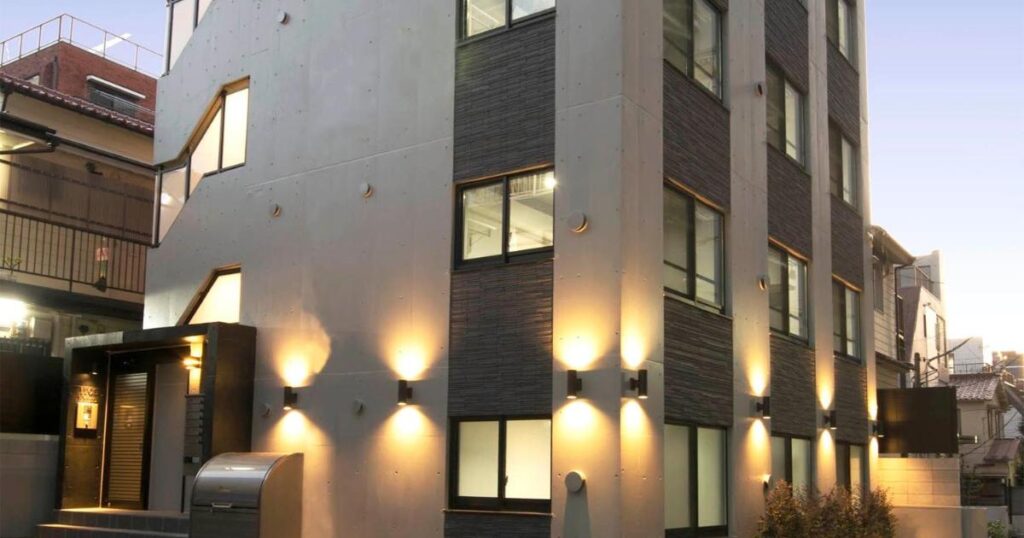
Ebisu • 3-star apartment • Ebisu 3-chome

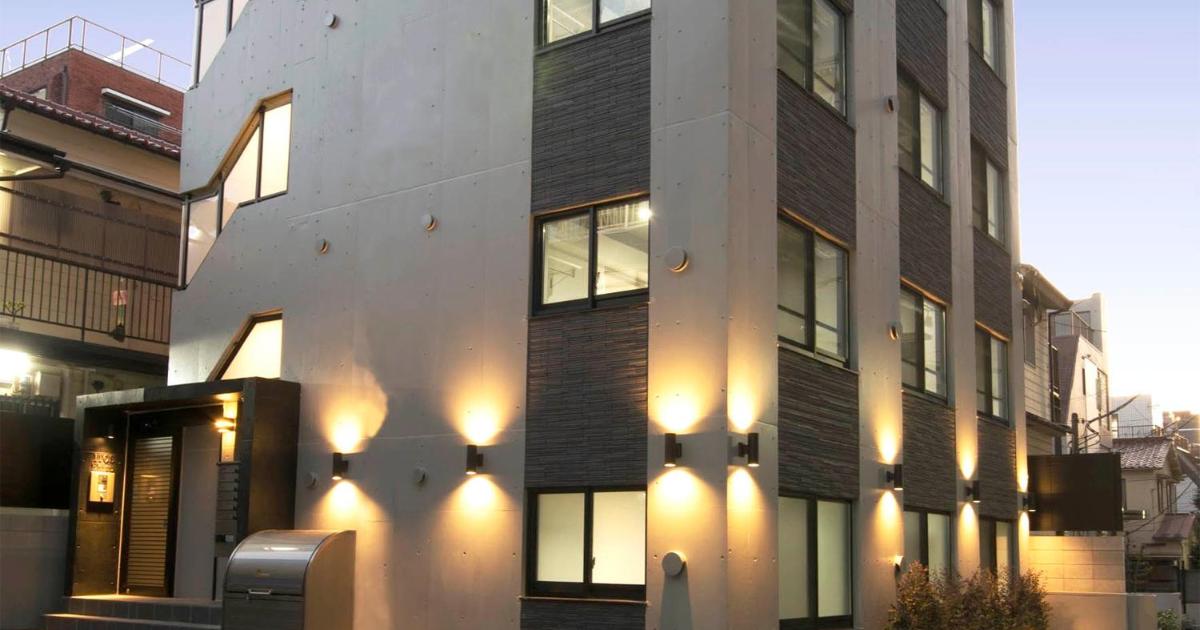
A ground-floor apartment on Ebisu 3-chome, close to Ebisu Garden Place and a short train ride from Shibuya Crossing. It has a full kitchen, a washing machine and a dining area, so you can cook and do laundry instead of paying hotel prices. Rated 9.1 from only 66 reviews, and there is no front desk.

  • Full kitchen
  • Washing machine
  • Near Ebisu Garden Place

How we choose

We look at value first — guest ratings, room type and how close you are to a station — so you spend less on transport and more of your day out.

Best areas in Tokyo on a budget

Four central neighbourhoods with free sights, cheap food and fast connections — and an honest note on what each one costs.

Akasaka (赤坂)

Akasaka is an office and government district, and that is the budget secret: thousands of workers need a cheap lunch every day. The side streets around Misuji-dori are packed with set-lunch counters, noodle bars and small izakaya that charge office-worker prices, not tourist prices.

Mornings are for the free sights. Take the escalator up to Hie Shrine, walk to the old Akasaka Hikawa Shrine and on to Nogi Shrine, then spend the late afternoon in the gardens of Tokyo Midtown, where Fujifilm Square often has free photo exhibitions. Several metro lines meet here, so the rest of Tokyo is only a few stops away.

The honest downside: hotels in Akasaka are rarely cheap, and the area goes quiet at weekends when the offices close. Come for a good-value business hotel, not a dorm bed.

Local picks

For Budget
  • 1
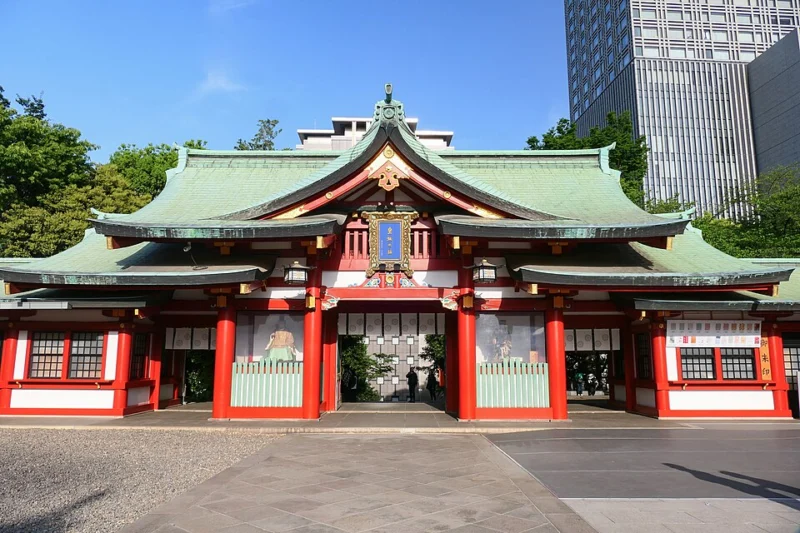
    Free morningHie ShrineRide the escalator up to a hilltop shrine with a tunnel of red torii gates on its back steps. Entry is free — come early, before the office crowds.
  • 2
    Cheap lunchIchiryu BekkanA small Korean restaurant near Misuji-dori that serves one dish: seolleongtang, a milky beef-bone soup with kimchi and side dishes. Season it yourself with salt and pepper — filling and good value.
  • 3
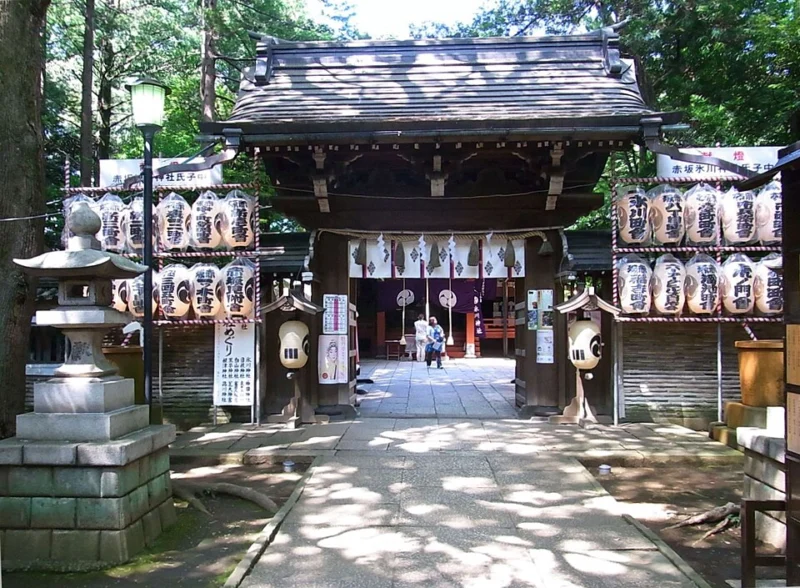
    FreeAkasaka Hikawa ShrineA calm shrine in the backstreets, with huge old trees and buildings from 1730. It is free and rarely busy — a good place to sit in the shade.
  • 4
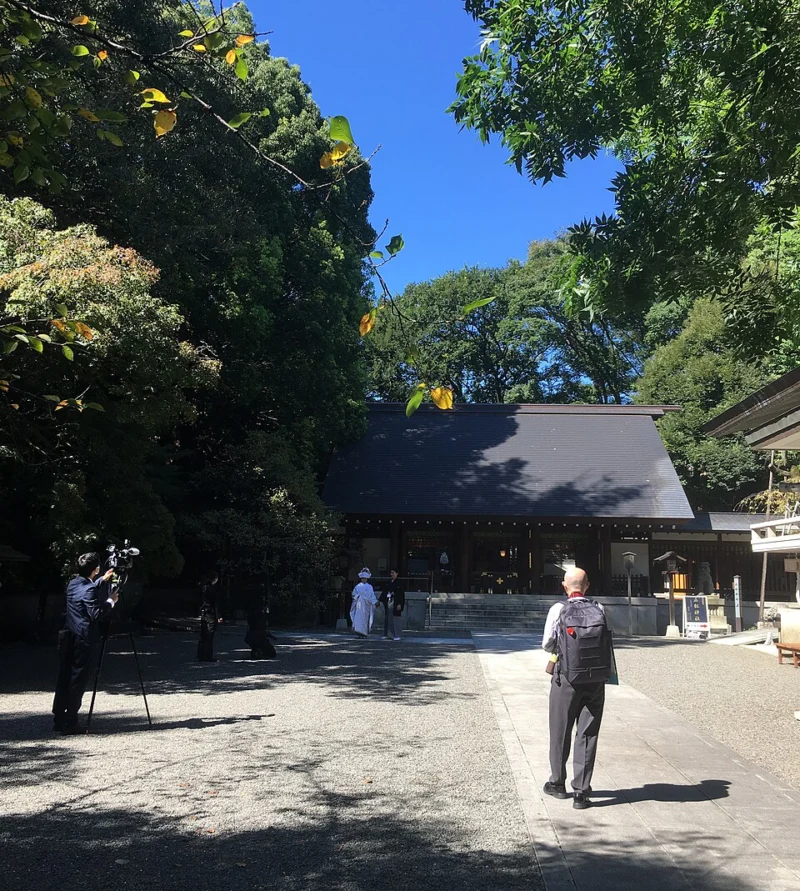
    FreeNogi ShrineA small shrine to General Nogi Maresuke, next to his preserved Meiji-era house. The grounds are free and a ten-minute walk from Hikawa Shrine.
  • 5
    Free exhibitionFujifilm SquareFujifilm’s gallery at the edge of Tokyo Midtown, with photography exhibitions that are usually free. A good place to cool off on a hot afternoon.
  • 6
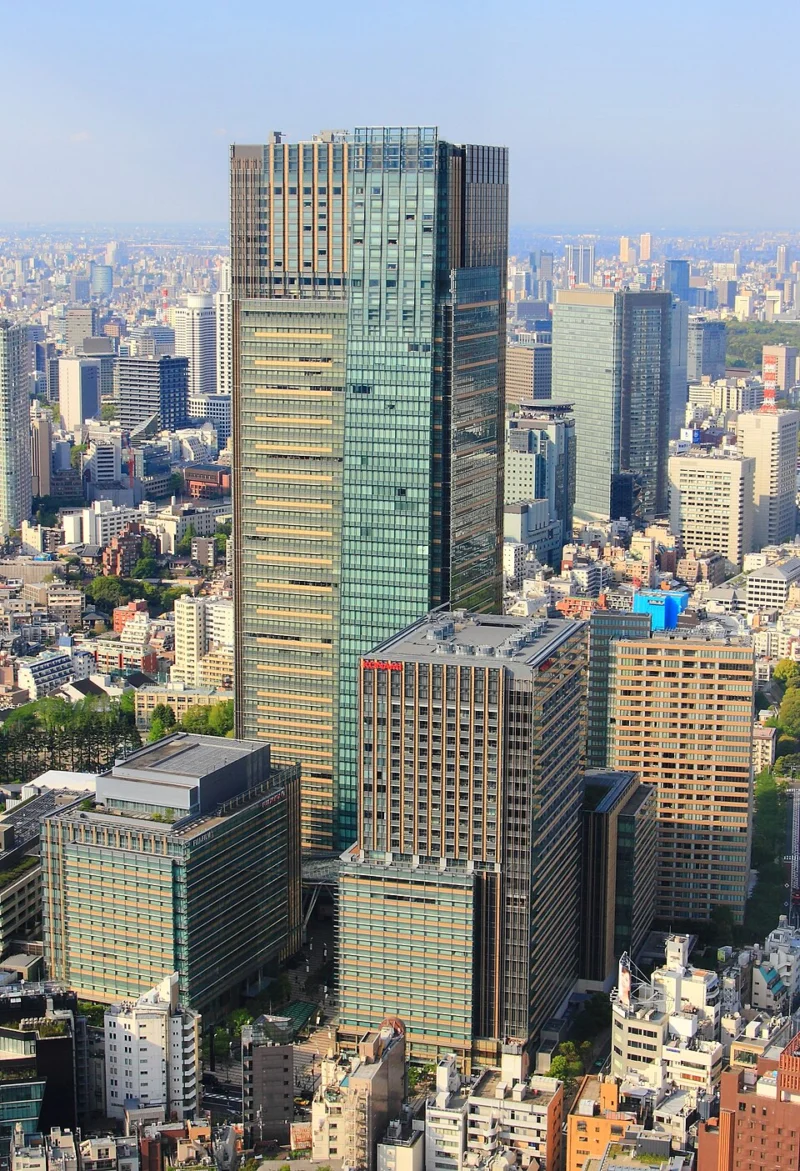
    Free eveningTokyo Midtown gardenBehind the towers are a lawn and Hinokicho Park, open to everyone. Pick up dinner at a convenience store and sit on the grass while the offices empty out.
  • Getting aroundAkasaka · Akasaka-mitsukeAkasaka-mitsuke is on the Ginza and Marunouchi lines, and Akasaka station on the Chiyoda Line. Shibuya, Ginza and Shinjuku are all a short, cheap metro ride away.
  • Where to stayAkasaka has many business hotels and a few mid-range chains, all within walking distance of the metro. Rooms are small, so compare the square metres, and look for weekend rates when business travellers go home.

Did you know?

One of the great Edo festivals Hie Shrine's Sannō Matsuri in June is one of the three great festivals of old Edo.
General Nogi's house General Nogi Maresuke lived and died in his Akasaka house, preserved next to Nogi Shrine.
A shrine from 1730 Akasaka Hikawa Shrine's buildings were put up in 1730 under the shogun Tokugawa Yoshimune.
Akasaka (赤坂)

Nihonbashi (日本橋)

Nihonbashi was the merchant heart of old Edo, and it still feels like a place where people work rather than sightsee. That keeps it good value: apartment and business hotels are often cheaper than in nearby Ginza, and Tokyo Station is a walk away.

The best sights cost nothing. Start at the tiny Fukutoku Shrine, walk to the stone Nihonbashi bridge with its bronze kirin, and queue with office workers for a seafood rice bowl at lunchtime. In the afternoon, wander east to Ningyocho, an old neighbourhood of family-run food shops where Tamahide has served chicken and egg on rice since 1760.

The big plus for budget travellers is transport: the Toei Asakusa Line runs direct trains to both Narita and Haneda. The minus is that evenings are quiet — for nightlife you will take the metro elsewhere.

Local picks

For Budget
  • 1
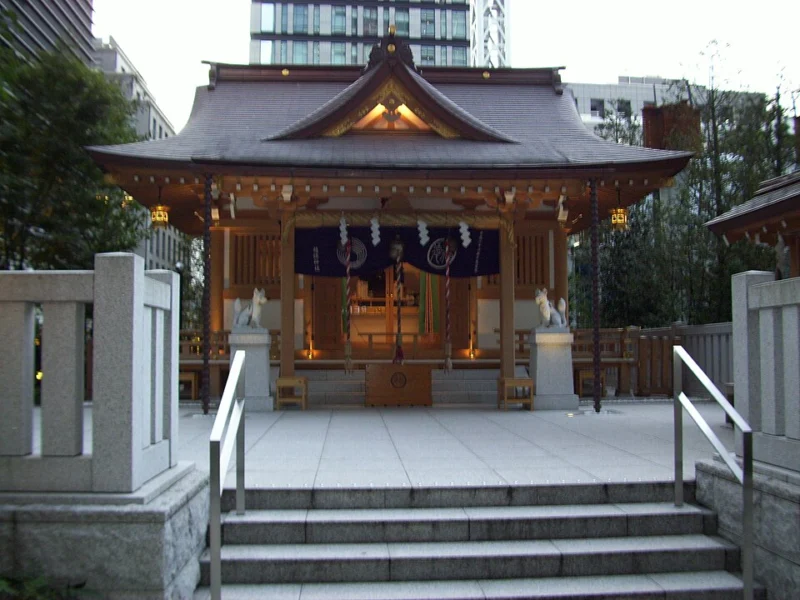
    Free morningFukutoku ShrineA small shrine tucked between the modern Coredo Muromachi buildings, with a little wooded square around it. Free, and a quiet start before the shops open.
  • 2
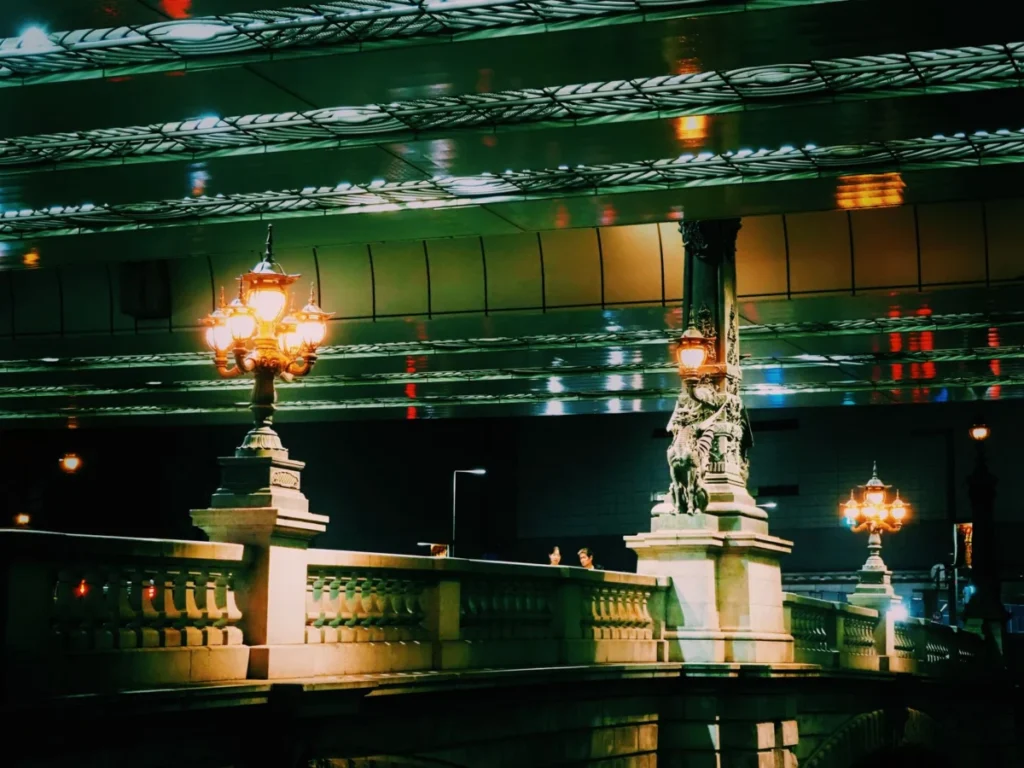
    FreeNihonbashi bridgeThe 1911 stone bridge, guarded by bronze kirin and lions. Look for the marker of Japan's road zero point — distances on the national roads are still measured from here.
  • 3
    Cheap lunchTsujihanA popular seafood rice-bowl (kaisendon) counter near Tokyo Station. Leave a little rice at the end and they pour hot fish broth over it. There is almost always a queue — come before noon.
  • 4
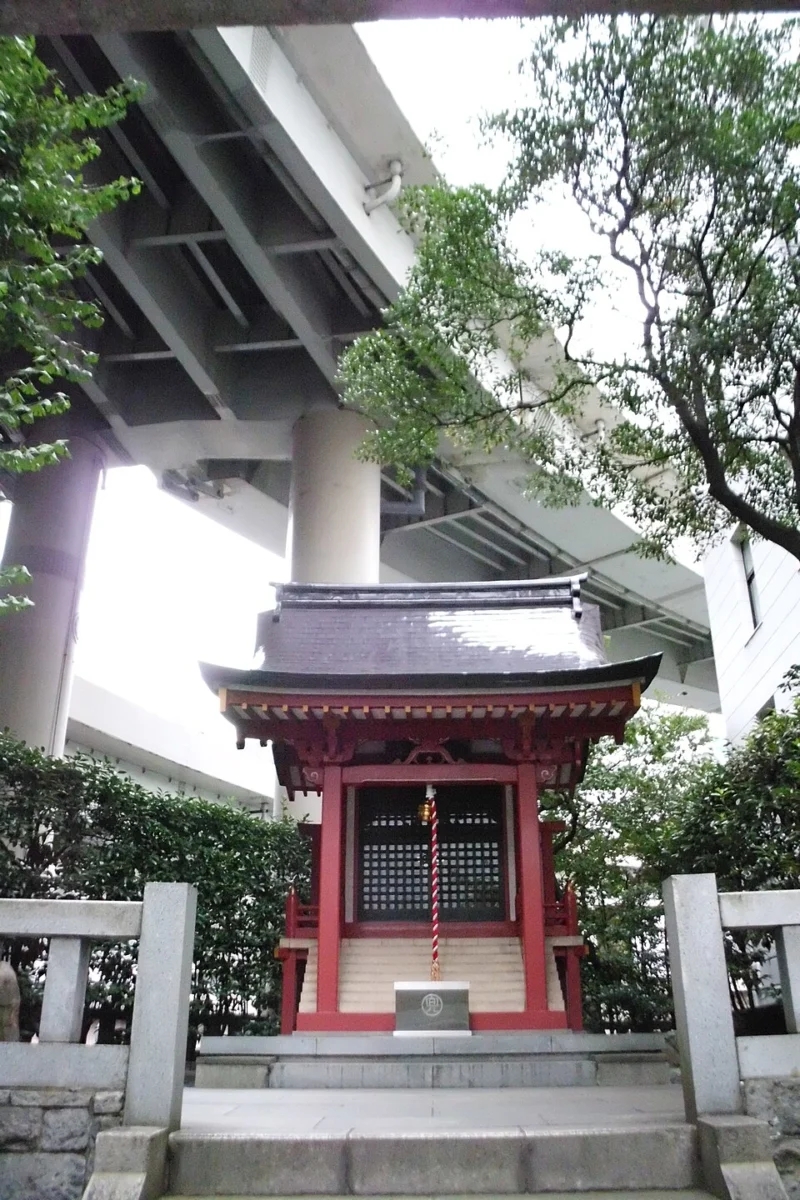
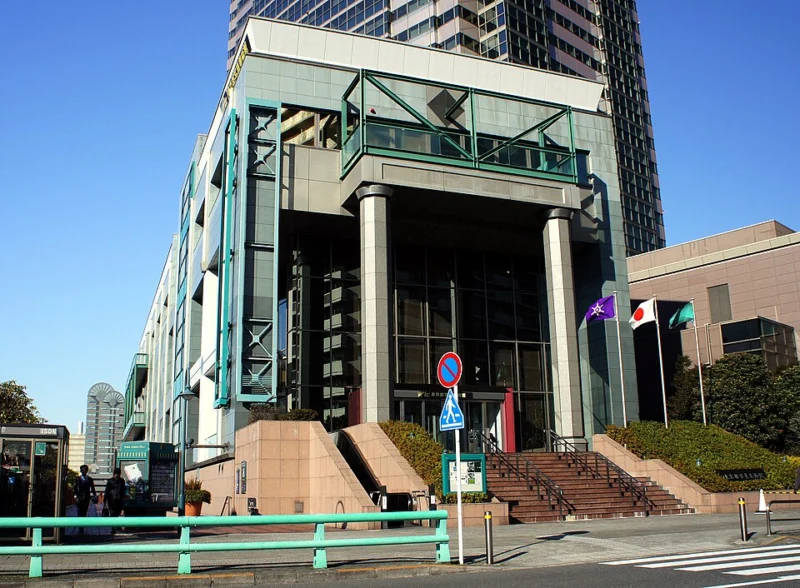
    FreeKabuto ShrineA tiny shrine right beside the Tokyo Stock Exchange, tucked under the expressway. Free, and two minutes off the main road.
  • 5
    Lunch or dinnerTamahideIn business since 1760, Tamahide is said to have created oyakodon, chicken and egg simmered over rice. Expect a queue at lunchtime; it is the cheapest way to eat at one of Tokyo's oldest restaurants.
  • Getting aroundNihombashi · MitsukoshimaeNihombashi station has the Ginza, Tozai and Asakusa lines, and Tokyo Station is about ten minutes on foot. The Asakusa Line runs through to both airports without changing.
  • Where to stayNihonbashi has apartment hotels, business hotels and a few small new hotels. Apartment-style rooms are the best deal if three or four of you are sharing — check whether there is a kitchen or a microwave.

Did you know?

Where every road began From 1603 the Nihonbashi bridge was the starting point of the five great roads of Edo Japan.
A stone bridge from 1911 The current stone bridge opened in 1911 and is an Important Cultural Property.
A kimono shop from 1673 Mitsukoshi department store began as the Echigoya kimono shop in 1673.
Nihonbashi (日本橋)

Ebisu (恵比寿)

Ebisu is a relaxed, grown-up neighbourhood one stop from Shibuya on the JR Yamanote Line. It has a reputation for smart restaurants, but the streets by the station are full of cheap bites, small bars and noodle shops where locals eat after work.

Spend the day on foot. Grab a fish-shaped taiyaki at Hiiragi, ride the Ebisu Sky Walk to Yebisu Garden Place and wander the open plaza for free. If you want one paid sight, the Tokyo Photographic Art Museum is the best in the area. In the evening, squeeze into Ebisu Yokocho, an alley of tiny bars and eateries where you share tables with strangers.

The catch: hotels right by the station are not cheap, and a few are firmly upscale. Look for business hotels a few minutes away and you get Ebisu at a fairer price.

Local picks

For Budget
  • 1
    Cheap snackHiiragiA small shop near the station famous for taiyaki — fish-shaped cakes filled with sweet bean paste. A cheap breakfast or snack to eat on the walk.
  • 2
    FreeEbisu Sky WalkA covered walkway with moving belts from the station to Yebisu Garden Place. Free, and dry when it rains.
  • 3
    FreeYebisu Garden PlaceAn open plaza on the old brewery site, with a French-style château and seasonal events. Walking around costs nothing, and there is plenty of seating.
  • 4
    Worth paying forTokyo Photographic Art MuseumSeveral floors of changing photography exhibitions. Ticket prices depend on the show, so pick the one that interests you most.
  • 5
    EveningEbisu YokochoA covered alley of tiny bars and eateries near the station, busy and noisy every evening. Order a few small plates and a drink and you will eat well for less than in a restaurant.
  • Getting aroundEbisu stationThe JR Yamanote Line gets you to Shibuya in one stop and loops round the whole centre; the Hibiya Line goes to Roppongi and Ginza. A Suica or PASMO card works on both.
  • Where to stayEbisu has business hotels and a capsule hotel near the station, and upscale hotels by Yebisu Garden Place. For value, stay five to ten minutes from the station and compare room sizes carefully.

Did you know?

Named after a beer The area takes its name from Yebisu beer, first brewed here and sold from 1890.
A brewery turned plaza Yebisu Garden Place opened in 1994 on the site of the old brewery.
A home for photography The Tokyo Photographic Art Museum moved into Yebisu Garden Place in 1995.
Ebisu (恵比寿)

Meguro (目黒)

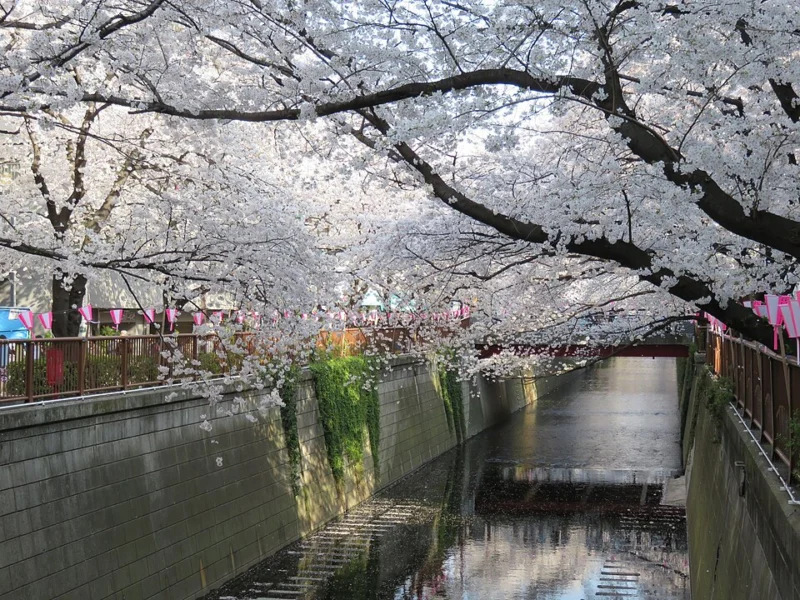
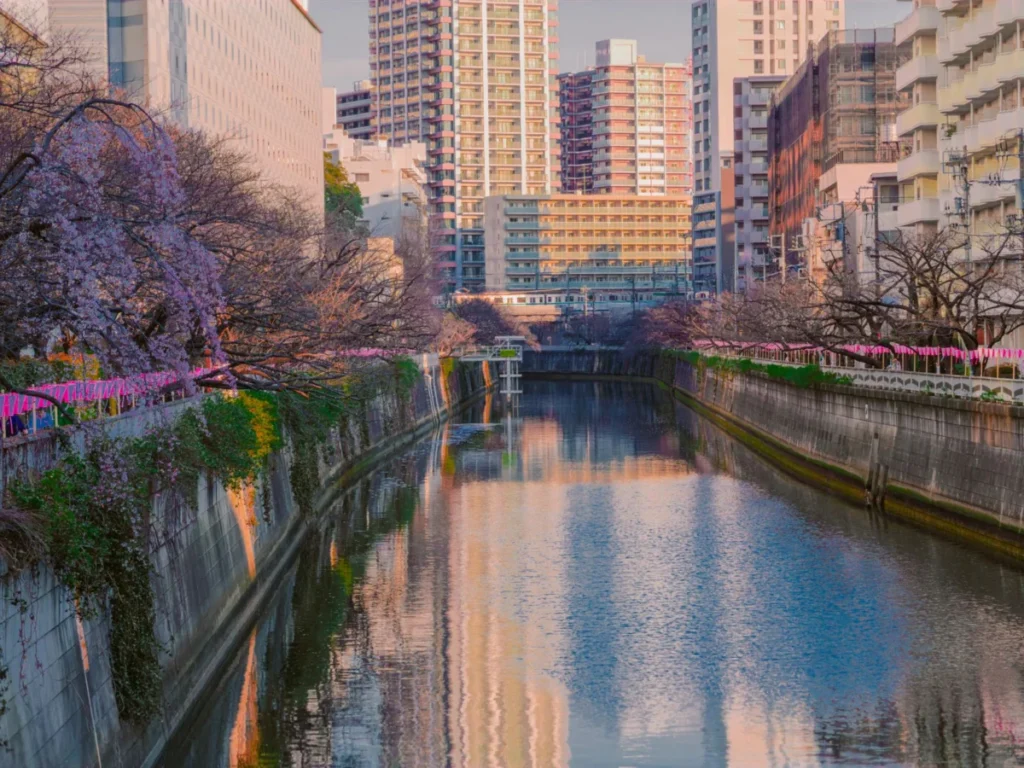
Meguro is a residential part of Tokyo, and the best things here are free. The Meguro River is lined with cherry trees and quiet footpaths, and the streets around Meguro station hide an odd, free museum and a temple full of carved Buddhist saints.

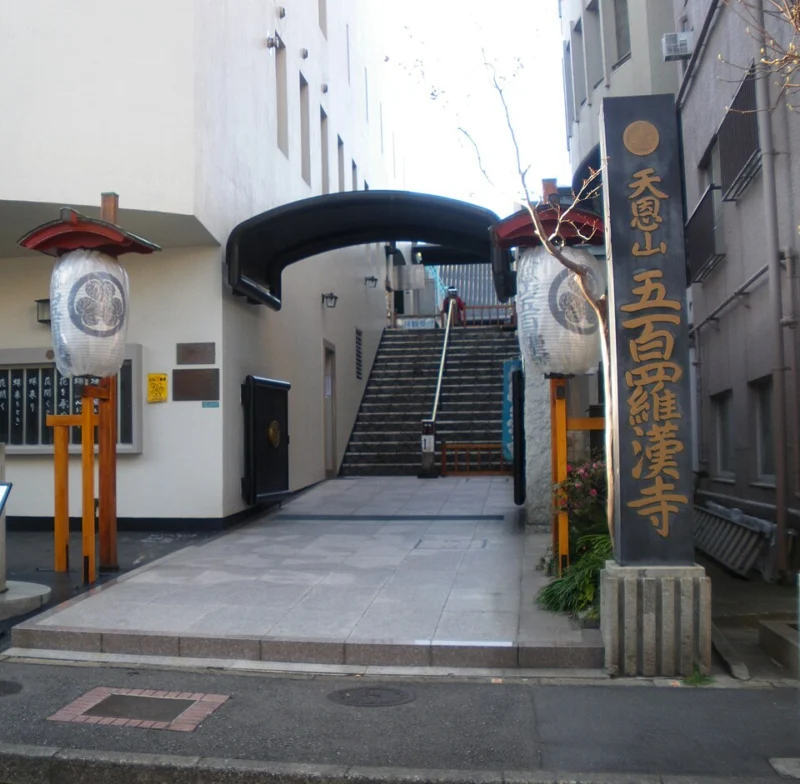
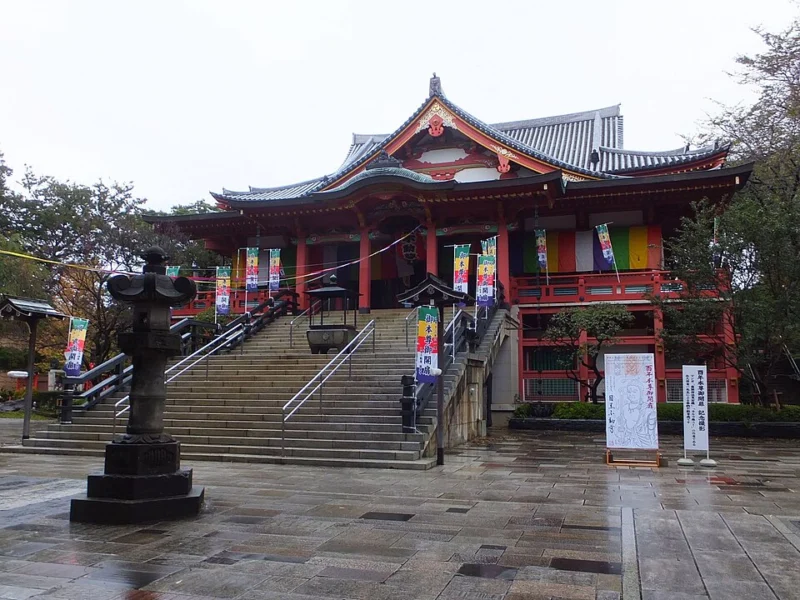
Start with a morning walk along the river from Naka-Meguro, when the cafés are just opening and the footpaths are empty. Lunch is Tonki, a busy tonkatsu counter by Meguro station. Then walk down to the free Meguro Parasitological Museum, the carved statues of Gohyaku Rakanji and the old Meguro Fudō temple.

Be honest with yourself about spring: in cherry-blossom season the river is packed and room prices jump. Outside those two weeks, Meguro is a calm, good-value base on the Yamanote Line.

Local picks

For Budget
  • 1
    Free morningMeguro River at Naka-MeguroStart by Naka-Meguro station and follow the footpath downstream. Outside blossom season it is a quiet residential walk, with small cafés and shops along the water.
  • 2
    FreeMeguro River promenadeKeep walking towards Meguro Shinbashi, where the path is lined with cherry trees. It is about 20 minutes on foot from Naka-Meguro.
  • 3
    Cheap lunchTonkiA big, busy tonkatsu restaurant on Gyoninzaka near Meguro station, where you watch the cooks fry pork cutlets behind the counter. Popular with locals and visitors, so expect a short queue.
  • 4
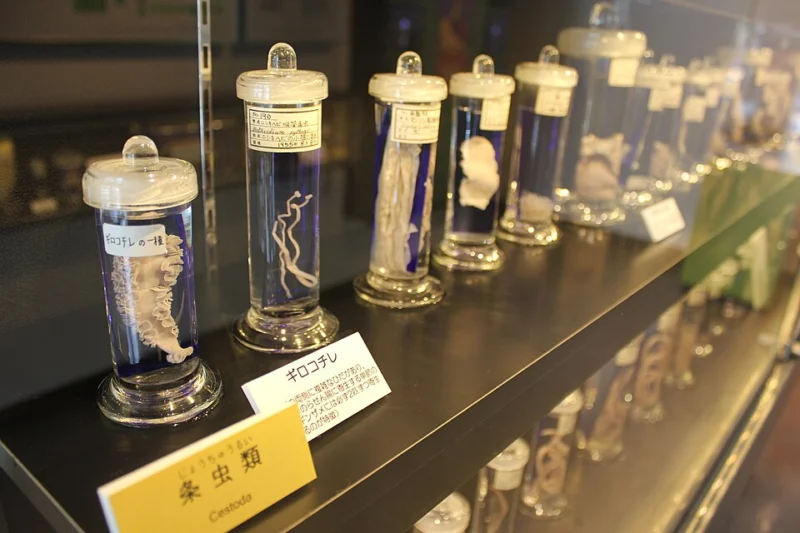
    Free museumMeguro Parasitological MuseumA small private museum of parasites, free to enter and run on donations — home of the famous 8.8-metre tapeworm. Open Wednesday to Sunday, 10 am to 5 pm.
  • 5
    CultureGohyaku RakanjiA temple with more than 300 wooden statues of Buddhist saints, each with a different face, carved by a single monk in the late 1600s. There is a small entry fee.
  • 6
    FreeMeguro FudōThe old temple that may have given Meguro its name, with stone steps up a wooded slope. The grounds are free and usually quiet in the late afternoon.
  • Getting aroundMeguro · Naka-MeguroMeguro station has the JR Yamanote Line plus the Namboku, Mita and Tokyu Meguro lines; Naka-Meguro has the Hibiya and Tokyu Toyoko lines. Shibuya is a few minutes from either.
  • Where to stayMeguro has business hotels near the station and small hotels in quieter areas further out, such as Jiyugaoka. Avoid booking late for late March and early April, when blossom season pushes prices up.

Did you know?

The black-eyed Fudō One theory says Meguro, "black eye", takes its name from the Meguro Fudō temple.
A river of cherry trees The Meguro River around Naka-Meguro is one of Tokyo’s busiest cherry-blossom spots.
An 8.8-metre tapeworm The Meguro Parasitological Museum, founded in 1953, displays an 8.8-metre tapeworm.
One monk, hundreds of statues The monk Shōun Genkei carved the statues of Gohyaku Rakanji between 1687 and 1695.
Meguro (目黒)

Planning your stay in Tokyo

For Budget
  • Where the money goesIn Tokyo the room is the big cost; food and transport are cheaper than most visitors expect. Share an apartment-style room if you travel in a group, and eat your restaurant meal at lunchtime.
  • Eating cheaplySet lunches in office districts, noodle and rice-bowl counters near stations, and convenience-store meals are all reliable. Supermarkets often reduce their bento in the evening.
  • Free and almost freeShrines, temple grounds, riverside walks and plazas cost nothing. In these areas: Hie Shrine, Akasaka Hikawa Shrine, Nihonbashi bridge, the Meguro River and the Meguro Parasitological Museum.
  • Cheap transportGet a Suica or PASMO card on day one. The Tokyo Subway Ticket for visitors covers all metro lines for 24, 48 or 72 hours, and Nihonbashi has direct trains to both airports.
Self-guided walking tours Budget (Tokyo, Japan)
Routes 4
Pick a route

Best time to visit Tokyo (Japan)

Now (November) avg high: 17°C, mostly dry, full season — expect crowds. Best months to walk: Dec & Jul.

Live Temp …
~Day / Night Temp 17°C / 9°C
Sunrise / Sunset 6:14 / 16:37
Local time 19:56
Sea Temp 18°C
Best Months Dec & Jul
J Jan F Feb M Mar A Apr M May J Jun J Jul best month A Aug S Sep O Oct N Nov this month D Dec best month
Check Tokyo hotels
Temperature Average daytime high, month by month. Zero line marks freezing point.
Crowds How busy it gets — traveller interest by month.
Sea temperature Sea warmth for swimming, by month.
Rainfall Rainy days to expect each month.
Sunshine Hours of sun per day, by month.
Tokyo guides →

Good-value hotels in Tokyo

Compact rooms, apartment-style stays and well-rated chain hotels within walking distance of a metro or JR station.
Sotetsu Fresa Inn Tokyo-Akasaka
Smart choice
8.7 Fabulous
3279 reviews

Sotetsu Fresa Inn Tokyo-Akasaka

A 3-star business hotel 50 metres from Akasaka Station, with direct Chiyoda Line trains to Omotesando and Meiji-Jingu. Hie Shrine is a 5-minute walk and Tokyo Midtown about 700 metres away. Rooms are compact but have a bathtub, and breakfast is served in the ground-floor coffee shop; more than 3,000 reviews rate it 8.7.

Ideal for: Budget travellers who want a reliable base by the metro
HOTEL HILLARYS Akasaka
Budget option
8.2 Outstanding
2362 reviews

HOTEL HILLARYS Akasaka

A small hotel on Misuji-dori in Akasaka 3-chome, a street of lunch counters and izakaya. Guests rate it very highly, and Hie Shrine and the Akasaka metro stations are a short walk away.

Ideal for: Travellers who want a top-rated room on a food street
Super Hotel Premier Tokyo Station Yaesu-Chuoguchi
Top pick
8.5 Very good
4331 reviews

Super Hotel Premier Tokyo Station Yaesu-Chuoguchi

A 3-star budget chain hotel in Yaesu, a 3-minute walk from Tokyo Station's Shinkansen platforms and about 5 minutes on foot from Ginza. The best part is the hot-spring public baths, one for men and one for women, after a long day of walking. Rooms are small and plain; more than 4,000 reviews rate it 8.5.

Ideal for: Budget travellers who want a hot bath and fast trains
lyf Ginza Tokyo
Walkable area
8.8 Fabulous
2246 reviews

lyf Ginza Tokyo

A 3-star hotel in Kyobashi, on the walk between Nihonbashi and Ginza, built around a lounge, a bar and a shared kitchen where you can cook instead of eating out every night. There is a small fitness centre and a buffet breakfast. More than 2,000 reviews rate it 8.8; rooms are compact.

Ideal for: Solo and budget travellers who like to cook and meet people
Meguroholic Hotel
Editor’s choice
8.0 Very good
939 reviews

Meguroholic Hotel

A 3-star hotel on Meguro 1-chome in Meguro ward, praised by guests for its easy public transport links. Breakfast is included, and every room has a microwave and minibar, which helps if you buy dinner at a convenience store. Around 940 reviews rate it 8.0 — rooms are basic, but the price-to-location balance is good.

Ideal for: Budget travellers happy with basic rooms and free breakfast
Itos Ebisu
Editor’s choice
9.1 Superb
66 reviews

Itos Ebisu

A ground-floor apartment on Ebisu 3-chome, close to Ebisu Garden Place and a short train ride from Shibuya Crossing. It has a full kitchen, a washing machine and a dining area, so you can cook and do laundry instead of paying hotel prices. Rated 9.1 from only 66 reviews, and there is no front desk.

Ideal for: Budget travellers and small groups who want to self-cater

Travelling in cherry-blossom season or autumn?

Late March to early April and November are Tokyo’s busiest weeks — the best-value rooms go first, so book early.

Compare budget-friendly stays in Tokyo

Price, location and what you get — side by side.
Sotetsu Fresa Inn Tokyo-Akasaka
Smart choice
8.7 Fabulous
3279 reviews

Sotetsu Fresa Inn Tokyo-Akasaka

Akasaka • 3-star business hotel • 50 m from the metro
50 m from Akasaka Station
Breakfast
Coffee-shop breakfast
Quiet Area
Compact, calm rooms
Public Transport
50 m from the metro
lyf Ginza Tokyo
Walkable area
8.8 Fabulous
2246 reviews

lyf Ginza Tokyo

Kyobashi • 3-star social hotel • Shared kitchen
Shared kitchen and lounge
Budget Friendly
Shared kitchen saves money
Walkability
Ginza on foot
Local Vibe
Social lounge and bar

Traditional Local Food Tokyo (Japan)

Snack Vegetarian

Monjayaki

もんじゃ焼き
mon-jah-yah-kee

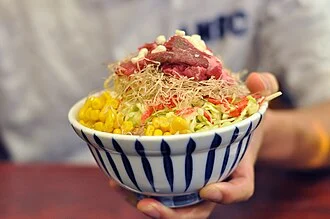
A savory pancake with a variety of ingredients and a unique batter.

Open Monjayaki recipe
Main course Fish & Seafood

Nigiri

握り
Nee-gee-ree

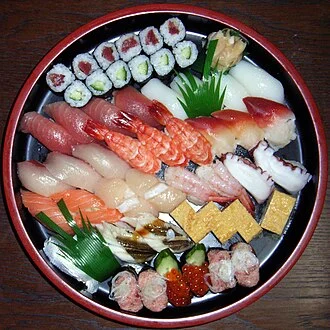
Hand-formed rice balls topped with slices of raw fish.

Open Nigiri recipe
Main course Meat

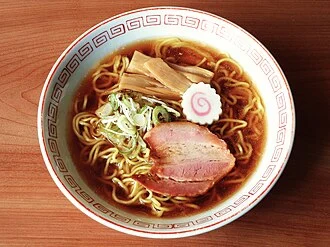
Ramen

ラーメン
rah-muhn

Wheat noodles in a savory broth with toppings.

Open Ramen recipe
Main course Vegan

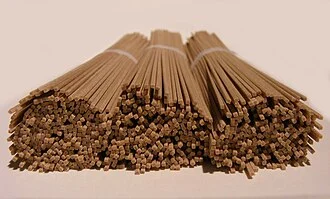
Soba

そば
So-bah

Buckwheat noodles served hot in broth or cold with a dipping sauce.

Open Soba recipe
Main course Fish & Seafood

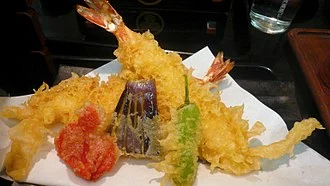
Tempura

天ぷら
tem-poo-rah

Battered and deep-fried seafood or vegetables.

Open Tempura recipe
Main course Meat

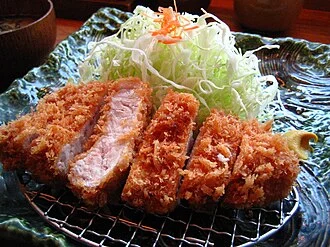
Tonkatsu

豚カツ
ton-KAH-tsu

Breaded and deep-fried pork cutlet, usually served with shredded cabbage.

Open Tonkatsu recipe
Main course Fish & Seafood

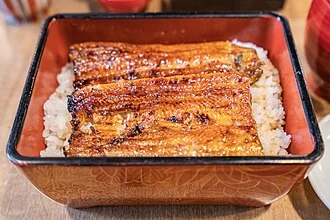
Unagi Kabayaki

うなぎ蒲焼
oo-nah-gee kah-bah-yah-kee

Grilled eel glazed with sweet soy-based sauce.

Open Unagi Kabayaki recipe
Snack Meat

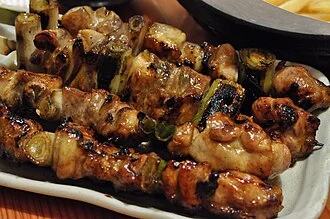
Yakitori

焼き鳥
yah-kee-toh-ree

Grilled skewers of chicken, often seasoned with tare sauce or salt.

Open Yakitori recipe

Activities & Experiences

Things to Do in Tokyo

Top-rated tours, day trips and local experiences — book in advance to secure your spot.

City & Country Data Tokyo (Japan)

Key travel data for Tokyo — local prices, safety, healthcare, local currency and essentials, curated by Triplandio.

Safety 🔒 89
Health 🏥 100
Lifestyle ⭐ 48
Infra 🏗️ 100
Rank 🎯 #5
Score 📊 70
Tourists ✈️ 4.1M/y
GDP/cap 💵 $36.0k
Life Exp ❤️ 84.0 yrs
Population 👥 123.4M
Currency 💱 JPY ¥
Language 🗣️ Japanese
Payments 💳 Mixed
Emergency 🆘 110
Coffee ☕ $3.68
Beer 🍺 $4.08
Lunch 🍽️ $8.00
Groceries 🛒 $60.00/w
Taxi/km 🚕 $1.50
Transit 🚇 $1.50
Fuel ⛽ $1.20/l
Internet 📡 $45.00/m
Salary 💵 $3,000/m

Travel tipsTokyo (Japan)

Quick tips

  1. Kabukicho is the drink-spiking hotspot — Critical

    Kabukicho in Shinjuku is where most British victims of spiking and card fraud in Japan were targeted, and visitors of any nationality are at risk once English-speaking street touts (kyakuhiki) lead them into bars. Walk past any tout.

  2. Some cold and allergy medicines are banned — Critical

    Japan's strict stimulant-drug law covers Vicks inhalers, cold and flu tablets containing pseudoephedrine, some allergy and sinus remedies and some codeine painkillers. Visitors have been detained and deported, so check your medicines with the Japanese embassy before you fly.

  3. Don't follow street touts into bars — Critical

    In nightlife districts such as Kabukicho, Roppongi, Shibuya and Ikebukuro in Tokyo, touts lure visitors into bars where drinks are spiked and huge sums are charged to their cards. Ignore touts and check prices before you order.

  4. Always carry your passport — Caution

    Tourists in Japan must carry their passport at all times, not a photocopy. Police can arrest you if you cannot show proof of your permission to stay.

  5. Smoking on the street is often banned — Caution

    Smoking while walking on the streets of Tokyo and many other Japanese cities is illegal. Look for the designated smoking areas, usually near stations, and smoke only there.

  6. Carry cash as well as cards — Local tip

    Many small restaurants, shrines, temples and rural shops in Japan still take cash only. ATMs at 7-Eleven stores and post offices are the most reliable for foreign cards.

  • Do
  • Carry your passport at all times
  • Take shoes off where slippers wait
  • Wash before getting into an onsen
  • Carry cash for small places
  • Take your rubbish with you
  • Don’t
  • Bring pseudoephedrine medicine
  • Follow touts into bars
  • Tip in restaurants
  • Smoke while walking
  • Take phone calls on trains

Tokyo tips for budget travellers

Eat out at lunch, not dinner

Office districts like Akasaka and Nihonbashi are full of set lunches (teishoku) for workers, usually much cheaper than the same restaurant at dinner. In the evening, convenience-store and supermarket meals keep costs down.

Tip: Set lunches are the best deal

Get an IC card and a subway pass

A Suica or PASMO card works on almost every train, metro and bus. If you will ride a lot, the Tokyo Subway Ticket for visitors covers all Tokyo Metro and Toei lines for 24, 48 or 72 hours.

Tip: One card for every train

Stay near the station, not the sight

In Tokyo a five-minute walk to the station saves more than a famous view. Check the walk to the nearest metro or JR station before you book — a cheaper room 15 minutes from a station costs you time every day.

Tip: Transport beats the view

Tokyo on a budget: FAQ

When is the best time to visit Tokyo?

The best time to visit Tokyo is December and July — fewer crowds, comfortable temperatures, less rain and more sunshine. Compare every month in the seasonal chart above.

What is the cheapest area to stay in Tokyo?

For dorm beds and capsule hotels, Asakusa, Ueno and the streets around them are usually the cheapest. Of the areas in this guide, Nihonbashi and Akasaka have the most good-value business and apartment hotels.

Is Tokyo expensive for budget travellers?

The room is the biggest cost. Food and transport can be surprisingly cheap: set lunches, noodle counters and convenience-store meals are everywhere, and trains are fast and fairly priced.

What can I do for free in Tokyo?

Shrines such as Hie Shrine and Akasaka Hikawa Shrine are free, as are the walk along the Meguro River, Nihonbashi bridge and the Meguro Parasitological Museum. Many exhibitions at Fujifilm Square in Tokyo Midtown are free too.

Where can I find cheap food in Tokyo?

Look for set lunches in office districts, noodle and rice-bowl counters near stations, and supermarket food sections. Ebisu Yokocho is a lively, affordable alley of small bars and eateries.

What is the cheapest way to get around Tokyo?

Use a Suica or PASMO card, and consider the Tokyo Subway Ticket if you will make several metro trips a day. Stay near a station and walk between neighbouring areas — Ebisu to Meguro is an easy walk.

How do I get from the airports to central Tokyo cheaply?

Trains beat taxis on price. The Toei Asakusa Line through Nihonbashi has direct trains from both Haneda and Narita, and from Haneda the Keikyu line gets you to Shinagawa quickly.

Tokyo on a budget, the local way

★ For budget travellers
Tokyo is cheaper than its reputation if you know how locals eat and move. This guide looks at four neighbourhoods — business-district Akasaka, old-merchant Nihonbashi, easy-going Ebisu and riverside Meguro — and shows where your money goes furthest in each: free shrines and walks, set lunches, food alleys and the train lines that save you time and fares.
  • Handpicked hotels
  • Value hotels and hostels
  • Cheap eats and free sights
  • Updated 2026
Asia — Japan — Tokyo — Where to Stay in Tokyo on a Budget
keyboard_arrow_up