
Written for travellers who expect the details to be right — hotels, tables and timings checked for 2026.

Uncover Tokyo’s Luxury Gems

Where to stay in Tokyo when money is not the main question — the grand addresses, the famous tables and the service Japan is known for.

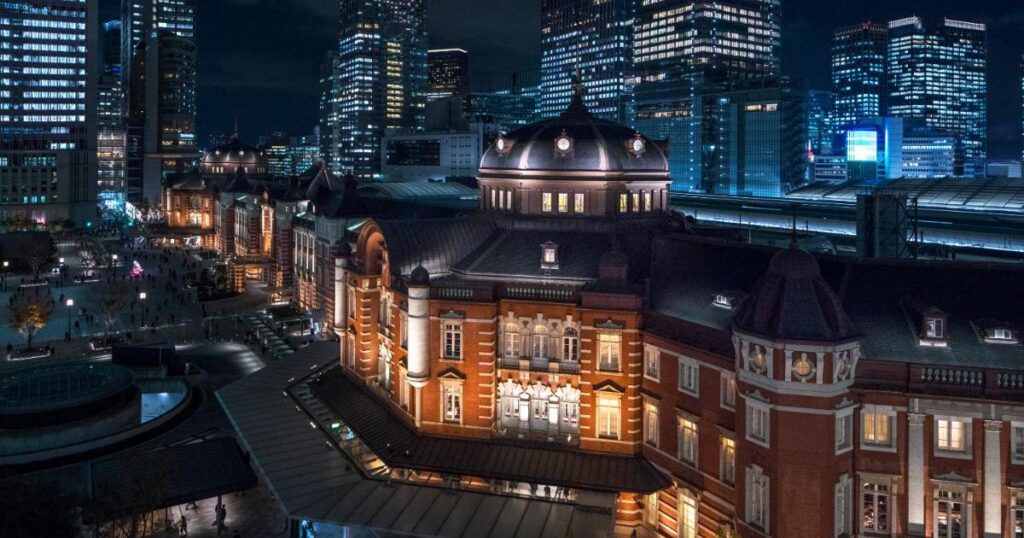
Elegant Tokyo hotel skyline at night
At a Glance
Country Japan
City Tokyo
Day / Night 17° / 9°
Local Time 7:36
November — Now Peak season
Best Months Dec · Jul

Luxury in Tokyo is less about gold taps and more about precision: a hotel lobby 30 floors above the Imperial Palace, a department store that has been selling to the city since the Edo period, a tasting menu booked weeks ahead. This guide covers four areas — business-class Marunouchi, design-led Aoyama, old-money Nihonbashi and, honestly, Ikebukuro — with a walk, a table and a hotel in each.

Our top luxury hotels in Tokyo

Best overall
⭐ 9.3
Four Seasons Hotel Tokyo at Marunouchi

Four Seasons Hotel Tokyo at Marunouchi

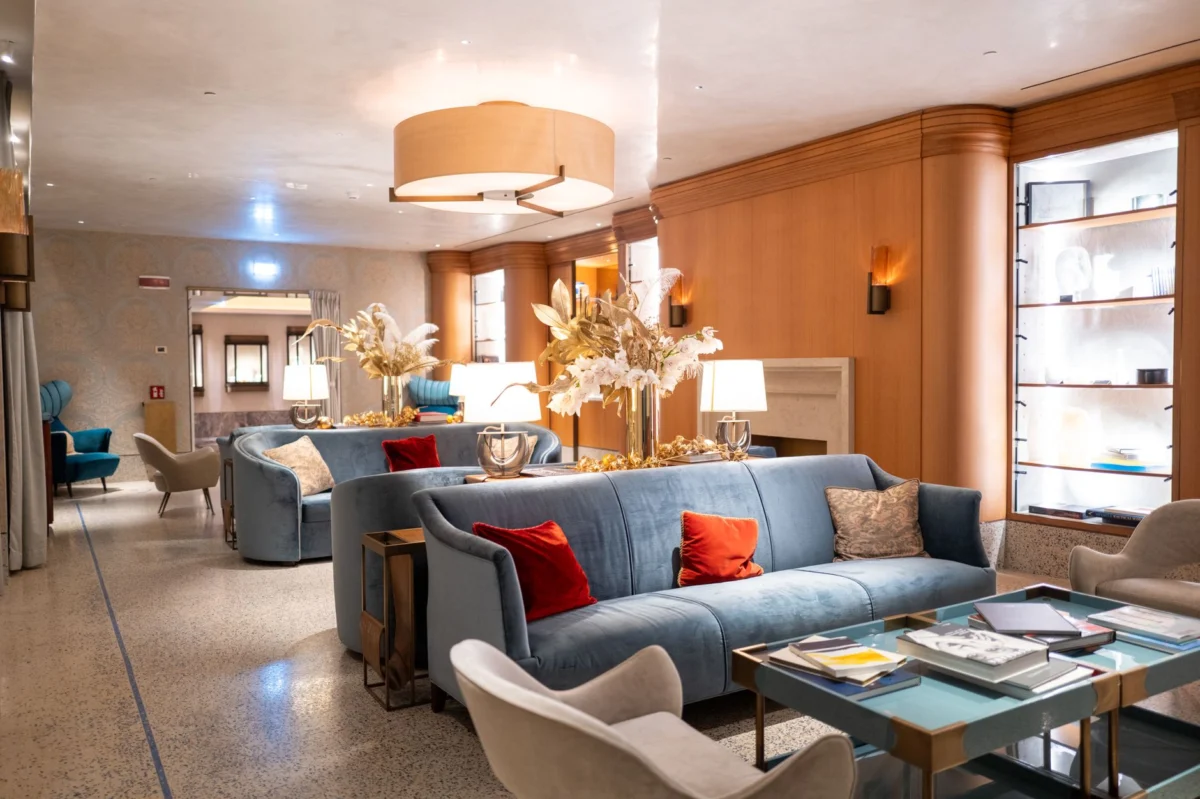
The Four Seasons' smaller Tokyo hotel sits right beside Tokyo Station, so the shinkansen, the palace gardens and Marunouchi's shops are all a few minutes away. It is intimate rather than grand — the kind of place where the staff learn your name on day one.

Top pick
⭐ 9.3
Shangri-La Tokyo

Shangri-La Tokyo

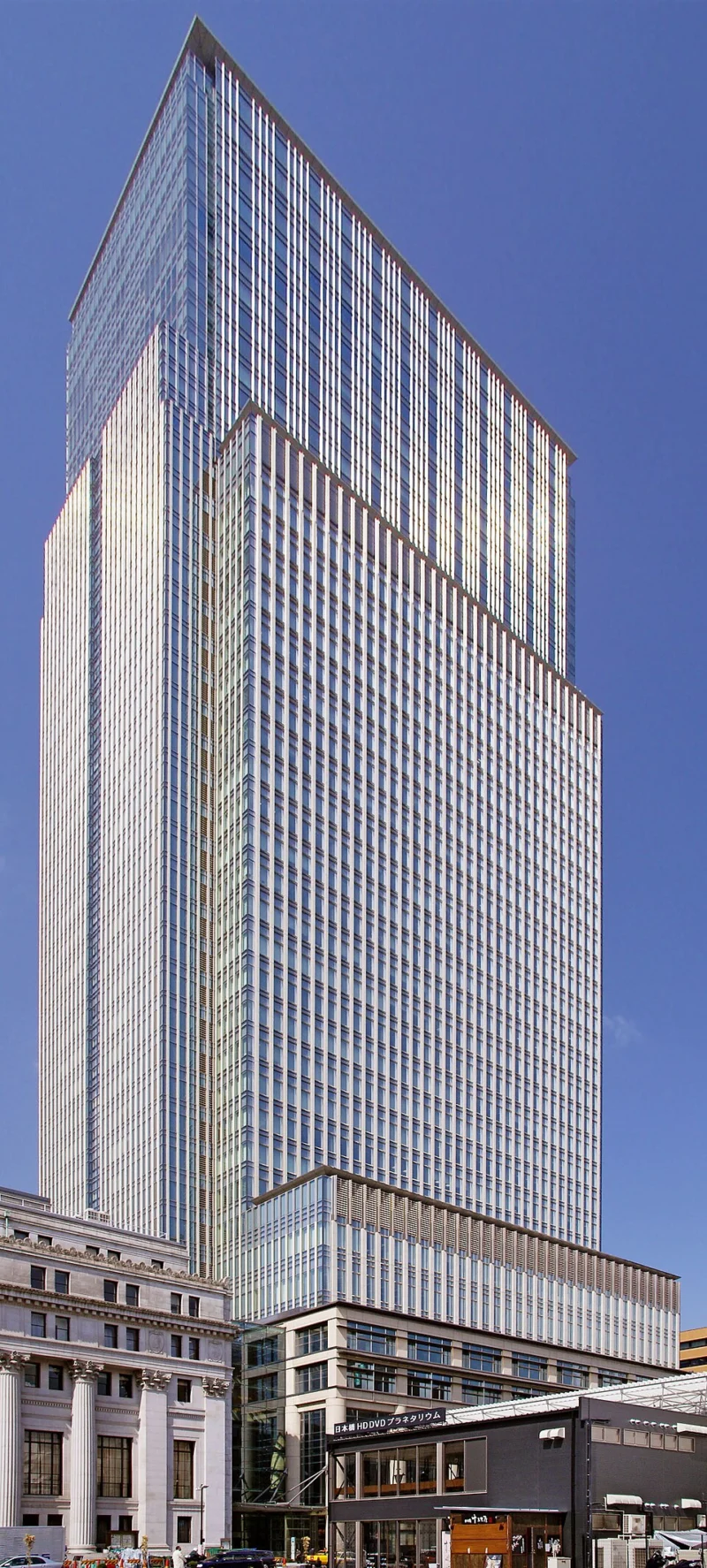
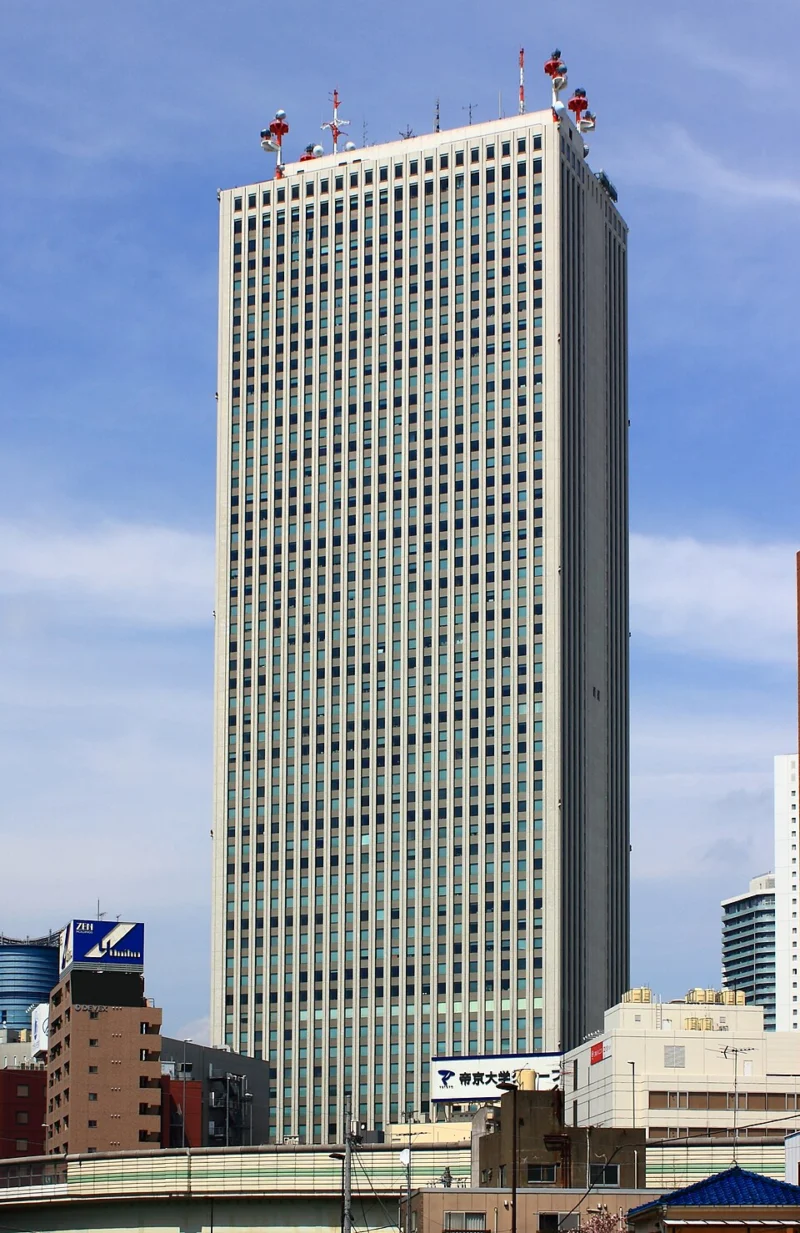
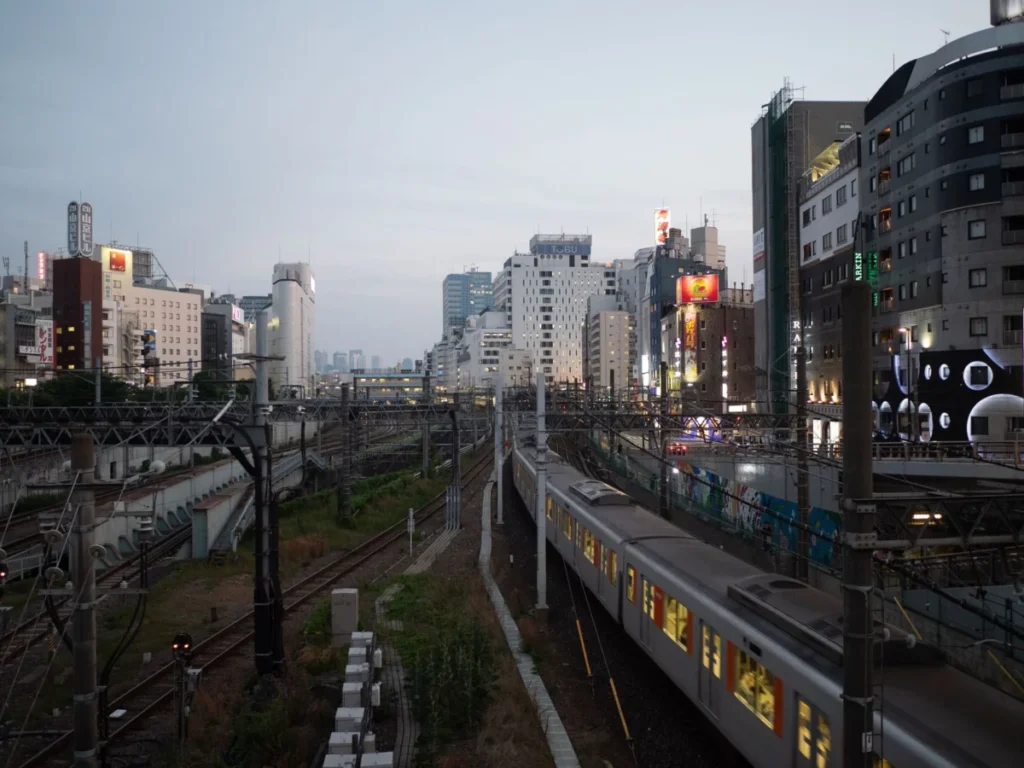
Shangri-La occupies the upper floors of a tower a couple of minutes' walk from Tokyo Station. Ask for a high room facing the Imperial Palace or Tokyo Bay — at night the view across the rail tracks and the city is the reason to stay.

Luxury stay
⭐ 9.6
THE AOYAMA GRAND HOTEL

THE AOYAMA GRAND HOTEL

A design-led hotel on Gaien-nishi-dori in Kita-Aoyama, one of the best-rated in this article. Ginkgo Avenue, Narisawa and the Aoyama fashion streets are all within a short walk, and the neighbourhood is calm at night.

Which kind of Tokyo luxury is yours?

Palace views, designer streets or old Edo elegance — pick your style and we will show you the area.

Best choice: Marunouchi (丸の内)

Best for: Flagship hotels & palace views

Best choice: Aoyama (青山)

Best for: Design, art & fine dining

Best choice: Nihonbashi (日本橋)

Best for: Old Tokyo elegance

Best choice: Ikebukuro (池袋)

Best for: Space and value

Best luxury hotels in Tokyo

The big names beside Tokyo Station, a design hotel in Aoyama and smart stays in Nihonbashi — with an honest note where a hotel is not truly five-star.

Shangri-La Tokyo
Top pick
⭐ 9.3 Outstanding
370 reviews

Shangri-La Tokyo

Marunouchi • Tower hotel • City views

Shangri-La occupies the upper floors of a tower a couple of minutes' walk from Tokyo Station. Ask for a high room facing the Imperial Palace or Tokyo Bay — at night the view across the rail tracks and the city is the reason to stay.

  • Upper floors of a Marunouchi tower
  • Two minutes from Tokyo Station
  • Views over the city at night
THE AOYAMA GRAND HOTEL
Luxury stay
⭐ 9.6 Exceptional
804 reviews

THE AOYAMA GRAND HOTEL

Aoyama • Design hotel • Near Gaienmae

A design-led hotel on Gaien-nishi-dori in Kita-Aoyama, one of the best-rated in this article. Ginkgo Avenue, Narisawa and the Aoyama fashion streets are all within a short walk, and the neighbourhood is calm at night.

  • Contemporary design
  • Walk to Ginkgo Avenue and Omotesando
  • Very highly rated by guests
Hotel Allamanda Aoyama Tokyo
Central location
⭐ 8.6 Excellent
361 reviews

Hotel Allamanda Aoyama Tokyo

Aoyama • 5-star hotel • Kita-Aoyama, near Gaienmae

A 5-star hotel in Kita-Aoyama 2-chome, close to Gaienmae station on the Ginza line. Ginkgo Avenue is a few minutes away and Omotesando is a pleasant walk along Aoyama-dori. Its guest score of 8.6 is lower than at the other five-star hotels in this guide, so book it for the address rather than for flawless service.

  • In Kita-Aoyama 2-chome
  • Near Gaienmae station
  • Walk to Ginkgo Avenue
Mitsui Garden Hotel Nihonbashi Premier
Smart choice
⭐ 8.9 Excellent
1719 reviews

Mitsui Garden Hotel Nihonbashi Premier

Nihonbashi • 5-star hotel • Muromachi 3-chome

A 5-star Mitsui Garden hotel in Nihonbashi Muromachi 3-chome, the old merchants' quarter north of the Nihonbashi bridge. Mitsukoshi and the Mitsui Memorial Museum are a few minutes' walk away. Its 8.9 guest score comes from a large number of reviews, which makes it one of the most proven hotels in this guide.

  • In Nihonbashi Muromachi
  • Walk to Mitsukoshi
  • Proven by many guest reviews
The Tokyo Station Hotel
Top pick
⭐ 9.5 Exceptional
1237 reviews

The Tokyo Station Hotel

Nihonbashi area • 5-star hotel • Inside the Tokyo Station building

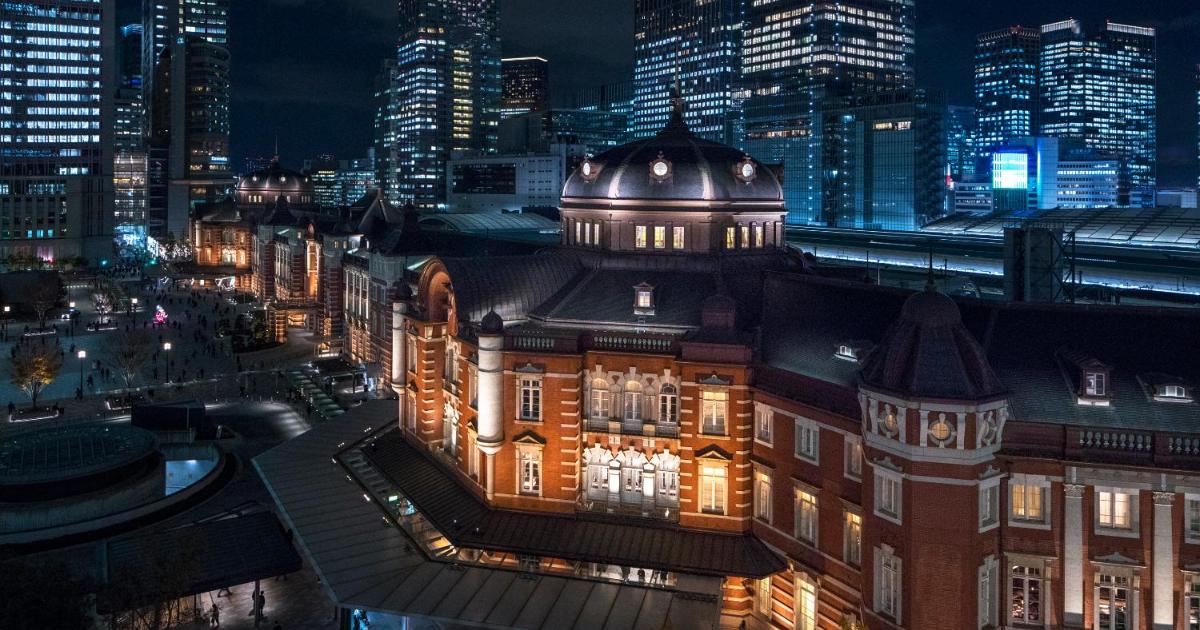
A 5-star hotel inside the red-brick Tokyo Station building, a registered Important Cultural Property, with its entrance beside the Marunouchi South Exit. Rooms are in a classical European style, and there is a spa, a fitness centre, a French restaurant and several bars under the same roof. Ginza is a 10-minute walk away, and the Nihonbashi department stores are just across the station on the Yaesu side.

  • Important Cultural Property
  • Spa and fitness centre
  • By the Marunouchi South Exit
MIMARU Tokyo Ikebukuro
Walkable area
⭐ 9.1 Outstanding
1033 reviews

MIMARU Tokyo Ikebukuro

Ikebukuro • Small design hotel • Mid-range

A small, very well-rated design hotel in Ikebukuro with compact rooms. Be clear about what it is: a comfortable mid-range stay, not luxury. It makes sense if you want a quiet base on the north-west side of the city and spend your budget elsewhere.

  • Design-led rooms
  • Very well rated
  • Compact, mid-range stay
Hotel Hisoca Ikebukuro
Premium stay
⭐ 9.3 Outstanding
314 reviews

Hotel Hisoca Ikebukuro

Ikebukuro • Apartment hotel • North of the station

An apartment hotel north of Ikebukuro station, with kitchenettes and rooms that sleep several people. It is built for families and groups rather than luxury travellers — choose it only if you need the space.

  • Rooms for several people
  • Kitchenettes
  • Walk to Ikebukuro station

How we choose

We start with the address — how close you are to the palace gardens, the flagship stores and the best tables — then check service and guest ratings. When a hotel is good value rather than luxury, we say so.

The best areas to stay in Tokyo for luxury

Four areas with four very different ideas of luxury — each with a walk, a table worth booking and the right kind of hotel.

Marunouchi (丸の内)

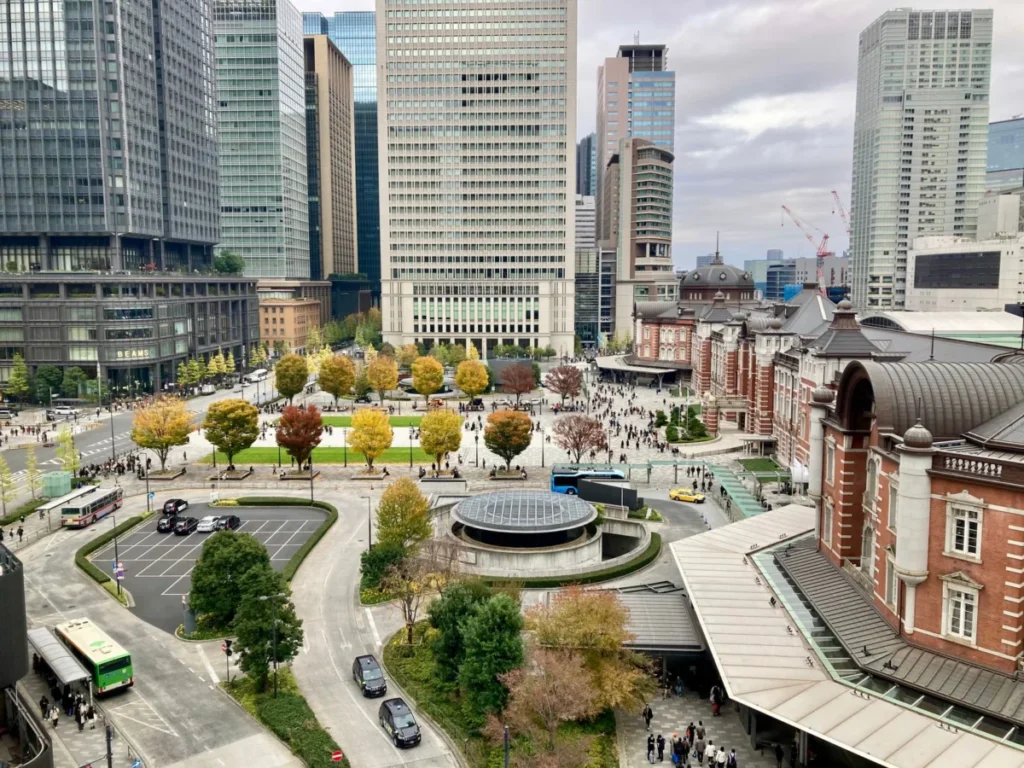
Marunouchi is where Tokyo keeps its head offices and its best-known hotels. Between Tokyo Station and the moats of the Imperial Palace, the streets are wide, clean and quiet after dark, and the red-brick station building from 1914 sits at the centre like a grand old hotel itself.

For a luxury trip, the rhythm is easy. Mornings are for the palace gardens before the tour groups, afternoons for the designer shops and cafés along tree-lined Naka-dori, and evenings for dinner high above the city. Every shinkansen leaves from the station, so day trips to Kyoto or Nikko start at your door.

The honest downside: Marunouchi is a business district. At weekends some restaurants close early, and the area has less street life than Ginza or Aoyama.

Local picks

For Luxury
  • 1
    MorningImperial Palace East National GardensThe old grounds of Edo Castle, with stone walls, lawns and a Japanese garden. Come at opening time when it is almost empty. Entry is free; the gardens are closed on Mondays and Fridays.
  • 2
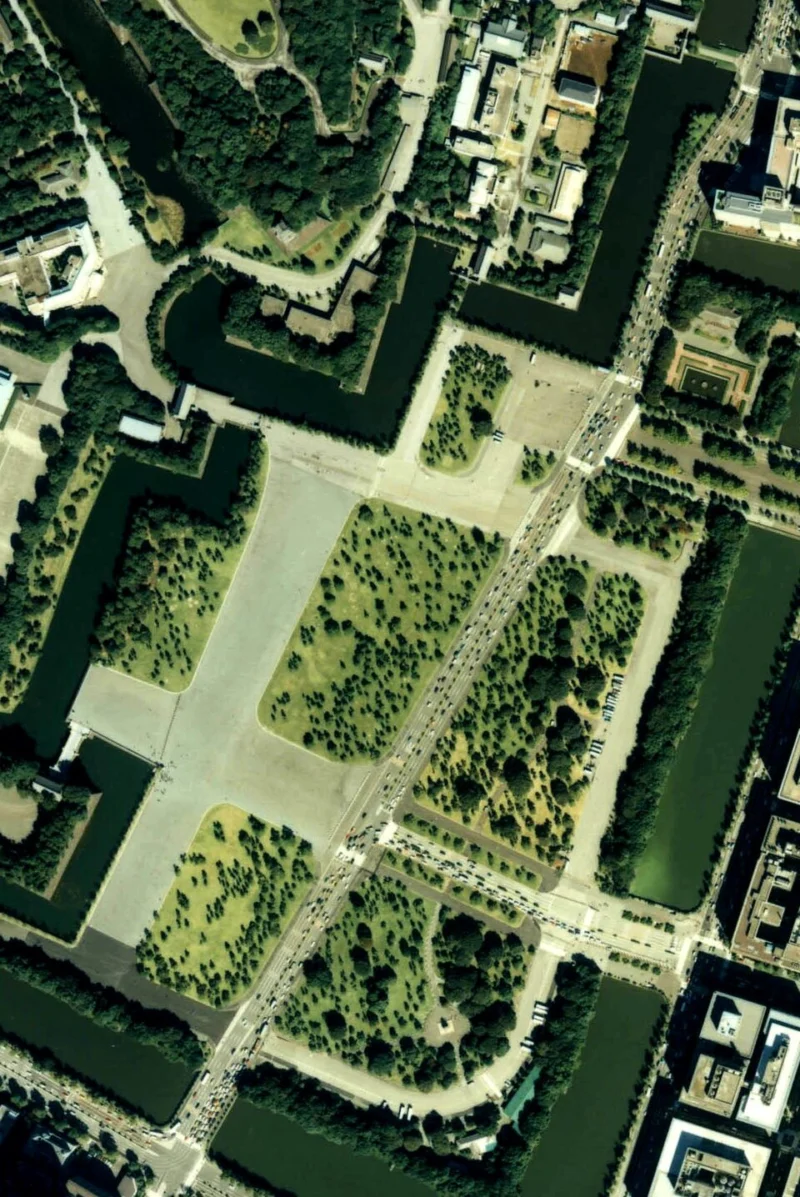
    Palace viewKokyo Gaien National GardenWalk south along the moat to the wide gravel plaza in front of the palace, lined with black pines. From here you see the Nijūbashi bridges and the palace walls — the classic view of imperial Tokyo.
  • 3
    ArchitectureTokyo Station Marunouchi BuildingCross to the red-brick station of 1914, restored to its original domes in 2012. Step inside the south dome and look up at the plaster eagles and zodiac reliefs.
  • 4
    Best free viewKITTE rooftop gardenThe former central post office opposite the station is now a shopping building, and its rooftop garden looks straight down on the station and the trains. It is free — go up just before sunset.
  • 5
    Designer streetMarunouchi Naka-doriA tree-lined avenue of flagship boutiques, with stone paving and café tables on the pavement. It is at its prettiest in winter, when the trees are lit up.
  • 6
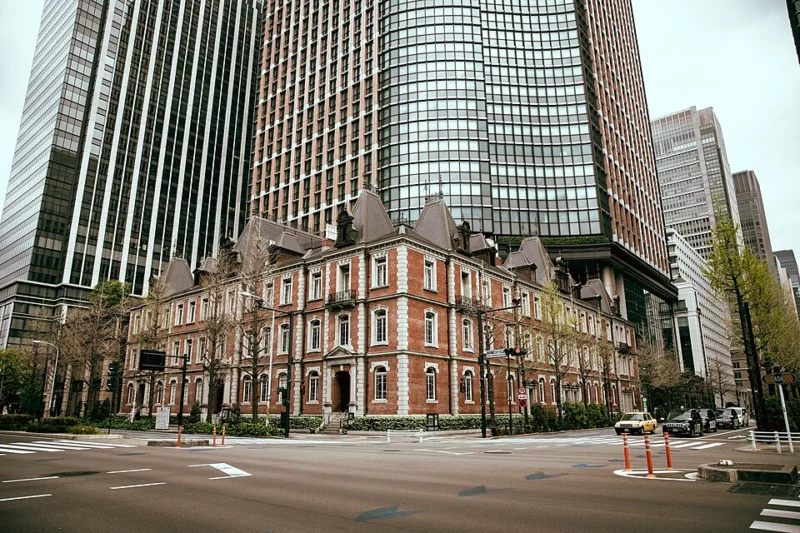
    ArtMitsubishi Ichigokan MuseumA faithful rebuild of Marunouchi's first office building, designed by Josiah Conder in 1894, now an art museum with changing exhibitions of 19th-century European art. Check what is on before you go.
  • 7
    Dinner with a viewPeter at The Peninsula TokyoTen minutes' walk south, on the 24th floor of The Peninsula, Peter looks out over the Imperial Palace and the city lights. Book a window table; lunch is the better-value way to see the view.
  • Getting aroundTokyo · Nijūbashimae · ŌtemachiTokyo Station has every shinkansen and the Marunouchi metro line to Ginza and Shinjuku; Ōtemachi next door has five more metro lines. Taxis wait outside every hotel and are clean, safe and easy.
  • Where to stayMarunouchi and Otemachi have the city's densest cluster of flagship hotels, mostly in the upper floors of towers around the station. Ask for a high floor facing the palace; rooms facing other towers can feel boxed in.

Did you know?

Daimyō Alley In the Edo period feudal lords built 24 mansions here, and the area was known as daimyō kōji, “daimyō alley”.
Iwasaki Yanosuke's big buy In 1890 Iwasaki Yanosuke of Mitsubishi bought the land for 1.5 million yen; much of it still belongs to Mitsubishi Estate.
“Inside the circle” Marunouchi means “inside the circle” — the area lies within the palace's outer moat.
Marunouchi (丸の内)

Aoyama (青山)

Aoyama is Tokyo's most elegant shopping district, and the architecture is half the reason to come. Along Omotesando and Miyuki-dori, fashion houses have commissioned some of the best buildings in the city — the glass diamond of Prada Aoyama by Herzog & de Meuron, Tadao Ando's Omotesando Hills — and between them are quiet residential streets, galleries and small restaurants.

Spend the morning in the garden of the Nezu Museum, the afternoon in the boutiques and cafés, and the evening at one of Tokyo's most famous tables, Narisawa. In late November, walk Ginkgo Avenue when the trees turn gold.

The downside is the hotels: Aoyama has few true five-star properties, so the rooms here are smaller and more design-led than grand. Stay here for the neighbourhood, not the lobby.

Local picks

For Luxury
  • 1
    MorningNezu MuseumA private collection of Japanese and East Asian art in a building by Kengo Kuma, with a large garden of ponds, stone lanterns and teahouses behind it. Book a timed ticket online; Ogata Kōrin's Irises screen is shown only in spring.
  • 2
    ArtTaro Okamoto Memorial MuseumAround the corner, the house and studio of the artist behind Osaka's Tower of the Sun, with his bold sculptures spilling into the small garden. It takes half an hour and is a good contrast to the Nezu.
  • 3
    ArchitecturePrada AoyamaWalk up Miyuki-dori to the Prada building, a six-sided glass tower covered in diamond-shaped panes. You do not need to buy anything to go inside and see how the glass bends the street.
  • 4
    ShoppingOmotesando HillsTadao Ando's long, low shopping building on Omotesando, with a spiral ramp inside. The zelkova-lined avenue outside is where the big fashion houses keep their Tokyo flagships.
  • 5
    Afternoon breakAnniversaire CaféA Paris-style café with a terrace on Omotesando, built for watching the street. Take an outside table in the late afternoon when the avenue is at its busiest.
  • 6
    Golden hourMeiji Jingu Gaien Ginkgo AvenueWalk east along Aoyama-dori to this avenue of four rows of ginkgo trees leading to the Meiji Memorial Picture Gallery. It is beautiful all year and spectacular in late November, when the leaves turn gold.
  • 7
    DinnerNarisawaA few minutes from the avenue, chef Yoshihiro Narisawa's restaurant serves a tasting menu built on Japanese ingredients and French technique. It is one of the hardest tables in Tokyo — book weeks ahead.
  • Getting aroundOmotesando · GaienmaeOmotesando station has the Ginza, Hanzōmon and Chiyoda lines, so Ginza and Marunouchi are about 15 minutes away. Gaienmae, on the Ginza line, is closer to Ginkgo Avenue.
  • Where to stayAoyama has design hotels and smaller upscale properties rather than big-brand five-stars. Look near Gaienmae or Omotesando stations for quiet streets; rooms are compact, so check the size before you book.

Did you know?

Japan's first public cemetery Aoyama Cemetery opened in 1874 as the first public cemetery in Japan.
The Aoyama family's land The cemetery stands on land that once belonged to the Aoyama family, lords of the Gujō domain.
Hachikō's grave Hachikō, the loyal dog of Shibuya Station, is buried in Aoyama Cemetery beside his owner, Professor Ueno.
Aoyama (青山)

Nihonbashi (日本橋)

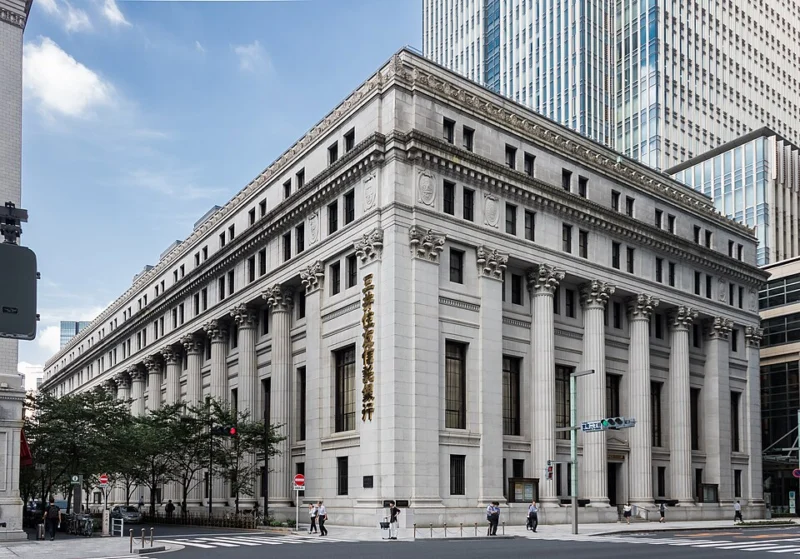
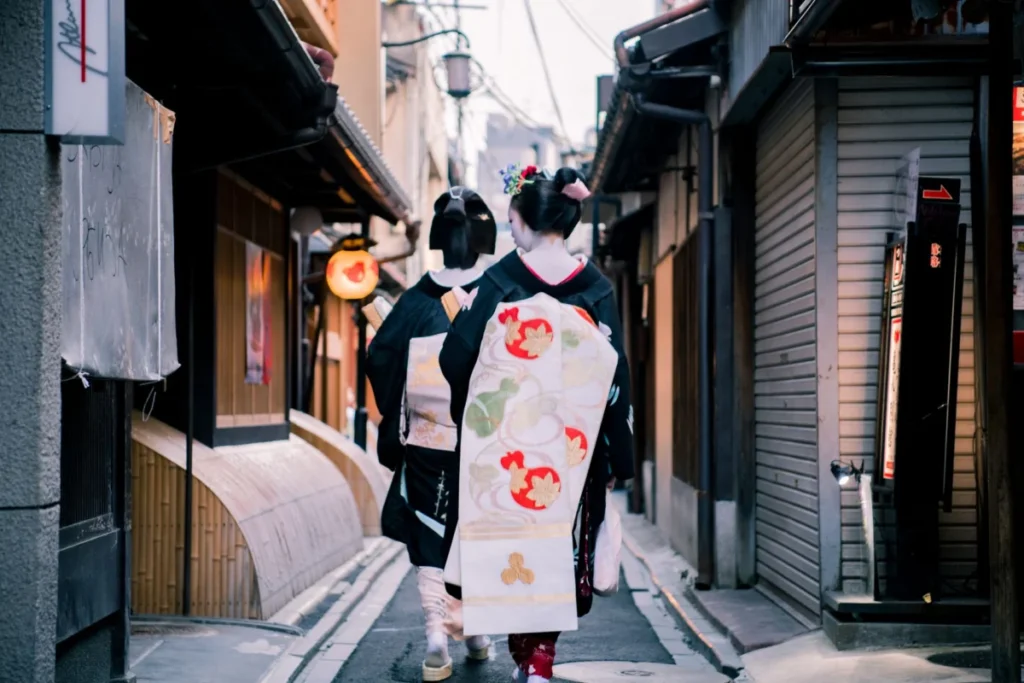
Nihonbashi is old Tokyo money. This was the merchant heart of Edo, and the names are still here: Mitsukoshi, grown from the Mitsui family's kimono shop, the grand Mitsui Main Building, and shops selling tea, knives and dried bonito that have traded for centuries. Above it all, the Mandarin Oriental fills the top of a Cesar Pelli tower.

A luxury day here is refined and unhurried: the stone bridge in the morning, a museum of tea-ceremony treasures, lunch at a restaurant that has served since 1760, the old department stores in the afternoon and a nightcap high above the city.

The downside: an elevated expressway still runs over the famous bridge, and the area empties early in the evening. It is calm, polished and a few minutes by metro from Ginza and Tokyo Station.

Local picks

For Luxury
  • 1
    MorningNihonbashi BridgeStart at the 1911 stone bridge and its bronze winged kirin, before the office crowds. Find the kilometre-zero marker in the middle of the road, and the scorch marks from 1945 on the stone.
  • 2
    ShoppingMitsukoshi NihonbashiJapan's oldest department store, grown from the Mitsui family's kimono shop. Walk up to the central hall with its huge carved statue, then down to the food hall for boxed sweets and gift fruit.
  • 3
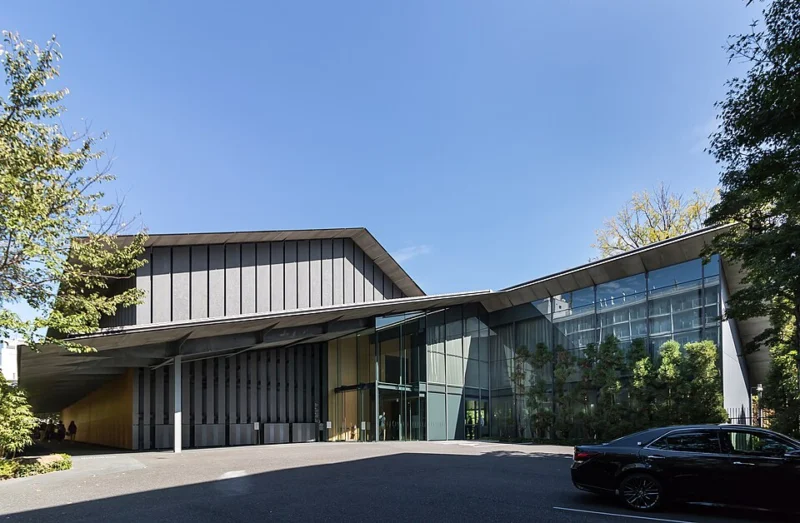
    ArtMitsui Memorial MuseumNext door, inside the stately Mitsui Main Building, this museum shows the Mitsui family's collection of tea-ceremony objects and East Asian antiques. It is quiet and rarely crowded.
  • 4
    LunchTamahideFifteen minutes' walk east in Ningyōchō, Tamahide has been in business since 1760 and is famous for oyakodon, chicken and egg over rice. Expect a queue at lunch — arrive early.
  • 5
    AfternoonTakashimaya NihonbashiWalk back to this 1930s department store, the first in Japan to be listed as an Important Cultural Property. Browse the kimono and art floors, then have tea in the calm of the upper floors.
  • 6
    NightcapMandarin Oriental TokyoFinish at the top of Nihonbashi Mitsui Tower, where the Mandarin Oriental's upper floors look over the city lights. Dress smart and go for a drink even if you are not staying.
  • Getting aroundMitsukoshimae · NihombashiMitsukoshimae (Ginza and Hanzōmon lines) sits under the department store; Nihombashi station has the Ginza, Tōzai and Asakusa lines. Tokyo Station is a 10-minute walk, and Ginza three stops away.
  • Where to stayNihonbashi has one true five-star, the Mandarin Oriental, plus several upscale business and apartment hotels around Muromachi and the bridge. Stay near Mitsukoshimae station to have the old department stores on your doorstep.

Did you know?

The bridge of 1603 The first wooden Nihonbashi bridge was built in 1603; today's stone bridge with its bronze kirin dates from 1911.
Japan's kilometre zero Distances on Japan's national roads are measured from the Nihonbashi bridge.
Scars from 1945 Look closely at the bridge's stone: scorch marks from the March 1945 firebombing are still visible.
Nihonbashi (日本橋)

Ikebukuro (池袋)

Let's be honest: Ikebukuro is not a luxury address. It is one of Tokyo's busiest transport hubs, with giant department stores, anime shops and crowds, and its hotels are mostly mid-range. We include it because it can still work — you get more space for less, and a few things here are genuinely special.

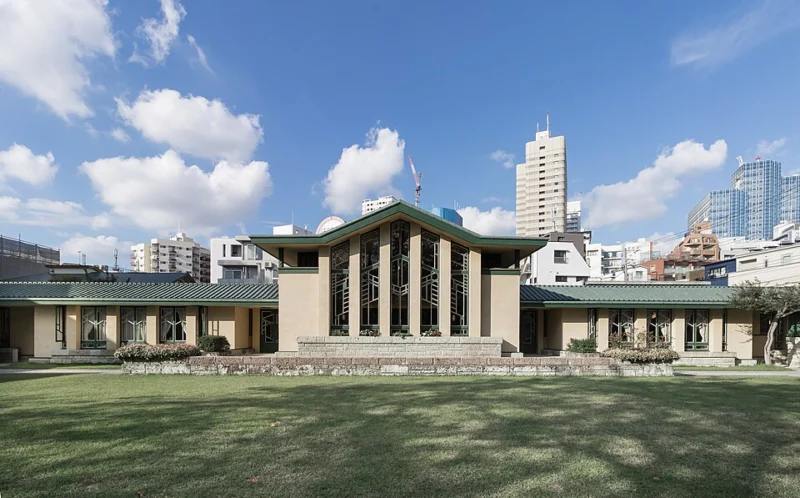
The west side hides Jiyu Gakuen Myonichikan, a school building designed by Frank Lloyd Wright in 1921, and the Tokyo Metropolitan Theatre, where the city's orchestras play. The huge Seibu food hall is one of the best in Tokyo, and the view from Sunshine 60 is a good way to end the day.

Why it still works for luxury travellers: as a value base for a longer trip, with direct trains to Shinjuku and Shibuya. For a first luxury trip, though, choose Marunouchi, Nihonbashi or Aoyama.

Local picks

For Luxury
  • 1
    MorningZōshigaya KishimojinFifteen minutes' walk south of the station, an Edo-period temple hall under huge old zelkova trees, dedicated to the protector of children. In the morning you share it only with locals.
  • 2
    ArchitectureJiyu Gakuen MyonichikanFrank Lloyd Wright's low school building of 1921, with its geometric windows and wooden hall. Check the opening days on the website before you go — it closes for events.
  • 3
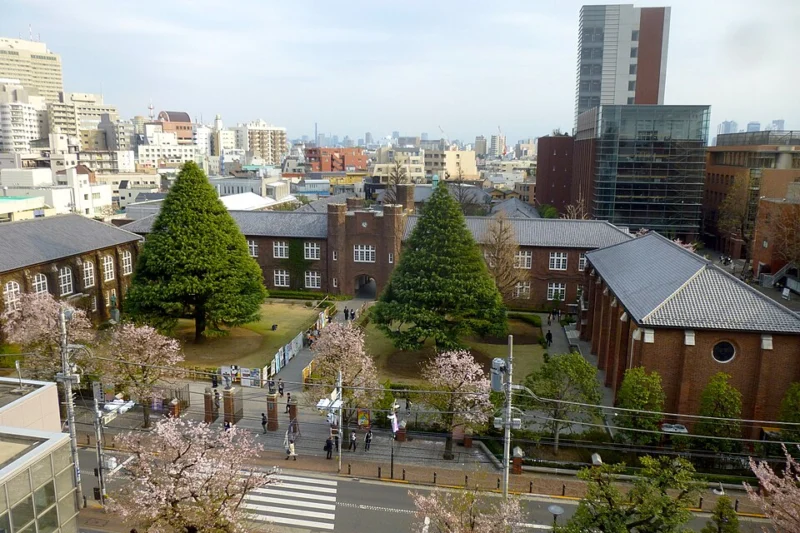
    Campus walkRikkyo UniversityA few minutes north, the ivy-covered red-brick main building of this Anglican-founded university is one of the prettiest corners of Ikebukuro. Admire it from the gate and the main quad.
  • 4
    CultureTokyo Metropolitan TheatreThe big glass-fronted concert hall on the west side of the station hosts orchestras, opera and theatre. See what is on for the evening — it is the most elegant night out in the area.
  • 5
    Food hallSeibu Ikebukuro food hallCross to the east side and go down to the basement of the Seibu flagship store, one of the biggest food halls in Tokyo. Wagashi, bento, sake and gift fruit are all beautifully wrapped — ideal for presents to take home.
  • 6
    Evening viewSunshine 60End the day on the 60th-floor observation deck, reached by a fast express lift from the lobby. On a clear evening you see the whole city lit up, and sometimes Mount Fuji at sunset.
  • Getting aroundIkebukuro stationThe JR Yamanote line runs to Shinjuku in about five minutes, and the Marunouchi line goes straight to Tokyo Station and Ginza. It is a huge station — follow the signs for the east or west exit carefully.
  • Where to stayIkebukuro's hotels are mostly mid-range business and apartment hotels, with very few luxury options. If you stay here, choose a quiet street near the west exit rather than the busy entertainment blocks on the east side.

Did you know?

Asia's tallest, briefly Sunshine 60 was the tallest building in Asia from 1978 until 1985, and the tallest in Japan until 1991.
“Pond bag” The characters of Ikebukuro literally mean “pond bag”, from the ponds that once lay in the area.
Frank Lloyd Wright's school Jiyu Gakuen Myonichikan, designed by Frank Lloyd Wright and built in 1921, is open to visitors.
Ikebukuro (池袋)

Planning your stay in Tokyo

For Luxury
  • Luxury Tokyo in 3 daysDay 1: the palace gardens, Naka-dori and dinner at the Peninsula. Day 2: the Nezu Museum, Omotesando and Narisawa. Day 3: Nihonbashi's bridge, Mitsukoshi and a nightcap at the Mandarin Oriental.
  • Service without tippingTipping is not expected in Japan, even in the best hotels and restaurants — excellent service is simply the standard. If a concierge has gone out of their way, a small gift or a sincere thank-you is the local way to say so.
  • Book these aheadFamous tasting menus, timed tickets for the Nezu Museum and high-floor rooms with a palace view. Your hotel's concierge can often reserve restaurants that do not take bookings from abroad.
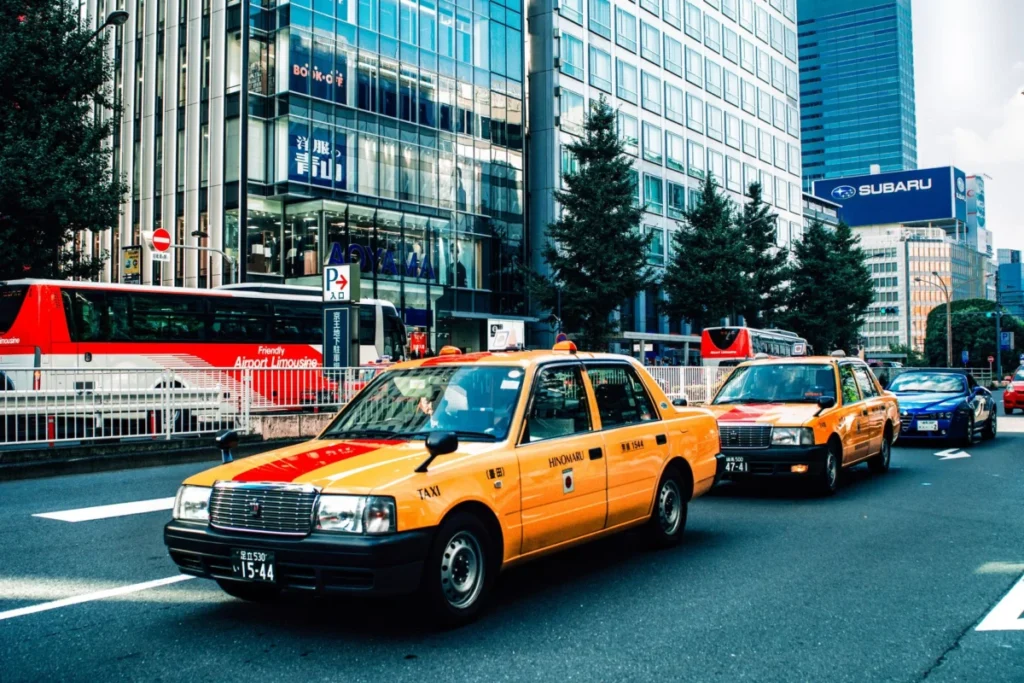
  • Getting around in styleTokyo's taxis are spotless and the rear doors open by themselves. For longer trips the trains are faster — Green Car first-class seats on JR lines are a small extra for a quieter ride.
Self-guided walking tours Luxury (Tokyo, Japan)
Routes 4
Pick a route

Best time to visit Tokyo (Japan)

Now (November) avg high: 17°C, mostly dry, full season — expect crowds. Best months to walk: Dec & Jul.

Live Temp …
~Day / Night Temp 17°C / 9°C
Sunrise / Sunset 6:08 / 16:41
Local time 7:36
Sea Temp 18°C
Best Months Dec & Jul
J Jan F Feb M Mar A Apr M May J Jun J Jul best month A Aug S Sep O Oct N Nov this month D Dec best month
Check Tokyo hotels
Temperature Average daytime high, month by month. Zero line marks freezing point.
Crowds How busy it gets — traveller interest by month.
Sea temperature Sea warmth for swimming, by month.
Rainfall Rainy days to expect each month.
Sunshine Hours of sun per day, by month.
Tokyo guides →

Best luxury hotels in Tokyo

The big names beside Tokyo Station, a design hotel in Aoyama and smart stays in Nihonbashi — with an honest note where a hotel is not truly five-star.
Four Seasons Hotel Tokyo at Marunouchi
Best overall
9.3 Outstanding
130 reviews

Four Seasons Hotel Tokyo at Marunouchi

The Four Seasons' smaller Tokyo hotel sits right beside Tokyo Station, so the shinkansen, the palace gardens and Marunouchi's shops are all a few minutes away. It is intimate rather than grand — the kind of place where the staff learn your name on day one.

Ideal for: Travellers who want a small, very polished hotel at the centre of everything
Shangri-La Tokyo
Top pick
9.3 Outstanding
370 reviews

Shangri-La Tokyo

Shangri-La occupies the upper floors of a tower a couple of minutes' walk from Tokyo Station. Ask for a high room facing the Imperial Palace or Tokyo Bay — at night the view across the rail tracks and the city is the reason to stay.

Ideal for: Travellers who want big rooms high above the city
THE AOYAMA GRAND HOTEL
Luxury stay
9.6 Exceptional
804 reviews

THE AOYAMA GRAND HOTEL

A design-led hotel on Gaien-nishi-dori in Kita-Aoyama, one of the best-rated in this article. Ginkgo Avenue, Narisawa and the Aoyama fashion streets are all within a short walk, and the neighbourhood is calm at night.

Ideal for: Travellers who prefer design and a quiet address to a big-brand lobby
Hotel Allamanda Aoyama Tokyo
Central location
8.6 Excellent
361 reviews

Hotel Allamanda Aoyama Tokyo

A 5-star hotel in Kita-Aoyama 2-chome, close to Gaienmae station on the Ginza line. Ginkgo Avenue is a few minutes away and Omotesando is a pleasant walk along Aoyama-dori. Its guest score of 8.6 is lower than at the other five-star hotels in this guide, so book it for the address rather than for flawless service.

Ideal for: Travellers who spend on dinners and shopping rather than the room
Mitsui Garden Hotel Nihonbashi Premier
Smart choice
8.9 Excellent
1719 reviews

Mitsui Garden Hotel Nihonbashi Premier

A 5-star Mitsui Garden hotel in Nihonbashi Muromachi 3-chome, the old merchants' quarter north of the Nihonbashi bridge. Mitsukoshi and the Mitsui Memorial Museum are a few minutes' walk away. Its 8.9 guest score comes from a large number of reviews, which makes it one of the most proven hotels in this guide.

Ideal for: Travellers who want a proven five-star in old Nihonbashi
The Tokyo Station Hotel
Top pick
9.5 Exceptional
1237 reviews

The Tokyo Station Hotel

A 5-star hotel inside the red-brick Tokyo Station building, a registered Important Cultural Property, with its entrance beside the Marunouchi South Exit. Rooms are in a classical European style, and there is a spa, a fitness centre, a French restaurant and several bars under the same roof. Ginza is a 10-minute walk away, and the Nihonbashi department stores are just across the station on the Yaesu side.

Ideal for: Travellers who want history and five-star service at the station
MIMARU Tokyo Ikebukuro
Walkable area
9.1 Outstanding
1033 reviews

MIMARU Tokyo Ikebukuro

A small, very well-rated design hotel in Ikebukuro with compact rooms. Be clear about what it is: a comfortable mid-range stay, not luxury. It makes sense if you want a quiet base on the north-west side of the city and spend your budget elsewhere.

Ideal for: Not a luxury hotel — for a comfortable, well-rated base in Ikebukuro
Hotel Hisoca Ikebukuro
Premium stay
9.3 Outstanding
314 reviews

Hotel Hisoca Ikebukuro

An apartment hotel north of Ikebukuro station, with kitchenettes and rooms that sleep several people. It is built for families and groups rather than luxury travellers — choose it only if you need the space.

Ideal for: Not a luxury hotel — families or groups who need space

Travelling for cherry blossom or autumn leaves?

Late March to early April and late November are Tokyo's busiest luxury weeks. The best rooms and the famous tables go months ahead — book both as soon as your dates are fixed.

Compare Tokyo luxury hotels

Location, style and what makes each hotel special — side by side.
Shangri-La Tokyo
Top pick
9.3 Outstanding
370 reviews

Shangri-La Tokyo

Marunouchi • Tower hotel • City views
Tower rooms above Tokyo Station
City Views
High-floor city views
Public Transport
Next to Tokyo Station
Luxury Stay
Flagship luxury brand
THE AOYAMA GRAND HOTEL
Luxury stay
9.6 Exceptional
804 reviews

THE AOYAMA GRAND HOTEL

Aoyama • Design hotel • Near Gaienmae
Design hotel in Aoyama
Modern Design
Design-led interiors
Quiet Area
Quiet Kita-Aoyama address
Shopping
Walk to designer streets

Traditional Local Food Tokyo (Japan)

Snack Vegetarian

Monjayaki

もんじゃ焼き
mon-jah-yah-kee

A savory pancake with a variety of ingredients and a unique batter.

Open Monjayaki recipe
Main course Fish & Seafood

Nigiri

握り
Nee-gee-ree

Hand-formed rice balls topped with slices of raw fish.

Open Nigiri recipe
Main course Meat

Ramen

ラーメン
rah-muhn

Wheat noodles in a savory broth with toppings.

Open Ramen recipe
Main course Vegan

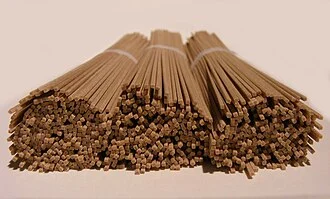
Soba

そば
So-bah

Buckwheat noodles served hot in broth or cold with a dipping sauce.

Open Soba recipe
Main course Fish & Seafood

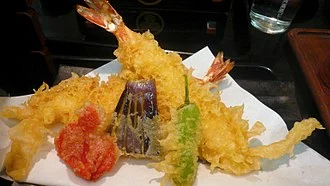
Tempura

天ぷら
tem-poo-rah

Battered and deep-fried seafood or vegetables.

Open Tempura recipe
Main course Meat

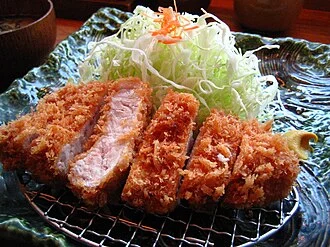
Tonkatsu

豚カツ
ton-KAH-tsu

Breaded and deep-fried pork cutlet, usually served with shredded cabbage.

Open Tonkatsu recipe
Main course Fish & Seafood

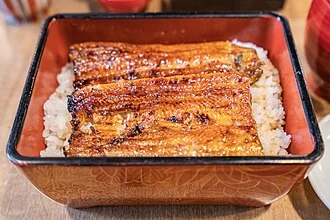
Unagi Kabayaki

うなぎ蒲焼
oo-nah-gee kah-bah-yah-kee

Grilled eel glazed with sweet soy-based sauce.

Open Unagi Kabayaki recipe
Snack Meat

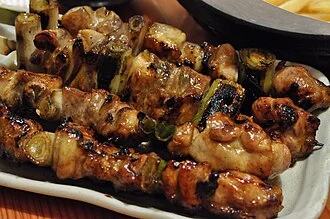
Yakitori

焼き鳥
yah-kee-toh-ree

Grilled skewers of chicken, often seasoned with tare sauce or salt.

Open Yakitori recipe

Activities & Experiences

Things to Do in Tokyo

Top-rated tours, day trips and local experiences — book in advance to secure your spot.

City & Country Data Tokyo (Japan)

Key travel data for Tokyo — local prices, safety, healthcare, local currency and essentials, curated by Triplandio.

Safety 🔒 89
Health 🏥 100
Lifestyle ⭐ 48
Infra 🏗️ 100
Rank 🎯 #5
Score 📊 70
Tourists ✈️ 4.1M/y
GDP/cap 💵 $36.0k
Life Exp ❤️ 84.0 yrs
Population 👥 123.4M
Currency 💱 JPY ¥
Language 🗣️ Japanese
Payments 💳 Mixed
Emergency 🆘 110
Coffee ☕ $3.68
Beer 🍺 $4.08
Lunch 🍽️ $8.00
Groceries 🛒 $60.00/w
Taxi/km 🚕 $1.50
Transit 🚇 $1.50
Fuel ⛽ $1.20/l
Internet 📡 $45.00/m
Salary 💵 $3,000/m

Travel tipsTokyo (Japan)

Quick tips

  1. Kabukicho is the drink-spiking hotspot — Critical

    Kabukicho in Shinjuku is where most British victims of spiking and card fraud in Japan were targeted, and visitors of any nationality are at risk once English-speaking street touts (kyakuhiki) lead them into bars. Walk past any tout.

  2. Some cold and allergy medicines are banned — Critical

    Japan's strict stimulant-drug law covers Vicks inhalers, cold and flu tablets containing pseudoephedrine, some allergy and sinus remedies and some codeine painkillers. Visitors have been detained and deported, so check your medicines with the Japanese embassy before you fly.

  3. Don't follow street touts into bars — Critical

    In nightlife districts such as Kabukicho, Roppongi, Shibuya and Ikebukuro in Tokyo, touts lure visitors into bars where drinks are spiked and huge sums are charged to their cards. Ignore touts and check prices before you order.

  4. Always carry your passport — Caution

    Tourists in Japan must carry their passport at all times, not a photocopy. Police can arrest you if you cannot show proof of your permission to stay.

  5. Smoking on the street is often banned — Caution

    Smoking while walking on the streets of Tokyo and many other Japanese cities is illegal. Look for the designated smoking areas, usually near stations, and smoke only there.

  6. Carry cash as well as cards — Local tip

    Many small restaurants, shrines, temples and rural shops in Japan still take cash only. ATMs at 7-Eleven stores and post offices are the most reliable for foreign cards.

  • Do
  • Carry your passport at all times
  • Take shoes off where slippers wait
  • Wash before getting into an onsen
  • Carry cash for small places
  • Take your rubbish with you
  • Don’t
  • Bring pseudoephedrine medicine
  • Follow touts into bars
  • Tip in restaurants
  • Smoke while walking
  • Take phone calls on trains

Tokyo luxury tips

Sleep inside Tokyo Station

The Tokyo Station Hotel is inside the red-brick 1914 station building itself. Ask for a room facing the Marunouchi side and the palace — the red-brick facade lit up at night is right outside.

Tip: A hotel inside a 1914 landmark

Book the famous tables first

Tokyo's best-known restaurants, such as Narisawa in Aoyama or RyuGin in Tokyo Midtown Hibiya, fill weeks ahead. Book them before you fix the hotel, or ask your hotel's concierge to try for you.

Tip: Book dinner before the room

Shop the department store food halls

The basement food halls of Mitsukoshi and Takashimaya in Nihonbashi sell perfect gift fruit, wagashi and boxed sweets wrapped with great care. Go in the morning, before the lunchtime crowd.

Tip: Luxury gifts in the depachika

Time your trip for the seasons

Cherry blossom along the palace moats in late March and Ginkgo Avenue turning gold in late November are Tokyo at its best. They are also the most expensive weeks, so book rooms early.

Tip: Blossom and ginkgo seasons

Luxury Tokyo: FAQ

When is the best time to visit Tokyo?

The best time to visit Tokyo is December and July — fewer crowds, comfortable temperatures, less rain and more sunshine. Compare every month in the seasonal chart above.

Which area of Tokyo has the best luxury hotels?

Marunouchi and neighbouring Otemachi, around Tokyo Station, have the highest concentration of flagship hotels, with the Imperial Palace gardens on the doorstep. Nihonbashi, home of the Mandarin Oriental, is a quieter alternative a short walk away.

What are the best 5-star hotels in Tokyo?

Around Tokyo Station, the Four Seasons at Marunouchi, the Shangri-La and the Tokyo Station Hotel; in Nihonbashi, the Mandarin Oriental; and by Hibiya Park, The Peninsula and the historic Imperial Hotel.

Should I stay in Marunouchi or Aoyama for a luxury trip?

Marunouchi is for big-name hotels, palace views and fast trains. Aoyama is for designer architecture, art museums and restaurants, with smaller hotels. Many travellers sleep in Marunouchi and spend a day in Aoyama.

Is Ikebukuro a good base for a luxury trip?

Not really. Ikebukuro is a busy transport and shopping hub with mostly mid-range hotels. It works if you value space and price over prestige, but for a true luxury stay choose Marunouchi, Nihonbashi or Aoyama.

Where can I have a special dinner with a view in Tokyo?

Peter, on the 24th floor of The Peninsula Tokyo, looks over the Imperial Palace. For a famous tasting menu rather than a view, book Narisawa in Aoyama well ahead.

Tokyo in style, the local way

★ For luxury travellers
Luxury in Tokyo is less about gold taps and more about precision: a hotel lobby 30 floors above the Imperial Palace, a department store that has been selling to the city since the Edo period, a tasting menu booked weeks ahead. This guide covers four areas — business-class Marunouchi, design-led Aoyama, old-money Nihonbashi and, honestly, Ikebukuro — with a walk, a table and a hotel in each.
  • Handpicked hotels
  • Upscale Tokyo neighborhoods
  • Spa and fine dining
  • Updated 2026
Asia — Japan — Tokyo — Uncover Tokyo’s Luxury Gems
keyboard_arrow_up