
Written for travellers who read the plaques — museums, temples, timings and well-placed hotels. Updated 2026.

Where to Stay in Tokyo for History Lovers: Museums, Temples and Old Edo

Where to stay in Tokyo if history is why you are going — shogun temples, Edo museums, sumo and the old shitamachi on foot.

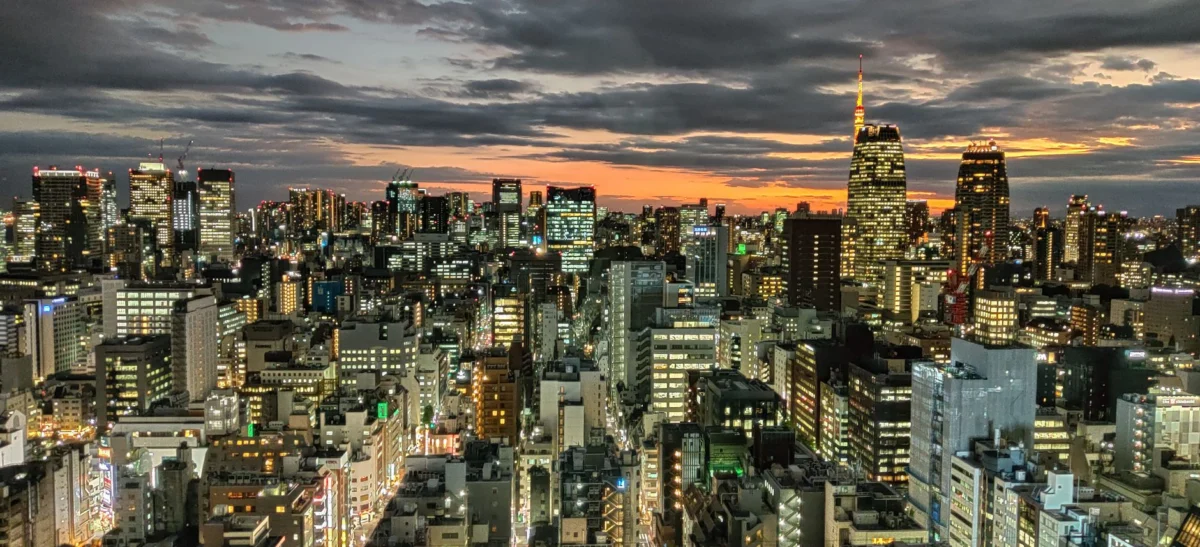
Dramatic sunset over Tokyo skyline showcasing iconic landmarks
At a Glance
Country Japan
City Tokyo
Day / Night 17° / 9°
Local Time 12:32
November — Now Peak season
Best Months Dec · Jul

Fires, the 1923 earthquake and the 1945 bombing destroyed most of old Edo, so Tokyo’s history hides in temples, gardens and very good museums. This guide picks four areas for history lovers — museum-packed Ueno, sumo-town Ryōgoku in Sumida, temple-dotted Nakano and theatre-mad Shimokitazawa — with a walk, the sights worth your time and a hotel in each.

Top Tokyo stays for history lovers

Premium stay
⭐ 8.5
Mitsui Garden Hotel Ueno

Mitsui Garden Hotel Ueno

A large, modern hotel on Asakusa-dōri in Higashi-Ueno, a few minutes’ walk from Ueno Station. Ueno Park, with the Tokyo National Museum and Kan’ei-ji, is about ten minutes away on foot, and the Ginza line takes you to Asakusa in five minutes.

Editor’s choice
⭐ 8.7
&Here TOKYO UENO

&Here TOKYO UENO

A modern hotel in Ueno 2-chome, just south of Shinobazu Pond. Izuei, the eel restaurant that goes back to the 1700s, is round the corner, and the Iwasaki mansion and Bentendō are a short walk away.

Top pick
⭐ 9.1
The Gate Hotel Ryogoku by Hulic

The Gate Hotel Ryogoku by Hulic

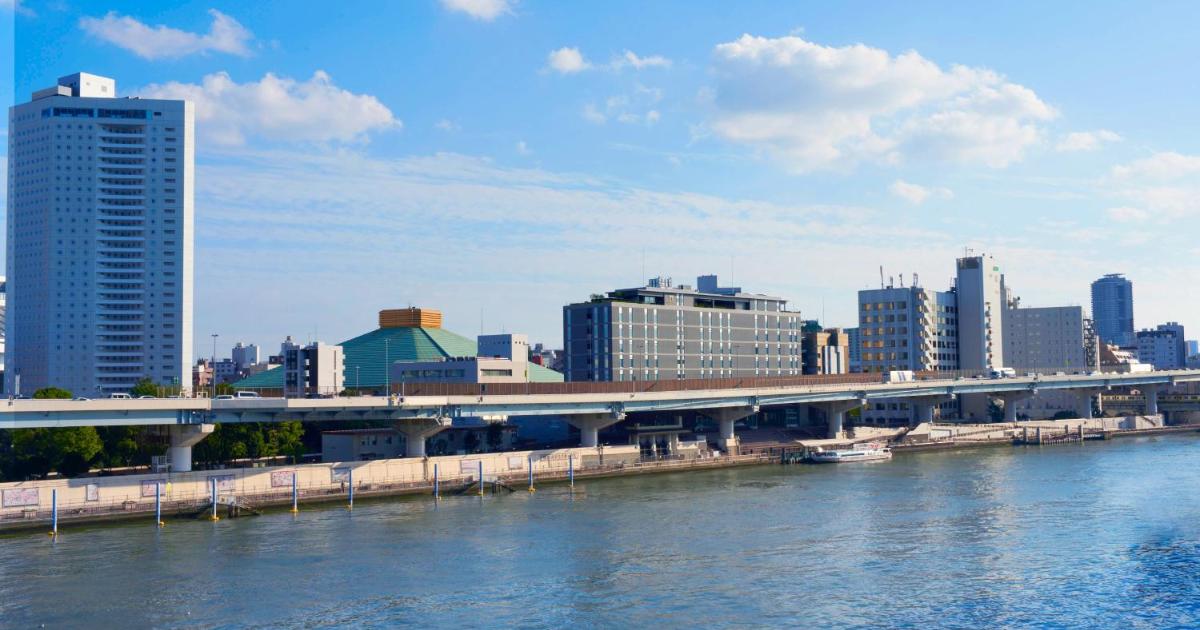
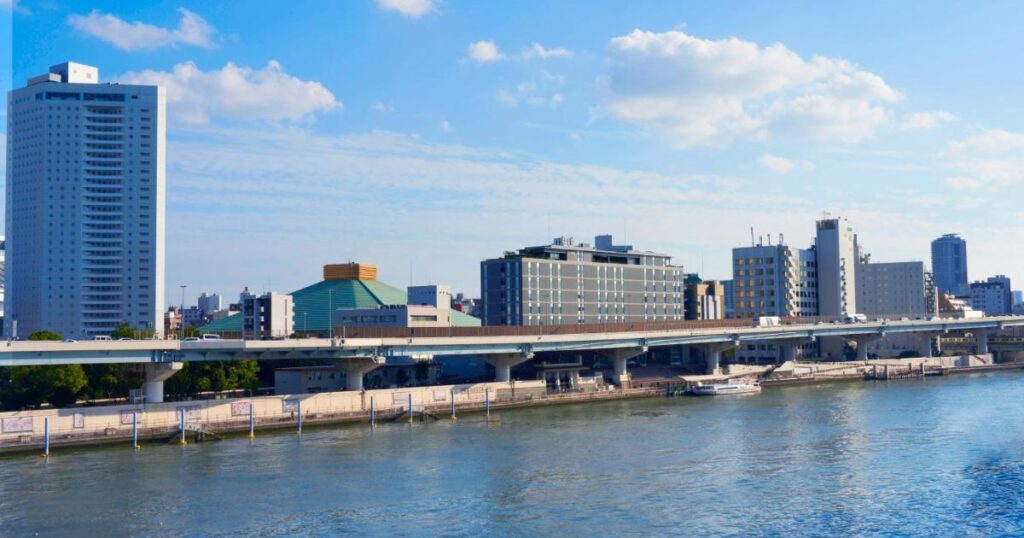
A 4-star hotel in Yokoami, on the Ryōgoku side of the Sumida River, with a terrace that looks over the water. Ryōgoku Kokugikan, the sumo hall, and Sumida Park are close by, so the old east side of the city is right outside. With nearly 3,000 guest reviews and a 9.1 score, it is one of the safest bookings in this guide.

Which chapter of Tokyo do you want to live in?

Shogun temples, Edo craftsmen, Shōwa arcades or 20th-century theatre — pick your era.

Best choice: Shimokitazawa

Best for: Theatre & modern culture

Best choice: Sumida

Best for: Edo & sumo history

Best choice: Ueno (上野)

Best for: Museums & shogun temples

Best choice: Nakano

Best for: Temples & Shōwa arcades

Best hotels in Tokyo for history lovers

Hotels within walking distance of Ueno Park’s museums, the Ryōgoku sumo quarter and Tokyo’s older temples.

&Here TOKYO UENO
Editor’s choice
⭐ 8.7 Excellent
1821 reviews

&Here TOKYO UENO

Ueno • Modern hotel • By Shinobazu Pond

A modern hotel in Ueno 2-chome, just south of Shinobazu Pond. Izuei, the eel restaurant that goes back to the 1700s, is round the corner, and the Iwasaki mansion and Bentendō are a short walk away.

  • Shinobazu Pond on the doorstep
  • Walk to the Iwasaki mansion
  • Short walk to Ueno Park
The Gate Hotel Ryogoku by Hulic
Top pick
⭐ 9.1 Superb
2854 reviews

The Gate Hotel Ryogoku by Hulic

Ryōgoku • 4-star hotel • Yokoami, by the Sumida River

A 4-star hotel in Yokoami, on the Ryōgoku side of the Sumida River, with a terrace that looks over the water. Ryōgoku Kokugikan, the sumo hall, and Sumida Park are close by, so the old east side of the city is right outside. With nearly 3,000 guest reviews and a 9.1 score, it is one of the safest bookings in this guide.

  • Near Ryōgoku Kokugikan
  • River-view terrace
  • Nearly 3,000 guest reviews
Hotel Route-Inn Grand Tokyo Asakusabashi
Smart choice
⭐ 8.8 Fabulous
1958 reviews

Hotel Route-Inn Grand Tokyo Asakusabashi

Asakusabashi • 3-star hotel • By Asakusabashi Station

A 3-star hotel two minutes from exit A4 of Asakusabashi Station on the Toei Asakusa line, which runs straight to Asakusa and Sensō-ji. Ryōgoku is just across the river, about a 10-minute walk, and there is a public bath in the hotel for tired legs after a day of walking. Rooms are simple, but the price and the breakfast buffet make it good value.

  • 2 minutes to Asakusabashi Station
  • Public bath in the hotel
  • Walk across the river to Ryōgoku
illi Esu Nakano
Boutique stay
⭐ 9.2 Outstanding
180 reviews

illi Esu Nakano

Nakano • Small hotel • Residential area

A small, very highly rated hotel in residential Nakano. It is a quiet base for Arai Yakushi, Tetsugakudō Park and the Shōwa-era arcades, and the Chūō line reaches Shinjuku in a few minutes.

  • Very highly rated
  • Quiet residential street
  • Chūō line to Shinjuku
COCOSHUKU Nakano
Walkable area
⭐ 8.2 Very Good
97 reviews

COCOSHUKU Nakano

Nakano • Compact rooms • Local streets

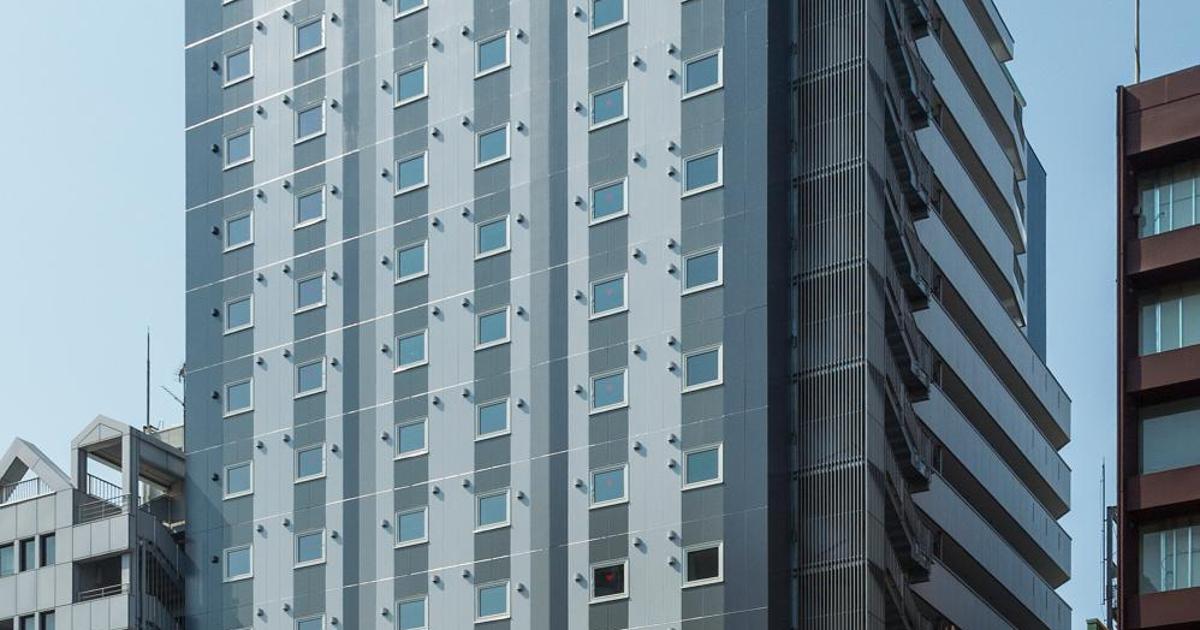
A compact hotel in Nakano, within walking distance of the station, Nakano Broadway and the Sun Mall arcade. It suits travellers who spend their days on the east side and want a calm, cheaper place to sleep.

  • Walk to Nakano Broadway
  • Close to the station
  • Local shops and eateries
illi Sun Shimokitazawa
Boutique stay
⭐ 8.7 Excellent
328 reviews

illi Sun Shimokitazawa

Shimokitazawa • Small hotel • Theatre district

A small hotel in Shimokitazawa, a short walk from the Honda Theatre and the small stages around the station. Ueno and the east side are about 45 minutes away by train, so choose it for Tokyo’s 20th-century culture rather than for temples.

  • Walk to the Honda Theatre
  • Two railway lines nearby
  • Independent shops and cafés
Mi-Hotel Shimokitazawa 渋谷下北沢
Walkable area
⭐ 8.6 Excellent
277 reviews

Mi-Hotel Shimokitazawa 渋谷下北沢

Shimokitazawa • Compact hotel • Near the station

A compact hotel in Shimokitazawa, close to the Odakyu and Keio Inokashira lines. Shibuya and Shinjuku are a few stops away, but the big museums are on the other side of the city.

  • Near two railway lines
  • Live music and small theatres
  • Shibuya a few stops away

How we choose

We pick hotels by how easily you can walk to museums, temples and historic quarters, then check guest ratings.

Best areas in Tokyo for history lovers

Four areas, four sides of Tokyo’s past — each with a walk you can do in a morning or an afternoon.

Shimokitazawa

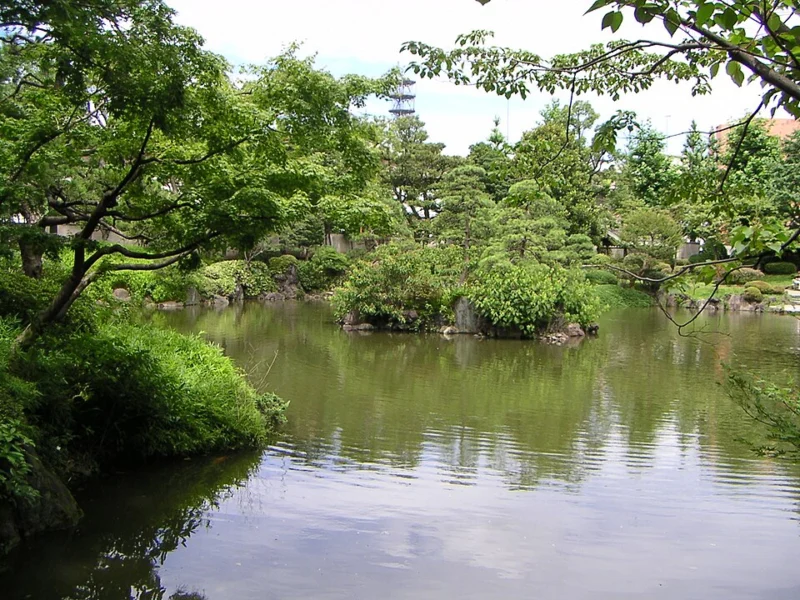
Shimokitazawa was farmland until the railways arrived — the Odakyu line in 1927 and the Inokashira line in 1933 — and it has been Tokyo’s capital of small theatres, live music and second-hand shops for decades. There are no great temples here. The history is modern: the Honda Theatre, dozens of tiny stages, and a neighbourhood that fought to keep its narrow streets.

Start the morning at the old village shrine, Kitazawa Hachiman, and the temple next door, then walk north along Shimokita Senrogai, the park and shops built over the old Odakyu tracks after they went underground in 2013. Spend the evening at a play, even one in Japanese, and finish in a craft-beer bar with the regulars.

The honest downside: Ueno and the big museums are about 45 minutes away by train. Choose Shimokitazawa if 20th-century Tokyo culture interests you as much as temples.

Local picks

For Culture & History
  • 1
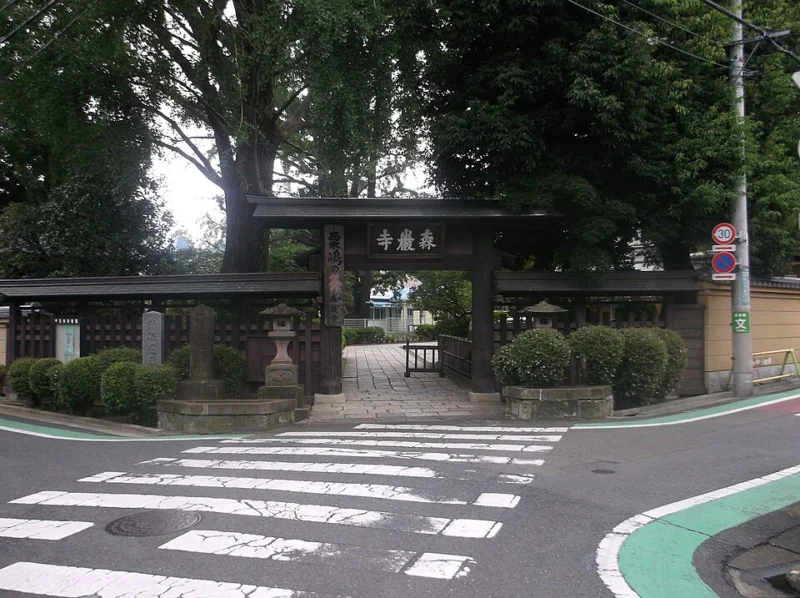
    Early morningKitazawa Hachiman ShrineThe shrine of the old Kitazawa village stands on a small rise south of the station. In the early morning you will share it with dog walkers and people stopping to pray on their way to work.
  • 2
    Next doorShinganji (Awashima-dō)A quiet Buddhist temple beside the shrine, set among old trees. It is known for its hari-kuyō, a memorial service for broken sewing needles held each February.
  • 3
    LunchMikan ShimokitaA market hall of small food stalls and shops under the Inokashira line tracks by the station. It is an easy place for a cheap lunch between walks.
  • 4
    Railway historyShimokita SenrogaiThe Odakyu tracks used to run here at street level until 2013. The strip is now a green walk with small shops, and the open space is a good place to sit and watch the neighbourhood.
  • 5
    CoffeeBear Pond EspressoA tiny espresso bar on Kitazawa 2-chome, famous among coffee people for its very short, thick ristretto. Expect a queue and a small, no-nonsense room.
  • 6
    EveningHonda TheatreThe best known of Shimokitazawa’s stages, open since 1982, with plays most evenings. Even without Japanese, seeing a performance in this small hall is a good look at how Tokyo’s theatre scene works.
  • 7
    Last drinkUshi-ToraA craft-beer bar a few minutes from the station, with Japanese and American beers on tap. It is small and friendly, and a good place to end a night at the theatre.
  • Getting aroundShimokitazawa StationThe Keio Inokashira line runs to Shibuya in a few minutes, and the Odakyu line to Shinjuku. For Ueno, change at Shibuya or Shinjuku and allow about 45 minutes.
  • Where to stayShimokitazawa has only a few small hotels and guesthouses, most within ten minutes of the station. Rooms are compact, so check the size before you book, and stay close to the station if you will be travelling across the city every day.

Did you know?

A Village Made by Two Railways The Odakyu line reached Shimokitazawa in 1927 and the Inokashira line in 1933, turning farmland into a busy town.
Tracks Underground in 2013 The Odakyu line moved underground in March 2013, and the freed strip became Shimokita Senrogai.
A Small-Theatre District The Honda Theatre opened in 1982, and many small stages have grown up around it.
Shimokitazawa

Sumida

Sumida, on the east bank of the river, was home to Edo’s craftsmen, woodblock printers and sumo wrestlers. Its southern corner, Ryōgoku, is the best place in Tokyo to understand the city before it became Tokyo. Hokusai was born nearby, the Edo-Tokyo Museum reopened in 2026 after renovation, and wrestlers in cotton robes still walk to the station.

Spend the morning with Hokusai and the Edo-Tokyo Museum, then walk to the memorial hall for the 1923 earthquake and the small Kyū-Yasuda Garden. In the afternoon, visit Ekō-in, where sumo was held for decades, and the corner where the 47 rōnin took their revenge in 1703. Dinner is chanko hotpot, the wrestlers’ food.

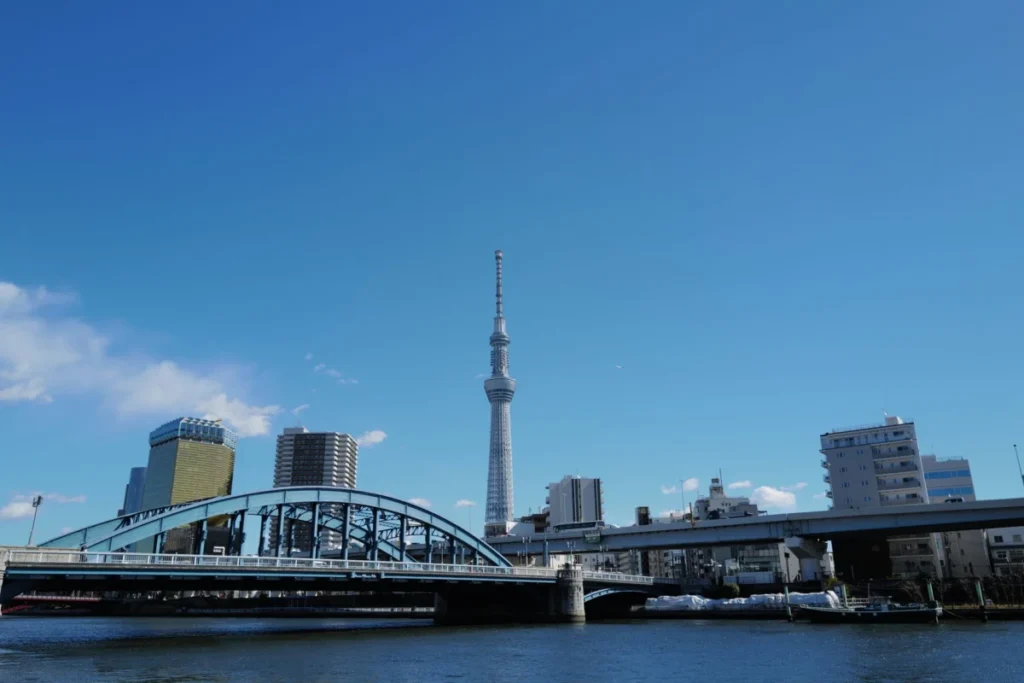
The downside is that Ryōgoku is quiet at night and has few hotels. Many visitors stay in Oshiage, by Tokyo Skytree, or across the river in Asakusa.

Local picks

For Culture & History
  • 1
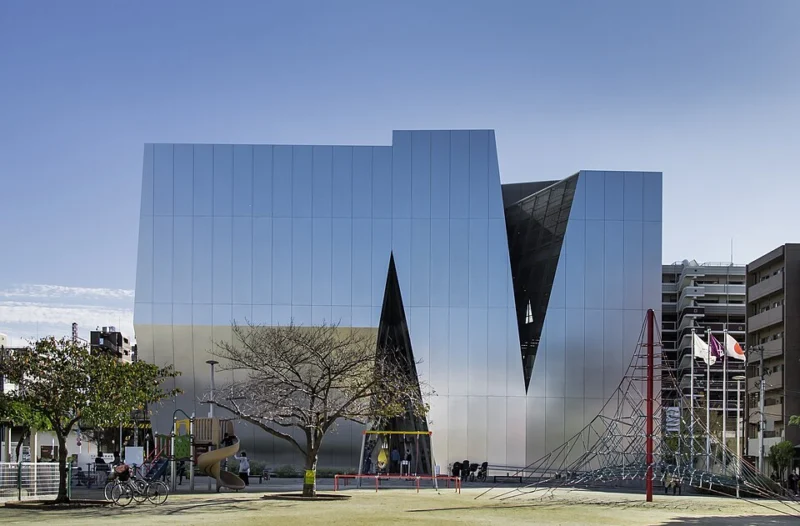
    MorningSumida Hokusai MuseumOpened in 2016 in a building by Kazuyo Sejima, on the ground where Hokusai grew up. The collection covers his whole career, from prints to sketchbooks.
  • 2
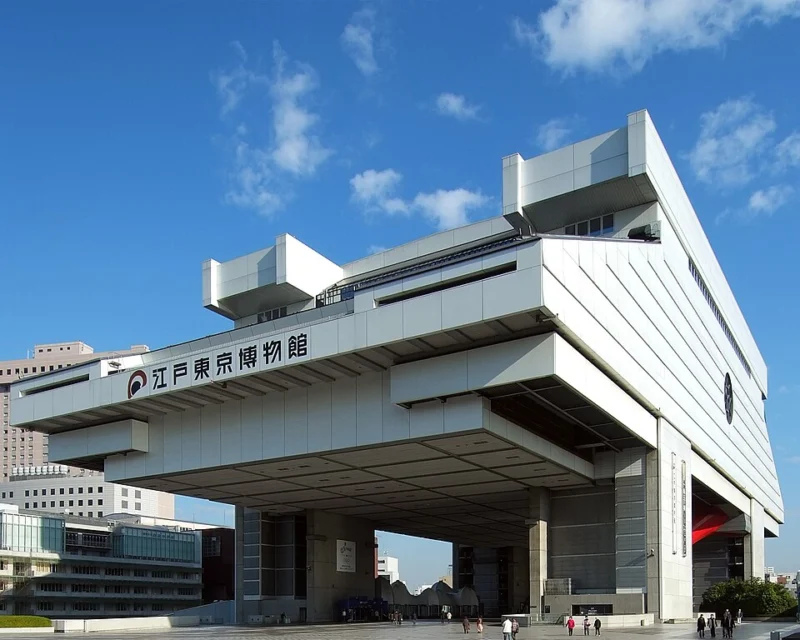
    Must seeEdo-Tokyo MuseumReopened on 31 March 2026 after four years of renovation, with a life-size replica of part of the Nihonbashi bridge and full-size Edo townhouses. Allow at least two hours.
  • 3
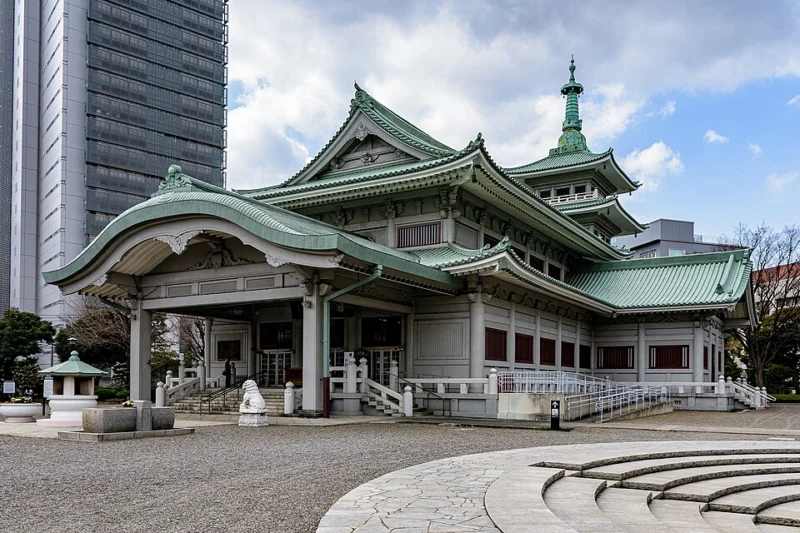
    Hidden historyTokyo Memorial HallAround 38,000 people died here in the fires after the 1923 Great Kantō earthquake, on the site of an army clothing depot. The hall in Yokoamichō Park remembers them, and the victims of the 1945 air raids.
  • 4
    Quiet gardenKyū-Yasuda GardenA small Edo-period stroll garden around a pond, later owned by the banker Yasuda Zenjirō. The Japanese Sword Museum stands right beside it.
  • 5
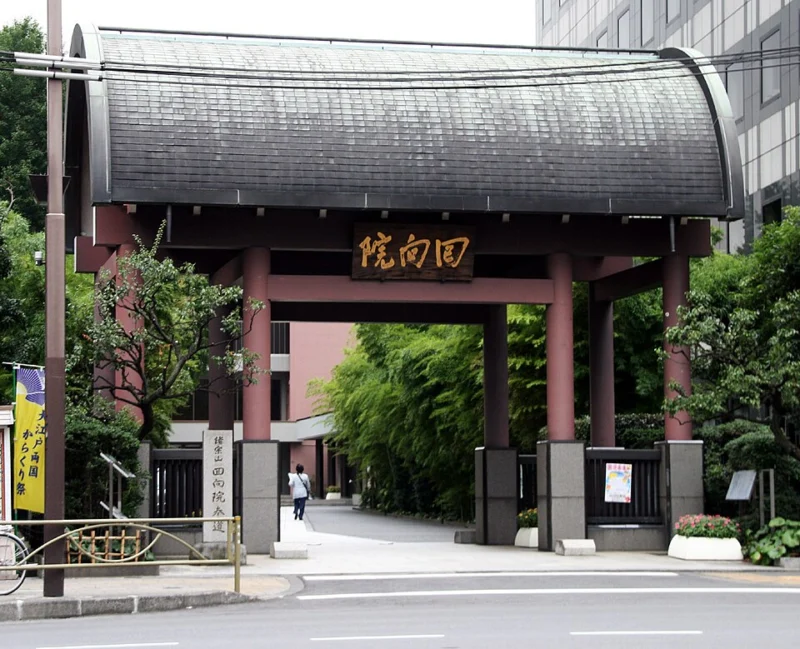
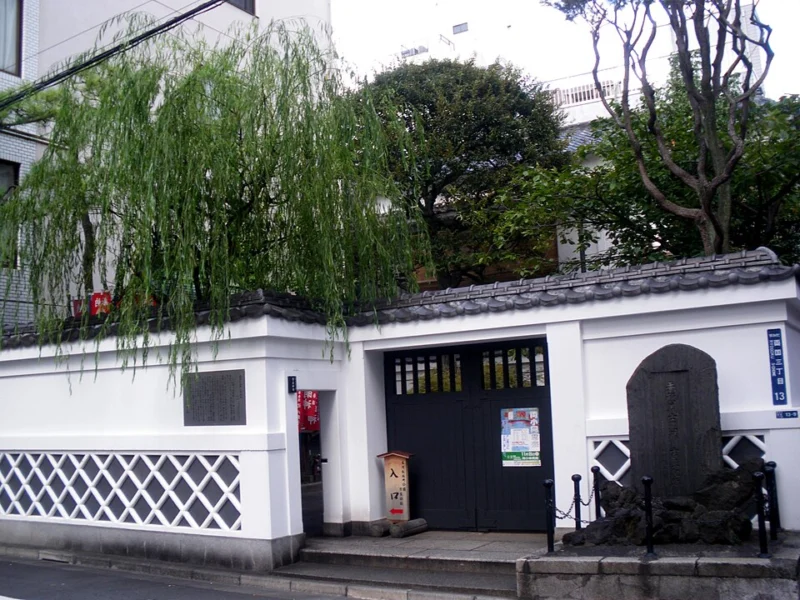
    Sumo historyEkō-inFounded in 1657 for the victims of the great Meireki fire, this temple hosted sumo tournaments until the first Kokugikan opened in 1909. Look for the grave of Nezumi Kozō, the Edo thief turned folk hero.
  • 6
    47 rōninHonjo Matsuzaka-chō ParkA small walled park on the site of Kira Yoshinaka’s mansion, where the 47 rōnin avenged their lord in 1703. It is one of the most famous stories in Japan, and this corner is where it ended.
  • 7
    DinnerChanko TomoegataOne of the oldest chanko restaurants in Ryōgoku, serving the hotpot that wrestlers eat to build weight. It has been open for more than a hundred years.
  • 8
    Last drinkPopeye Beer ClubA Ryōgoku pub with a very long list of Japanese craft beers on tap, a few steps from Tomoegata. Kitchen and pub hours differ, so check before you go.
  • Getting aroundRyōgoku StationThe JR Sōbu line and the Toei Ōedo line both stop at Ryōgoku. Asakusa is a pleasant walk up the Sumida River, and Oshiage, by Tokyo Skytree, is about 35 minutes on foot.
  • Where to stayRyōgoku itself has a handful of business hotels, while Kinshichō and Oshiage have more choice and good transport. If you stay by Skytree, check how far the hotel is from Oshiage Station — the area is spread out.

Did you know?

Named After a Bridge Ryōgoku, “two provinces”, takes its name from the bridge of 1659 that linked Musashi and Shimōsa.
Hokusai’s Home Ground Katsushika Hokusai was born in this area in 1760 and spent most of his life here.
Sumo in a Temple Yard From 1833 to 1909, sumo tournaments were held in the grounds of Ekō-in temple.
Sumida

Ueno (上野)

Ueno Park was once the grounds of Kan’ei-ji, the Tokugawa shoguns’ family temple, until the Battle of Ueno in 1868 destroyed most of it. The Meiji government turned the land into Japan’s first great public park and filled it with museums. Today it is simply the best base in Tokyo for a history lover.

Be at the Tokyo National Museum when it opens, then walk to the gold-leafed Ueno Tōshō-gū and Kiyomizu Kannon-dō, which survived the battle. In the afternoon, go down to Bentendō on Shinobazu Pond and the Western-style Iwasaki mansion from 1896. In the evening, eat eel at a restaurant from the 1700s and walk through Ameyoko, the old black market under the tracks.

The area around the station is crowded and noisy. For a quieter walk, go on to the Yanaka temple district, 15 minutes north.

Local picks

For Culture & History
  • 1
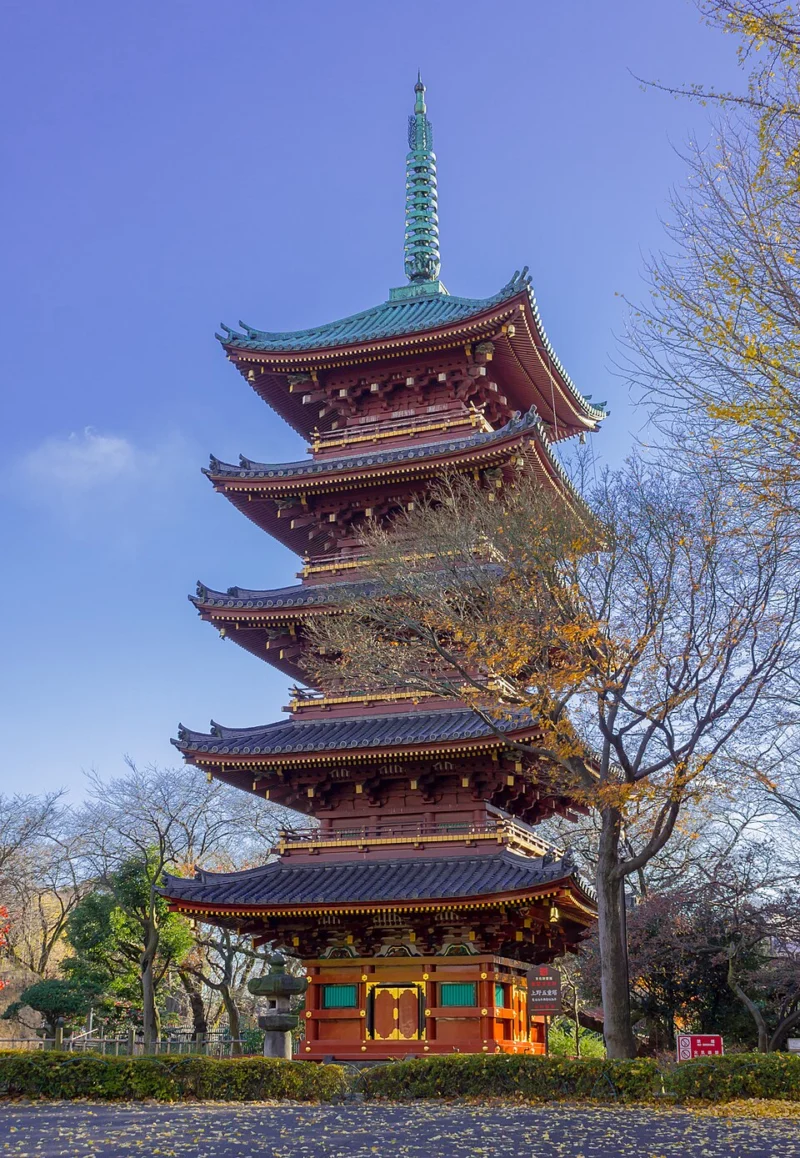
    Early morningKan'ei-jiFounded in 1625 as the Tokugawa family temple. The main hall you see today was moved here from Kawagoe after the battle of 1868, and six Tokugawa shoguns are buried in its grounds.
  • 2
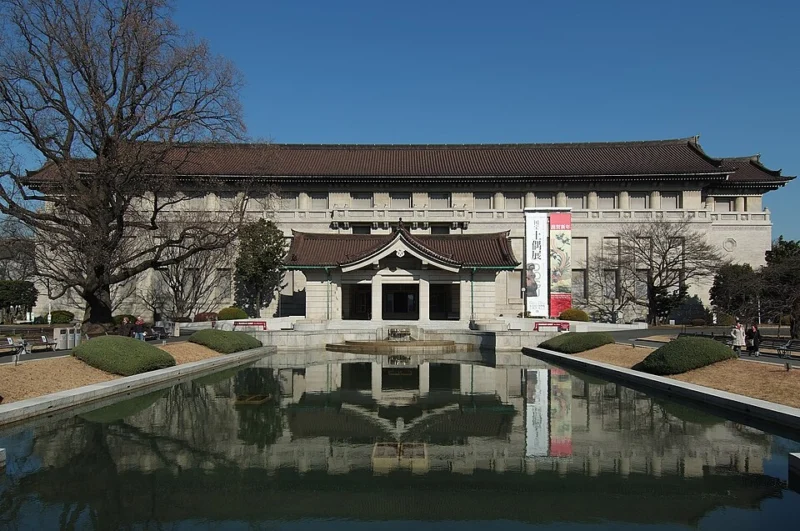
    Must seeTokyo National MuseumJapan’s oldest museum, founded in 1872, with the best collection of Japanese art anywhere: samurai armour, swords, scrolls and Buddhist statues. Do the main Honkan building first and keep the Gallery of Hōryū-ji Treasures for last.
  • 3
    Gold and lanternsUeno Tōshō-gūA shrine to Tokugawa Ieyasu, rebuilt in 1651 and covered in gold leaf. It survived the 1868 battle, the 1923 earthquake and the war, and is lined with hundreds of stone and bronze lanterns.
  • 4
    SurvivorKiyomizu Kannon-dōBuilt in 1631 as a small copy of Kiyomizu-dera in Kyoto, with a wooden stage over the slope. It is one of the oldest buildings in Ueno Park.
  • 5
    AfternoonShinobazu Pond and BentendōCross the causeway to the octagonal hall of Benten on its island in the pond. The hall was rebuilt after the war, and in summer the pond is covered in lotus leaves.
  • 6
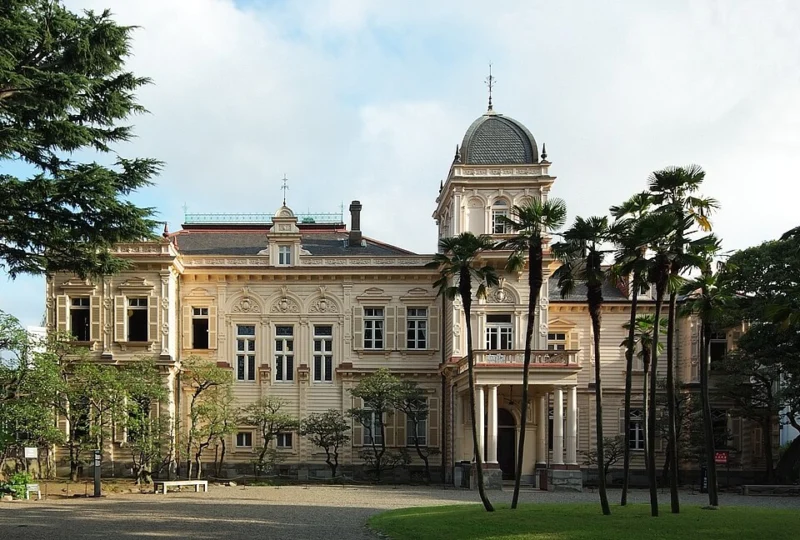
    Meiji TokyoFormer Iwasaki House and GardenJosiah Conder built this Western-style mansion in 1896 for the Iwasaki family, who founded Mitsubishi. A Japanese wing and a lawn garden stand beside it.
  • 7
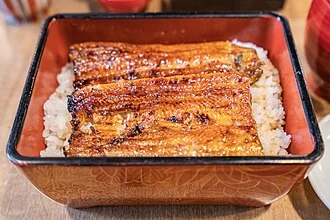
    DinnerIzueiAn eel restaurant by Shinobazu Pond whose history goes back to around 1750. Order unajū, grilled eel on rice in a lacquered box.
  • 8
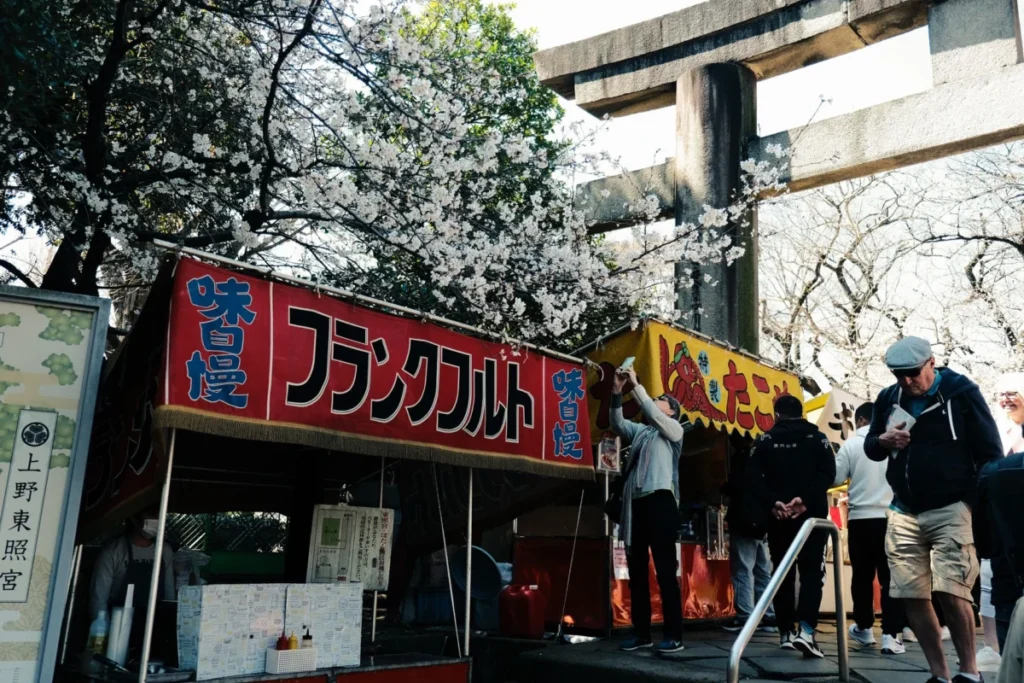
    EveningAmeyokoThe market street along the tracks began as a black market after the war. In the evening its stalls, standing bars and yakitori counters are packed.
  • Getting aroundUeno StationJR lines, the Ginza and Hibiya lines all stop at Ueno, and the Keisei Skyliner runs from nearby Keisei-Ueno to Narita Airport. Asakusa is five minutes away on the Ginza line.
  • Where to stayUeno has plenty of mid-range and business hotels around the station, in Higashi-Ueno and by Shinobazu Pond. Choose the pond side or Yushima for quieter nights, and avoid rooms right over the railway if you are a light sleeper.

Did you know?

The Battle of Ueno, 1868 Imperial troops defeated the shogun’s last loyalists here during the Boshin War, and most of Kan’ei-ji burned.
The Shoguns’ Family Temple Kan’ei-ji was founded in 1625, and six Tokugawa shoguns are buried in its grounds.
Saigō Takamori and His Dog The statue near the park entrance, unveiled in 1898, shows the samurai leader in a simple robe, walking his dog.
Ueno (上野)

Nakano

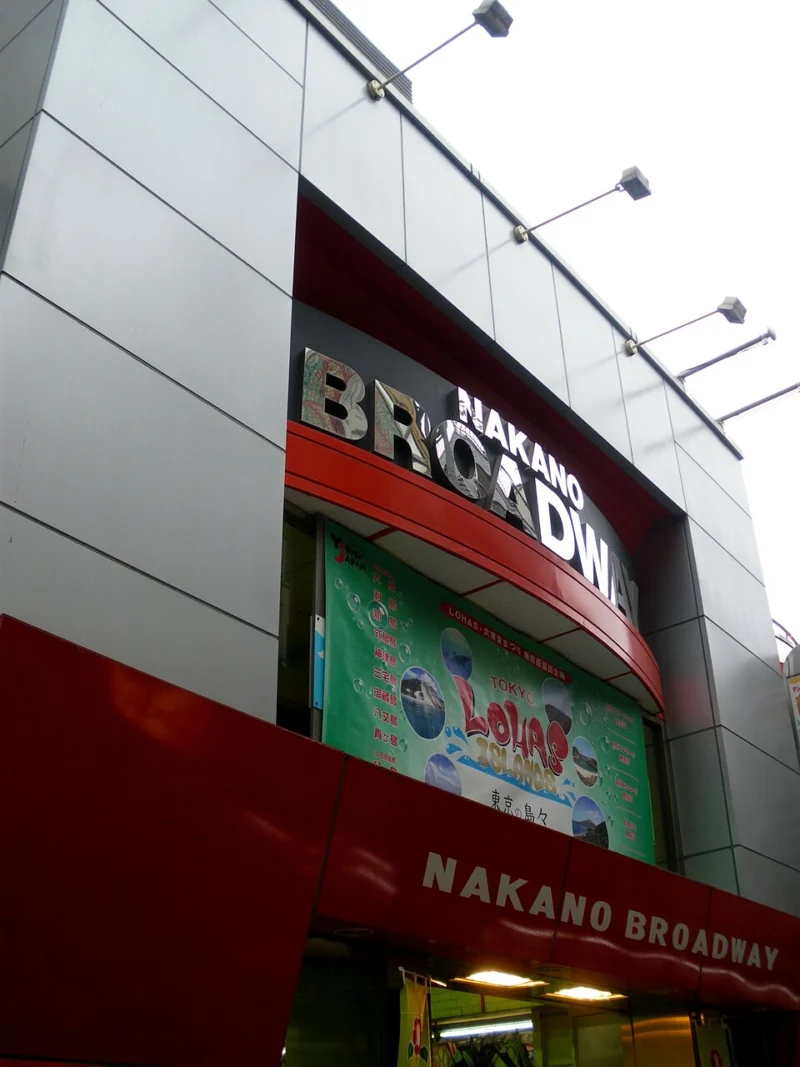
Nakano is a residential ward just west of Shinjuku, and at first sight it has little history. Look closer and it has a surprising amount. In 1695 the shogun Tsunayoshi, the “dog shogun”, built huge kennels here for Edo’s stray dogs. Later the Army ran its intelligence school here, and in 1966 Nakano Broadway opened as a modern shopping and apartment complex.

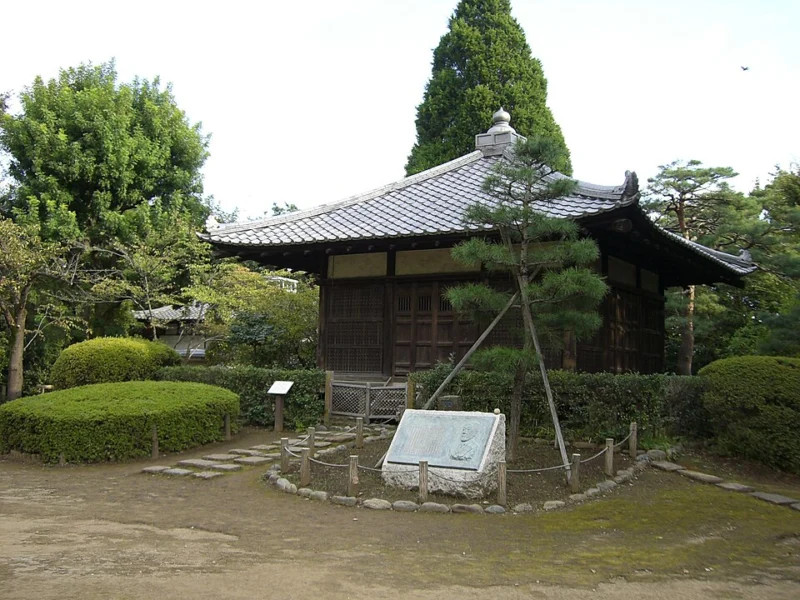
Start the morning at Tetsugakudō Park, the “park of philosophy” built by Inoue Enryō in 1904. Then walk south past Numabukuro Hikawa Shrine to the busy temple of Arai Yakushi. In the afternoon, explore the Shōwa-era shopping arcades around the station and the collectors’ shops of Broadway.

It works best as a quiet, cheaper base. The downside is that the main sights of old Edo are on the other side of the city, about 40 minutes away by train.

Local picks

For Culture & History
  • 1
    Early morningTetsugakudō ParkThe philosopher Inoue Enryō laid out this garden of ideas in 1904, with halls and paths named after stages of thought. The main hall honours the “Four Sages”: Buddha, Confucius, Socrates and Kant.
  • 2
    Neighbourhood shrineNumabukuro Hikawa ShrineThe local shrine of old Numabukuro village, in a quiet residential street on the way south. It is a calm stop between the park and Arai Yakushi.
  • 3
    Local faithArai Yakushi (Baishō-in)A busy temple dedicated to the Buddha of healing, popular with people praying for good eyesight and children’s health. The approach is lined with small shops.
  • 4
    Hidden historyNakano Shiki no Mori ParkThe Army’s Nakano School, which trained intelligence officers from 1938 to 1945, stood in Nakano 4-chome, where this park is today. Its best-known graduate, Hiroo Onoda, kept fighting in the Philippines until 1974.
  • 5
    Shōwa TokyoNakano BroadwayOpened in 1966 with shops below and apartments above, it is now full of tiny shops selling vintage manga, toys and watches. Head for the upper floors, where the collectors’ shops are.
  • 6
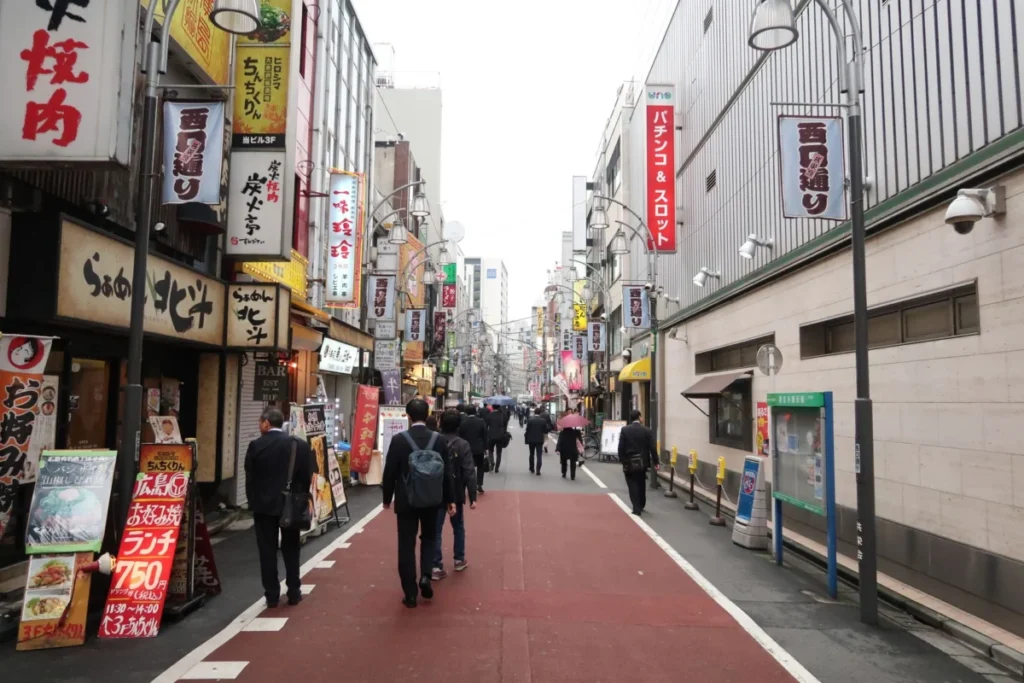
    EveningNakano Sun MallThe covered shopping street between the station and Broadway, over 200 metres long. The side alleys off it fill up with small bars and eateries in the evening.
  • Getting aroundNakano StationThe JR Chūō line reaches Shinjuku in a few minutes and Tokyo Station in about 20, and the Tōzai line runs to Ōtemachi. For Ueno, allow about 40 minutes.
  • Where to stayNakano has small hotels and serviced apartments, usually cheaper than in Shinjuku next door. Stay within ten minutes of Nakano Station so you can use the Chūō line every day.

Did you know?

The Dog Shogun’s Kennels In 1695 the shogun Tsunayoshi opened a huge facility here to keep Edo’s stray dogs.
Nakano Broadway, 1966 It opened as a shopping and apartment complex with a rooftop pool and garden.
A Park Built for Philosophy Inoue Enryō built Tetsugakudō in 1904 to honour Buddha, Confucius, Socrates and Kant.
Nakano

Planning your stay in Tokyo

For Culture & History
  • Four days of Tokyo historyDay 1: the Tokyo National Museum, Kan’ei-ji and the Yanaka temple district. Day 2: the Hokusai Museum, the Edo-Tokyo Museum and dinner in Ryōgoku. Day 3: Sensō-ji early, then the Imperial Palace East Gardens. Day 4: Nakano’s temples, or a day trip to Kamakura or Nikkō.
  • Tickets and timingMost museums open around 9.30 am and many close one day a week, so check the opening days before you plan. During sumo tournaments, Ryōgoku is at its busiest and the Kokugikan’s seats sell out early.
  • Beat the crowdsVisit Sensō-ji and the Ueno shrines early in the morning, and spend the busy middle of the day in museums. In cherry-blossom season, Ueno Park is packed from mid-morning.
  • Beyond the top tenThe Sumida Hokusai Museum, the Japanese Sword Museum, the former Iwasaki House and Tetsugakudō Park rarely appear on first-time lists but are well worth a morning.
Self-guided walking tours Culture & History (Tokyo, Japan)
Routes 4
Pick a route

Best time to visit Tokyo (Japan)

Now (November) avg high: 17°C, mostly dry, full season — expect crowds. Best months to walk: Dec & Jul.

Live Temp …
~Day / Night Temp 17°C / 9°C
Sunrise / Sunset 6:13 / 16:37
Local time 12:32
Sea Temp 18°C
Best Months Dec & Jul
J Jan F Feb M Mar A Apr M May J Jun J Jul best month A Aug S Sep O Oct N Nov this month D Dec best month
Check Tokyo hotels
Temperature Average daytime high, month by month. Zero line marks freezing point.
Crowds How busy it gets — traveller interest by month.
Sea temperature Sea warmth for swimming, by month.
Rainfall Rainy days to expect each month.
Sunshine Hours of sun per day, by month.
Tokyo guides →

Best hotels in Tokyo for history lovers

Hotels within walking distance of Ueno Park’s museums, the Ryōgoku sumo quarter and Tokyo’s older temples.
Mitsui Garden Hotel Ueno
Premium stay
8.5 Excellent
2505 reviews

Mitsui Garden Hotel Ueno

A large, modern hotel on Asakusa-dōri in Higashi-Ueno, a few minutes’ walk from Ueno Station. Ueno Park, with the Tokyo National Museum and Kan’ei-ji, is about ten minutes away on foot, and the Ginza line takes you to Asakusa in five minutes.

Ideal for: History lovers who want the museums and good transport
&Here TOKYO UENO
Editor’s choice
8.7 Excellent
1821 reviews

&Here TOKYO UENO

A modern hotel in Ueno 2-chome, just south of Shinobazu Pond. Izuei, the eel restaurant that goes back to the 1700s, is round the corner, and the Iwasaki mansion and Bentendō are a short walk away.

Ideal for: History lovers who want to walk everywhere in Ueno
The Gate Hotel Ryogoku by Hulic
Top pick
9.1 Superb
2854 reviews

The Gate Hotel Ryogoku by Hulic

A 4-star hotel in Yokoami, on the Ryōgoku side of the Sumida River, with a terrace that looks over the water. Ryōgoku Kokugikan, the sumo hall, and Sumida Park are close by, so the old east side of the city is right outside. With nearly 3,000 guest reviews and a 9.1 score, it is one of the safest bookings in this guide.

Ideal for: History lovers who want sumo and the old east side on foot
Hotel Route-Inn Grand Tokyo Asakusabashi
Smart choice
8.8 Fabulous
1958 reviews

Hotel Route-Inn Grand Tokyo Asakusabashi

A 3-star hotel two minutes from exit A4 of Asakusabashi Station on the Toei Asakusa line, which runs straight to Asakusa and Sensō-ji. Ryōgoku is just across the river, about a 10-minute walk, and there is a public bath in the hotel for tired legs after a day of walking. Rooms are simple, but the price and the breakfast buffet make it good value.

Ideal for: History lovers on a budget who want Asakusa and Ryōgoku nearby
illi Esu Nakano
Boutique stay
9.2 Outstanding
180 reviews

illi Esu Nakano

A small, very highly rated hotel in residential Nakano. It is a quiet base for Arai Yakushi, Tetsugakudō Park and the Shōwa-era arcades, and the Chūō line reaches Shinjuku in a few minutes.

Ideal for: History lovers who prefer a quiet local base
COCOSHUKU Nakano
Walkable area
8.2 Very Good
97 reviews

COCOSHUKU Nakano

A compact hotel in Nakano, within walking distance of the station, Nakano Broadway and the Sun Mall arcade. It suits travellers who spend their days on the east side and want a calm, cheaper place to sleep.

Ideal for: Travellers who want a simple base on the Chūō line
illi Sun Shimokitazawa
Boutique stay
8.7 Excellent
328 reviews

illi Sun Shimokitazawa

A small hotel in Shimokitazawa, a short walk from the Honda Theatre and the small stages around the station. Ueno and the east side are about 45 minutes away by train, so choose it for Tokyo’s 20th-century culture rather than for temples.

Ideal for: Travellers interested in theatre and modern Tokyo culture
Mi-Hotel Shimokitazawa 渋谷下北沢
Walkable area
8.6 Excellent
277 reviews

Mi-Hotel Shimokitazawa 渋谷下北沢

A compact hotel in Shimokitazawa, close to the Odakyu and Keio Inokashira lines. Shibuya and Shinjuku are a few stops away, but the big museums are on the other side of the city.

Ideal for: Travellers who want lively evenings over sightseeing

Visiting in cherry-blossom season or during a sumo tournament?

Late March to early April fills every hotel near Ueno Park, and Ryōgoku books up during the January, May and September tournaments — book early.

Compare Tokyo hotels for history lovers

Location, distance to the museums and temples, and what makes each one special — side by side.
Mi-Hotel Shimokitazawa 渋谷下北沢
Walkable area
8.6 Excellent
277 reviews

Mi-Hotel Shimokitazawa 渋谷下北沢

Shimokitazawa • Compact hotel • Near the station
Evenings in Shimokitazawa
Public Transport
Easy train access
The Gate Hotel Ryogoku by Hulic
Top pick
9.1 Superb
2854 reviews

The Gate Hotel Ryogoku by Hulic

Ryōgoku • 4-star hotel • Yokoami, by the Sumida River
The Ryōgoku base for sumo
Walkability
Near Ryōgoku Kokugikan

Traditional Local Food Tokyo (Japan)

Snack Vegetarian

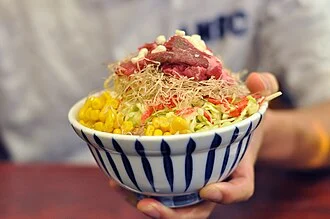
Monjayaki

もんじゃ焼き
mon-jah-yah-kee

A savory pancake with a variety of ingredients and a unique batter.

Open Monjayaki recipe
Main course Fish & Seafood

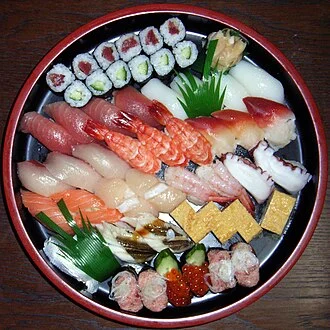
Nigiri

握り
Nee-gee-ree

Hand-formed rice balls topped with slices of raw fish.

Open Nigiri recipe
Main course Meat

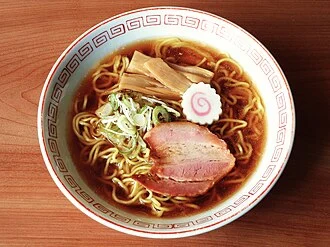
Ramen

ラーメン
rah-muhn

Wheat noodles in a savory broth with toppings.

Open Ramen recipe
Main course Vegan

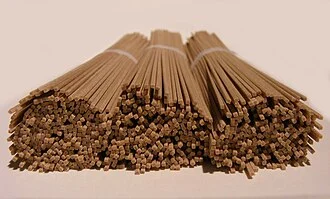
Soba

そば
So-bah

Buckwheat noodles served hot in broth or cold with a dipping sauce.

Open Soba recipe
Main course Fish & Seafood

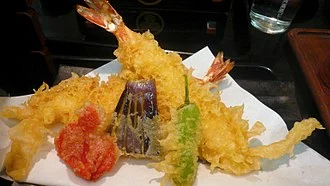
Tempura

天ぷら
tem-poo-rah

Battered and deep-fried seafood or vegetables.

Open Tempura recipe
Main course Meat

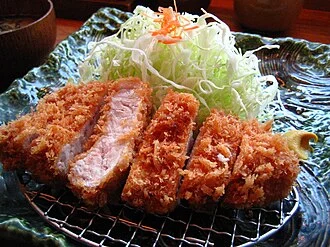
Tonkatsu

豚カツ
ton-KAH-tsu

Breaded and deep-fried pork cutlet, usually served with shredded cabbage.

Open Tonkatsu recipe
Main course Fish & Seafood

Unagi Kabayaki

うなぎ蒲焼
oo-nah-gee kah-bah-yah-kee

Grilled eel glazed with sweet soy-based sauce.

Open Unagi Kabayaki recipe
Snack Meat

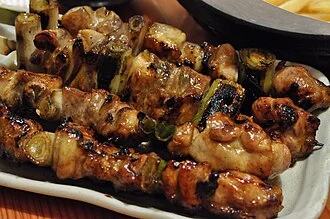
Yakitori

焼き鳥
yah-kee-toh-ree

Grilled skewers of chicken, often seasoned with tare sauce or salt.

Open Yakitori recipe

Activities & Experiences

Things to Do in Tokyo

Top-rated tours, day trips and local experiences — book in advance to secure your spot.

City & Country Data Tokyo (Japan)

Key travel data for Tokyo — local prices, safety, healthcare, local currency and essentials, curated by Triplandio.

Safety 🔒 89
Health 🏥 100
Lifestyle ⭐ 48
Infra 🏗️ 100
Rank 🎯 #5
Score 📊 70
Tourists ✈️ 4.1M/y
GDP/cap 💵 $36.0k
Life Exp ❤️ 84.0 yrs
Population 👥 123.4M
Currency 💱 JPY ¥
Language 🗣️ Japanese
Payments 💳 Mixed
Emergency 🆘 110
Coffee ☕ $3.68
Beer 🍺 $4.08
Lunch 🍽️ $8.00
Groceries 🛒 $60.00/w
Taxi/km 🚕 $1.50
Transit 🚇 $1.50
Fuel ⛽ $1.20/l
Internet 📡 $45.00/m
Salary 💵 $3,000/m

Travel tipsTokyo (Japan)

Quick tips

  1. Kabukicho is the drink-spiking hotspot — Critical

    Kabukicho in Shinjuku is where most British victims of spiking and card fraud in Japan were targeted, and visitors of any nationality are at risk once English-speaking street touts (kyakuhiki) lead them into bars. Walk past any tout.

  2. Some cold and allergy medicines are banned — Critical

    Japan's strict stimulant-drug law covers Vicks inhalers, cold and flu tablets containing pseudoephedrine, some allergy and sinus remedies and some codeine painkillers. Visitors have been detained and deported, so check your medicines with the Japanese embassy before you fly.

  3. Don't follow street touts into bars — Critical

    In nightlife districts such as Kabukicho, Roppongi, Shibuya and Ikebukuro in Tokyo, touts lure visitors into bars where drinks are spiked and huge sums are charged to their cards. Ignore touts and check prices before you order.

  4. Always carry your passport — Caution

    Tourists in Japan must carry their passport at all times, not a photocopy. Police can arrest you if you cannot show proof of your permission to stay.

  5. Smoking on the street is often banned — Caution

    Smoking while walking on the streets of Tokyo and many other Japanese cities is illegal. Look for the designated smoking areas, usually near stations, and smoke only there.

  6. Carry cash as well as cards — Local tip

    Many small restaurants, shrines, temples and rural shops in Japan still take cash only. ATMs at 7-Eleven stores and post offices are the most reliable for foreign cards.

  • Do
  • Carry your passport at all times
  • Take shoes off where slippers wait
  • Wash before getting into an onsen
  • Carry cash for small places
  • Take your rubbish with you
  • Don’t
  • Bring pseudoephedrine medicine
  • Follow touts into bars
  • Tip in restaurants
  • Smoke while walking
  • Take phone calls on trains

Tokyo tips for history lovers

Time your trip for a sumo tournament

Three of the six grand tournaments take place at the Ryōgoku Kokugikan, in January, May and September. Even outside the tournaments, Ryōgoku has chanko restaurants and sumo stables around every corner.

Tip: Sumo in January, May and September

Walk from Ueno to Yanaka

Behind Kan’ei-ji, the Yanaka temple district and cemetery came through the 1923 earthquake and the wartime bombing better than most of Tokyo. It is a 10–15 minute walk from the Tokyo National Museum.

Tip: Old Tokyo behind Ueno Park

Cross the river to Asakusa

Sensō-ji is Tokyo’s oldest temple, and Asakusa was Edo’s entertainment district. From Ueno it is five minutes on the Ginza line; from Ryōgoku, walk up the Sumida River.

Tip: Sensō-ji, five minutes from Ueno

Shop a 16th-century flea market

The Setagaya Boro-ichi flea market has been held since 1578, on 15–16 December and 15–16 January. Combine it with Gōtoku-ji, the temple of the beckoning cat, on the same side of the city as Shimokitazawa.

Tip: A market running since 1578

Tokyo for history lovers: FAQ

When is the best time to visit Tokyo?

The best time to visit Tokyo is December and July — fewer crowds, comfortable temperatures, less rain and more sunshine. Compare every month in the seasonal chart above.

Which area of Tokyo is best for history lovers?

Ueno is the best base: the Tokyo National Museum, Kan’ei-ji, Ueno Tōshō-gū and the Yanaka temple district are all within walking distance, and Asakusa is five minutes away on the Ginza line. Choose Ryōgoku in Sumida if Edo history and sumo interest you most.

Is the Edo-Tokyo Museum open again?

Yes. The museum in Ryōgoku closed in April 2022 for its first major renovation since 1993 and reopened on 31 March 2026. Check the museum’s website for current opening days before you go.

Where can I learn about sumo history in Tokyo?

Go to Ryōgoku. Tournaments are held at the Ryōgoku Kokugikan in January, May and September, and the nearby temple Ekō-in hosted sumo from 1833 until the first Kokugikan opened in 1909.

Where can I eat in a historic restaurant in Tokyo?

Izuei by Shinobazu Pond in Ueno has served eel since around 1750, and Chanko Tomoegata in Ryōgoku has been cooking sumo wrestlers’ hotpot for more than a hundred years.

Are Nakano and Shimokitazawa worth it for history lovers?

They are quieter bases with a different kind of history: temples, the 1904 Tetsugakudō and Shōwa-era arcades in Nakano, and Tokyo’s small-theatre scene in Shimokitazawa. For museums and Edo-period sights, Ueno and Ryōgoku are much closer.

How many days do I need in Tokyo for history?

Four days is a good start: one for Ueno Park and Yanaka, one for Ryōgoku and Asakusa, one for the Imperial Palace area and one for Nakano or a day trip to Kamakura or Nikkō.

Tokyo for history lovers

★ For history lovers
Fires, the 1923 earthquake and the 1945 bombing destroyed most of old Edo, so Tokyo’s history hides in temples, gardens and very good museums. This guide picks four areas for history lovers — museum-packed Ueno, sumo-town Ryōgoku in Sumida, temple-dotted Nakano and theatre-mad Shimokitazawa — with a walk, the sights worth your time and a hotel in each.
  • Handpicked hotels
  • Areas close to the history
  • Museums and landmarks on foot
  • Updated 2026
Asia — Japan — Tokyo — Where to Stay in Tokyo for History Lovers: Museums, Temples and Old Edo
keyboard_arrow_up