
Written for newlyweds by people who know Tokyo beyond the tower hotels: walks, tables for two and quiet streets. Updated 2026.

Where to Stay in Tokyo for a Honeymoon: Local Neighbourhoods

The local half of a Tokyo honeymoon: four old neighbourhoods where the two of you live like residents, not tourists.

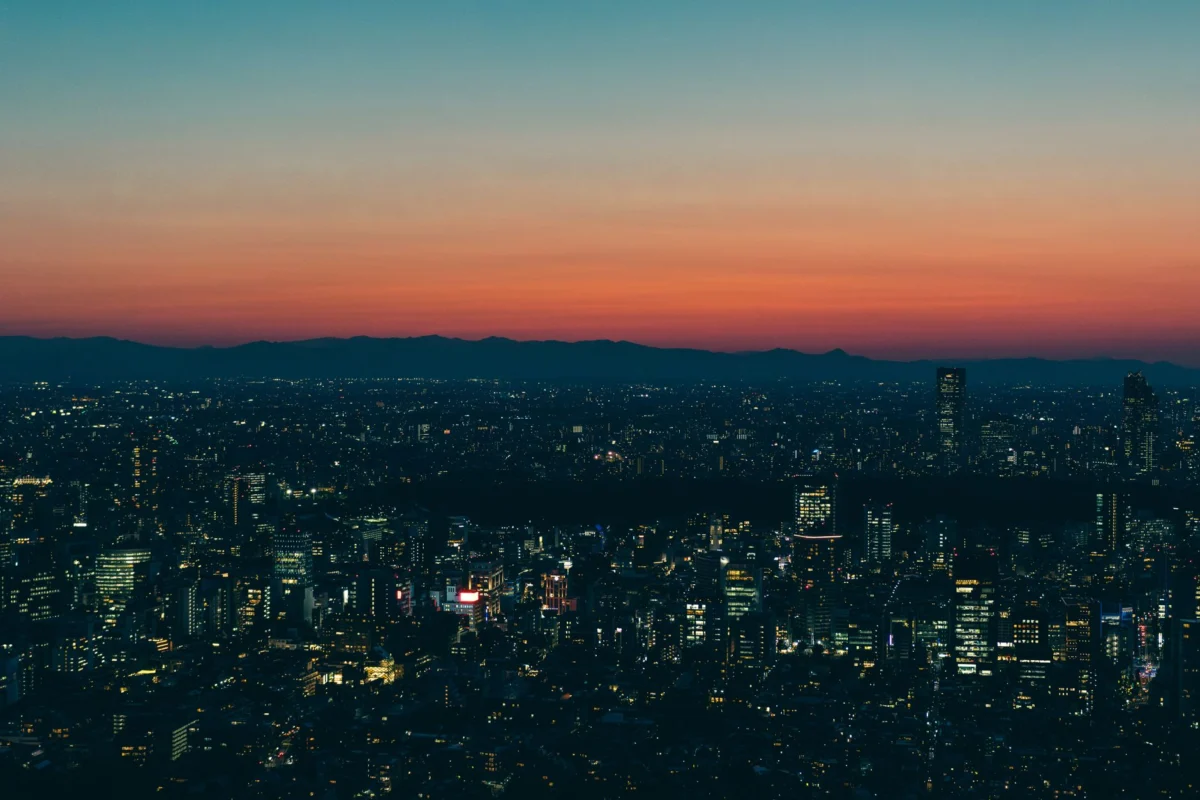
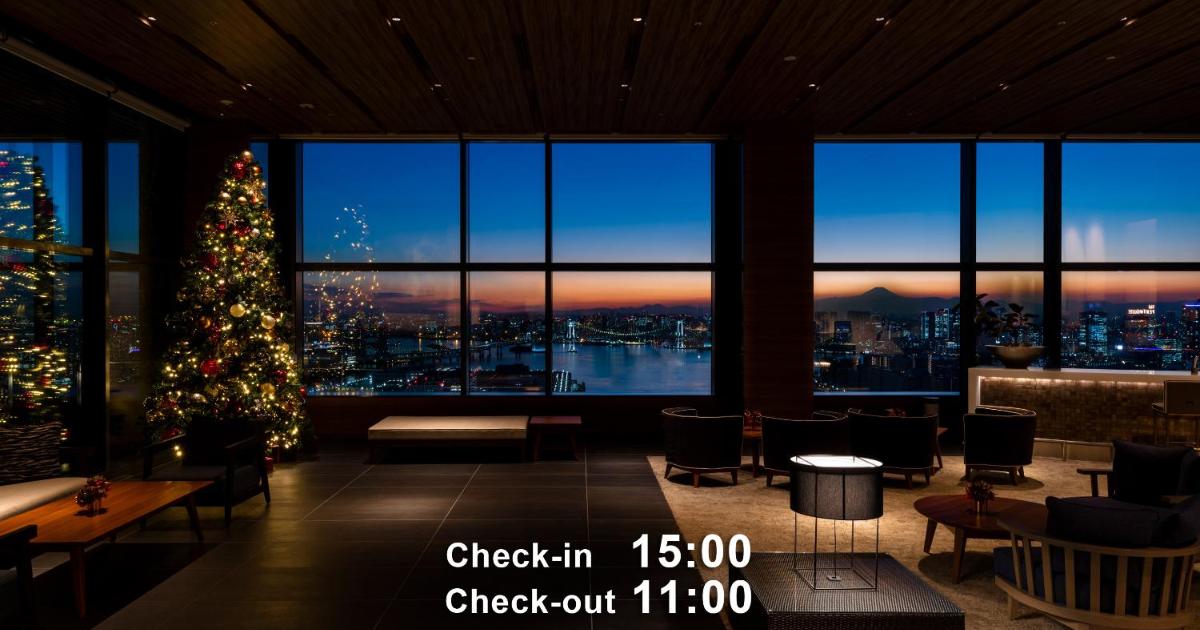
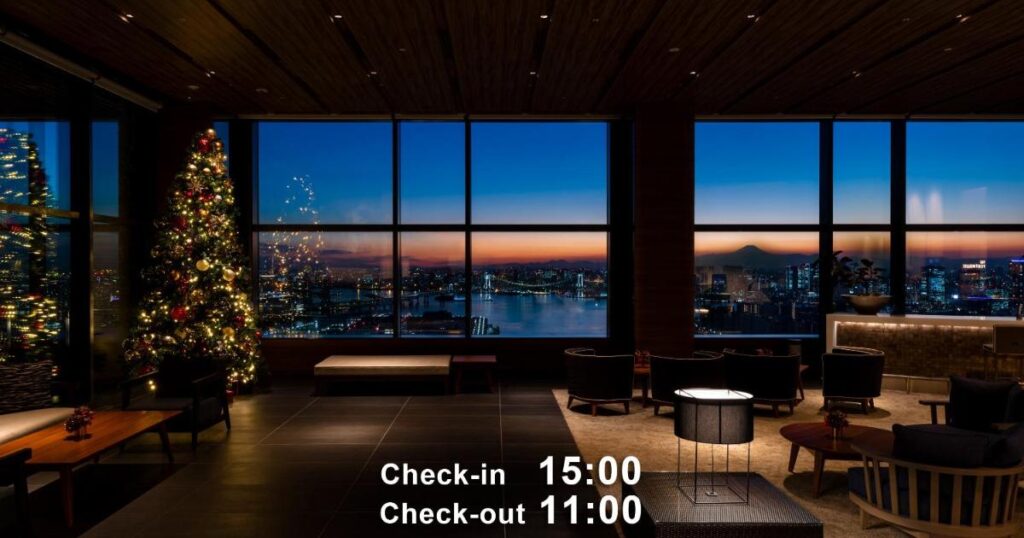
Romantic view of Tokyo's skyline during sunset
At a Glance
Country Japan
City Tokyo
Day / Night 17° / 9°
Local Time 14:17
November — Now Peak season
Best Months Dec · Jul

Many couples split a Tokyo honeymoon in two: a few nights high up in a hotel with a view, and a few somewhere real. This guide is for the second half. It picks four neighbourhoods where Tokyo still feels like a village (temple-town Yanaka, bohemian Koenji, riverside Tsukishima and Shimokitazawa), with a day plan for two, a dinner table and a place to stay in each. The stays are small and simple; the luxury here is the neighbourhood.

Our favourite stays for a local Tokyo honeymoon

Editor’s choice
⭐ 8.6
Nakano World Hotel

Nakano World Hotel

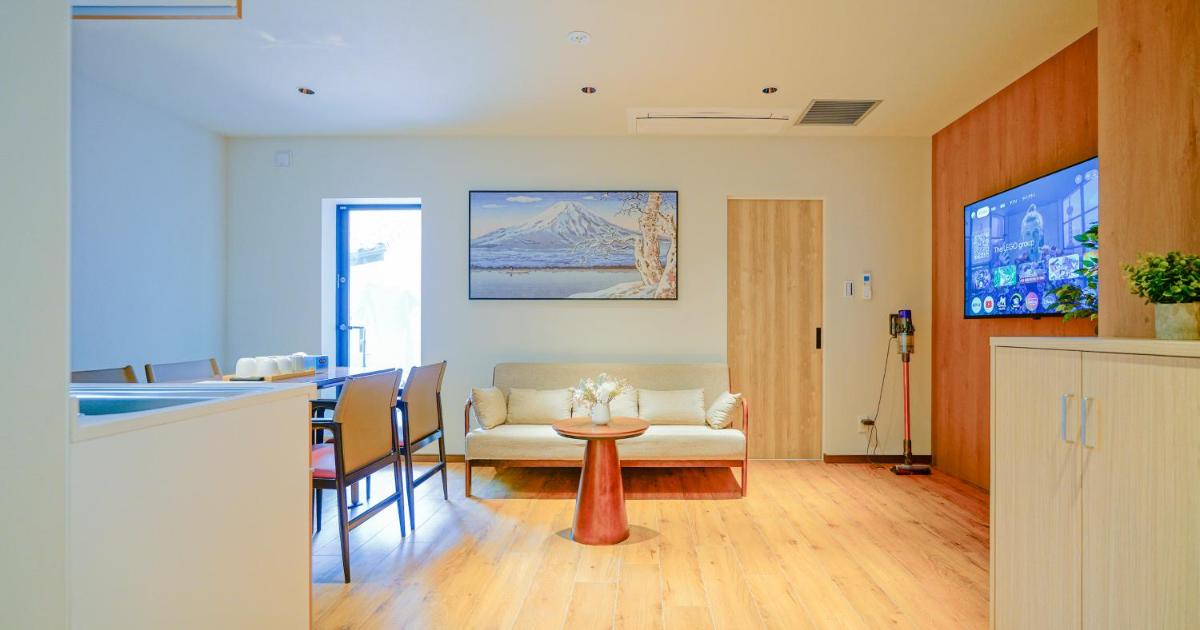
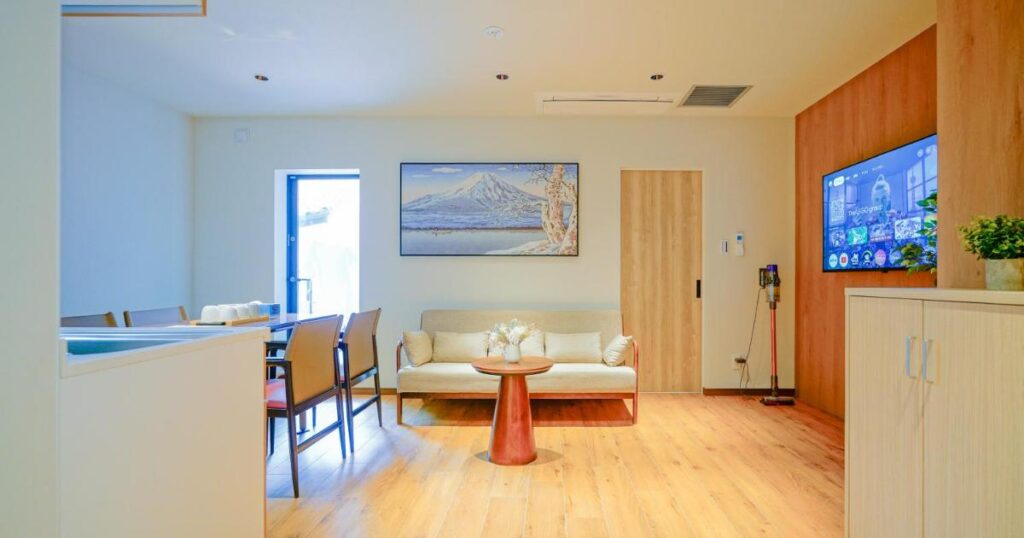
Nakano World Hotel is in Nakano 5-chome on the north side of Nakano station, one stop from Koenji on the JR Chuo line, so the yakitori counters and vintage shops are a two-minute train ride away. Rooms come with a small kitchen and dining area, which is handy for quiet mornings in, and there is a coffee shop and a lift. Its 8.6 comes from only about 80 reviews, and it is a simple 3-star rather than a special-occasion hotel.

Best for couples
⭐ 9.1
Hotel Indigo Tokyo Shibuya by IHG

Hotel Indigo Tokyo Shibuya by IHG

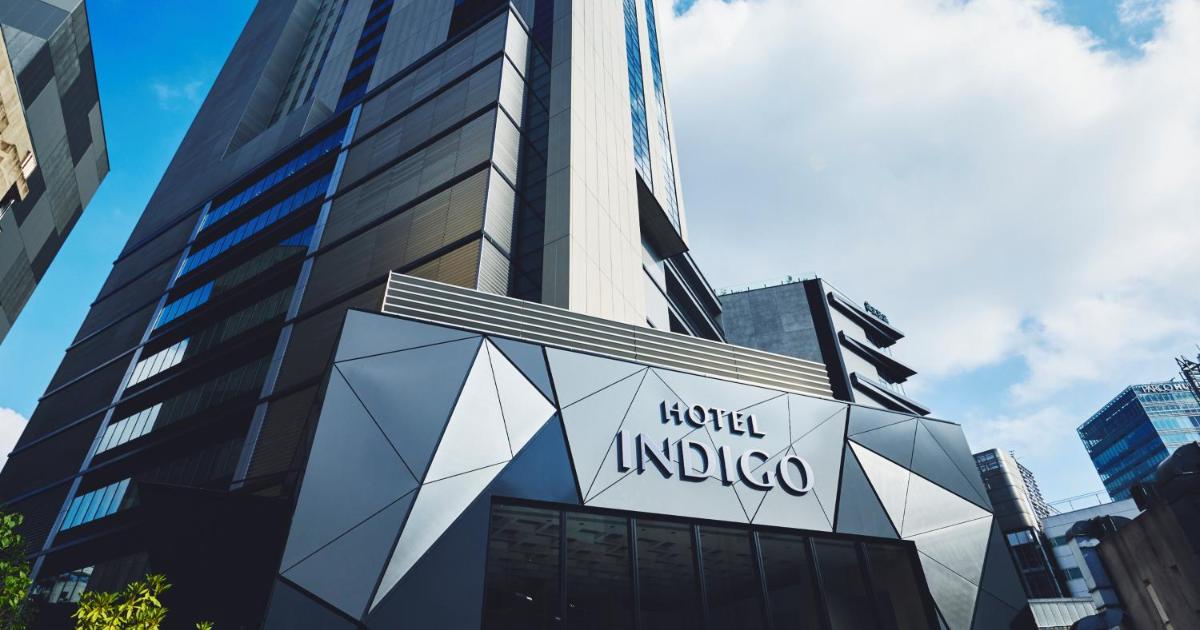
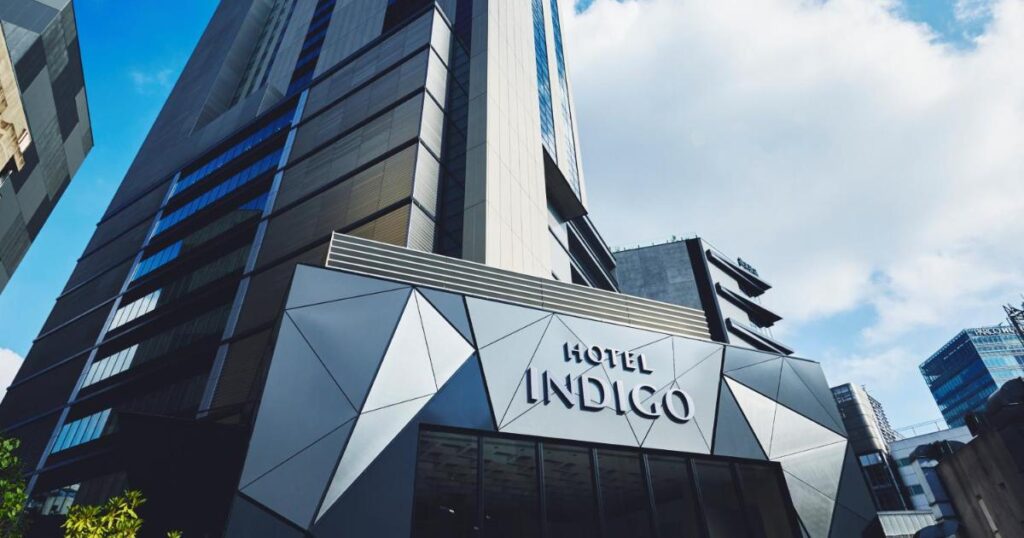
Hotel Indigo Tokyo Shibuya stands on Dogenzaka, a few minutes' walk from Shibuya station, where the Keio Inokashira line takes you to Shimokitazawa in a short train ride. Rooms have city views and minibars, and there are two restaurants, a bar, a terrace and a fitness centre, with a breakfast guests rate very highly. It scores 9.1 from more than 1,700 reviews, so you get a proper honeymoon hotel at the cost of sleeping outside Shimokitazawa itself.

Top pick
⭐ 9.1
Mitsui Garden Hotel Toyosu Premier

Mitsui Garden Hotel Toyosu Premier

A 5-star hotel at Toyosu 2-2-1, across the canal from Tsukishima, about 1.5 km from its monjayaki street and a short taxi ride away. Rooms look over the garden or the city, and there is a public bath, a bar and an Italian restaurant. It has 2,876 reviews averaging 9.1.

Which Tokyo neighbourhood suits your honeymoon?

Temples, vintage shops, the river or theatre town: pick the mood and we will show you the area.

Best choice: Yanaka (谷中)

Best for: Temples and quiet lanes

Best choice: Koenji (高円寺)

Best for: Vintage and live music

Best choice: Tsukishima (月島)

Best for: River walks and monja

Best choice: Shimokitazawa (下北沢)

Best for: Vintage and slow days

Where to stay in Tokyo for a local honeymoon

Small, well-rated stays in four real neighbourhoods. Pair them with a splurge night elsewhere in the city.

Hotel Indigo Tokyo Shibuya by IHG
Best for couples
⭐ 9.1 Superb
1716 reviews

Hotel Indigo Tokyo Shibuya by IHG

Shibuya, for Shimokitazawa • 5-star hotel • Dogenzaka

Hotel Indigo Tokyo Shibuya stands on Dogenzaka, a few minutes' walk from Shibuya station, where the Keio Inokashira line takes you to Shimokitazawa in a short train ride. Rooms have city views and minibars, and there are two restaurants, a bar, a terrace and a fitness centre, with a breakfast guests rate very highly. It scores 9.1 from more than 1,700 reviews, so you get a proper honeymoon hotel at the cost of sleeping outside Shimokitazawa itself.

  • Short train ride to Shimokitazawa
  • Bar, terrace and two restaurants
  • 9.1 from 1,700+ reviews
Mitsui Garden Hotel Toyosu Premier
Top pick
⭐ 9.1 Superb
2876 reviews

Mitsui Garden Hotel Toyosu Premier

Tsukishima • 5-star hotel • Toyosu 2-chome

A 5-star hotel at Toyosu 2-2-1, across the canal from Tsukishima, about 1.5 km from its monjayaki street and a short taxi ride away. Rooms look over the garden or the city, and there is a public bath, a bar and an Italian restaurant. It has 2,876 reviews averaging 9.1.

  • Public bath in the hotel
  • Garden or city views
  • Short taxi ride to Tsukishima
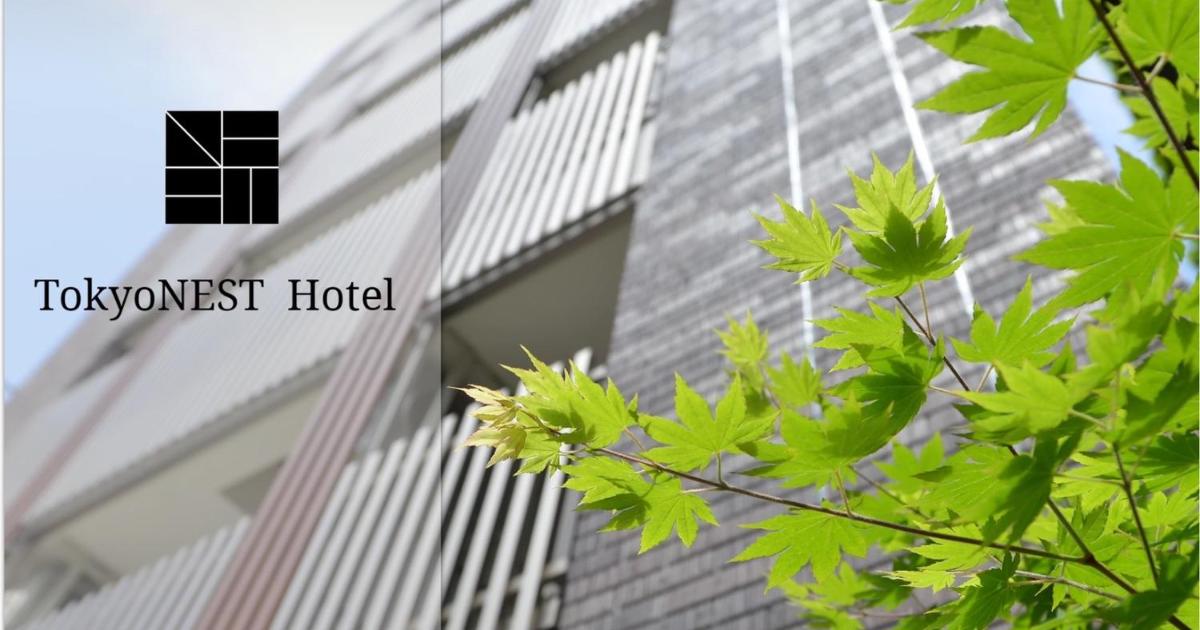
TokyoNEST Nippori
Smart choice
⭐ 9.1 Superb
1314 reviews

TokyoNEST Nippori

Nippori, for Yanaka • 3-star hotel • East Nippori

TokyoNEST Nippori is in East Nippori, on the other side of Nippori station from Yanaka, so the cemetery, the temples and Yanaka Ginza are a walk across the tracks. Rooms have balconies, a fridge and a kitchenette, some with tatami floors, and there is a terrace and lounge. It scores 9.1 from over 1,300 reviews, but it is a practical 3-star rather than a special-occasion hotel.

  • Walk to Yanaka across the tracks
  • Balcony rooms, some with tatami
  • 9.1 from 1,300+ reviews

How we choose

We start from the neighbourhood (quiet at night, walkable, close to a station), then look at guest ratings. When a stay is simple, we say so.

The best local areas in Tokyo for a honeymoon

Four neighbourhoods, each with a day plan for two: a morning walk, lunch, a sunset and dinner.

Yanaka (谷中)

Yanaka is the slow, old-Tokyo chapter of a honeymoon. Together with Nezu and Sendagi it forms Yanesen, one of the few parts of the city where many wooden houses, small temples and family shops survived the wartime bombing. Retirees, artists and young families live here, and by 9 pm the lanes are almost silent.

Start early at Nezu Shrine and walk its tunnel of red torii before anyone else arrives. Spend the late morning under the trees of Yanaka Cemetery, stop for matcha and a seasonal sweet, then climb to the roof garden of the Asakura Museum of Sculpture. As the light goes, stand at the top of the Yuyake Dandan steps, then walk down to Nezu for dinner in a Meiji-era wooden house.

The honest downside: there are no big hotels here and very little nightlife. You come for quiet mornings and early nights; for anything glamorous, Ueno and Tokyo Station are a short train ride away.

Local picks

For Honeymoon
  • 1
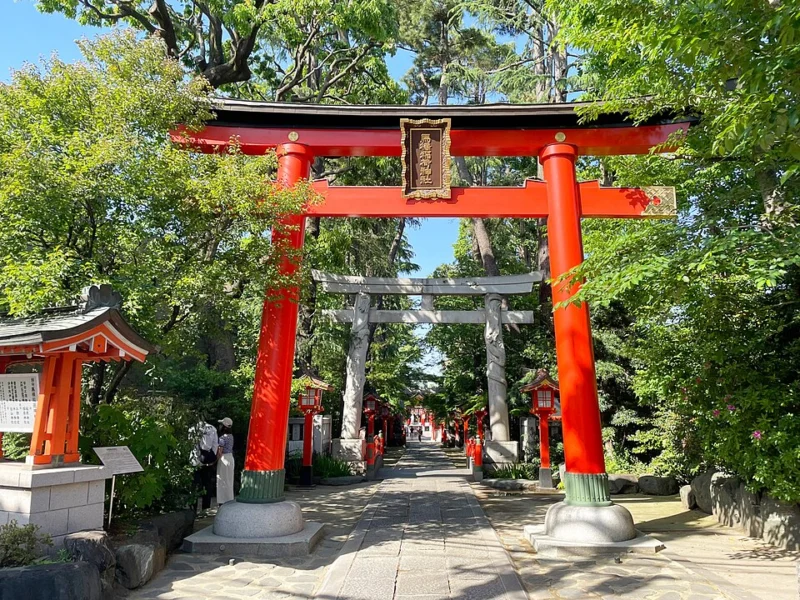
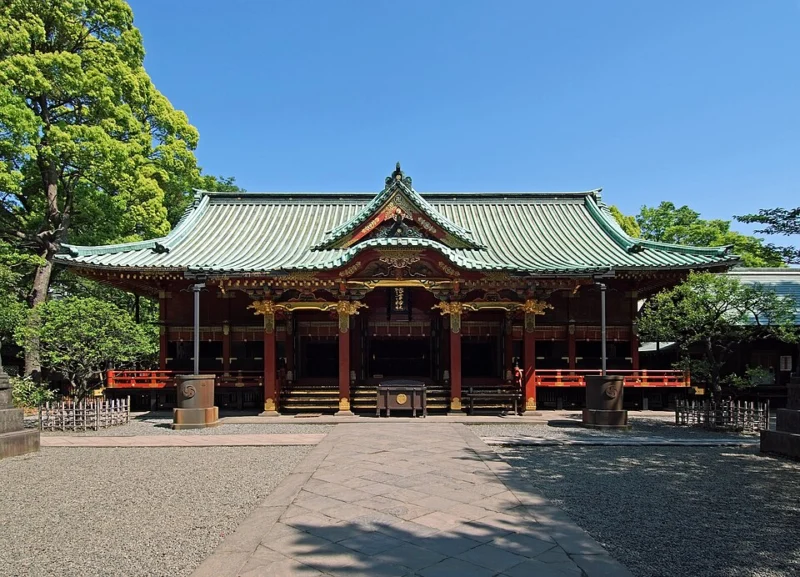
    Early morningNezu ShrineMoved here in 1705, it is one of the oldest shrines in Tokyo, and its path of vermilion torii climbs the hillside beside the main hall. The grounds open at 6 am, so come early and you will have the tunnel to yourselves. From April into early May the slope is covered in azaleas.
  • 2
    Late morningYanaka CemeteryAbout 7,000 graves under old trees, with the base of a lost five-storey pagoda halfway along the central avenue. In early April that avenue becomes a tunnel of cherry blossom; the rest of the year it is one of the quietest walks in the city. The last shogun, Tokugawa Yoshinobu, is buried here.
  • 3
    ArtSCAI The BathhouseA contemporary art gallery inside a former sento, a neighbourhood public bath, on the slope below the cemetery. It opens from noon, Tuesday to Saturday.
  • 4
    Tea breakTōrindōA traditional sweets shop in Ueno-Sakuragi where you can sit down to a bowl of matcha with a seasonal wagashi. A calm half hour before the afternoon.
  • 5
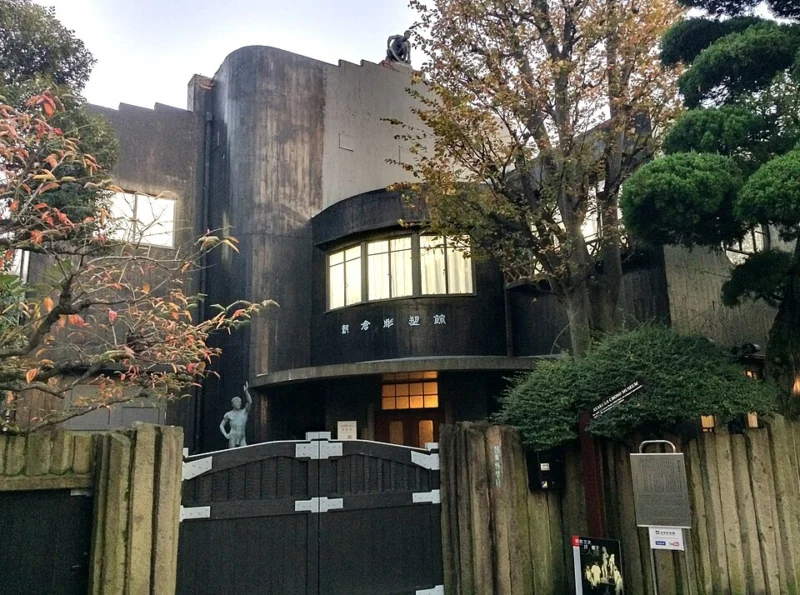
    AfternoonAsakura Museum of SculptureThe home and studio of Fumio Asakura, the father of modern Japanese sculpture, built around a water garden. Go up to the roof garden together and look out over the temple roofs of Yanaka. Open until 4.30 pm and closed on Mondays and Fridays.
  • 6
    ShoppingYanaka GinzaA shopping street from the 1950s with about 60 small shops selling rice crackers, pickles, croquettes and tea. Buy a snack to share and eat it by the shop, not while walking.
  • 7
    SunsetYuyake DandanThe 36 stone steps at the top of Yanaka Ginza. On a clear evening the street below glows orange, which is how the steps got their name.
  • 8
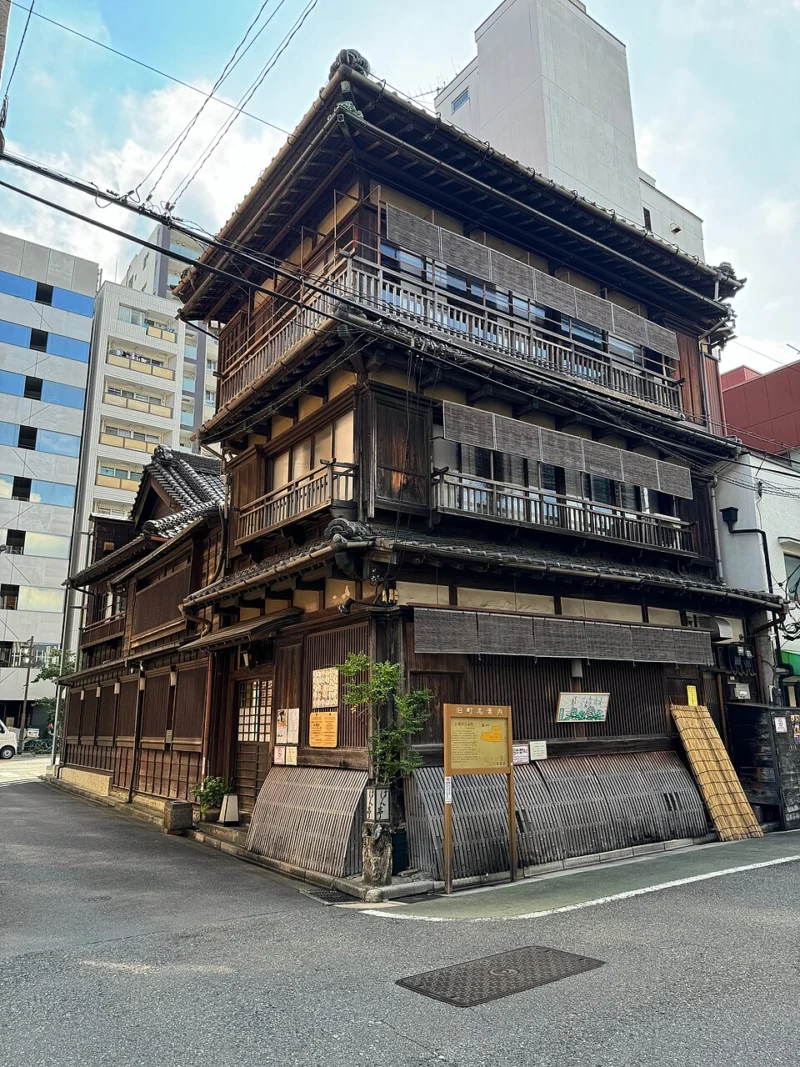
    DinnerHanteiKushiage, skewers of meat, fish and seasonal vegetables fried one at a time, served in a three-storey Meiji-era wooden house that survived the 1923 earthquake and is a registered cultural property. Ask for a table upstairs, where the windows look over tiled roofs, and book through the restaurant’s website. It is about 15 minutes’ walk from the steps.
  • Getting aroundNippori, Sendagi and NezuNippori station (JR Yamanote line, and the Keisei Skyliner from Narita airport) is at the top of the cemetery. Sendagi and Nezu on the Chiyoda subway line are at the bottom of the hill.
  • Where to stayLook for a small ryokan or guesthouse with an en-suite room; several traditional inns here share their baths, so check before you book. The lanes are quiet at night, but walls are thin in old wooden houses.

Did you know?

A cemetery taken from a temple In 1872 the Meiji government turned part of the grounds of Tennō-ji temple into a public cemetery, then the largest in Japan.
A sculptor’s roof garden Fumio Asakura’s house and studio has the oldest surviving roof garden in Tokyo, where his students grew radishes and tomatoes.
Steps named for the sunset Yuyake Dandan means sunset steps; the writer Mayumi Mori gave the stairs their name in 1990.
Yanaka (谷中)

Koenji (高円寺)

Koenji is Tokyo’s bohemian west: second-hand clothes, record shops, tiny bars and live houses packed along the lanes on both sides of the Chuo line. It missed the 1980s building boom, so most shops are small and run by their owners, and the people who live here are musicians, students and young couples who like it a little scruffy.

For a honeymoon this is the fun, unpolished chapter. Spend the morning in Sanshi-no-mori Park and the temple grounds, pray for good weather at Japan’s only weather shrine, then lose the afternoon hunting vintage in the covered shopping streets. In the evening, eat elbow to elbow with locals and look for a live house with a band you have never heard of.

The honest downside: Koenji is not pretty or romantic in the usual sense, and the streets by the station stay loud until late. Choose it if you want to laugh and explore together, not for candlelit dinners, and keep your room away from the bars under the tracks.

Local picks

For Honeymoon
  • 1
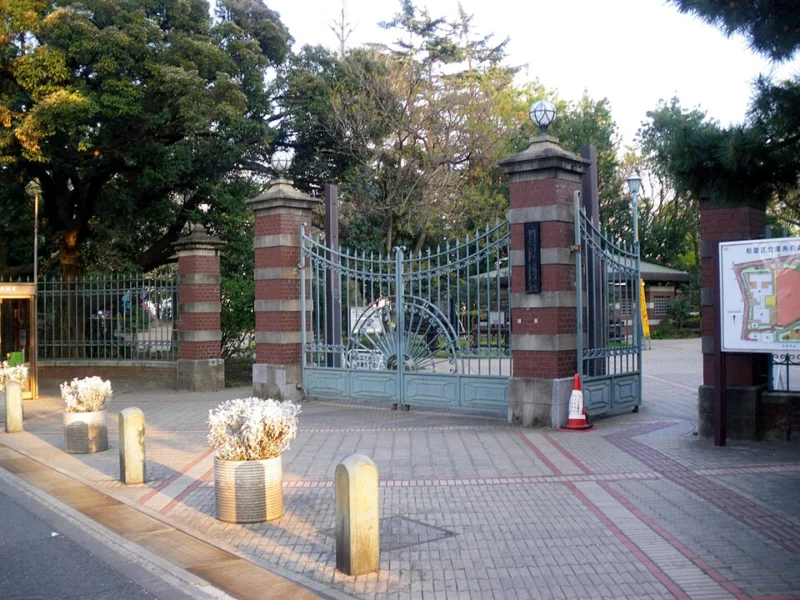
    MorningSanshi-no-mori ParkA calm park on the site of a government silk research station that moved away in 1980; its old brick gate still stands. Walk the lawns and the pond in the morning, then head north into Koenji.
  • 2
    TempleKōenji TempleThe Zen temple that gave the district its name. Shogun Iemitsu is said to have sheltered here from the rain while out hunting, and to have renamed the village after it. Look for the stone torii with dragons carved around its pillars.
  • 3
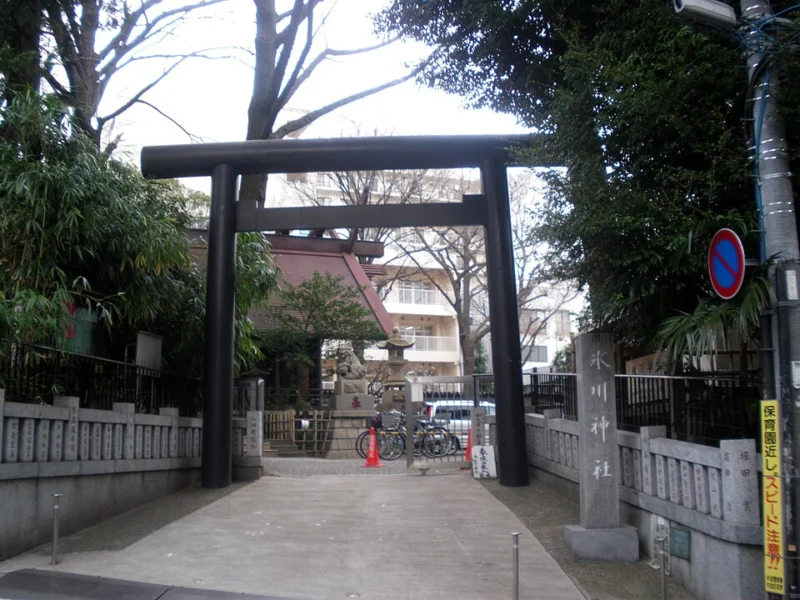
    Weather shrineKōenji Hikawa ShrineInside the grounds of this neighbourhood shrine stands Kishō Jinja, dedicated to the weather. Buy a votive plaque together and wish for sunny days on the rest of your honeymoon. The gates close at night.
  • 4
    VintageJunjō ShōtengaiThe covered shopping street north of the station takes its name from a prize-winning novel set in Koenji. With the PAL and Look streets on the south side, it is where you find the second-hand clothes and records Koenji is known for.
  • 5
    AfternoonMabashi Inari ShrineA quiet shrine about 10 minutes’ walk west of the station, with a long approach under the trees. Its dragon torii carries the same stonemason’s name as the one at Kōenji Temple.
  • 6
    DinnerBaan EsanA small Thai restaurant up a flight of stairs on the PAL shopping street, a minute from the south exit. Generous portions, a busy room and low prices.
  • NightA live houseKoenji is full of small live music venues around the station. Read the posters outside, pick a band you have never heard of and pay at the door.
  • Getting aroundKoenji stationKoenji is on the JR Chuo line, under 10 minutes from Shinjuku. At weekends the rapid trains do not stop here, so take the Chuo-Sobu local line or the Marunouchi subway to Higashi-Koenji or Shin-Koenji.
  • Where to stayStay within 10 minutes of the station but away from the bar alleys under the tracks. Rooms here are small and simple; an apartment with a kitchen gives you more space and good value for a longer honeymoon.

Did you know?

A district named after a temple Kōenji takes its name from the Zen temple founded here in 1555; the old village was renamed after it in the Edo period.
Japan’s only weather shrine Kishō Jinja, in the grounds of Kōenji Hikawa Shrine, is said to be the only shrine in Japan dedicated to the weather.
A dance festival since 1957 The Tokyo Kōenji Awa Odori began in 1957 and now brings about 10,000 dancers to the streets on the last weekend of August.
Koenji (高円寺)

Tsukishima (月島)

Tsukishima and neighbouring Tsukuda sit on the Sumida River a few minutes from Ginza, and could hardly feel more different. Tsukuda was settled in the 1640s by fishermen from Osaka; Tsukishima was built on reclaimed land in 1892. Today low wooden houses and tiny shrines sit in the shadow of riverside towers, and long-time residents live next to young families.

For honeymooners this is the waterfront chapter. Walk the lanes of old Tsukuda in the morning, buy tsukudani, the sweet-salty preserve named after the island, and cross the little red bridge over the canal. Sit by the Sumida as the light fades, then cook monjayaki together on a hotplate on Monja Street, a messy and very local first dinner as newlyweds.

The honest downside: there are few hotels on the island itself, and monja is fun rather than refined. Many couples sleep in Ginza or Tsukiji and come over by subway; Tsukishima is two stops from Ginza-itchome on the Yurakucho line.

Local picks

For Honeymoon
  • 1
    MorningSumiyoshi ShrineThe shrine of old Tsukuda, founded in 1646 by the Osaka fishermen who built the island. It stands by the water at the edge of the old village, a quiet start to the day.
  • 2
    Local tasteTenyasuA tsukudani shop by the river terrace in Tsukuda: small fish, clams and kelp simmered in soy and sugar, the preserve named after this island. Buy a small pack to take home.
  • 3
    PhotoTsukudako BridgeA little red bridge over the old boat channel in the middle of Tsukuda, with the river towers behind it. It is the classic picture of old Tsukuda, so take yours together.
  • 4
    BreakTsukuda ParkA strip of park along the Sumida embankment with benches facing the water. Sit for a while and watch the river boats go by.
  • 5
    SunsetIshikawajima ParkA riverside promenade around the northern tip of the island, below the towers of River City 21. Come at dusk and walk it slowly as the lights come on across the Sumida.
  • 6
    DinnerTsukishima Monja StreetThe main street of Tsukishima is lined with dozens of monjayaki restaurants. Monja is a runny batter of cabbage, dashi and toppings that you cook yourselves on a hotplate; try mentaiko with mochi and cheese.
  • Getting aroundTsukishima stationTsukishima station on the Yurakucho and Oedo subway lines is two stops from Ginza-itchome. You can also walk to Ginza across Kachidoki Bridge in about half an hour.
  • Where to stayHotels on the island are few, so compare Tsukishima and Kachidoki with Ginza and Tsukiji across the river. On a honeymoon a high floor facing the Sumida is worth paying extra for; ask for a river view when you book.

Did you know?

An island finished in 1892 Tsukishima was built from earth dredged to cut a shipping channel in Tokyo Bay, and was completed in 1892.
Fishermen from Osaka Tsukuda was settled by fishermen from Tsukuda village in Osaka, who founded Sumiyoshi Shrine on their new island in 1646.
You cook it yourselves At a monja restaurant you fry the batter yourselves on the table’s hotplate and eat it straight off the iron with tiny spatulas.
Tsukishima (月島)

Shimokitazawa (下北沢)

Shimokitazawa is a village of second-hand shops, small theatres and cafés a few minutes by train from Shibuya. When the Odakyu line went underground, the old track bed became the Senrogai, a 1.7 km strip of shops, lawns and walkways that now links it to quiet Setagaya-Daita. Actors, musicians and young couples live here because it has character and is still close to the centre.

For honeymooners it is the easy, playful day. Browse the small shops of reload in the late morning, eat and shop under the train tracks, and follow the Senrogai south past BONUS TRACK. End the day at Yuen Bettei Daita, a hot-spring ryokan by Setagaya-Daita station whose restaurant, tea room and bar are open to non-guests, a calm, grown-up finish after a day of vintage hunting.

The honest downside: central Shimokitazawa is crowded at weekends and most places to stay are small and plain. If you want one special night of quiet, spend it along the Senrogai rather than next to the station.

Local picks

For Honeymoon
  • 1
    Late morningreloadA low, open cluster of independent shops and cafés on the old track bed near Higashi-Kitazawa. Browse together, then go up to the roof terrace for a view along the Senrogai.
  • 2
    Coffee on the grassShimokita Senrogai Open SpaceAn open lawn on the old railway line with a coffee stand and pop-up kitchens; it won a Good Design Award in 2020. Take your coffee and sit on the grass for a while.
  • 3
    BrowseMikan ShimokitaA building of small shops, bars and places to eat under the Keio Inokashira line tracks, right by the station. Good for a wander and a snack when it rains.
  • 4
    LunchVillage Vanguard DinerA burger diner run by the Village Vanguard bookshop chain, on Kamakura-dori a few minutes west of the station. Big burgers and a relaxed room for a late lunch.
  • 5
    AfternoonBONUS TRACKA row of small buildings on the old track bed where owners live above their shops, with cafés and food stalls around a small lawn. The name means the track the railway gave back as a bonus.
  • 6
    EveningYuen Bettei DaitaA ryokan-style hotel by Setagaya-Daita station whose large bath uses hot-spring water brought from Hakone. Its restaurant, tea room and bar are open to non-guests, so even if you sleep elsewhere you can end the day here quietly.
  • Getting aroundShimokitazawa stationShimokitazawa is on the Keio Inokashira line from Shibuya and the Odakyu line from Shinjuku, both under 10 minutes by express. Setagaya-Daita, at the south end of the Senrogai, is one stop further on the Odakyu line.
  • Where to stayMost places to stay here are small hotels and apartments near the station, where weekend nights can be noisy, so ask for a room at the back. For real quiet, look south towards Setagaya-Daita along the Senrogai.

Did you know?

A street made from a railway When the Odakyu line was moved underground, 1.7 km of old track bed between Higashi-Kitazawa and Setagaya-Daita became the Senrogai.
A theatre on a bathhouse site Kazuo Honda opened the Honda Theatre on the site of an old public bath in 1982; it is why Shimokitazawa is called a theatre town.
Hakone water in the city The large bath at Yuen Bettei Daita uses hot-spring water brought in from Hakone.
Shimokitazawa (下北沢)

Planning your stay in Tokyo

For Honeymoon
  • When to goLate March to early April for cherry blossom, or October and November for mild, clear days. Blossom season is the busiest and most expensive time of the year, so book months ahead.
  • Two bases, not fourPick one local neighbourhood for two or three nights and one hotel with a view for the rest. Moving every night eats into the time you have together.
  • Small momentsThe best honeymoon moments here are simple: an empty torii tunnel at 7 am, matcha in a quiet shop, sunset over the Sumida. Build your days around them, not around sightseeing lists.
  • Shrine and bath etiquetteBow once at a shrine gate and wash your hands at the basin before you pray. In a Japanese bath, wash and rinse at the taps before you get in, and keep towels out of the water.
Self-guided walking tours Honeymoon (Tokyo, Japan)
Routes 4
Pick a route

Best time to visit Tokyo (Japan)

Now (November) avg high: 17°C, mostly dry, full season — expect crowds. Best months to walk: Dec & Jul.

Live Temp …
~Day / Night Temp 17°C / 9°C
Sunrise / Sunset 6:10 / 16:40
Local time 14:17
Sea Temp 18°C
Best Months Dec & Jul
J Jan F Feb M Mar A Apr M May J Jun J Jul best month A Aug S Sep O Oct N Nov this month D Dec best month
Check Tokyo hotels
Temperature Average daytime high, month by month. Zero line marks freezing point.
Crowds How busy it gets — traveller interest by month.
Sea temperature Sea warmth for swimming, by month.
Rainfall Rainy days to expect each month.
Sunshine Hours of sun per day, by month.
Tokyo guides →

Where to stay in Tokyo for a local honeymoon

Small, well-rated stays in four real neighbourhoods. Pair them with a splurge night elsewhere in the city.
Nakano World Hotel
Editor’s choice
8.6 Fabulous
80 reviews

Nakano World Hotel

Nakano World Hotel is in Nakano 5-chome on the north side of Nakano station, one stop from Koenji on the JR Chuo line, so the yakitori counters and vintage shops are a two-minute train ride away. Rooms come with a small kitchen and dining area, which is handy for quiet mornings in, and there is a coffee shop and a lift. Its 8.6 comes from only about 80 reviews, and it is a simple 3-star rather than a special-occasion hotel.

Ideal for: Couples who want local west Tokyo on a sensible budget
Hotel Indigo Tokyo Shibuya by IHG
Best for couples
9.1 Superb
1716 reviews

Hotel Indigo Tokyo Shibuya by IHG

Hotel Indigo Tokyo Shibuya stands on Dogenzaka, a few minutes' walk from Shibuya station, where the Keio Inokashira line takes you to Shimokitazawa in a short train ride. Rooms have city views and minibars, and there are two restaurants, a bar, a terrace and a fitness centre, with a breakfast guests rate very highly. It scores 9.1 from more than 1,700 reviews, so you get a proper honeymoon hotel at the cost of sleeping outside Shimokitazawa itself.

Ideal for: Honeymooners who want a polished hotel near Shimokitazawa
Mitsui Garden Hotel Toyosu Premier
Top pick
9.1 Superb
2876 reviews

Mitsui Garden Hotel Toyosu Premier

A 5-star hotel at Toyosu 2-2-1, across the canal from Tsukishima, about 1.5 km from its monjayaki street and a short taxi ride away. Rooms look over the garden or the city, and there is a public bath, a bar and an Italian restaurant. It has 2,876 reviews averaging 9.1.

Ideal for: Honeymooners who want bay views and a public bath
TokyoNEST Nippori
Smart choice
9.1 Superb
1314 reviews

TokyoNEST Nippori

TokyoNEST Nippori is in East Nippori, on the other side of Nippori station from Yanaka, so the cemetery, the temples and Yanaka Ginza are a walk across the tracks. Rooms have balconies, a fridge and a kitchenette, some with tatami floors, and there is a terrace and lounge. It scores 9.1 from over 1,300 reviews, but it is a practical 3-star rather than a special-occasion hotel.

Ideal for: Couples who want quiet old Tokyo without a hostel

Honeymoon in cherry blossom season?

Late March and early April are the busiest weeks of the year in Tokyo, and small places in Yanaka and Shimokitazawa have only a few rooms. Book as soon as you have your dates.

Compare Tokyo honeymoon stays

Area, style and guest ratings, side by side.
Nakano World Hotel
Editor’s choice
8.6 Fabulous
80 reviews

Nakano World Hotel

Nakano, next to Koenji • 3-star hotel • Nakano 5-chome
Kitchen rooms one stop from Koenji
Public Transport
One stop from Koenji
Local Vibe
Nakano shopping streets
Type of Stay
Simple 3-star
Mitsui Garden Hotel Toyosu Premier
Top pick
9.1 Superb
2876 reviews

Mitsui Garden Hotel Toyosu Premier

Tsukishima • 5-star hotel • Toyosu 2-chome
5-star across from Tsukishima
Luxury Stay
5-star hotel
City Views
Garden or city views
Walkability
Toyosu waterfront on foot

Traditional Local Food Tokyo (Japan)

Snack Vegetarian

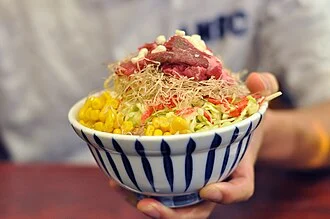
Monjayaki

もんじゃ焼き
mon-jah-yah-kee

A savory pancake with a variety of ingredients and a unique batter.

Open Monjayaki recipe
Main course Fish & Seafood

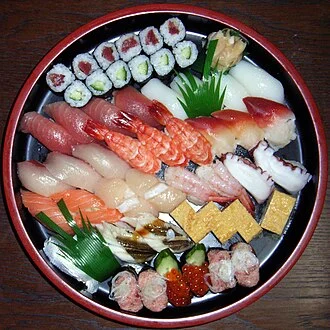
Nigiri

握り
Nee-gee-ree

Hand-formed rice balls topped with slices of raw fish.

Open Nigiri recipe
Main course Meat

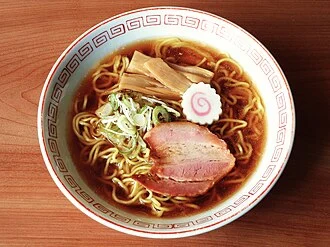
Ramen

ラーメン
rah-muhn

Wheat noodles in a savory broth with toppings.

Open Ramen recipe
Main course Vegan

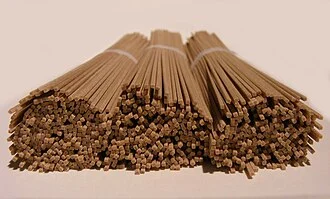
Soba

そば
So-bah

Buckwheat noodles served hot in broth or cold with a dipping sauce.

Open Soba recipe
Main course Fish & Seafood

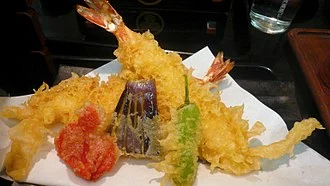
Tempura

天ぷら
tem-poo-rah

Battered and deep-fried seafood or vegetables.

Open Tempura recipe
Main course Meat

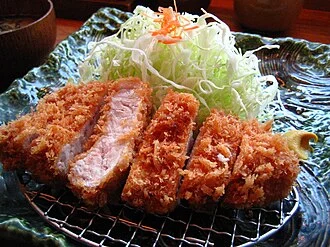
Tonkatsu

豚カツ
ton-KAH-tsu

Breaded and deep-fried pork cutlet, usually served with shredded cabbage.

Open Tonkatsu recipe
Main course Fish & Seafood

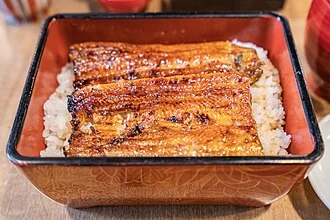
Unagi Kabayaki

うなぎ蒲焼
oo-nah-gee kah-bah-yah-kee

Grilled eel glazed with sweet soy-based sauce.

Open Unagi Kabayaki recipe
Snack Meat

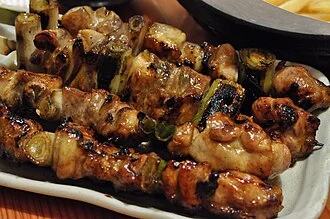
Yakitori

焼き鳥
yah-kee-toh-ree

Grilled skewers of chicken, often seasoned with tare sauce or salt.

Open Yakitori recipe

Activities & Experiences

Things to Do in Tokyo

Top-rated tours, day trips and local experiences — book in advance to secure your spot.

City & Country Data Tokyo (Japan)

Key travel data for Tokyo — local prices, safety, healthcare, local currency and essentials, curated by Triplandio.

Safety 🔒 89
Health 🏥 100
Lifestyle ⭐ 48
Infra 🏗️ 100
Rank 🎯 #5
Score 📊 70
Tourists ✈️ 4.1M/y
GDP/cap 💵 $36.0k
Life Exp ❤️ 84.0 yrs
Population 👥 123.4M
Currency 💱 JPY ¥
Language 🗣️ Japanese
Payments 💳 Mixed
Emergency 🆘 110
Coffee ☕ $3.68
Beer 🍺 $4.08
Lunch 🍽️ $8.00
Groceries 🛒 $60.00/w
Taxi/km 🚕 $1.50
Transit 🚇 $1.50
Fuel ⛽ $1.20/l
Internet 📡 $45.00/m
Salary 💵 $3,000/m

Travel tipsTokyo (Japan)

Quick tips

  1. Kabukicho is the drink-spiking hotspot — Critical

    Kabukicho in Shinjuku is where most British victims of spiking and card fraud in Japan were targeted, and visitors of any nationality are at risk once English-speaking street touts (kyakuhiki) lead them into bars. Walk past any tout.

  2. Some cold and allergy medicines are banned — Critical

    Japan's strict stimulant-drug law covers Vicks inhalers, cold and flu tablets containing pseudoephedrine, some allergy and sinus remedies and some codeine painkillers. Visitors have been detained and deported, so check your medicines with the Japanese embassy before you fly.

  3. Don't follow street touts into bars — Critical

    In nightlife districts such as Kabukicho, Roppongi, Shibuya and Ikebukuro in Tokyo, touts lure visitors into bars where drinks are spiked and huge sums are charged to their cards. Ignore touts and check prices before you order.

  4. Always carry your passport — Caution

    Tourists in Japan must carry their passport at all times, not a photocopy. Police can arrest you if you cannot show proof of your permission to stay.

  5. Smoking on the street is often banned — Caution

    Smoking while walking on the streets of Tokyo and many other Japanese cities is illegal. Look for the designated smoking areas, usually near stations, and smoke only there.

  6. Carry cash as well as cards — Local tip

    Many small restaurants, shrines, temples and rural shops in Japan still take cash only. ATMs at 7-Eleven stores and post offices are the most reliable for foreign cards.

  • Do
  • Carry your passport at all times
  • Take shoes off where slippers wait
  • Wash before getting into an onsen
  • Carry cash for small places
  • Take your rubbish with you
  • Don’t
  • Bring pseudoephedrine medicine
  • Follow touts into bars
  • Tip in restaurants
  • Smoke while walking
  • Take phone calls on trains

Tokyo honeymoon tips

Send your luggage ahead

Crowded trains and suitcases do not mix. Hotel front desks and convenience stores can send your bags to the next hotel with a luggage delivery service (takkyubin), usually by the next day, so you can travel light between neighbourhoods.

Tip: Travel light between hotels

Look for a private bath

Hot-spring and hotel baths in Japan are usually split into men and women. If you want to soak together, look for a room with its own bath or a ryokan that rents out a private bath (kashikiri), and ask before you book.

Tip: Ask about a private bath

Time it with the seasons

Cherry blossom fills Yanaka Cemetery in late March and early April, azaleas cover the hill at Nezu Shrine from April into early May, and Koenji dances the Awa Odori on the last weekend of August. Autumn is mild and clear, and calmer than blossom season.

Tip: Blossom season sells out first

Tokyo honeymoon: FAQ

When is the best time to visit Tokyo?

The best time to visit Tokyo is December and July — fewer crowds, comfortable temperatures, less rain and more sunshine. Compare every month in the seasonal chart above.

Is Tokyo good for a honeymoon?

Yes, if you like cities. It is very safe, the food is excellent at every price, and it pairs well with a few nights in Hakone or Kyoto. A few nights in a local neighbourhood like Yanaka or Tsukishima show you a side of Tokyo most visitors miss.

Which neighbourhood in this guide is the most romantic?

Yanaka: quiet lanes, temples, a cemetery avenue of cherry trees and dinner in an old wooden house. For the river and city lights choose Tsukishima; for a playful, arty mood, Shimokitazawa.

Where can we watch the sunset together?

At the Yuyake Dandan steps above Yanaka Ginza, whose name means sunset steps, and on the riverside promenade of Ishikawajima Park in Tsukuda, as the lights come on across the Sumida.

Are these neighbourhoods far from the main sights?

No. Yanaka is next to Ueno, Tsukishima is two subway stops from Ginza, Shimokitazawa is a few minutes from Shibuya and Koenji is under 10 minutes from Shinjuku by train.

Can we share a hot-spring bath as a couple?

Most public and hotel baths in Japan are separated by gender. To bathe together, book a room with its own bath or a place that rents out private baths (kashikiri). Shared baths may refuse guests with tattoos, so ask in advance.

Your Tokyo honeymoon, the local way

★ For honeymooners
Many couples split a Tokyo honeymoon in two: a few nights high up in a hotel with a view, and a few somewhere real. This guide is for the second half. It picks four neighbourhoods where Tokyo still feels like a village (temple-town Yanaka, bohemian Koenji, riverside Tsukishima and Shimokitazawa), with a day plan for two, a dinner table and a place to stay in each. The stays are small and simple; the luxury here is the neighbourhood.
  • Four real neighbourhoods
  • A day plan for two in each
  • Sunsets and dinners
  • Updated 2026
Asia — Japan — Tokyo — Where to Stay in Tokyo for a Honeymoon: Local Neighbourhoods
keyboard_arrow_up