
Written for travellers who want Tokyo at a calmer pace: quiet streets, public baths and green walks. Updated 2026.

Where to Stay in Tokyo for Quiet and Wellness

Where to stay in Tokyo when you want to sleep well, walk slowly and end the day in a hot bath.

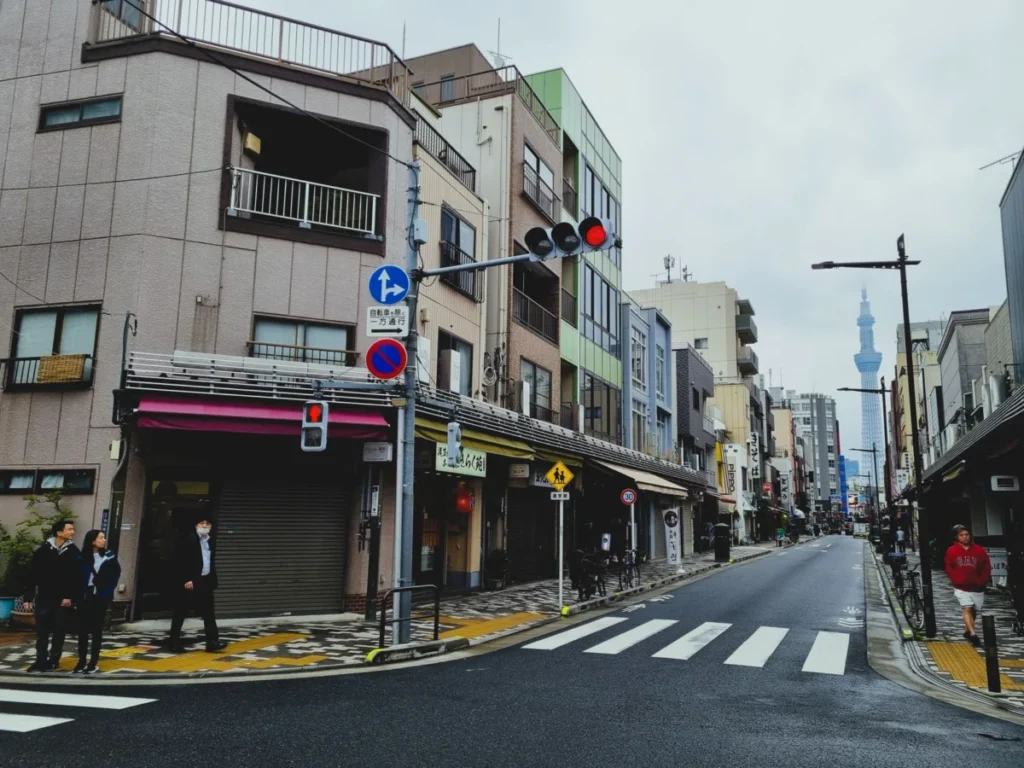
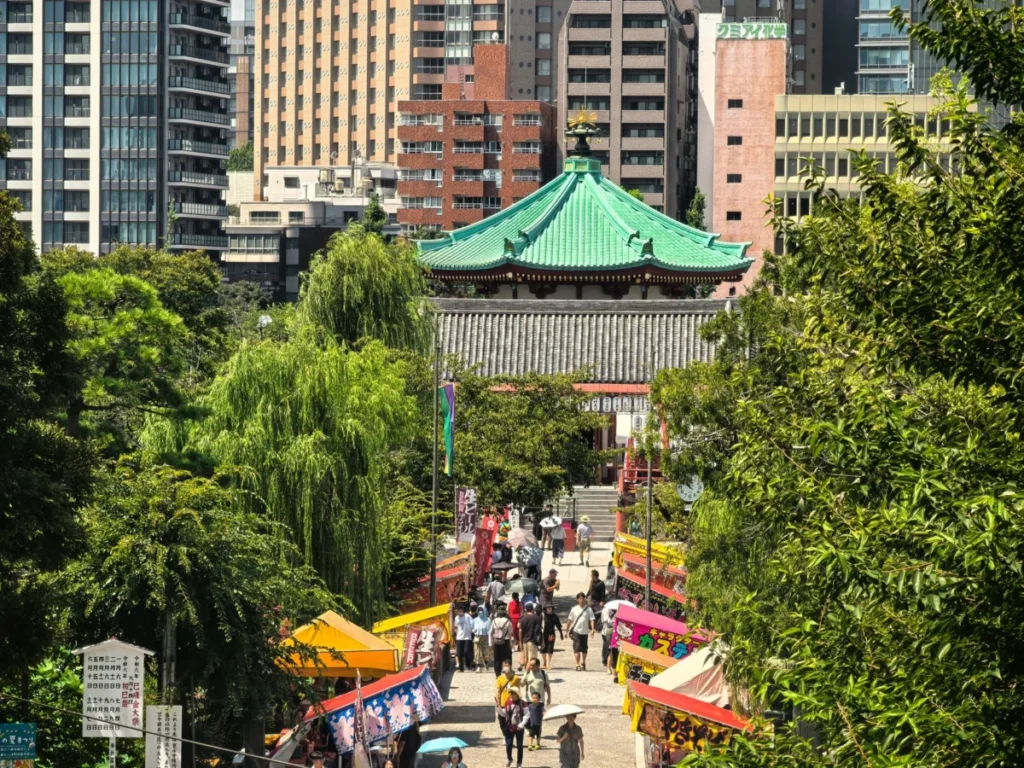
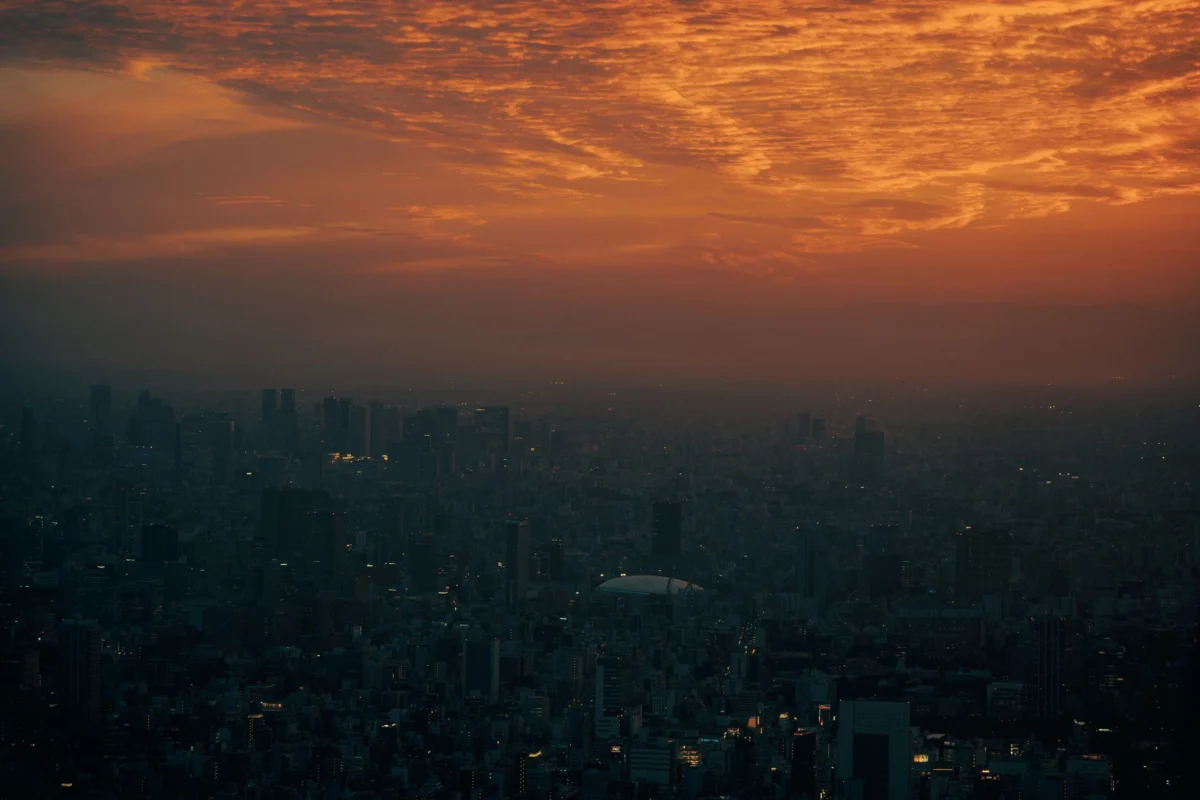
Tokyo skyline
At a Glance
Country Japan
City Tokyo
Day / Night 17° / 9°
Local Time 23:38
November — Now Peak season
Best Months Dec · Jul

Tokyo is surprisingly easy on the nerves if you stay a few stops away from the big stations. This guide picks four residential neighbourhoods, Shimokitazawa, Nakameguro, Jiyugaoka and Yotsuya, each with a morning park, a slow walk, a neighbourhood sento for the evening and a hotel where you can actually sleep.

Our top picks for a quiet stay in Tokyo

Best overall
⭐ 8.6
MUSTARD HOTEL SHIMOKITAZAWA

MUSTARD HOTEL SHIMOKITAZAWA

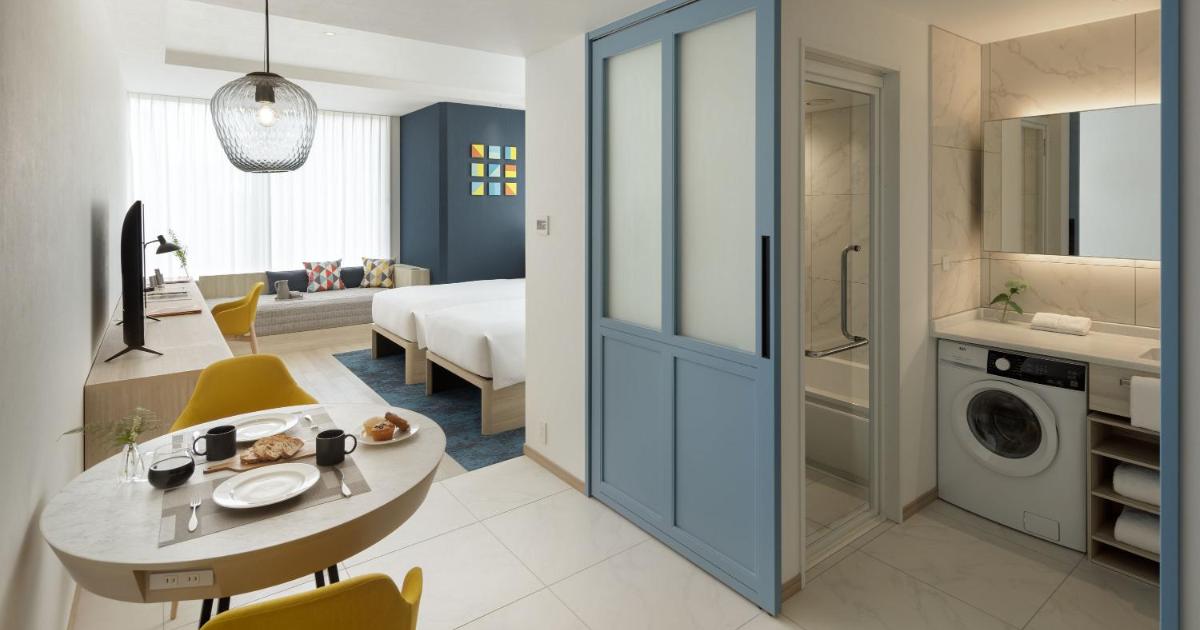
A modern hotel on the Kitazawa 3-chome side of Shimokitazawa, a few minutes' walk from the station and a couple of minutes from Ishikawa-yu, a neighbourhood public bath. Rooms come with a record player and records you can borrow, which suits slow evenings in.

Walkable area
⭐ 8.7
illi Com Shimokitazawa

illi Com Shimokitazawa

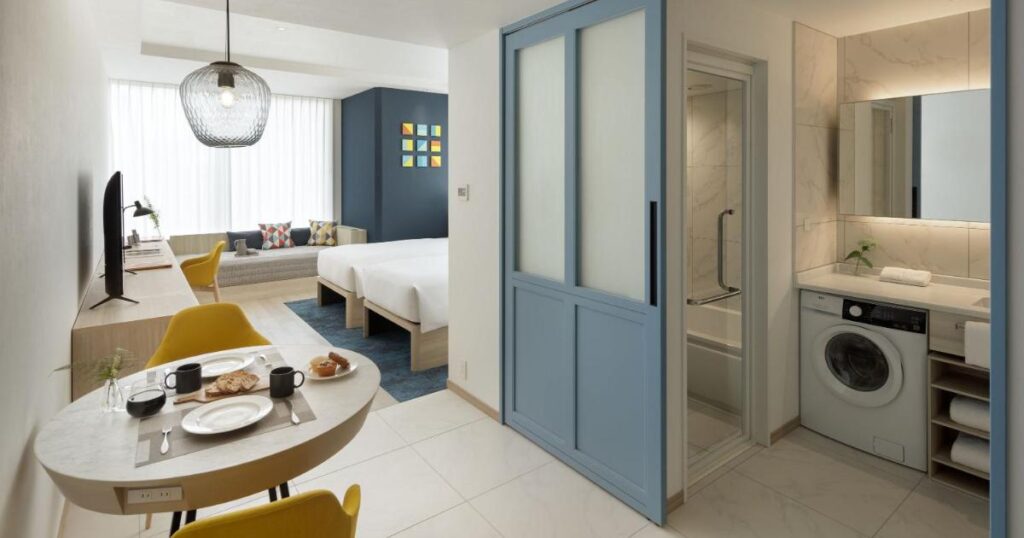
A small modern stay in Shimokitazawa, rated highly by guests. The area has lively streets by the station, so check the exact address and ask for a room away from the shopping lanes if you are a light sleeper.

Smart choice
⭐ 8.9
Hyatt House Tokyo Shibuya

Hyatt House Tokyo Shibuya

A 4-star hotel in Sakuragaoka-cho on the south side of Shibuya station, with an indoor pool, a sauna, a hot tub and a fitness centre. Nakameguro and the Meguro River are two stops on the Tokyu Toyoko line from Shibuya, about five minutes by train. You give up the riverside quiet, but get a pool and a sauna for the evenings.

Which calm corner of Tokyo suits you?

River walks, temple gardens or a big park on your doorstep: pick the kind of quiet you want.

Best choice: Shimokitazawa

Best for: Green walks and a sento

Best choice: Nakameguro

Best for: River walks and calm

Best choice: Jiyugaoka

Best for: Suburban calm and gardens

Best choice: Yotsuya

Best for: Central calm near gardens

Best hotels in Tokyo for a quiet, restful stay

Small hotels and apartments in residential streets, most of them a short walk from a public bath.

illi Com Shimokitazawa
Walkable area
⭐ 8.7 Excellent
197 reviews

illi Com Shimokitazawa

Shimokitazawa • Modern • Residential

A small modern stay in Shimokitazawa, rated highly by guests. The area has lively streets by the station, so check the exact address and ask for a room away from the shopping lanes if you are a light sleeper.

  • Highly rated by guests
  • Walk to Hanegi Park
  • Two train lines nearby
Hyatt House Tokyo Shibuya
Smart choice
⭐ 8.9 Fabulous
337 reviews

Hyatt House Tokyo Shibuya

Shibuya, for Nakameguro • 4-star hotel • Sakuragaoka-cho

A 4-star hotel in Sakuragaoka-cho on the south side of Shibuya station, with an indoor pool, a sauna, a hot tub and a fitness centre. Nakameguro and the Meguro River are two stops on the Tokyu Toyoko line from Shibuya, about five minutes by train. You give up the riverside quiet, but get a pool and a sauna for the evenings.

  • Indoor pool and sauna
  • Fitness centre and hot tub
  • Two stops to Nakameguro
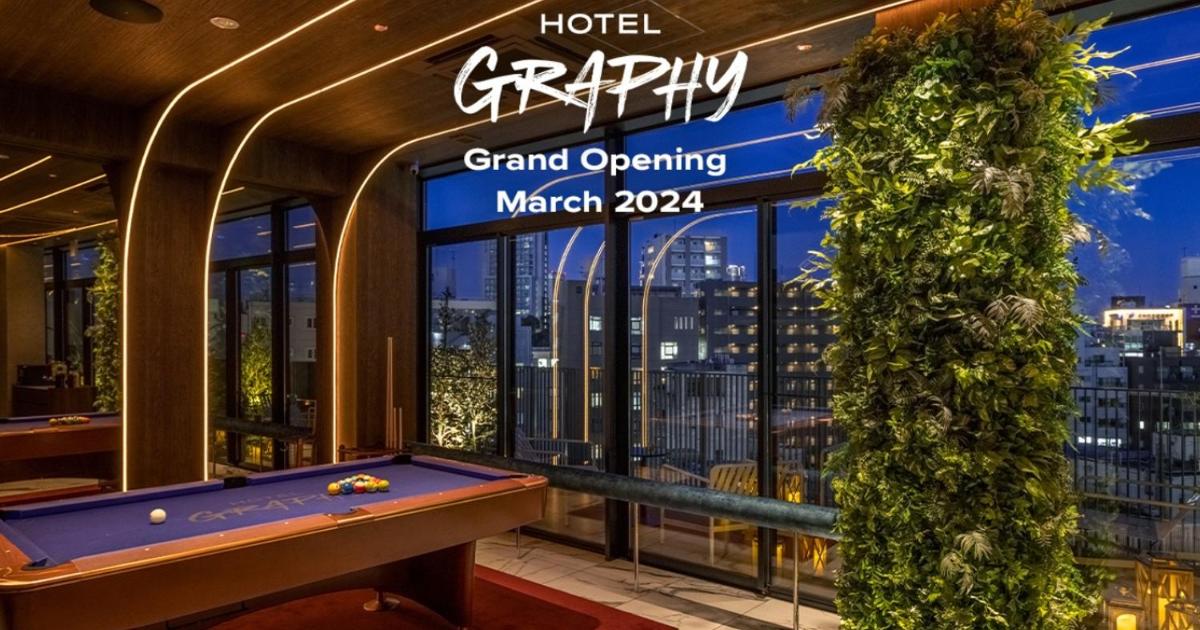
HOTEL GRAPHY Shibuya
Editor’s choice
⭐ 8.7 Fabulous
2771 reviews

HOTEL GRAPHY Shibuya

Shibuya, for Nakameguro • 3-star hotel • Higashi 1-chome

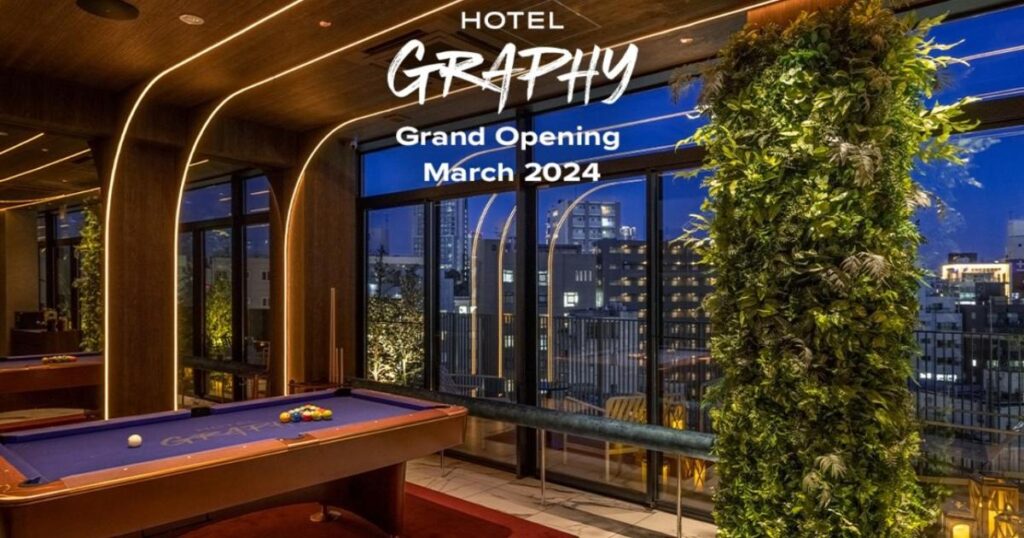
A 3-star hotel in Higashi 1-chome, on the quieter Ebisu side of Shibuya, with soundproof rooms, a terrace and a café-restaurant that serves vegetarian and vegan dishes. For the Meguro River, take the Tokyu Toyoko line from Shibuya to Nakameguro, about five minutes by train. With more than 2,700 reviews it is a reliable, simple base rather than a riverside stay.

  • Soundproof rooms
  • Vegetarian and vegan options
  • Short train ride to Nakameguro
ホテルピュリッツァー自由が丘
Boutique stay
⭐ 8.2 Very Good
157 reviews

ホテルピュリッツァー自由が丘

Jiyugaoka • Small hotel • 18 rooms

Hotel Pulitzer Jiyugaoka is a small hotel with only 18 rooms in the centre of Jiyugaoka. From here you can walk to the Kuhonbutsu River green path, Kumano shrine and Midori-yu public bath, and reach Todoroki Ravine by train in a few minutes.

  • Just 18 rooms
  • Walk to the green path
  • Near Midori-yu bath
Tokyu Stay Yotsuya - Shinjuku Area
Central location
⭐ 8.0 Very Good
821 reviews

Tokyu Stay Yotsuya - Shinjuku Area

Yotsuya • Serviced rooms • Shinjuku-dori

Part of the Tokyu Stay chain, on Shinjuku-dori in Yotsuya, a short walk from Shio-yu public bath and about 15 minutes on foot from Shinjuku Gyoen. The chain is known for rooms with a washer-dryer and a kitchenette, which make a longer stay easier; check the room type when you book. Ask for a room away from the main road.

  • Walk to Shinjuku Gyoen
  • Public bath nearby
  • Rooms for longer stays
Hotel Keihan Tokyo Yotsuya
Smart choice
⭐ 8.5 Very Good
3830 reviews

Hotel Keihan Tokyo Yotsuya

Yotsuya • Modern • Near the moat

A modern hotel on Shinjuku-dori in Yotsuya 1-chome, a minute's walk from Shio-yu public bath and a few minutes from the green banks of Sotobori Park. The street out front is busy, so request a room at the back or on a high floor.

  • Shio-yu bath a minute away
  • Walk to Sotobori Park
  • Near Yotsuya station

How we choose

We pick hotels by how quiet the street is at night and how close they are to parks and public baths, then check guest ratings.

The best areas in Tokyo for quiet and wellness

Four residential neighbourhoods near the centre, each with green space for the morning and a bath for the evening.

Shimokitazawa

Shimokitazawa is known for vintage shops, small theatres and live-music bars, so it may seem an odd choice for a quiet stay. The trick is where you sleep. A few streets from the station, the neighbourhood turns into low-rise Setagaya, with families, bicycles and small gardens, and after 10 pm it is very still.

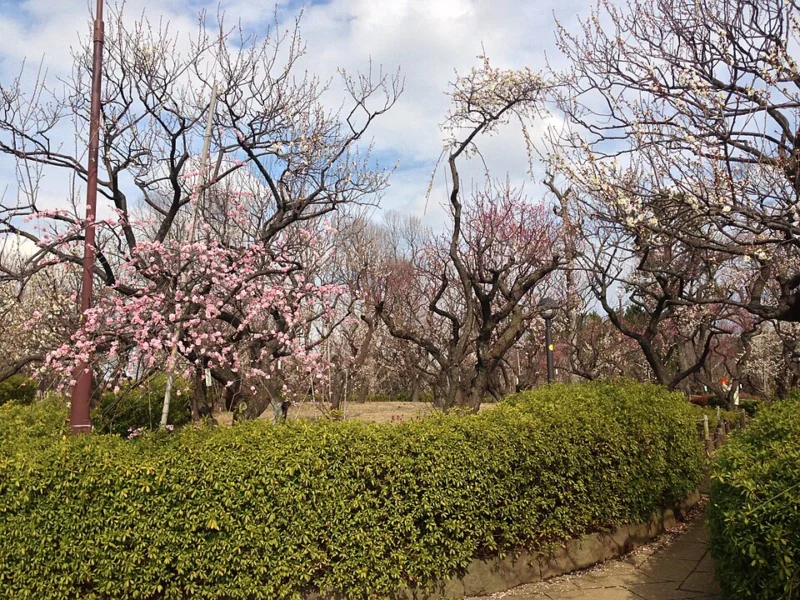
Mornings are for Hanegi Park, whose plum grove is the pride of the ward in February, and for the Shimokita Senrogai, a long green walk laid over the old railway line after the trains went underground. In the late afternoon, stop for an espresso and then go to Ishikawa-yu, a neighbourhood sento where you can soak before an early dinner.

The honest downside: the lanes around the station are crowded on weekends and loud until late. Pick a hotel on the residential side, not above the shopping streets.

Local picks

For Quiet & Wellness
  • 1
    MorningHanegi ParkStart on the wooded hill of this local park, where people come to walk dogs and stretch before work. In February the plum grove flowers, weeks before the cherry blossom crowds.
  • 2
    Quiet shrineKitazawa Hachiman ShrineWalk east through residential streets to this neighbourhood shrine among tall trees. It sits on a small green path and sees more locals than visitors.
  • 3
    Slow walkBONUS TRACKA low row of small shops and cafés built on the old railway land near Setagaya-Daita. Walk through slowly, then join the green path towards Shimokitazawa.
  • 4
    Green pathShimokita SenrogaiThe planted walkway above the underground tracks, with benches, lawns and trees. It is the calmest way to cross the neighbourhood, even when the lanes next to it are busy.
  • 5
    Afternoon coffeeBear Pond EspressoA tiny, much-loved espresso bar in Kitazawa 2-chome. Have one short coffee and move on; it is the last caffeine of the day if you want to sleep well.
  • 6
    Evening bathIshikawa-yuA neighbourhood sento a few minutes from the station, open from mid-afternoon until almost midnight and closed on Mondays. Wash, soak, and walk back to your room warm and ready for sleep.
  • Getting aroundShimokitazawa stationThe Odakyu line runs to Shinjuku and the Keio Inokashira line to Shibuya, each in under 10 minutes. You rarely need to go further, and the walk to the parks is shorter than the ride.
  • Where to stayLook for small hotels and apartments on the residential side of the station, towards Kitazawa 3-chome or Daizawa. Avoid rooms above the shopping lanes, which stay loud on Friday and Saturday nights.

Did you know?

A theatre town since 1982 The Honda Theater opened in 1982 and made Shimokitazawa the centre of Tokyo's small-theatre scene.
A park on the old tracks The Odakyu line was moved underground here in 2013, and the old track bed became the Shimokita Senrogai green walk.
Plum blossom in winter Hanegi Park holds Setagaya's plum festival every February, when its hundreds of plum trees flower.
Shimokitazawa

Nakameguro

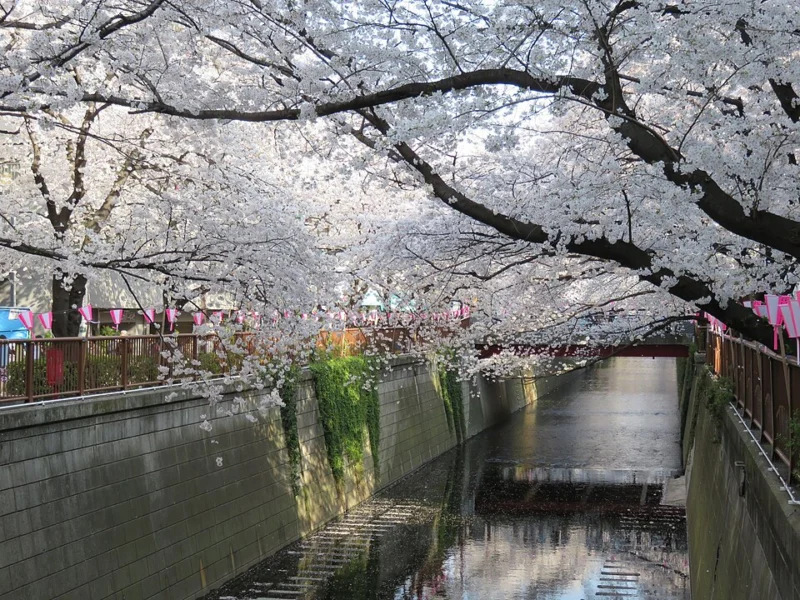
Nakameguro lives along the Meguro River, a narrow stream lined with cherry trees, low apartment blocks and small cafés. People who live here are young families and people who work in design and fashion, and on a weekday morning the river path belongs to joggers and dog walkers.

For a calm stay, start early at Saigōyama Park, a hillside park with a wide view to the west, then follow the river down past the bridges with a coffee in hand. Spend the afternoon in Naka-Meguro Park, and in the evening walk to Kōmyōsen, a modern neighbourhood sento a few minutes from the station.

The honest downside: in cherry-blossom season the river is one of the most crowded places in Tokyo, day and night. Outside those two weeks it is a quiet, easy place to live.

Local picks

For Quiet & Wellness
  • 1
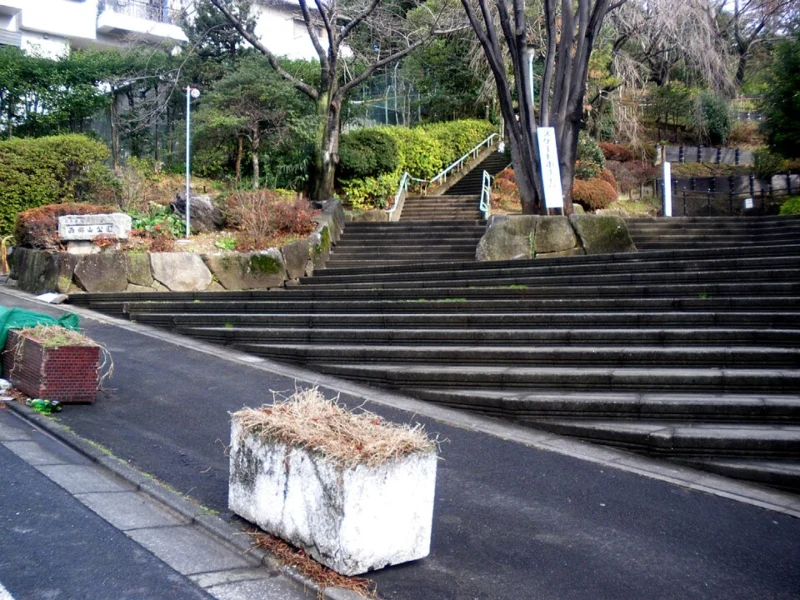
    MorningSaigōyama ParkA green hillside park above the river with a terrace looking west. On clear winter mornings you may see Mount Fuji; at any time of year it is a good place for quiet stretching before the city fills up.
  • 2
    River walkMeguro RiverWalk down to the river and follow the path under the cherry trees. Early in the day you share it with joggers, and the only sound is the water.
  • 3
    PauseSakura BridgeOne of the small footbridges over the river. Stop in the middle and look along the water; in autumn the leaves turn orange and it is almost empty.
  • 4
    CoffeeOnibus Coffee NakameguroA speciality coffee roaster next to the railway line, open from 9 am. Take your cup back to the river and drink it on a bench.
  • 5
    AfternoonNaka-Meguro ParkA local park with lawns and trees, used mostly by residents. Bring a book for an hour in the shade.
  • 6
    Evening bathKōmyōsenA neighbourhood sento on Saigōyama-dōri, a few minutes from the station, open from the afternoon until late every day. The best way to end a day of walking in Nakameguro.
  • Getting aroundNaka-meguro stationThe Tōkyū Tōyoko line reaches Shibuya in a few minutes, and the Hibiya metro line runs through Ebisu, Roppongi and Ginza. Everything in this walk is within 15 minutes on foot.
  • Where to stayChoose a room a few streets back from the river and away from the elevated tracks by the station. Outside blossom season prices are reasonable; for late March and early April, book months ahead or stay elsewhere.

Did you know?

About 800 cherry trees Around 800 cherry trees line the Meguro River through the ward, one of Tokyo's best-known blossom walks.
Named after the Saigō family Saigōyama Park stands on land that belonged to Saigō Tsugumichi, younger brother of Saigō Takamori.
A railway suburb Nakameguro station opened in 1927 on the Tōyoko line, and the neighbourhood grew up around it.
Nakameguro

Jiyugaoka

Jiyugaoka is a comfortable suburb in the south-west of Tokyo, full of bakeries, sweet shops and homeware stores. The people who live here are families and older residents, and after the shops close at around 8 pm the streets go almost silent.

It is the best base in this guide for green, slow days. Take the train a few stops to Todoroki Ravine for a morning walk along a stream under the trees, then visit the huge temple grounds of Kuhonbutsu Jōshinji and walk back along the Kuhonbutsu River green path. In the afternoon, have matcha in an old wooden house, and in the evening go to Midori-yu, the local sento.

The honest downside: it is about 20 minutes from Shibuya, and there is little to do after dark. For a restful stay, that is the point.

Local picks

For Quiet & Wellness
  • 1
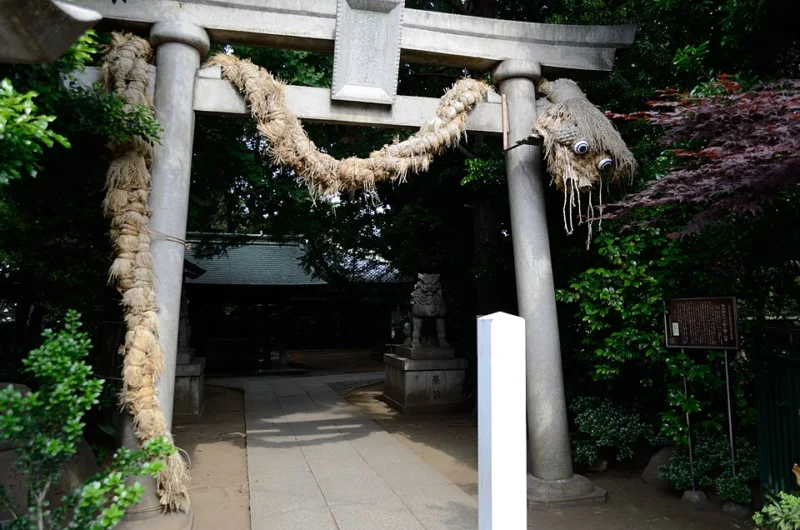
    MorningOkusawa ShrineStart the day at this small neighbourhood shrine, a 7-minute walk south of Jiyugaoka station. Look up at the torii: a huge straw snake is wound around it, said to protect the area from illness. Before 9 am it is just you, the trees and a few locals stopping to bow.
  • 2
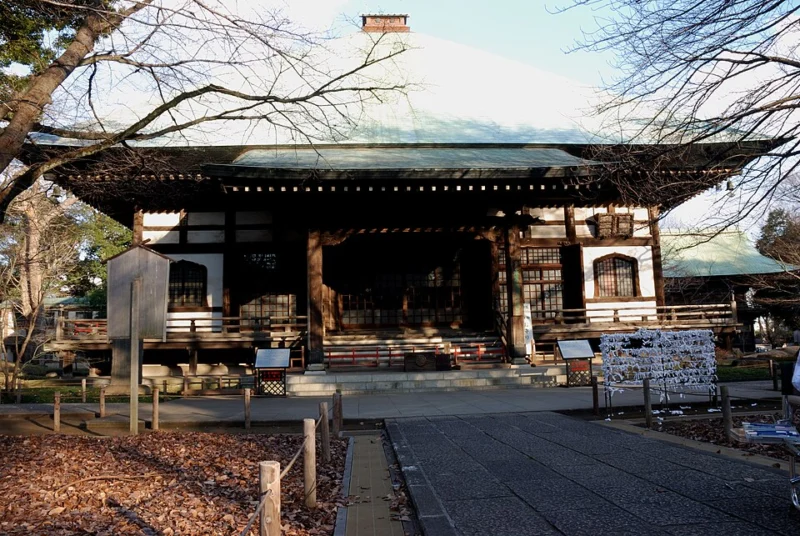
    Temple gardenKuhonbutsu JōshinjiA large temple with wide grounds, old trees and three halls of Buddha statues. In November the maples here turn red, and on weekdays you may have the paths almost to yourself.
  • 3
    Green pathKuhonbutsu River Green StreetWalk back towards Jiyugaoka along this tree-lined path with benches, which runs from Kuhonbutsu into the centre of Jiyugaoka. Very pretty and very quiet in cherry-blossom season too.
  • 4
    Quiet shrineJiyūgaoka Kumano-jinja ShrineA small shrine surrounded by trees, just north of the shopping streets. Local people come here to pray or simply for a few quiet minutes.
  • 5
    Tea breakKosoanA tea house in an old Japanese wooden house with a small garden, round the corner from the shrine. Take off your shoes, sit on the tatami and have matcha with a Japanese sweet.
  • 6
    Evening bathMidori-yuA neighbourhood sento in Midorigaoka, a short walk east of the station, open from early afternoon into the evening. Closed on Thursdays.
  • Getting aroundJiyugaoka stationThe Tokyu Toyoko line runs to Shibuya and Nakameguro, and the Oimachi line to Todoroki and Kuhonbutsu. For Shinjuku or Tokyo station, change at Shibuya.
  • Where to stayJiyugaoka has only a few small hotels, so book early and consider apartment stays in the streets around the station. Rooms here are calmer at night than almost anywhere in central Tokyo.

Did you know?

Named after a school The area takes its name from Jiyugaoka Gakuen, a school founded here in 1928; the station took the name a year later.
Nine Buddhas Kuhonbutsu Jōshinji, founded in 1678, is named after its nine statues of Amida Buddha, housed in three halls.
A river under the path The Kuhonbutsu River green path is built over a stream that was covered over, which is why it winds like a river.
Jiyugaoka

Yotsuya

Yotsuya is where central Tokyo turns residential. Office workers pass through by day, but the side streets are full of old houses, temples and shrines, and the neighbourhood goes quiet early. You are one stop from Shinjuku and a walk from two of the city's calmest green spaces.

Start the day along the old outer moat in Sotobori Park, then climb the steps to Suga Shrine before the visitors come. Spend a long afternoon in Shinjuku Gyoen, with lawns, a Japanese garden and a tea house, and finish the day at Shio-yu, a sento a short walk from the hotels.

The honest downside: Shinjuku-dori and the railway lines are busy and loud, and many hotels stand on them. Ask for a room at the back or on a high floor.

Local picks

For Quiet & Wellness
  • 1
    MorningSotobori ParkA long strip of trees along the old castle moat, starting next to Yotsuya station. Walk it early, before commuters, when the only sound is birds and the occasional train below.
  • 2
    Quiet shrineSuga ShrineA hilltop shrine in a residential corner of Yotsuya. Come in the morning, when the steps and the courtyard are empty.
  • 3
    AfternoonShinjuku Gyoen National GardenEnter by the Ōkido gate, about 15 minutes on foot from Yotsuya. French, English and Japanese gardens, wide lawns and no alcohol allowed, so it stays calm. Closed on most Mondays and there is an entry fee.
  • Tea breakRakuuteiA traditional tea house in the Japanese garden of Shinjuku Gyoen. Sit down for matcha and a sweet looking out over the pond.
  • 4
    Evening bathShio-yuA neighbourhood sento on San'ei-dōri in Yotsuya 1-chome, a few steps from the hotels on Shinjuku-dori. Soak for half an hour and walk straight back to bed.
  • Getting aroundYotsuya · Yotsuya-sanchomeYotsuya station has the JR Chūō and Sōbu lines and the Marunouchi and Namboku metro lines; Shinjuku is one stop away. Yotsuya-sanchome on the Marunouchi line is closest to Shinjuku Gyoen.
  • Where to stayMost hotels are on Shinjuku-dori near the station, which is convenient but busy. Look for rooms at the back of the building or high up, and choose serviced apartments if you are staying a week or more.

Did you know?

Japan's best-known ghost story Tokaido Yotsuya Kaidan, the ghost play by Tsuruya Nanboku IV set in Yotsuya, was first staged in 1825.
The steps from a famous film The steps up to Suga Shrine appear in the final scene of the 2016 animated film Your Name.
A gate of Edo Castle Yotsuya-mitsuke was one of the guarded gates on Edo Castle's outer moat, where the Kōshū road entered the city.
Yotsuya

Planning your stay in Tokyo

For Quiet & Wellness
  • Sleep firstTokyo hotel rooms are small but usually very quiet inside. What wakes people is the street and the trains, so ask for a room away from both, and use the blackout curtains: the sun rises before 5 am in summer.
  • A calm Tokyo dayParks in the morning, when they are empty and cool. A slow lunch and a rest in the middle of the day. A sento at around 6 pm, before the after-work crowd, and an early dinner near your hotel.
  • Onsen further afieldTokyo's sento use heated tap water; for natural hot springs, go to Hakone, a day trip from Shinjuku on the Odakyu line. Staying in Shimokitazawa puts you on the same line.
  • When to avoidCherry-blossom season in late March and early April and Golden Week in early May are the busiest weeks of the year. For quiet parks and fair prices, come in May, October or November.
Self-guided walking tours Wellness & Spa (Tokyo, Japan)
Routes 4
Pick a route

Best time to visit Tokyo (Japan)

Now (November) avg high: 17°C, mostly dry, full season — expect crowds. Best months to walk: Dec & Jul.

Live Temp …
~Day / Night Temp 17°C / 9°C
Sunrise / Sunset 6:08 / 16:41
Local time 23:38
Sea Temp 18°C
Best Months Dec & Jul
J Jan F Feb M Mar A Apr M May J Jun J Jul best month A Aug S Sep O Oct N Nov this month D Dec best month
Check Tokyo hotels
Temperature Average daytime high, month by month. Zero line marks freezing point.
Crowds How busy it gets — traveller interest by month.
Sea temperature Sea warmth for swimming, by month.
Rainfall Rainy days to expect each month.
Sunshine Hours of sun per day, by month.
Tokyo guides →

Best hotels in Tokyo for a quiet, restful stay

Small hotels and apartments in residential streets, most of them a short walk from a public bath.
MUSTARD HOTEL SHIMOKITAZAWA
Best overall
8.6 Excellent
2038 reviews

MUSTARD HOTEL SHIMOKITAZAWA

A modern hotel on the Kitazawa 3-chome side of Shimokitazawa, a few minutes' walk from the station and a couple of minutes from Ishikawa-yu, a neighbourhood public bath. Rooms come with a record player and records you can borrow, which suits slow evenings in.

Ideal for: Travellers who want a bath around the corner
illi Com Shimokitazawa
Walkable area
8.7 Excellent
197 reviews

illi Com Shimokitazawa

A small modern stay in Shimokitazawa, rated highly by guests. The area has lively streets by the station, so check the exact address and ask for a room away from the shopping lanes if you are a light sleeper.

Ideal for: Travellers who want a small, simple base
Hyatt House Tokyo Shibuya
Smart choice
8.9 Fabulous
337 reviews

Hyatt House Tokyo Shibuya

A 4-star hotel in Sakuragaoka-cho on the south side of Shibuya station, with an indoor pool, a sauna, a hot tub and a fitness centre. Nakameguro and the Meguro River are two stops on the Tokyu Toyoko line from Shibuya, about five minutes by train. You give up the riverside quiet, but get a pool and a sauna for the evenings.

Ideal for: Travellers who want a pool and sauna and a quick train to the Meguro River
HOTEL GRAPHY Shibuya
Editor’s choice
8.7 Fabulous
2771 reviews

HOTEL GRAPHY Shibuya

A 3-star hotel in Higashi 1-chome, on the quieter Ebisu side of Shibuya, with soundproof rooms, a terrace and a café-restaurant that serves vegetarian and vegan dishes. For the Meguro River, take the Tokyu Toyoko line from Shibuya to Nakameguro, about five minutes by train. With more than 2,700 reviews it is a reliable, simple base rather than a riverside stay.

Ideal for: Travellers who want a reliable, simple base with plant-based food on site
ホテルピュリッツァー自由が丘
Boutique stay
8.2 Very Good
157 reviews

ホテルピュリッツァー自由が丘

Hotel Pulitzer Jiyugaoka is a small hotel with only 18 rooms in the centre of Jiyugaoka. From here you can walk to the Kuhonbutsu River green path, Kumano shrine and Midori-yu public bath, and reach Todoroki Ravine by train in a few minutes.

Ideal for: Travellers who want a small hotel in a calm suburb
Tokyu Stay Yotsuya - Shinjuku Area
Central location
8.0 Very Good
821 reviews

Tokyu Stay Yotsuya - Shinjuku Area

Part of the Tokyu Stay chain, on Shinjuku-dori in Yotsuya, a short walk from Shio-yu public bath and about 15 minutes on foot from Shinjuku Gyoen. The chain is known for rooms with a washer-dryer and a kitchenette, which make a longer stay easier; check the room type when you book. Ask for a room away from the main road.

Ideal for: Longer stays with a steady routine
Hotel Keihan Tokyo Yotsuya
Smart choice
8.5 Very Good
3830 reviews

Hotel Keihan Tokyo Yotsuya

A modern hotel on Shinjuku-dori in Yotsuya 1-chome, a minute's walk from Shio-yu public bath and a few minutes from the green banks of Sotobori Park. The street out front is busy, so request a room at the back or on a high floor.

Ideal for: Travellers who want the centre close but calm evenings

Travelling in cherry-blossom season?

Late March and early April fill Nakameguro and Shinjuku Gyoen with crowds and push room prices up. Book early, or come in May or November when the parks are green or golden and much calmer.

Compare quiet Tokyo hotels

Location, room type and how close you are to a bath or a park, side by side.
illi Com Shimokitazawa
Walkable area
8.7 Excellent
197 reviews

illi Com Shimokitazawa

Shimokitazawa • Modern • Residential
A small base in a residential area
Modern Design
Modern rooms
Location
Parks within walking distance
Public Transport
Odakyu and Inokashira lines
Hyatt House Tokyo Shibuya
Smart choice
8.9 Fabulous
337 reviews

Hyatt House Tokyo Shibuya

Shibuya, for Nakameguro • 4-star hotel • Sakuragaoka-cho
Pool and sauna, short ride to the river
Pool
Indoor pool
Gym
Fitness centre
Public Transport
Toyoko line to Nakameguro

Traditional Local Food Tokyo (Japan)

Snack Vegetarian

Monjayaki

もんじゃ焼き
mon-jah-yah-kee

A savory pancake with a variety of ingredients and a unique batter.

Open Monjayaki recipe
Main course Fish & Seafood

Nigiri

握り
Nee-gee-ree

Hand-formed rice balls topped with slices of raw fish.

Open Nigiri recipe
Main course Meat

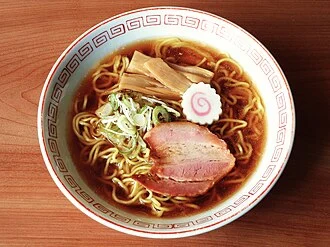
Ramen

ラーメン
rah-muhn

Wheat noodles in a savory broth with toppings.

Open Ramen recipe
Main course Vegan

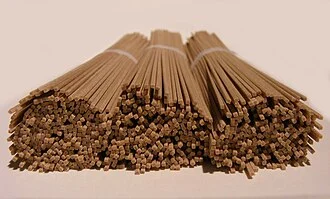
Soba

そば
So-bah

Buckwheat noodles served hot in broth or cold with a dipping sauce.

Open Soba recipe
Main course Fish & Seafood

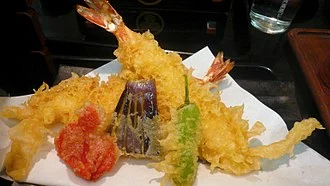
Tempura

天ぷら
tem-poo-rah

Battered and deep-fried seafood or vegetables.

Open Tempura recipe
Main course Meat

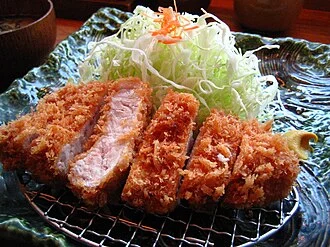
Tonkatsu

豚カツ
ton-KAH-tsu

Breaded and deep-fried pork cutlet, usually served with shredded cabbage.

Open Tonkatsu recipe
Main course Fish & Seafood

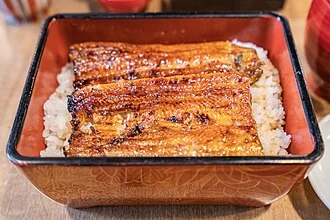
Unagi Kabayaki

うなぎ蒲焼
oo-nah-gee kah-bah-yah-kee

Grilled eel glazed with sweet soy-based sauce.

Open Unagi Kabayaki recipe
Snack Meat

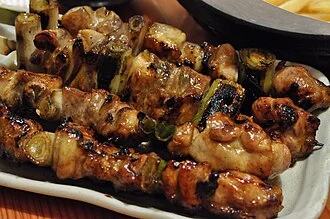
Yakitori

焼き鳥
yah-kee-toh-ree

Grilled skewers of chicken, often seasoned with tare sauce or salt.

Open Yakitori recipe

Activities & Experiences

Things to Do in Tokyo

Top-rated tours, day trips and local experiences — book in advance to secure your spot.

City & Country Data Tokyo (Japan)

Key travel data for Tokyo — local prices, safety, healthcare, local currency and essentials, curated by Triplandio.

Safety 🔒 89
Health 🏥 100
Lifestyle ⭐ 48
Infra 🏗️ 100
Rank 🎯 #5
Score 📊 70
Tourists ✈️ 4.1M/y
GDP/cap 💵 $36.0k
Life Exp ❤️ 84.0 yrs
Population 👥 123.4M
Currency 💱 JPY ¥
Language 🗣️ Japanese
Payments 💳 Mixed
Emergency 🆘 110
Coffee ☕ $3.68
Beer 🍺 $4.08
Lunch 🍽️ $8.00
Groceries 🛒 $60.00/w
Taxi/km 🚕 $1.50
Transit 🚇 $1.50
Fuel ⛽ $1.20/l
Internet 📡 $45.00/m
Salary 💵 $3,000/m

Travel tipsTokyo (Japan)

Quick tips

  1. Kabukicho is the drink-spiking hotspot — Critical

    Kabukicho in Shinjuku is where most British victims of spiking and card fraud in Japan were targeted, and visitors of any nationality are at risk once English-speaking street touts (kyakuhiki) lead them into bars. Walk past any tout.

  2. Some cold and allergy medicines are banned — Critical

    Japan's strict stimulant-drug law covers Vicks inhalers, cold and flu tablets containing pseudoephedrine, some allergy and sinus remedies and some codeine painkillers. Visitors have been detained and deported, so check your medicines with the Japanese embassy before you fly.

  3. Don't follow street touts into bars — Critical

    In nightlife districts such as Kabukicho, Roppongi, Shibuya and Ikebukuro in Tokyo, touts lure visitors into bars where drinks are spiked and huge sums are charged to their cards. Ignore touts and check prices before you order.

  4. Always carry your passport — Caution

    Tourists in Japan must carry their passport at all times, not a photocopy. Police can arrest you if you cannot show proof of your permission to stay.

  5. Smoking on the street is often banned — Caution

    Smoking while walking on the streets of Tokyo and many other Japanese cities is illegal. Look for the designated smoking areas, usually near stations, and smoke only there.

  6. Carry cash as well as cards — Local tip

    Many small restaurants, shrines, temples and rural shops in Japan still take cash only. ATMs at 7-Eleven stores and post offices are the most reliable for foreign cards.

  • Do
  • Carry your passport at all times
  • Take shoes off where slippers wait
  • Wash before getting into an onsen
  • Carry cash for small places
  • Take your rubbish with you
  • Don’t
  • Bring pseudoephedrine medicine
  • Follow touts into bars
  • Tip in restaurants
  • Smoke while walking
  • Take phone calls on trains

Tokyo tips for a quiet, restful stay

Choose the room before the hotel

Tokyo streets are quiet at night, but main roads and railway lines are not. Ask for a high floor or a room at the back, away from the road and the tracks, and check the map before you book.

Tip: High floor, back of the building

Go to the parks early

Tokyo wakes up early, and the parks are at their calmest in the first hours after opening. Shinjuku Gyoen charges a small entry fee, is closed on most Mondays and does not allow alcohol, which keeps it peaceful even on busy days.

Tip: Shinjuku Gyoen is closed on most Mondays

Tattoos and bathing

Hotel spas and large onsen complexes often refuse guests with tattoos, while many small neighbourhood sento are more relaxed. Rules differ from bath to bath, so ask at the counter or cover small tattoos with a plaster.

Tip: Ask at the counter before you pay

Avoid the blossom crowds

In late March and early April the Meguro River and Shinjuku Gyoen are among the busiest places in Tokyo. For quiet, come in May or in November, when the leaves turn and the gardens are calm.

Tip: May and November are the calm months

Quiet and wellness in Tokyo: FAQ

When is the best time to visit Tokyo?

The best time to visit Tokyo is December and July — fewer crowds, comfortable temperatures, less rain and more sunshine. Compare every month in the seasonal chart above.

What is the quietest area to stay in Tokyo?

Residential neighbourhoods a few stops from the big stations are the calmest. Jiyugaoka is the most suburban of the four in this guide; Yotsuya is the quietest you can get while staying central, with Shinjuku Gyoen a walk away.

What is a sento and can visitors use one?

A sento is a neighbourhood public bath, heated tap water rather than a natural hot spring, with a flat entry price. Visitors are welcome: bring or rent a towel, wash before you soak and follow the separate men's and women's signs.

Where are the best public baths near these neighbourhoods?

Ishikawa-yu in Shimokitazawa, Kōmyōsen in Nakameguro, Midori-yu next to Jiyugaoka and Shio-yu in Yotsuya are all neighbourhood baths in the areas of this guide; from the two Shibuya hotels, Kōmyōsen is a short train ride to Nakameguro. Most open in the afternoon and close around midnight.

Which Tokyo neighbourhood is best for green walks?

Yotsuya is next to Shinjuku Gyoen and the tree-lined banks of Sotobori Park. Jiyugaoka has the Kuhonbutsu River green path, and Todoroki Ravine, a wooded valley with a stream, is a few stops away.

When is Tokyo calmest?

May, late October and November are mild and less crowded. Avoid cherry-blossom season in late March and early April and the Golden Week holidays in early May, when parks and trains are at their busiest.

Is Shimokitazawa too noisy for a restful stay?

The lanes around the station are busy in the evening, with bars and small music venues. Stay a few streets away, near the Senrogai green walk or towards Hanegi Park, and the nights are quiet.

Tokyo at a slower pace

★ For quiet and wellness
Tokyo is surprisingly easy on the nerves if you stay a few stops away from the big stations. This guide picks four residential neighbourhoods, Shimokitazawa, Nakameguro, Jiyugaoka and Yotsuya, each with a morning park, a slow walk, a neighbourhood sento for the evening and a hotel where you can actually sleep.
  • Handpicked hotels
  • Best Tokyo areas
  • All budgets covered
  • Updated 2026
Asia — Japan — Tokyo — Where to Stay in Tokyo for Quiet and Wellness
keyboard_arrow_up