
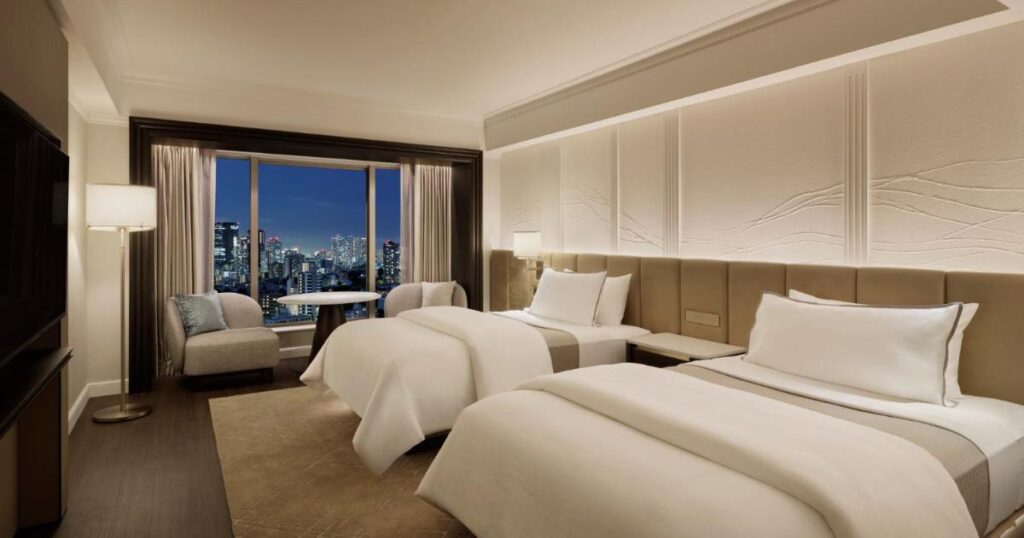
Written for people in Tokyo on business — train lines, lunch spots, client dinners and quiet rooms. Updated 2026.

Where to Stay in Tokyo for Business Travel

Where to stay in Tokyo on a work trip — four bases chosen by train line, commute time and how quickly you can get to the airport.

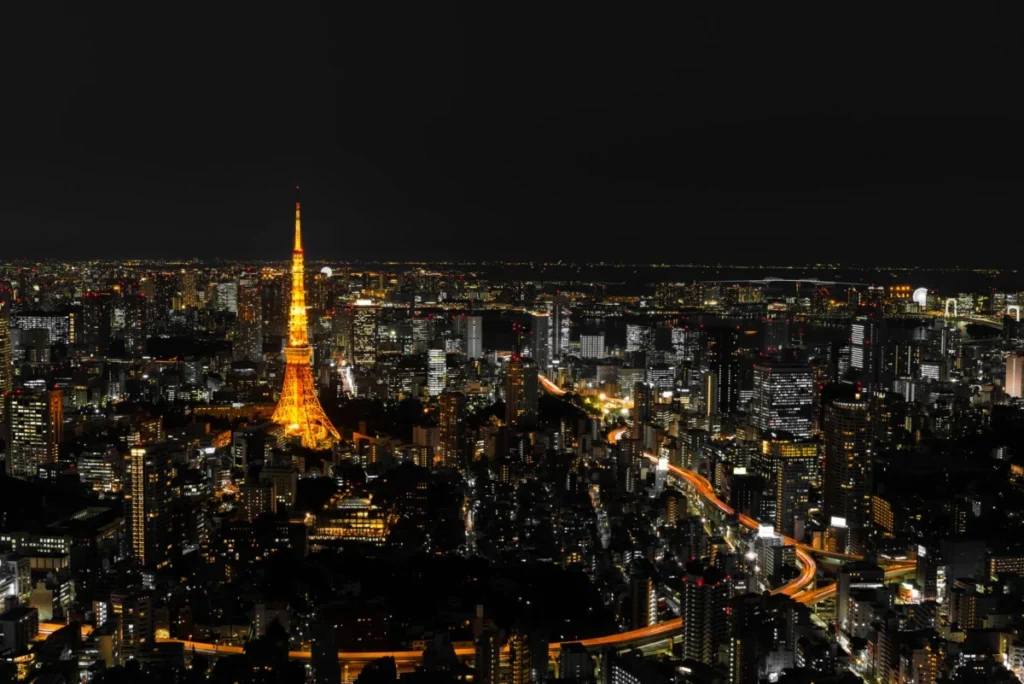
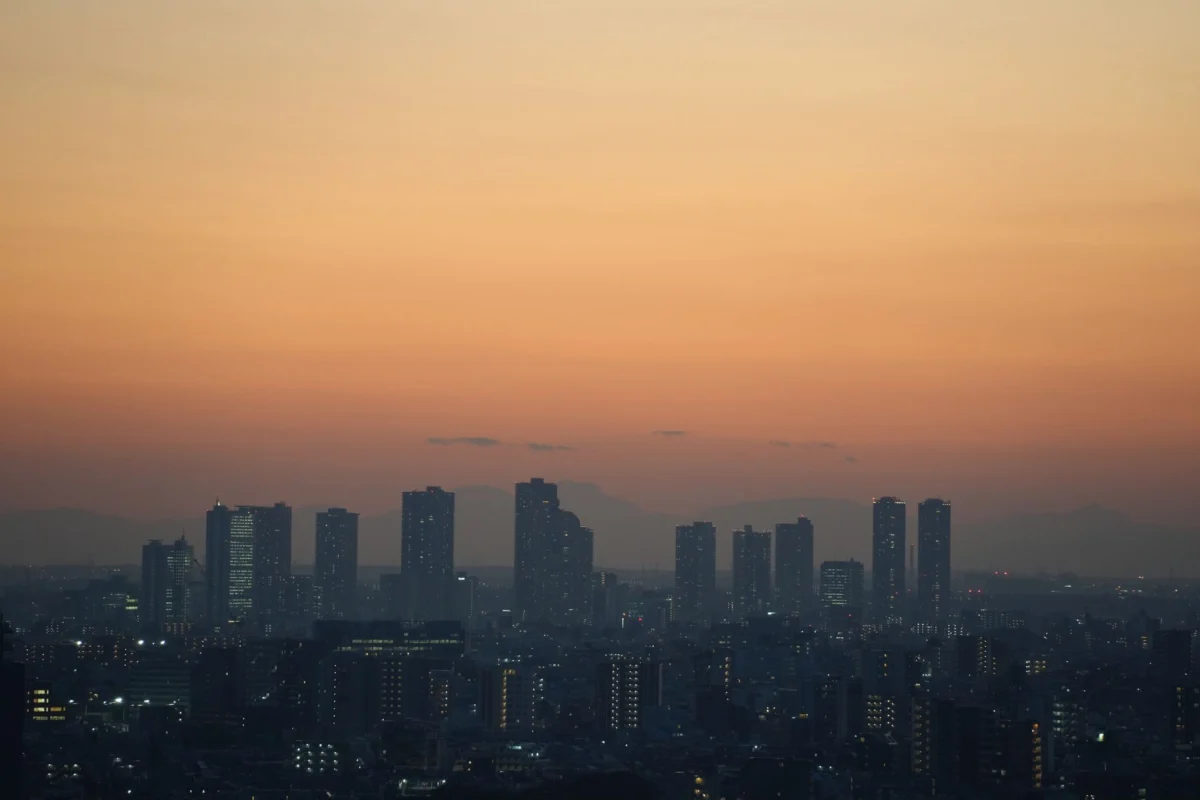
Tokyo skyline with city lights reflecting on the water
At a Glance
Country Japan
City Tokyo
Day / Night 17° / 9°
Local Time 9:53
November — Now Peak season
Best Months Dec · Jul

In Tokyo, the hotel you pick decides whether you walk to your meeting or change trains twice in rush hour. This guide compares four bases for a work trip — Shinjuku East next to the busiest station in the world and its airport buses, Roppongi among the office towers of Minato, and two residential neighbourhoods, Shimokitazawa and Nakameguro, for longer projects — with a working day in each: where to walk before breakfast, where to eat a quick lunch, where to take a client and how you get to the office.

Our top Tokyo hotels for business travellers

Digital nomad pick
⭐ 8.3
Hotel Gracery Shinjuku

Hotel Gracery Shinjuku

Hotel Gracery occupies the upper floors of the Shinjuku Toho Building in Kabukicho — the one with the Godzilla head. JR Shinjuku and Seibu-Shinjuku stations are a few minutes on foot, and with close to 13,000 guest reviews it is one of the most proven hotels in the area. The streets below are busy at night, so ask for a high floor.

Central location
⭐ 8.5
Shinjuku Prince Hotel

Shinjuku Prince Hotel

The Shinjuku Prince sits directly on top of Seibu-Shinjuku station, and JR Shinjuku's east side is a few minutes' walk away. That makes it easy to reach the Yamanote and Chuo lines for Marunouchi and the Marunouchi line for Otemachi without dragging a suitcase far.

Top pick
⭐ 8.4
Villa Fontaine Grand Tokyo Roppongi

Villa Fontaine Grand Tokyo Roppongi

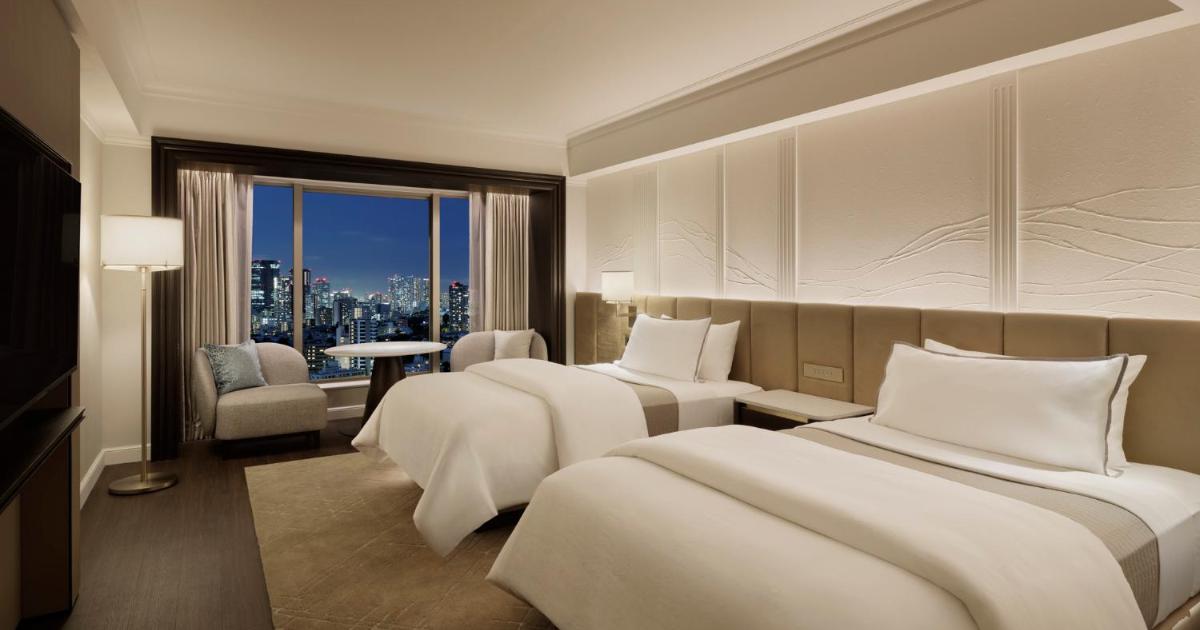
A modern hotel on the Roppongi-itchome side of the neighbourhood, close to the Namboku line. From here the offices of Toranomon, Akasaka and Kasumigaseki are a short ride or a longer walk, and Roppongi Hills and Tokyo Midtown are within reach for meetings and dinners.

Where are your meetings?

Pick where you will spend your working day — we will show you the best base.

Best choice: Shinjuku East (新宿東口)

Best for: Fast train links

Best choice: Roppongi (六本木)

Best for: Minato offices

Best choice: Shimokitazawa (下北沢)

Best for: Longer stays on a budget

Best choice: Nakameguro (中目黒)

Best for: Direct Hibiya line

Best hotels in Tokyo for business travellers

Hotels a short walk from a major station, with direct lines to the office districts and easy transfers to Narita and Haneda.

Shinjuku Prince Hotel
Central location
⭐ 8.5 Very Good
4283 reviews

Shinjuku Prince Hotel

Shinjuku East • Above Seibu-Shinjuku station

The Shinjuku Prince sits directly on top of Seibu-Shinjuku station, and JR Shinjuku's east side is a few minutes' walk away. That makes it easy to reach the Yamanote and Chuo lines for Marunouchi and the Marunouchi line for Otemachi without dragging a suitcase far.

  • Built over Seibu-Shinjuku station
  • Minutes from JR Shinjuku
  • Restaurants in the building
Villa Fontaine Grand Tokyo Roppongi
Top pick
⭐ 8.4 Very Good
2073 reviews

Villa Fontaine Grand Tokyo Roppongi

Roppongi • Near Roppongi-itchome station

A modern hotel on the Roppongi-itchome side of the neighbourhood, close to the Namboku line. From here the offices of Toranomon, Akasaka and Kasumigaseki are a short ride or a longer walk, and Roppongi Hills and Tokyo Midtown are within reach for meetings and dinners.

  • Near Roppongi-itchome station
  • Close to Toranomon offices
  • Quieter than Roppongi Crossing
Comfort Inn Tokyo Roppongi
Smart choice
⭐ 8.1 Very Good
2061 reviews

Comfort Inn Tokyo Roppongi

Roppongi • Chain hotel • Walk to the station

A straightforward chain hotel in Roppongi, within walking distance of the Hibiya and Oedo lines. Rooms are simple and compact, which is all you need for a two-night work trip, and guests rate it well for the location.

  • Simple, compact rooms
  • Hibiya and Oedo lines nearby
  • Guest-rated 8.1/10
MUSTARD HOTEL SHIMOKITAZAWA
Boutique stay
⭐ 8.6 Excellent
2038 reviews

MUSTARD HOTEL SHIMOKITAZAWA

Shimokitazawa • Senrogai • Towards Higashi-Kitazawa

Mustard Hotel stands on the strip of land left behind when the Odakyu line was moved underground, a short walk east of Shimokitazawa station. It is a design-led small hotel rather than a business hotel, but guests rate it 8.5 and it makes a pleasant base when you commute to Shinjuku or Shibuya for a week.

  • Walk to Shimokitazawa station
  • Odakyu line to Shinjuku
  • Cafés for breakfast nearby
illi Com Shimokitazawa
Smart choice
⭐ 8.7 Excellent
197 reviews

illi Com Shimokitazawa

Shimokitazawa • Small stay • Residential streets

A small stay in the residential streets of Shimokitazawa, with fewer than 200 guest reviews but a high average score. Expect a simple room rather than business-hotel services, so check the check-in times and the desk space before you book if you need to work from the room.

  • Quiet residential street
  • Guest-rated 8.8/10
  • Check desk space before booking
The Westin Tokyo
Top pick
⭐ 9.0 Superb
261 reviews

The Westin Tokyo

Nakameguro area • 5-star hotel • Mita, by Ebisu

A 5-star hotel in Mita, a 7-minute walk from Ebisu Station, where the Hibiya line runs to Roppongi, Kasumigaseki and Ginza and the Yamanote line to Shibuya and Shinjuku. There is a concierge, a fitness studio, a spa, five restaurants and two bars, so client dinners and late check-ins are easy to handle. Nakameguro and the Meguro River are about 1 km away, a short taxi ride after work.

  • 7 minutes on foot to Ebisu Station
  • Fitness studio and spa
  • Five restaurants and two bars

How we choose

We pick hotels by location first — minutes on foot to a station and direct lines to the business districts and airports — then by guest ratings and how quiet the rooms are at night.

The best areas to stay in Tokyo for business

Four bases for a work trip, each with a walk before work, a lunch spot, a place for a client dinner and the train line that gets you to the office.

Shinjuku East (新宿東口)

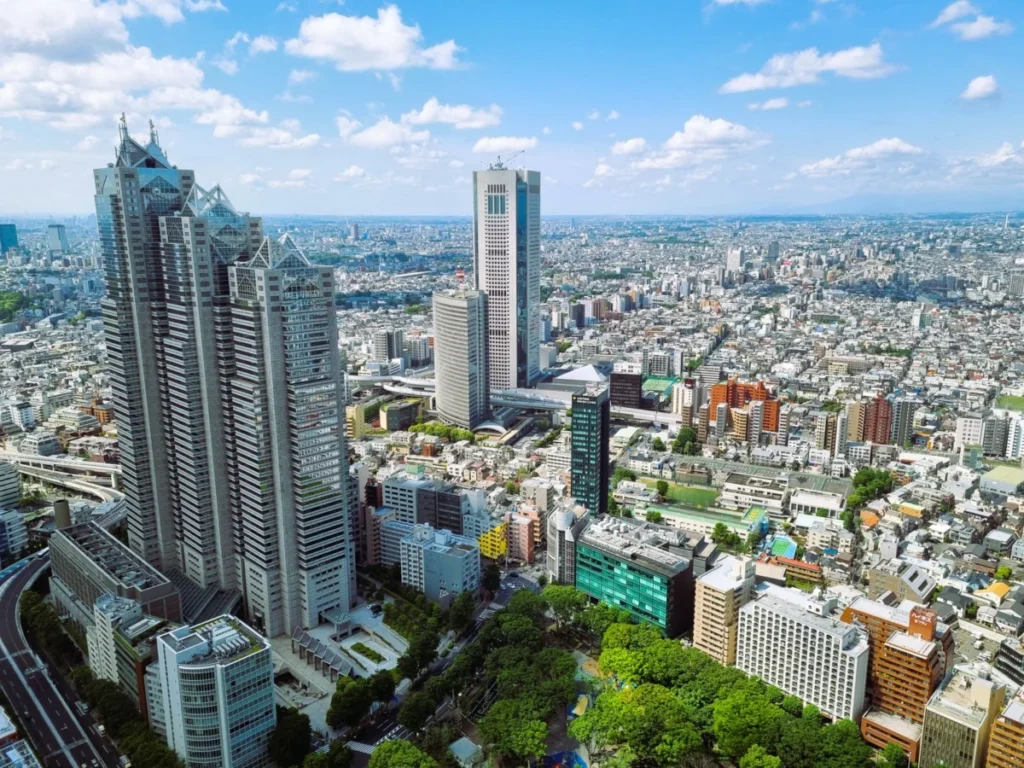
Shinjuku East is where Tokyo's commuters pour out of the busiest station in the world into department stores, office blocks and thousands of small restaurants. For a work trip that is exactly the point: from Shinjuku station the Chuo Rapid line reaches Tokyo station in about 15 minutes, the Marunouchi line goes straight to Otemachi, and the Narita Express and airport buses leave from here too.

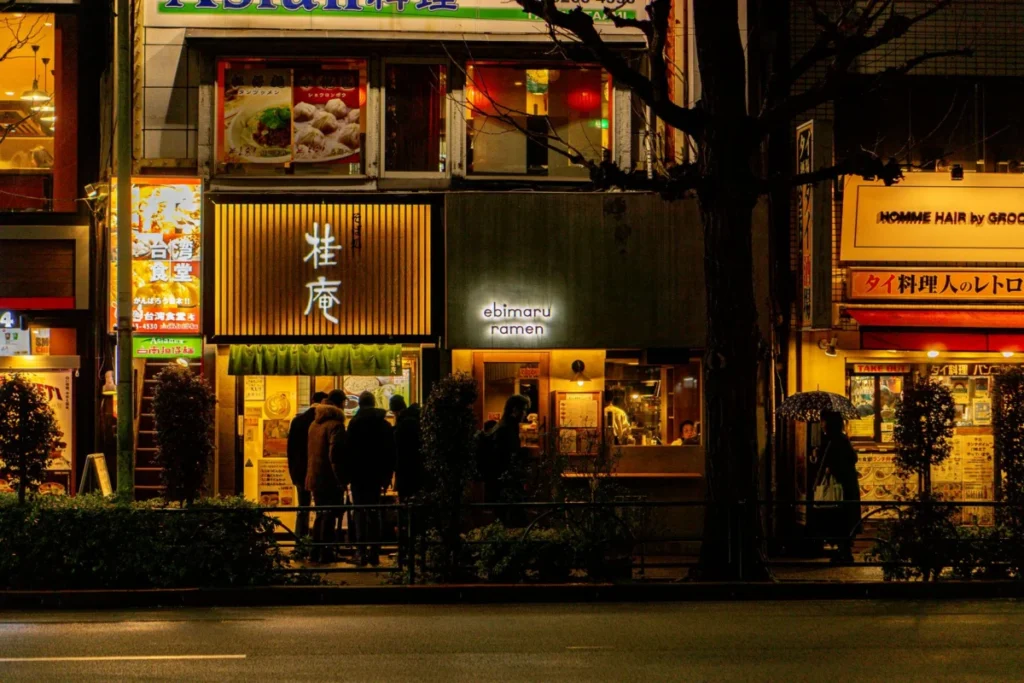
Mornings start with a walk in Shinjuku Gyoen before the office opens, and lunch is a quick set meal in the side streets of Shinjuku-sanchome, where office workers queue before noon. In the evening you can take a client for tempura, then have one last drink in the tiny bars of Omoide Yokocho.

The downside is the crowd. The station is a maze, rush hour is intense and Kabukicho is loud and full of touts until late. Pick a hotel on a quieter street and give yourself extra minutes to find the right exit.

Local picks

For Business
  • 1
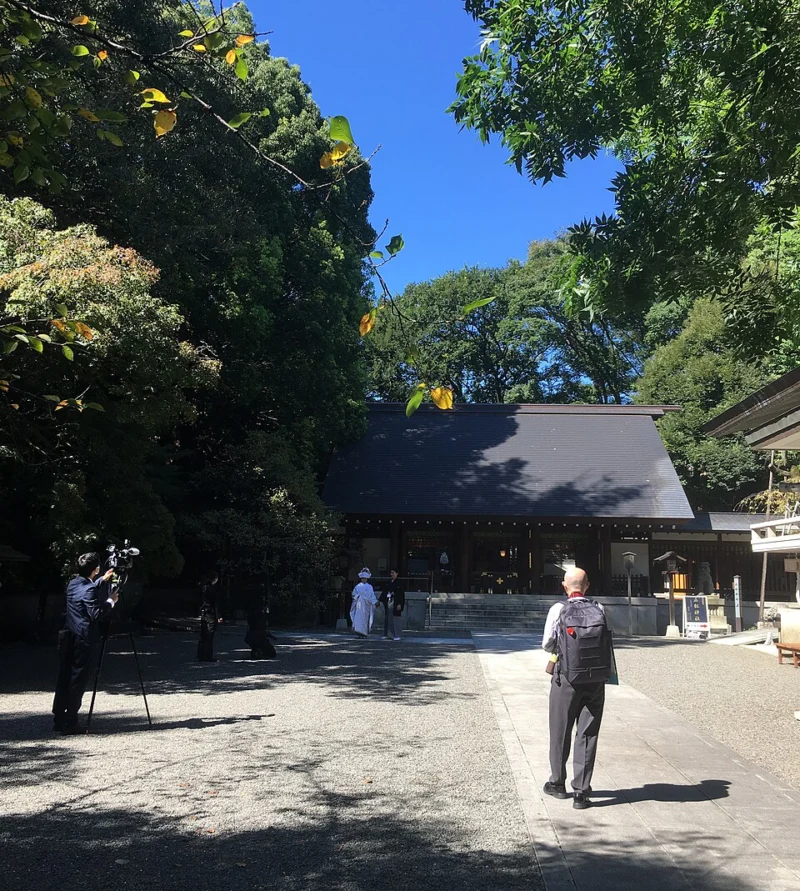
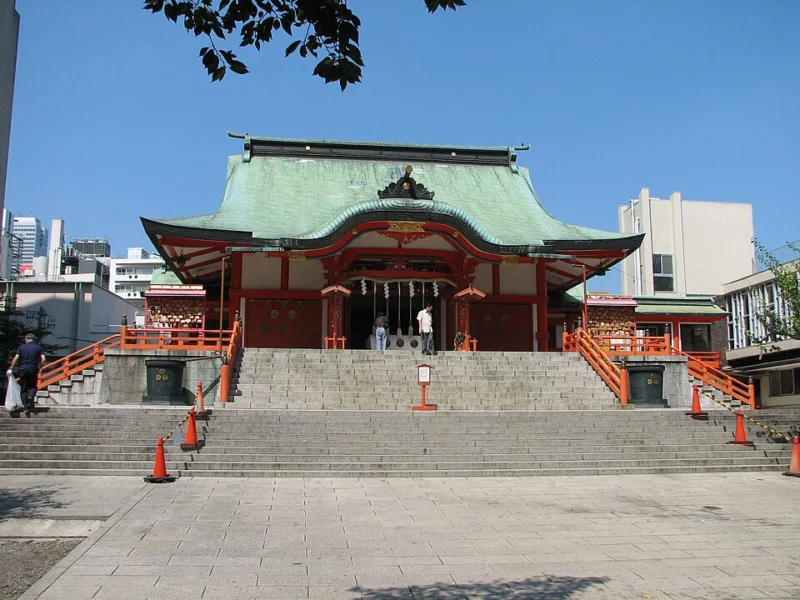
    Early walkHanazono ShrineA small Shinto shrine on Yasukuni-dori, tucked between office blocks and Golden Gai. Ten quiet minutes here clear your head before the first meeting.
  • 2
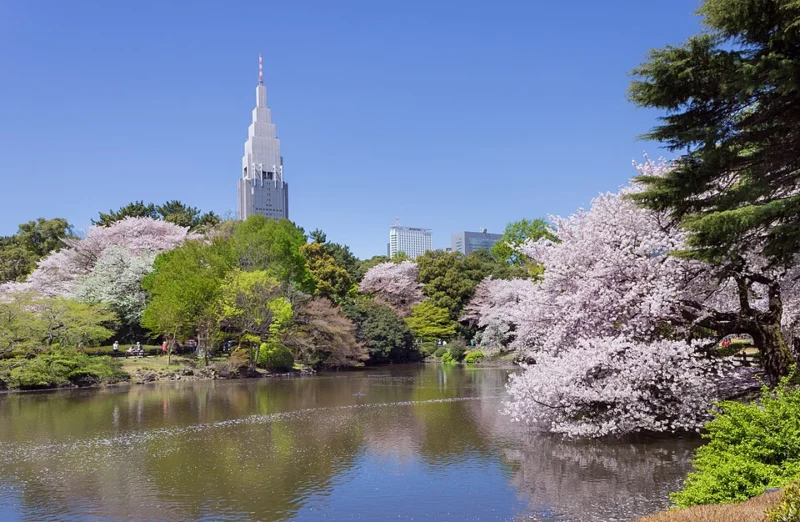
    Before a meetingShinjuku Gyoen National GardenLawns, Japanese gardens and a greenhouse, a 10-minute walk south of Shinjuku-sanchome. It opens at 9:00 and is closed on Mondays, so it suits a late start or a gap between meetings.
  • 3
    Gifts for clientsIsetan ShinjukuIn Japan you bring a small gift (omiyage) to the office you visit. The basement food hall of Isetan has beautifully boxed sweets that travel well; it opens at 10:00.
  • 4
    Business lunchShinjuku Kappo NakajimaA small basement kappo restaurant known for its sardine set lunch, popular with office workers — arrive before noon or expect a queue. Closed on Sundays, Mondays and public holidays.
  • 5
    Client dinnerTsunahachiTempura cooked in front of you, in Shinjuku since 1924. It is a safe choice for visitors who are new to Japanese food; book ahead if you are more than two.
  • 6
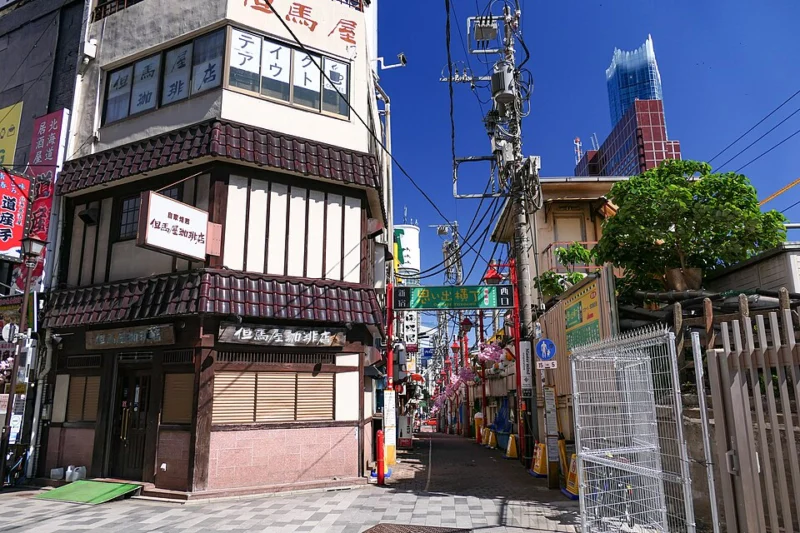
    After workOmoide YokochoCross under the tracks to the west side for this lane of tiny yakitori counters, a few minutes from the station. One skewer and a beer here is the classic salaryman way to end the day.
  • Getting aroundShinjuku · Shinjuku-sanchomeJR Shinjuku has the Yamanote, Chuo and Saikyo lines plus the Narita Express. Shinjuku-sanchome, on the east side, has the Marunouchi line to Otemachi and the Fukutoshin line to Shibuya and Ikebukuro.
  • Where to stayShinjuku East has everything from big station hotels to compact business hotels. Choose one within five minutes of an exit you will actually use, and avoid rooms facing the Kabukicho streets if you need to sleep before an early meeting.

Did you know?

Opened in 1885 Shinjuku station opened in 1885 as a small stop and grew into the busiest station in the world.
A theatre that never came Kabukicho is named after a kabuki theatre planned after the war that was never built.
A post-war alley Omoide Yokocho began as a black market by the tracks after the Second World War.
A feudal lord's garden Shinjuku Gyoen stands on the Edo-period estate of the Naito family.
Shinjuku East (新宿東口)

Roppongi (六本木)

Roppongi has two faces. By day it is a business district: the office towers of Roppongi Hills and Tokyo Midtown are full of international companies, and Toranomon, Akasaka and the ministries of Kasumigaseki are a few stops away. By night the area around Roppongi Crossing turns into a bar strip for expats and visitors.

For a work trip, stay on the office side. Start with a walk to a quiet shrine near Midtown, eat a fast bowl of ramen at lunch and take visiting colleagues up to the observation deck of Mori Tower in the evening to see the whole city lit up. The Hibiya line takes you straight to Kamiyacho, Kasumigaseki and Ginza.

The downside is the nightlife: on Friday and Saturday the crossing is loud and touts work the pavement. Book a hotel a few streets away and you will barely notice.

Local picks

For Business
  • 1
    Early walkNogi ShrineA calm shrine on a slope just north of Tokyo Midtown, next to the preserved house of General Nogi. It is quiet first thing, when only locals on their way to work pass through.
  • 2
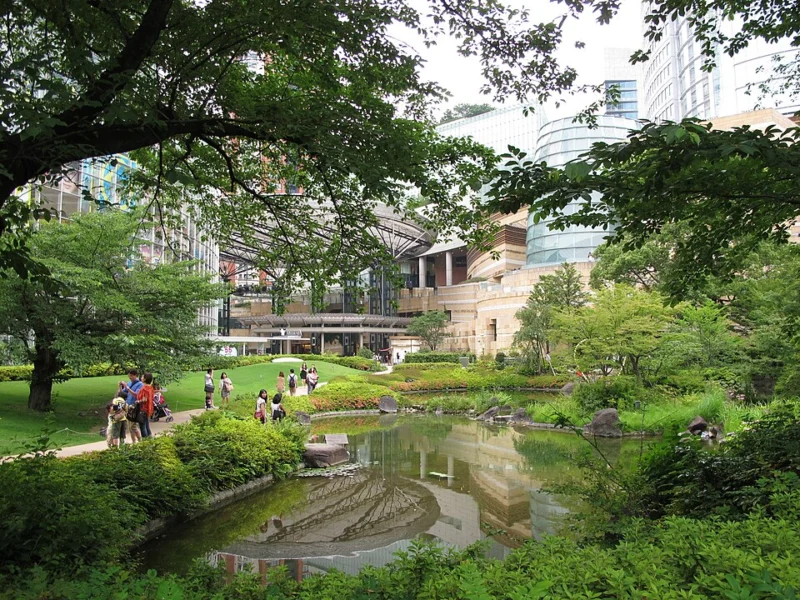
    Between meetingsMidtown GardenThe lawns and trees behind Tokyo Midtown, where people from the surrounding offices take calls and eat lunch on sunny days. A good place to meet someone before walking into the building.
  • 3
    Quick lunchIppudoA branch of the well-known Hakata ramen chain on Gaien-higashi-dori, a few minutes from the crossing. You order, eat and are out in 30 minutes — ideal between meetings.
  • 4
    Quiet breakMōri GardenA small pond garden at the foot of Roppongi Hills, left from an Edo-period estate. It is a short walk from the Mori Tower offices and much calmer than the shopping levels above.
  • 5
    EveningTokyo City ViewThe indoor observation deck on the 52nd floor of Mori Tower, open until 22:00. Bring visiting colleagues here after work to see the whole city — Tokyo Tower, the bay and, on clear days, Mount Fuji at dusk.
  • Getting aroundRoppongi · Roppongi-itchomeRoppongi station has the Hibiya line to Kamiyacho, Kasumigaseki and Ginza and the Oedo line to Shiodome and Shinjuku. Roppongi-itchome, on the Namboku line, is the stop for Tameike-sanno and Akasaka.
  • Where to stayRoppongi has international hotel chains near the office towers and simpler business hotels around the crossing. Look on the Roppongi-itchome and Midtown sides for quieter nights, and check the walk to the Hibiya or Namboku line before you book.

Did you know?

Army town to bar district After 1945 US forces used the old army barracks here, and the bars that served them started Roppongi's nightlife.
Minoru Mori's Roppongi Hills Developer Minoru Mori opened Roppongi Hills in 2003 after more than 15 years of planning.
Tokyo Midtown opened in 2007 Its Midtown Tower was the tallest building in Tokyo until 2014.
A general's house Nogi Shrine stands next to the preserved house of General Nogi Maresuke, who took his own life there in 1912.
Roppongi (六本木)

Shimokitazawa (下北沢)

Shimokitazawa is not a business district — it is a neighbourhood of small theatres, second-hand clothes shops and cafés, where students and young creative workers live. Why it still works for business travellers: two train lines. The Odakyu line reaches Shinjuku in under ten minutes on an express, and the Keio Inokashira line gets you to Shibuya in about five.

That makes it a good base for a longer project, when a week in a station hotel starts to wear you down. Mornings begin with breakfast at a bakery, lunch is a bowl of curry near the station and evenings end with a local craft beer instead of a hotel bar. The new park paths of the Senrogai, built over the old railway, make an easy walk after work.

The downside: it is far from Marunouchi and the airports, there are few proper business hotels, and rooms tend to be small. Choose it if you commute to Shinjuku or Shibuya and are staying more than a few nights.

Local picks

For Business
  • 1
    BreakfastUniversal Bakes and CafeA vegan bakery in the quiet streets of Daita, a 10-minute walk south-west of the station, with bread, doughnuts and coffee. It opens at 8:30 but only from Wednesday to Sunday.
  • 2
    Walk to the trainShimokita SenrogaiThe walkways, gardens and small shops built along the old Odakyu tracks. Walk this way to the station instead of the busy shopping streets.
  • 3
    LunchRojiura Curry SAMURAI.Sapporo-style soup curry with plenty of vegetables, a few minutes from the station. Filling and quick enough for a lunch before a train to Shinjuku.
  • 4
    Easy dinnerVillage Vanguard DinerA burger and salad diner run by the Village Vanguard bookstore chain. A simple dinner when you are tired of eating out with colleagues.
  • 5
    After workUshi-ToraA craft beer bar with a long list of Japanese and American beers on tap, one floor above the street. One of the best places in the area to unwind after a long day.
  • Getting aroundShimokitazawa stationThe Odakyu line runs to Shinjuku, and the Keio Inokashira line to Shibuya, where you can change to the Ginza and Hanzomon lines for the business districts. For Marunouchi, allow 30–40 minutes door to door.
  • Where to stayShimokitazawa has only a few hotels, mostly small design hotels and apartment stays rather than business hotels. Check the size of the room and whether there is a desk, and stay within ten minutes of the station.

Did you know?

A railway crossing Shimokitazawa grew up where the Odakyu line (1927) and the Inokashira line (1933) cross.
Village Vanguard The Shimokitazawa branch of this 'bookstore' chain sells books, toys and snacks side by side.
Honda Theatre Actor Kazuo Honda opened the Honda Theatre in 1982, and the area became Tokyo's small-theatre district.
A park on the tracks The Odakyu line went underground in 2013, and the old track bed became the Shimokita Senrogai.
Shimokitazawa (下北沢)

Nakameguro (中目黒)

Nakameguro is a residential neighbourhood along the Meguro River, with designers, media people and young families living in low buildings on both banks. For a work trip it has one big advantage: Naka-meguro station is the end of the Hibiya line, so you get a seat and ride straight to Roppongi, Kamiyacho, Kasumigaseki and Ginza, while the Tokyu Toyoko line reaches Shibuya in two stops.

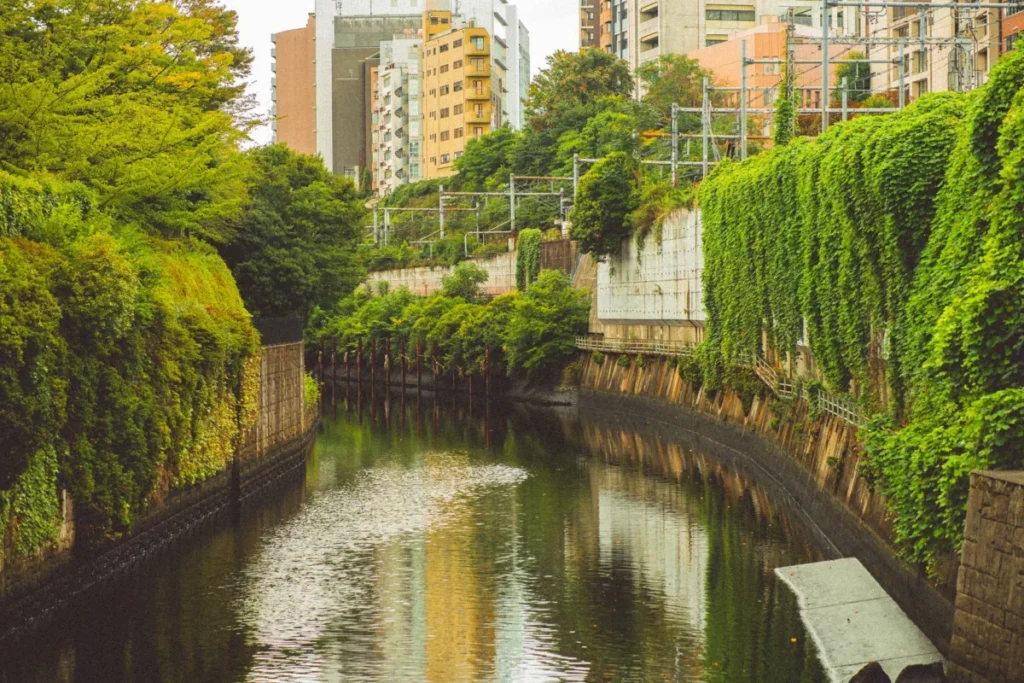
It suits a longer project better than a quick trip. Start with a run along the river, work from a big café with a laptop in the morning and have dinner in a small local restaurant in the evening. On weekends, walk to the bookshops of Daikanyama.

The downside is choice: there are almost no business hotels here, mainly apartment stays, and in cherry-blossom season at the end of March the riverbanks are packed. Book early if your trip falls in spring.

Local picks

For Business
  • 1
    Early walkMeguro Sky GardenA park on the roof of a motorway junction, about 15 minutes' walk north of the station along the river. It opens at 7:00, early enough for a walk before work.
  • 2
    Morning workStarbucks Reserve Roastery TokyoA four-storey roastery by the river that opens at 7:00. Weekday mornings are the time to get a table with your laptop — by the afternoon and at weekends it is full of visitors.
  • 3
    Walk to the stationMeguro RiverFollow the river path downstream under the cherry trees to Naka-meguro station. In late March it is one of the most crowded places in Tokyo; the rest of the year it is a calm commute.
  • 4
    EveningDaikanyama T-SiteThree connected buildings of the Tsutaya bookshop, a 10-minute walk from the station, open late. Good for a quiet evening with business books and magazines.
  • 5
    DinnerJunkadelicA small, relaxed Mexican restaurant south-west of the station. It is an easy dinner after a long day, not a place for a formal client meal.
  • Getting aroundNaka-meguro stationThe Hibiya line starts here and runs directly to Roppongi, Kamiyacho, Kasumigaseki and Ginza. The Tokyu Toyoko line goes to Shibuya in two stops and on towards Yokohama.
  • Where to stayThere are very few hotels in Nakameguro, mainly apartment stays and a handful of small hotels. Check how check-in works and whether there is a desk, and look in Ebisu or Shibuya if you need a full-service business hotel.

Did you know?

About 800 cherry trees Around 800 cherry trees line the Meguro River here, which makes it one of Tokyo's most famous sakura spots.
A garden on a motorway Meguro Sky Garden, opened in 2013, is a park built on the roof of the Ohashi motorway junction.
Kengo Kuma's roastery The Starbucks Reserve Roastery Tokyo, designed by architect Kengo Kuma, opened here in 2019.
End of the line Naka-meguro is the terminus of the Hibiya line, and many trains continue onto the Tokyu Toyoko line.
Nakameguro (中目黒)

Planning your stay in Tokyo

For Business
  • Tokyo in two working daysDay 1: stay in Shinjuku East, take the Chuo line to meetings in Marunouchi and have tempura with a client in the evening. Day 2: morning meetings in Roppongi or Toranomon, then the limousine bus or the Narita Express back to the airport.
  • Staying a week or longerFor a longer project, swap the station hotel for Nakameguro or Shimokitazawa. You will get a quieter night and a neighbourhood to live in, with a direct train to Minato or Shinjuku.
  • Airport daysNarita is about 1.5 hours from Shinjuku by the Narita Express; Haneda is much closer to the centre. Leave extra time in the morning rush and keep your Suica or PASMO topped up for the train.
Self-guided walking tours Business (Tokyo, Japan)
Routes 4
Pick a route

Best time to visit Tokyo (Japan)

Now (November) avg high: 17°C, mostly dry, full season — expect crowds. Best months to walk: Dec & Jul.

Live Temp …
~Day / Night Temp 17°C / 9°C
Sunrise / Sunset 6:09 / 16:40
Local time 9:53
Sea Temp 18°C
Best Months Dec & Jul
J Jan F Feb M Mar A Apr M May J Jun J Jul best month A Aug S Sep O Oct N Nov this month D Dec best month
Check Tokyo hotels
Temperature Average daytime high, month by month. Zero line marks freezing point.
Crowds How busy it gets — traveller interest by month.
Sea temperature Sea warmth for swimming, by month.
Rainfall Rainy days to expect each month.
Sunshine Hours of sun per day, by month.
Tokyo guides →

Best hotels in Tokyo for business travellers

Hotels a short walk from a major station, with direct lines to the office districts and easy transfers to Narita and Haneda.
Hotel Gracery Shinjuku
Digital nomad pick
8.3 Very Good
12761 reviews

Hotel Gracery Shinjuku

Hotel Gracery occupies the upper floors of the Shinjuku Toho Building in Kabukicho — the one with the Godzilla head. JR Shinjuku and Seibu-Shinjuku stations are a few minutes on foot, and with close to 13,000 guest reviews it is one of the most proven hotels in the area. The streets below are busy at night, so ask for a high floor.

Ideal for: Business travellers who want a proven hotel next to Shinjuku station
Shinjuku Prince Hotel
Central location
8.5 Very Good
4283 reviews

Shinjuku Prince Hotel

The Shinjuku Prince sits directly on top of Seibu-Shinjuku station, and JR Shinjuku's east side is a few minutes' walk away. That makes it easy to reach the Yamanote and Chuo lines for Marunouchi and the Marunouchi line for Otemachi without dragging a suitcase far.

Ideal for: Business travellers who want to be on top of a station
Villa Fontaine Grand Tokyo Roppongi
Top pick
8.4 Very Good
2073 reviews

Villa Fontaine Grand Tokyo Roppongi

A modern hotel on the Roppongi-itchome side of the neighbourhood, close to the Namboku line. From here the offices of Toranomon, Akasaka and Kasumigaseki are a short ride or a longer walk, and Roppongi Hills and Tokyo Midtown are within reach for meetings and dinners.

Ideal for: Business travellers with meetings in Minato and Toranomon
Comfort Inn Tokyo Roppongi
Smart choice
8.1 Very Good
2061 reviews

Comfort Inn Tokyo Roppongi

A straightforward chain hotel in Roppongi, within walking distance of the Hibiya and Oedo lines. Rooms are simple and compact, which is all you need for a two-night work trip, and guests rate it well for the location.

Ideal for: Business travellers on a tighter travel budget
MUSTARD HOTEL SHIMOKITAZAWA
Boutique stay
8.6 Excellent
2038 reviews

MUSTARD HOTEL SHIMOKITAZAWA

Mustard Hotel stands on the strip of land left behind when the Odakyu line was moved underground, a short walk east of Shimokitazawa station. It is a design-led small hotel rather than a business hotel, but guests rate it 8.5 and it makes a pleasant base when you commute to Shinjuku or Shibuya for a week.

Ideal for: Business travellers on a longer project who want a neighbourhood
illi Com Shimokitazawa
Smart choice
8.7 Excellent
197 reviews

illi Com Shimokitazawa

A small stay in the residential streets of Shimokitazawa, with fewer than 200 guest reviews but a high average score. Expect a simple room rather than business-hotel services, so check the check-in times and the desk space before you book if you need to work from the room.

Ideal for: Independent business travellers who do not need hotel services
The Westin Tokyo
Top pick
9.0 Superb
261 reviews

The Westin Tokyo

A 5-star hotel in Mita, a 7-minute walk from Ebisu Station, where the Hibiya line runs to Roppongi, Kasumigaseki and Ginza and the Yamanote line to Shibuya and Shinjuku. There is a concierge, a fitness studio, a spa, five restaurants and two bars, so client dinners and late check-ins are easy to handle. Nakameguro and the Meguro River are about 1 km away, a short taxi ride after work.

Ideal for: Business travellers who want full service and the Hibiya line

In town for a trade fair?

When a big show is on at Tokyo Big Sight or Makuhari Messe, well-located hotels fill up weeks ahead — book as soon as your dates are confirmed.

Compare Tokyo hotels for business travellers

Location, train links and what makes each one easy on a work trip — side by side.
Shinjuku Prince Hotel
Central location
8.5 Very Good
4283 reviews

Shinjuku Prince Hotel

Shinjuku East • Above Seibu-Shinjuku station
The shortest walk to a train
Restaurants Nearby
Dining in and around the building
City Views
City views from upper floors
Public Transport
Station on the doorstep
Villa Fontaine Grand Tokyo Roppongi
Top pick
8.4 Very Good
2073 reviews

Villa Fontaine Grand Tokyo Roppongi

Roppongi • Near Roppongi-itchome station
Best for meetings in Minato
Modern Design
Modern rooms
Public Transport
Namboku line nearby
Central Location
Roppongi, 550 m from centre

Traditional Local Food Tokyo (Japan)

Snack Vegetarian

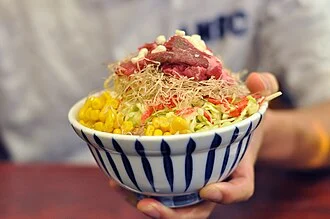
Monjayaki

もんじゃ焼き
mon-jah-yah-kee

A savory pancake with a variety of ingredients and a unique batter.

Open Monjayaki recipe
Main course Fish & Seafood

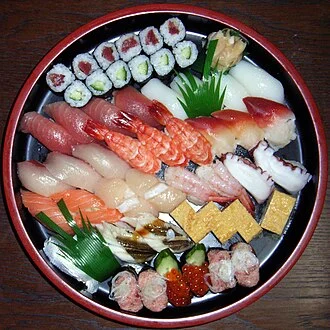
Nigiri

握り
Nee-gee-ree

Hand-formed rice balls topped with slices of raw fish.

Open Nigiri recipe
Main course Meat

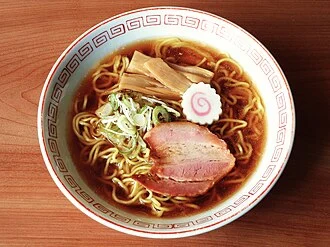
Ramen

ラーメン
rah-muhn

Wheat noodles in a savory broth with toppings.

Open Ramen recipe
Main course Vegan

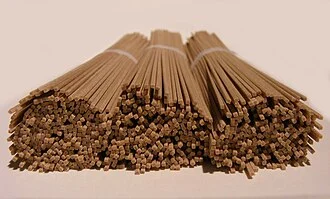
Soba

そば
So-bah

Buckwheat noodles served hot in broth or cold with a dipping sauce.

Open Soba recipe
Main course Fish & Seafood

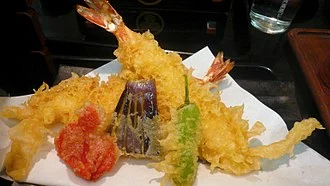
Tempura

天ぷら
tem-poo-rah

Battered and deep-fried seafood or vegetables.

Open Tempura recipe
Main course Meat

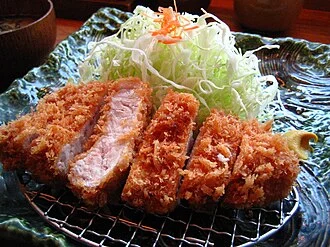
Tonkatsu

豚カツ
ton-KAH-tsu

Breaded and deep-fried pork cutlet, usually served with shredded cabbage.

Open Tonkatsu recipe
Main course Fish & Seafood

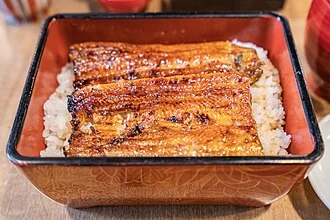
Unagi Kabayaki

うなぎ蒲焼
oo-nah-gee kah-bah-yah-kee

Grilled eel glazed with sweet soy-based sauce.

Open Unagi Kabayaki recipe
Snack Meat

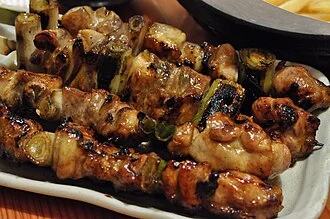
Yakitori

焼き鳥
yah-kee-toh-ree

Grilled skewers of chicken, often seasoned with tare sauce or salt.

Open Yakitori recipe

Activities & Experiences

Things to Do in Tokyo

Top-rated tours, day trips and local experiences — book in advance to secure your spot.

City & Country Data Tokyo (Japan)

Key travel data for Tokyo — local prices, safety, healthcare, local currency and essentials, curated by Triplandio.

Safety 🔒 89
Health 🏥 100
Lifestyle ⭐ 48
Infra 🏗️ 100
Rank 🎯 #5
Score 📊 70
Tourists ✈️ 4.1M/y
GDP/cap 💵 $36.0k
Life Exp ❤️ 84.0 yrs
Population 👥 123.4M
Currency 💱 JPY ¥
Language 🗣️ Japanese
Payments 💳 Mixed
Emergency 🆘 110
Coffee ☕ $3.68
Beer 🍺 $4.08
Lunch 🍽️ $8.00
Groceries 🛒 $60.00/w
Taxi/km 🚕 $1.50
Transit 🚇 $1.50
Fuel ⛽ $1.20/l
Internet 📡 $45.00/m
Salary 💵 $3,000/m

Travel tipsTokyo (Japan)

Quick tips

  1. Kabukicho is the drink-spiking hotspot — Critical

    Kabukicho in Shinjuku is where most British victims of spiking and card fraud in Japan were targeted, and visitors of any nationality are at risk once English-speaking street touts (kyakuhiki) lead them into bars. Walk past any tout.

  2. Some cold and allergy medicines are banned — Critical

    Japan's strict stimulant-drug law covers Vicks inhalers, cold and flu tablets containing pseudoephedrine, some allergy and sinus remedies and some codeine painkillers. Visitors have been detained and deported, so check your medicines with the Japanese embassy before you fly.

  3. Don't follow street touts into bars — Critical

    In nightlife districts such as Kabukicho, Roppongi, Shibuya and Ikebukuro in Tokyo, touts lure visitors into bars where drinks are spiked and huge sums are charged to their cards. Ignore touts and check prices before you order.

  4. Always carry your passport — Caution

    Tourists in Japan must carry their passport at all times, not a photocopy. Police can arrest you if you cannot show proof of your permission to stay.

  5. Smoking on the street is often banned — Caution

    Smoking while walking on the streets of Tokyo and many other Japanese cities is illegal. Look for the designated smoking areas, usually near stations, and smoke only there.

  6. Carry cash as well as cards — Local tip

    Many small restaurants, shrines, temples and rural shops in Japan still take cash only. ATMs at 7-Eleven stores and post offices are the most reliable for foreign cards.

  • Do
  • Carry your passport at all times
  • Take shoes off where slippers wait
  • Wash before getting into an onsen
  • Carry cash for small places
  • Take your rubbish with you
  • Don’t
  • Bring pseudoephedrine medicine
  • Follow touts into bars
  • Tip in restaurants
  • Smoke while walking
  • Take phone calls on trains

Tokyo tips for business travellers

Airport runs from Shinjuku

The Narita Express stops at Shinjuku, and airport limousine buses to Narita and Haneda leave from the Busta Shinjuku bus terminal above the station's south side. If you fly in and out of Haneda often, a hotel near a direct bus stop saves you a train change with luggage.

Tip: Book the limousine bus seat when you land.

Trade fairs at Tokyo Big Sight

Tokyo Big Sight is on the waterfront at Kokusai-tenjijo station on the Rinkai line, and some JR Saikyo line trains from Shinjuku run straight through onto the Rinkai line. For shows at Makuhari Messe in Chiba, the Keiyo line from Tokyo station is the usual route.

Tip: Check the through trains from Shinjuku.

Cards, cash and rush hour

Bring more business cards than you think you need — they are exchanged at almost every first meeting. Put a Suica or PASMO card on your phone for trains and convenience stores, and avoid the 8–9 am rush with a suitcase if you can.

Tip: Business cards are still expected in Tokyo.

Tokyo for business travellers: FAQ

When is the best time to visit Tokyo?

The best time to visit Tokyo is December and July — fewer crowds, comfortable temperatures, less rain and more sunshine. Compare every month in the seasonal chart above.

What is the best area to stay in Tokyo for business?

It depends on where your meetings are. Marunouchi and Otemachi around Tokyo station are the main business district; of the areas in this guide, Shinjuku East has the fastest links there and to the airports, while Roppongi puts you among the offices of Minato and Toranomon.

Which hotels in this guide suit a short work trip best?

For one to three nights, stay next to a station: the Shinjuku Prince sits on top of Seibu-Shinjuku station and Hotel Gracery is a few minutes from JR Shinjuku. For meetings in Minato, Villa Fontaine Grand near Roppongi-itchome is the better base.

Is Shinjuku East safe to walk back to at night?

Yes, Tokyo is very safe, but Kabukicho has touts outside bars and clubs late in the evening. Walk past anyone who stops you in the street and avoid bars you are led into — the bill can be many times what you expect.

How do I get from Narita or Haneda to these areas?

The Narita Express runs from Narita to Shinjuku, and airport limousine buses run from both airports to Busta Shinjuku and to several big hotels. For Roppongi and Nakameguro, the train with one change or a taxi from Haneda is usually quickest.

Where should I take a client for dinner?

Choose a Japanese classic with a counter or private room and book ahead. In Shinjuku, Tsunahachi has served tempura since 1924; in Roppongi, the restaurants of Roppongi Hills and Tokyo Midtown are easy for visitors to find.

Tokyo for work, done right

★ For business travellers
In Tokyo, the hotel you pick decides whether you walk to your meeting or change trains twice in rush hour. This guide compares four bases for a work trip — Shinjuku East next to the busiest station in the world and its airport buses, Roppongi among the office towers of Minato, and two residential neighbourhoods, Shimokitazawa and Nakameguro, for longer projects — with a working day in each: where to walk before breakfast, where to eat a quick lunch, where to take a client and how you get to the office.
  • Hotels near major stations
  • A working day in each area
  • Links to the office districts and airports
  • Updated 2026
Asia — Japan — Tokyo — Where to Stay in Tokyo for Business Travel
keyboard_arrow_up