
Written for travellers who plan their days around museums and murals. Facts checked against museum and encyclopedia sources. Updated 2026.

Where to Stay in Mexico City for History and Culture

Four bases for museums, murals and colonial streets — from the Aztec temple downtown to the old village of Tlalpan.

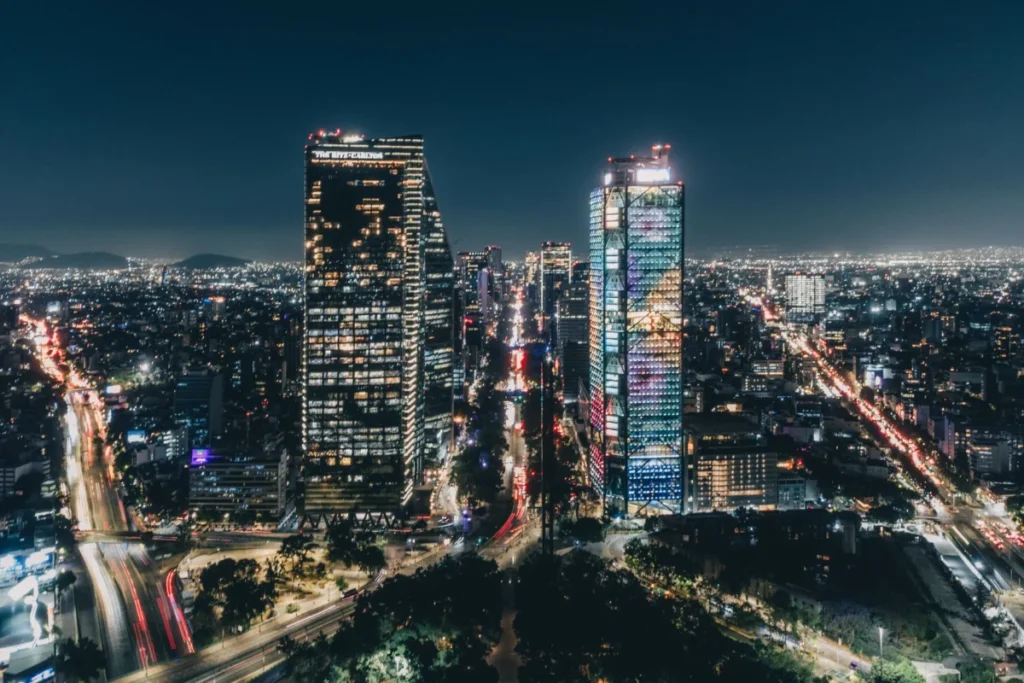
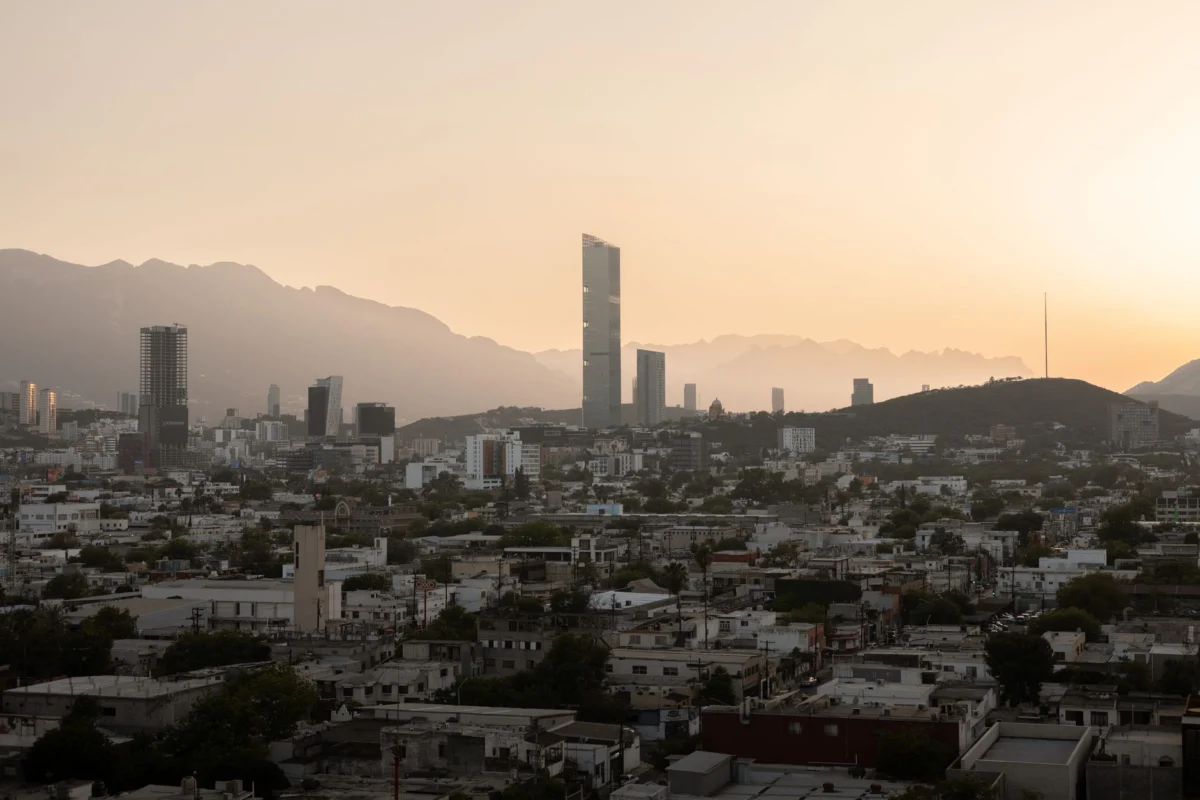
Sunset over iconic Mexico City skyline
At a Glance
Country Mexico
City Mexico City
Day / Night 23° / 9°
Local Time 1:44
November — Now Peak season
Best Months Apr · Nov

Mexico City has more museums than almost any city in the world, and three thousand years of history under its streets. Where you sleep decides how much of it you see on foot. This guide picks four bases for culture lovers — Polanco for the Anthropology Museum, colonial San Ángel, the Centro Histórico for the Aztec city and the great murals, and the old village of Tlalpan in the south — with a day's walk and hotels for each.

Our top Mexico City hotels for culture lovers

Best overall
⭐ 9.0
Presidente InterContinental Mexico City by IHG

Presidente InterContinental Mexico City by IHG

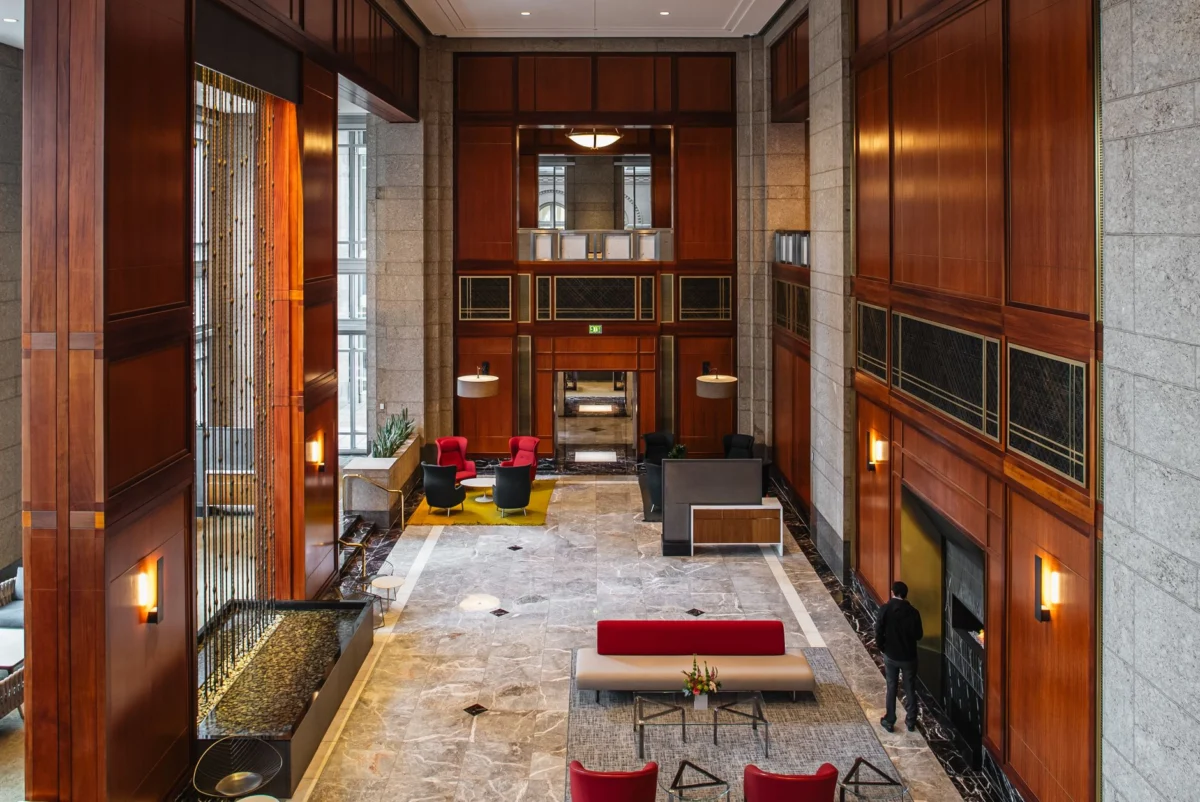
A big hotel tower on Avenida Campos Elíseos, on the edge of Chapultepec Park. The National Museum of Anthropology is about ten minutes away on foot, and the classic French brasserie Au Pied de Cochon is inside the building.

Walkable area
⭐ 9.0
Hyatt Regency Mexico City

Hyatt Regency Mexico City

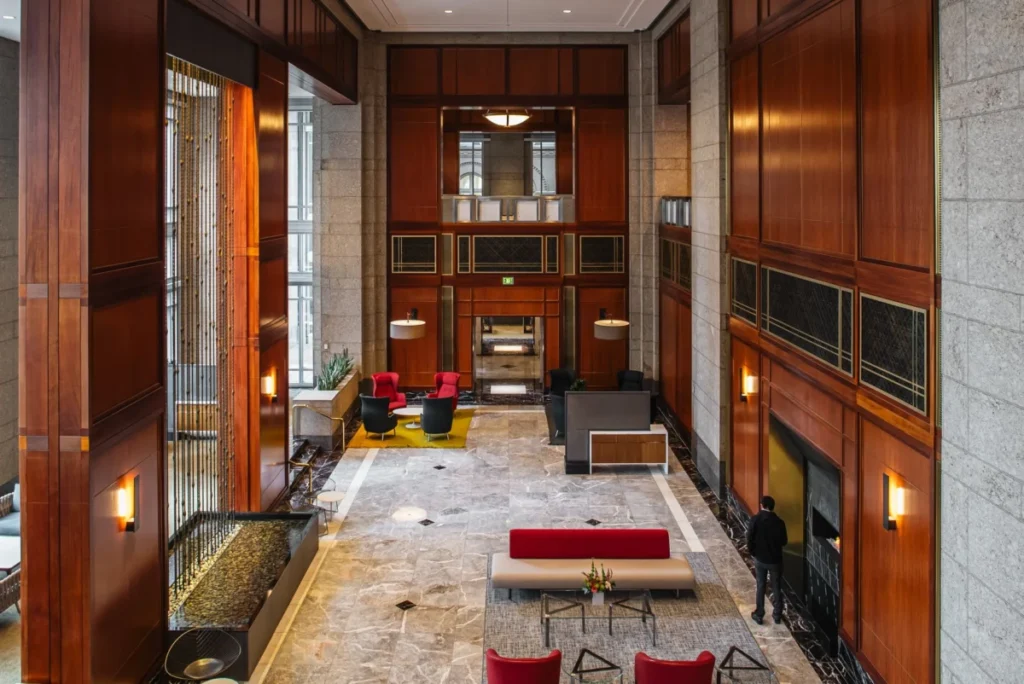
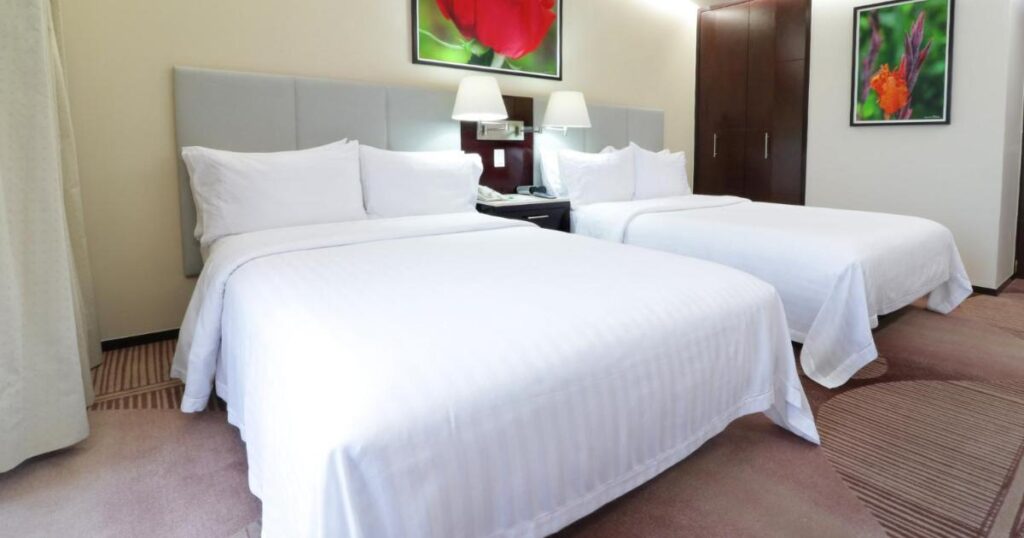
A large international hotel a few doors from the InterContinental on Campos Elíseos. You can walk to the Anthropology Museum and the Tamayo in the morning and to the restaurants around Parque Lincoln in the evening.

Top pick
⭐ 9.0
Terraza & Loft San Ángel

Terraza & Loft San Ángel

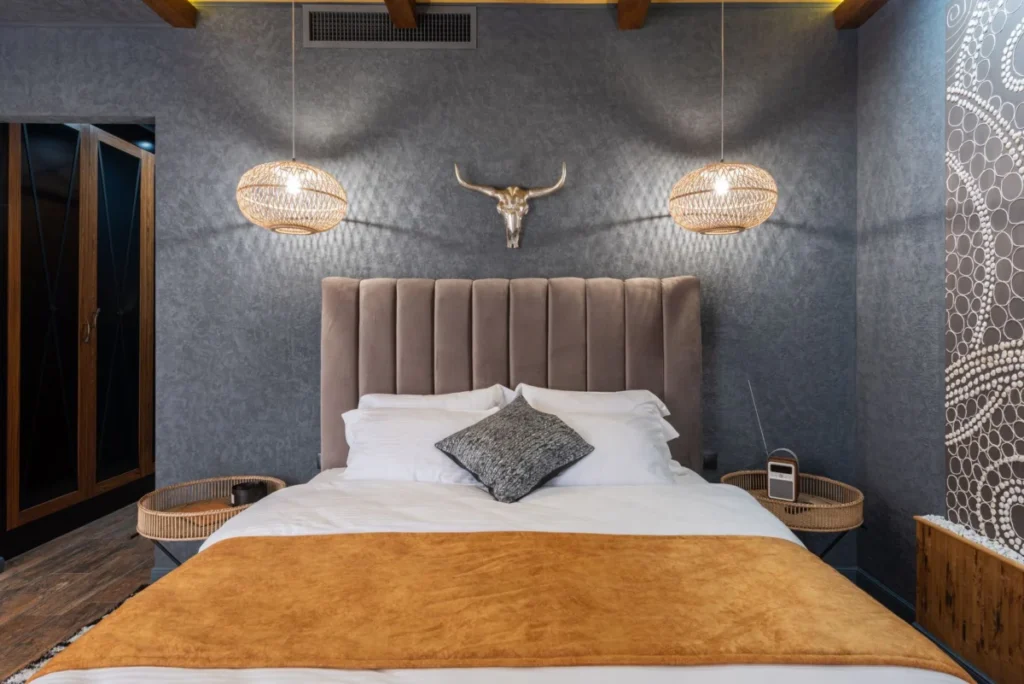
A small, highly rated place to stay in San Ángel. Check the exact address on the map: from the cobbled centre you can walk to El Carmen, Plaza San Jacinto and the Rivera–Kahlo studio houses.

Which Mexico City suits your kind of history?

Pick the period and the pace you want — we will show you the neighbourhood.

Best choice: Polanco

Best for: Museum days

Best choice: San Ángel

Best for: Colonial village

Best choice: Centro Histórico

Best for: Aztec & colonial history

Best choice: Tlalpan

Best for: Southern colonial town

Best hotels in Mexico City for history and culture

Hotels chosen by how close they are to the museums, murals and old streets you came for.

Hyatt Regency Mexico City
Walkable area
⭐ 9.0 Outstanding
946 reviews

Hyatt Regency Mexico City

Polanco • Large city hotel • Campos Elíseos

A large international hotel a few doors from the InterContinental on Campos Elíseos. You can walk to the Anthropology Museum and the Tamayo in the morning and to the restaurants around Parque Lincoln in the evening.

  • Walk to Chapultepec's museums
  • Restaurants of Polanco nearby
  • Easy taxi to the Centro
Terraza & Loft San Ángel
Top pick
⭐ 9.0 Outstanding
133 reviews

Terraza & Loft San Ángel

San Ángel • Small stay • Colonial streets

A small, highly rated place to stay in San Ángel. Check the exact address on the map: from the cobbled centre you can walk to El Carmen, Plaza San Jacinto and the Rivera–Kahlo studio houses.

  • Small and highly rated
  • Near Plaza San Jacinto
  • Saturday bazaar on foot
Casa Monasterio
Boutique stay
⭐ 9.6 Outstanding
51 reviews

Casa Monasterio

San Ángel • Small guesthouse • Quiet streets

A small, very well rated guesthouse in San Ángel with only a few dozen reviews so far. Check the location on the map before you book: the closer to Plaza San Jacinto, the more of the old village you will see on foot.

  • Small property
  • Very good guest ratings
  • Quiet southern neighbourhood
Radisson Paraiso Hotel Mexico City
Smart choice
⭐ 8.7 Excellent
1155 reviews

Radisson Paraiso Hotel Mexico City

Tlalpan (Parques del Pedregal) • Large hotel • Near Cuicuilco

A large modern hotel on Calle Cúspide in Parques del Pedregal, in the borough of Tlalpan, about 3 km north-west of Tlalpan's old centre. The Cuicuilco archaeological zone is close by, but you will need taxis for the Centro and the main museums.

  • Close to Cuicuilco
  • Large modern hotel
  • Taxi to Tlalpan centre
Holiday Inn Hotel & Suites Mexico Medica Sur
Smart choice
⭐ 8.9 Fabulous
174 reviews

Holiday Inn Hotel & Suites Mexico Medica Sur

Tlalpan • 4-star hotel • Médica Sur complex

A 4-star hotel inside the Médica Sur hospital complex on Puente de Piedra, in the hospital district on the northern side of Tlalpan, about a kilometre from the old centre. It is completely non-smoking, with a fitness room, a 24-hour front desk and the Matilde Bistro serving Mexican and international food from breakfast to dinner. The setting is clinical rather than charming, but it is a reliable base for Cuicuilco and Tlalpan's colonial streets.

  • Bistro open all day
  • Non-smoking hotel
  • Short ride to old Tlalpan
Hotel Catedral
Smart choice
⭐ 9.2 Superb
4468 reviews

Hotel Catedral

Centro Histórico • 4-star hotel • República de Guatemala

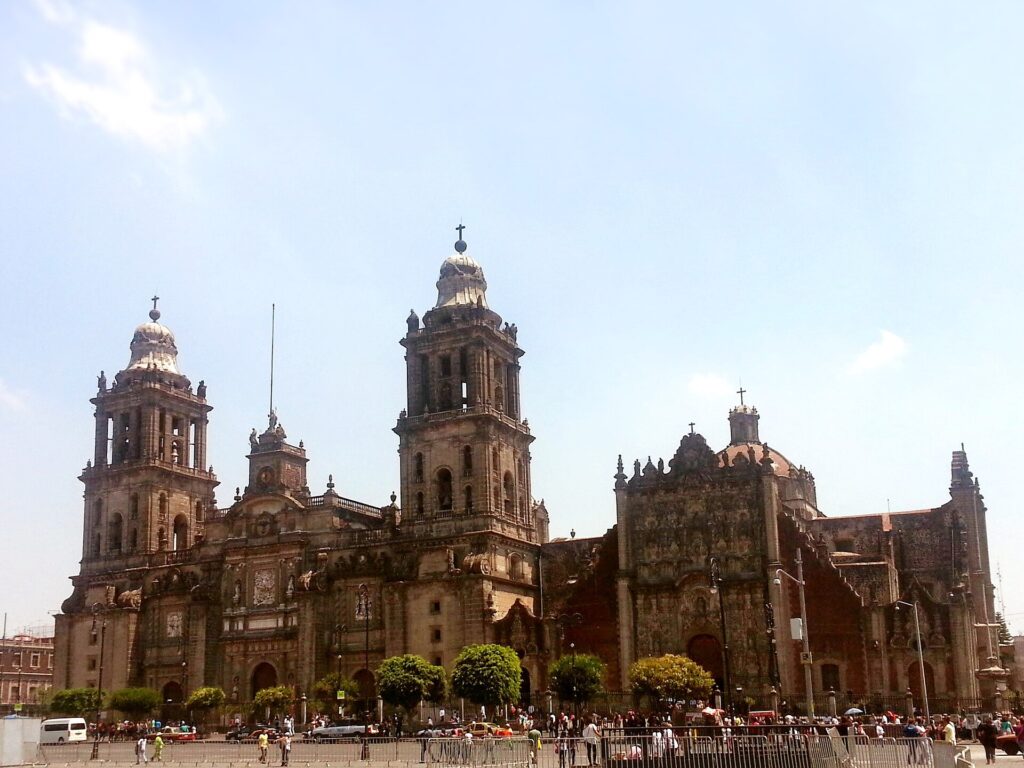
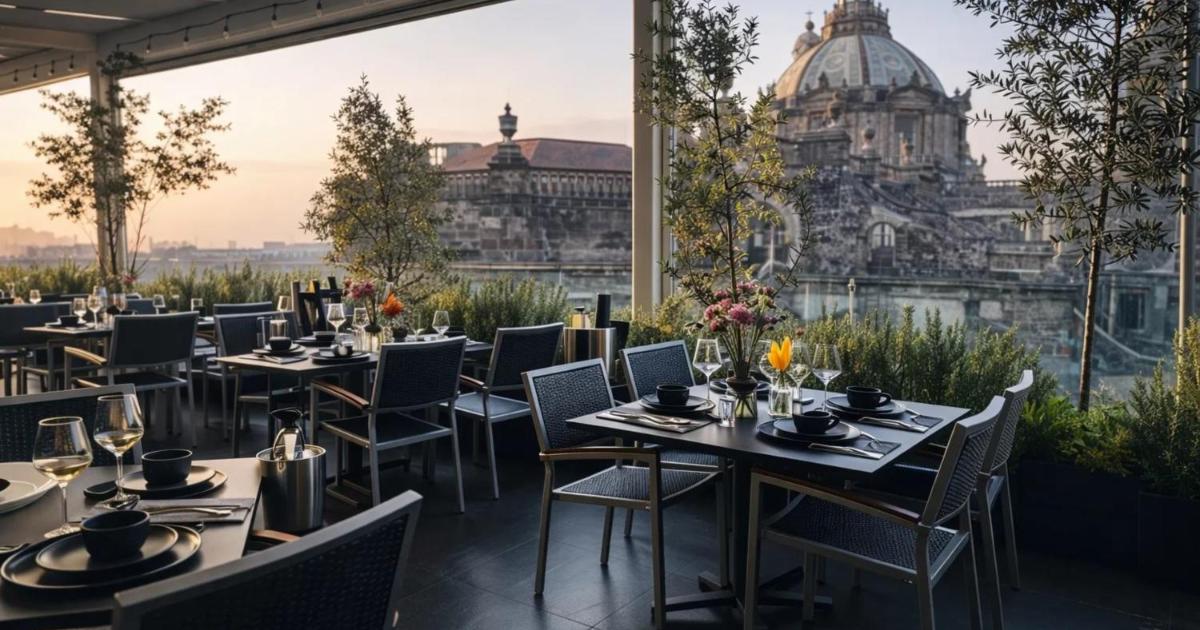
A 4-star hotel on República de Guatemala, 240 metres from the Metropolitan Cathedral and a 5-minute walk from the Zócalo and the Templo Mayor ruins. Rooms are air-conditioned with a coffee maker, and there is a restaurant, a terrace, room service and a 24-hour front desk. Few bases put the Aztec and colonial sights this close.

  • 240 m from the Cathedral
  • 5 minutes to the Zócalo
  • Restaurant and terrace
La Casa Azul (Zona de Hospitales)
Smart choice
⭐ 9.0 Superb
477 reviews

La Casa Azul (Zona de Hospitales)

Tlalpan • Homestay • Vasco de Quiroga

A homestay on Vasco de Quiroga in Tlalpan's hospital district, about a kilometre from the old centre. Rooms are private, with a walk-in shower, a fridge, a kettle and a work desk, and reception staff speak Spanish. Guests rate it highly for cleanliness and location — over 470 reviews at 9.0 — so it is a good-value base for Cuicuilco and Tlalpan's plazas, with taxis for the museums downtown.

  • Private rooms with fridge
  • Rated 9.0 by 470+ guests
  • Near old Tlalpan

How we choose

We pick hotels by location first — how far you are from the big museums and the historic centres on foot — then by guest ratings. We only describe features we could check.

The best areas to stay in Mexico City for history and culture

Four neighbourhoods, four chapters of Mexican history — each with a walk from the first museum of the morning to a historic table at night.

Polanco

Polanco is where Mexico City keeps its money, but culture lovers stay here for one reason: the National Museum of Anthropology is a short walk away, on the edge of Chapultepec Park. You can be at the door at opening time, before the coaches arrive, and give the Aztec and Maya halls the hours they deserve.

The neighbourhood itself was laid out from 1937 on the land of an old hacienda, and its streets are named after writers and thinkers — Homero, Horacio, Aristóteles, Edgar Allan Poe. In the afternoon walk north to Museo Soumaya and Museo Jumex, two private collections facing each other in Nuevo Polanco, and in the evening eat in the old hacienda house itself.

The downside: Polanco is modern and expensive, with no colonial streets of its own, and the Centro Histórico is 20–30 minutes away by taxi or Metro. Choose it if museums matter more to you than old buildings.

Local picks

For Culture & History
  • 1
    MorningNational Museum of AnthropologyMexico's largest museum, opened in 1964, with the Aztec Sun Stone in the Mexica hall. Arrive at 9 am and start with the Mexica and Maya rooms before the groups. Closed on Mondays.
  • 2
    LunchEl BajíoA Polanco branch of one of the city's best-known traditional Mexican kitchens, on Alejandro Dumas. Order a mole and a few antojitos after a long morning on your feet.
  • 3
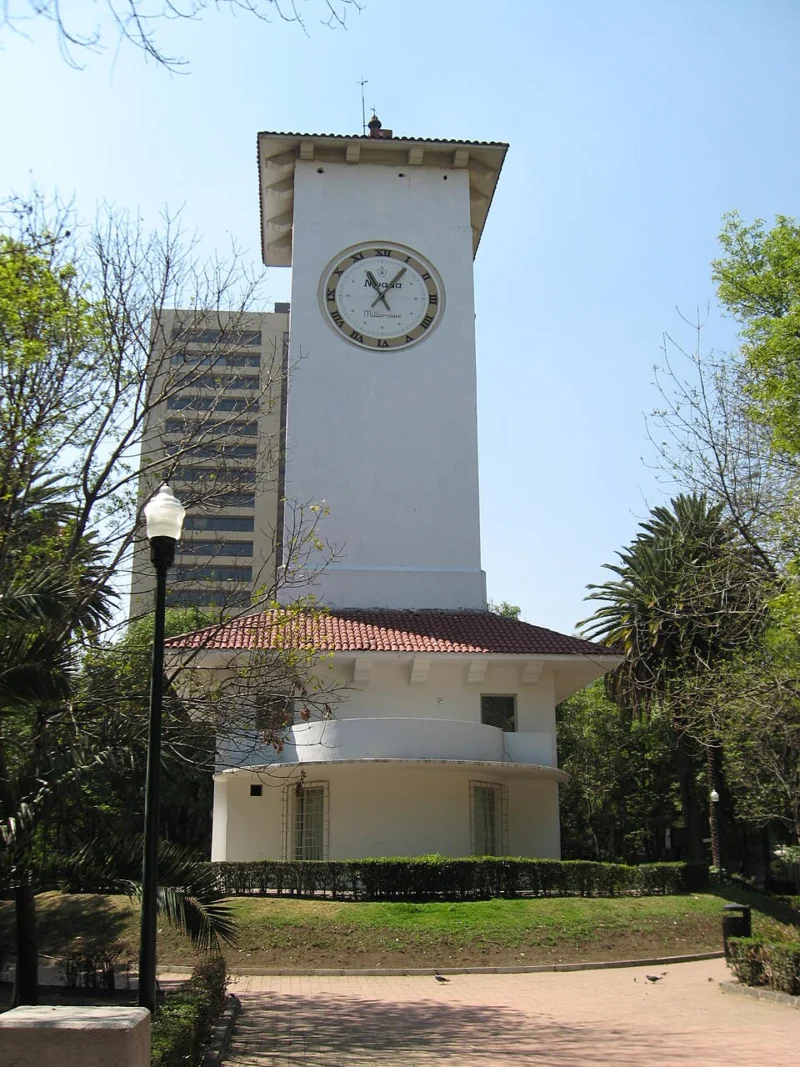
    Afternoon strollParque LincolnA long, shady park in the heart of Polanco, with the open-air Teatro Ángela Peralta on its east side. Cut through it on your way north and look at the 1930s and 1940s houses along its edges.
  • 4
    ArtMuseo SoumayaCarlos Slim's private collection, named after his late wife, in a building covered by 16,000 hexagonal aluminium tiles. Entry is free, and the Rodin sculptures alone are worth the trip.
  • 5
    Contemporary artMuseo JumexAcross the plaza from the Soumaya, this museum shows a major private collection of contemporary art in changing exhibitions. Open Tuesday to Sunday from 11 am.
  • DinnerHacienda de los MoralesDinner in the house of the old hacienda on whose land Polanco was built, a 15-minute walk or short taxi west of the museums. Book ahead and dress a little smarter than for a taquería.
  • Getting aroundPolanco · AuditorioMetro line 7 stops at Polanco and Auditorio, the second right by the Anthropology Museum. For the Centro Histórico a taxi or ride-hail takes 20–30 minutes outside rush hour.
  • Where to stayPolanco has large international hotels along Campos Elíseos and Paseo de la Reforma, close to the Anthropology Museum, and smaller hotels in the streets around Parque Lincoln. It is one of the most expensive areas in the city, so compare prices with the Centro.

Did you know?

Named after a river The colonia takes its name from a river that ran along today's Campos Elíseos, itself named after the Jesuit Juan Alfonso de Polanco.
Built on a hacienda Polanco was developed from 1937 on the lands of the Hacienda de los Morales, whose old house is now a restaurant.
Rivera's last mural Río Juchitán, the last mural by Diego Rivera, hangs in the entrance hall of Museo Soumaya.
Polanco

San Ángel

San Ángel was a separate village of monasteries and orchards until the city swallowed it in the 20th century, and its centre still feels like one. Cobbled lanes, walled gardens and the tiled domes of El Carmen make it the best place in Mexico City to stay if you like your history quiet.

Start in the Carmelite monastery, then walk to Plaza San Jacinto, where the Saturday bazaar fills old mansions with crafts and art. In the afternoon, cross to the twin houses Juan O'Gorman built for Diego Rivera and Frida Kahlo, among the first modern buildings in the city, and have dinner in an old hacienda across the street.

The catch is distance: the Centro Histórico is 40–60 minutes away in traffic. San Ángel works best as a base for the south of the city — Coyoacán and Frida's Blue House are a short taxi ride away.

Local picks

For Culture & History
  • 1
    MorningMuseo de El CarmenThe Carmelite monastery finished in 1628, with tiled domes, colonial paintings and a basement crypt of mummies. Go early, while the cloisters are still quiet.
  • 2
    SaturdayEl Bazar SábadoOn Saturdays Plaza San Jacinto fills with an art and craft bazaar inside and around an old mansion. Even on other days the square, with the 16th-century Dominican church of San Jacinto, is worth a slow walk.
  • 3
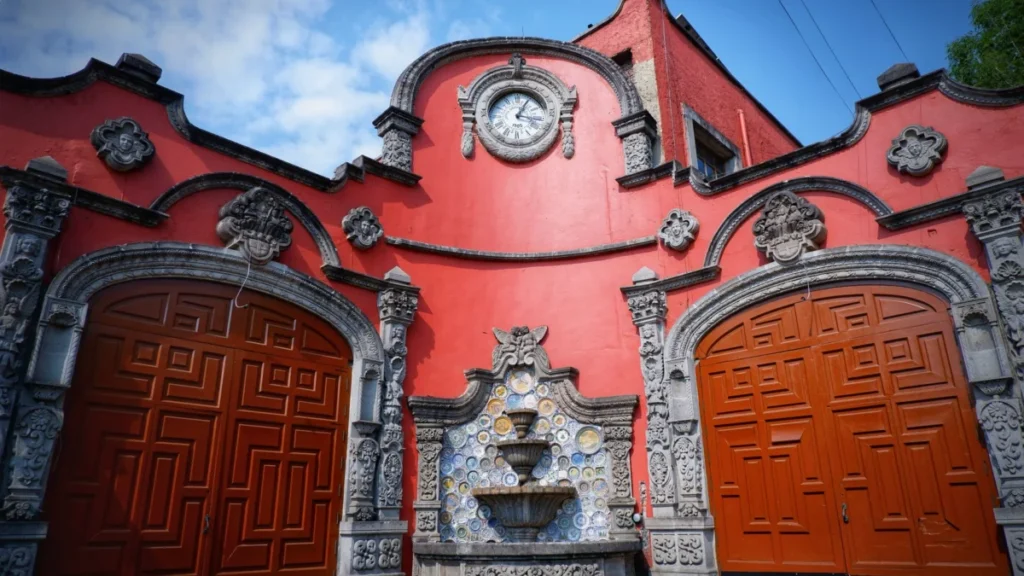
    Hidden historyMuseo Casa del RiscoA 17th-century house on Plaza San Jacinto with a famous Baroque fountain covered in tiles, porcelain, shells and Chinese plates. During the Mexican–American War it served as a hospital for the Saint Patrick's Battalion.
  • 4
    Quiet cornerPlaza de los ArcángelesA small, almost secret square a few blocks south of San Jacinto, surrounded by walls and old houses. It shows how San Ángel looked before the traffic came.
  • 5
    Modern artMuseo de Arte Carrillo GilOne of the city's best modern and contemporary art museums, built on the private collection of Álvar Carrillo Gil, with works by Orozco, Rivera and Siqueiros. It is on Avenida Revolución, a ten-minute walk from the plazas.
  • 6
    Late afternoonMuseo Casa Estudio Diego Rivera y Frida KahloTwo connected houses by Juan O'Gorman, one red and one blue, joined by a bridge at roof level. Rivera's studio is still full of his papier-mâché Judas figures.
  • 7
    DinnerSan Ángel InnA classic Mexican restaurant in an old hacienda on Calle Diego Rivera, right across from the studio houses. Come for traditional Mexican dishes in the old hacienda rooms; booking ahead is wise at weekends.
  • Getting aroundMetrobús Line 1 · TaxiMetrobús Line 1 runs along Avenida Insurgentes on the east side of San Ángel towards Condesa and Reforma. For Coyoacán or the Centro, a taxi or ride-hail is usually the easiest way.
  • Where to staySan Ángel has few hotels, mostly small guesthouses and rooms in converted houses, so book early. Check the map: stay within a few blocks of Plaza San Jacinto or Avenida Revolución, not out by the busy Periférico.

Did you know?

Named after a college The town took its name from the Carmelite college of San Ángel, opened in 1613; before that it was called Tenanitla.
Mummies in the crypt The crypt of El Carmen displays mummified bodies of wealthy donors buried there between the 17th and 19th centuries.
Twin houses for two painters Juan O'Gorman built Rivera and Kahlo's connected studio houses, among the first Functionalist buildings in Mexico City.
San Ángel

Centro Histórico

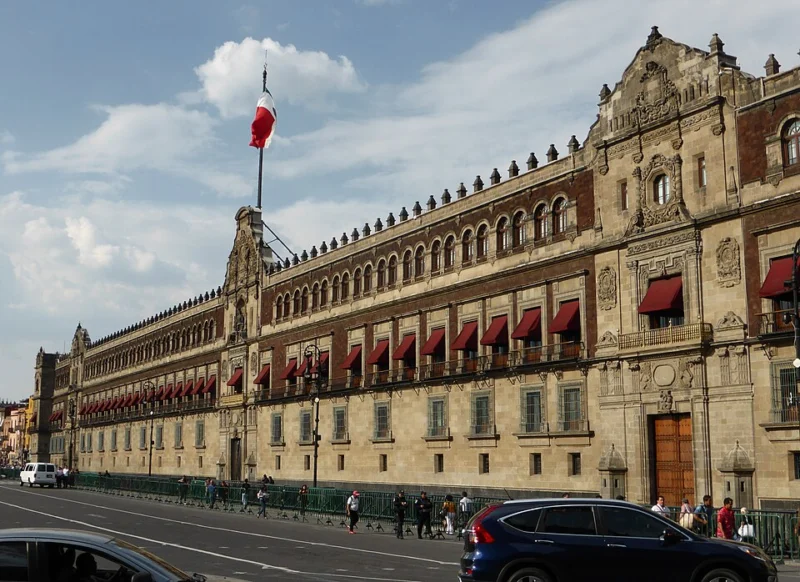
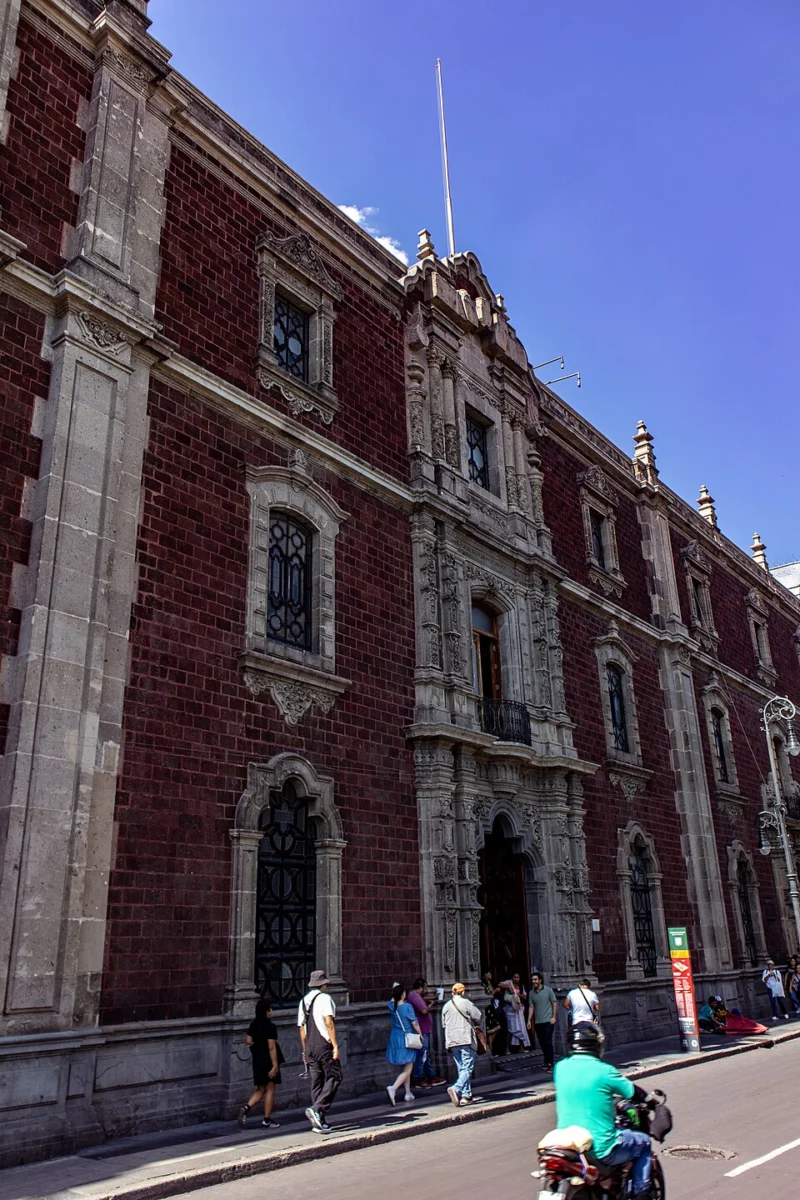
The Centro Histórico stands on top of Tenochtitlan, the Aztec capital, and no other part of the city puts so much history in a single walk. In one morning you can stand over the ruins of the Templo Mayor, climb the staircase of the National Palace under Diego Rivera's history of Mexico and see where Mexican muralism began at San Ildefonso.

The Centro is busy and loud by day, with street vendors and office workers, and quieter once the shops close. Its colonial palaces now hold museums, banks and old cafés — have dinner at Café de Tacuba, open since 1912, and a drink in the carved wooden booths of Bar La Ópera.

The honest downside: some streets east and north of the Zócalo empty after dark, and old buildings mean small rooms and street noise. Stay on the western side, between the Zócalo and the Alameda, and ask for a room away from the street.

Local picks

For Culture & History
  • 1
    MorningTemplo Mayor MuseumThe ruins of the main temple of Tenochtitlan, found under the streets in 1978, with a museum of everything dug up around them. Be there at opening time; it is closed on Mondays.
  • 2
    MuralsNational PalaceThe seat of government on the Zócalo, with Diego Rivera's murals of Mexican history around the main staircase and first-floor corridors. Bring photo ID for the security check.
  • 3
    Hidden historyAntiguo Colegio de San IldefonsoA former Jesuit college whose patios are covered in murals by José Clemente Orozco, Rivera and Siqueiros — the place where Mexican muralism began. It also hosts some of the best temporary exhibitions in the city.
  • 4
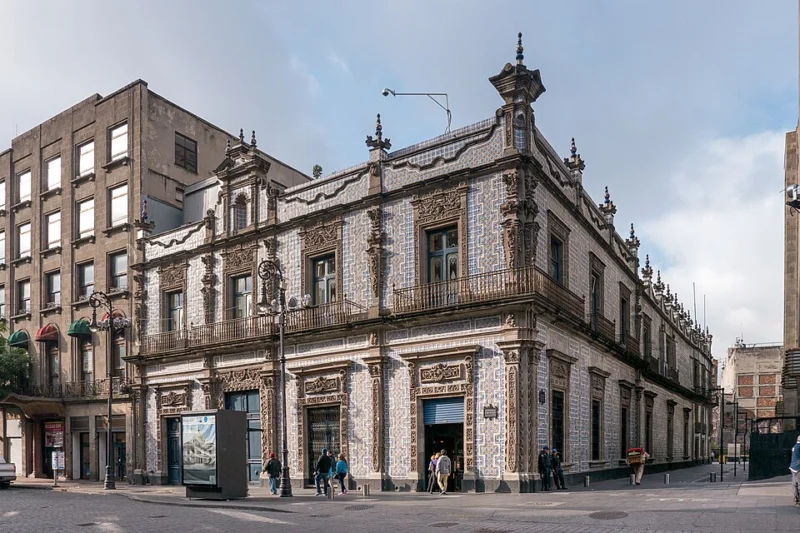
    ArchitectureCasa de los AzulejosAn 18th-century palace covered on three sides with blue-and-white Puebla tiles, a short walk west along pedestrian Madero street. Since 1919 it has been a Sanborns restaurant, so you can walk in and see the courtyard and the Orozco mural on the stairs.
  • 5
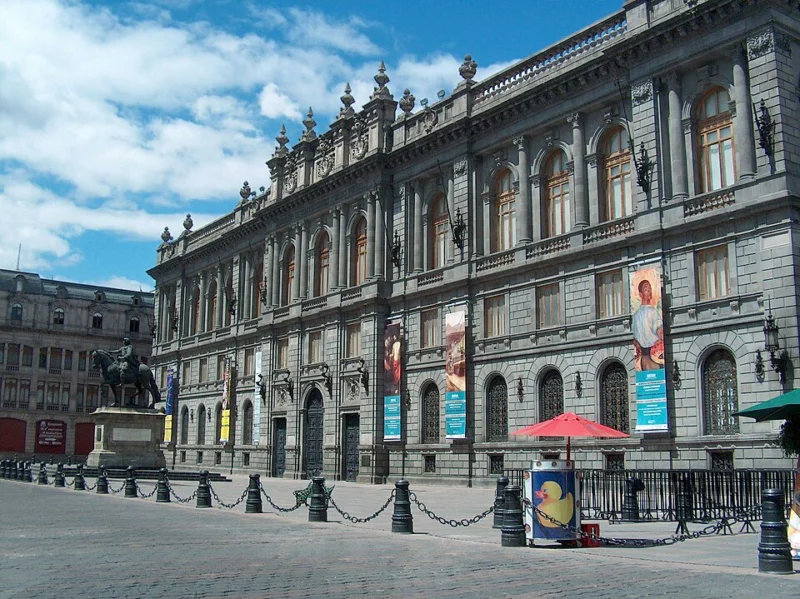
    ArtMuseo Nacional de ArteMexican art from the 16th to the mid-20th century in the old Palace of Communications by Silvio Contri. In front, Manuel Tolsá's statue of Charles IV, known as El Caballito, stands on the plaza named after the sculptor.
  • 6
    DinnerCafé de TacubaOpen since 1912 in a 17th-century house on Calle de Tacuba, with tiles, stained glass and colonial-era paintings. The menu sticks to Mexican classics — enchiladas, tamales and hot chocolate.
  • 7
    Evening drinkBar La ÓperaAn ornate old cantina on Avenida 5 de Mayo with carved wooden booths and a hole in the ceiling said to be from Pancho Villa's pistol. Have a tequila and soak up the old Mexico City.
  • Also nearbyPalacio de Bellas Artes and the AlamedaTwo blocks west, Bellas Artes holds murals by Rivera, Orozco, Siqueiros and Tamayo, and the Museo Mural Diego Rivera stands across the Alameda. Keep them for a second day in the Centro.
  • Getting aroundZócalo · Bellas Artes · AllendeMetro line 2 stops at Zócalo and Allende, and Bellas Artes has lines 2 and 8. Most of the Centro is best seen on foot; take a taxi to Polanco or the south.
  • Where to stayThe Centro has everything from historic palace hotels to simple mid-range hotels in colonial buildings. Choose the western half between the Zócalo and the Alameda, and ask for an inside room — the streets are noisy until late.

Did you know?

The oldest public park in the Americas The Alameda Central, on the western edge of the Centro, was created by Viceroy Luis de Velasco II in 1592.
Birthplace of muralism The Colegio de San Ildefonso was one of the first public buildings painted with murals in the 1920s, and is called the birthplace of Mexican muralism.
A mural that crossed the street Rivera's Dream of a Sunday Afternoon in the Alameda was moved from the Hotel del Prado after the 1985 earthquake into its own museum.
Centro Histórico

Tlalpan

Tlalpan is the largest borough of Mexico City, but its old centre is a small colonial town of cobbled streets around a shady main square. For six years in the 19th century it was even the capital of the State of Mexico, and the old government palace still faces the square.

Come for a slow day of local history: the 18th-century church of San Agustín, the Museo de Historia de Tlalpan, where Mexico's first long-distance phone call was made in 1878, lunch in the Mercado de la Paz, and the oddly cut corner of the Casa Chata. Nearby, the round pyramid of Cuicuilco is one of the oldest ceremonial centres in the Valley of Mexico.

Be honest with yourself: Tlalpan is far from the Centro, 45–60 minutes in traffic, and the hotels are mostly big modern ones in the Pedregal area 3 km away. Stay here only if your trip is built around the south.

Local picks

For Culture & History
  • 1
    MorningParque Juana de AsbajeA leafy park a block from the main square, named after the poet Sor Juana Inés de la Cruz. Start with a coffee from the bookshop café inside the park.
  • 2
    Main squarePlaza de la ConstituciónTlalpan's main square, with a bandstand, the old government palace and the 'Tree of the Hanged', where political enemies were once executed. At weekends craft stalls fill the square.
  • 3
    ChurchParroquia de San Agustín de las CuevasThe Dominicans founded the parish here in 1547; the present church dates from the 18th century, with an atrium shaded by trees. Its plain altar replaced a Baroque one lost in a fire at the end of the 19th century.
  • 4
    Local historyMuseo de Historia de TlalpanHoused in a mansion from 1874, with objects donated by local families and the telephone used for Mexico's first long-distance call in 1878. A small museum, but the best introduction to the south of the city.
  • 5
    LunchMercado de la PazThe old market right by the main square, where the food stalls serve quesadillas, soups and stews at lunchtime. Sit at the counter and order what the locals around you are eating.
  • 6
    Afternoon walkCasa ChataAn 18th-century house with one corner cut off, which gave it the name 'chata' (flattened). The walk there along the cobbled streets passes other colonial and 19th-century houses.
  • Half-day tripCuicuilcoAbout 2.5 km north-west of the centre, by the Pedregal hotels, the round pyramid of Cuicuilco was built centuries before Teotihuacan and buried by lava from the Xitle volcano. Take a taxi; the site opens from 9 am to 5 pm.
  • Getting aroundMetrobús Line 1 · TaxiMetrobús Line 1 runs up Avenida Insurgentes from the south towards the centre, but the trip to the Centro takes about an hour. Taxis or ride-hail are easier in the evening.
  • Where to stayThere are only a few places to stay in Tlalpan's old centre, including a hotel in the 18th-century manor of the former Tlalpan hacienda. Most hotels are large modern ones in the Pedregal area along the Periférico, about 3 km away — comfortable, but you will need taxis.

Did you know?

A state capital For a few years in the 19th century Tlalpan was the capital of the State of Mexico, before it joined the Federal District in 1855.
Mexico's first long-distance call On 20 March 1878 a call was made from the house now holding the Museo de Historia de Tlalpan to Mexico City.
San Agustín de las Cuevas In 1645 the village was renamed Villa de San Agustín de las Cuevas after its patron saint and the caves in the lava fields.
Tlalpan

Planning your stay in Mexico City

For Culture & History
  • Mexico City's history in 4 daysDay 1: Templo Mayor, the National Palace and San Ildefonso in the Centro. Day 2: the Anthropology Museum and Chapultepec Castle. Day 3: San Ángel's monastery and studio houses, then Frida's Blue House in Coyoacán. Day 4: Cuicuilco and old Tlalpan, or a day trip to Teotihuacan.
  • Following the muralistsOrozco at San Ildefonso, Rivera at the National Palace and on the Alameda, Rivera, Orozco, Siqueiros and Tamayo inside Bellas Artes. Do them in that order over one day in the Centro and finish at Café de Tacuba.
  • Booking aheadBuy timed tickets online for the Frida Kahlo Museum as soon as you have dates. Most other museums sell tickets at the door, but almost all of them close on Mondays.
Self-guided walking tours Culture & History (Mexico City, Mexico)
Routes 4
Pick a route

Best time to visit Mexico City (Mexico)

Now (November) avg high: 23°C, mostly dry, full season — expect crowds. Best months to walk: Apr & Nov.

Live Temp …
~Day / Night Temp 23°C / 9°C
Sunrise / Sunset 6:42 / 18:00
Local time 1:44
Best Months Apr & Nov
J Jan F Feb M Mar A Apr best month M May J Jun J Jul A Aug S Sep O Oct N Nov best month this month D Dec
Check Mexico City hotels
Temperature Average daytime high, month by month. Zero line marks freezing point.
Crowds How busy it gets — traveller interest by month.
Rainfall Rainy days to expect each month.
Sunshine Hours of sun per day, by month.
Mexico City guides →

Best hotels in Mexico City for history and culture

Hotels chosen by how close they are to the museums, murals and old streets you came for.
Presidente InterContinental Mexico City by IHG
Best overall
9.0 Outstanding
2098 reviews

Presidente InterContinental Mexico City by IHG

A big hotel tower on Avenida Campos Elíseos, on the edge of Chapultepec Park. The National Museum of Anthropology is about ten minutes away on foot, and the classic French brasserie Au Pied de Cochon is inside the building.

Ideal for: Museum lovers who want the Anthropology Museum on foot
Hyatt Regency Mexico City
Walkable area
9.0 Outstanding
946 reviews

Hyatt Regency Mexico City

A large international hotel a few doors from the InterContinental on Campos Elíseos. You can walk to the Anthropology Museum and the Tamayo in the morning and to the restaurants around Parque Lincoln in the evening.

Ideal for: Culture travellers who like a big, reliable hotel
Terraza & Loft San Ángel
Top pick
9.0 Outstanding
133 reviews

Terraza & Loft San Ángel

A small, highly rated place to stay in San Ángel. Check the exact address on the map: from the cobbled centre you can walk to El Carmen, Plaza San Jacinto and the Rivera–Kahlo studio houses.

Ideal for: Travellers who want a colonial village feel
Casa Monasterio
Boutique stay
9.6 Outstanding
51 reviews

Casa Monasterio

A small, very well rated guesthouse in San Ángel with only a few dozen reviews so far. Check the location on the map before you book: the closer to Plaza San Jacinto, the more of the old village you will see on foot.

Ideal for: Independent travellers who like small places
Radisson Paraiso Hotel Mexico City
Smart choice
8.7 Excellent
1155 reviews

Radisson Paraiso Hotel Mexico City

A large modern hotel on Calle Cúspide in Parques del Pedregal, in the borough of Tlalpan, about 3 km north-west of Tlalpan's old centre. The Cuicuilco archaeological zone is close by, but you will need taxis for the Centro and the main museums.

Ideal for: Travellers combining Cuicuilco, Tlalpan and the south
Holiday Inn Hotel & Suites Mexico Medica Sur
Smart choice
8.9 Fabulous
174 reviews

Holiday Inn Hotel & Suites Mexico Medica Sur

A 4-star hotel inside the Médica Sur hospital complex on Puente de Piedra, in the hospital district on the northern side of Tlalpan, about a kilometre from the old centre. It is completely non-smoking, with a fitness room, a 24-hour front desk and the Matilde Bistro serving Mexican and international food from breakfast to dinner. The setting is clinical rather than charming, but it is a reliable base for Cuicuilco and Tlalpan's colonial streets.

Ideal for: Culture travellers exploring the south of the city
Hotel Catedral
Smart choice
9.2 Superb
4468 reviews

Hotel Catedral

A 4-star hotel on República de Guatemala, 240 metres from the Metropolitan Cathedral and a 5-minute walk from the Zócalo and the Templo Mayor ruins. Rooms are air-conditioned with a coffee maker, and there is a restaurant, a terrace, room service and a 24-hour front desk. Few bases put the Aztec and colonial sights this close.

Ideal for: History lovers who want the Zócalo on foot
La Casa Azul (Zona de Hospitales)
Smart choice
9.0 Superb
477 reviews

La Casa Azul (Zona de Hospitales)

A homestay on Vasco de Quiroga in Tlalpan's hospital district, about a kilometre from the old centre. Rooms are private, with a walk-in shower, a fridge, a kettle and a work desk, and reception staff speak Spanish. Guests rate it highly for cleanliness and location — over 470 reviews at 9.0 — so it is a good-value base for Cuicuilco and Tlalpan's plazas, with taxis for the museums downtown.

Ideal for: Independent travellers who want a clean, quiet room

Coming for a festival or a big exhibition?

Hotels near the centre fill up around Day of the Dead (late October to 2 November) and Art Week in February — book early if your dates are fixed.

Compare Mexico City hotels for culture lovers

Location, style and the nearest museums — side by side.
Hyatt Regency Mexico City
Walkable area
9.0 Outstanding
946 reviews

Hyatt Regency Mexico City

Polanco • Large city hotel • Campos Elíseos
Big hotel next to Chapultepec
Guest Rating
Rated 9 by guests
Central Location
Walk to the Anthropology Museum
Type of Stay
Large international hotel
Terraza & Loft San Ángel
Top pick
9.0 Outstanding
133 reviews

Terraza & Loft San Ángel

San Ángel • Small stay • Colonial streets
A small base in San Ángel
Guest Rating
Rated 9 by guests
Local Vibe
Cobbled San Ángel streets
Quiet Area
Quiet residential setting

Traditional Local Food Mexico City (Mexico)

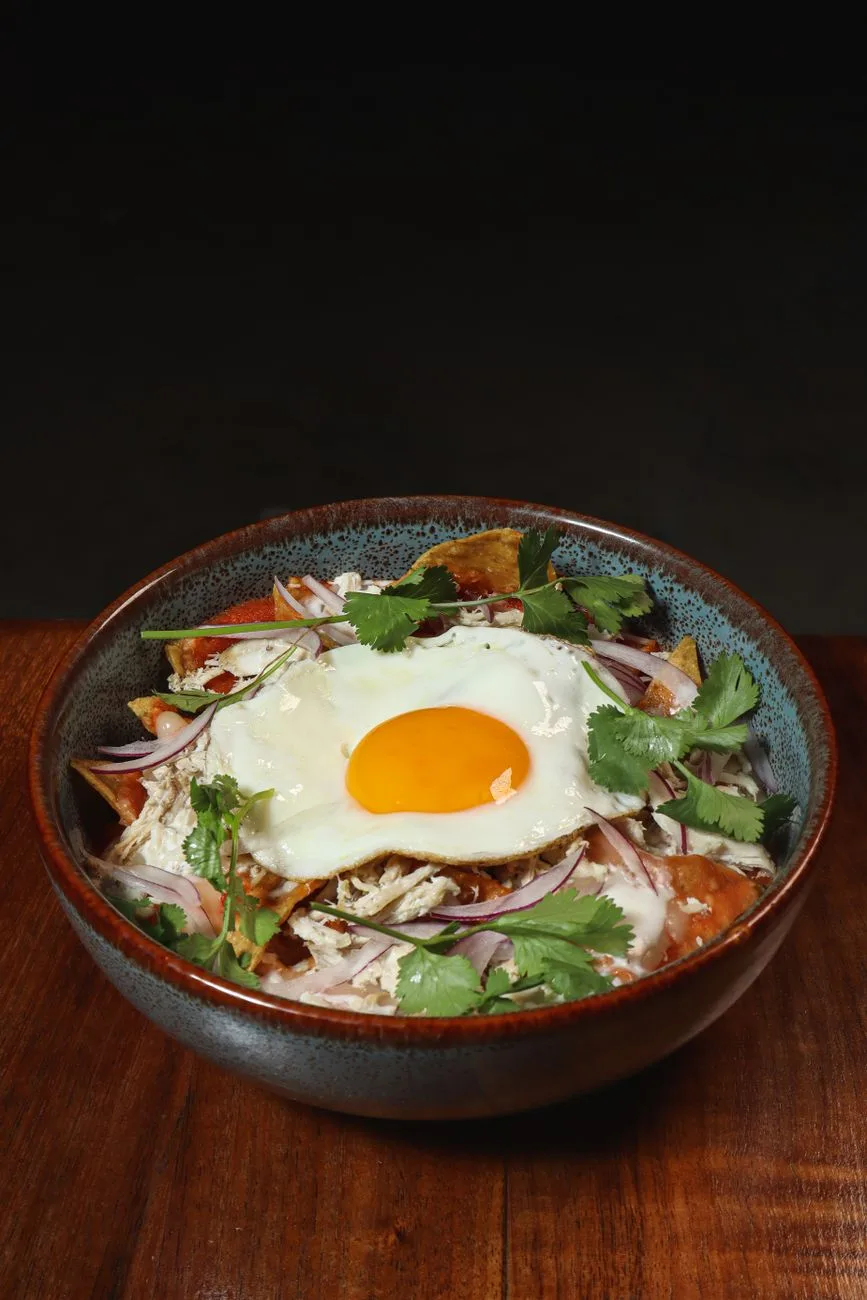
Chilaquiles
Main course Vegetarian

Chilaquiles

chee-lah-KEE-less

Corn tortilla chips simmered in salsa, topped with cheese and cream.

Open Chilaquiles recipe
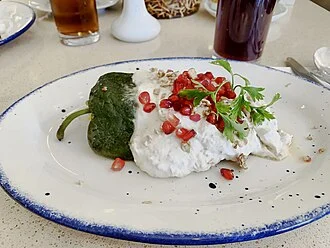
Main course Meat

Chiles en Nogada

CHEE-laze en no-GAH-da

Poblano chiles stuffed with picadillo, topped with walnut sauce and pomegranate seeds.

Open Chiles en Nogada recipe
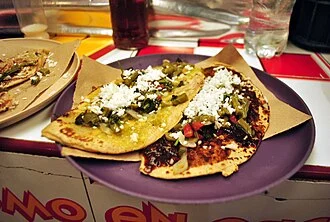
Street food Vegetarian

Corn Dough Snacks

Tlacoyos
tlah-KOY-ohs

Grilled corn dough snacks stuffed with beans and topped with fresh ingredients.

Open Corn Dough Snacks recipe
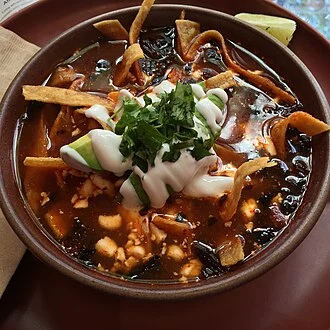
Soup Meat

Corn Tortilla Soup

Sopa de Tortilla
SOH-pah deh tor-TEE-yah

A comforting soup featuring crispy tortilla strips, often served with avocado and cheese.

Open Corn Tortilla Soup recipe
Dessert Vegetarian

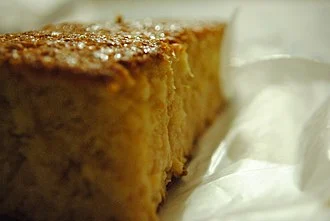
Corn-based Cake

Pastel de Elote
PAH-stel deh eh-LOH-teh

A traditional Mexican sweet corn cake often served as a dessert.

Open Corn-based Cake recipe
Street food Vegetarian

Elote

ee-LOH-tay

Grilled corn on the cob slathered with mayonnaise, cheese, and chili.

Open Elote recipe
Main course Meat

Enchiladas

en-chee-LAH-dahs

Rolled corn tortillas filled with meat, baked with sauce and cheese.

Open Enchiladas recipe
Main course Meat

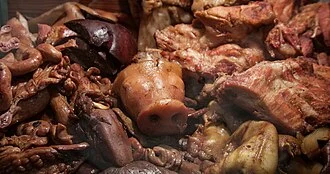
Head Meat Stew

Barbacoa de Cabeza
bar-bah-KOH-ah de kah-BEH-sah

Slow-cooked head meat, typically served with tortillas.

Open Head Meat Stew recipe
Mexican Sandwich
Snack Meat

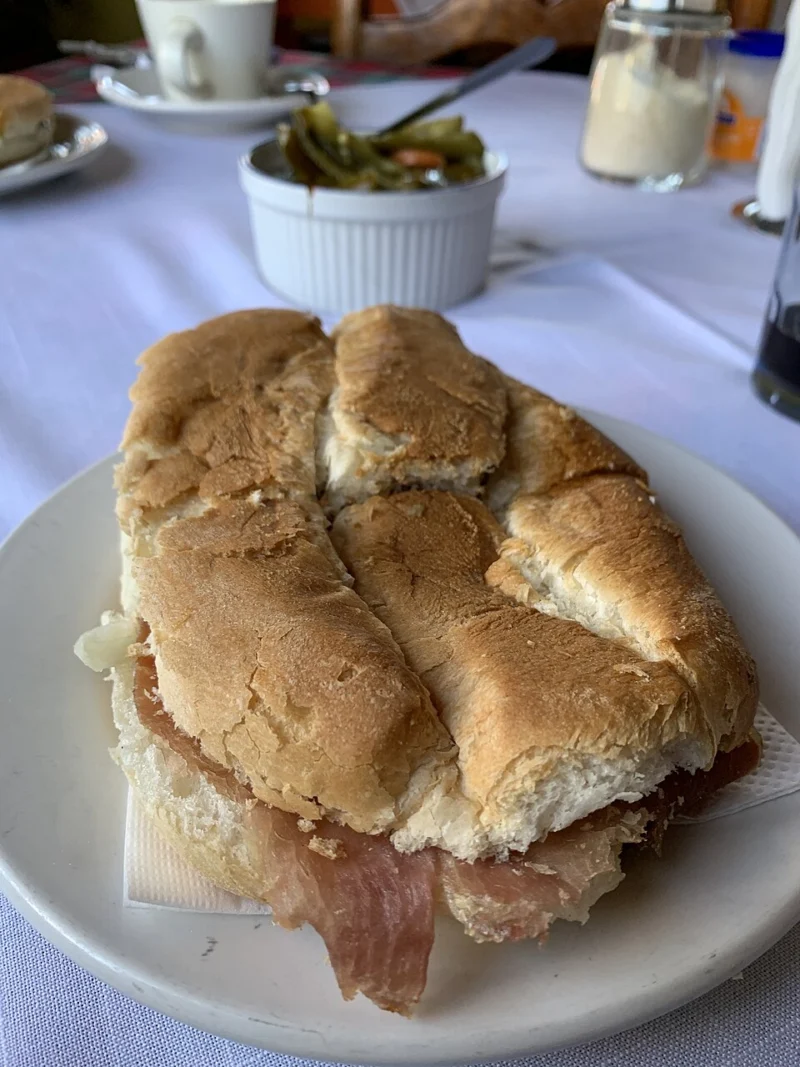
Mexican Sandwich

Torta
TORT-uh

A traditional Mexican sandwich served on a bread roll filled with various ingredients.

Open Mexican Sandwich recipe
Main course Meat

Pork Rind Snacks

Chicharrón en Salsa Verde
chee-chah-RON en SAHL-sah VAR-deh

Crispy pork rinds cooked in tangy green sauce.

Open Pork Rind Snacks recipe
Snack Vegetarian

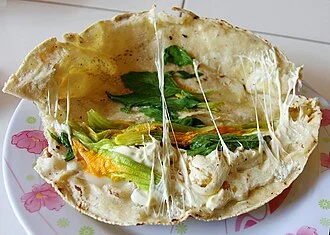
Quesadilla

keh-sah-DEE-yah

Soft tortilla filled typically with cheese and grilled.

Open Quesadilla recipe
Street food Meat

Taco al Pastor

TAH-ko al pas-TOR

Tacos made with marinated pork, often cooked on a vertical spit.

Open Taco al Pastor recipe
Main course Meat

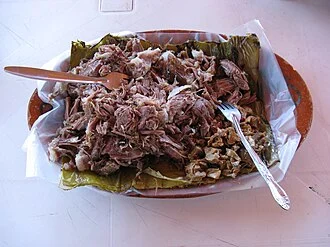
Traditional Carnitas

Carnitas
kar-NEE-tahs

Braised or simmered pork that is served in tortillas.

Open Traditional Carnitas recipe
Main course Meat

Traditional Mexican Mole

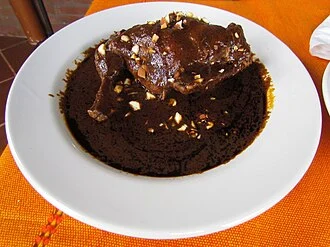
Mole
MOH-leh

A rich, complex sauce made with chocolate and spices.

Open Traditional Mexican Mole recipe
Soup Meat

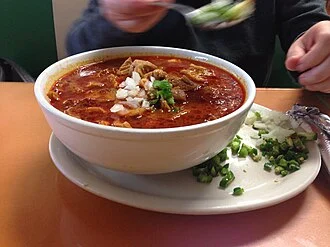
Tripe Soup

Menudo
meh-NOO-doh

A traditional Mexican soup made with beef tripe and hominy in a red chili base.

Open Tripe Soup recipe

Activities & Experiences

Things to Do in Mexico City

Top-rated tours, day trips and local experiences — book in advance to secure your spot.

City & Country Data Mexico City (Mexico)

Key travel data for Mexico City — local prices, safety, healthcare, local currency and essentials, curated by Triplandio.

Safety 🔒 41
Health 🏥 47
Lifestyle ⭐ 57
Infra 🏗️ 48
Rank 🎯 #59
Score 📊 40
Tourists ✈️ 51.1M/y
GDP/cap 💵 $13.9k
Life Exp ❤️ 75.3 yrs
Population 👥 131.9M
Currency 💱 MXN $
Language 🗣️ Spanish
Payments 💳 Cards OK
Emergency 🆘 911
Coffee ☕ $3.40
Beer 🍺 $2.90
Lunch 🍽️ $9.70
Groceries 🛒 $28.00/w
Taxi/km 🚕 $0.44
Transit 🚇 $0.35
Fuel ⛽ $1.40/l
Internet 📡 $28.00/m
Salary 💵 $805/m

Travel tipsMexico City (Mexico)

Quick tips

  1. Never hail taxis on the street — Critical

    Unlicensed taxi drivers in Mexico City have robbed and assaulted passengers. Use Uber or DiDi, taxis from an official rank (sitio), or one your hotel or restaurant calls for you.

  2. Never bring bullets or ammunition — Critical

    Bringing even a single bullet or spent cartridge into Mexico without a permit is a serious crime that can mean arrest and prison. Check every pocket and bag, especially hunting and travel gear.

  3. Foreigners must not join protests — Critical

    It is illegal for foreign nationals to take part in political activities in Mexico. Joining a demonstration, even as an onlooker who gets drawn in, can lead to detention and deportation.

  4. Vapes are banned — Critical

    It is illegal to bring e-cigarettes, vapes or refills into Mexico, or to buy or sell them. Customs will confiscate them and can fine or detain you. Smoking or vaping in public places can cost up to 3,000 pesos.

  5. Stick to the safe regions — Critical

    Crime in Mexico varies hugely by state. Several states, including Guerrero, Zacatecas and Tamaulipas, are largely off-limits under official travel advice, while the main tourist areas are much safer.

  6. Don't hand cash to police — Caution

    Fake police and some real officers try to fine tourists on the spot, especially drivers of rental cars. Don't hand over money or your passport; ask for ID and a written fine to pay later.

  • Do
  • Use authorised taxis or apps
  • Drive only in daylight
  • Keep your entry slip safe
  • Tip 10–15% in restaurants
  • Drink bottled water
  • Don’t
  • Pack a single bullet
  • Join political protests
  • Bring a vape
  • Hand cash to police on the spot
  • Buy or use drugs

Mexico City tips for history and culture lovers

Book the Blue House ahead

Tickets for the Frida Kahlo Museum in Coyoacán often sell out days in advance — buy a timed ticket online as soon as your dates are set. The Trotsky house museum is a short walk away and easy to add.

Tip: Timed tickets sell out

Give the Anthropology Museum a full morning

It is the largest museum in Mexico, with the Aztec Sun Stone in the Mexica hall. Arrive at opening time, start with the Mexica and Maya halls, and stay in Polanco so you can walk there instead of crossing the city in traffic.

Tip: Stay close, arrive at opening

Follow the murals

Mexican muralism was born in the 1920s in the Centro: Orozco at San Ildefonso, Rivera at the National Palace and, by the Alameda, Rivera's Dream of a Sunday Afternoon. A Centro hotel puts all of them within a short walk.

Tip: Rivera, Orozco and Siqueiros on foot

Mexico City for culture lovers: FAQ

When is the best time to visit Mexico City?

The best time to visit Mexico City is April and November — fewer crowds, comfortable temperatures, less rain and more sunshine. Compare every month in the seasonal chart above.

Which area of Mexico City is best for history lovers?

The Centro Histórico, if you want the Aztec Templo Mayor, the National Palace murals and colonial palaces on your doorstep. Polanco is better if the Anthropology Museum is your priority, and San Ángel if you want a quieter colonial village.

Can I walk between the museums?

Within each area, yes: the Centro, Polanco and San Ángel are all easy on foot. Between areas, take the Metro or a taxi — San Ángel and Tlalpan are in the south, 30–60 minutes from the Centro depending on traffic.

How many days do I need for the main museums?

Three full days is a good minimum: one for the Anthropology Museum and Chapultepec, one for the Centro's Templo Mayor and murals, and one for San Ángel and Coyoacán. Add a fourth for Cuicuilco and Tlalpan or a trip to Teotihuacan.

Where can I eat somewhere historic?

Café de Tacuba in the Centro has served Mexican classics since 1912, and the old Bar La Ópera nearby keeps its carved wooden booths. In Polanco, Hacienda de los Morales stands on the hacienda the whole neighbourhood was built on.

Is it worth staying in the south of the city?

Only if your trip is built around the south — San Ángel, Coyoacán, Cuicuilco and Tlalpan. San Ángel is the best southern base; the Pedregal hotels near Tlalpan suit travellers with a car or a taxi budget.

When is the best time for a culture trip?

Late October to early November for Day of the Dead altars and the parade, or February for Art Week. The dry months from November to April are the most comfortable for walking; book central hotels early for both festivals.

Mexico City for history lovers, the local way

★ For culture & history
Mexico City has more museums than almost any city in the world, and three thousand years of history under its streets. Where you sleep decides how much of it you see on foot. This guide picks four bases for culture lovers — Polanco for the Anthropology Museum, colonial San Ángel, the Centro Histórico for the Aztec city and the great murals, and the old village of Tlalpan in the south — with a day's walk and hotels for each.
  • Handpicked hotels
  • Best Mexico City areas
  • All budgets covered
  • Updated 2026
North America — Mexico — Mexico City — Where to Stay in Mexico City for History and Culture
keyboard_arrow_up