Explore Guides
NORTH AMERICA / MEXICO
Triplandio Mexico City guide covers 9 travel guides across 19 areas, complete with hotel picks. Explore 36 self-guided walking tours in Mexico City with 132 POI, spanning 85.3 km in total. Get inspired by 27 local dishes, complete with recipes and our unique Food Flavour DNA graph.
Mexico City
City & Country Data Mexico City (Mexico)

Key travel data for Mexico City — local prices, safety, healthcare, local currency and essentials, curated by Triplandio.
🌍 Mexico
Safety
41
Health
47
Lifestyle
57
Infra
48
Rank
#59
Score
40
Tourists
51.1M/y
GDP/cap
$13.9k
Life Exp
75.3 yrs
Population
131.9M
Currency
MXN $
Language
Spanish
Payments
Cards OK
Emergency
911
💰 Prices in Mexico City
Coffee
$3.40
Beer
$2.90
Lunch
$9.70
Groceries
$28.00/w
Taxi/km
$0.44
Transit
$0.35
Fuel
$1.40/l
Internet
$28.00/m
Salary
$805/m
Travel tipsMexico City (Mexico)

Quick tips
- Never hail taxis on the street — Critical
Unlicensed taxi drivers in Mexico City have robbed and assaulted passengers. Use Uber or DiDi, taxis from an official rank (sitio), or one your hotel or restaurant calls for you.
- Never bring bullets or ammunition — Critical
Bringing even a single bullet or spent cartridge into Mexico without a permit is a serious crime that can mean arrest and prison. Check every pocket and bag, especially hunting and travel gear.
- Foreigners must not join protests — Critical
It is illegal for foreign nationals to take part in political activities in Mexico. Joining a demonstration, even as an onlooker who gets drawn in, can lead to detention and deportation.
- Vapes are banned — Critical
It is illegal to bring e-cigarettes, vapes or refills into Mexico, or to buy or sell them. Customs will confiscate them and can fine or detain you. Smoking or vaping in public places can cost up to 3,000 pesos.
- Stick to the safe regions — Critical
Crime in Mexico varies hugely by state. Several states, including Guerrero, Zacatecas and Tamaulipas, are largely off-limits under official travel advice, while the main tourist areas are much safer.
- Don't hand cash to police — Caution
Fake police and some real officers try to fine tourists on the spot, especially drivers of rental cars. Don't hand over money or your passport; ask for ID and a written fine to pay later.
- Do
- Use authorised taxis or apps
- Drive only in daylight
- Keep your entry slip safe
- Tip 10–15% in restaurants
- Drink bottled water
- Don’t
- Pack a single bullet
- Join political protests
- Bring a vape
- Hand cash to police on the spot
- Buy or use drugs
Critical
Prison or heavy penalty possible
Laws & fines
- Drug sentences of up to 25 years — Critical
Drug convictions in Mexico carry sentences of up to 25 years, and buying drugs puts you in contact with violent criminal gangs. Don't get involved with drugs of any kind.
- Express kidnappings in cities — Critical
In Mexican cities, criminals sometimes grab people and force them to withdraw cash from ATMs. Use licensed taxis, avoid walking alone at night and don't discuss money where others can hear.
- Carry your original passport — Critical
Mexican immigration officers can ask to see your passport and entry stamp and don't accept copies or photos. Without them you can be detained while your status is checked, and possibly deported.
- Avoid ayahuasca and Bufo ceremonies — Critical
Hallucinogenic 'spiritual cleansing' ceremonies with ayahuasca, yagé or Bufo toad venom are sold to tourists in Mexico. They are unregulated; people have been robbed, sexually assaulted, fallen ill or died.
Health
- Methanol in fake alcohol — Critical
People have died in Mexico after drinking alcohol containing methanol, and tainted drinks have caused blackouts. Drink at reputable places and seek urgent medical help if you feel unwell.
Beaches & adventure
- Drive toll roads in daylight — Critical
Use Mexico's toll highways (cuotas), drive only in daylight and keep doors locked. Carjackings happen on some routes, and unofficial roadblocks demanding money appear in remote areas.
- Strong currents on Pacific beaches — Critical
Many Pacific beaches in Mexico have powerful waves and rip currents, and some have no lifeguards. Obey warning flags and don't swim after drinking.
- Crocodiles live in coastal lagoons — Critical
Crocodiles live in lagoons and coastal areas in Mexico, including Cancún and Pacific resorts, and have seriously injured tourists. Obey warning signs and don't walk close to lagoon water.
Caution
Fines, losses or injury possible
Scams & safety
- Pickpockets on the metro — Caution
Pickpocketing is common on Mexico City's crowded metro and Metrobús, especially at rush hour. Keep your phone in a front pocket; women and children can use the women-only carriages at the front.
Laws & fines
- Tourists cannot volunteer or work — Caution
A Mexican tourist permit doesn't allow any paid or voluntary work, including volunteering or research-style ecotourism such as caving. You need the right visa before you travel.
- Beware of the fake kidnapping call — Caution
Criminals phone families claiming a relative has been kidnapped or detained in Mexico and demand money. Agree before you travel how you will contact family, and tell them to hang up and check.
Tipping & money
- Use ATMs inside shops by day — Caution
Criminals target people at Mexican ATMs and exchange offices. Use cash machines inside banks, shops or malls in daylight, and withdraw modest amounts.
Entry & visa
- Ignore fake immigration officers — Caution
Fake immigration officers approach travellers at Mexican international airports. Refuse offers of help and go straight to the official immigration office.
Beaches & adventure
- Hurricanes from June to November — Caution
Mexico's Caribbean and Pacific coasts get hurricanes and tropical storms, mostly June to November. Follow local warnings and your hotel's instructions if a storm approaches.
- Choose first-class buses — Caution
First-class buses on toll roads are safer than second-class buses on free roads, where hijackings and thefts are more common. Keep valuables with you, not in the luggage rack.
- Check adventure sports operators — Caution
Equipment for paragliding, skydiving, scuba diving and jet-skiing in Mexico may not meet the safety standards you're used to, and tourists have been killed. Use licensed, insured companies and check your insurance covers you.
Good to know
Rules and useful facts
Scams & safety
- Travel advisory: Level 2 of 4 — Good to know
Exercise Increased Caution — the U.S. State Department's rating for Mexico.
- Centro Histórico after dark — Good to know
Mexico City's historic centre is lively by day but many streets empty out at night. Stay on busy streets such as Madero and take an app taxi back to your hotel.
- Protests in the centre and Roma — Good to know
Political marches often fill the Zócalo and Paseo de la Reforma, and protests against gentrification have taken place in tourist neighbourhoods. Move away if a crowd gathers.
Getting around
- Felipe Ángeles Airport is far out — Good to know
Some flights use Felipe Ángeles International Airport (NLU), about 45 km north of the centre. Allow 1–1.5 hours by road, more in traffic.
Laws & fines
- Report crimes before you leave — Good to know
A crime in Mexico can only be investigated after a formal complaint made in person at the state prosecutor's office (Agencia del Ministerio Público). You must do this before you leave the country.
Customs
- Same-sex couples: tolerated, not always accepted — Good to know
Same-sex relationships and civil unions are legal in Mexico, but they are generally tolerated rather than accepted. Some people frown on public displays of affection by same-sex couples.
Entry & visa
- Keep proof of your entry — Good to know
Mexico records how many days you may stay with a passport stamp or an e-gate slip. Keep it safe; you must show it when you leave, and replacing it costs about 700 pesos.
- Bring proof of your plans — Good to know
Mexican border officers may ask for a return ticket, hotel bookings and proof you have enough money. If staying with friends, carry an invitation letter with their address.
- Passport validity — Good to know
Your passport must be valid for your whole stay in Mexico; the Mexican embassy advises 180 days, the longest tourist stay. Many visitors don't need a visa, but check for your nationality.
- Travelling via the United States — Good to know
If you connect through the USA, you need an Electronic System for Travel Authorization (ESTA) or a US visa, even just to change planes.
- Quintana Roo visitor tax — Good to know
Visitors to the state of Quintana Roo, which includes Cancún, Tulum and Playa del Carmen, must pay an entry tax online. You must show proof of payment at the airport before you fly out.
Health
- Drink boiled or bottled water — Good to know
Tap water in Mexico is not safe to drink. Drink bottled or boiled water, and avoid ice in drinks unless you know it was made from purified water.
- Mosquito-borne diseases — Good to know
Dengue, Zika and chikungunya are spread by mosquitoes in Mexico. Use repellent day and night, and pregnant travellers should get advice about Zika before travelling.
- Altitude and air pollution — Good to know
Mexico City sits about 2,240 metres above sea level and often has poor air quality. Take it easy on your first days and check an air-quality app if you have asthma.
- Expect to pay up front — Good to know
Many Mexican hospitals won't deal directly with your insurer, and care outside big cities is limited. Carry a card with a high limit; call 911 for an ambulance.
- Translate your prescriptions — Good to know
Mexican pharmacies need foreign prescriptions translated into Spanish and may still refuse them. Many pharmacies have a doctor on site who can prescribe what you need.
Beaches & adventure
- Earthquakes and Popocatépetl ash — Good to know
Earthquakes are a risk in most of Mexico, especially Oaxaca and Guerrero. The Popocatépetl volcano near Mexico City has a 12 km exclusion zone, and its ash sometimes cancels flights at Mexico City airport.
Local tips
Local know-how
Scams & safety
- Emergency buttons on street cameras — Local tip
Mexico City's street security camera (CCTV) poles have emergency buttons that connect you straight to the emergency services. For anything else, call 911.
Getting around
- Pre-paid taxis from Benito Juárez Airport (MEX) — Local tip
At Mexico City International Airport (MEX), buy a ticket at an authorised taxi booth inside the terminal and pay a fixed fare by zone. Never accept a ride from someone who approaches you.
- Metrobús Line 4 from the airport — Local tip
Metrobús Line 4 runs from both airport terminals to the historic centre. You need the rechargeable Mexico City transport card, sold at machines in the terminal.
- One card for metro and Metrobús — Local tip
The rechargeable Mexico City integrated transport card (Tarjeta de Movilidad Integrada) pays for the metro, Metrobús and light rail. Fares are very cheap, but trains are packed at rush hour.
- Uber and DiDi work well — Local tip
Uber and DiDi are widely used in Mexico City, show the fare before you ride and record the driver's details, making them safer than street taxis.
Customs
- Greet people politely — Local tip
Mexicans greet shop staff and strangers with “buenos días” (good morning) or “buenas tardes” (good afternoon) before asking anything. Skipping the greeting can seem abrupt.
- Dress respectfully in churches — Local tip
Cover shoulders and knees when visiting Mexican churches and cathedrals, take off hats, and don't take photos during a service.
- Ask before photographing people — Local tip
In indigenous communities, especially in Chiapas and Oaxaca, some people object to being photographed and some churches ban photography inside. Always ask first.
- Meal times are later — Local tip
Mexicans eat the main meal (comida) around 14:00–16:00 and a lighter dinner late. Many restaurants in small towns close early on Sundays.
Tipping & money
- Tipping in Mexican restaurants — Local tip
Leave about 10–15% (propina) in Mexican restaurants. Check the bill first, since some tourist restaurants add a service charge (servicio incluido).
- Small tips for other services — Local tip
In Mexico, it is usual to tip hotel porters and housekeeping, tour guides and supermarket packers a few pesos. Taxi drivers don't usually expect a tip.
- Bargain at markets and with vendors — Local tip
Gentle bargaining is normal with Mexican street vendors and craft markets, especially in beach resorts. Prices in shops and restaurants are fixed.
- Pay in pesos — Local tip
Prices quoted in US dollars in tourist areas are usually worse value. Pay in Mexican pesos, and choose pesos when a card machine or ATM offers to convert the amount.
Beaches & adventure
- Swimming in cenotes — Local tip
Cenotes are natural sinkhole pools in the Yucatán. Many require you to shower first and ban sunscreen to protect the water; wear the life jacket if you're not a strong swimmer.
Say it locally
Use the polite “usted” forms and start with “buenos días” or “buenas tardes” before any request.
Through the year
Festival or season Public holiday (exact date)
- Hurricane season
Jun–Nov 2026 · Tropical storms and hurricanes can hit both coasts, most often August to October; flights and ferries may be cancelled.
- Day of the Dead
Oct–Nov 2026 · Mexico's famous remembrance festival on 1–2 November, with altars, marigolds and cemetery vigils; Oaxaca and Mexico City book out.
- Revolution Day Memorial
Mon 16 Nov 2026 · Public holiday
- Christmas and New Year peak
Dec 2026–Jan 2027 · Beach resorts are busiest and most expensive from mid-December to early January; book well ahead.
- Day of the Virgin of Guadalupe
Sat 12 Dec 2026 · Public holiday
- Christmas Day
Fri 25 Dec 2026 · Public holiday
- New Year's Day
Fri 1 Jan 2027 · Public holiday
- Constitution Day
Mon 1 Feb 2027 · Public holiday
- Holy Week (Semana Santa)
Mar–Apr 2027 · Easter week is Mexico's busiest holiday; beaches, buses and hotels fill up and prices rise. The date moves with Easter.
- Ozone smog season
Mar–May 2027 · Hot, dry spring days often bring air-pollution alerts; check the air-quality index before long walks or cycling.
- Benito Juárez's Birthday Memorial
Mon 15 Mar 2027 · Public holiday
- Maundy Thursday
Thu 25 Mar 2027 · Public holiday
- Good Friday
Fri 26 Mar 2027 · Public holiday
- Sargassum seaweed
Apr–Sep 2027 · Large mats of brown seaweed can wash up on Caribbean beaches from roughly spring to early autumn; amounts vary year to year.
- Labor Day
Sat 1 May 2027 · Public holiday
- Rainy season
Jun–Oct 2027 · Central and southern Mexico get heavy afternoon downpours; mornings are usually dry.
- Independence Day
Thu 16 Sep 2027 · Public holiday
Sources: GOV.UK travel advice · U.S. State Dept · Google public holidays
Best time to visit Mexico City (Mexico)
Now (November) avg high: 23°C, mostly dry, full season — expect crowds. Best months to walk: Apr & Nov.
Live Temp
…
~Day / Night Temp
23°C / 9°C
Sunrise / Sunset
6:41 / 18:00
Local time
9:10
Best Months  Apr & Nov
J
Jan
F
Feb
M
Mar
A
Apr
M
May
J
Jun
J
Jul
A
Aug
S
Sep
O
Oct
N
Nov
 D
Dec
M
May
J
Jun
J
Jul
A
Aug
S
Sep
O
Oct
N
Nov
D
Dec
Check Mexico City hotels
Temperature
Average daytime high, month by month. Zero line marks freezing point.
Crowds
How busy it gets — traveller interest by month.
Rainfall
Rainy days to expect each month.
Sunshine
Hours of sun per day, by month.
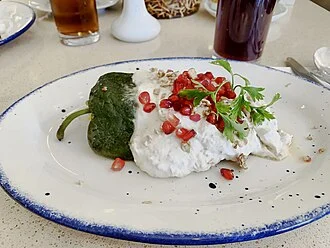
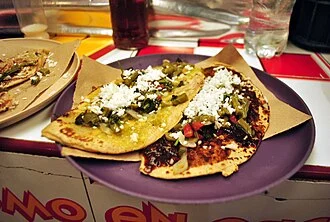
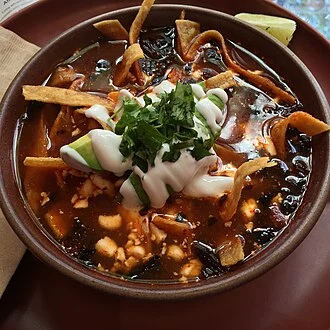
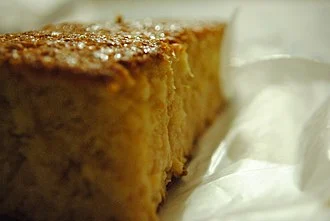
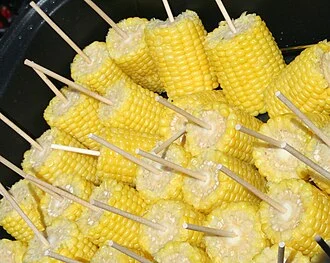
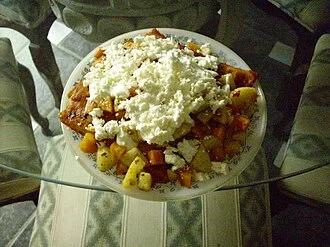
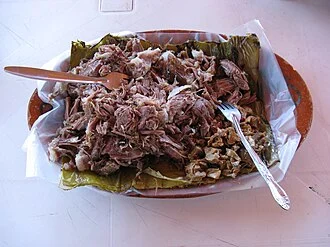
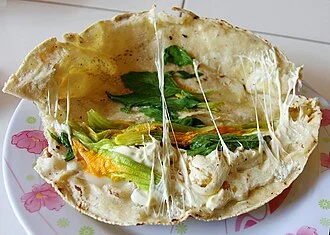
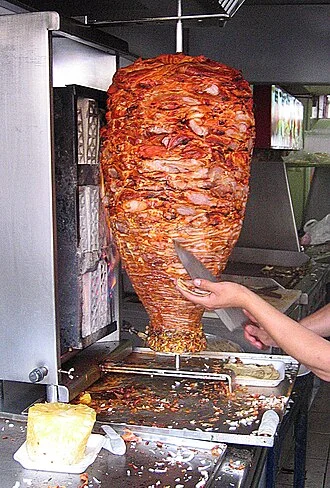
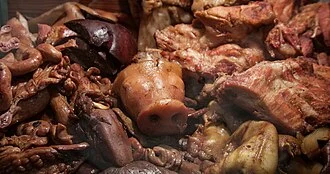
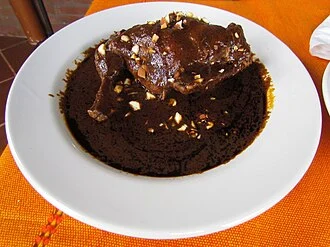
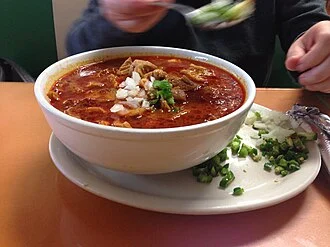
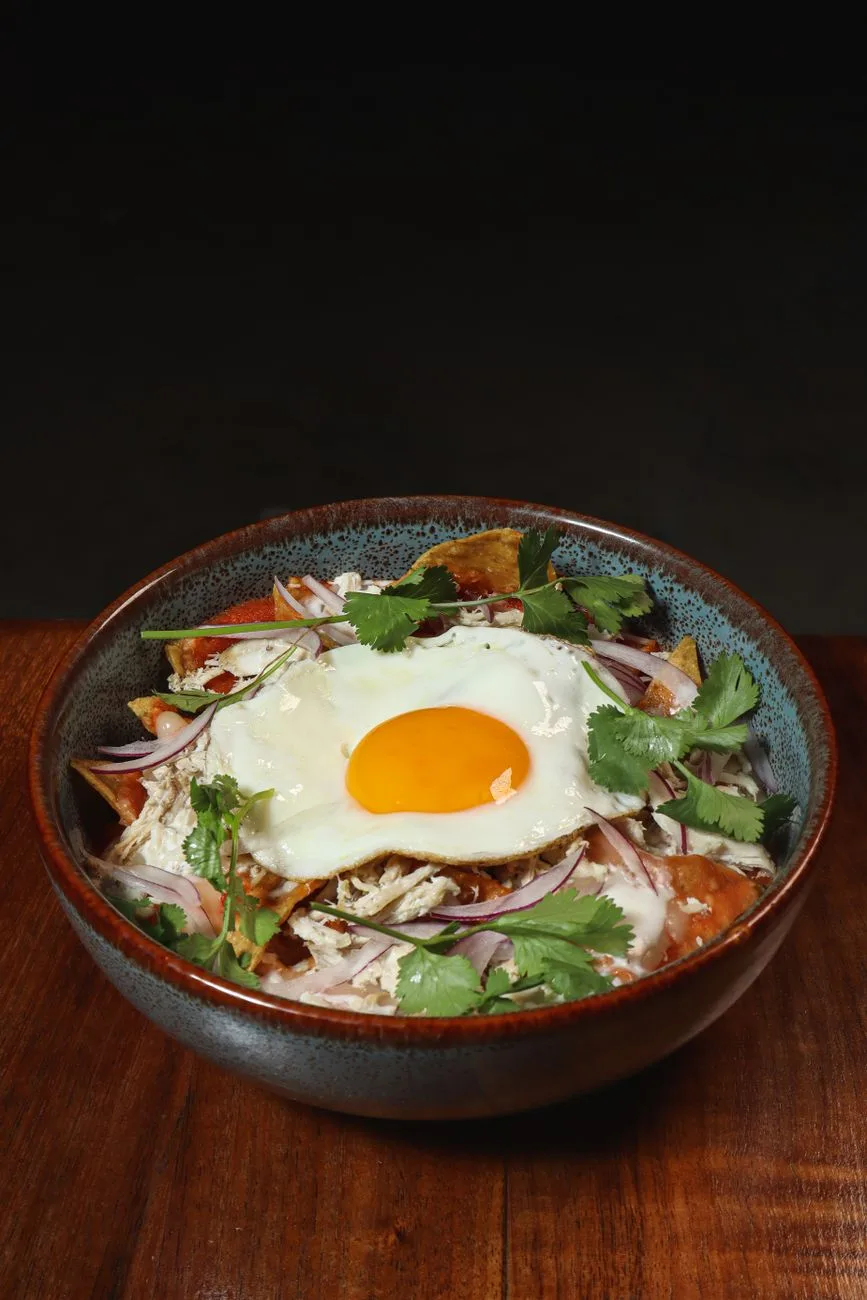
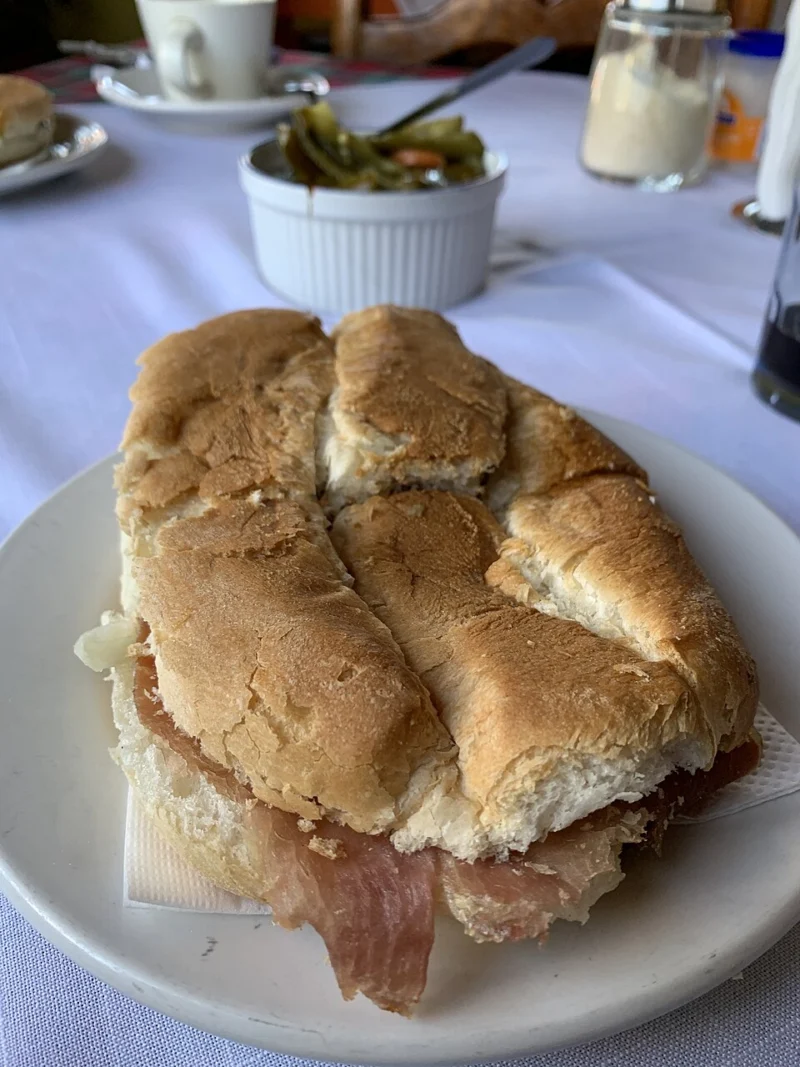
Corn tortilla chips simmered in salsa, topped with cheese and cream. Poblano chiles stuffed with picadillo, topped with walnut sauce and pomegranate seeds. Grilled corn dough snacks stuffed with beans and topped with fresh ingredients. A comforting soup featuring crispy tortilla strips, often served with avocado and cheese. A traditional Mexican sweet corn cake often served as a dessert. Grilled corn on the cob slathered with mayonnaise, cheese, and chili. Rolled corn tortillas filled with meat, baked with sauce and cheese. Slow-cooked head meat, typically served with tortillas. A traditional Mexican sandwich served on a bread roll filled with various ingredients. Crispy pork rinds cooked in tangy green sauce. Soft tortilla filled typically with cheese and grilled. Tacos made with marinated pork, often cooked on a vertical spit. Braised or simmered pork that is served in tortillas. A rich, complex sauce made with chocolate and spices. A traditional Mexican soup made with beef tripe and hominy in a red chili base.
Traditional Local Food
Mexico City (Mexico)
 Main course
Vegetarian
Chilaquiles
chee-lah-KEE-less
Main course
Meat
Chiles en Nogada
CHEE-laze en no-GAH-da
Street food
Vegetarian
Corn Dough Snacks
Tlacoyos
tlah-KOY-ohs
Soup
Meat
Corn Tortilla Soup
Sopa de Tortilla
SOH-pah deh tor-TEE-yah
Dessert
Vegetarian
Corn-based Cake
Pastel de Elote
PAH-stel deh eh-LOH-teh
Street food
Vegetarian
Elote
ee-LOH-tay
Main course
Meat
Enchiladas
en-chee-LAH-dahs
Main course
Meat
Head Meat Stew
Barbacoa de Cabeza
bar-bah-KOH-ah de kah-BEH-sah
 Snack
Meat
Mexican Sandwich
Torta
TORT-uh
Main course
Meat
Pork Rind Snacks
Chicharrón en Salsa Verde
chee-chah-RON en SAHL-sah VAR-deh
Snack
Vegetarian
Quesadilla
keh-sah-DEE-yah
Street food
Meat
Taco al Pastor
TAH-ko al pas-TOR
Main course
Meat
Traditional Carnitas
Carnitas
kar-NEE-tahs
Main course
Meat
Traditional Mexican Mole
Mole
MOH-leh
Soup
Meat
Tripe Soup
Menudo
meh-NOO-doh