
Written for travellers who read the plaques — sights, timings and hotels in historic buildings. Updated 2026.

Best Stays in London for History Buffs

Where to stay in London if history is why you are going — palaces, Parliament, Dickens and the Victorians, all on foot.

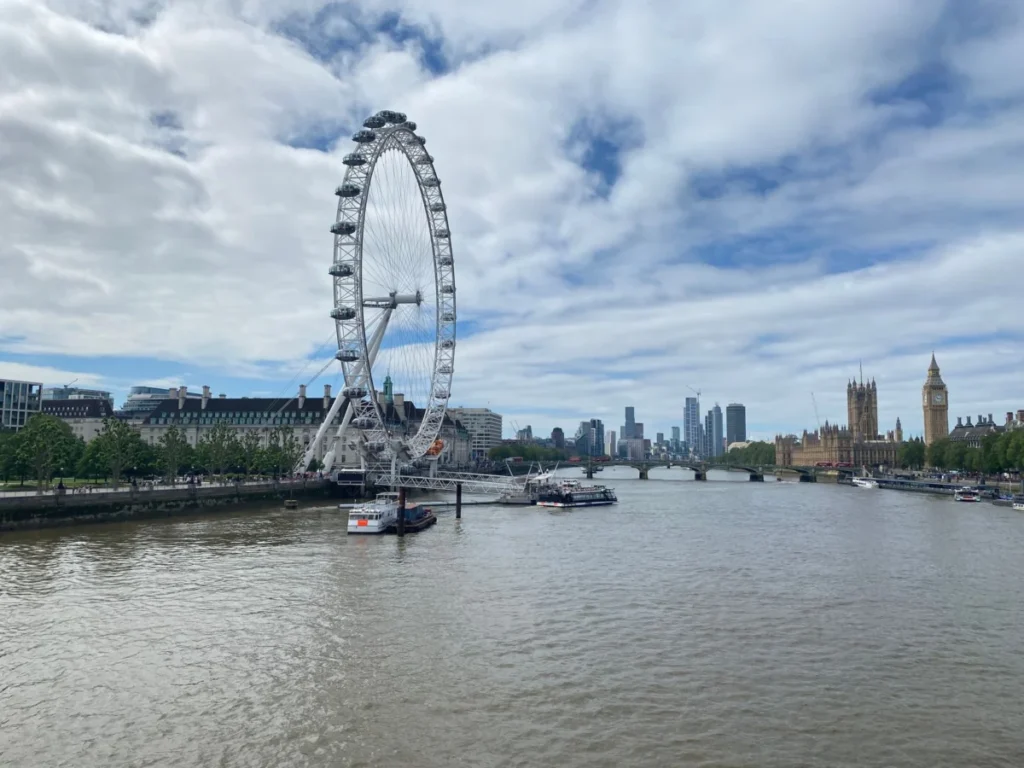
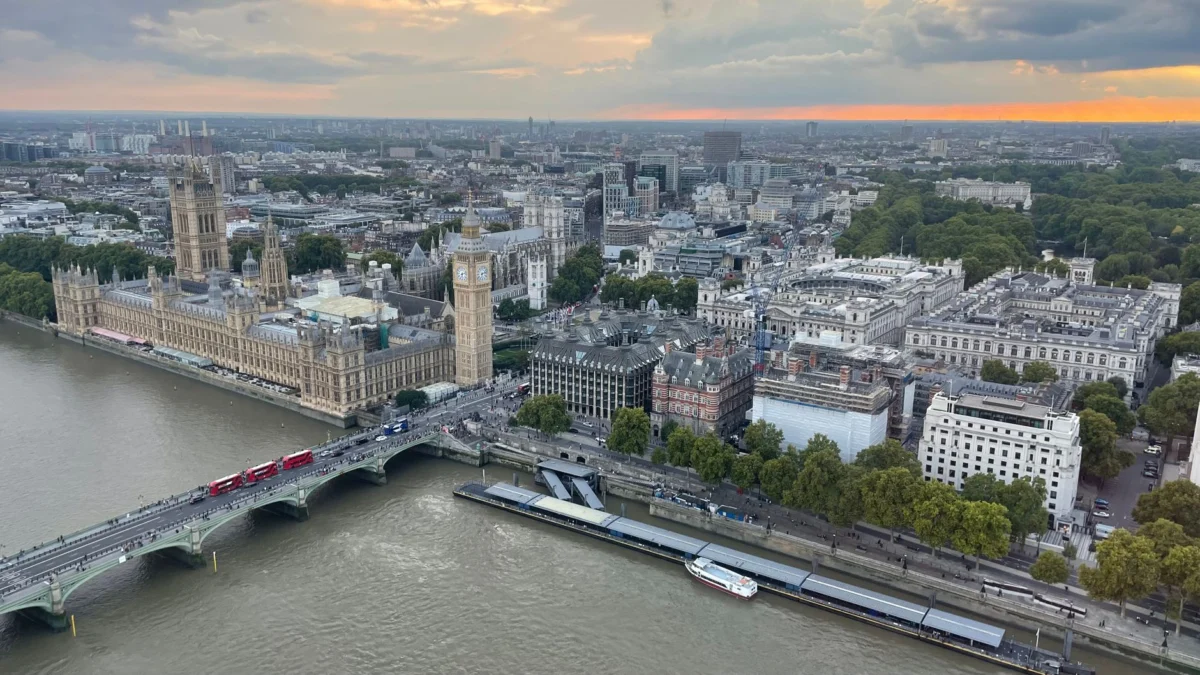
View of historic landmarks in London cityscape
At a Glance
Country United Kingdom
City London
Day / Night 11° / 6°
Local Time 5:02
November — Now Peak season
Best Months Jun · Aug

London keeps a thousand years of history in a few square miles, but it is a big city and where you sleep decides what you can walk to. This guide picks four historic quarters — medieval and wartime Westminster, legal and literary Holborn, Victorian Kensington and Georgian St James’s — with a walk through each, the sights worth your time and hotels in buildings with their own past.

Top London stays for history buffs

Best overall
⭐ 9.4
Corinthia London

Corinthia London

Opened in 1885 as the Metropole Hotel and used by the government in both world wars and for decades after, the building on Whitehall Place has been restored as the Corinthia. Whitehall, the Banqueting House and the Churchill War Rooms are all a short walk away.

Central location
⭐ 8.9
The Trafalgar St James London Curio Collection by Hilton

The Trafalgar St James London Curio Collection by Hilton

A hotel right on Trafalgar Square, between Whitehall and Pall Mall. Nelson’s Column is outside the door, the National Gallery is across the square, and Westminster Abbey and St James’s are both a short walk away.

Top pick
⭐ 9.0
Rosewood London

Rosewood London

Set in the former headquarters of Pearl Assurance, a Grade II listed Edwardian building on High Holborn that the company used from 1914 to 1989. You enter through a carriage courtyard, and Sir John Soane’s Museum and Lincoln’s Inn are a few minutes’ walk away.

Which chapter of London do you want to live in?

Parliament and the Abbey, Dickens and the Inns of Court, Queen Victoria’s Kensington or Georgian St James’s — pick your era.

Best choice: Westminster

Best for: Crown and Parliament

Best choice: Holborn

Best for: Museums and Inns of Court

Best choice: Kensington (Royal)

Best for: Victorian London

Best choice: St. James's

Best for: Royal and Georgian London

Best hotels in London for history buffs

Hotels in Victorian and Edwardian buildings, a short walk from the Abbey, the British Museum or Kensington Palace.

The Trafalgar St James London Curio Collection by Hilton
Central location
⭐ 8.9 Excellent
675 reviews

The Trafalgar St James London Curio Collection by Hilton

Westminster • Trafalgar Square • Central

A hotel right on Trafalgar Square, between Whitehall and Pall Mall. Nelson’s Column is outside the door, the National Gallery is across the square, and Westminster Abbey and St James’s are both a short walk away.

  • On Trafalgar Square
  • National Gallery across the square
  • Walk to Whitehall and St James’s
Rosewood London
Top pick
⭐ 9.0 Outstanding
1620 reviews

Rosewood London

Holborn • Edwardian landmark • High Holborn

Set in the former headquarters of Pearl Assurance, a Grade II listed Edwardian building on High Holborn that the company used from 1914 to 1989. You enter through a carriage courtyard, and Sir John Soane’s Museum and Lincoln’s Inn are a few minutes’ walk away.

  • Grade II listed Edwardian building
  • Former Pearl Assurance headquarters
  • Walk to the Soane Museum and Lincoln’s Inn
NYX Hotel London Holborn by Leonardo Hotels
Smart choice
⭐ 8.5 Excellent
9164 reviews

NYX Hotel London Holborn by Leonardo Hotels

Holborn • Modern • Near the British Museum

A modern hotel in Holborn with good-value rooms by London standards. The British Museum, the Charles Dickens Museum and Lincoln’s Inn Fields are all within walking distance, and Holborn station is close.

  • Walk to the British Museum
  • Near Holborn station
  • Modern rooms
Milestone Hotel Kensington
Luxury stay
⭐ 9.5 Exceptional
1399 reviews

Milestone Hotel Kensington

Kensington • Victorian townhouses • Facing Kensington Gardens

Two Grade II listed townhouses from the 1880s at 1 Kensington Court, turned into a hotel in 1922. It looks across the road to Kensington Gardens, and Kensington Palace, where Queen Victoria was born, is a short walk through the park.

  • Grade II listed 1880s townhouses
  • Facing Kensington Gardens
  • Walk to Kensington Palace
The Bailey's Hotel London Kensington
Editor’s choice
⭐ 8.3 Very Good
2063 reviews

The Bailey's Hotel London Kensington

Kensington • Victorian hotel from 1876 • Gloucester Road

One of the earliest privately built hotels in London, opened in 1876 by James Bailey opposite Gloucester Road station. The museums of South Kensington are about a 10-minute walk away, and the Piccadilly, Circle and District lines are right across the road.

  • Victorian hotel opened in 1876
  • About 10 minutes’ walk to the V&A
  • Opposite Gloucester Road station
Althoff St James's Hotel & Club London
Boutique stay
⭐ 8.8 Excellent
712 reviews

Althoff St James's Hotel & Club London

St. James’s • Townhouse hotel • Park Place

A small hotel in a Victorian building from the early 1890s on Park Place, a quiet cul-de-sac off St James’s Street. Lock & Co, Berry Bros. & Rudd and St James’s Palace are a few minutes’ walk down the hill.

  • Victorian building from the 1890s
  • Quiet cul-de-sac off St James’s Street
  • Walk to St James’s Palace and Green Park
Conrad London St James
Walkable area
⭐ 9.0 Outstanding
768 reviews

Conrad London St James

Westminster • Modern • By St James’s Park station

A large modern hotel on Broadway, next to St James’s Park station and a few minutes from the park itself. Westminster Abbey, the Churchill War Rooms and Buckingham Palace are all within a 10–15 minute walk.

  • Next to St James’s Park station
  • Walk to Westminster Abbey
  • Modern, comfortable rooms

How we choose

We favour hotels in historic buildings within walking distance of the main sights and museums, then check guest ratings.

Best areas in London for history buffs

Four quarters, four eras of London history — each with a walk you can do in a day, from the first museum opening to a pint in an old pub.

Westminster

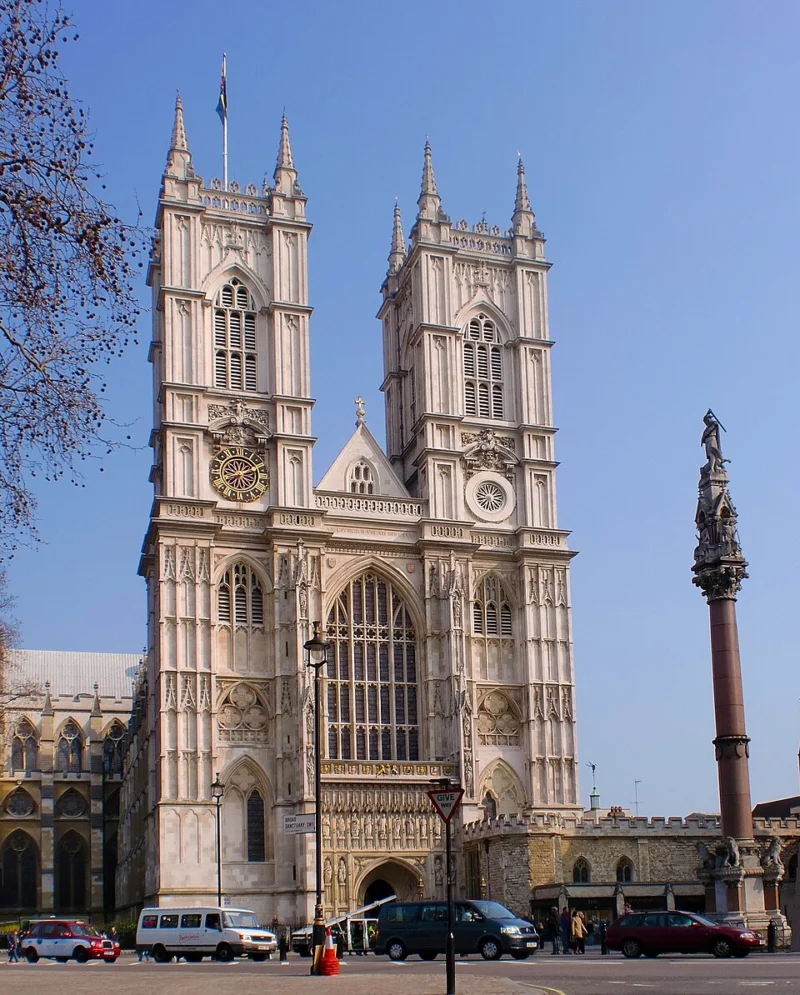
Westminster is where England has been crowned, governed and buried for nearly a thousand years. The Westminster Abbey you see was rebuilt by Henry III from 1245, Westminster Hall has stood since 1097, and the little Jewel Tower across the road survived the fire of 1834 that destroyed most of the old palace. Under Whitehall, the rooms where Churchill ran the war are kept as they were left in 1945.

Stay here and you can work through the sights in historical order: medieval in the morning, Stuart London at the Banqueting House in the afternoon, the Second World War in between. In the evening the tour groups leave, and the pubs on Whitehall fill with civil servants and the odd politician.

The honest downside: this is a quarter of ministries and offices, so there are few neighbourhood restaurants and evenings are quiet. Come for the history, not the nightlife.

Local picks

For Culture & History
  • 1
    Opening timeWestminster AbbeyBe at the door when it opens and head first for the Lady Chapel of Henry VII, where Elizabeth I is buried, before the groups arrive. Every coronation since William the Conqueror’s in 1066 has taken place here. Book a timed ticket.
  • 2
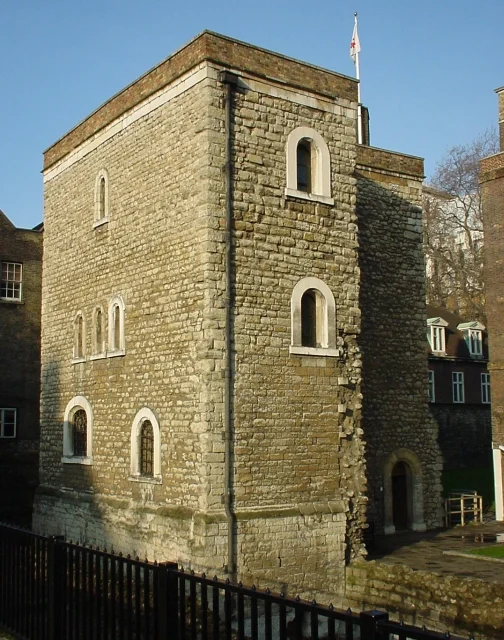
    Hidden historyJewel TowerAcross the road from the Abbey, this small stone tower was built in 1365–66 to hold Edward III’s personal treasure. It is run by English Heritage, rarely busy, and gives you a good sense of what the medieval palace looked like.
  • 3
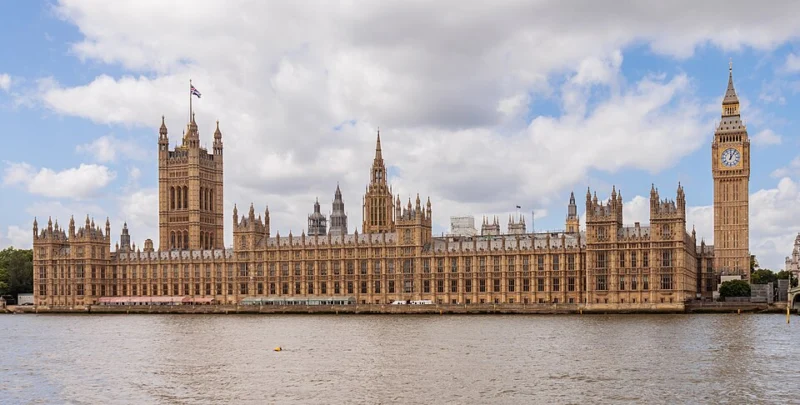
    Must seePalace of WestminsterWestminster Hall, with its hammerbeam roof from the 1390s, saw the trials of Thomas More, Guy Fawkes and Charles I. You see it on a Parliament tour, or on your way to the public galleries when the Houses are sitting.
  • 4
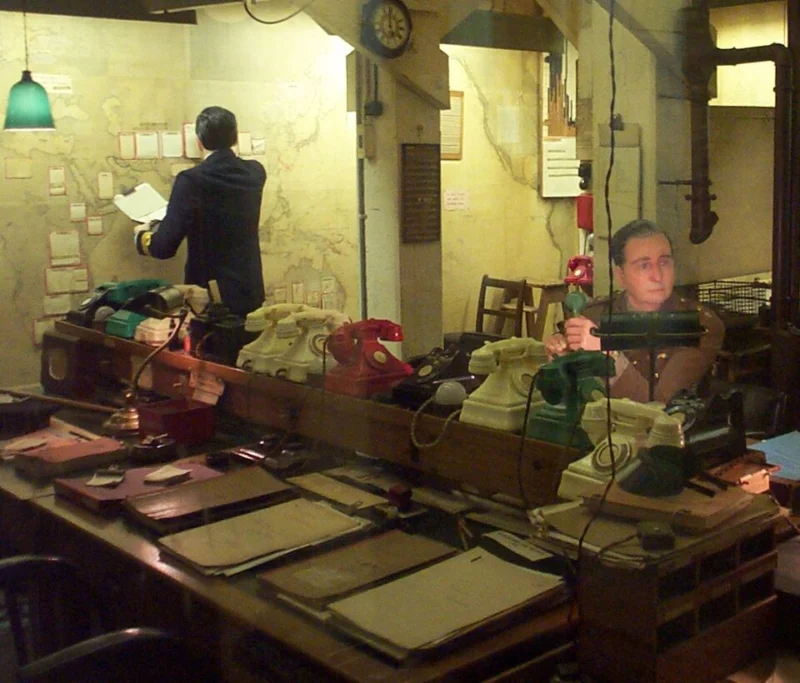
    Worth the ticketChurchill War RoomsThe underground command centre beneath the Treasury became operational in August 1939 and was abandoned in August 1945. The Map Room has been left as it was, and the Churchill Museum next door tells his whole life. Book ahead, as queues are long.
  • 5
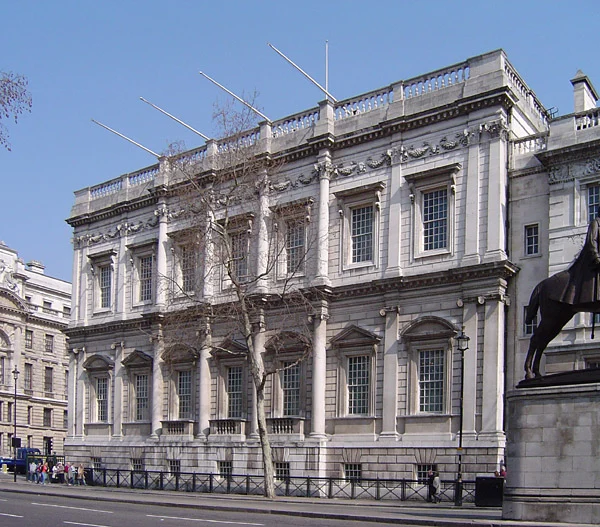
    AfternoonBanqueting HouseThe only large part of the Palace of Whitehall still standing, finished by Inigo Jones in 1622. Look up at the ceiling Rubens painted for Charles I — the king walked out of a window of this building to his execution in 1649.
  • 6
    Historic pubThe Red Lion, WhitehallA traditional pub on Parliament Street, a few steps from Downing Street and the Houses of Parliament. Come for a pint and pub food at the end of the walk.
  • Getting aroundWestminster · St James’s ParkWestminster station (Jubilee, District and Circle lines) is opposite Big Ben, and St James’s Park station is by the Abbey. Everything on this walk is within 15 minutes on foot, and the British Museum is a short Tube ride away.
  • Where to stayWestminster has grand Victorian hotels around Whitehall and large modern hotels near St James’s Park station. Rooms near the river and Trafalgar Square cost the most; side streets towards Victoria are quieter and often cheaper.

Did you know?

Westminster Hall, built in 1097 The great hall of William II is the oldest surviving building of the Palace of Westminster.
Churchill lay in state here in 1965 Before his funeral at St Paul’s, Churchill lay in state in Westminster Hall for three days.
The tower that survived the fire The 14th-century Jewel Tower was one of only four buildings to survive the burning of Parliament in 1834.
Westminster

Holborn

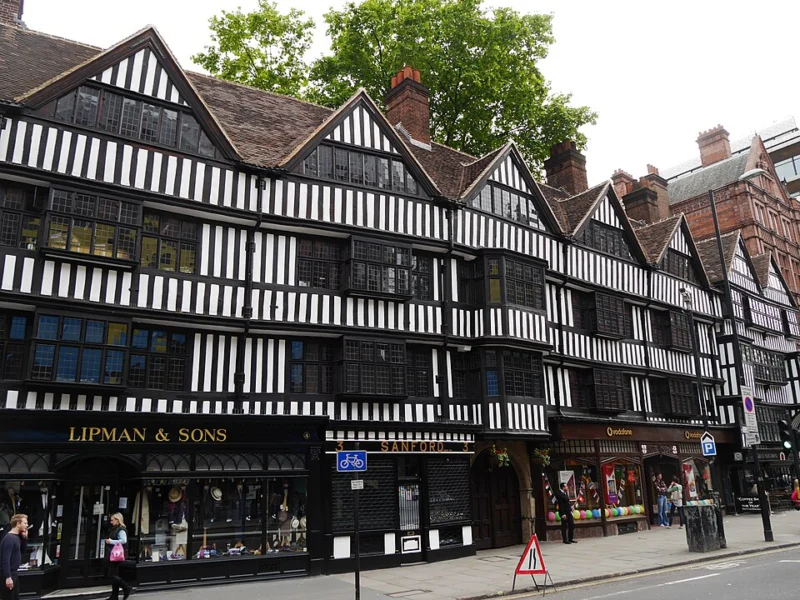
Holborn is legal and literary London. Barristers still cross the courtyards of Lincoln’s Inn, the Tudor front of Staple Inn still faces High Holborn, and Dickens wrote Oliver Twist in a Georgian house a few streets north. The British Museum is a short walk away in Bloomsbury.

This is the place for museum lovers. You can spend a morning with the Rosetta Stone, then walk to Sir John Soane’s Museum, the architect’s house kept exactly as he left it in 1837, and the Hunterian Museum across Lincoln’s Inn Fields. The squares fill with office workers at lunchtime, and old pubs with long histories stay busy into the evening.

The honest downside: the main roads are busy, and some streets empty out at weekends. It is less pretty than Kensington, but no part of London has more history per minute of walking.

Local picks

For Culture & History
  • 1
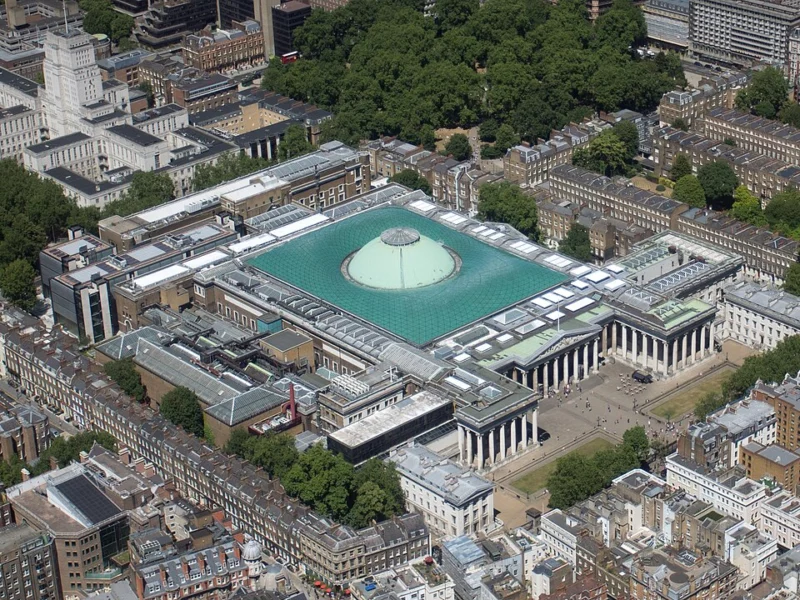
    Opening timeThe British MuseumFounded in 1753 and free to enter, it is too big for one visit. Arrive at opening, see the Rosetta Stone and the Parthenon sculptures before the crowds, then leave the rest for another day.
  • 2
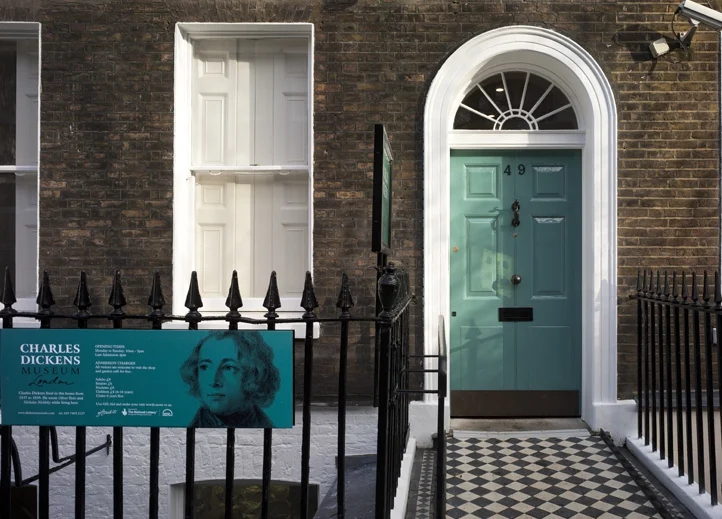
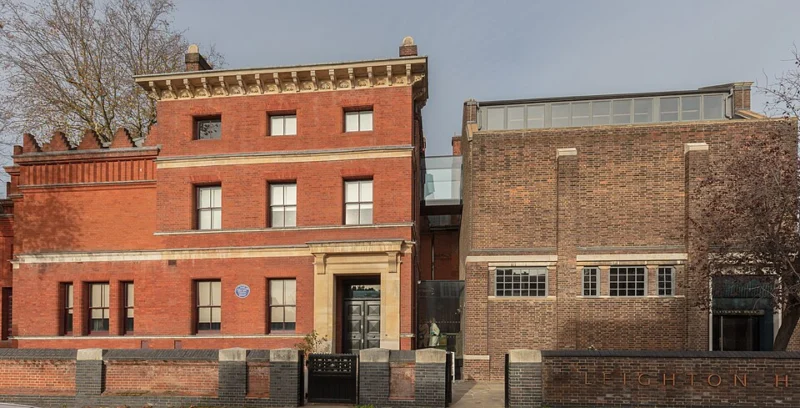
    Literary historyCharles Dickens MuseumThe Georgian house on Doughty Street where Dickens lived from 1837 to 1839, writing Oliver Twist and Nicholas Nickleby. It is furnished as the family home of a young writer in the 1830s. Check opening days before you go.
  • 3
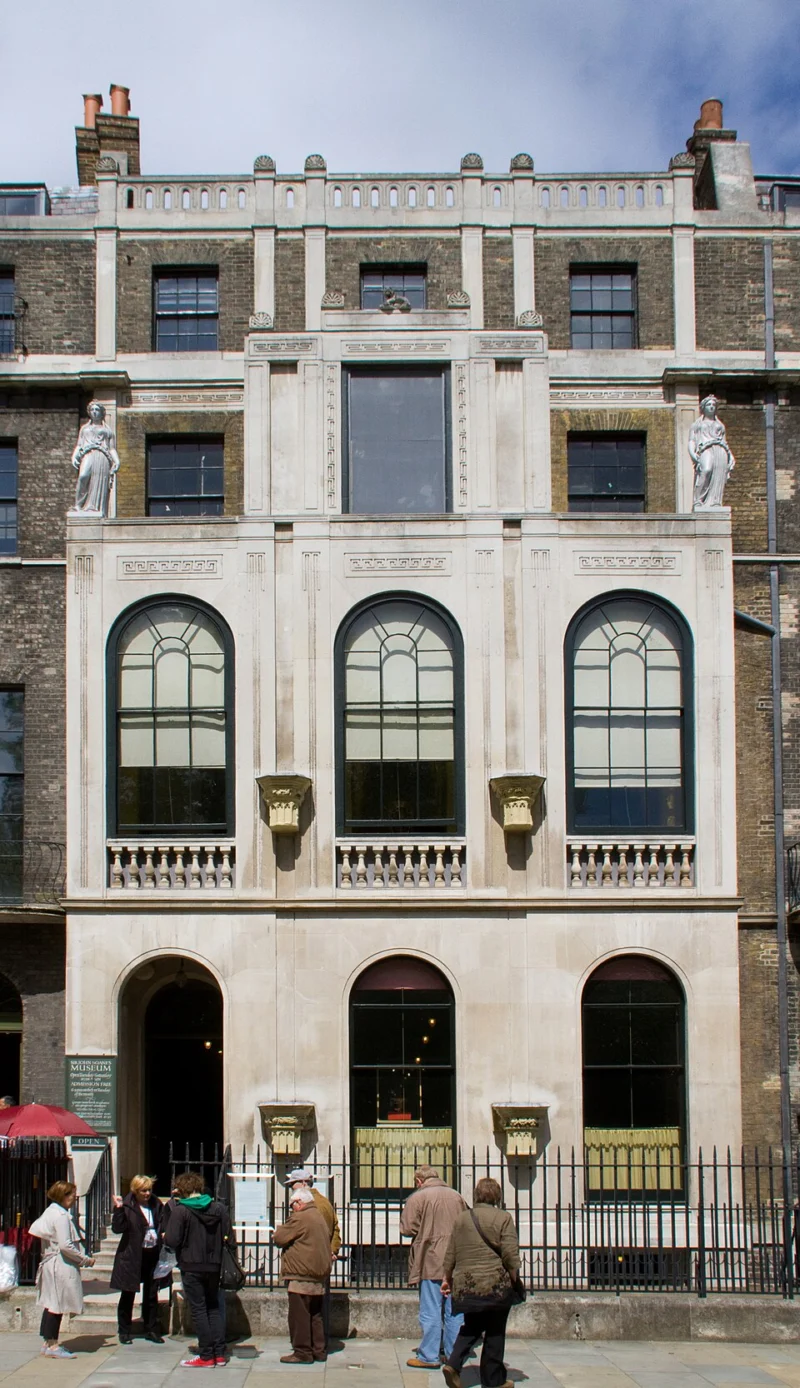
    Must seeSir John Soane’s MuseumThe architect of the Bank of England left his house to the nation in 1837 on condition that nothing was changed. Ancient sculpture, an Egyptian sarcophagus and Hogarth’s paintings are packed into every corner. Entry is free, but only a limited number of visitors are let in at a time.
  • 4
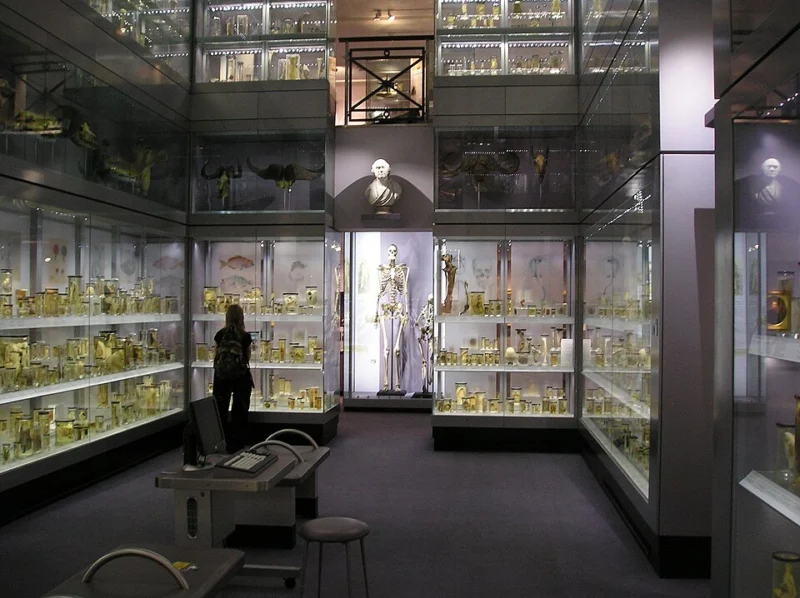
    Hidden historyHunterian MuseumAcross Lincoln’s Inn Fields, the Royal College of Surgeons shows the anatomical collection of the 18th-century surgeon John Hunter, bought by the government in 1799. Not for the squeamish — but a remarkable picture of early medicine.
  • 5
    Historic walkLincoln’s InnThe largest of the four Inns of Court, where barristers have trained for centuries. Walk through the gardens and courtyards past the chapel and the Old Hall — it still feels like a private college.
  • 6
    Tudor frontStaple InnThe part-Tudor timber front on High Holborn is the last surviving Inn of Chancery. Step through the arch into the quiet courtyard behind it, one of the calmest spots in central London.
  • 7
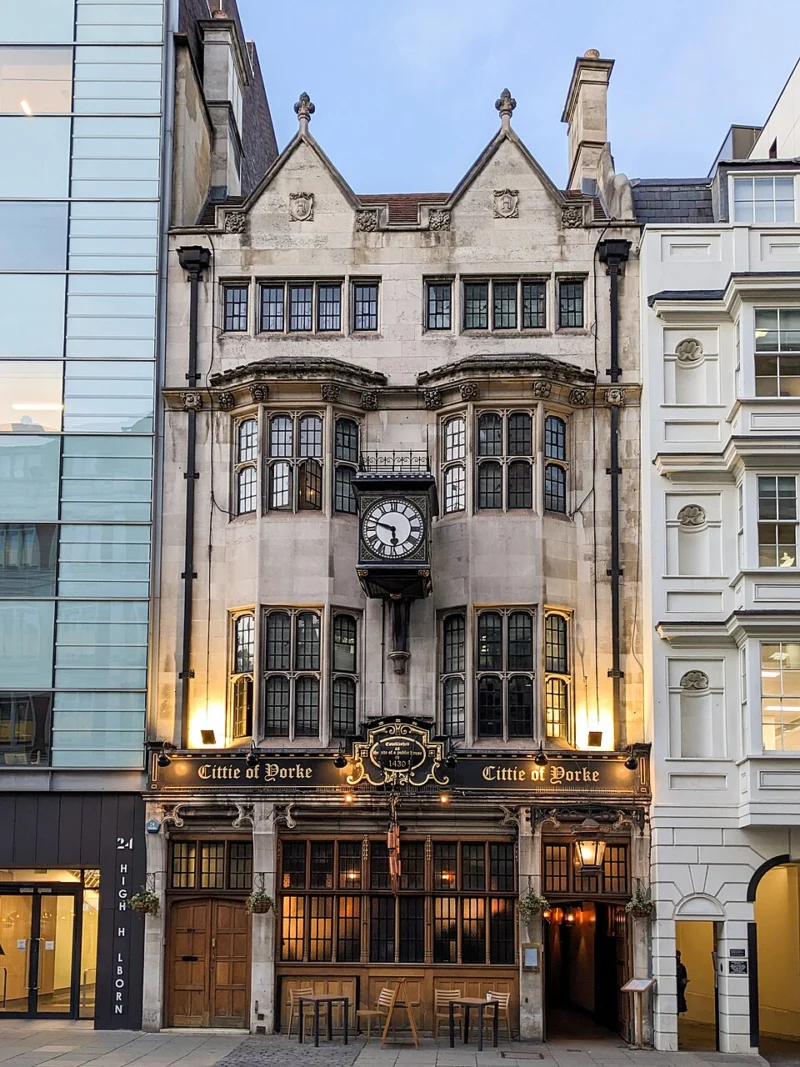
    Historic pubCittie of YorkeThere have been pubs on this site since 1430. The present building dates from the 1920s, with a long back hall and old wooden booths; Dylan Thomas wrote a little song here in 1951.
  • Getting aroundHolborn · Chancery LaneHolborn station has the Central and Piccadilly lines, and Chancery Lane is on the Central line. The Piccadilly line takes you straight to South Kensington, and Westminster is about 25 minutes on foot.
  • Where to stayHolborn has hotels in converted Edwardian offices and modern hotels around the station. Ask for a room away from High Holborn or Kingsway, which are busy main roads.

Did you know?

Named after a lost river Holborn takes its name from the Holbourne, an old name for the River Fleet, now buried underground.
Dickens on Doughty Street Charles Dickens lived at 48 Doughty Street from 1837 to 1839, where he wrote Oliver Twist.
Red Lion Square’s Pre-Raphaelites William Morris and Edward Burne-Jones shared rooms at No. 17 Red Lion Square from 1856 to 1859.
Holborn

Kensington (Royal)

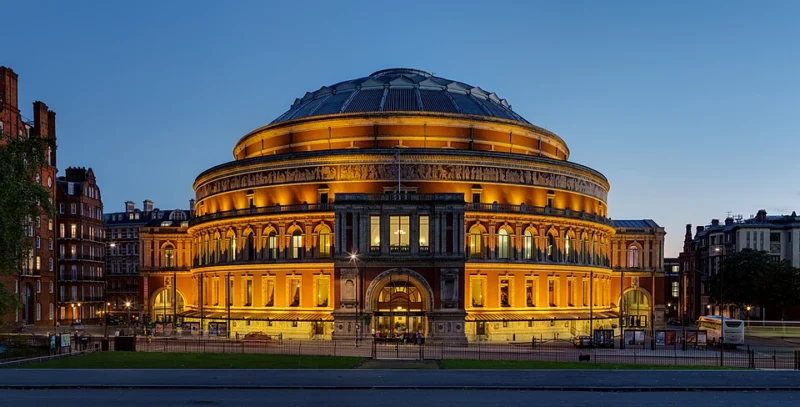
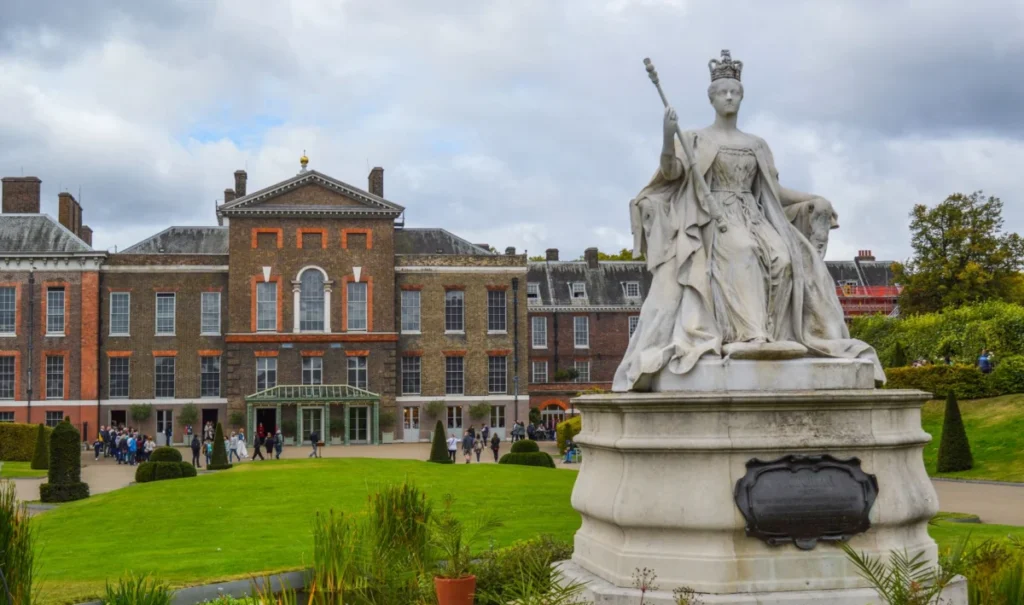
Kensington is Victorian London at its grandest. Queen Victoria was born at Kensington Palace in 1819, and after Prince Albert died the area south of the park became his memorial: the Royal Albert Hall, the Albert Memorial and the great museums of what Londoners still call Albertopolis.

History buffs can spend days here. Start at Leighton House, the home and studio of a Victorian painter with an Arab Hall of Middle Eastern tiles, walk past St Mary Abbots to the palace, then cross Kensington Gardens to the V&A — the first museum in the world to serve its visitors food. Families with children, embassy staff and long-time residents live in the white stucco streets around.

The honest downside: it is far from Westminster and the City, about 20 minutes by Tube, and evenings are calm rather than lively.

Local picks

For Culture & History
  • 1
    MorningLeighton HouseThe home and studio of Frederic Leighton, President of the Royal Academy, built from 1864. The Arab Hall, lined with tiles he brought back from the Middle East, is the reason to come. It is closed on Tuesdays.
  • 2
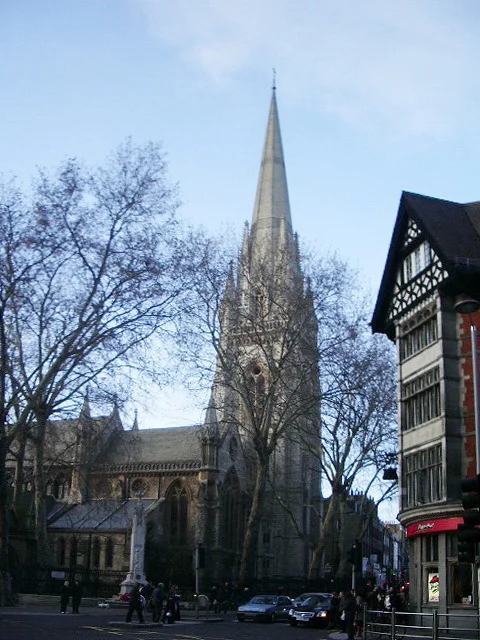
    On the waySt Mary AbbotsSir George Gilbert Scott’s church of 1872 on Kensington High Street has the tallest spire in London. There has been a church on this site since the 12th century.
  • 3
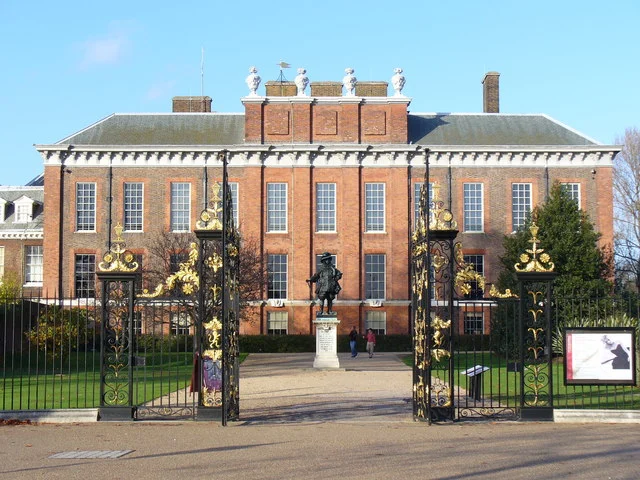
    Must seeKensington PalaceA royal residence since William III and Mary II bought it in 1689. In the state rooms you see where Queen Victoria was born and where she held her first privy council in 1837. Book a timed ticket.
  • 4
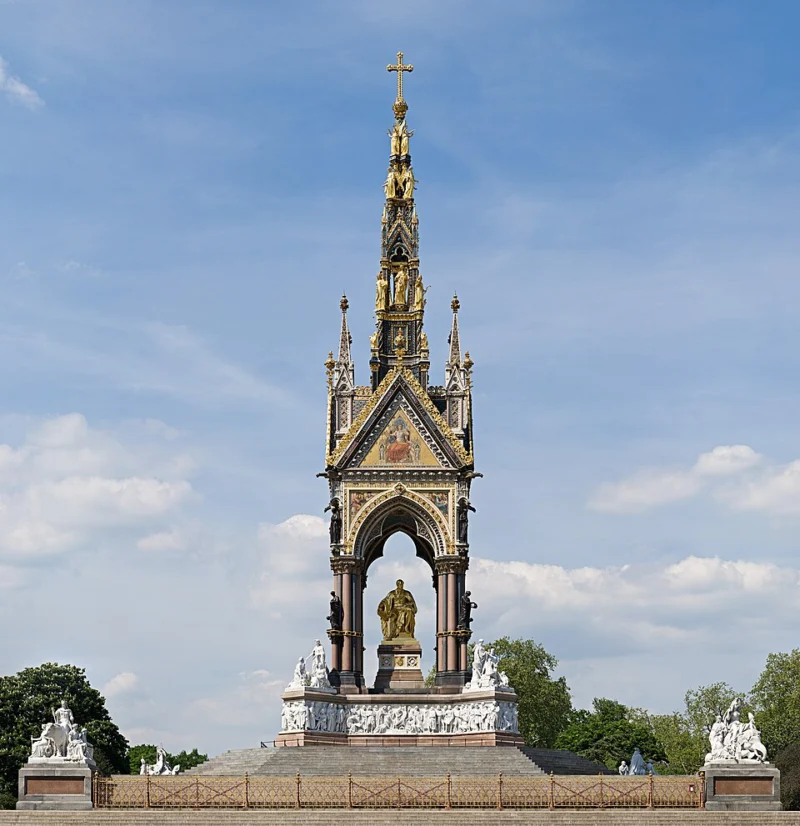
    Across the parkAlbert MemorialQueen Victoria commissioned this Gothic canopy by Scott for her husband, who died in 1861; it opened in 1872. Walk around the base, where hundreds of artists, poets and architects are carved into the frieze.
  • 5
    Victorian landmarkRoyal Albert HallQueen Victoria opened the hall in 1871, and the BBC Proms have been held here every summer since 1941. Take a guided tour by day, or come back for an evening concert.
  • 6
    AfternoonVictoria and Albert MuseumFree to enter, with everything from medieval tapestries to the Cast Courts full of plaster copies of famous monuments. Have tea in the café, which still uses the museum’s original Victorian refreshment rooms.
  • Getting aroundHigh Street Kensington · South KensingtonHigh Street Kensington (Circle and District lines) is close to Leighton House and the palace, and South Kensington (also Piccadilly line) is by the museums. The Piccadilly line goes straight to Holborn for the British Museum.
  • Where to stayKensington has hotels in white stucco Victorian terraces, many with small rooms and steep stairs, plus larger hotels around Gloucester Road and High Street Kensington. Check for a lift if you have heavy luggage.

Did you know?

Queen Victoria was born here in 1819 Princess Victoria was born at Kensington Palace on 24 May 1819 and learned there in 1837 that she was queen.
The tallest spire in London St Mary Abbots, rebuilt in 1872 by Sir George Gilbert Scott, has the tallest church spire in London.
The first museum café The V&A’s early iron galleries of 1856 included a refreshment room, making it the first museum to cater for visitors.
Kensington (Royal)

St. James's

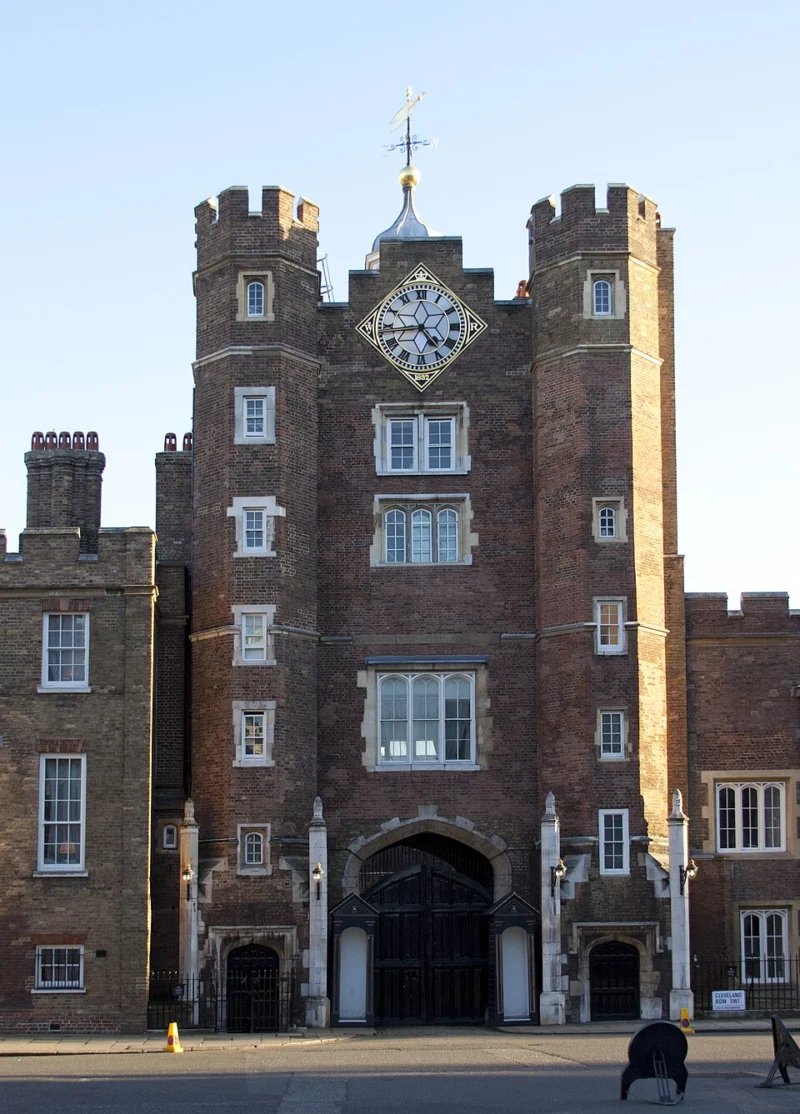
St James’s grew up around a Tudor palace and became the Georgian quarter of courtiers, clubs and royal suppliers. Henry VIII built St James’s Palace in the 1530s, and its red-brick gatehouse still faces St James’s Street. Ambassadors to Britain are still accredited to the Court of St James’s.

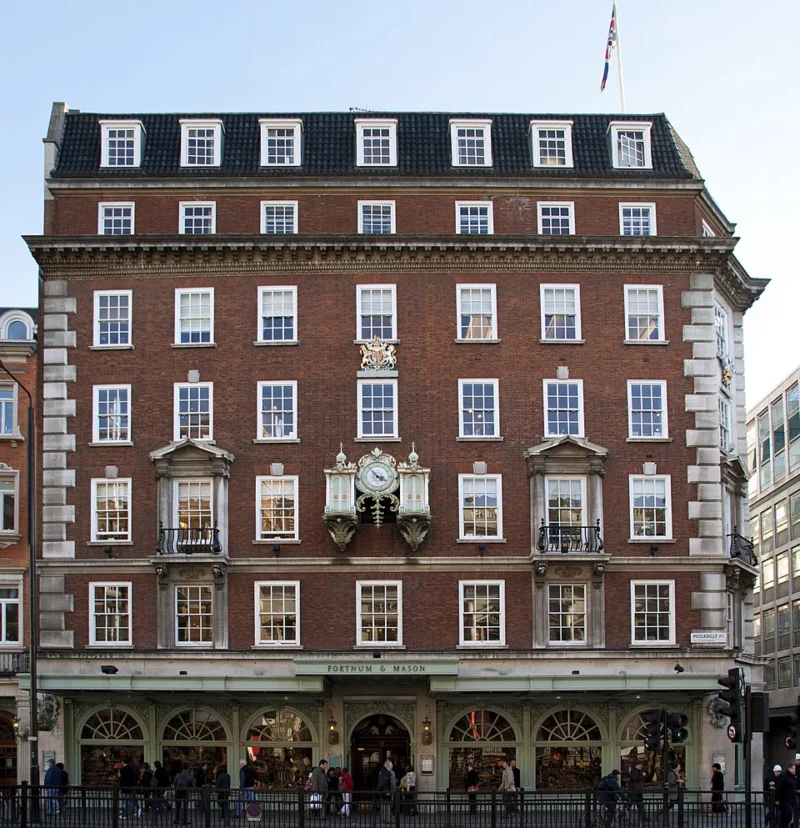
What makes it special for history lovers is how much is still in business. Lock & Co. has sold hats at No. 6 St James’s Street since 1765, Berry Bros. & Rudd has traded from No. 3 since 1698, and Fortnum & Mason has been on Piccadilly since 1707. Some of the gentlemen’s clubs along St James’s Street and Pall Mall still have no name on the door.

The honest downside: it is expensive and formal, and it goes quiet after the shops close. Stay here for the walks and the atmosphere, and eat elsewhere if you are on a budget.

Local picks

For Culture & History
  • 1
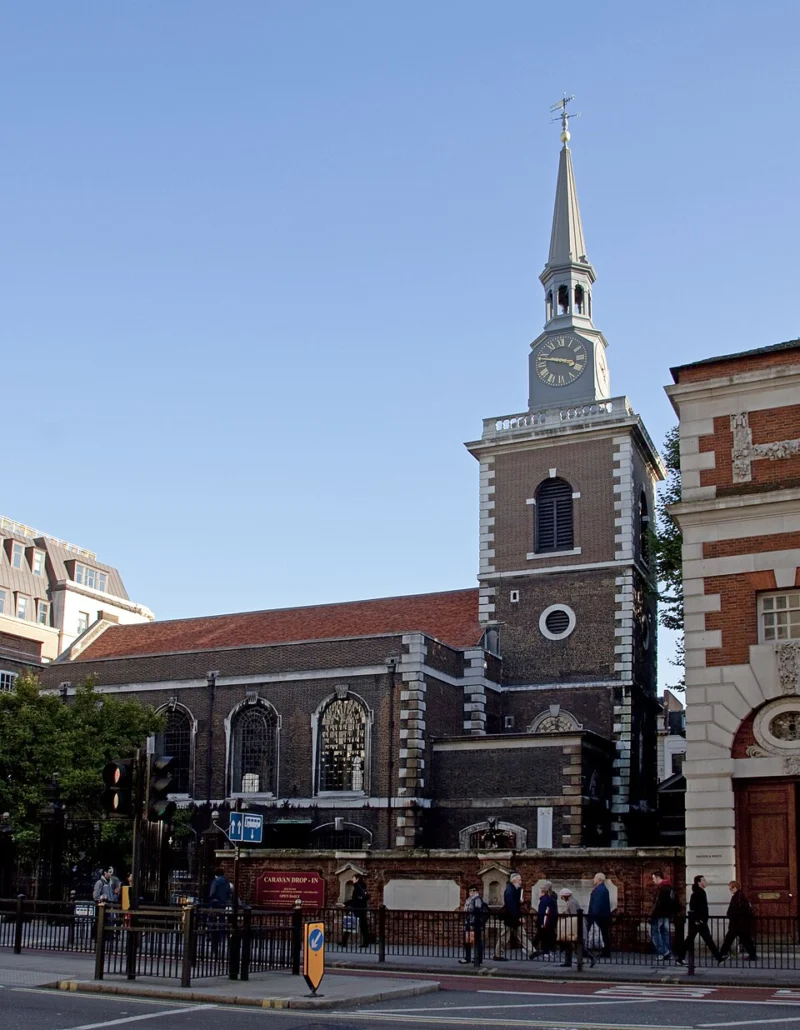
    MorningSt James’s Church, PiccadillyChristopher Wren’s church was consecrated in 1684 for the new streets laid out by Henry Jermyn. Inside, look for the marble font and limewood reredos carved by Grinling Gibbons.
  • 2
    Tea breakFortnum & MasonFounded in 1707 by William Fortnum, a footman in Queen Anne’s household, and Hugh Mason. Browse the food halls, or stay for tea in one of its restaurants.
  • 3
    Living historyLock & Co. HattersWalk down St James’s Street to the world’s oldest hat shop, at No. 6 since 1765. Next door at No. 3, Berry Bros. & Rudd has traded since 1698, when it started as a coffee shop.
  • 4
    Must seeSt James’s PalaceThe Tudor gatehouse at the bottom of St James’s Street is the best-preserved part of Henry VIII’s palace. The palace is not open to visitors, but you can walk around it along Marlborough Road and Cleveland Row.
  • 5
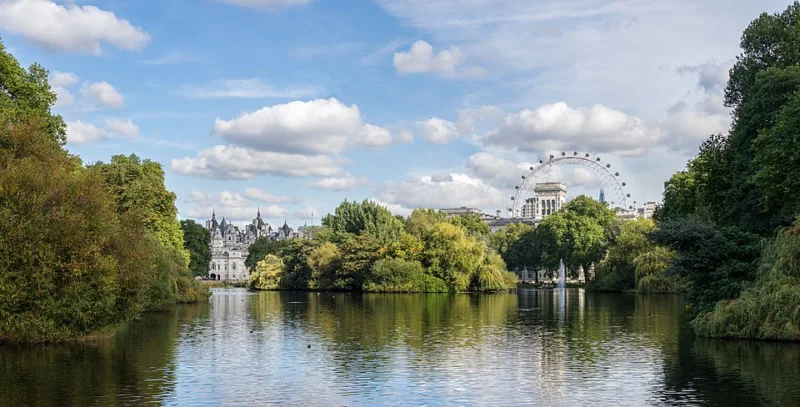
    AfternoonSt James’s ParkHenry VIII enclosed it as a deer park in the 1530s, and Charles II reshaped it after 1660. Pelicans have lived here since a Russian ambassador gave them to the king in 1664.
  • 6
    DinnerWiltonsFounded in 1742, this restaurant on Jermyn Street serves oysters, fish and game in a traditional English dining room. It is closed on Sundays, so book ahead for another evening.
  • Getting aroundGreen Park · Piccadilly CircusGreen Park station (Jubilee, Piccadilly and Victoria lines) is at the top of St James’s Street. Westminster and Trafalgar Square are a 10–15 minute walk through the park or along Pall Mall.
  • Where to staySt James’s has luxury hotels and small townhouse hotels on quiet side streets like Park Place and St James’s Place. Expect high prices; Westminster, just across the park, has more choice and is often cheaper.

Did you know?

Named after a leper hospital Henry VIII built St James’s Palace in 1531–1536 on the site of a hospital dedicated to St James the Less.
London’s oldest club, born in 1693 White’s began as a hot chocolate house in Mayfair in 1693 and moved to St James’s Street in 1778.
The world’s oldest hat shop Lock & Co. has been at 6 St James’s Street since 1765, and the bowler hat was first made for it in 1849.
St. James's

Planning your stay in London

For Culture & History
  • When to comeSpring and autumn have shorter queues at the Abbey and the palaces than summer. In August, Parliament is in recess, so you can tour the building but not watch debates.
  • Tickets worth bookingBook Westminster Abbey, the Churchill War Rooms and Kensington Palace in advance and take the first slot of the day. The British Museum, the V&A and Sir John Soane’s Museum are free.
  • Moving between the four quartersWestminster and St James’s are next to each other across St James’s Park. The Piccadilly line links Holborn with South Kensington in about 15 minutes, and Westminster station is on the Jubilee, District and Circle lines.
  • One more day: the CityIf you have a fifth day, spend it in the City of London: the Tower of London, St Paul’s Cathedral and the remains of the Roman wall. From Holborn it is a short walk east.
Self-guided walking tours Culture & History (London, United Kingdom)
Routes 4
Pick a route

Best time to visit London (United Kingdom)

Now (November) avg high: 11°C, mostly dry, full season — expect crowds. Best months to walk: Jun & Aug.

Live Temp …
~Day / Night Temp 11°C / 6°C
Sunrise / Sunset 8:07 / 17:22
Local time 5:02
Best Months Jun & Aug
J Jan F Feb M Mar A Apr M May J Jun best month J Jul A Aug best month S Sep O Oct N Nov this month D Dec
Check London hotels
Temperature Average daytime high, month by month. Zero line marks freezing point.
Crowds How busy it gets — traveller interest by month.
Rainfall Rainy days to expect each month.
Sunshine Hours of sun per day, by month.
London guides →

Best hotels in London for history buffs

Hotels in Victorian and Edwardian buildings, a short walk from the Abbey, the British Museum or Kensington Palace.
Corinthia London
Best overall
9.4 Outstanding
398 reviews

Corinthia London

Opened in 1885 as the Metropole Hotel and used by the government in both world wars and for decades after, the building on Whitehall Place has been restored as the Corinthia. Whitehall, the Banqueting House and the Churchill War Rooms are all a short walk away.

Ideal for: History buffs who want to sleep inside a piece of Whitehall history
The Trafalgar St James London Curio Collection by Hilton
Central location
8.9 Excellent
675 reviews

The Trafalgar St James London Curio Collection by Hilton

A hotel right on Trafalgar Square, between Whitehall and Pall Mall. Nelson’s Column is outside the door, the National Gallery is across the square, and Westminster Abbey and St James’s are both a short walk away.

Ideal for: History buffs who want to walk everywhere
Rosewood London
Top pick
9.0 Outstanding
1620 reviews

Rosewood London

Set in the former headquarters of Pearl Assurance, a Grade II listed Edwardian building on High Holborn that the company used from 1914 to 1989. You enter through a carriage courtyard, and Sir John Soane’s Museum and Lincoln’s Inn are a few minutes’ walk away.

Ideal for: History buffs who want grand Edwardian architecture
NYX Hotel London Holborn by Leonardo Hotels
Smart choice
8.5 Excellent
9164 reviews

NYX Hotel London Holborn by Leonardo Hotels

A modern hotel in Holborn with good-value rooms by London standards. The British Museum, the Charles Dickens Museum and Lincoln’s Inn Fields are all within walking distance, and Holborn station is close.

Ideal for: History buffs who want a central base for less
Milestone Hotel Kensington
Luxury stay
9.5 Exceptional
1399 reviews

Milestone Hotel Kensington

Two Grade II listed townhouses from the 1880s at 1 Kensington Court, turned into a hotel in 1922. It looks across the road to Kensington Gardens, and Kensington Palace, where Queen Victoria was born, is a short walk through the park.

Ideal for: History buffs who want Victorian Kensington on the doorstep
The Bailey's Hotel London Kensington
Editor’s choice
8.3 Very Good
2063 reviews

The Bailey's Hotel London Kensington

One of the earliest privately built hotels in London, opened in 1876 by James Bailey opposite Gloucester Road station. The museums of South Kensington are about a 10-minute walk away, and the Piccadilly, Circle and District lines are right across the road.

Ideal for: History buffs who want a Victorian hotel near the museums
Althoff St James's Hotel & Club London
Boutique stay
8.8 Excellent
712 reviews

Althoff St James's Hotel & Club London

A small hotel in a Victorian building from the early 1890s on Park Place, a quiet cul-de-sac off St James’s Street. Lock & Co, Berry Bros. & Rudd and St James’s Palace are a few minutes’ walk down the hill.

Ideal for: History buffs who want a quiet street in clubland
Conrad London St James
Walkable area
9.0 Outstanding
768 reviews

Conrad London St James

A large modern hotel on Broadway, next to St James’s Park station and a few minutes from the park itself. Westminster Abbey, the Churchill War Rooms and Buckingham Palace are all within a 10–15 minute walk.

Ideal for: History buffs who want comfort and the Tube on the doorstep

Coming in summer or around a royal event?

Hotels near Westminster and the palaces fill up first in summer, at Easter and around big state occasions. Book early, and book timed tickets for the Abbey and the War Rooms at the same time.

Compare London hotels for history buffs

Historic buildings, locations and what makes each one special — side by side.
The Trafalgar St James London Curio Collection by Hilton
Central location
8.9 Excellent
675 reviews

The Trafalgar St James London Curio Collection by Hilton

Westminster • Trafalgar Square • Central
The most central base in this guide
Location
Walk to Westminster and St James’s
Rosewood London
Top pick
9.0 Outstanding
1620 reviews

Rosewood London

Holborn • Edwardian landmark • High Holborn
Edwardian grandeur next to the Inns of Court
Type of Stay
Grade II listed building

Traditional Local Food London (United Kingdom)

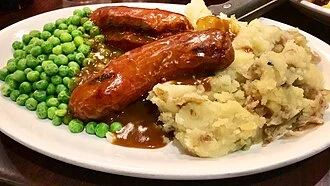
Main course Meat

Bangers and Mash

Bang-guhz and mash

A simple dish of sausages served with mashed potatoes and gravy.

Open Bangers and Mash recipe
Main course Meat

Beef Wellington

A luxurious dish of beef tenderloin coated in pâté and duxelles, wrapped in puff pastry.

Open Beef Wellington recipe
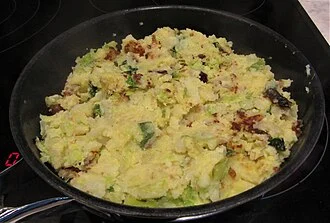
Main course Vegetarian

Bubble and Squeak

bub-ul and skweek

Pan-fried mix of leftover vegetables, often with potatoes and cabbage.

Open Bubble and Squeak recipe
Dessert Vegetarian

Eton Mess

ee-ton mess

Mix of strawberries, broken meringue, and cream.

Open Eton Mess recipe
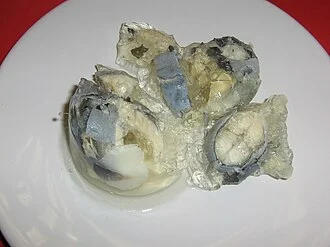
Main course Fish & Seafood

Jellied Eels

Eels cooked in a spiced stock and set into a jelly-like consistency.

Open Jellied Eels recipe
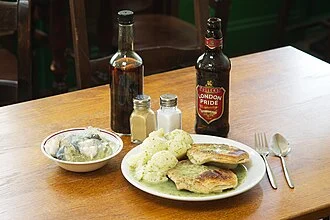
Main course Meat

Pie and Mash

A traditional London dish of minced beef pie served with mashed potatoes.

Open Pie and Mash recipe
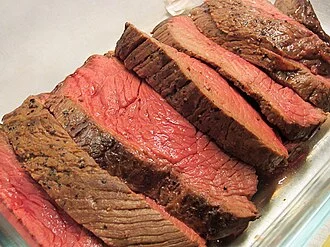
Main course Meat

Roast Beef and Yorkshire Pudding

roast beef and YORK-shur PUH-ding

Traditional British Sunday roast featuring beef and fluffy batter pudding.

Open Roast Beef and Yorkshire Pudding recipe
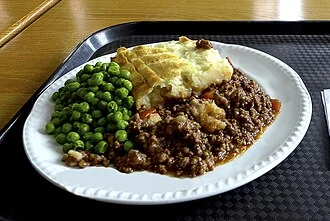
Main course Meat

Shepherd's Pie

A savory pie with minced lamb and a mashed potato crust.

Open Shepherd's Pie recipe
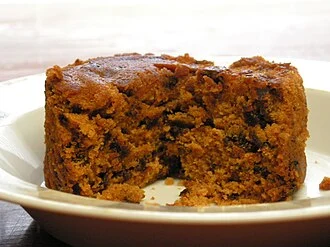
Dessert Vegetarian

Spotted Dick

Spot-tid Dik

A traditional British steamed suet pudding with dried fruit.

Open Spotted Dick recipe
Main course Meat

Steak and Kidney Pie

Steyk and Kid-nee Pie

A savory pie filled with diced beef, kidney, onion, and gravy.

Open Steak and Kidney Pie recipe
Main course Meat

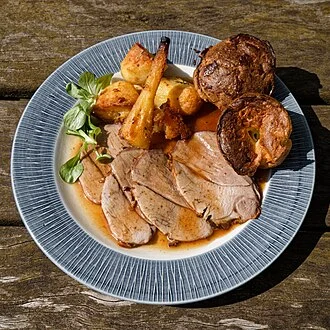
Sunday Roast

sun-day roast

Traditional British meal of roasted meat and vegetables.

Open Sunday Roast recipe

Activities & Experiences

Things to Do in London

Top-rated tours, day trips and local experiences — book in advance to secure your spot.

City & Country Data London (United Kingdom)

Key travel data for London — local prices, safety, healthcare, local currency and essentials, curated by Triplandio.

Safety 🔒 77
Health 🏥 85
Lifestyle ⭐ 75
Infra 🏗️ 89
Rank 🎯 #12
Score 📊 67
Tourists ✈️ 11.1M/y
GDP/cap 💵 $57.6k
Life Exp ❤️ 81.4 yrs
Population 👥 69.5M
Currency 💱 GBP £
Language 🗣️ English
Payments 💳 Cashless
Emergency 🆘 999
Coffee ☕ $5.00
Beer 🍺 $9.00
Lunch 🍽️ $25.00
Groceries 🛒 $50.00/w
Taxi/km 🚕 $3.00
Transit 🚇 $4.00
Fuel ⛽ $1.80/l
Internet 📡 $40.00/m
Salary 💵 $3,000/m

Travel tipsLondon (United Kingdom)

Quick tips

  1. Pepper spray and most knives are illegal — Critical

    Carrying pepper spray or any self-defence spray in the UK is a serious crime. Carrying a knife in public without good reason is also illegal, except a non-locking folding pocketknife with a blade under 3 inches (7.62 cm).

  2. Scotland's drink-driving limit is lower — Critical

    Scotland's legal alcohol limit for drivers is lower than in England, Wales and Northern Ireland, and even one drink can put you over. Drink-driving means a ban, a heavy fine and possibly prison.

  3. Look right before crossing — Caution

    Traffic in the UK drives on the left, so cars come from the right first. Many London crossings have “look right” or “look left” painted on the road — follow them.

  4. Get an ETA before you travel — Good to know

    Most visitors who don't need a UK visa — including US, Canadian, Australian and EU citizens — must get an Electronic Travel Authorisation (ETA) online or in the official app before travelling. Irish citizens are exempt.

  5. Hospital treatment is not free for visitors — Good to know

    Visitors to the UK are charged for most NHS (National Health Service) hospital care, often at a premium rate. Emergency treatment in A&E (Accident & Emergency) is free, but travel insurance is essential.

  6. Stand on the right on escalators — Local tip

    On London Underground escalators, stand on the right and leave the left side free for people walking. Blocking the left is the classic tourist mistake.

  • Do
  • Get your ETA before you fly
  • Look right before crossing roads
  • Queue patiently
  • Get travel insurance
  • Carry waterproofs
  • Don’t
  • Carry pepper spray or a knife
  • Hold your phone while driving
  • Bring meat or cheese in luggage
  • Swim outside the lifeguard flags
  • Ride without a valid ticket

London tips for history buffs

Use the free museums

The British Museum, the V&A and Sir John Soane’s Museum are free to enter; you pay only for special exhibitions. Go back two or three times for an hour each rather than once for a whole day — your feet will thank you.

Tip: Free entry, so go back more than once

See Parliament from the inside

Guided tours of the Houses of Parliament run on Saturdays and during recesses, and you can book them on the Parliament website. When the Commons or the Lords are sitting, you can watch debates from the public galleries for free.

Tip: Watch a debate for free

Look up for blue plaques

London’s blue plaques mark the houses where famous people lived and worked, from Dickens on Doughty Street to Churchill on Hyde Park Gate in Kensington. Walk the side streets near your hotel and you will find them on almost every block.

Tip: History on almost every block

London for history buffs: FAQ

When is the best time to visit London?

The best time to visit London is June and August — fewer crowds, comfortable temperatures, less rain and more sunshine. Compare every month in the seasonal chart above.

Which hotels in this guide are in historic buildings?

The Corinthia opened in 1885 as the Metropole Hotel, The Bailey’s has been a hotel since 1876, the Milestone occupies two listed 1880s townhouses and the Rosewood fills the former Pearl Assurance headquarters from 1914. All four are a short walk from major historic sights.

Which area is best for a first history trip to London?

Westminster, if you want the Abbey, Parliament and the War Rooms on foot. Choose Holborn for the British Museum and the Inns of Court, Kensington for Victorian palaces and museums, and St James’s for royal and Georgian London.

Are London’s museums free?

Most national museums are, including the British Museum, the V&A, the Natural History Museum and the National Gallery. Historic sites such as Westminster Abbey, Kensington Palace, the Banqueting House and the Churchill War Rooms charge for entry.

Can you visit the Houses of Parliament?

Yes. Guided tours run on Saturdays and during recesses and can be booked online. When Parliament is sitting, anyone can queue to watch debates from the public galleries for free.

How many days do I need for historic London?

Plan at least four days: one for each quarter in this guide. Add a day for the Tower of London and the City if you can — and remember that the best museums reward a second visit.

London for history buffs

★ For history buffs
London keeps a thousand years of history in a few square miles, but it is a big city and where you sleep decides what you can walk to. This guide picks four historic quarters — medieval and wartime Westminster, legal and literary Holborn, Victorian Kensington and Georgian St James’s — with a walk through each, the sights worth your time and hotels in buildings with their own past.
  • Hotels in historic buildings
  • A history walk in each quarter
  • Museums and palaces within walking distance
  • Updated 2026
Europe — United Kingdom — London — Best Stays in London for History Buffs
keyboard_arrow_up