
Written for culture and history travellers: monuments in walking order, the story behind each area and honest hotel notes. Updated 2026.

The Culture Lover’s Guide to Staying in Seville

Four bases for Seville's history, from the Almohad Giralda to the palaces of the old town and the 1929 Expo pavilions

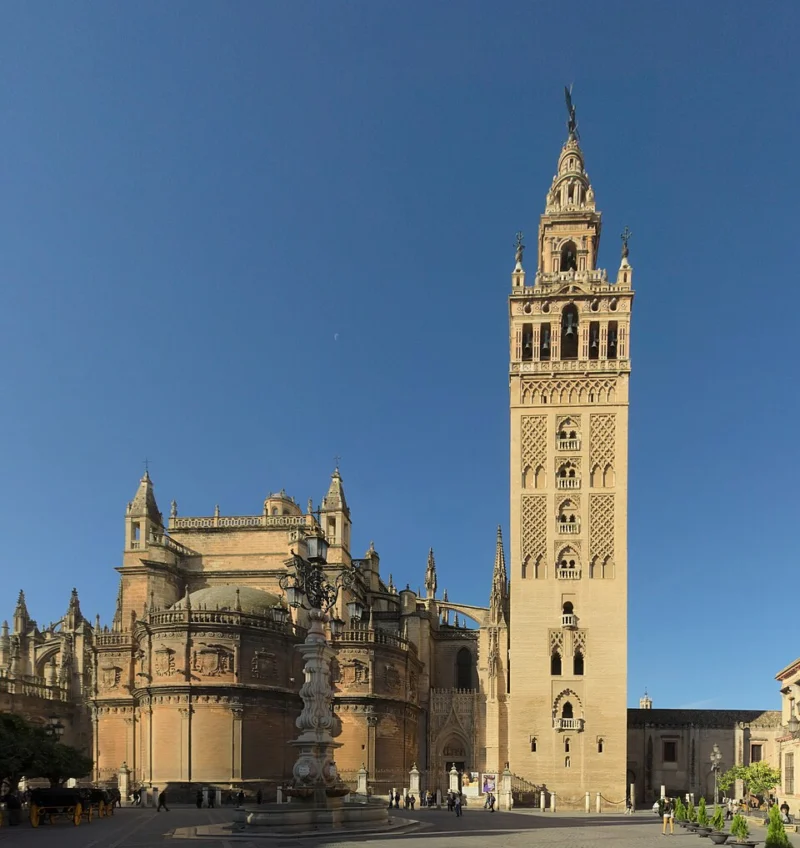
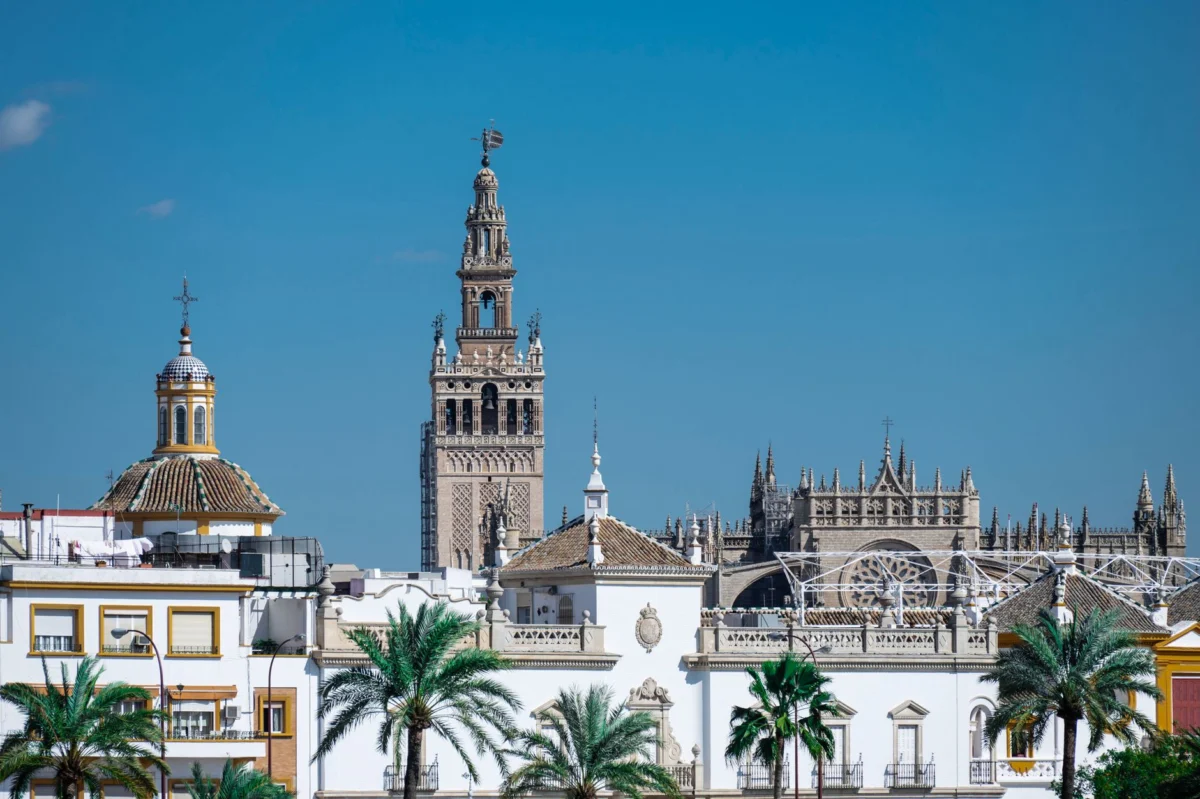
View of Seville's skyline featuring the iconic cathedral
At a Glance
Country Spain
City Seville
Day / Night 20° / 11°
Local Time 17:21
November — Now Moderate crowds
Best Months Jul · Aug

Seville's history is stacked in layers you can walk through in a day: the Giralda began as the minaret of an Almohad mosque, the Alcázar grew from an Islamic-era citadel, and the Archive of the Indies has kept the records of Spain's empire since 1785. North of the cathedral, the old town carries on with a 15th-century palace still owned by the House of Alba, a fine arts museum with Golden Age painting and the Baroque church of San Luis de los Franceses. Further south, Plaza de España and the pavilions of the 1929 Ibero-American Exposition show the city reinventing itself. This guide picks four bases for culture-focused travellers, gives each a walking route with second-tier sights alongside the famous ones, and explains which hotels put you closest to them.

Top hotel picks for culture lovers in Seville

Best overall
⭐ 9.4
San Lorenzo apt. Sevilla centro

San Lorenzo apt. Sevilla centro

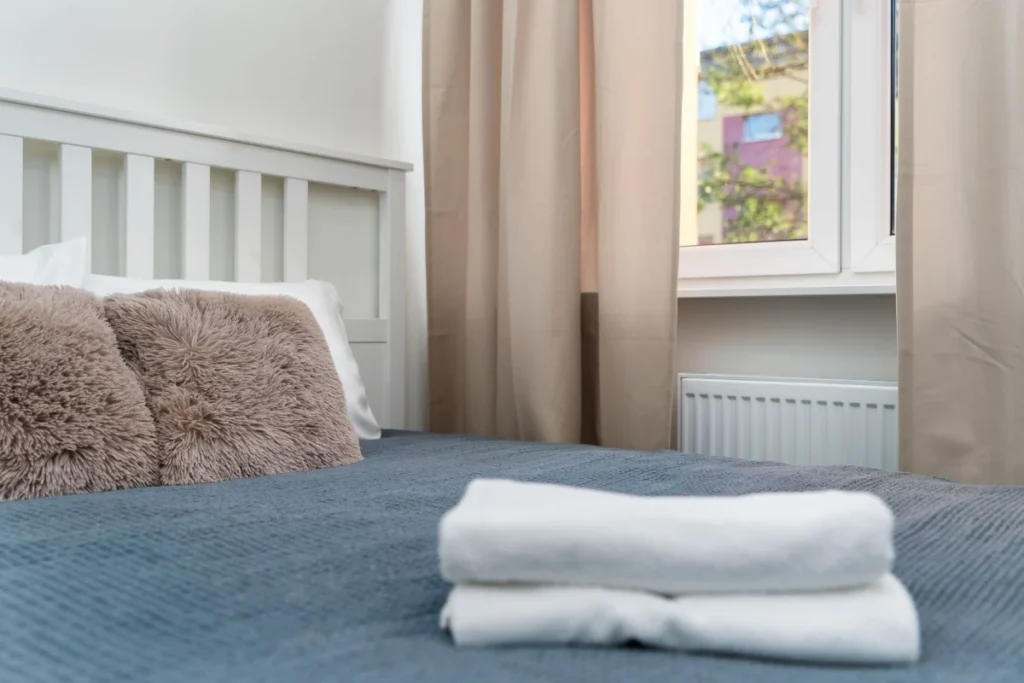
This apartment sits on Calle Cardenal Spínola in San Lorenzo, a short walk from the Basílica de Jesús del Gran Poder and the Alameda de Hércules. Guests rate it 9.4, and having your own place suits travellers who want to live in a traditional parish rather than the tourist core. The score rests on only 39 reviews, so it is less tested than the larger hotels here.

Editor’s choice
⭐ 9.5
Hotel Casa Palacio Don Ramón

Hotel Casa Palacio Don Ramón

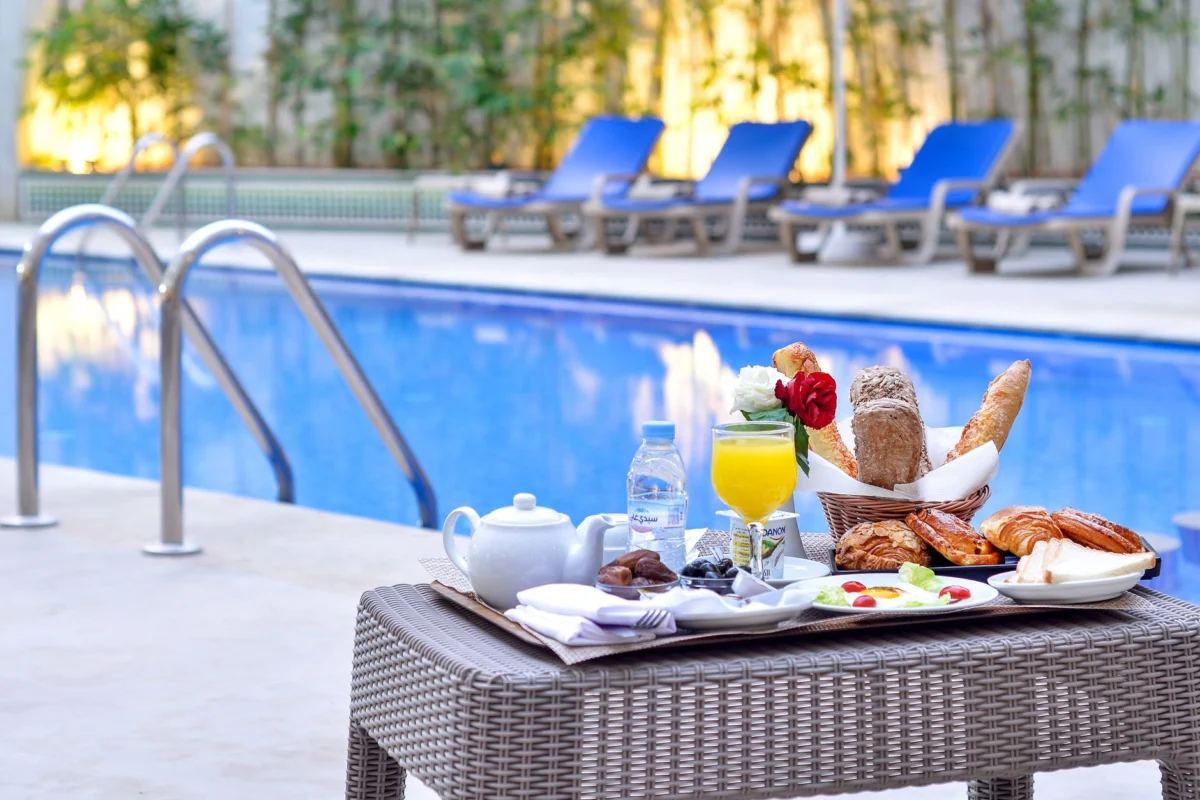
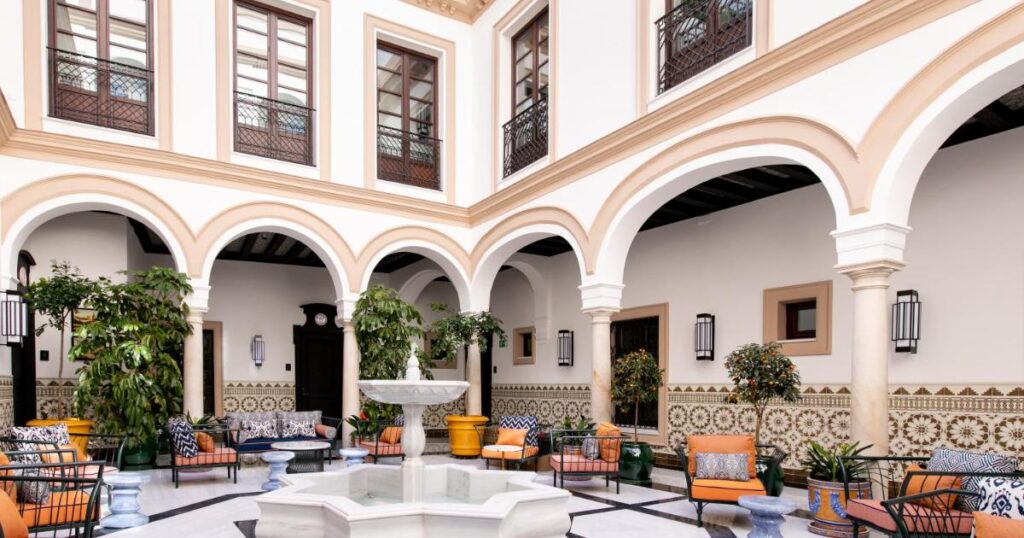
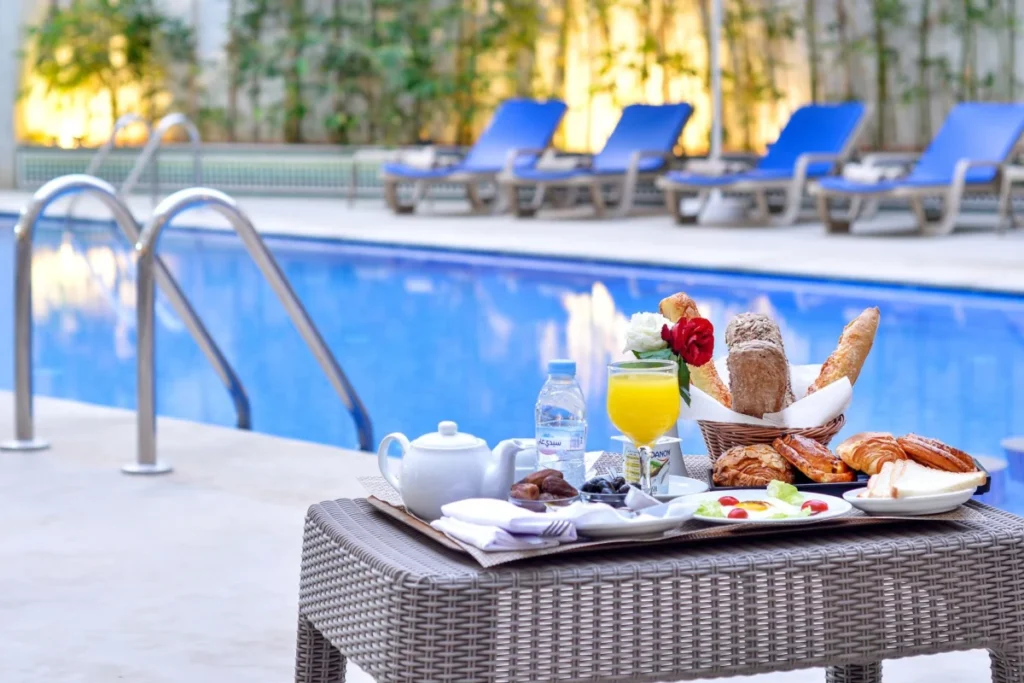
Hotel Casa Palacio Don Ramón is a 5-star hotel on Calle Trajano in the old town, under 1 km south-east of San Lorenzo's parish square and closer to Las Setas and the Museum of Fine Arts. It has a restaurant, a bar, a terrace and a year-round outdoor pool, useful for cooling off between afternoon visits to churches and palaces. With 854 reviews behind its 9.5 score it has a smaller track record than the big Santa Cruz hotels.

Top pick
⭐ 8.3
Exe Sevilla Palmera

Exe Sevilla Palmera

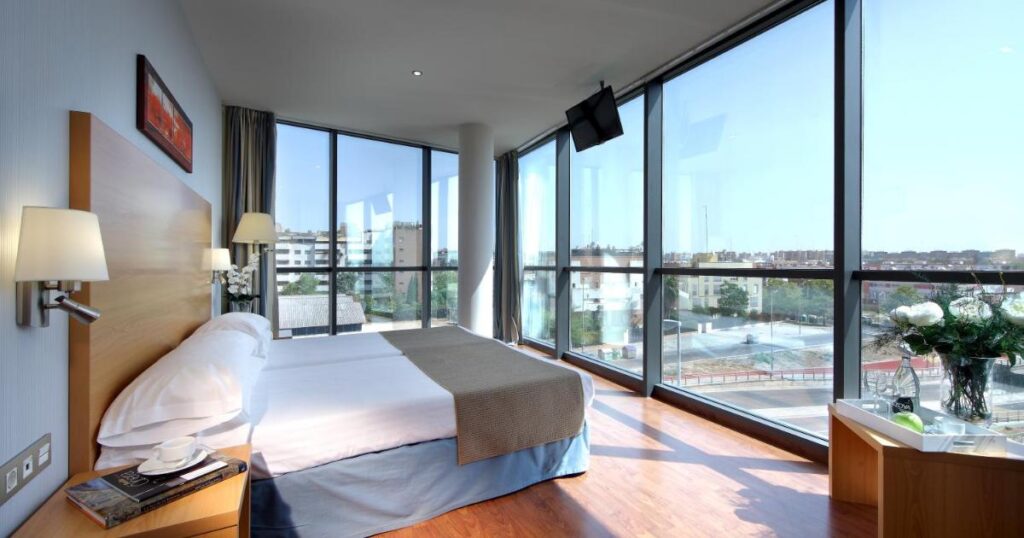
Exe Sevilla Palmera stands in Nuevo Porvenir, just outside El Centro, 500 metres from Avenida de la Palmera and within walking distance of Parque de María Luisa and the 1929 Expo pavilions. It is a modern 4-star hotel with a restaurant, a bar, a gym and on-site parking, handy if you arrive by car. It is not a historic building, and the cathedral quarter is best reached by taxi or city bus rather than on foot.

Which Seville area suits your sightseeing?

Barrio de Santa Cruz puts the cathedral, the Alcázar and the Archive of the Indies on your doorstep. Santa Cruz Casco Antiguo is the old town around Las Setas, with the Museum of Fine Arts, Casa de Pilatos and Palacio de las Dueñas. San Lorenzo is a traditional parish with Baroque churches and the Alameda de Hércules. El Centro's southern edge is the 1929 Expo district around Plaza de España, calmer but further from the medieval core.

Best choice: San Lorenzo

Best for: Baroque churches, local life

Best choice: El Centro

Best for: 1929 Expo architecture

Best choice: Barrio de Santa Cruz

Best for: Cathedral and Alcázar

Best choice: Santa Cruz Casco Antiguo

Best for: Palaces and museums

Hotels close to Seville's monuments

Our picks sit inside the old town or beside the Expo district, so the main sights are a walk away. We note honestly where a hotel lies outside its area and how you get to the centre.

Hotel Casa Palacio Don Ramón
Editor’s choice
⭐ 9.5 Exceptional
854 reviews

Hotel Casa Palacio Don Ramón

San Lorenzo • 5-star hotel • Calle Trajano

Hotel Casa Palacio Don Ramón is a 5-star hotel on Calle Trajano in the old town, under 1 km south-east of San Lorenzo's parish square and closer to Las Setas and the Museum of Fine Arts. It has a restaurant, a bar, a terrace and a year-round outdoor pool, useful for cooling off between afternoon visits to churches and palaces. With 854 reviews behind its 9.5 score it has a smaller track record than the big Santa Cruz hotels.

  • 5-star hotel in the old town
  • Year-round outdoor pool
  • Restaurant, bar and terrace
Exe Sevilla Palmera
Top pick
⭐ 8.3 Very good
4421 reviews

Exe Sevilla Palmera

El Centro (Nuevo Porvenir) • 4-star hotel • Calle Cardenal Ilundaín

Exe Sevilla Palmera stands in Nuevo Porvenir, just outside El Centro, 500 metres from Avenida de la Palmera and within walking distance of Parque de María Luisa and the 1929 Expo pavilions. It is a modern 4-star hotel with a restaurant, a bar, a gym and on-site parking, handy if you arrive by car. It is not a historic building, and the cathedral quarter is best reached by taxi or city bus rather than on foot.

  • 4-star hotel in Nuevo Porvenir
  • Parking on site
  • Restaurant, bar and gym
EME Catedral Mercer Hotel
Smart choice
⭐ 8.3 Very Good
1465 reviews

EME Catedral Mercer Hotel

Barrio de Santa Cruz • 5-star hotel • Calle Alemanes

EME Catedral Mercer Hotel is a 5-star hotel on Calle Alemanes in the old town, a few minutes on foot from the cathedral and the Giralda. That makes early starts at the cathedral quarter easy before the tour groups arrive. Its guest score of 8.3 is the lowest among our picks, so weigh location against consistency.

  • 5-star hotel in the old town
  • Walk to the cathedral and Giralda
  • Rated 8.3 from 1,582 reviews
Hotel Las Casas de la Judería
Central location
⭐ 8.9 Excellent
5761 reviews

Hotel Las Casas de la Judería

Barrio de Santa Cruz • 4-star hotel • Santa María la Blanca

Hotel Las Casas de la Judería takes its name from the old Jewish quarter and stands on Santa María la Blanca, one of the streets that border Santa Cruz. It is a 4-star hotel rated 9.0 by almost 5,900 guests, and the Alcázar and cathedral are within walking distance. Its position on the edge of the quarter means a little more walking than from the lanes at its centre.

  • 4-star hotel in Santa Cruz
  • On Santa María la Blanca
  • Rated 9.0 from 5,874 reviews
Hotel Fernando III
Premium stay
⭐ 9.3 Outstanding
7668 reviews

Hotel Fernando III

Barrio de Santa Cruz • 4-star hotel • Calle San José

Hotel Fernando III is a 4-star hotel on Calle San José, one of the streets that frame Barrio de Santa Cruz. From here the Alcázar, the cathedral and the Archive of the Indies are all a walk away. It is rated 9.3 from more than 7,000 reviews, the most of any hotel in this guide, but it is a large, popular address rather than a small historic house.

  • 4-star hotel in Santa Cruz
  • Walk to the Alcázar and cathedral
  • Rated 9.3 from 7,299 reviews
Hotel Casa 1800 Sevilla
Boutique stay
⭐ 9.2 Outstanding
1232 reviews

Hotel Casa 1800 Sevilla

Barrio de Santa Cruz • 4-star hotel • Calle Rodrigo Caro

Hotel Casa 1800 Sevilla is listed under the old town, but it actually stands on Calle Rodrigo Caro in Barrio de Santa Cruz, on the same street as Naturalmente Real Food. That puts the cathedral quarter at your door, while Las Setas and the Museum of Fine Arts are within walking distance to the north. It is a 4-star hotel rated 8.9 by about 1,200 guests.

  • 4-star hotel on Calle Rodrigo Caro
  • Cathedral quarter at your door
  • Rated 8.9 from 1,199 reviews
Hotel Boutique Corral del Rey
Walkable area
⭐ 9 Outstanding
73 reviews

Hotel Boutique Corral del Rey

Santa Cruz Casco Antiguo • 3-star boutique hotel • Corral del Rey

Hotel Boutique Corral del Rey is a small 3-star boutique hotel on Corral del Rey in the old town, between the cathedral quarter and the palaces further north. Casa de Pilatos and Las Setas are both a walk away, which suits a day spent on the second-tier sights. Guests rate it 9.4, though only 81 reviews back that score.

  • 3-star boutique hotel
  • Walk to Casa de Pilatos
  • Rated 9.4 from 81 reviews

How we chose these areas

Every area here was picked for what you can see on foot: monuments, museums, churches and historic streets. The history notes come from verified sources, the routes follow a real walking order, and hotel details come only from the property listings.

Best areas in Seville for culture and history

From the former Jewish quarter around the cathedral to the 1929 Expo pavilions, each area has its own chapter of Seville's story. Here is what to see in each and in which order.

San Lorenzo

San Lorenzo is the traditional parish north-west of the cathedral where Seville's religious life still sets the rhythm of the streets. The Baroque Basílica de Jesús del Gran Poder draws locals at all hours, and the long garden square of the Alameda de Hércules marks the edge of the quarter. Residents are a mix of long-standing families and younger Sevillians in restored townhouses.

For a culture-focused stay, start early: cross the river to the former monastery of Santa María de las Cuevas on the Isla de La Cartuja, then walk back through San Lorenzo for lunch near the Alameda. Afternoons belong to the Baroque interior of Iglesia de San Luis de los Franceses, built between 1699 and 1731. In the evening, the tapas bars around the Alameda fill with locals.

The honest catch: the cathedral and the Alcázar are a fair walk south, so you will cover more ground each day than from Santa Cruz, and the Alameda can be loud on weekend nights.

Local picks

For Culture & History
  • 1
    MorningMonasterio de Santa María de las CuevasBegin across the river on the Isla de La Cartuja, at the former monastery of Santa María de las Cuevas. Arrive early, while it is still cool, and give yourself an hour for the cloisters and buildings.
  • 2
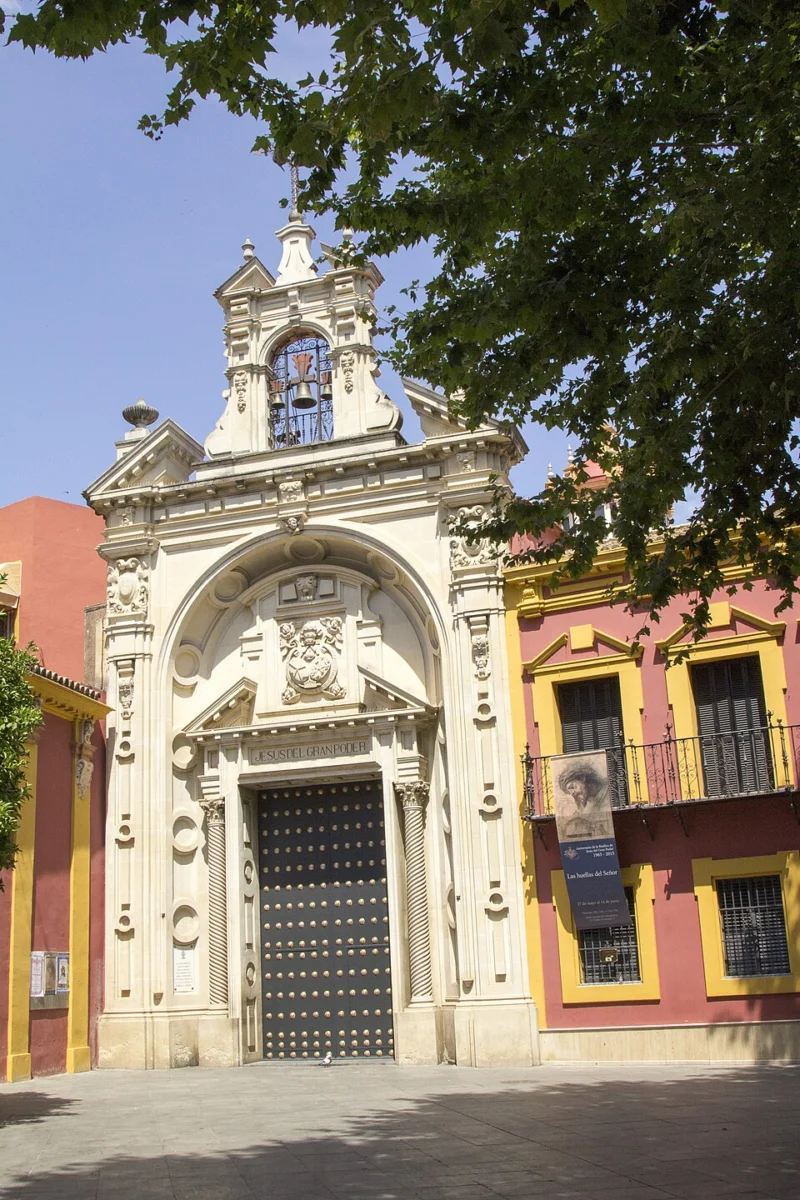
    Late morningBasílica de Jesús del Gran PoderWalk back over the river into San Lorenzo and step into this Baroque church on the parish square. Locals come and go all day, so keep your visit quiet and respectful.
  • 3
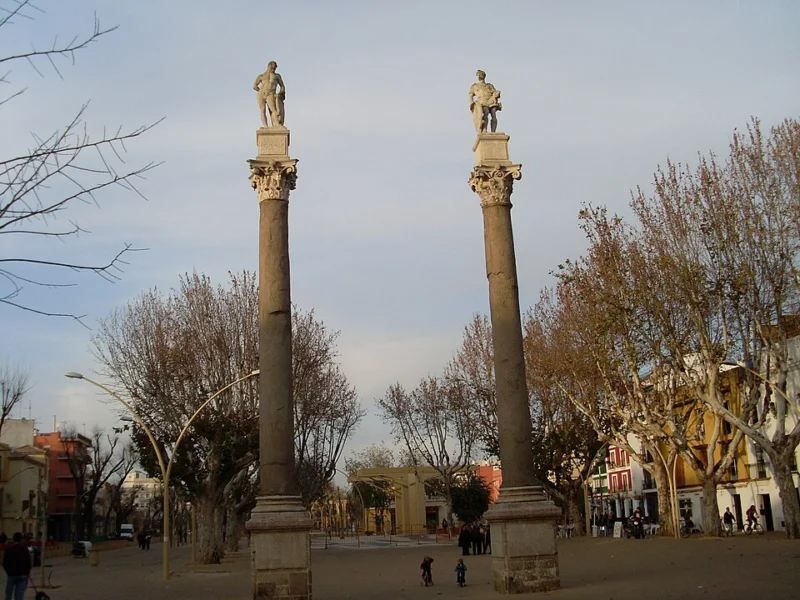
    Midday strollAlameda de HérculesA few streets east, the Alameda de Hércules opens up as a long garden square. Walk its length to see how the parish meets the wider old town.
  • 4
    LunchDúo TapasOn Calle Calatrava, Dúo Tapas opens for lunch at 13:30 and serves until 16:30. It has a relaxed atmosphere, fair portions and average prices.
  • 5
    Coffee breakParceríaNear Mercado Feria, Parcería is a tiny café serving coffee from a local roaster. It reopens at 15:30 on weekdays and Saturdays, and laptops are not allowed.
  • 6
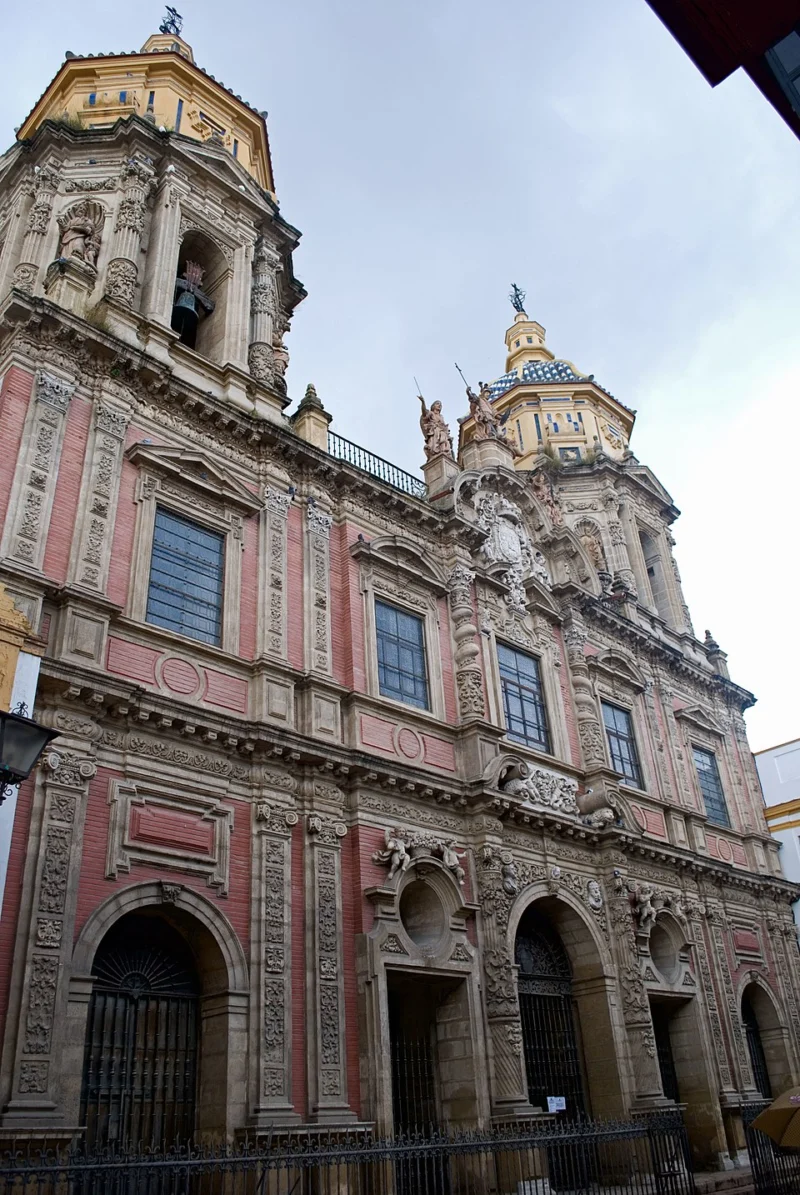
    AfternoonIglesia de San Luis de los FrancesesFinish with Leonardo de Figueroa's Baroque church, built between 1699 and 1731. It is a fine example of 18th-century Baroque architecture.
  • Getting aroundOn foot and by taxiSan Lorenzo itself is easy to walk, and the monastery is reached by crossing the river on foot. For the cathedral quarter, walk south through the old town or take a taxi if the heat is strong.
  • Where to stayLook for apartments and small hotels in restored townhouses on the quieter streets around the parish square. Rooms away from the Alameda will be calmer at weekends.

Did you know?

Three decades of building The Church of San Luis de los Franceses was built between 1699 and 1731 as an example of 18th-century Baroque architecture.
Leonardo de Figueroa's church The architect Leonardo de Figueroa designed San Luis de los Franceses.
The city's garden square The Alameda de Hércules, known simply as La Alameda, is a garden square on the edge of the parish.
San Lorenzo

El Centro

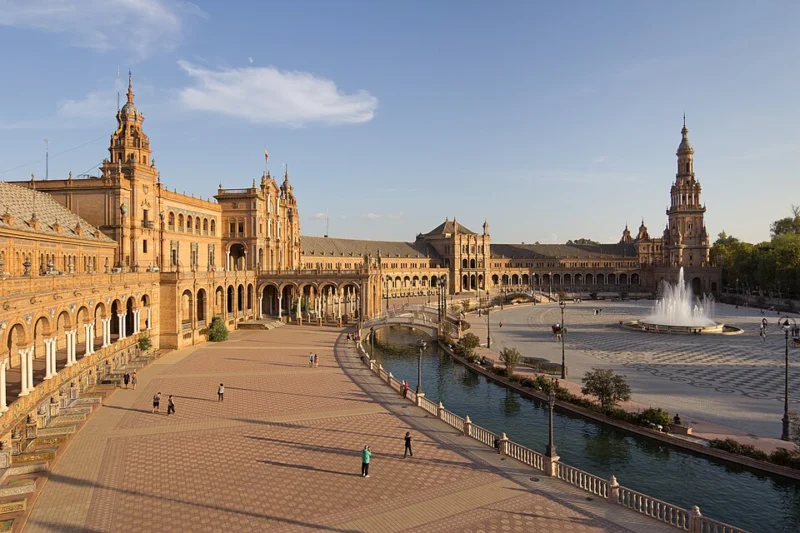
The southern edge of El Centro is Seville's 1929 chapter. For the Ibero-American Exposition the city built Plaza de España, completed in 1928, and a ring of pavilions in and around Parque de María Luisa, its principal green area. The architect Aníbal González designed the pavilions, and one of them, the Pabellón del Renacimiento, now houses the Archaeological Museum of Seville.

This is a residential district with few hotels, so it suits travellers who like calm evenings after a full day in the old town. Come to Plaza de España early in the morning, before the crowds, then follow the shaded paths of the park to the museum. In the late afternoon, the pavilions along the park edges are quieter and easier to photograph.

The drawback: there is little nightlife or dining to speak of, and the cathedral and medieval lanes are a long walk north, so many evenings will start with a taxi.

Local picks

For Culture & History
  • 1
    MorningPlaza de EspañaStart at the great semicircle built for the 1929 exposition. Come early, when the light is soft and the plaza is still quiet.
  • 2
    Expo pavilionPabellón RealWalk through the park to the Pabellón Real, another building from the exposition grounds. It is a short, easy stop on the way south.
  • 3
    Museum hourArchaeological Museum of SevilleThe Archaeological Museum fills the Pabellón del Renacimiento, one of Aníbal González's pavilions. Plan an hour indoors, ideal as the day warms up.
  • 4
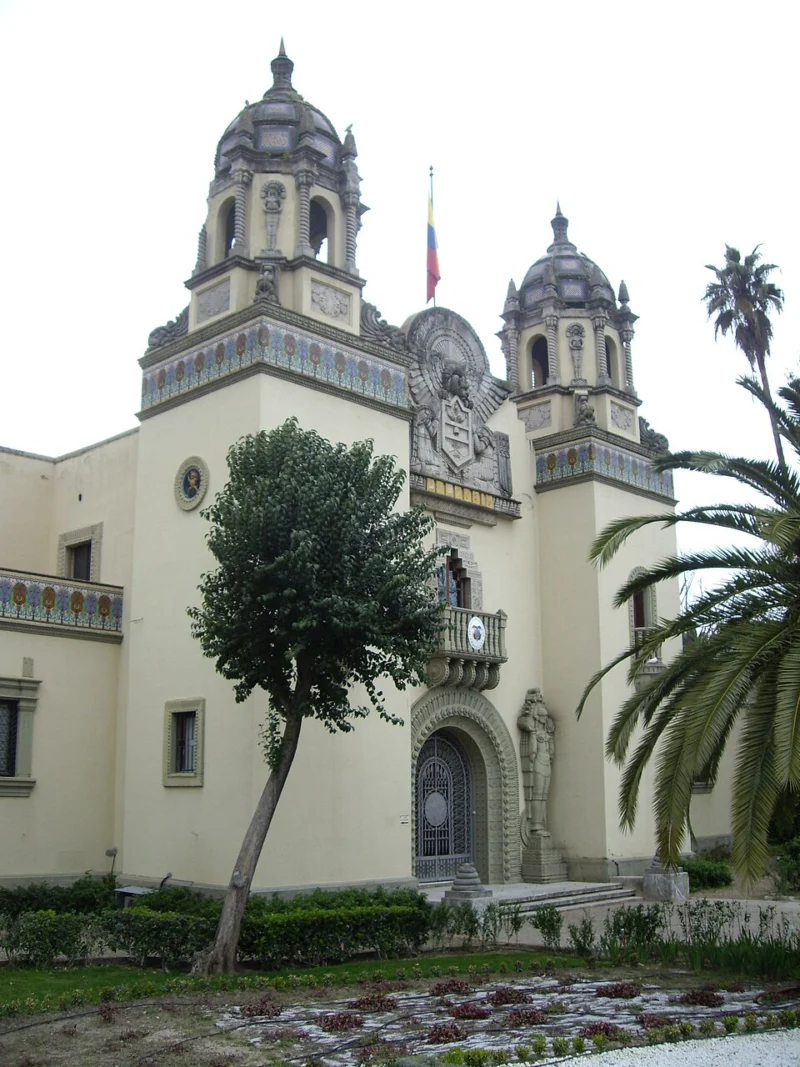
    AfternoonPabellón de ColombiaEnd at the Pabellón de Colombia, one of the national pavilions near the park. It is a quieter corner of the Expo district, with far fewer visitors than Plaza de España.
  • Getting aroundOn foot and by taxiThe whole route is walkable through the park. To reach the cathedral quarter afterwards, walk north or take a taxi or city bus.
  • Where to stayChoose a modern hotel with good transport links near the park, since historic buildings are rare here. A quiet room makes up for the extra travel to the old town.

Did you know?

Built for 1929 Plaza de España was built in 1928 for the Ibero-American Exposition of 1929.
Aníbal González's pavilions The Archaeological Museum is housed in the Pabellón del Renacimiento, one of the pavilions designed by Aníbal González.
The city's main green space Parque de María Luisa, stretching along the Guadalquivir, is Seville's principal green area.
El Centro

Barrio de Santa Cruz

Barrio de Santa Cruz was the Jewish quarter of medieval Seville, and its lanes still hold many of the city's oldest churches. It is bordered by the Jardines de Murillo, the Real Alcázar, Calle Mateos Gago and Calle Santa María la Blanca, and it is home to Catedral de Sevilla with La Giralda, built as the minaret of an Almohad mosque. The cathedral, the Royal Alcázar of Seville and the Archive of the Indies were listed together by UNESCO in 1987.

As the primary tourist neighbourhood, Santa Cruz has more guesthouses than family homes. Use that location: be at the Alcázar when it opens, then do the cathedral and the Giralda before midday. In the evening, once the day visitors leave, the lanes become far easier to explore at your own pace.

The downside: from late morning the narrow streets are packed, and rooms here are in high demand, so book well ahead.

Local picks

For Culture & History
  • 1
    MorningRoyal Alcázar of SevilleStart at the Alcázar, which grew from the Islamic-era citadel begun in the 10th century and is still an official royal residence. Arriving early means calmer courtyards.
  • 2
    Early lunchNaturalmente Real FoodOn Calle Rodrigo Caro, Naturalmente Real Food serves breakfast and lunch from 09:00, handy if you want to eat earlier than Spanish hours. On Fridays and Saturdays it stays open until 22:00.
  • 3
    Tapas breakBar Las TeresasBar Las Teresas on Calle Santa Teresa is a classic ham bar, with hams hanging from the rafters. It opens at 10:00 and draws both locals and visitors.
  • 4
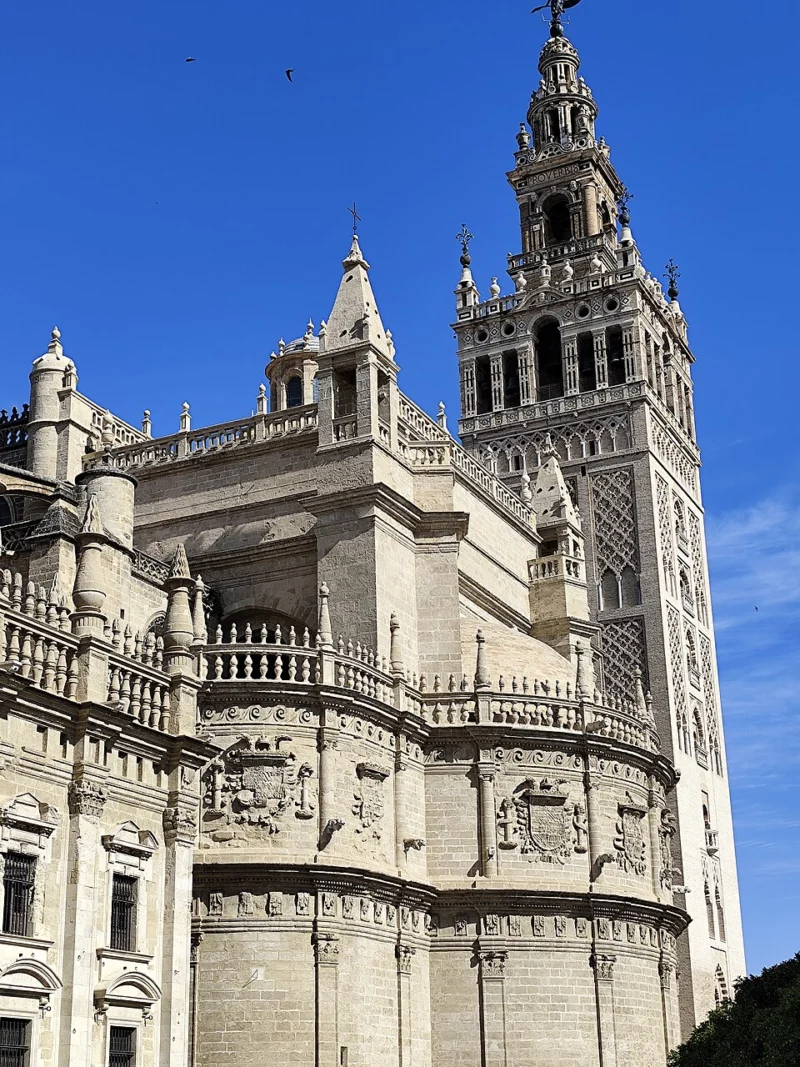
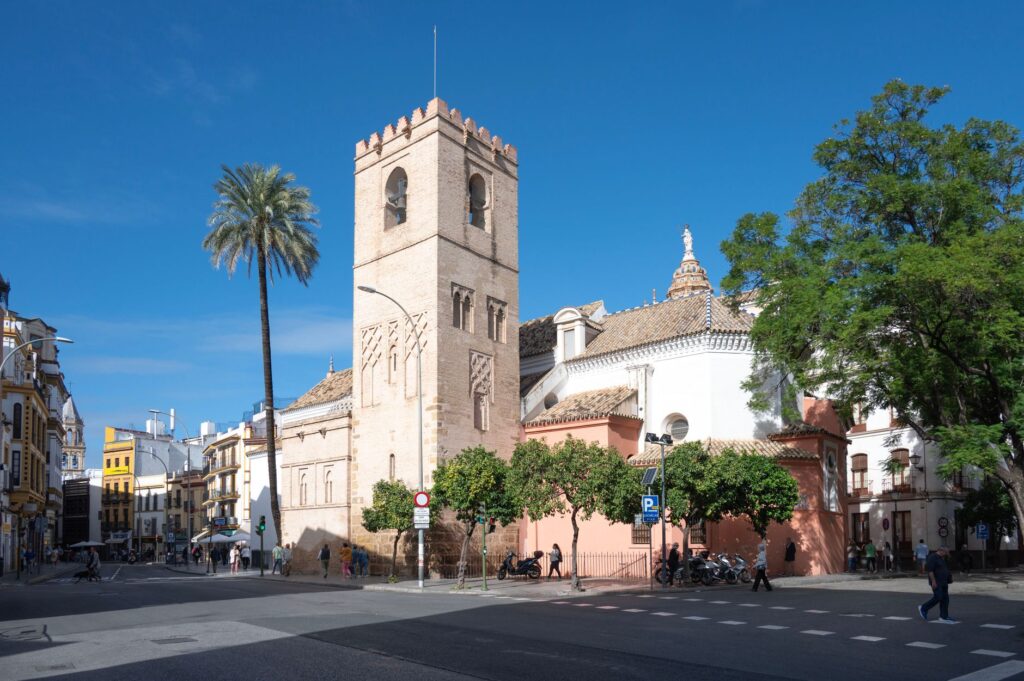
    Afternoon climbLa GiraldaThe Giralda began as the minaret of the Almohad Great Mosque; the Renaissance belfry came later. Climbing it shows you the whole layout of the old town.
  • 5
    CathedralCatedral de SevillaThe Cathedral of Saint Mary of the See stands on the site of the old mosque and is part of the 1987 UNESCO listing. Take your time inside.
  • 6
    Late afternoonArchivo de IndiasFinish at the Archive of the Indies, created by Charles III and opened in 1785 in a late 16th-century merchant guild building. It holds the records of Spain's empire in the Americas.
  • Getting aroundOn footEverything on this route is a short walk apart, and the lanes of Santa Cruz are best explored on foot. Taxis wait on the main roads around the quarter if you need one.
  • Where to stayLook for small hotels in traditional houses inside the lanes, or larger hotels on the bordering streets such as San José and Santa María la Blanca. Book early, as this is the most requested part of the city.

Did you know?

The medieval Jewish quarter Santa Cruz was the Jewish quarter of the medieval city.
Three sites, one listing The cathedral, the adjoining Alcázar and the Archive of the Indies were registered together by UNESCO in 1987.
From minaret to bell tower The Giralda was built as the minaret of the Great Mosque under the Almohads, with a Renaissance-style belfry added later.
Barrio de Santa Cruz

Santa Cruz Casco Antiguo

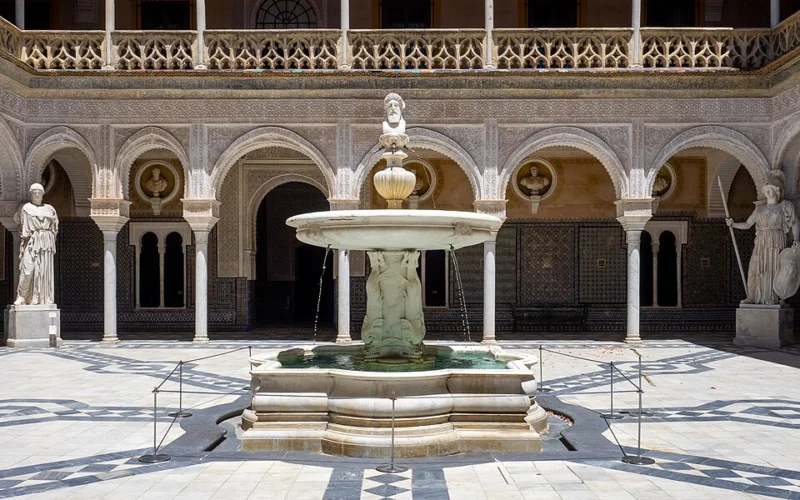
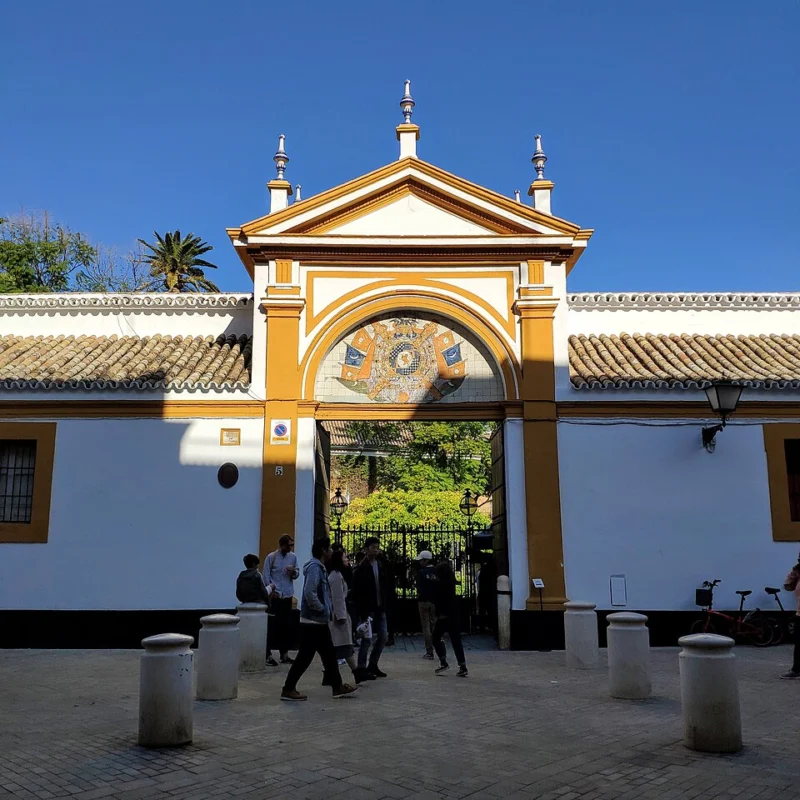
North of the cathedral, the old town around La Encarnación is where Seville's aristocratic and artistic history concentrates. The Museo de Bellas Artes holds Spanish art from the medieval period to the early 20th century, including Golden Age works, while Palacio de las Dueñas, built in the late 15th century and still owned by the House of Alba, mixes Renaissance, Gothic and Moorish styles. Between them stands the wooden Setas de Sevilla, sheltering a traditional market.

This is a lived-in part of the old town, with residents, shops and plenty of bars alongside the monuments. Mornings are best for the Museum of Fine Arts and the palaces, before the heat, and evenings for wandering the squares around the market and Plaza de la Encarnación.

The honest drawback: with so many bars and restaurants, some streets stay noisy late, and the cathedral and Alcázar are just under 1 km south.

Local picks

For Culture & History
  • 1
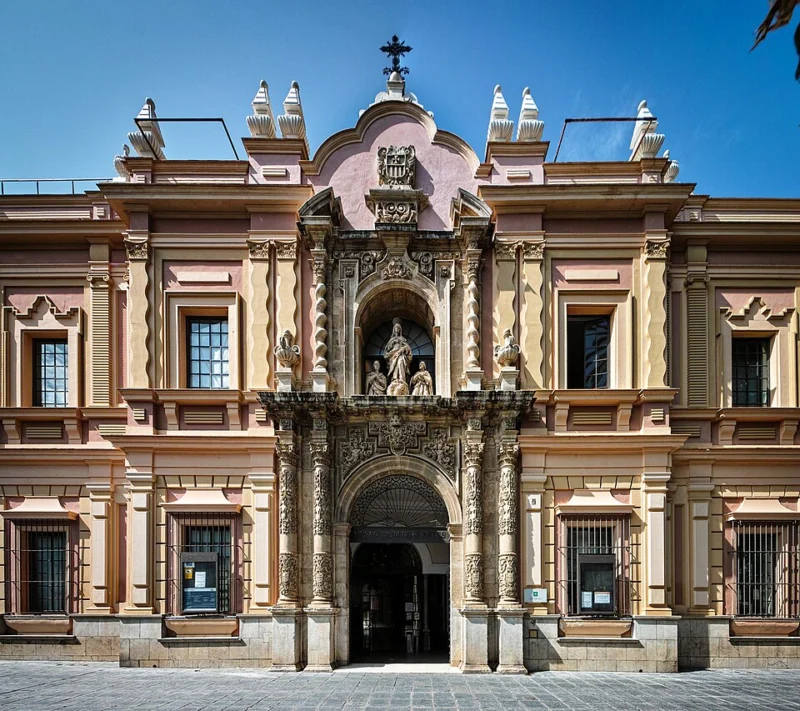
    MorningMuseo de Bellas ArtesBegin with Spanish art from the medieval period to the early 20th century, including a choice selection of Golden Age painting. Plan an hour at least.
  • 2
    Late morningSetas de SevillaWalk east to La Encarnación square and the wooden Setas, first called Metropol Parasol. The structure houses a traditional market and a performance square beneath it.
  • 3
    LunchHabanitaHead south to Calle Golfo for Habanita, a quiet open-air restaurant in the centre. It has a very good choice of vegetarian and vegan dishes.
  • 4
    AfternoonCasa de PilatosContinue east to Casa de Pilatos, one of the grand palace houses of the old town. Give it an hour to see the rooms and courtyards properly.
  • 5
    Late afternoonPalacio de las DueñasEnd north at Palacio de las Dueñas, built in the late 15th century and still owned by the House of Alba. Its mix of Renaissance, Gothic and Moorish styles closes the day well.
  • Getting aroundOn footThe old town is compact and best seen on foot, though the streets are narrow and winding. Use a taxi for the trip to the Expo district or the train station.
  • Where to stayLook for small hotels and boutique houses on side streets rather than directly on the busy squares. A room facing an inner courtyard helps with late-night noise.

Did you know?

A 15th-century palace Palacio de las Dueñas was built in the late 15th century in the Renaissance style, with Gothic and Moorish influences.
The House of Alba Palacio de las Dueñas still belongs to the House of Alba.
Medieval to modern art The Museum of Fine Arts is one of Seville's main galleries, with Spanish art from the medieval period to the early 20th century.
Metropol Parasol Las Setas were first titled Metropol Parasol and house a traditional market on La Encarnación square.
Santa Cruz Casco Antiguo

Planning your stay in Seville

For Culture & History
  • Layers of historySeville's monuments span the Islamic-era citadel of the Alcázar, the Almohad minaret of the Giralda, Renaissance palaces and the 1929 Expo pavilions. Staying in the old town lets you read these layers in order on foot.
  • Time your visitsDo the big monuments early in the day and save museums and churches for the hotter hours. Lunch in tapas bars usually runs from about 13:30, and dinner starts late.
  • Beyond the top tenAdd the Basílica de Jesús del Gran Poder, San Luis de los Franceses and the monastery of Santa María de las Cuevas to your list. They show a side of Seville that many visitors miss.
Self-guided walking tours Culture & History (Seville, Spain)
Routes 4
Pick a route

Best time to visit Seville (Spain)

Now (November) avg high: 20°C, mostly dry, moderate crowds. Best months to walk: Jul & Aug.

Live Temp …
~Day / Night Temp 20°C / 11°C
Sunrise / Sunset 9:02 / 19:16
Local time 17:21
Best Months Jul & Aug
J Jan F Feb M Mar A Apr M May J Jun J Jul best month A Aug best month S Sep O Oct N Nov this month D Dec
Check Seville hotels
Temperature Average daytime high, month by month. Zero line marks freezing point.
Crowds How busy it gets — traveller interest by month.
Rainfall Rainy days to expect each month.
Sunshine Hours of sun per day, by month.
Seville guides →

Hotels close to Seville's monuments

Our picks sit inside the old town or beside the Expo district, so the main sights are a walk away. We note honestly where a hotel lies outside its area and how you get to the centre.
San Lorenzo apt. Sevilla centro
Best overall
9.4 Outstanding
30 reviews

San Lorenzo apt. Sevilla centro

This apartment sits on Calle Cardenal Spínola in San Lorenzo, a short walk from the Basílica de Jesús del Gran Poder and the Alameda de Hércules. Guests rate it 9.4, and having your own place suits travellers who want to live in a traditional parish rather than the tourist core. The score rests on only 39 reviews, so it is less tested than the larger hotels here.

Ideal for: Independent travellers who want a local parish
Hotel Casa Palacio Don Ramón
Editor’s choice
9.5 Exceptional
854 reviews

Hotel Casa Palacio Don Ramón

Hotel Casa Palacio Don Ramón is a 5-star hotel on Calle Trajano in the old town, under 1 km south-east of San Lorenzo's parish square and closer to Las Setas and the Museum of Fine Arts. It has a restaurant, a bar, a terrace and a year-round outdoor pool, useful for cooling off between afternoon visits to churches and palaces. With 854 reviews behind its 9.5 score it has a smaller track record than the big Santa Cruz hotels.

Ideal for: Culture lovers who want 5-star comfort
Exe Sevilla Palmera
Top pick
8.3 Very good
4421 reviews

Exe Sevilla Palmera

Exe Sevilla Palmera stands in Nuevo Porvenir, just outside El Centro, 500 metres from Avenida de la Palmera and within walking distance of Parque de María Luisa and the 1929 Expo pavilions. It is a modern 4-star hotel with a restaurant, a bar, a gym and on-site parking, handy if you arrive by car. It is not a historic building, and the cathedral quarter is best reached by taxi or city bus rather than on foot.

Ideal for: Drivers and Expo-district explorers
EME Catedral Mercer Hotel
Smart choice
8.3 Very Good
1465 reviews

EME Catedral Mercer Hotel

EME Catedral Mercer Hotel is a 5-star hotel on Calle Alemanes in the old town, a few minutes on foot from the cathedral and the Giralda. That makes early starts at the cathedral quarter easy before the tour groups arrive. Its guest score of 8.3 is the lowest among our picks, so weigh location against consistency.

Ideal for: Travellers who want the cathedral next door
Hotel Las Casas de la Judería
Central location
8.9 Excellent
5761 reviews

Hotel Las Casas de la Judería

Hotel Las Casas de la Judería takes its name from the old Jewish quarter and stands on Santa María la Blanca, one of the streets that border Santa Cruz. It is a 4-star hotel rated 9.0 by almost 5,900 guests, and the Alcázar and cathedral are within walking distance. Its position on the edge of the quarter means a little more walking than from the lanes at its centre.

Ideal for: History lovers who want to sleep in the old Judería
Hotel Fernando III
Premium stay
9.3 Outstanding
7668 reviews

Hotel Fernando III

Hotel Fernando III is a 4-star hotel on Calle San José, one of the streets that frame Barrio de Santa Cruz. From here the Alcázar, the cathedral and the Archive of the Indies are all a walk away. It is rated 9.3 from more than 7,000 reviews, the most of any hotel in this guide, but it is a large, popular address rather than a small historic house.

Ideal for: First-timers focused on the big monuments
Hotel Casa 1800 Sevilla
Boutique stay
9.2 Outstanding
1232 reviews

Hotel Casa 1800 Sevilla

Hotel Casa 1800 Sevilla is listed under the old town, but it actually stands on Calle Rodrigo Caro in Barrio de Santa Cruz, on the same street as Naturalmente Real Food. That puts the cathedral quarter at your door, while Las Setas and the Museum of Fine Arts are within walking distance to the north. It is a 4-star hotel rated 8.9 by about 1,200 guests.

Ideal for: Travellers splitting time between both old-town halves
Hotel Boutique Corral del Rey
Walkable area
9 Outstanding
73 reviews

Hotel Boutique Corral del Rey

Hotel Boutique Corral del Rey is a small 3-star boutique hotel on Corral del Rey in the old town, between the cathedral quarter and the palaces further north. Casa de Pilatos and Las Setas are both a walk away, which suits a day spent on the second-tier sights. Guests rate it 9.4, though only 81 reviews back that score.

Ideal for: Travellers exploring palaces and churches on foot

Book early for the old town

Santa Cruz and the old town are the most requested parts of Seville, and the small hotels in historic lanes have few rooms. Once your dates are set, lock in a cancellable booking and keep comparing.

Compare hotels for culture lovers

Compare location, building and guest scores side by side to find the base that keeps you closest to the sights you care about.
Hotel Casa Palacio Don Ramón
Editor’s choice
9.5 Exceptional
854 reviews

Hotel Casa Palacio Don Ramón

San Lorenzo • 5-star hotel • Calle Trajano
Highest guest score in this guide
Pool
Year-round outdoor pool
On-site Restaurant
Restaurant and bar
Central Location
Old town, Calle Trajano
Exe Sevilla Palmera
Top pick
8.3 Very good
4421 reviews

Exe Sevilla Palmera

El Centro (Nuevo Porvenir) • 4-star hotel • Calle Cardenal Ilundaín
Parking near Parque de María Luisa
Parking
Parking on site
Gym
Fitness centre
On-site Restaurant
Restaurant and bar

Traditional Local Food Seville (Spain)

Main course Fish & Seafood

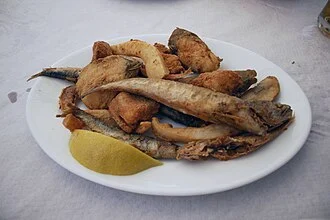
Andalusian Fried Fish

Pescaito frito
pes-kah-EE-toh FREE-toh

Assorted small fish, lightly floured and fried.

Open Andalusian Fried Fish recipe
Main course Meat

Broad Beans with Ham

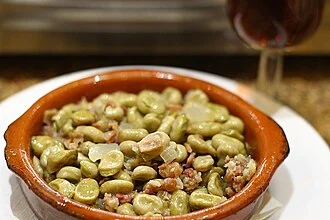
Habas con Jamón
AH-bahs kohn hah-MON

A traditional dish of broad beans sautéed with Spanish ham.

Open Broad Beans with Ham recipe
Snack Meat

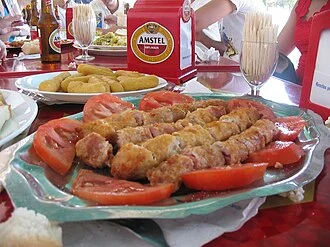
Flamenquín

flah-men-KEEN

A deep-fried roll of ham-wrapped pork loin coated in breadcrumbs.

Open Flamenquín recipe
Starter Vegetarian

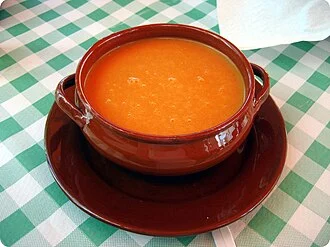
Gazpacho

gath-PAH-choh

Cold tomato and vegetable soup, perfect for hot climates.

Open Gazpacho recipe
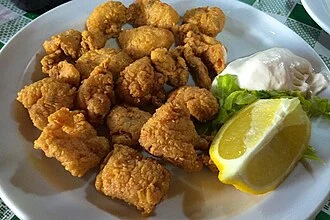
Snack Fish & Seafood

Marinated Dogfish

Cazón en adobo
kah-THON en ah-DOH-boh

Marinated and fried dogfish with spices.

Open Marinated Dogfish recipe
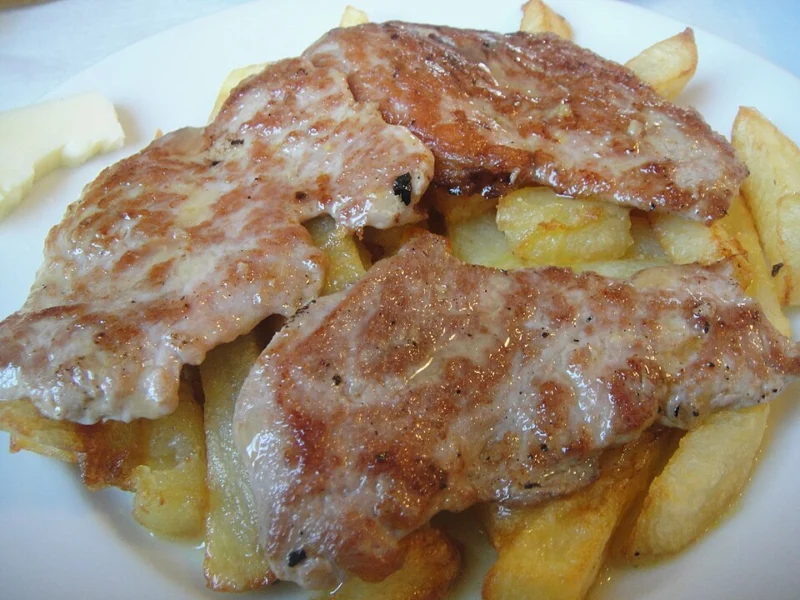
Pork in Whiskey
Main course Meat

Pork in Whiskey

Solomillo al whisky
soh-loh-ME-lyo al wehs-KEE

Tender pork loin cooked in a rich whiskey and garlic sauce.

Open Pork in Whiskey recipe
Starter Vegetarian

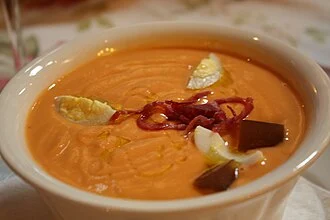
Salmorejo

sahl-mo-REH-ho

A cold tomato and bread soup, thicker than gazpacho, served with hard-boiled eggs and ham.

Open Salmorejo recipe
Snack Meat

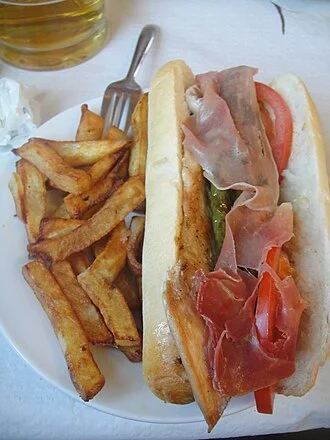
Serranito Sandwich

Serranito
seh-rah-NEE-toh

Traditional Andalusian sandwich made with pork loin, serrano ham, and green bell pepper.

Open Serranito Sandwich recipe
Snack Fish & Seafood

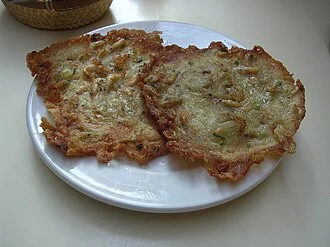
Shrimp fritters

Tortillitas de camarones
Tor-tee-LEE-tas deh ka-ma-RO-nes

Crispy, thin fritters made with tiny shrimp and chickpea flour.

Open Shrimp fritters recipe
🥩
Main course Meat

Stewed Tripe

Callos a la Sevillana
KAH-yohs ah lah seh-vee-YAH-nah

Rich stew of tripe, chorizo, and chickpeas.

Open Stewed Tripe recipe

Activities & Experiences

Things to Do in Seville

Top-rated tours, day trips and local experiences — book in advance to secure your spot.

City & Country Data Seville (Spain)

Key travel data for Seville — local prices, safety, healthcare, local currency and essentials, curated by Triplandio.

Safety 🔒 80
Health 🏥 89
Lifestyle ⭐ 73
Infra 🏗️ 81
Rank 🎯 #22
Score 📊 64
Tourists ✈️ 36.4M/y
GDP/cap 💵 $38.6k
Life Exp ❤️ 83.9 yrs
Population 👥 49.4M
Currency 💱 EUR €
Language 🗣️ Spanish
Payments 💳 Cards OK
Emergency 🆘 112
Coffee ☕ $1.81
Beer 🍺 $2.20
Lunch 🍽️ $12.00
Groceries 🛒 $25.13/w
Taxi/km 🚕 $0.96
Transit 🚇 $1.52
Fuel ⛽ $1.51/l
Internet 📡 $31.35/m
Salary 💵 $1,546/m

Travel tipsSeville (Spain)

Quick tips

  1. Balcony accidents are often fatal — Critical

    Tourists, often after drinking, are killed or badly hurt falling from hotel balconies in Spain. Hotels can evict you and fine you for risky behaviour, and insurance may refuse to pay.

  2. Refuse the rosemary sprig — Caution

    Women near Seville Cathedral and the Alcázar press a sprig of rosemary into your hand, then read your palm and demand payment. Keep your hands to yourself and walk on.

  3. Swimwear stays on the beach — Caution

    In many Spanish seaside towns it is illegal to walk the streets or the seafront promenade in only a bikini, swimming shorts or bare-chested. Cover up when you leave the sand, or you can be fined.

  4. Drinking in the street can be fined — Caution

    Many Spanish towns ban drinking alcohol in streets, squares and on beaches, and police give on-the-spot fines. Some areas also fine the sale or use of nitrous oxide (laughing gas).

  5. Pickpockets work in teams — Caution

    Thieves in Spain's cities, airports and car-hire desks use distractions such as a spilled drink, a map or a petition while a partner takes your wallet or phone. Keep valuables zipped away and spread out.

  6. Show photo ID when police ask — Good to know

    You must show photo ID if a Spanish police officer asks, and ignoring a direct police instruction counts as the criminal offence of disobedience. Carry a copy of your passport photo page or the passport itself.

  • Do
  • Say hola when entering shops
  • Carry a copy of your passport
  • Cover up away from the beach
  • Choose euros at card machines
  • Book trains and sights ahead
  • Don’t
  • Drink alcohol in the street
  • Leave your phone on café tables
  • Swap money with street dealers
  • Climb or lean over balconies
  • Stop for roadside “helpers”

Tips for a culture-focused stay in Seville

Give the northern old town a full day

Most visitors stop at the cathedral, but the palaces and museums north of it are just as rich. Pair the Museum of Fine Arts with Palacio de las Dueñas and Casa de Pilatos, and cross Plaza de la Encarnación under Las Setas between them.

Tip: Palaces without the cathedral crowds

Eat on Seville's timetable

Tapas bars such as Dúo Tapas serve lunch from 13:30 and reopen at 20:30, which fits a morning of sightseeing well. If you prefer to eat earlier, Naturalmente Real Food in Santa Cruz opens at 09:00 and stays open until 22:00 on Fridays and Saturdays.

Tip: Lunch from 13:30, dinner from 20:30

Save the 1929 Expo for late afternoon

Plaza de España and the pavilions of the Ibero-American Exposition sit in and around Parque de María Luisa, the city's main green area. The shade makes it a good second half of the day, with the Archaeological Museum in the Pabellón del Renacimiento as your indoor stop.

Tip: Shade, tiles and a museum

Seville for culture lovers: FAQ

When is the best time to visit Seville?

The best time to visit Seville is July and August — fewer crowds, comfortable temperatures, less rain and more sunshine. Compare every month in the seasonal chart above.

Where should culture lovers stay in Seville?

Barrio de Santa Cruz is the best base if the cathedral, the Giralda, the Alcázar and the Archive of the Indies top your list. For palaces and museums, choose the old town around Las Setas, close to the Museum of Fine Arts, Casa de Pilatos and Palacio de las Dueñas. <a href="https://www.booking.com/searchresults.html?ss=Santa+Cruz+Seville">See hotels in Santa Cruz</a>.

What is the history of Barrio de Santa Cruz?

Santa Cruz was the Jewish quarter of the medieval city. Today it is bordered by the Jardines de Murillo, the Real Alcázar, Calle Mateos Gago and Calle Santa María la Blanca, and it holds many of Seville's oldest churches as well as the cathedral.

Was the Giralda always a bell tower?

No. The Giralda was built as the minaret of the Great Mosque of Seville under the Almohad dynasty. A Renaissance-style belfry was added later, when the mosque was replaced by the cathedral.

Which lesser-known sights are worth adding?

Try the Baroque Iglesia de San Luis de los Franceses, built between 1699 and 1731 to designs by Leonardo de Figueroa, the Basílica de Jesús del Gran Poder in San Lorenzo, and the former monastery of Santa María de las Cuevas on the Isla de La Cartuja. <a href="https://www.booking.com/searchresults.html?ss=San+Lorenzo+Seville">See hotels in San Lorenzo</a>.

Why was Plaza de España built?

Plaza de España was built in 1928 for the Ibero-American Exposition of 1929. The nearby pavilions were designed by the architect Aníbal González, and one of them, the Pabellón del Renacimiento, now houses the Archaeological Museum of Seville.

Is the old town walkable for sightseeing?

Yes. The routes in this guide cover the cathedral quarter and the northern old town on foot. The 1929 Expo district is further south, so you may prefer a taxi or a city bus back to the centre after a long day. <a href="https://www.booking.com/searchresults.html?ss=Casco+Antiguo+Seville">See hotels in the old town</a>.

Seville for culture lovers in brief

★ Culture & history
Seville's history is stacked in layers you can walk through in a day: the Giralda began as the minaret of an Almohad mosque, the Alcázar grew from an Islamic-era citadel, and the Archive of the Indies has kept the records of Spain's empire since 1785. North of the cathedral, the old town carries on with a 15th-century palace still owned by the House of Alba, a fine arts museum with Golden Age painting and the Baroque church of San Luis de los Franceses. Further south, Plaza de España and the pavilions of the 1929 Ibero-American Exposition show the city reinventing itself. This guide picks four bases for culture-focused travellers, gives each a walking route with second-tier sights alongside the famous ones, and explains which hotels put you closest to them.
  • The cathedral, Giralda and Alcázar in Santa Cruz, Casa de Pilatos and Palacio de las Dueñas in the old town, Baroque churches in San Lorenzo and the 1929 Expo pavilions around Plaza de España
Europe — Spain — Seville — The Culture Lover’s Guide to Staying in Seville
keyboard_arrow_up