

El Born (La Ribera)
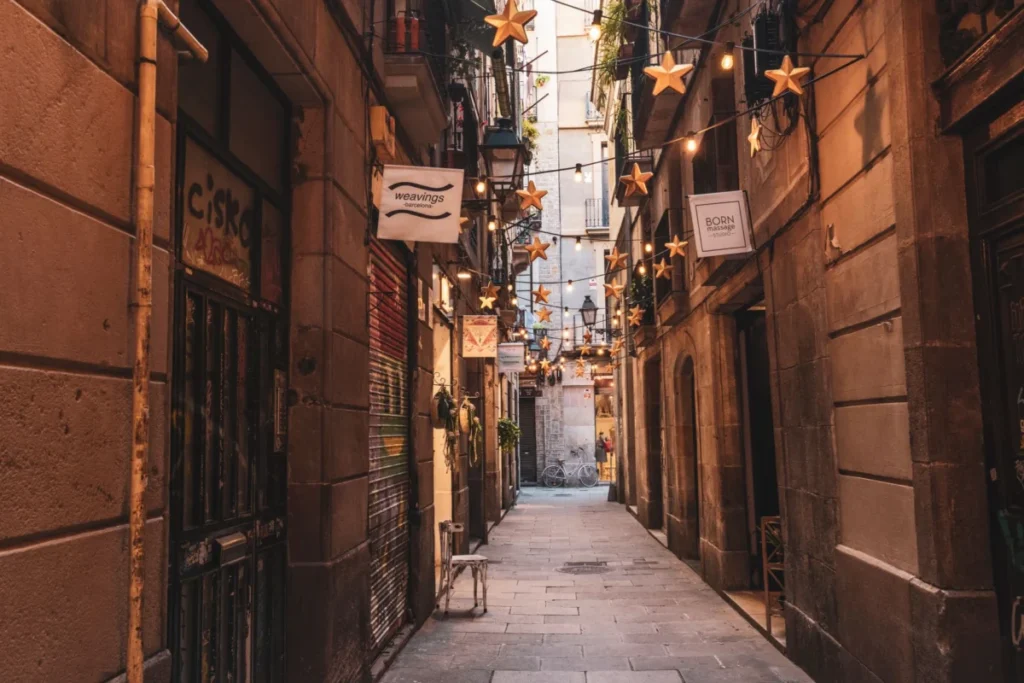
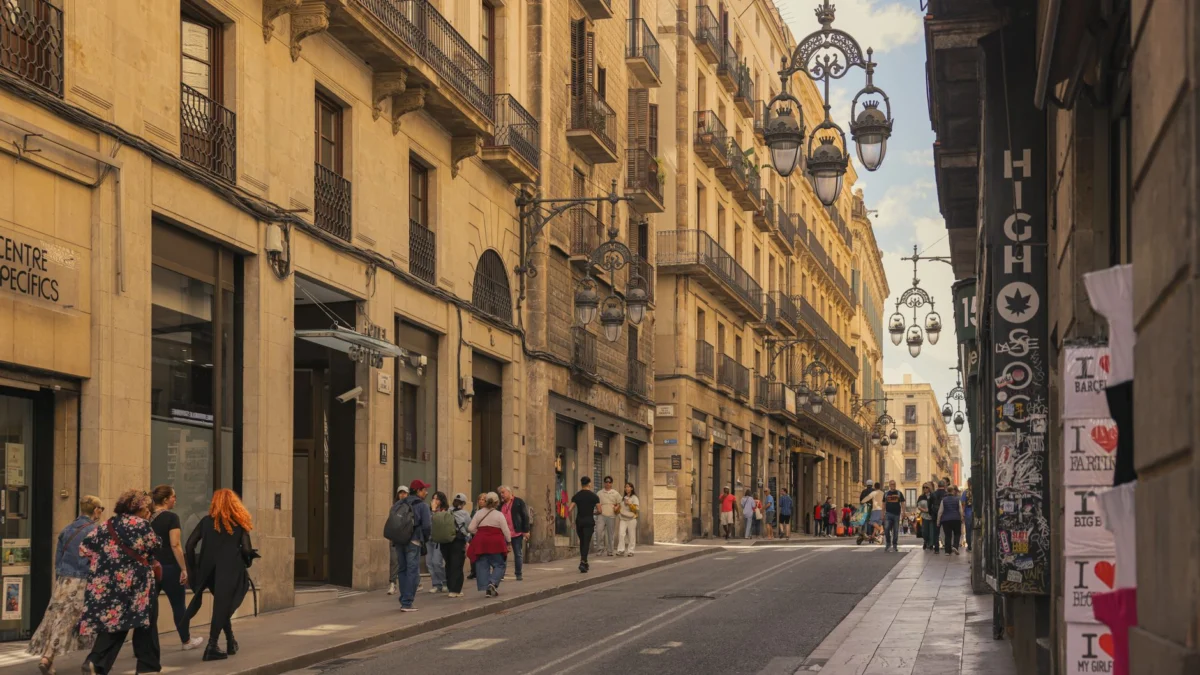
El Born is the medieval part of Barcelona that is kindest to slow walkers: it sits on flat ground between the Gothic Quarter and the Ciutadella park, and most of its sights are within ten minutes of each other. Locals do their shopping at the Santa Caterina market under its wavy, colourful roof, and the lanes around Santa Maria del Mar fill with visitors from late morning.
Start early, when the lanes are quiet. See the market, the Picasso Museum and the great Gothic church, then walk to the old El Born market hall, where you look down on streets of 1714 from level walkways. After lunch, rest on a bench under the palms in Ciutadella and come back for an early dinner.
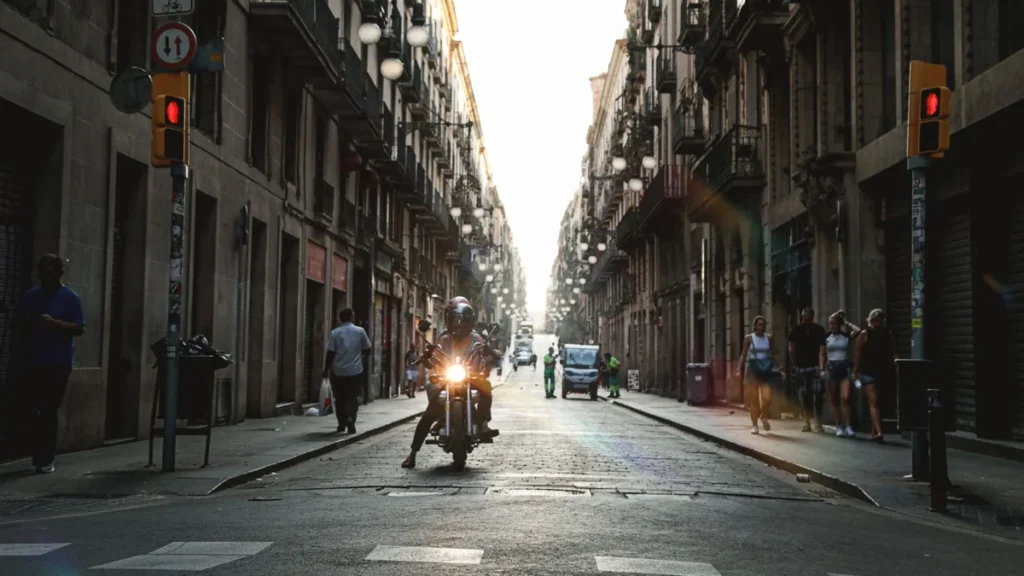
The honest downside: the lanes are narrow, some are paved with uneven stone and many have no proper pavement, so cars and scooters squeeze past. Hotels here are often in old buildings — check the lift and the entrance steps first.
Local picks
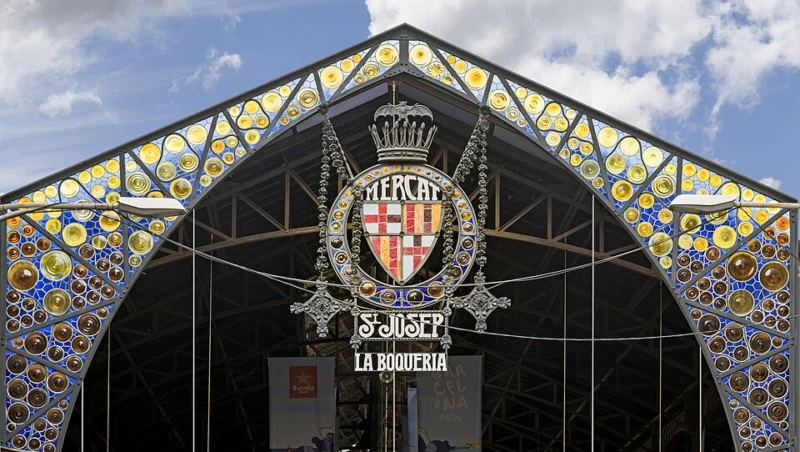
For Senior & Easy Access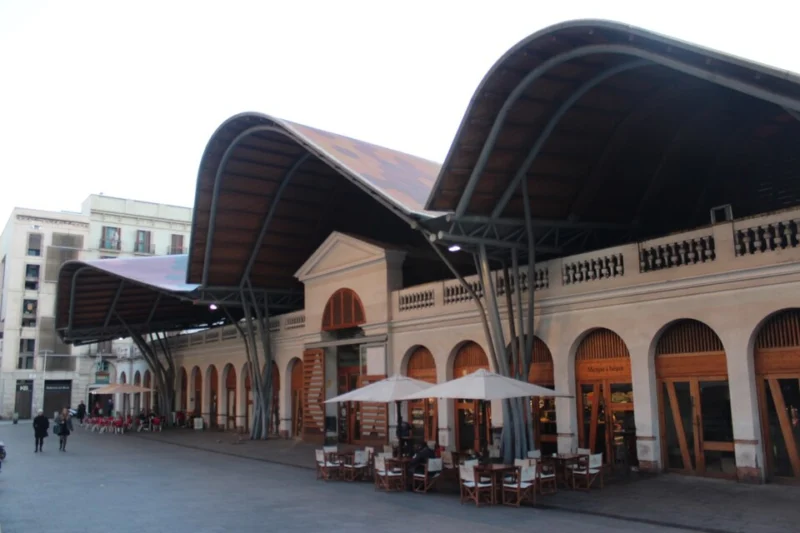 1MorningMercat de Santa CaterinaA local food market under a wavy roof of coloured tiles, open from 7.30 am and closed on Sundays. The aisles are wide and flat — come before 10 am, while it is still quiet.
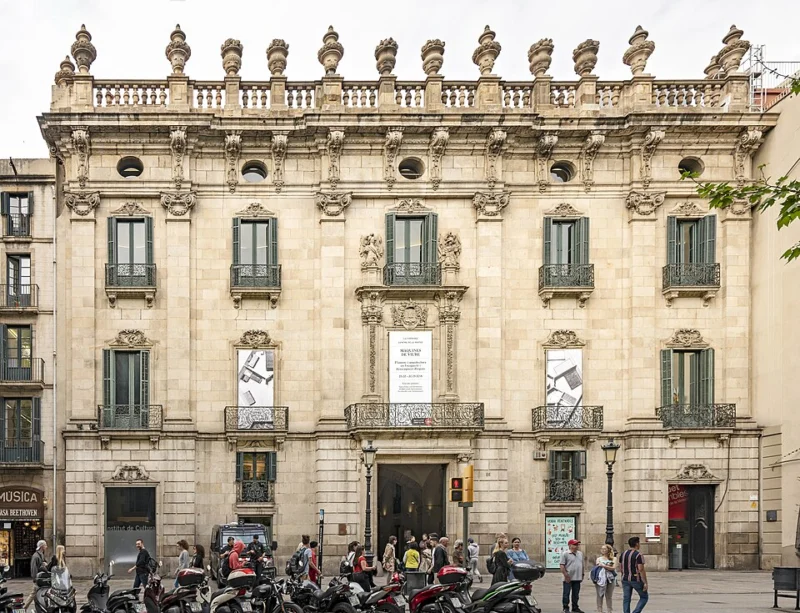
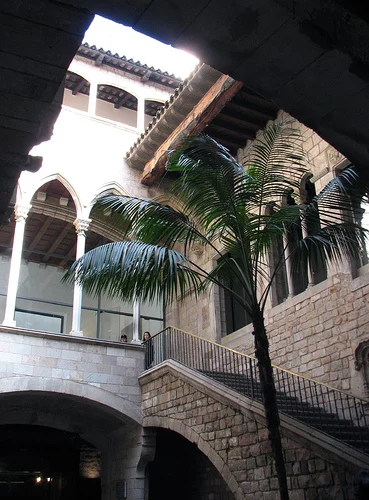 2MuseumMuseu PicassoFive minutes on flat lanes, in a row of medieval palaces on Carrer de Montcada. Book a timed ticket and ask at the desk about the step-free route between the palaces. Closed on Mondays.
- 3Must seeSanta Maria del MarThe finest Catalan Gothic church in the city, a few steps from the museum. Inside, the floor is level and there are pews to sit on while you look up at the slender columns.
- 4HistoryEl Born Centre de Cultura i MemòriaThe 1876 iron market hall at the end of Passeig del Born now covers the excavated streets of 1714. You walk around the ruins on level walkways and look down on them — a quiet, cool place in summer.
- 5Afternoon restParc de la CiutadellaCross the road to the city's central park, flat and full of benches under the palms. Rest by the lake or the Cascada fountain before dinner.
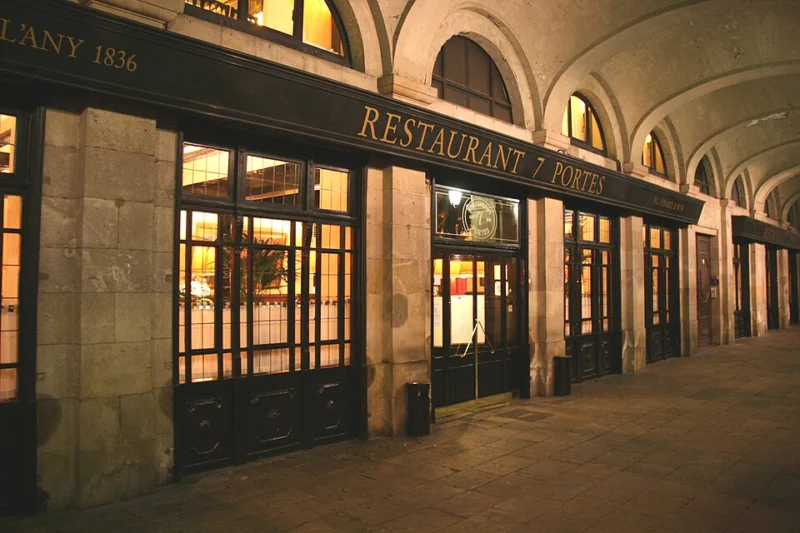 6Dinner7 PortesOne of the oldest restaurants in Barcelona, on Passeig d'Isabel II, famous for its paella and open every day from 1 pm. It is a large, classic dining room — book ahead and ask for a table near the entrance.
- Getting aroundJaume I · Barceloneta · Arc de TriomfMetro line 4 stops at Jaume I and Barceloneta, and line 1 at Arc de Triomf; check which exits have lifts before you go. Taxis cannot enter every lane, so tell the driver the nearest wide street, such as Via Laietana or Passeig de Picasso.
- Where to stayLook for a hotel on or near a wide street — Via Laietana, Passeig de Picasso or around Arc de Triomf — so a taxi can stop at the door. Buildings here are old, so confirm the lift, the steps at the entrance and the shower with the hotel.
Did you know?
| Built in just 54 years Santa Maria del Mar was built between 1329 and 1383, fast for a Gothic church. |
| A memorial beside the church El Fossar de les Moreres honours defenders who died in the siege of Barcelona in 1714. |
| Picasso studied next door In 1895 the teenage Picasso enrolled at the La Llotja art school, where his father taught. |
| Josep Fontserè's iron market The El Born market hall opened in 1876 and now covers ruins of the city destroyed after 1714. |