

Gothic Quarter (Barri Gòtic)
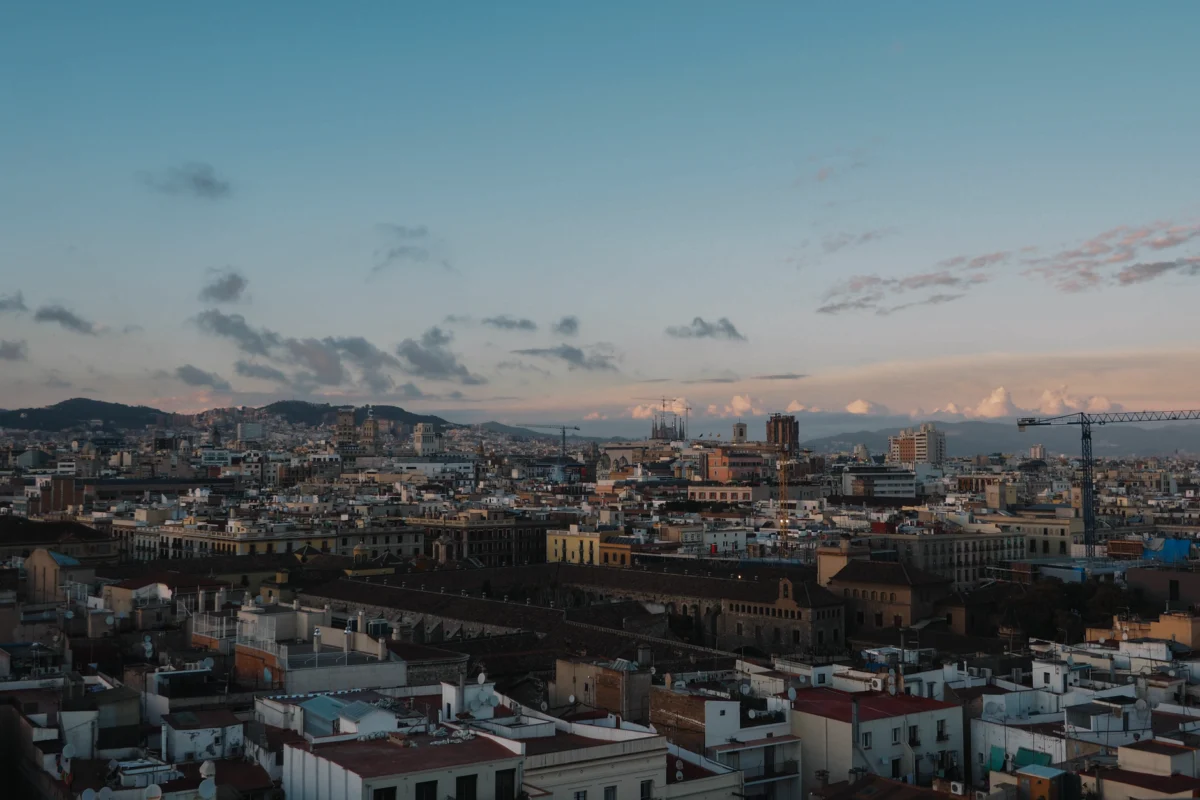
The Gothic Quarter is the oldest part of Barcelona, a maze of narrow lanes between La Rambla and Via Laietana, built over the Roman town of Barcino. For a first visit it is the easiest base there is: the cathedral, Plaça de Sant Jaume and Plaça Reial are all within ten minutes of each other, and the port is at the bottom of the hill.
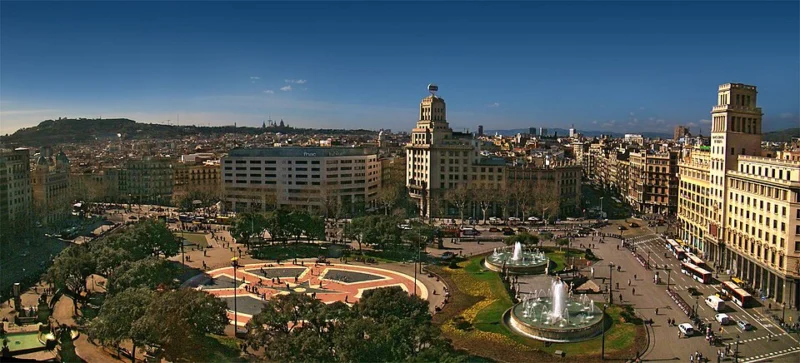
Start early at the Cathedral of Barcelona before the tour groups, go underground into Roman Barcelona at the history museum, then get lost on purpose — the quarter is small enough that you always come out somewhere you recognise. Liceu and Jaume I metro stations take you to Eixample and the beach in minutes, and Plaça de Catalunya, with the airport bus, is a 10-minute walk.
The honest downside: the lanes are crowded by day, some streets stay loud until late, and rooms facing Plaça Reial or La Rambla can be noisy. Ask for a room at the back.
Local picks
For First-Time Visitor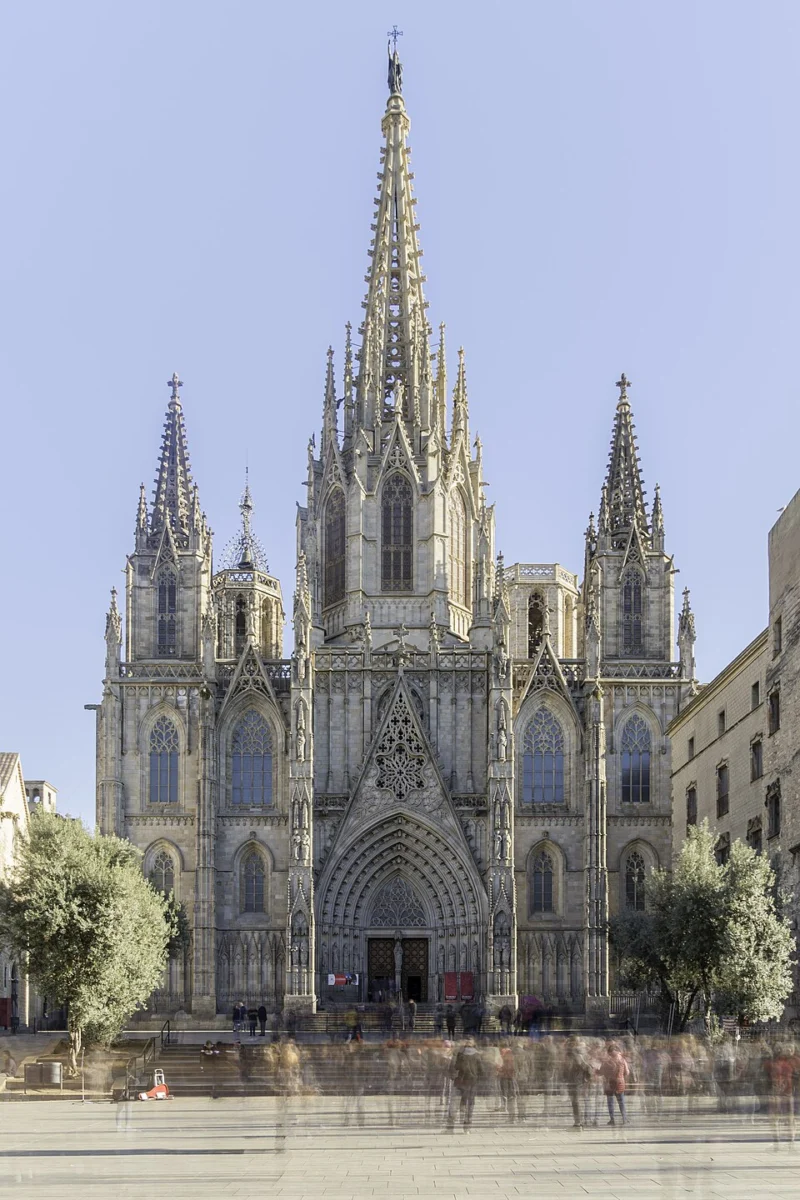 1Start earlyCathedral of BarcelonaCome at opening time, before the tour groups arrive. Don't miss the cloister, where 13 white geese are kept — one for each year of Saint Eulàlia's life — and take the lift to the roof for a view over the old town.
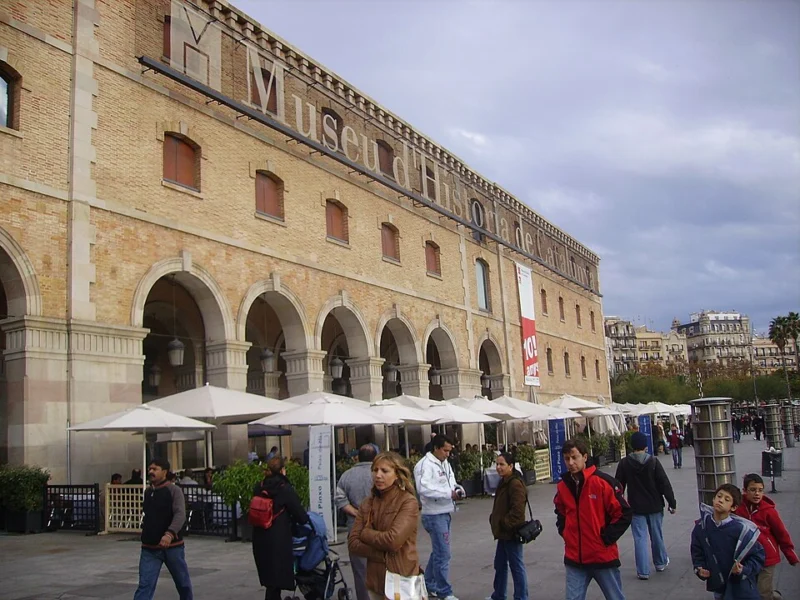
- 2Roman BarcelonaBarcelona History Museum (MUHBA)The entrance is on Plaça del Rei, a medieval royal square. Underneath it you walk through the excavated streets, workshops and wine vats of Roman Barcino — the best hour you can spend to understand the city.
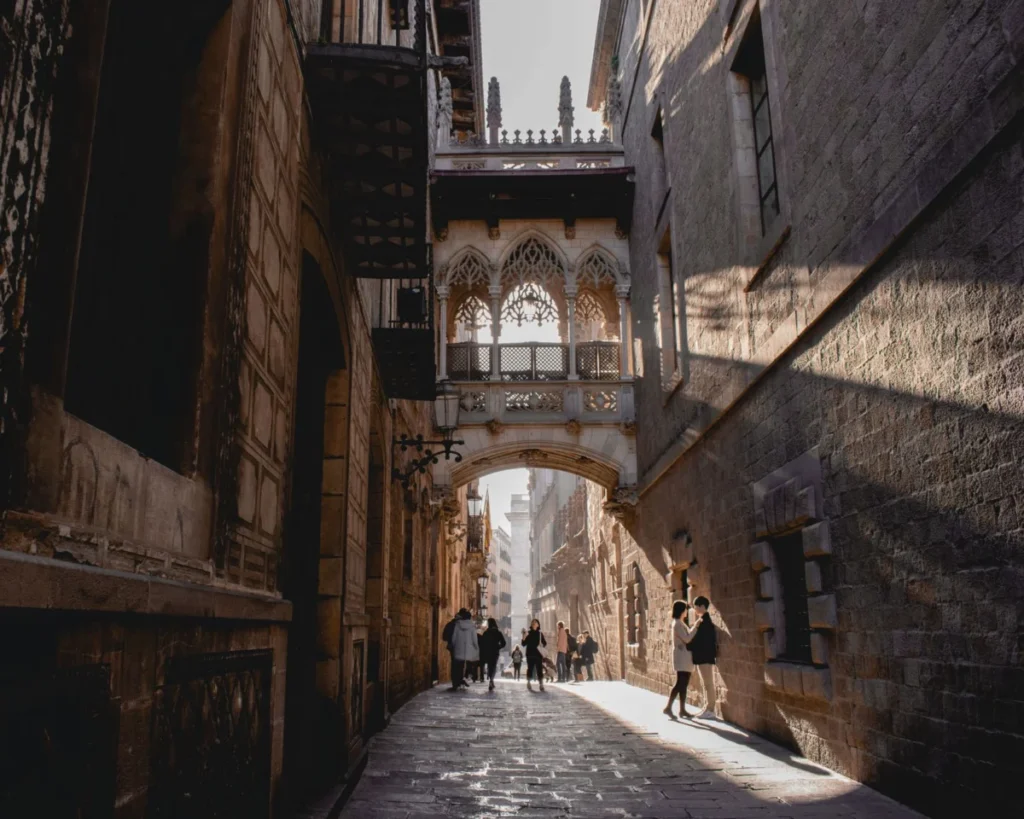
- 3Photo stopPont del BisbeThe carved bridge over Carrer del Bisbe looks medieval, but it was built in 1928 in neo-Gothic style. Come early or late for a photo without crowds.
- 4The political heartPlaça de Sant JaumeThe Palau de la Generalitat and the City Hall face each other across the square, where the Roman forum once stood. On festival days this is where the human towers, the castells, go up.
- 5Quick lunchConesa EntrepansA sandwich counter just off Plaça de Sant Jaume, busy with office workers at lunchtime. It is cheap, quick and a good break between sights; it is open Monday to Saturday.
- 6EveningPlaça ReialAn arcaded 19th-century square with palm trees and Gaudí's early lampposts, just off La Rambla. It is lively in the evening; have a drink here, but eat in the side streets, where prices are lower.
- 7DinnerCan CulleretesFounded in 1786, it is one of the oldest restaurants in Barcelona, serving traditional Catalan dishes in tiled dining rooms. Dinner is served only Thursday to Saturday, and it is closed on Mondays — on other days, come for lunch.
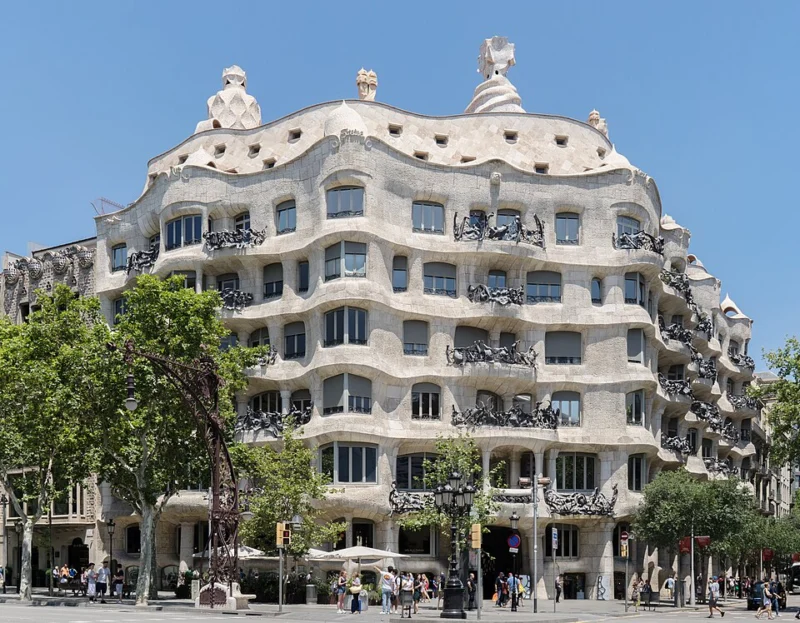
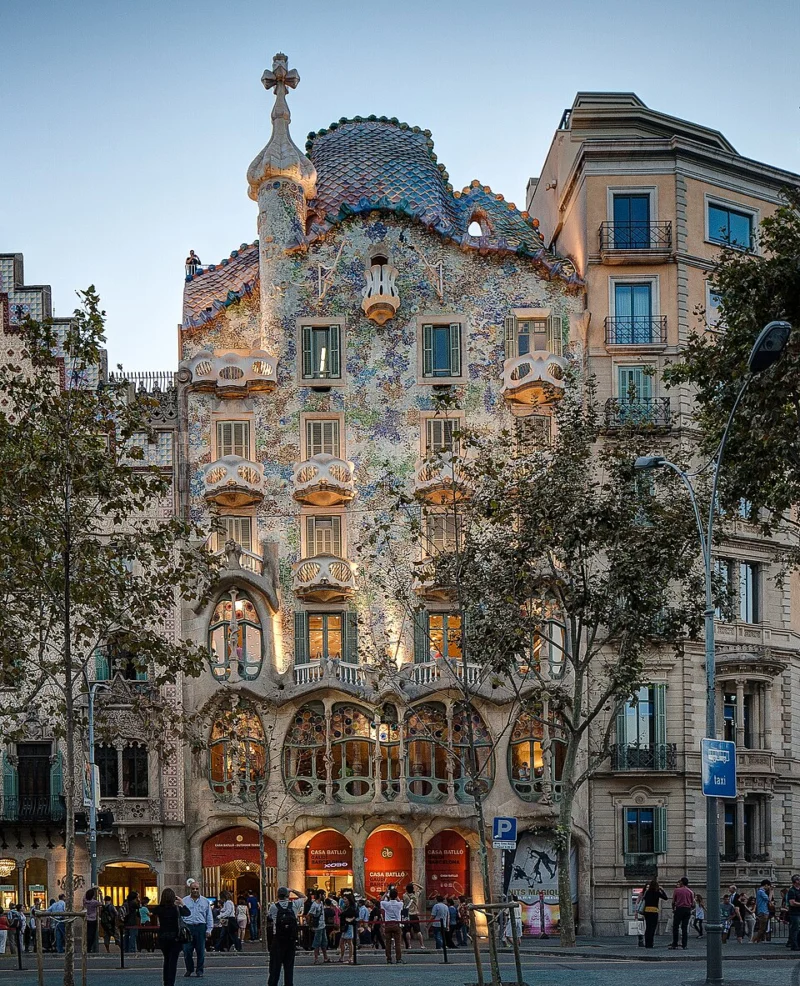
- Getting aroundLiceu · Jaume ILiceu on metro L3 takes you to Passeig de Gràcia for the Gaudí houses in two stops, and Jaume I on L4 goes to Barceloneta. Plaça de Catalunya, where the airport bus stops, is a 10-minute walk up La Rambla.
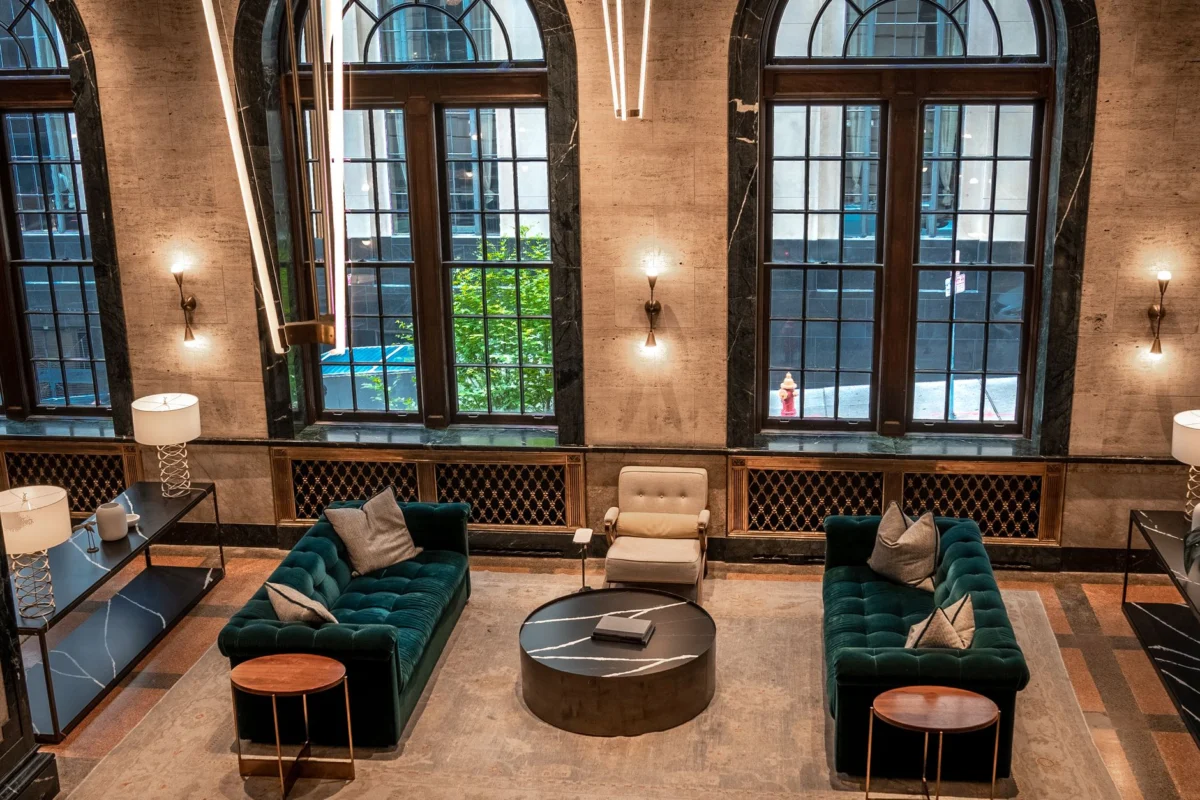
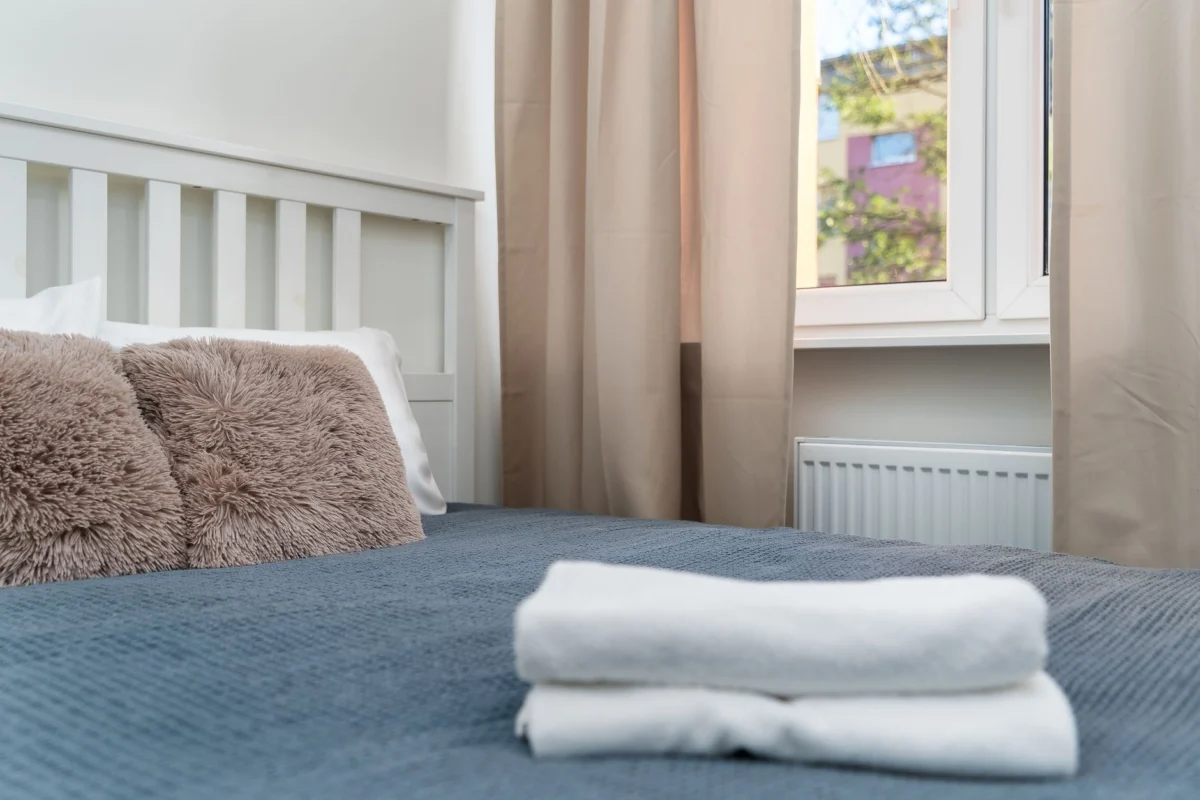
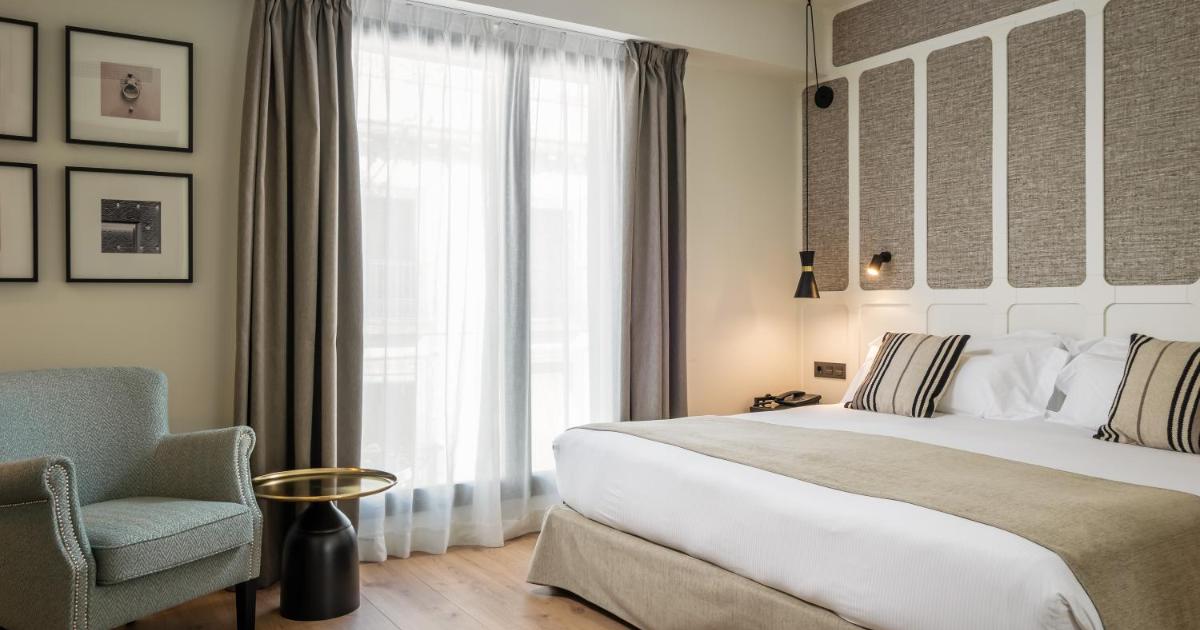
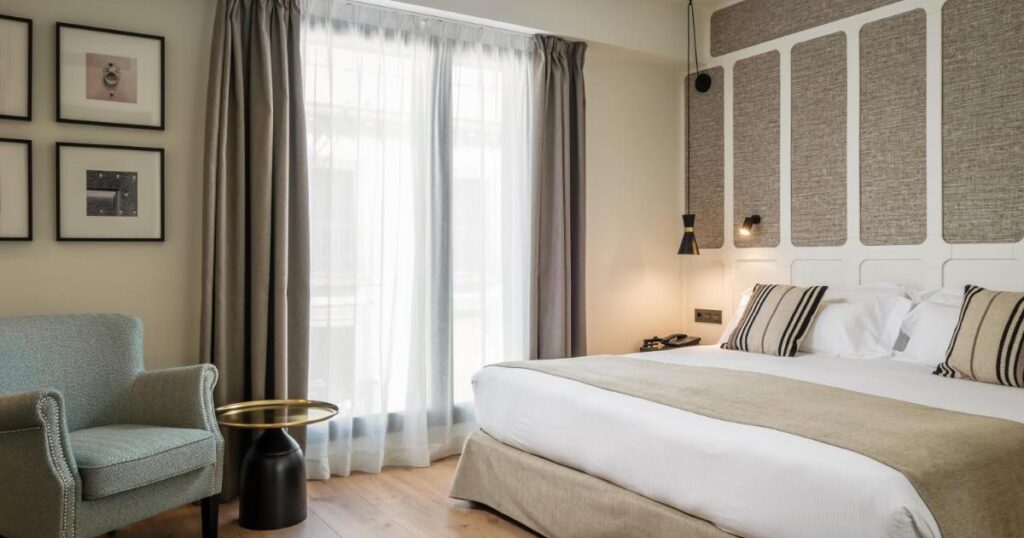
- Where to stayThe Gothic Quarter has everything from small hotels in historic buildings to big modern ones near the port. Rooms are often small, and those on La Rambla or Plaça Reial can be noisy at night, so ask for an inside room and check for a lift if you have heavy luggage.
Did you know?
| Roman walls still stand Stretches of the Roman wall of Barcino are still visible along Carrer de la Tapineria. |
| Gaudí's first public commission The young Antoni Gaudí designed the lampposts in Plaça Reial, installed in 1879. |
| Two governments face to face On Plaça de Sant Jaume, the Catalan government and the City Hall stand opposite each other on the site of the Roman forum. |
| A medieval synagogue A small building on Carrer de Marlet has been identified as the main synagogue of the medieval Jewish quarter, the Call. |