

Dreta de l'Eixample
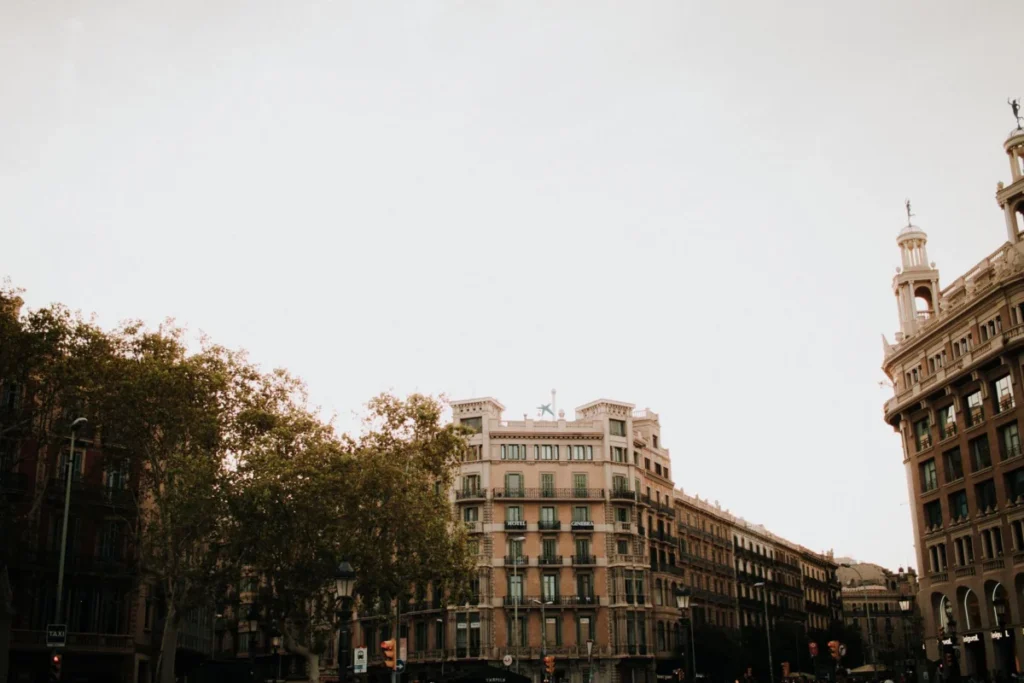
Dreta de l'Eixample is the right-hand half of Ildefons Cerdà's 19th-century grid, and the richest few blocks of Modernisme anywhere. When Barcelona's wealthy families moved out of the old walled city, they hired Gaudí, Domènech i Montaner and Puig i Cadafalch to outdo each other along Passeig de Gràcia. The result is still lived in: offices, flats and shops sit behind the most famous façades in the city.
Stay here and you can be at Casa Batlló for the first slot of the morning, then walk to Casa Amatller, the Museu Tàpies and La Pedrera without once taking the metro. Break for lunch in the iron hall of the Mercat de la Concepció, and finish at the pointed towers of the Casa de les Punxes as the light goes.
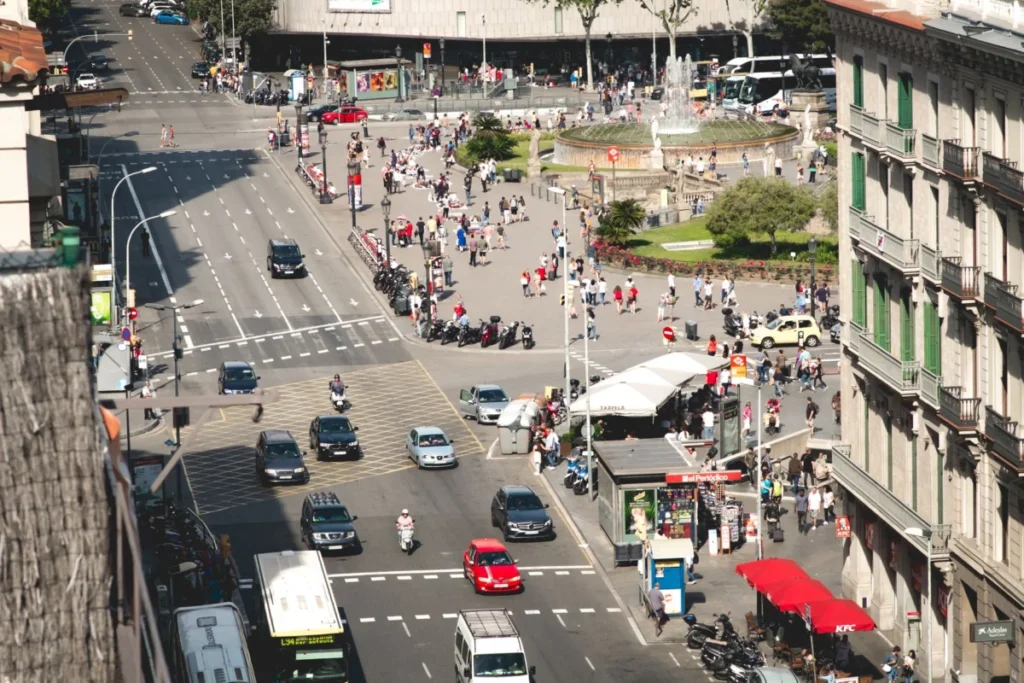
The honest downside: Passeig de Gràcia is busy, expensive and full of chain shops. For a quieter night, choose a hotel on a side street towards Carrer de Girona.
Local picks
For Culture & History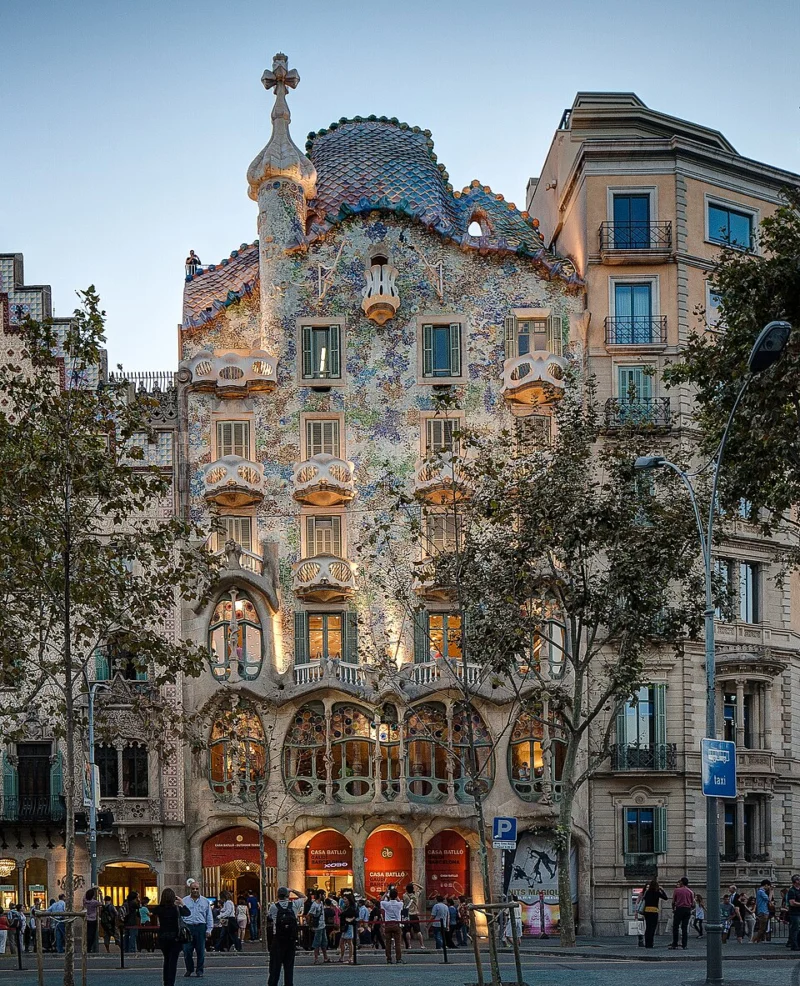 1First slotCasa BatllóGaudí remodelled an ordinary 1870s house here from 1904, giving it a roof like a dragon's back and balconies like masks. Book the first entry of the day and you will have the light well and the rooftop almost to yourself.
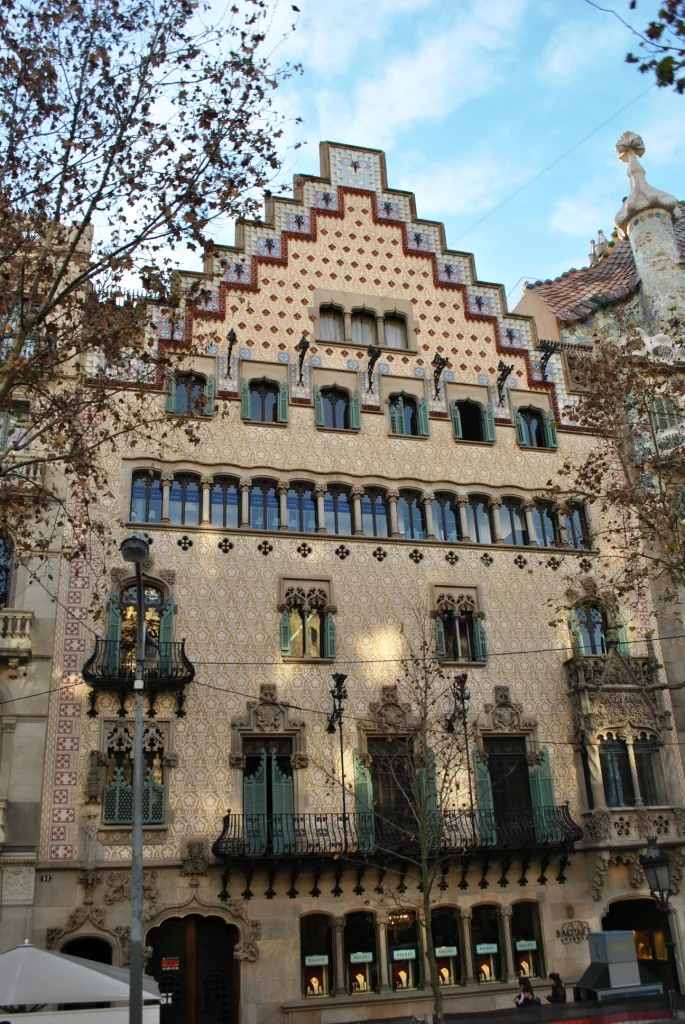 2Next doorCasa Amatller & Casa Lleó MoreraPuig i Cadafalch designed Casa Amatller for the chocolate maker Antoni Amatller, with a stepped Flemish-style gable. At the corner of the block, Domènech i Montaner's Casa Lleó Morera completes the Illa de la Discòrdia — compare all three from the opposite pavement.
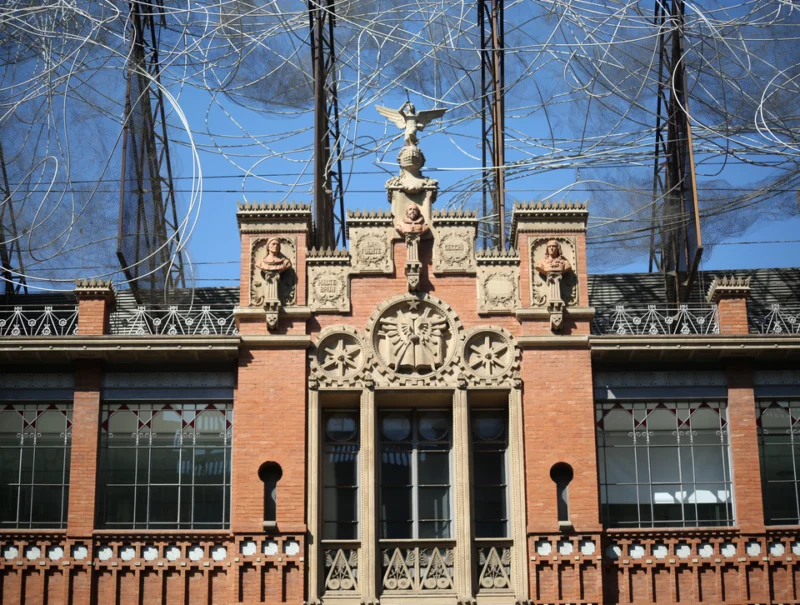 3Early ModernismeMuseu TàpiesThe brick-and-iron building on Carrer d'Aragó was built in 1880–1885 by Domènech i Montaner for the Montaner i Simon publishing house. It was one of the first Eixample buildings to show off industrial brick and iron; the museum is closed on Mondays.
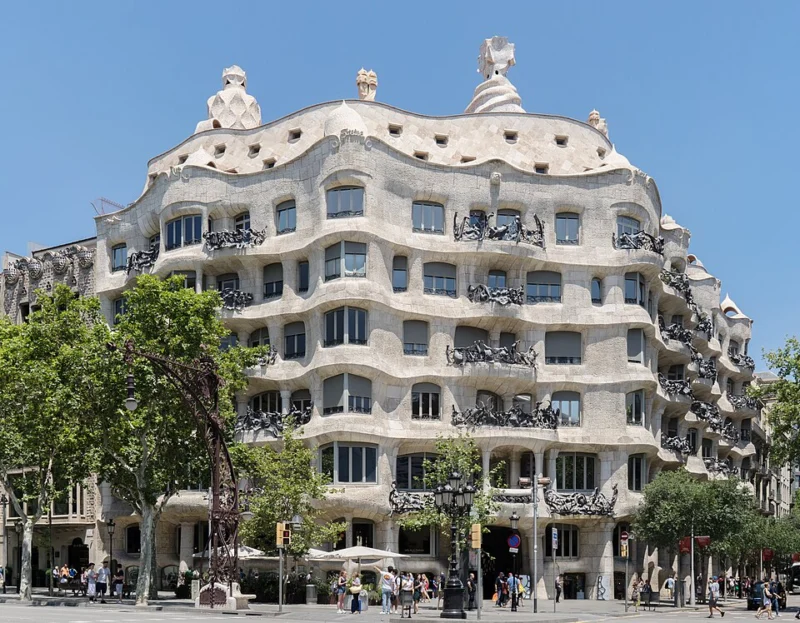 4Must seeLa Pedrera - Casa MilàGaudí's last private house, built in 1906–1912, is carried on pillars rather than load-bearing walls, so the flats could be laid out freely. Don't skip the brick-arched attic and the rooftop of sculpted chimneys.
- 5LunchMercat de la ConcepcióAn iron market hall by Antoni Rovira i Trias, built in 1887–1888 at the time of the Universal Exhibition. Eat at one of the counters inside, and look for the flower stalls on the Carrer de València side.
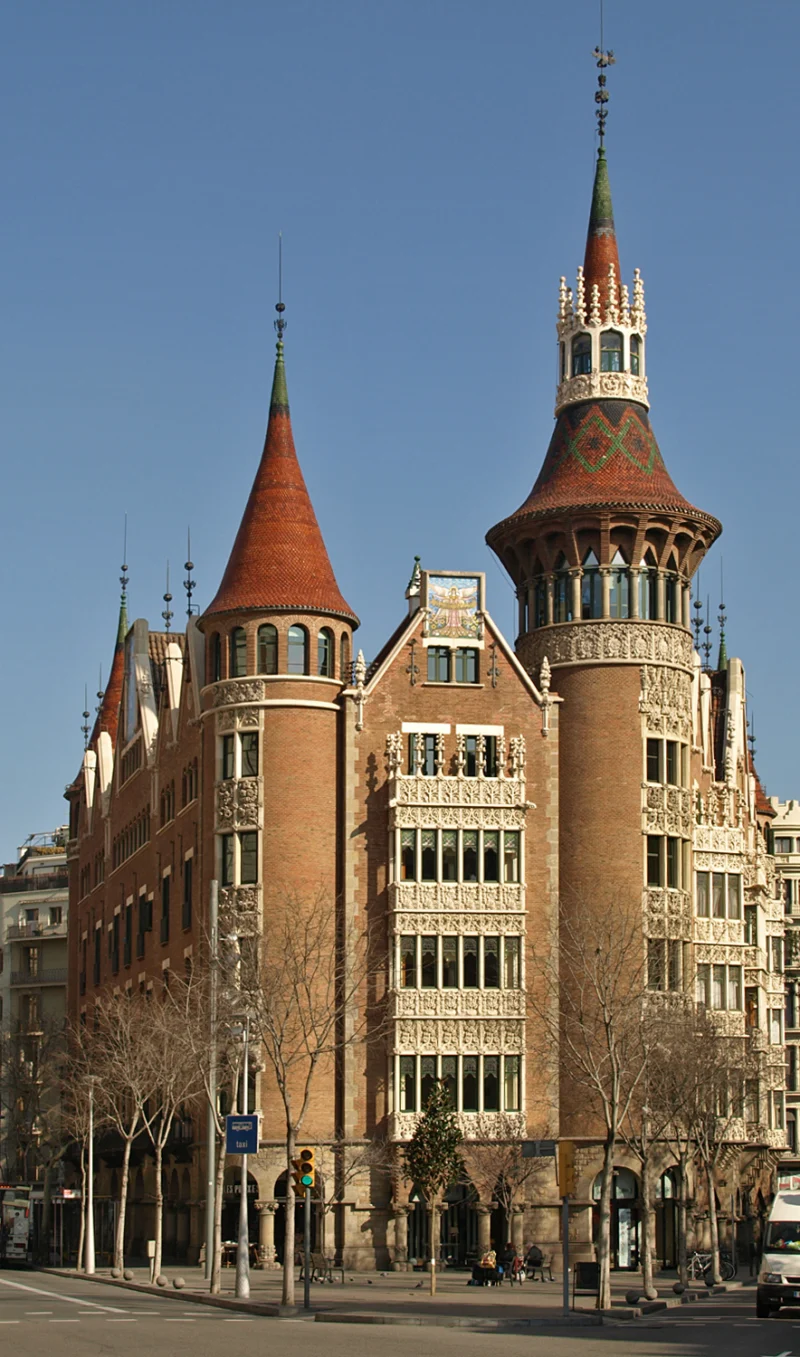 6Castle in the gridCasa de les PunxesPuig i Cadafalch built this block of flats for the Terradas sisters in 1905, with pointed towers that look like a northern European castle. It fills a whole triangle where Avinguda Diagonal cuts across the grid.
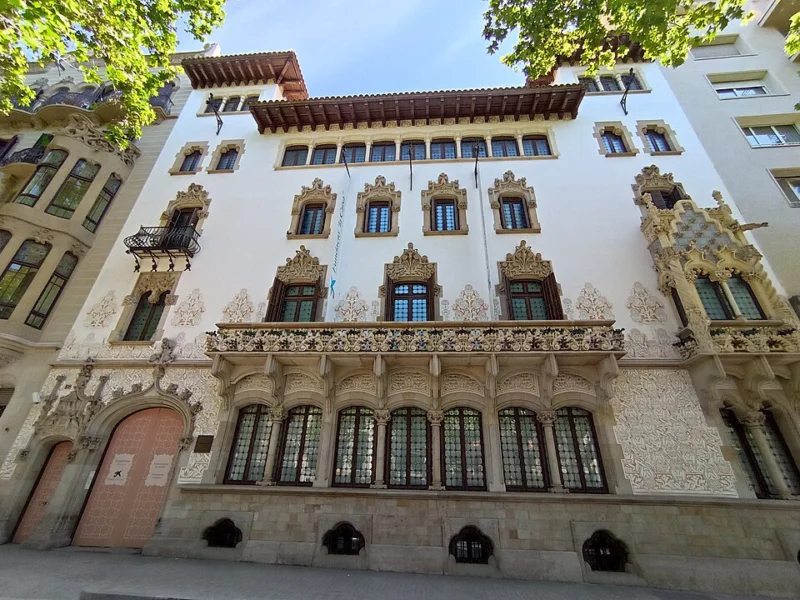 7Finish herePalau MacayaAnother Puig i Cadafalch house on Passeig de Sant Joan, finished in 1901, with a white courtyard and sgraffito decoration. It is now CaixaForum Macaya, a cultural centre open on weekdays.
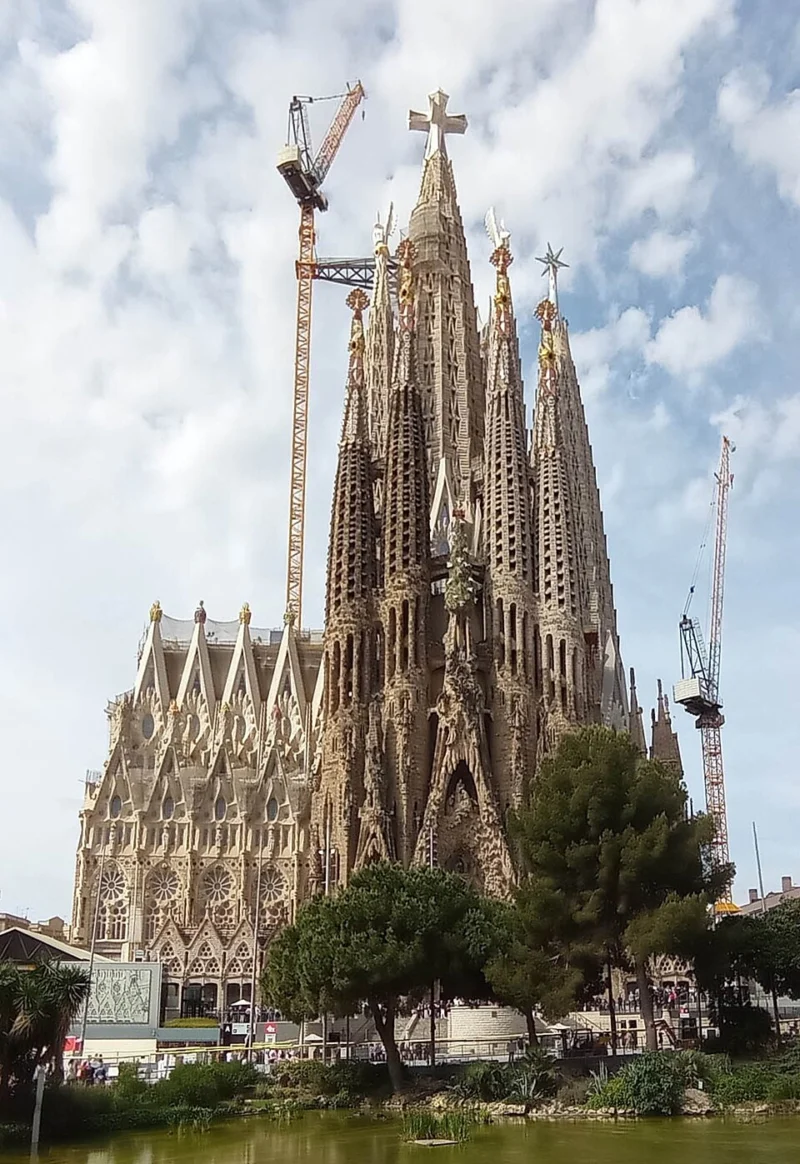
- Getting aroundPasseig de Gràcia · Diagonal · GironaLines 2, 3 and 4 stop at Passeig de Gràcia, and lines 3 and 5 at Diagonal, by La Pedrera. For the Sagrada Família take line 5 from Diagonal — two stops.
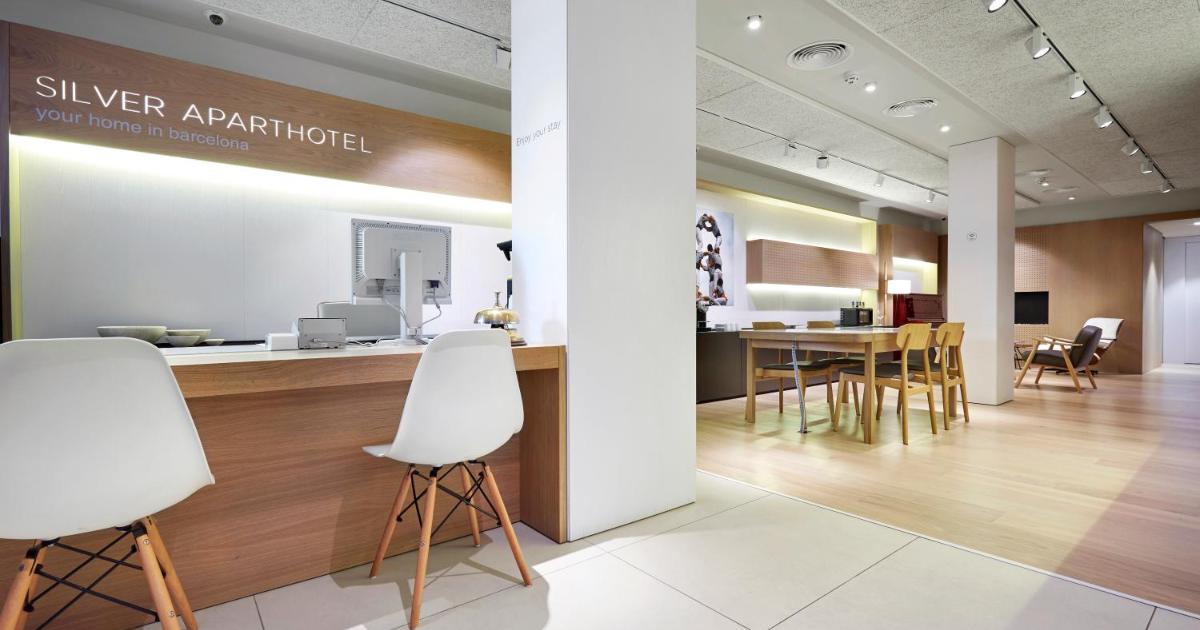
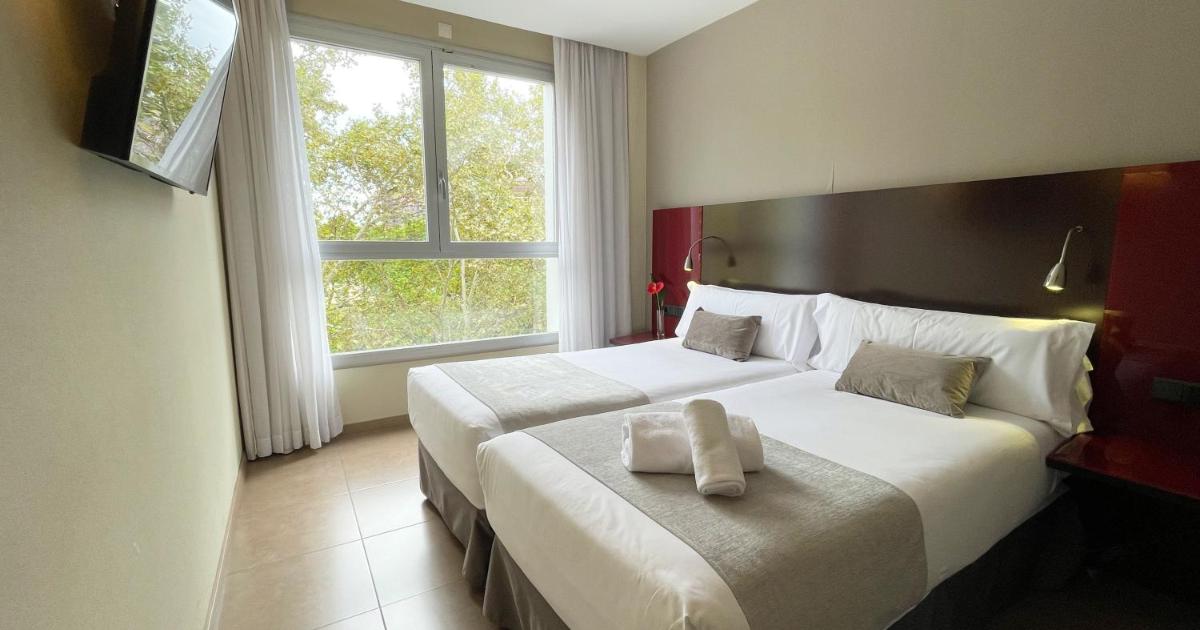
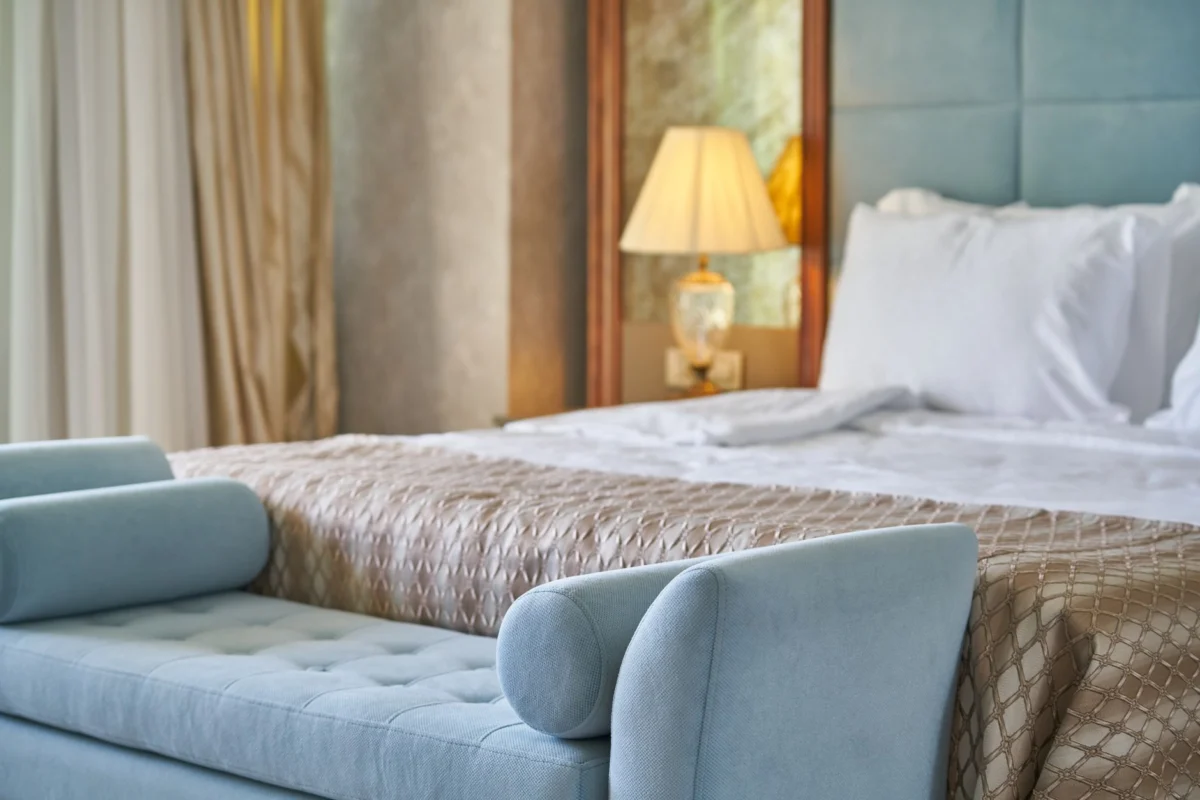
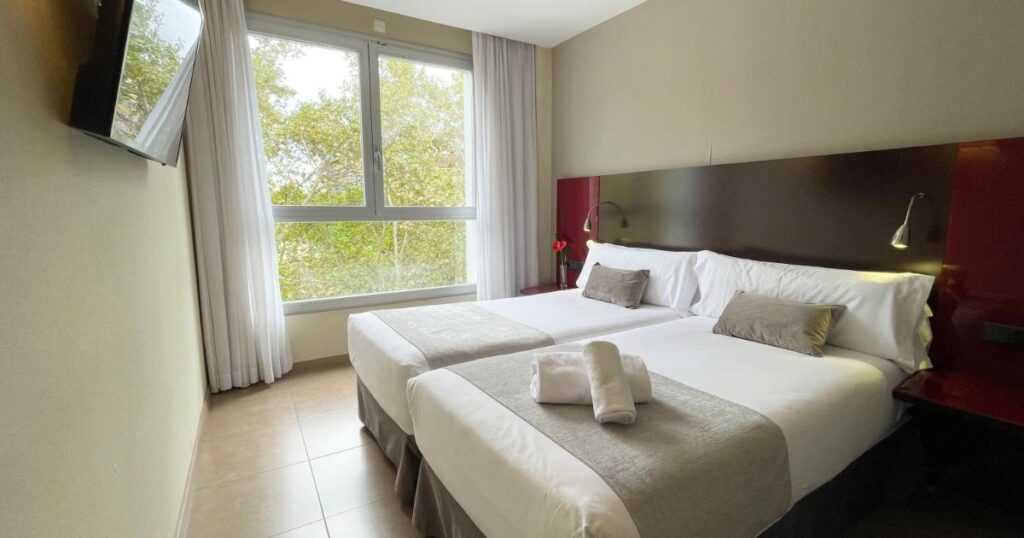
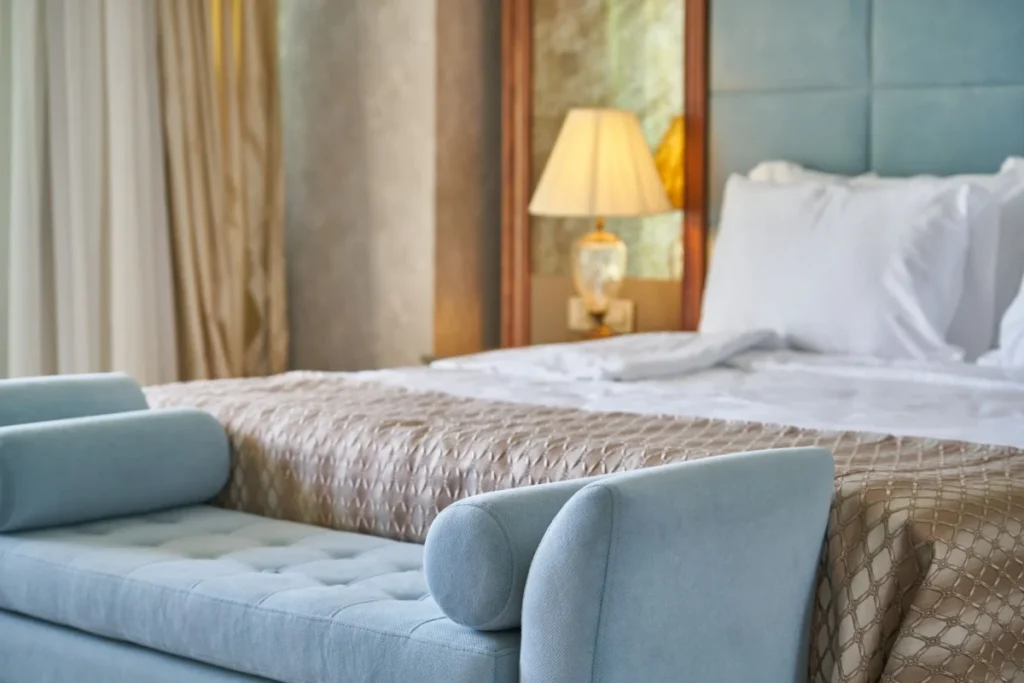
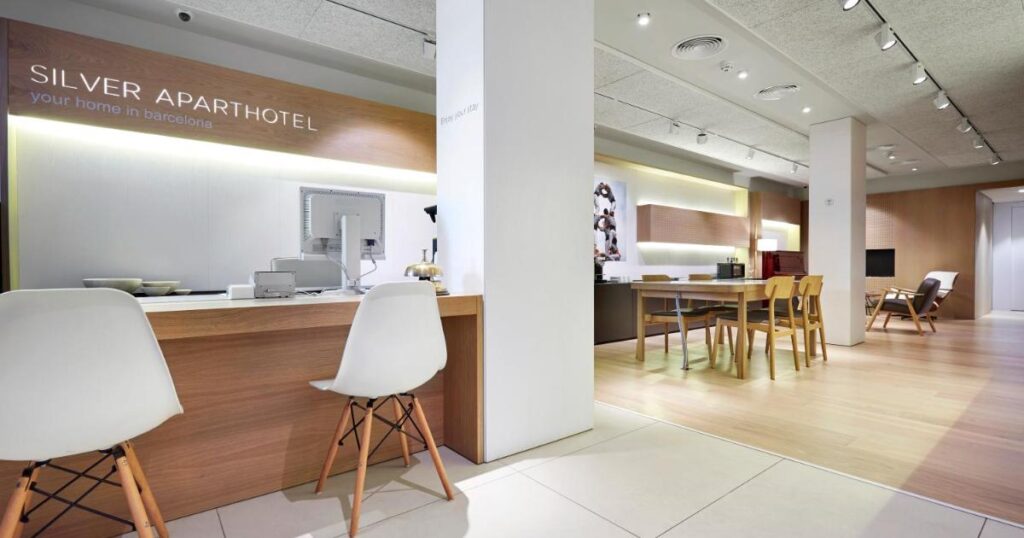
- Where to stayThe area is full of hotels in 19th-century buildings, from luxury on Passeig de Gràcia to smaller places on Carrer de Girona and Bruc. Check whether your room faces the avenue or an inner courtyard — the courtyard side is much quieter.
Did you know?
| Cerdà's Grid with Cut-off Corners Ildefons Cerdà's Eixample plan, approved in 1860, gave every block chamfered corners for light and traffic. |
| Three Architects on One Block Gaudí, Domènech i Montaner and Puig i Cadafalch rebuilt neighbouring houses on Passeig de Gràcia between 1898 and 1906. |
| Gardens Inside the Blocks Cerdà meant the centre of each block to be a garden; most were built over, but some have been reopened as public gardens. |