


Le Marais (4th Arrondissement)
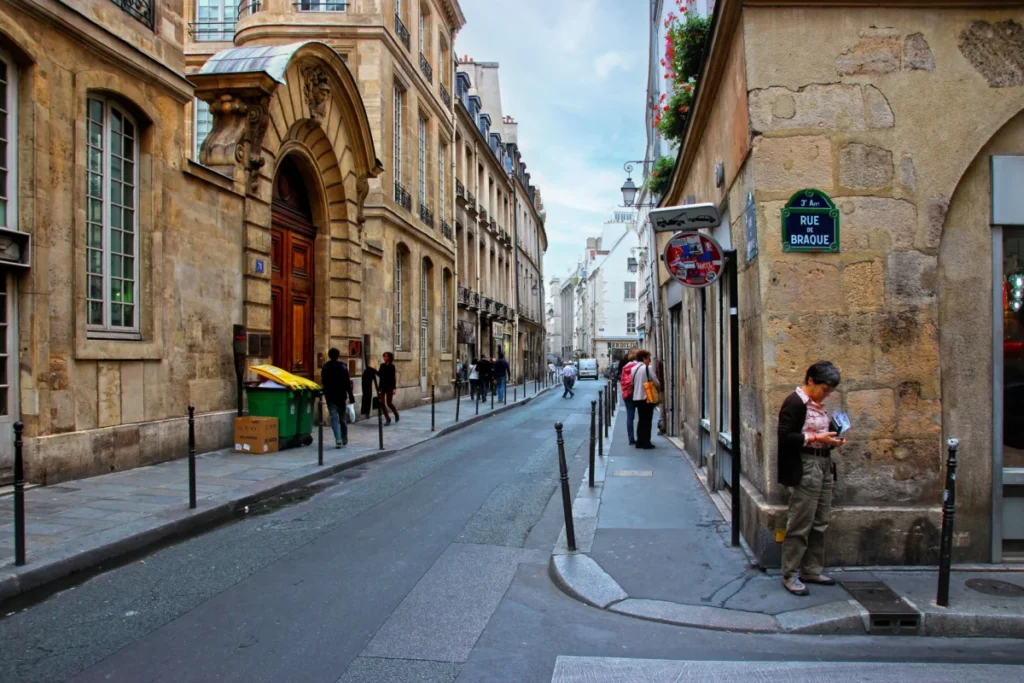
The Marais is the most practical first base in Paris. It sits on the Right Bank opposite the islands, so Notre-Dame is ten minutes away and metro line 1 runs from Hôtel de Ville and Saint-Paul straight to the Louvre and the Champs-Élysées. Its narrow streets of old mansions are full of cafés, falafel counters and small shops, and people really live here.
In the morning, cross to the islands before the crowds; in the afternoon, walk through Place des Vosges and the free Musée Carnavalet, which tells the story of Paris before you see the rest of it. In the evening the Marais stays busy until late, so you walk back to your hotel through lit, lively streets.
The honest downside: rooms are small and not cheap, and Rue des Rosiers and the streets around it are packed on Sundays, when most shops elsewhere in Paris are closed.
Local picks
For First-Time Visitor- 1MorningNotre-Dame CathedralStart at the cathedral that everyone comes to see. It reopened in December 2024 after the fire and entry is free — go at opening time, when the queue on the square moves fastest.
- 2River walkPlace Louis AragonCross the footbridge to Île Saint-Louis and walk to its western tip. This little square under the trees gives you the classic view of Notre-Dame's apse and the Seine.
- 3Back streetsLe Village Saint-PaulCross back to the Right Bank to this maze of linked courtyards with antique and design shops. Next to it, Rue des Jardins-Saint-Paul still has a long stretch of the medieval city wall.
- 4LunchChez MarianneOn the corner of Rue des Rosiers, the old Jewish street of the Marais. Get a falafel or a plate of mezze here — it is the classic Marais lunch, and quicker than a sit-down bistro.
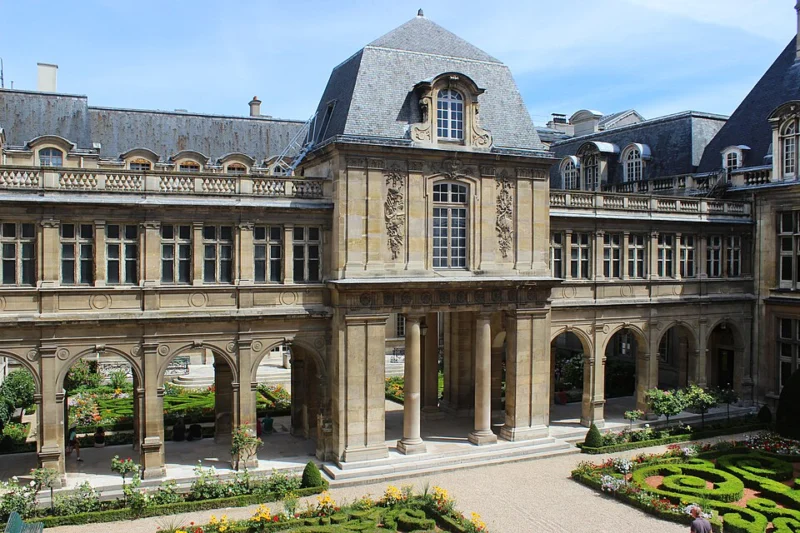 5AfternoonMusée CarnavaletThe museum of the history of Paris, in two old mansions with courtyard gardens. The permanent collections are free, and an hour here makes the rest of the city make sense. Closed on Mondays.
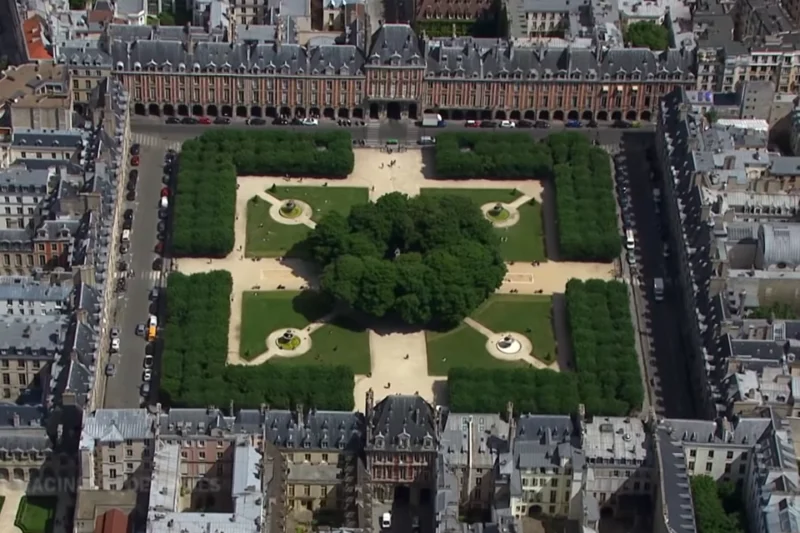 6Must seePlace des VosgesRed-brick houses around a garden of lime trees and fountains, finished in 1612. Victor Hugo's flat is at number 6 — then leave by the passage in the south-west corner.
- 7Quiet cornerHôtel de SullyThe passage from Place des Vosges leads through the garden and courtyard of this 17th-century mansion and out onto Rue Saint-Antoine. Most people walk past without knowing it is open.
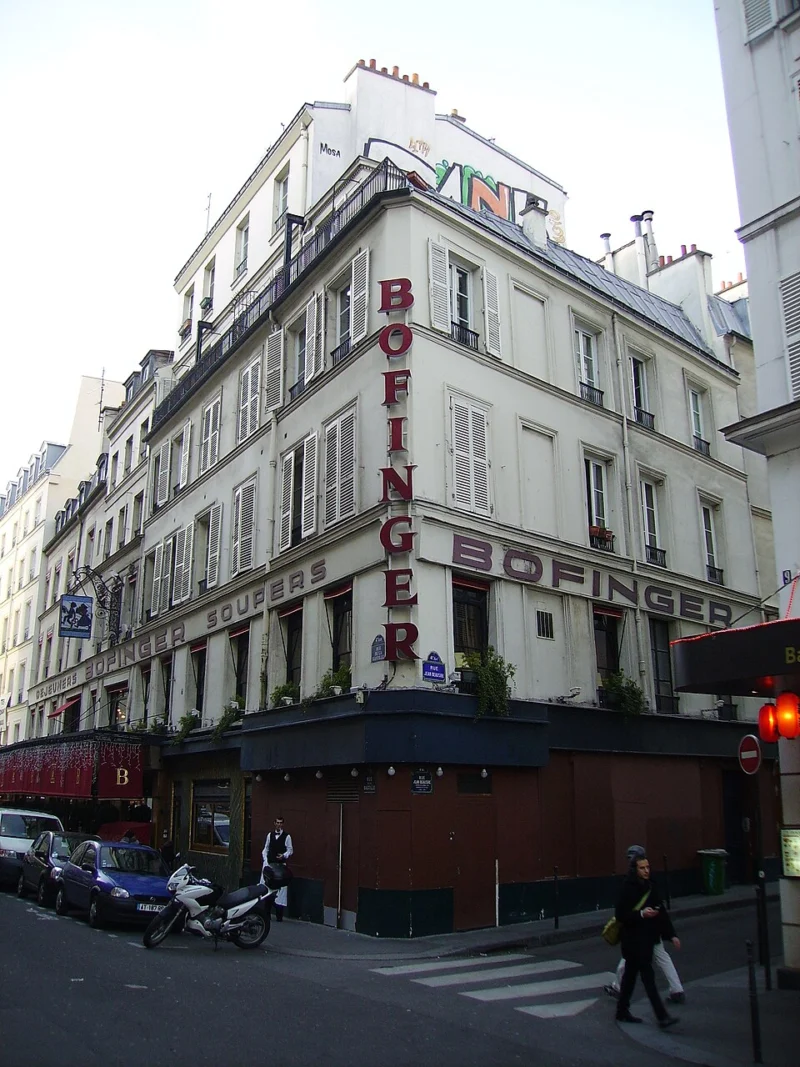 8DinnerBrasserie BofingerA big old brasserie by Place de la Bastille, with an Art Nouveau glass dome and Alsatian classics like choucroute and seafood platters. Book for dinner at weekends.
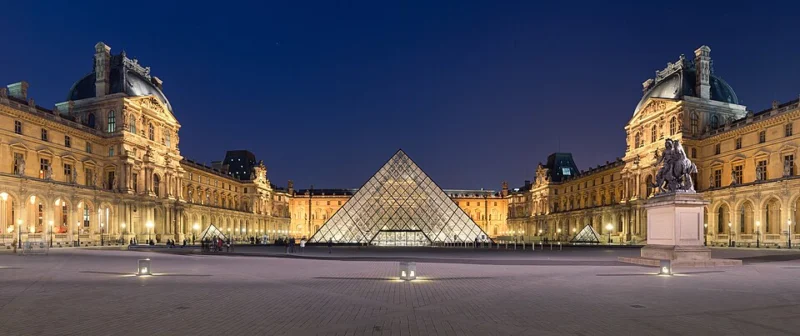
- Getting aroundSaint-Paul · Hôtel de VilleMetro line 1 stops at Saint-Paul and Hôtel de Ville and runs to the Louvre, Concorde and the Champs-Élysées. Châtelet–Les Halles, 10–15 minutes on foot, has the RER B to Charles de Gaulle airport and Gare du Nord.
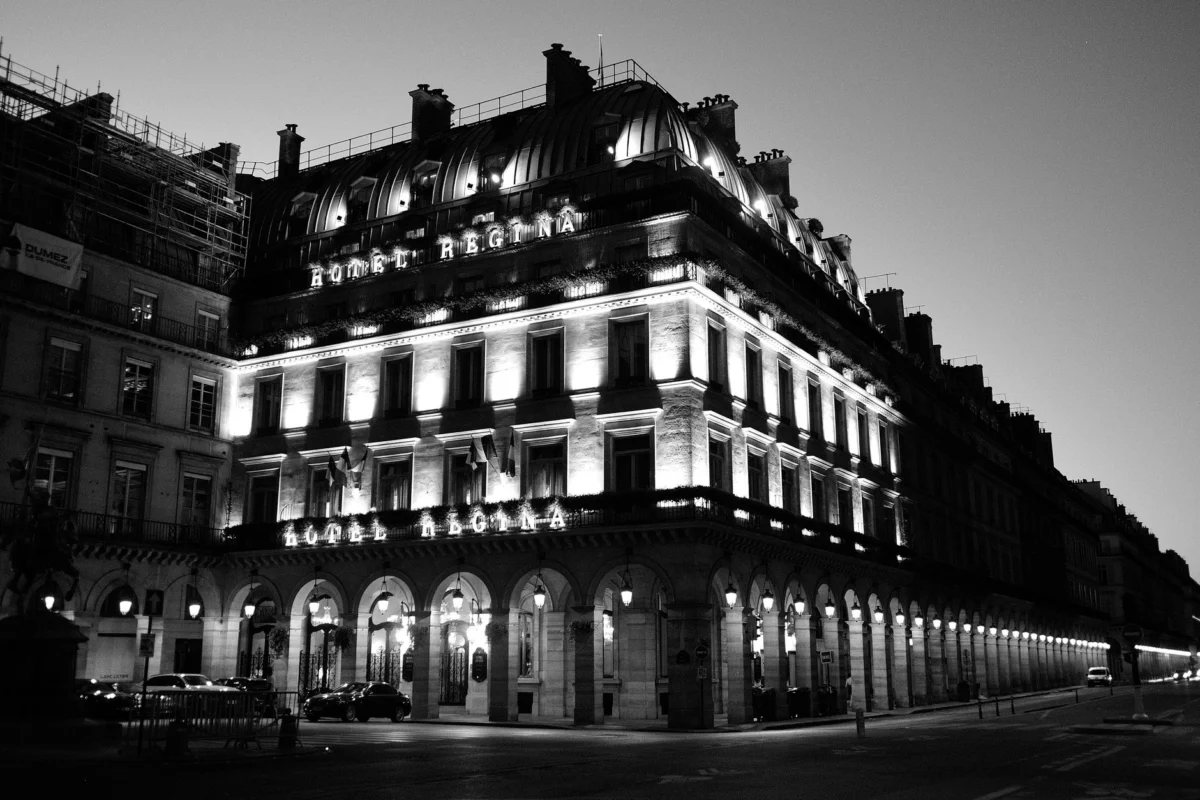
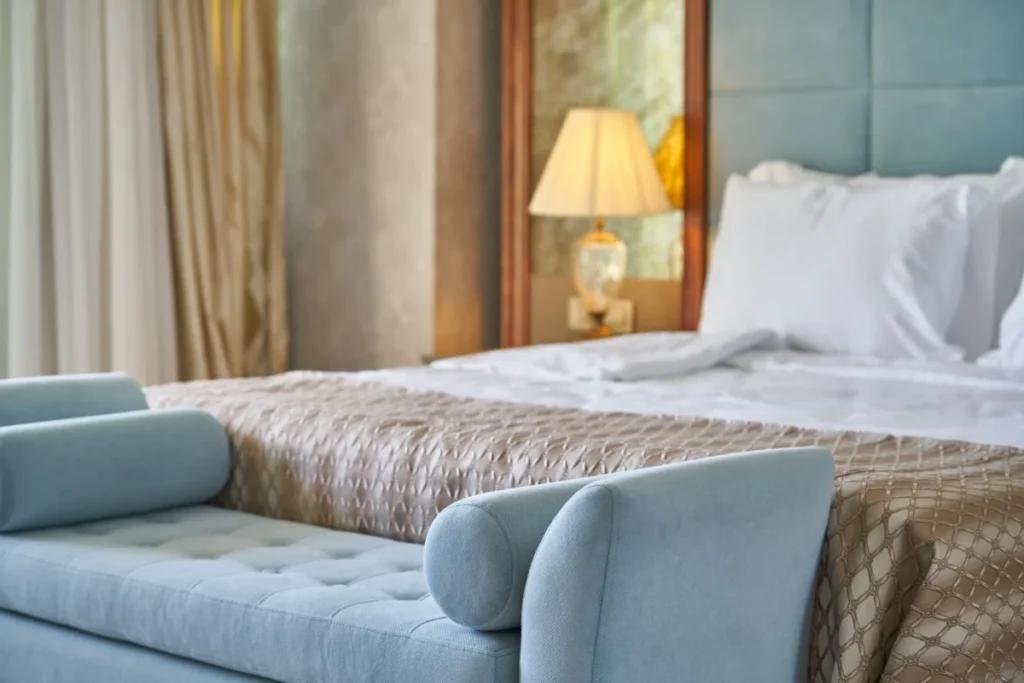
- Where to stayMost hotels here are small and in old buildings, so expect compact rooms and sometimes tiny lifts. Choose the southern Marais, between Rue de Rivoli and the Seine, if you want to be closest to the metro and Notre-Dame.
Did you know?
| Built on a marsh Marais means marsh — the area was wet farmland before it was drained and built up in the Middle Ages. |
| Victor Hugo's apartment Victor Hugo lived at 6 Place des Vosges from 1832 to 1848; the flat is now a museum. |
| The oldest planned square Place des Vosges was inaugurated in 1612 and is the oldest planned square in Paris. |
| The history of Paris for free The permanent collections of the Musée Carnavalet, the museum of the history of Paris, are free to visit. |