



Île de la Cité
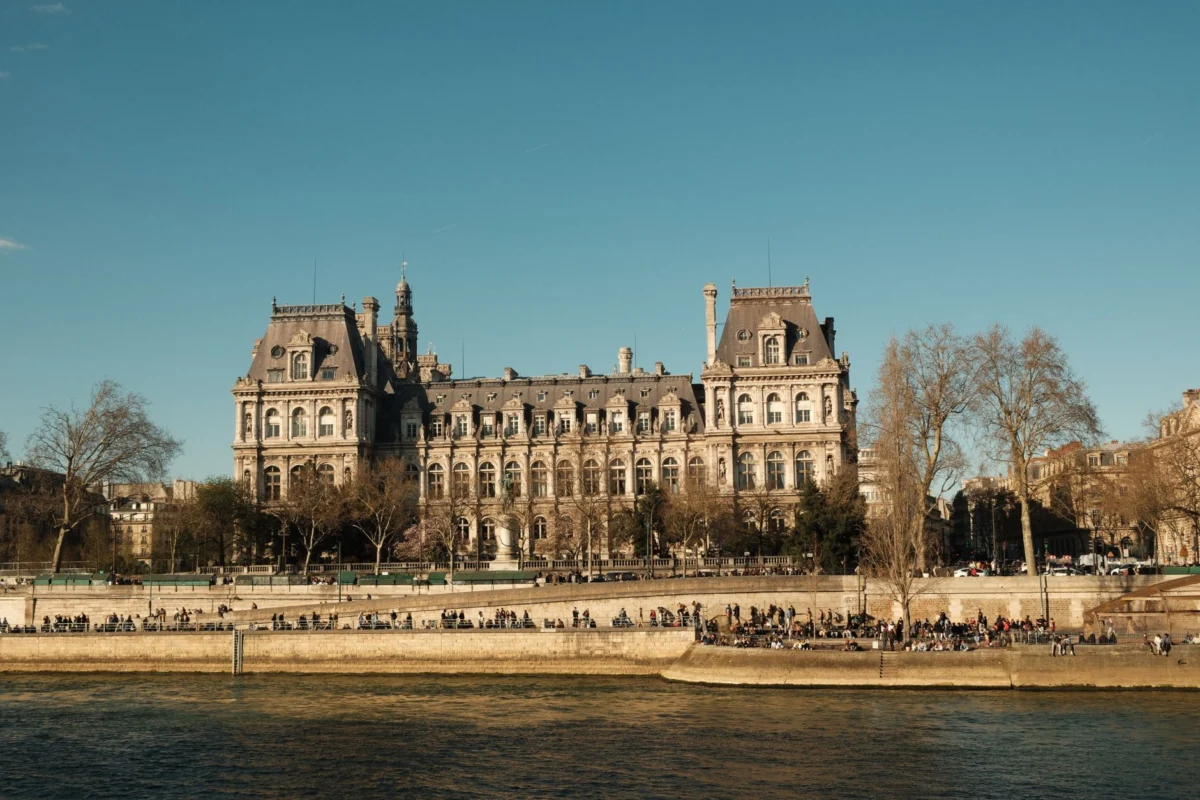
Paris started on this island, and almost every era has left something here. Under the square in front of Notre-Dame lie Roman quay walls and medieval cellars; at the other end stands the palace of the medieval kings, with its royal chapel and the prison of the Revolution. Only a few hundred people actually live on the island, most of it given over to the cathedral, the law courts and the police headquarters.
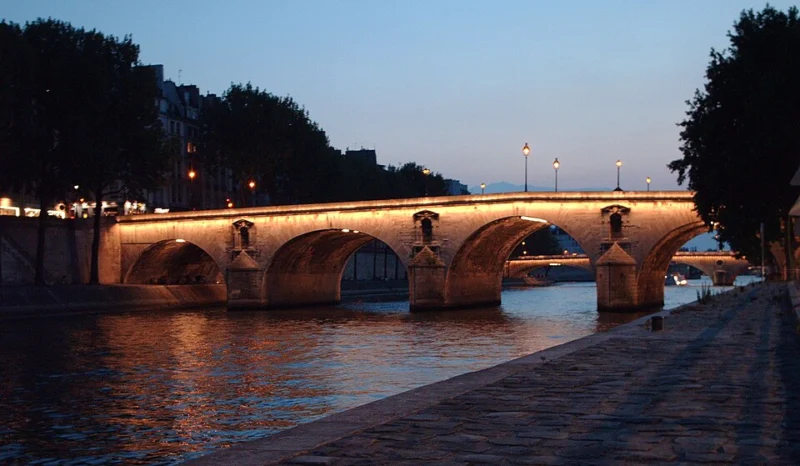
Start early: Notre-Dame at opening time, then down into the Crypte Archéologique before the school groups. Save the middle of the day for Sainte-Chapelle and the Conciergerie, where Marie Antoinette spent her last weeks. In the evening, walk out onto the Pont Neuf, the oldest standing bridge in Paris.
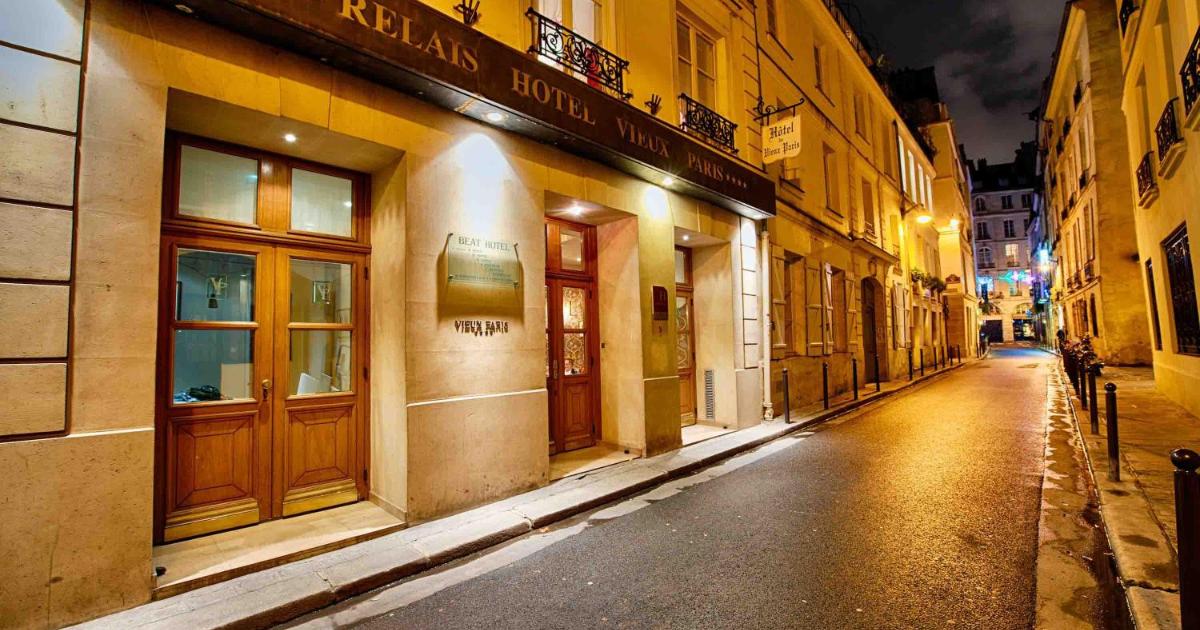
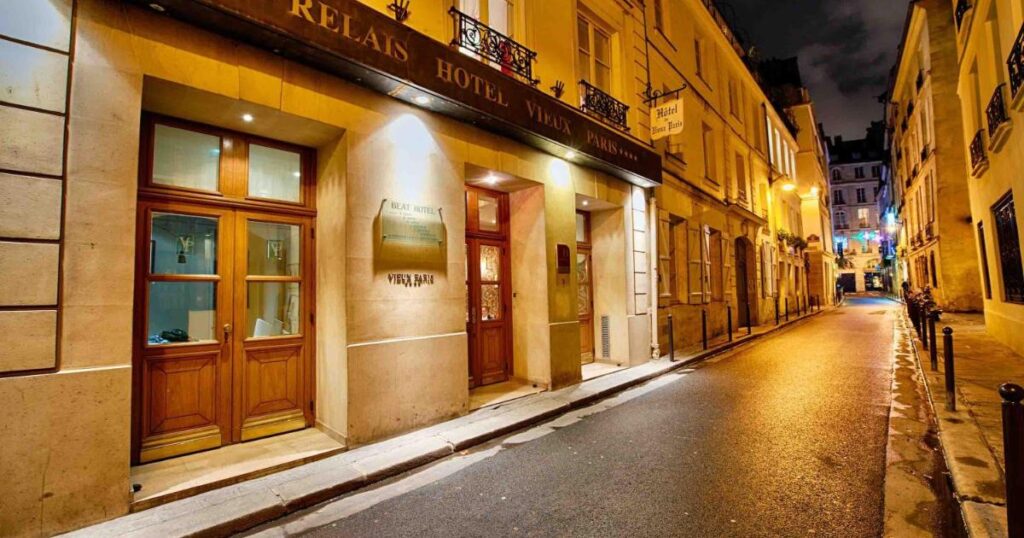
The honest downside: there are almost no hotels on the island, and it empties after dark. Most history lovers sleep on Île Saint-Louis or in the Marais and walk over in ten minutes.
Local picks
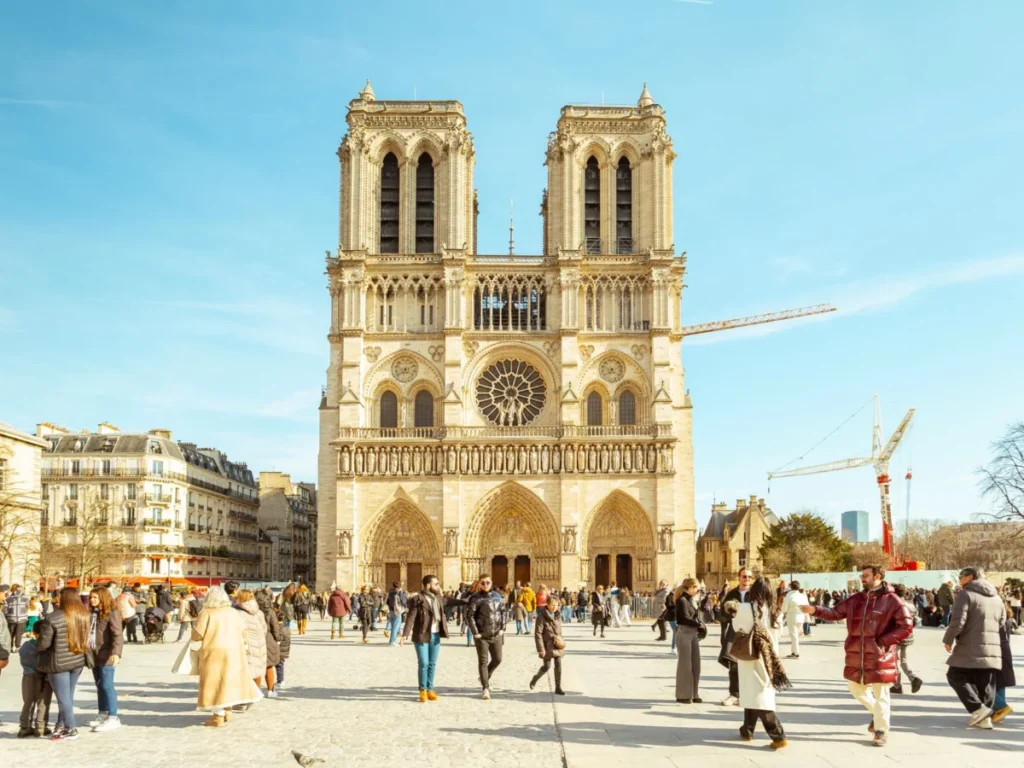
For Culture & History- 1Early morningNotre-Dame CathedralRebuilt after the 2019 fire and reopened in December 2024, with free entry to the nave. Go at opening time, then walk round the outside to the east end to see the flying buttresses from the garden.
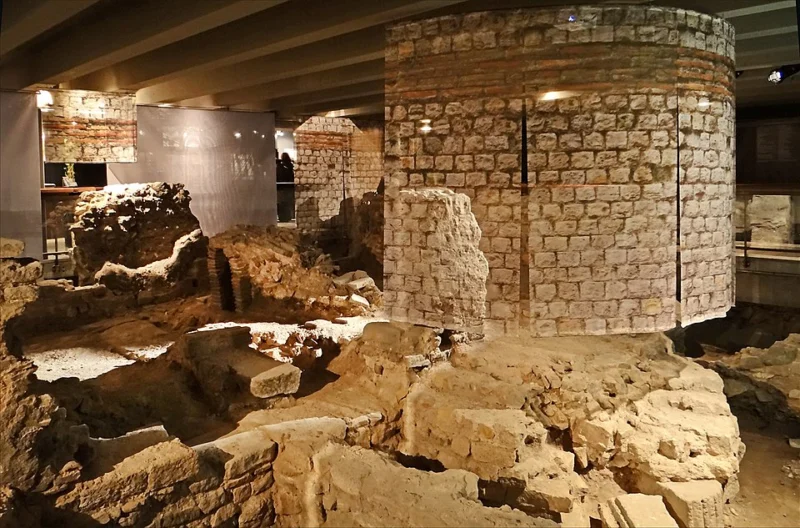 2Under the squareCrypte ArchéologiqueSteps under the parvis lead down to Roman quay walls, a late Roman city wall and cellars of medieval houses that stood in front of the cathedral. Allow 45 minutes; it is quiet even when Notre-Dame is packed.
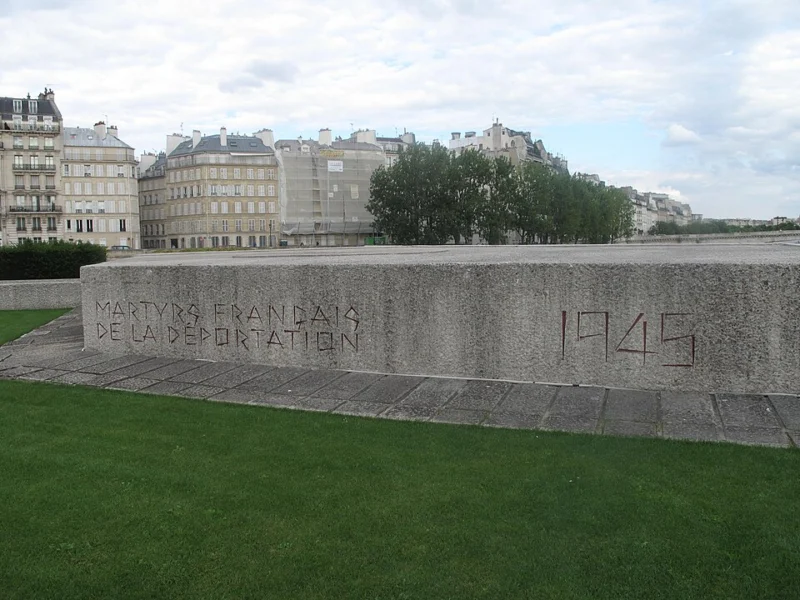 3Quiet historyMémorial des Martyrs de la DéportationAt the eastern tip of the island, behind the cathedral, a stark memorial from 1962 remembers the 200,000 people deported from France to Nazi camps. You walk down into it, almost at river level. Closed on Mondays.
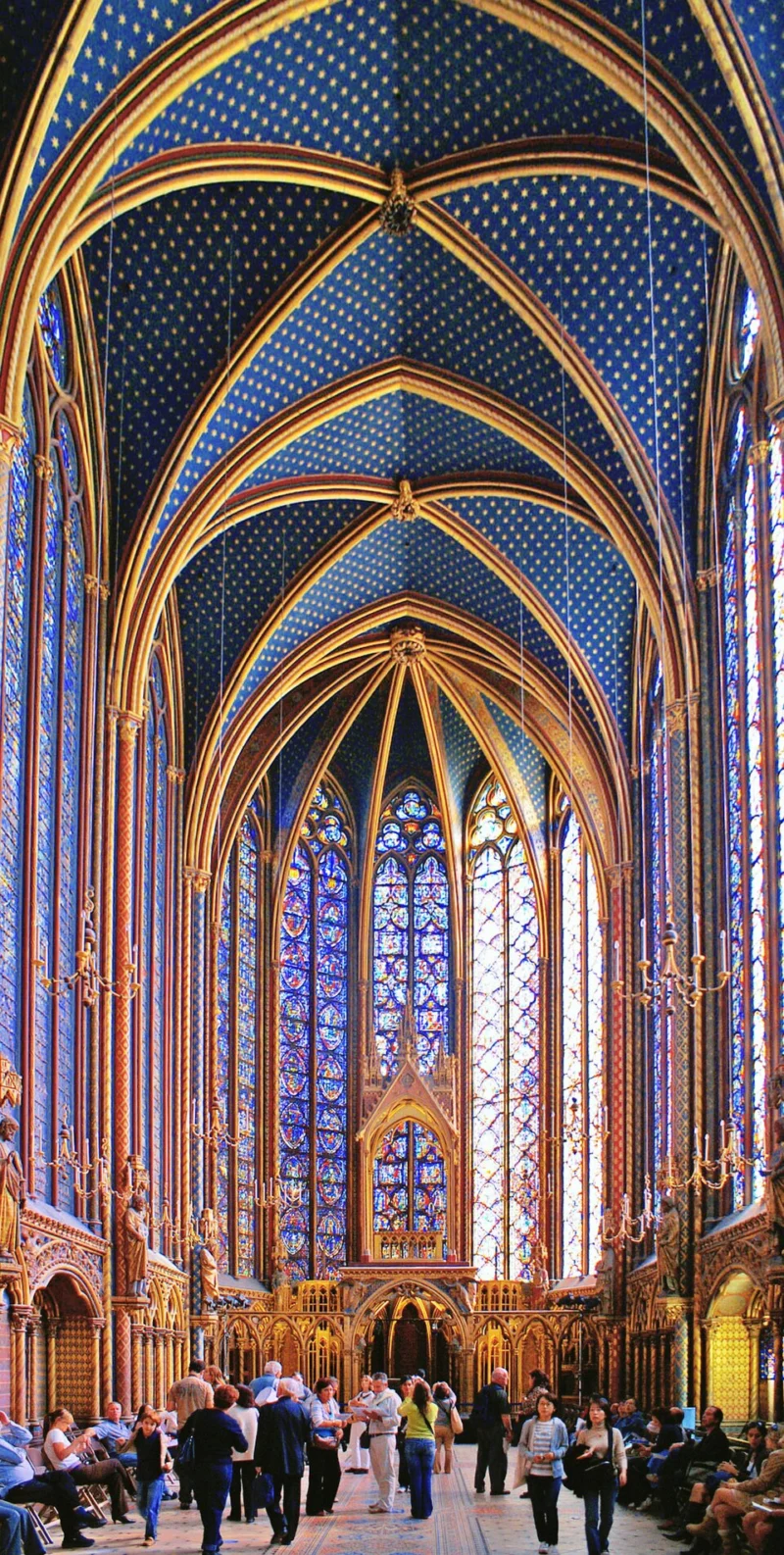 4Must seeSainte-ChapelleConsecrated in 1248 to hold the relics Louis IX bought from Constantinople, the upper chapel is walled almost entirely in 13th-century glass. Book a time slot and go on a bright day.
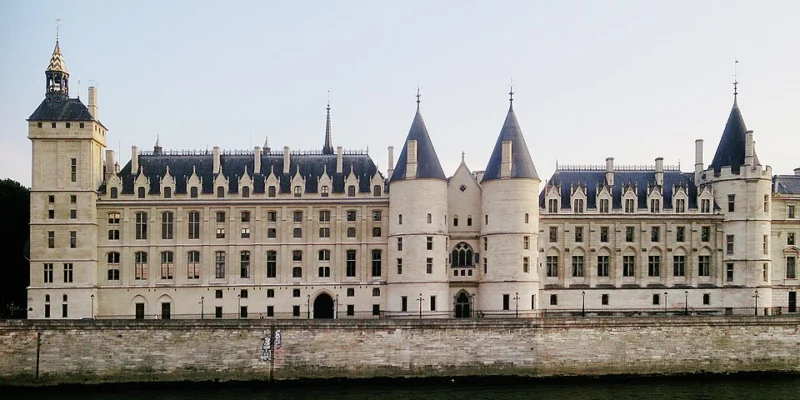 5Palace and prisonConciergerieThe Gothic Hall of the Men-at-Arms is one of the largest surviving medieval halls in Europe. Upstairs, the cells and the chapel tell the story of the Revolutionary Tribunal and its prisoners, Marie Antoinette among them.
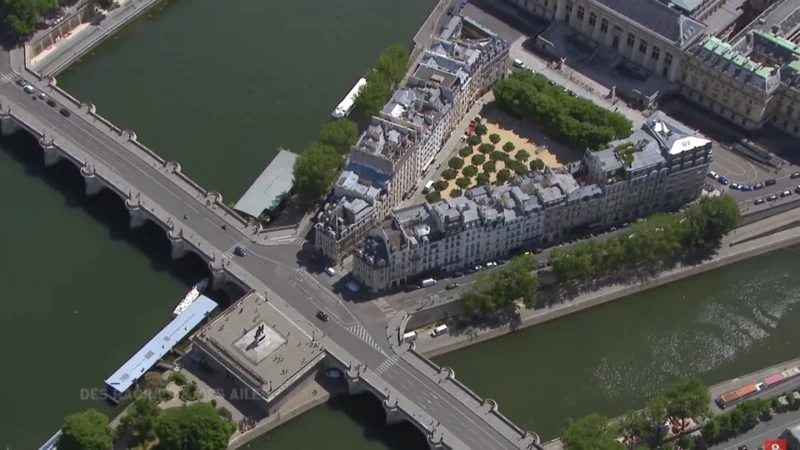 6Henri IV’s squarePlace DauphineHenri IV laid out this triangular square in 1607 and named it after his son, the future Louis XIII. Two of its original brick-and-stone houses still stand at the entrance from the Pont Neuf.
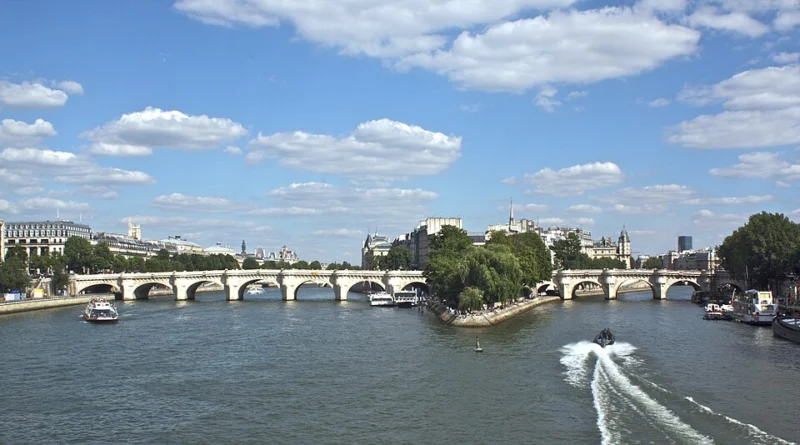 7EveningPont NeufFinish on the bridge that was new in 1607 and is now the oldest in Paris. Look for the grotesque stone masks under the cornice, and the equestrian statue of Henri IV in the middle.
- Getting aroundCité · Saint-Michel Notre-DameMetro line 4 stops at Cité in the middle of the island. Across the bridge, Saint-Michel Notre-Dame has RER B and C — the B goes straight to Charles de Gaulle airport.
- Where to stayThe island itself has only a handful of hotels and apartments, so look just across the bridges on Île Saint-Louis, in the Marais or in the Latin Quarter. Apartments near Notre-Dame are good for longer stays, but check how many flights of stairs you will climb.
Did you know?
| Notre-Dame begun in 1163 Construction started under Bishop Maurice de Sully and took almost two centuries. |
| Marie Antoinette’s last prison The queen was held in the Conciergerie from August 1793 until her execution in October. |
| Roman Lutetia under the square The Crypte Archéologique shows remains of a Gallo-Roman quay and later city walls. |
| The oldest bridge in Paris Completed in 1607, the Pont Neuf is the oldest standing bridge across the Seine in the city. |