


Centro
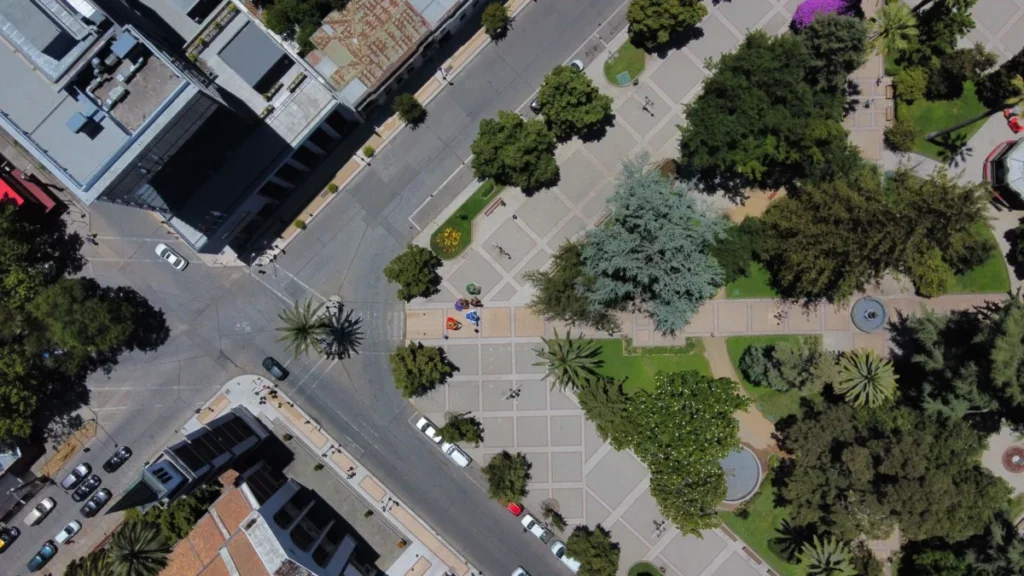
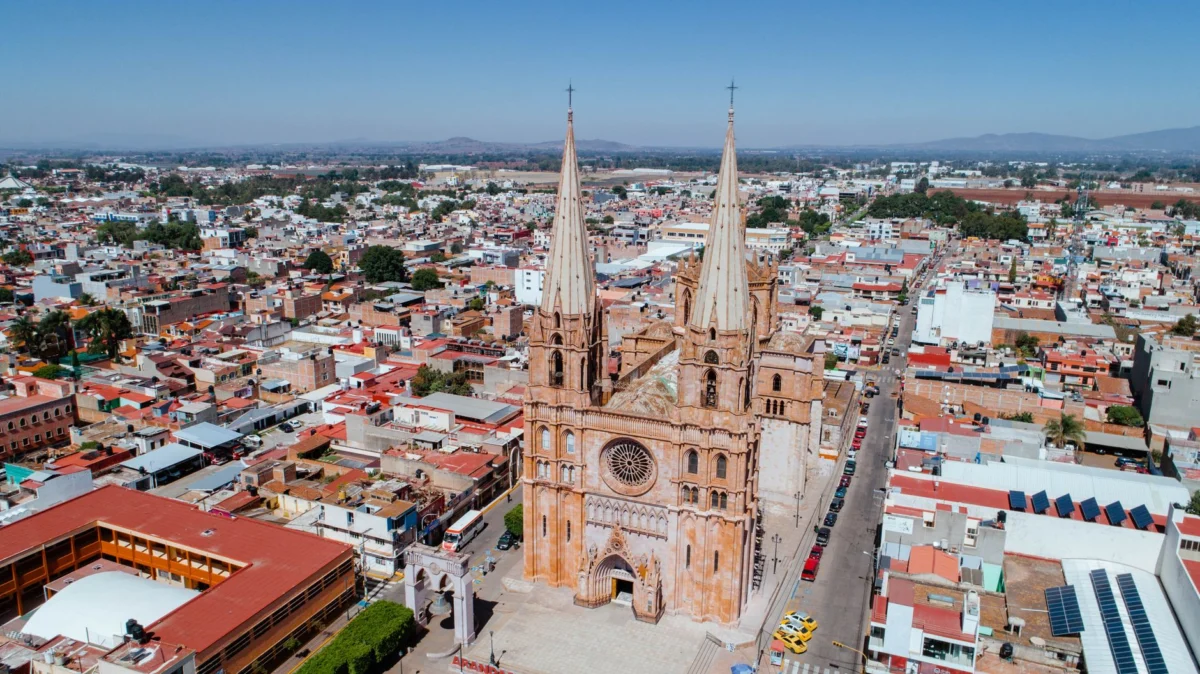
Centro puts Salta’s essential sights within an easy walking grid. From Plaza 9 de Julio, you can reach the Cathedral Basilica on España, the Cabildo Histórico and Museo Histórico del Norte, and the Museo de Arqueología de Alta Montaña on Mitre without arranging transport. Calle Caseros leads to the Iglesia San Francisco, whose red-and-gold façade is one of the city’s most recognisable landmarks, while Calle Alvarado and Calle Buenos Aires provide a useful mix of cafés, bakeries, pharmacies, and casual restaurants. The central blocks also make it simple to return to a hotel between museum visits or before an evening meal.
For first arrivals, the area’s practical advantage is its concentration of transport and services. Taxis and local buses pass along major streets such as San Martín and Belgrano, and the Mercado San Miguel on Avenida San Martín is a straightforward place to browse produce, snacks, and everyday groceries. Walk south or east for more restaurants, or continue toward Parque San Martín and the lower station of the Teleférico San Bernardo. Choose a hotel near the plaza for landmark access, or a room on a quieter side street if you want the same walkability with less traffic noise. Plaza 9 de Julio, the cathedral, and Museo de Arqueología de Alta Montaña are the strongest reasons to make Centro a first base.
| Salta was founded on 16 April 1582 Hernando de Lerma founded San Felipe de Lerma in the Valley of Salta, the city's original name. |
| Salta's Cabildo is a colonial survivor The Cabildo houses the Museo Histórico del Norte and is one of Argentina's best-preserved colonial buildings. |
| The Cathedral took 24 years to complete Construction of Salta's current Cathedral Basilica began in 1858 and was completed in 1882. |
| Güemes rests in Salta Cathedral The Cathedral's Pantheon of the Heroes of the North holds the remains of General Martín Miguel de Güemes. |