




20 de Febrero
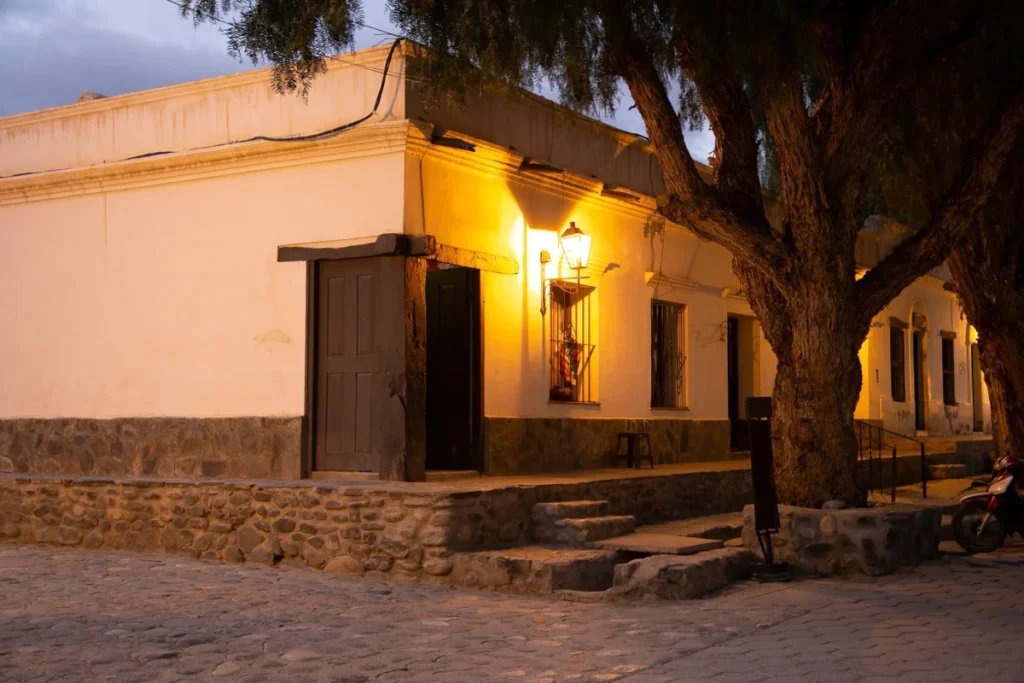
Around Plaza 20 de Febrero and the streets running toward Avenida Belgrano, this area keeps daily costs manageable without putting you far from Salta's historic core. Avenida Sarmiento and Avenida Entre Ríos provide useful north-south and east-west connections, while Calle Balcarce leads toward the city's well-known peña and restaurant strip. Small bakeries, casual cafés and grocery shops along the surrounding blocks make it practical to assemble breakfast or a packed lunch instead of eating out for every meal. The area also sits close to the railway corridor and the Tren a las Nubes station on Ameghino, useful if your itinerary includes an early departure.
From most stays near the plaza, you can walk to Plaza 9 de Julio, the Cathedral of Salta, the Museo de Arqueología de Alta Montaña and the Museo Histórico del Norte in roughly 15 to 20 minutes. That central position means less money spent on short taxi rides, while SAETA buses on Avenida Belgrano and nearby avenues cover longer trips across the city. Rooms here are often simpler than the most social hostels in Centro, but they can offer more space, kitchens or private bathrooms. Check the distance from your booking to Avenida Belgrano if you arrive with a heavy pack, since the main pedestrian sights are easiest to reach from that side.
| The neighbourhood takes its name from 1813 20 de Febrero commemorates the Battle of Salta, fought on 20 February 1813. |
| Belgrano won the Battle of Salta here General Manuel Belgrano defeated royalist forces at Campo Castañares on 20 February 1813. |
| A 1913 monument marks the independence victory The Monumento a la Batalla de Salta was inaugurated in Parque 20 de Febrero for the battle's centenary. |
| Parque 20 de Febrero is a local green escape The park surrounds the battle monument and offers shaded paths away from Salta's central tourist streets. |