

Explore Guides
Local food map
Seoul (South Korea)

Hotels in area
Main course
Meat
Food Flavour DNA
Nutritional Values
590kcal
25gProtein
85gCarbs
15gFat
5gFibre
400 gServing
* Per serving · 400 g. May vary.
Allergens
🌾 Gluten
🫘 Soy
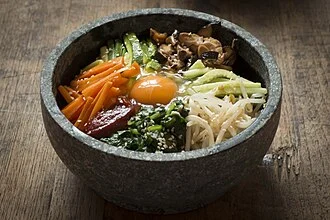
Bibimbap
How to order / say it
Say it
비빔밥 — [bee-bim-bahp]
Order
I'd like the bibimbap, please.
Locally
비빔밥 주세요.
Say locally
A mixed rice dish with assorted vegetables and beef, often topped with a fried egg.
Why try it?
Bibimbap showcases the Korean concept of balance and the use of varied seasonal ingredients. It reflects Seoul's vibrant food culture by bringing together diverse textures and flavors in one meal.
How it tastes
Bibimbap is a harmonious blend of flavors — nutty, savory, with a hint of sweetness. The rice base is complemented by sautéed vegetables and beef, creating a mixture of soft and crunchy textures.
Origin & History — first documented: 1800
Dating back to the late Joseon Dynasty in the 19th century, bibimbap was traditionally consumed during harvest season or New Year celebrations. Its convenient and nutritionally balanced nature made it a staple across regions of Korea.
Recipe
Ingredients
- 🌾 200 g white rice
- 🥩 100 g beef
- 🥕 50 g spinach
- 🥕 50 g carrot
- 🥕 50 g bean sprouts
- 🥣 20 ml soy sauce
- 🧂 30 g gochujang
Method
- 1 Cook rice and set aside.
- 2 Sauté beef with soy sauce and set aside.
- 3 Prepare and sauté each vegetable separately.
- 4 Assemble rice, beef, and vegetables in a bowl; top with a fried egg and gochujang.
More from Jeonju
 © Wikimedia Commons
Snack
Vegetarian
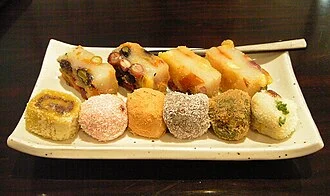
Millet Pancake
밀떡만두
Mil-ttok-mahn-doo
A savory pancake made with glutinous millet dough, filled with vegetables or meat.
 © Wikimedia Commons
Snack
Vegetarian
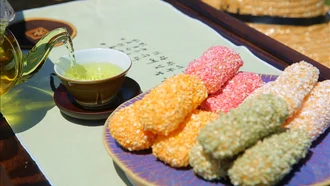
Fried Dough Twists
강정
gahng-jung
Sweet, crispy fried dough twists coated in syrup.
 © Wikimedia Commons
Snack
Vegetarian
Hotteok
호떡
HOH-tok
Korean sweet pancakes filled with brown sugar and nuts.
Side dish
Fish & Seafood
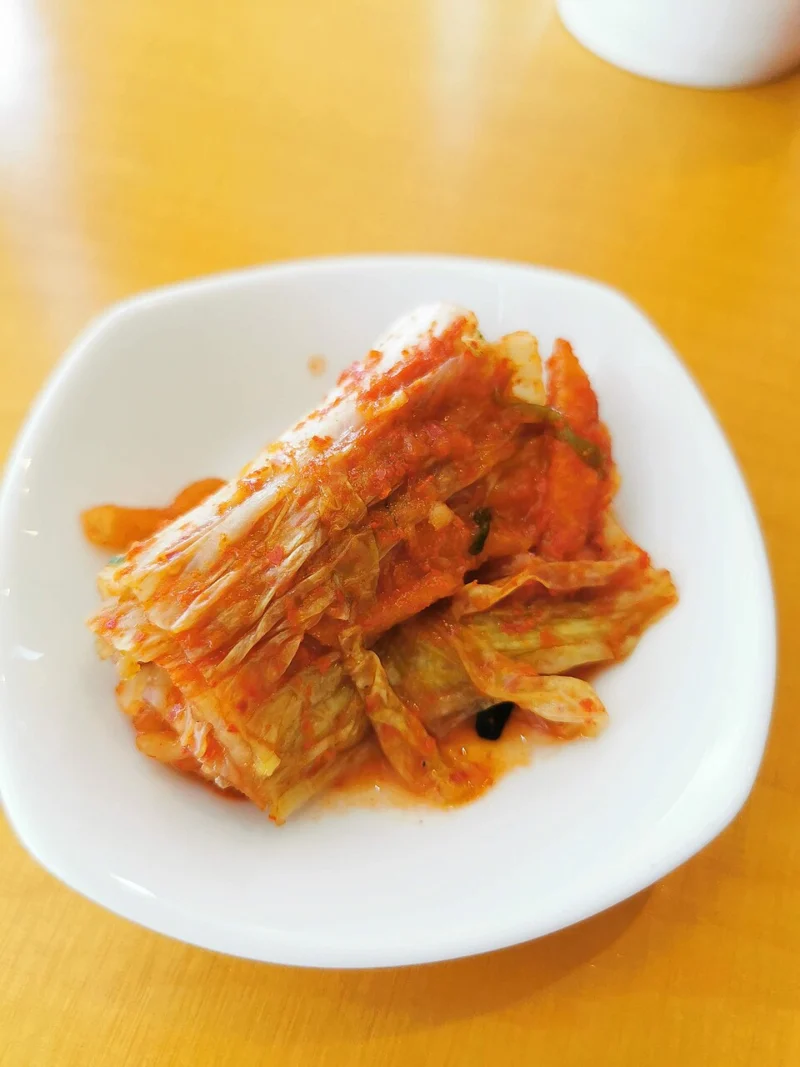
Kimchi
김치
kim-chee
A fermented vegetable dish, primarily made of napa cabbage and Korean radishes.
 © Wikimedia Commons
Soup
Fish & Seafood
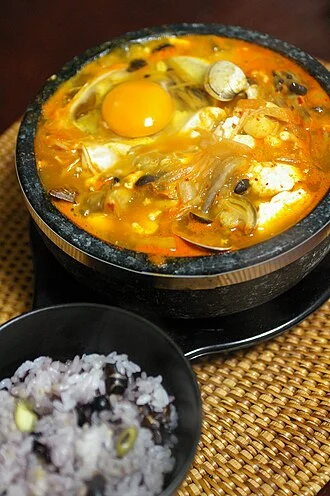
Sundubu-jjigae
순두부찌개
soon-doo-boo-chee-geh
Spicy soft tofu stew served with various additions like meat or seafood.
 © Wikimedia Commons
Soup
Meat
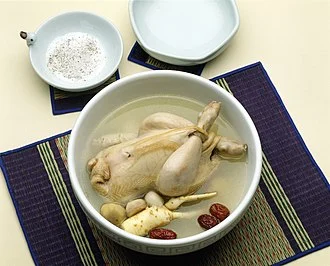
Samgyetang
삼계탕
sam-gyay-tang
Ginseng chicken soup with a whole young chicken stuffed with rice and herbs.
 © Wikimedia Commons
Soup
Meat
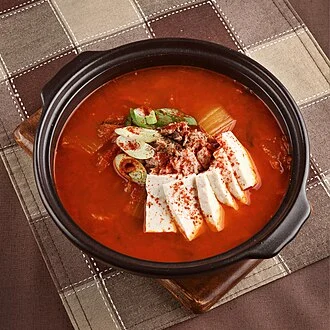
Kimchi Jjigae
김치찌개
kim-chee jee-geh
A hearty Korean stew made with kimchi, tofu, and pork.
 © Wikimedia Commons
Soup
Fish & Seafood
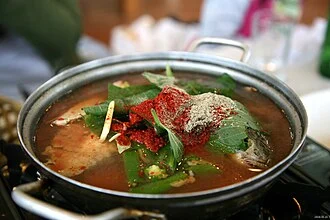
Busan Spicy Fish Soup
매운탕
Mai-oon-tang
A fiery Korean soup made with fresh fish and vegetables.
 © Wikimedia Commons
Main course
Meat
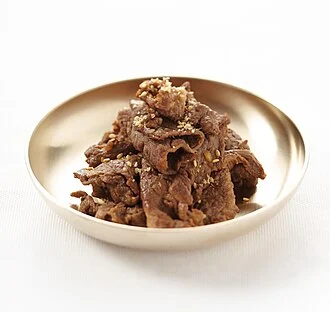
Bulgogi
불고기
bool-goh-gee
Thinly sliced marinated beef barbecued or grilled over an open flame.
 © Wikimedia Commons
Street food
Vegan
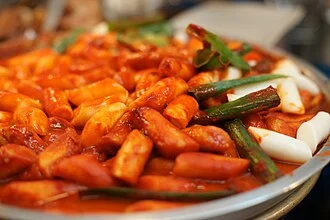
Tteokbokki
떡볶이
tuhk-bohk-kee
Spicy and sweet rice cakes cooked in a chili-based sauce.