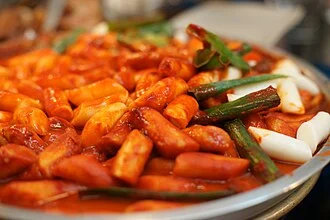
Explore Guides
ASIA / SOUTH KOREA
Triplandio Seoul guide covers 11 travel guides across 32 areas, complete with hotel picks. Explore 44 self-guided walking tours in Seoul with 140 POI, spanning 135.4 km in total. Get inspired by 13 local dishes, complete with recipes and our unique Food Flavour DNA graph.
Seoul
City & Country Data Seoul (South Korea)

Key travel data for Seoul — local prices, safety, healthcare, local currency and essentials, curated by Triplandio.
🌍 South Korea
Safety
70
Health
94
Lifestyle
62
Infra
100
Rank
#10
Score
68
Tourists
2.5M/y
GDP/cap
$36.2k
Life Exp
83.6 yrs
Population
51.7M
Currency
KRW ₩
Language
Korean
Payments
Cards OK
Emergency
112
💰 Prices in Seoul
Coffee
$3.85
Beer
$3.85
Lunch
$9.63
Groceries
$35.00/w
Taxi/km
$1.85
Transit
$1.15
Fuel
$1.25/l
Internet
$30.00/m
Salary
$2,000/m
Travel tipsSeoul (South Korea)

Quick tips
- Even a little cannabis means prison — Critical
South Korea punishes possessing or using any illegal drug, including small amounts of cannabis, with long prison terms and heavy fines. Foreigners have been detained on the basis of a positive drug test alone.
- Foreigners can't join political protests — Critical
Under Korean law it is illegal for foreign visitors to take part in political activities, including demonstrations. Stay away from rallies, however peaceful they look.
- Drivers are blamed for pedestrian accidents — Critical
Korean police treat drivers as at fault in accidents with pedestrians or cyclists. If you injure someone while driving, expect criminal charges and heavy penalties, even if guilt isn't proved.
- Some ADHD medicines are banned — Critical
Amphetamine-based medicines such as Adderall are illegal in South Korea, even with a prescription. Check your medicines with the Ministry of Food and Drug Safety before you travel.
- Check whether you need a K-ETA — Good to know
South Korea's online Korea Electronic Travel Authorization (K-ETA) is normally needed before a visa-free trip, but many nationalities, including UK and US citizens, are exempt until 31 December 2026. Apply only on the official government website.
- Do
- Give and receive with both hands
- Take shoes off where others do
- Leave priority seats free
- Use Naver Map or KakaoMap
- Carry your passport
- Don’t
- Touch cannabis in any form
- Join political protests
- Stick chopsticks upright in rice
- Pack amphetamine-based ADHD medicine
- Pour your own drink at a group meal
Critical
Prison or heavy penalty possible
Scams & safety
- Avoid dangerously packed crowds — Critical
In 2022 a crowd crush in Itaewon's narrow alleys killed over 150 people at Halloween. At big events in Seoul, stay out of packed lanes and leave early if the crowd stops moving.
Laws & fines
- Very low drink-driving limit — Critical
South Korea's drink-driving limit is 0.03% blood alcohol — often a single drink. Police run roadside checks, and penalties include prison and heavy fines.
Caution
Fines, losses or injury possible
Scams & safety
- Unlicensed taxis at the airport — Caution
Drivers who approach you inside Incheon Airport arrivals are often unlicensed and charge far over the meter. Use the official taxi rank outside or book through the Kakao T app.
- Friendly strangers asking about your “aura” — Caution
In central Seoul, polite strangers sometimes start a chat about your luck or ancestors, then invite you to a ceremony that ends with a demand for money. Politely say no.
Laws & fines
- Smoking only in marked zones — Caution
Smoking is banned in most indoor public places in South Korea and in many outdoor areas such as bus stops, parks and busy streets. Use the marked smoking booths; fines reach 100,000 won.
Entry & visa
- Use only the official K-ETA site — Caution
Websites offering to process your K-ETA (Korea Electronic Travel Authorization) for a fee are generally scams. If you need one, apply on the Korean government's official site and allow up to 72 hours.
- Health questionnaire if you're ill — Caution
Travellers with symptoms of illness, or coming from high-risk areas, must fill in a health questionnaire on arrival or online in advance (Q-Code). Skipping it can mean a fine of up to 10 million won.
Beaches & adventure
- Swim only where lifeguards are — Caution
Korean beaches have lifeguards and marked swimming zones only during the official summer season. Outside those hours and months, swimming is discouraged and currents can be strong.
- Flash floods in the rainy season — Caution
Heavy summer rain in June and July (jangma) causes flash floods near rivers and streams, even in cities, and landslides in the hills. Don't camp or walk in dry riverbeds.
Good to know
Rules and useful facts
Scams & safety
- Travel advisory: Level 1 of 4 — Good to know
Exercise Normal Precautions — the U.S. State Department's rating for South Korea.
- Nightlife areas after dark — Good to know
Thefts and some sexual assaults have been reported around bars in Seoul's Itaewon, Hongdae and Gangnam nightlife areas. Watch your drink and use licensed taxis or the subway home.
Getting around
- Gimpo (GMP) for domestic flights — Good to know
Gimpo Airport, closer to the centre, handles most domestic flights, including to Jeju, and some short international routes. It is on subway lines 5 and 9 and the airport railway.
Laws & fines
- Carry your passport — Good to know
Foreign visitors in South Korea must carry identification by law. Police rarely ask, but keep your passport with you rather than a photocopy.
- Follow instructions at the DMZ — Good to know
The demilitarised zone (DMZ) that divides the two Koreas is still a military frontier. Visit only on authorised tours, carry your passport and photograph only where your guide allows.
- Stop when civil defence sirens sound — Good to know
South Korea holds civil emergency drills announced by sirens. Traffic stops and people may be directed into subway stations. You needn't take part, but follow officials' instructions.
Entry & visa
- 90 days without a visa — Good to know
Many nationalities, including UK and US citizens, can visit South Korea for up to 90 days without a visa. You need an onward or return ticket, and working — including teaching English — is not allowed.
- Fill in the e-Arrival card — Good to know
Every foreign visitor to South Korea must submit an arrival card. Save time by filling in the free online e-Arrival card within 3 days before you land; paper forms are still available.
- Passport valid for your stay — Good to know
For a tourist visit of up to 90 days, your passport must be valid until the day you leave South Korea. Check the rules of any country you transit, which may need more.
Health
- Emergency numbers 119 and 1330 — Good to know
Call 119 in South Korea for an ambulance or fire service and 112 for police. The 1330 Korea Travel Hotline gives free help and interpreting in English at any hour.
- Yellow dust and fine dust — Good to know
Air pollution, including yellow dust blown from deserts in China and Mongolia, is common in South Korea, especially in spring. Check an air-quality app and wear a filter mask (KF94) on bad days.
- Hospitals want a guardian — Good to know
Korean hospitals are good but expensive, and staff may not speak English. Inpatients are often expected to bring a guardian (bohoja) to help with basic care, or to pay for a caregiver.
- Carry prescriptions in hand luggage — Good to know
Bring medicines in small personal amounts in your carry-on, with an English prescription from your doctor for both prescription and over-the-counter medicines.
- Ticks and mosquitoes outdoors — Good to know
Ticks in long grass can spread serious infections in South Korea, and there is a malaria risk near the border with North Korea in summer. Use repellent and cover your legs on hikes.
Beaches & adventure
- Hike on marked trails only — Good to know
Hiking is hugely popular in South Korea's national parks. Stay on marked trails, and check before you go — some trails close during spring and autumn forest-fire prevention periods.
- Typhoons June to November — Good to know
Typhoons can hit South Korea from June to November, mostly in late summer. Follow the Korea Meteorological Administration and the alerts sent to your phone.
Local tips
Local know-how
Getting around
- Incheon (ICN) → Seoul Station by AREX — Local tip
The express train of the Airport Railroad (AREX) runs non-stop from Incheon Airport to Seoul Station in about 45 minutes; the cheaper all-stop train takes about an hour.
- Airport limousine buses — Local tip
Airport limousine buses from Incheon go to the main hotel districts, including Myeongdong and Gangnam, in about 60–90 minutes. Buy tickets at the counters in arrivals.
- T-money card for everything — Local tip
Buy a rechargeable T-money card at any convenience store and top it up with cash. It works on Seoul's subway and buses, in most taxis and at convenience-store tills.
- Unlimited travel with the Climate Card — Local tip
Seoul's short-term Climate Card gives unlimited rides on the city's subway and buses for 1 to 7 days. It pays off if you make several trips a day.
- Book taxis by app — Local tip
The Kakao T and Uber apps both work in Seoul and show the fare route in advance. Most drivers speak little English, so have your destination written in Korean.
Customs
- Use both hands — Local tip
In Korea, give and receive money, cards, gifts and drinks with both hands, or with your right hand supported by your left. It shows respect, especially to older people.
- Take your shoes off indoors — Local tip
Take your shoes off in Korean homes, guesthouses, temple halls and restaurants with floor seating. Look for a step up or a row of shoes at the entrance.
- Leave priority seats free — Local tip
On Korean subways, seats at the ends of carriages are for older, disabled and pregnant passengers, and pink seats are reserved for pregnant women. Leave them empty even when the train is full.
- Chopstick manners — Local tip
Don't stick your chopsticks upright in a bowl of rice — it resembles offerings made to the dead in Korea. Lay them on the table or the chopstick rest.
- Drinking with Koreans — Local tip
When drinking with Koreans, don't pour your own glass — pour for others and let them fill yours. Turn slightly away from older people when you drink.
Tipping & money
- No tipping in South Korea — Local tip
Tipping isn't part of Korean culture, and staff may try to return the money. Upmarket hotels may add a service charge to the bill.
- Cards work almost everywhere — Local tip
Credit cards and contactless payments are accepted almost everywhere in South Korea, even for small amounts. Carry some cash for street food stalls and traditional markets.
- Find a “Global ATM” — Local tip
Not every Korean cash machine accepts foreign cards. Look for machines marked “Global ATM” in banks, subway stations and convenience stores.
- Claim tax back as you shop — Local tip
Shops showing a “Tax Free” sign in South Korea can deduct tax on the spot or give you a refund form when you show your passport. Keep the receipts for the airport.
- Bargain only at markets — Local tip
Prices in Korean shops are fixed. At traditional markets you can ask politely for a small discount on several items, but hard haggling isn't usual.
Beaches & adventure
- Get the Emergency Ready App — Local tip
Emergency alerts reach every phone in South Korea, but mostly in Korean. The government's free Emergency Ready App explains the alerts and shelters in English.
Say it locally
Add a slight bow when you greet or thank someone, and use the polite “-yo” and “-nida” forms shown here.
Through the year
Festival or season Public holiday (exact date)
- Autumn foliage
Oct–Nov 2026 · Clear skies and red leaves make October and November the best months; mountain parks are busy at weekends.
- Freezing winters
Dec 2026–Feb 2027 · Seoul often drops well below 0°C, with icy winds; ski resorts in Gangwon province open.
- Christmas Day
Fri 25 Dec 2026 · Public holiday
- New Year's Day
Fri 1 Jan 2027 · Public holiday
- Seollal
7–8 Feb 2027 · Public holiday
- Spring dust season
Mar–May 2027 · Yellow dust and fine-dust pollution peak in spring; check the air index and carry a filter mask.
- Cherry blossom
Mar–Apr 2027 · Cherry trees bloom from late March in the south to early April in Seoul; popular spots get very crowded.
- Independence Movement Day
Mon 1 Mar 2027 · Public holiday
- Lotus Lantern Festival
Apr–May 2027 · Seoul celebrates Buddha's Birthday with a lantern parade and lanterns at temples; the date follows the lunar calendar.
- Labor Day
Sat 1 May 2027 · Public holiday
- Children's Day
Wed 5 May 2027 · Public holiday
- Buddha’s Birthday
Thu 13 May 2027 · Public holiday
- Rainy season (jangma)
Jun–Jul 2027 · Weeks of heavy rain and high humidity; flash floods are possible and hiking trails may close.
- Memorial Day
Sun 6 Jun 2027 · Public holiday
- Constitution Day
Sat 17 Jul 2027 · Public holiday
- Typhoon peak
Aug–Sep 2027 · Late summer brings most typhoons; flights and ferries, especially to Jeju, may be cancelled.
- Liberation Day
Sun 15 Aug 2027 · Public holiday
- Chuseok
14–16 Sep 2027 · Public holiday
- National Foundation Day
Sun 3 Oct 2027 · Public holiday
- Hangeul Proclamation Day
Sat 9 Oct 2027 · Public holiday
Sources: GOV.UK travel advice · U.S. State Dept · Google public holidays
Best time to visit Seoul (South Korea)
Now (November) avg high: 11°C, mostly dry, full season — expect crowds. Best months to walk: Nov & Apr.
Live Temp
…
~Day / Night Temp
11°C / 2°C
Sunrise / Sunset
7:03 / 17:29
Local time
8:55
Sea Temp
16°C
Best Months  Nov & Apr
J
Jan
F
Feb
M
Mar
A
Apr
M
May
J
Jun
J
Jul
A
Aug
S
Sep
O
Oct
N
Nov
 D
Dec
M
May
J
Jun
J
Jul
A
Aug
S
Sep
O
Oct
N
Nov
D
Dec
Check Seoul hotels
Temperature
Average daytime high, month by month. Zero line marks freezing point.
Crowds
How busy it gets — traveller interest by month.
Sea temperature
Sea warmth for swimming, by month.
Rainfall
Rainy days to expect each month.
Sunshine
Hours of sun per day, by month.
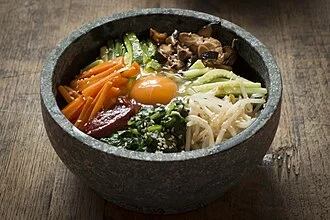
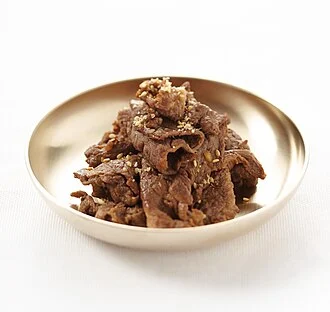
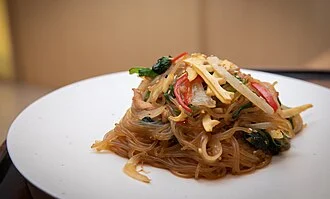
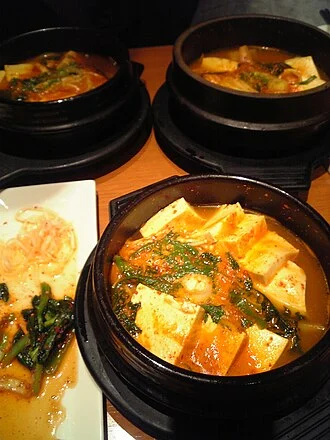
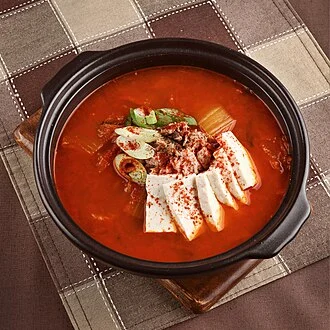
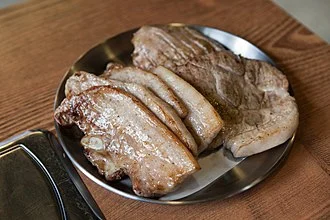
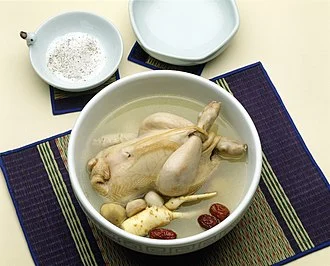
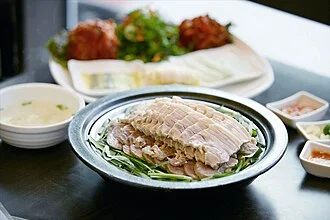
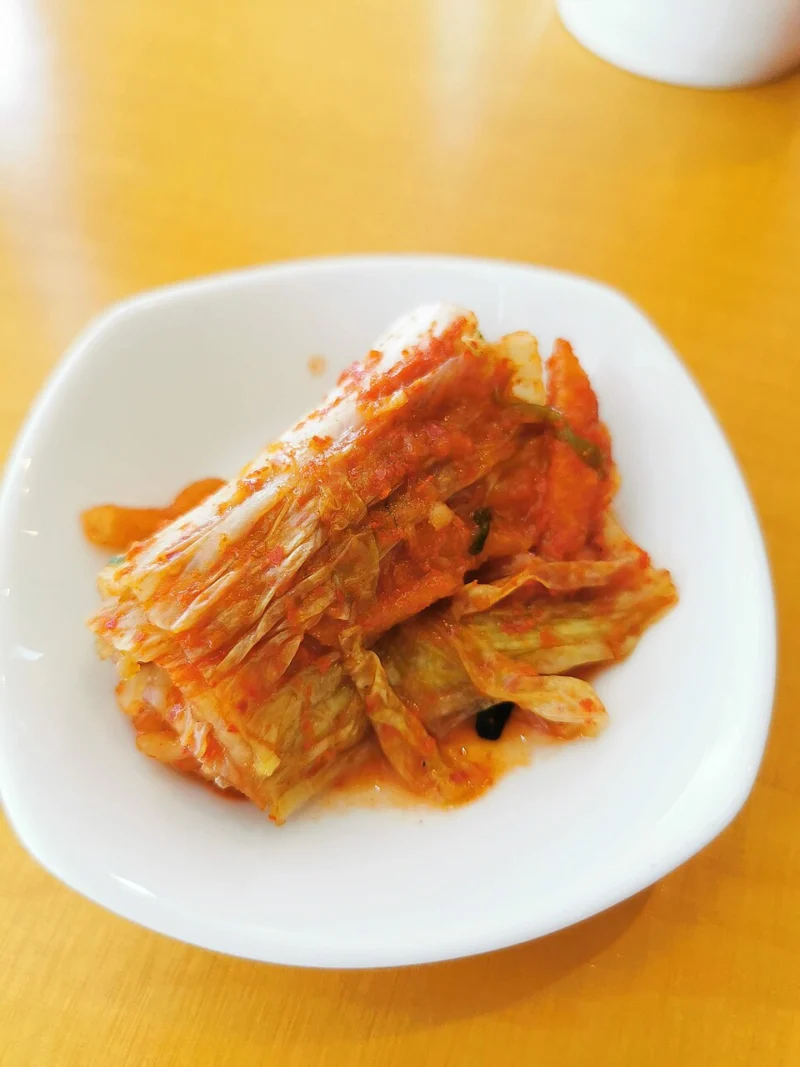
A mixed rice dish with assorted vegetables and beef, often topped with a fried egg. Thinly sliced marinated beef barbecued or grilled over an open flame. Savory and slightly sweet stir-fried glass noodles with vegetables. Korean stew often made with meat, seafood, or vegetables. A fermented vegetable dish, primarily made of napa cabbage and Korean radishes. A hearty Korean stew made with kimchi, tofu, and pork. Grilled pork belly pieces served with various side dishes. Ginseng chicken soup with a whole young chicken stuffed with rice and herbs. Boiled pork slices served with napa cabbage and spicy condiments. Spicy and sweet rice cakes cooked in a chili-based sauce.
Traditional Local Food
Seoul (South Korea)
Main course
Meat
Bibimbap
비빔밥
bee-bim-bahp
Main course
Meat
Bulgogi
불고기
bool-goh-gee
Main course
Vegetarian
Japchae
잡채
jahp-cheh
Soup
Fish & Seafood
Jjigae
찌개
jee-gae
 Side dish
Fish & Seafood
Kimchi
김치
kim-chee
Soup
Meat
Kimchi Jjigae
김치찌개
kim-chee jee-geh
Main course
Meat
Samgyeopsal
삼겹살
sahm-gyup-sahl
Soup
Meat
Samgyetang
삼계탕
sam-gyay-tang
Main course
Meat
Su Yuk
수육
soo-yook
Street food
Vegan
Tteokbokki
떡볶이
tuhk-bohk-kee