Explore Guides
OCEANIA / NEW ZEALAND
Triplandio Auckland guide covers 13 travel guides across 21 areas, complete with hotel picks. Explore 46 self-guided walking tours in Auckland with 128 POI, spanning 117 km in total. Get inspired by 26 local dishes, complete with recipes and our unique Food Flavour DNA graph.
Auckland
City & Country Data Auckland (New Zealand)

Key travel data for Auckland — local prices, safety, healthcare, local currency and essentials, curated by Triplandio.
🌍 New Zealand
Safety
100
Health
79
Lifestyle
86
Infra
69
Rank
#21
Score
64
Tourists
996K/y
GDP/cap
$49.6k
Life Exp
82.0 yrs
Population
5.3M
Currency
NZD NZ$
Language
English
Payments
Cashless
Emergency
111
💰 Prices in Auckland
Coffee
$3.80
Beer
$7.50
Lunch
$15.00
Groceries
$50.00/w
Taxi/km
$2.00
Transit
$2.50
Fuel
$2.00/l
Internet
$60.00/m
Salary
$3,000/m
Travel tipsAuckland (New Zealand)

Quick tips
- Declare every bit of food — Critical
New Zealand's biosecurity rules are among the world's strictest. Declare all food, plants and animal products on arrival or bin them — even a forgotten apple can mean an instant 400 NZ dollar fine, and serious cases up to 100,000 dollars or prison.
- Mountain weather turns fast — Caution
Sunshine in New Zealand's hills can become snow, gales or fog within hours, even in summer. Check the forecast, carry warm layers and leave your route with someone before a hike.
- Drive on the left, slowly — Caution
New Zealand roads are narrow, winding and hilly, and journeys take longer than the map suggests. Visitors driving on the left for the first time are often involved in crashes — take breaks and don't rush.
- Get an NZeTA before you fly — Good to know
Visitors who don't need a visa, including UK and US citizens, must get a New Zealand Electronic Travel Authority (NZeTA) online before travelling and pay a tourism levy. Allow up to 72 hours.
- Codeine needs a prescription — Good to know
All codeine products are prescription-only controlled drugs in New Zealand. Declare them and any other prescription medicines on arrival, with proof they are for your own use.
- Do
- Declare all food on arrival
- Drive on the left and take breaks
- Swim between the flags
- Book Great Walk huts early
- Wear sunscreen even on cloudy days
- Don’t
- Pack fruit, meat or honey
- Leave valuables in your hire car
- Camp in a van without a toilet
- Underestimate mountain weather
- Feed the kea or other wild birds
Critical
Prison or heavy penalty possible
Scams & safety
- West coast beaches are dangerous — Critical
Auckland's black-sand west coast beaches — Piha, Karekare and Muriwai — have powerful rips and big surf, and drownings happen every year. Swim only between the lifeguard flags.
Laws & fines
- Drug import means long prison terms — Critical
Bringing illegal drugs into New Zealand can mean up to 12 years in prison. Cannabis remains illegal for recreational use.
- Drink-driving limits are low — Critical
The drink-driving limit in New Zealand is 0.05% blood alcohol, and zero for drivers under 20. Police run frequent random breath-testing checkpoints.
Caution
Fines, losses or injury possible
Scams & safety
- Break-ins at car parks and lookouts — Caution
Thieves in Auckland target rental cars and campervans at beach car parks, lookouts and even city streets. Leave nothing visible and take passports and laptops with you.
Laws & fines
- Freedom camping has strict rules — Caution
Sleeping in a car or van outside campsites (freedom camping) on most public land is only allowed in certified self-contained vehicles with a toilet. Council rangers issue instant fines, and rental firms pass them on.
- No phones while driving — Caution
Holding or using a mobile phone while driving is illegal in New Zealand, and everyone in the car must wear a seatbelt. Police issue on-the-spot fines.
- Alcohol-free zones in town centres — Caution
Many New Zealand towns ban drinking in public streets, parks and beaches, especially at night and over New Year. Look for signs — police can fine you or pour your drinks away.
- Drones need permission in parks — Caution
Flying a drone on conservation land, including all national parks, needs a permit from the Department of Conservation (DOC). Without one you can be fined.
Entry & visa
- Clean boots, tents and golf clubs — Caution
Soil on hiking boots, tents, fishing gear or golf clubs can carry pests. Clean them before you fly to New Zealand and declare them — officers may inspect or clean them at the airport.
Beaches & adventure
- Swim between the flags — Caution
Rip currents on New Zealand beaches drown swimmers every year, especially on wild west coasts. Swim only between the red and yellow flags, where lifeguards are watching.
- Don't leave valuables in the car — Caution
Thieves target hire cars and campervans at trailheads, beaches and viewpoints in New Zealand's tourist areas. Take passports and electronics with you, even if they're hidden.
Good to know
Rules and useful facts
Scams & safety
- Travel advisory: Level 1 of 4 — Good to know
Exercise Normal Precautions — the U.S. State Department's rating for New Zealand.
- City centre late at night — Good to know
Auckland's city centre is generally safe, but fights and thefts happen around bars on Queen Street and Karangahape Road late at night. Take a taxi or ride-hail back to your hotel.
Entry & visa
- Passport valid 3 months after departure — Good to know
Your passport must be valid for at least 3 months after the date you plan to leave New Zealand. Check transit countries too — many need 6 months.
- How long you can stay — Good to know
UK citizens can visit New Zealand visa-free for up to 6 months, and most other visa-waiver nationalities, including US citizens, for up to 3 months. Working isn't allowed without a visa.
- Fill in the Traveller Declaration — Good to know
Everyone entering New Zealand must complete the free New Zealand Traveller Declaration (NZTD) online or in its app, from 24 hours before your trip starts. It covers customs and biosecurity.
- Transit passengers need an NZeTA too — Good to know
Most travellers changing planes in Auckland on the way to another country still need an NZeTA (New Zealand Electronic Travel Authority) or a transit visa before boarding.
Health
- Emergency number is 111 — Good to know
Call 111 in New Zealand for an ambulance, police or fire service. For free non-urgent medical advice at any hour, call Healthline on 0800 611 116.
- Accident cover, but not illness — Good to know
New Zealand's Accident Compensation Corporation (ACC) helps pay for treatment of injuries from accidents, including for visitors. It doesn't cover illness, lost income or getting home, so you still need travel insurance.
- The sun burns fast — Good to know
UV levels in New Zealand are very high from spring to autumn and you can burn quickly, even on cloudy days. Wear sunscreen, a hat and sunglasses.
- Treat water from streams — Good to know
Tap water in New Zealand towns is safe, but stream and lake water in the backcountry can carry the giardia parasite. Boil, filter or treat it before drinking.
Beaches & adventure
- Check adventure operators — Good to know
Visitors have died doing extreme sports in New Zealand. Choose well-established companies for bungy, rafting and skydiving, and check that your insurance covers each activity.
- Long or strong, get gone — Good to know
New Zealand is an earthquake zone. In a quake, drop, cover and hold. If you're on the coast and a quake is long or strong, move to high ground or inland at once — don't wait for a tsunami warning.
- Volcanoes on the North Island — Good to know
Several North Island volcanoes, including those in Tongariro National Park, are active. Check the current alert level and track closures before hiking the Tongariro Alpine Crossing.
Local tips
Local know-how
Getting around
- Airport (AKL) → city centre by bus — Local tip
There is no train to Auckland Airport. An express bus runs to the city centre in about 45–60 minutes depending on traffic; a taxi or Uber takes 30–60 minutes.
- Bus and train via Puhinui — Local tip
The AirportLink bus runs from the terminals to Puhinui station in about 10 minutes, where trains continue to Britomart in the city centre. It's the best choice at rush hour.
- Pay with a card, not cash — Local tip
Auckland Transport buses, trains and most ferries take the AT HOP card or a contactless bank card or phone — tap on and tap off. Fares are cheaper than buying single tickets.
- Ferries across the harbour — Local tip
Ferries from the downtown Ferry Building reach Devonport in about 12 minutes and Waiheke Island's wineries and beaches in about 40–50 minutes.
- Avoid driving at rush hour — Local tip
Auckland's motorways jam badly on weekday mornings and late afternoons. Plan airport runs and day trips outside these times.
Customs
- Say “kia ora” — Local tip
“Kia ora” is the Māori greeting used by everyone in New Zealand, and saying it back is warmly received. Many place names are Māori — try to pronounce them properly.
- Follow your hosts on a marae — Local tip
A marae is a Māori community meeting ground. Visitors are welcomed with a formal ceremony; follow your guide's lead, and take your shoes off before entering the carved meeting house.
- Don't sit on tables — Local tip
In Māori culture the head is sacred and food must not touch places where people sit. Don't sit on tables or kitchen benches, and don't put hats on tables where food is served.
- Relaxed, but not careless — Local tip
New Zealanders are informal and use first names, but they take nature seriously. Stick to tracks, take your rubbish home and never feed wild birds such as kea.
Tipping & money
- Tipping isn't expected — Local tip
Staff in New Zealand are paid a proper minimum wage, and tips aren't expected in restaurants, taxis or hotels. Rounding up or leaving 10% for excellent service is a kind extra.
- Public holiday surcharge — Local tip
Many New Zealand cafés and restaurants add a surcharge, often around 15%, on public holidays to cover higher staff pay. It's legal as long as it's clearly displayed.
- Prices include tax — Local tip
Shop prices in New Zealand already include 15% GST (goods and services tax), so what you see on the label is what you pay.
- Cards everywhere, no haggling — Local tip
Contactless cards and phone payments work almost everywhere in New Zealand, even at remote campsites. Prices are fixed — bargaining isn't done.
Health
- Bring repellent for sandflies — Local tip
Tiny biting sandflies swarm on the West Coast and in Fiordland, including Milford Sound. They're harmless but very itchy — use insect repellent and cover up.
Beaches & adventure
- Book Great Walk huts early — Local tip
Huts and campsites on New Zealand's Great Walks, such as the Milford and Routeburn tracks, must be booked with the Department of Conservation (DOC) and often sell out months ahead for summer.
Through the year
Festival or season Public holiday (exact date)
- Great Walks season
Oct 2026–Apr 2027 · Most Great Walks run their full season from late October to late April; outside it, huts are unstaffed and alpine sections can be dangerous.
- Shoulder seasons
Oct–Nov 2026, Mar–Apr 2027 · Autumn (March–April) and spring (October–November) bring fewer crowds and lower prices, with changeable weather.
- Summer peak
Dec 2026–Feb 2027 · School holidays run from mid-December to late January; campsites, Great Walks and ferries book out, and prices peak.
- Christmas Day
Fri 25 Dec 2026 · Public holiday
- Boxing Day
Sat 26 Dec 2026 · Public holiday
- Storm season in the north
Jan–Mar 2027 · The remains of tropical cyclones can bring flooding and landslides to the North Island, closing roads for days.
- New Year's Day
Fri 1 Jan 2027 · Public holiday
- Day after New Year's Day
Sat 2 Jan 2027 · Public holiday
- Waitangi Day
Sat 6 Feb 2027 · Public holiday
- Good Friday
Fri 26 Mar 2027 · Public holiday
- Easter Monday
Mon 29 Mar 2027 · Public holiday
- ANZAC Day
Sun 25 Apr 2027 · Public holiday
- Ski season
Jun–Oct 2027 · Ski fields around Queenstown, Wanaka and Mount Ruapehu open from about June to October; alpine roads may need snow chains.
- King's Birthday
Mon 7 Jun 2027 · Public holiday
- Matariki
Fri 25 Jun 2027 · Public holiday
- Labour Day
Mon 25 Oct 2027 · Public holiday
Sources: GOV.UK travel advice · U.S. State Dept · Google public holidays
Best time to visit Auckland (New Zealand)
Now (November) avg high: 20°C, wetter month, moderate crowds. Best months to walk: Mar & Nov.
Live Temp
…
~Day / Night Temp
20°C / 14°C
Sunrise / Sunset
5:10 / 18:59
Local time
3:49
Sea Temp
19°C
Best Months  Mar & Nov
J
Jan
F
Feb
M
Mar
A
Apr
M
May
J
Jun
J
Jul
A
Aug
S
Sep
O
Oct
N
Nov
 D
Dec
A
Apr
M
May
J
Jun
J
Jul
A
Aug
S
Sep
O
Oct
N
Nov
D
Dec
Check Auckland hotels
Temperature
Average daytime high, month by month. Zero line marks freezing point.
Crowds
How busy it gets — traveller interest by month.
Sea temperature
Sea warmth for swimming, by month.
Rainfall
Rainy days to expect each month.
Sunshine
Hours of sun per day, by month.
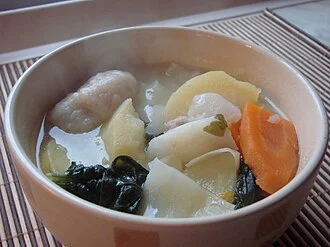
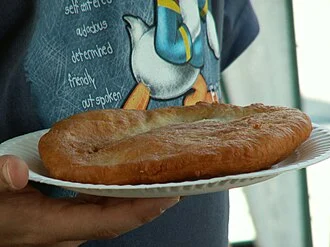
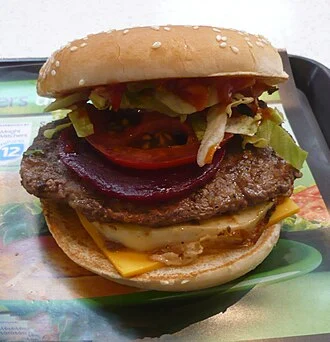
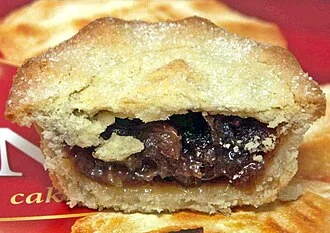
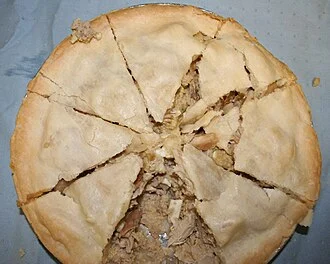
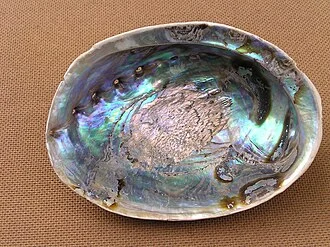
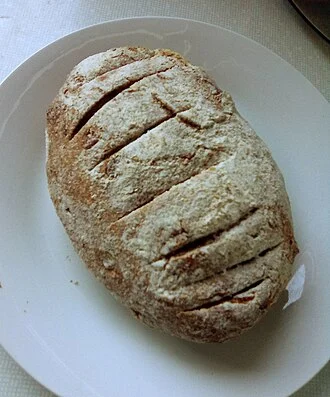
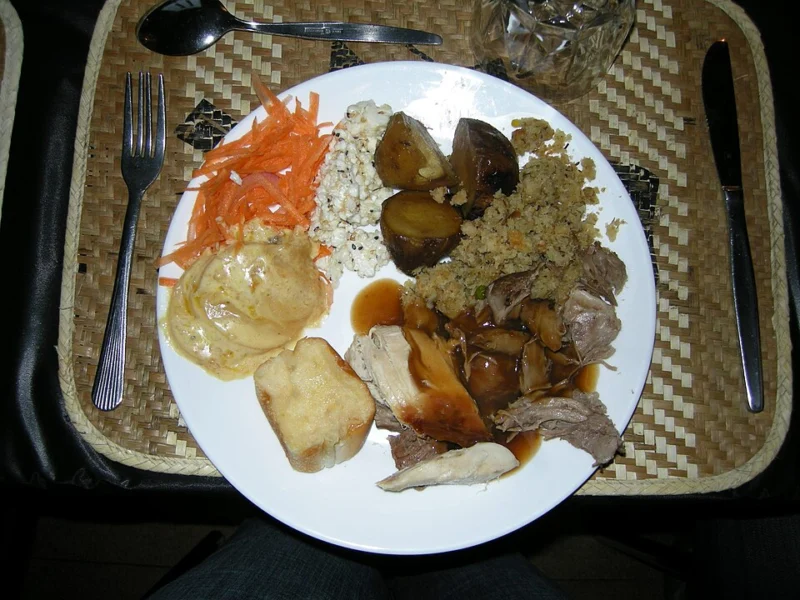
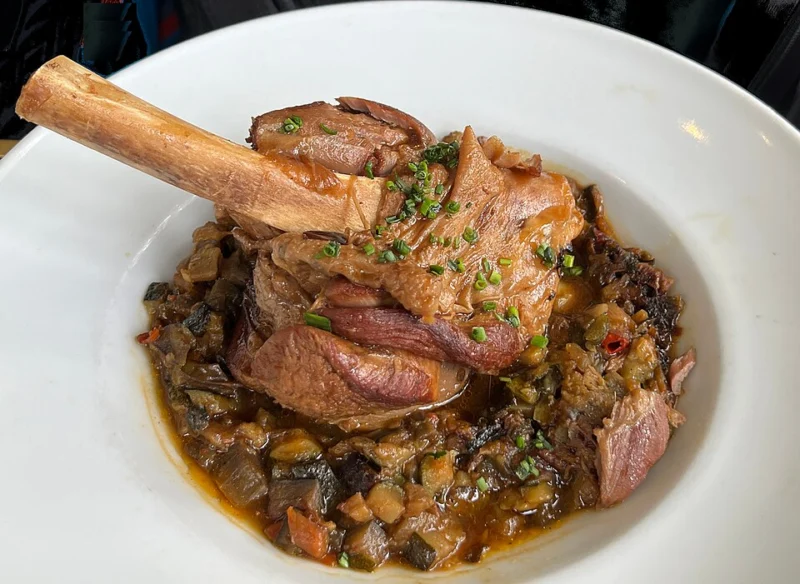
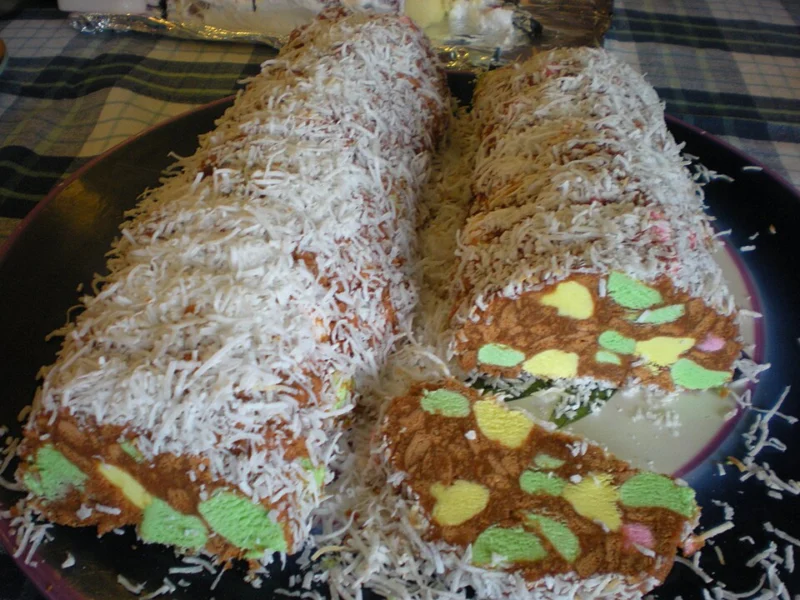
Simple fried dough bread often served as a side or snack. A traditional Māori method of cooking food using heated rocks buried in a pit oven. Traditional Māori seafood dishes, encompassing various coastal delicacies like paua, kina, and mussels. Spiky sea urchin with a creamy interior, eaten raw. A New Zealand-style hamburger with a beef patty topped with beetroot, fried egg, and other classic ingredients. Sweet potato, a staple root vegetable originally brought to New Zealand by Polynesian settlers. Sweet potato fries, often seasoned and roasted or fried. Traditional fermented corn porridge. Braised lamb shank, slow-cooked until tender and flavorful. A no-bake cake with crushed biscuits and colorful confectionery. A savory pie filled with minced beef, seasoned with various herbs. A savory pie filled with minced beef and cheese encased in flaky pastry. Salted and preserved seabird, traditionally harvested and enjoyed by Ngāi Tahu. Large mussels known for their distinctive green shells and rich flavor. A nostalgic Kiwi candy made of chewy pineapple-flavored centers coated in chocolate. Fritter made from pāua, a native New Zealand shellfish, mixed with batter. A traditional Māori sourdough potato bread. A small delicate fritter made with tiny whitebait fish.
Traditional Local Food
Auckland (New Zealand)
Bread
Vegetarian
Fry Bread
FRY bred
 Main course
Meat
Hāngi
HAA-ngee
🐟
Main course
Fish & Seafood
Kaimoana
kye-MAW-nah
🐟
Snack
Fish & Seafood
Kina
KEE-nah
Main course
Meat
Kiwi Burger
KEE-wee BUR-ger
🌿
Side dish
Vegetarian
Kumara
Kūmara
KOO-mah-rah
🌱
Snack
Vegan
Kumara Fries
Kūmara Fries
KOO-mah-rah
🌿
Main course
Vegetarian
Kānga Pirau
KAH-nga pee-RAH-oo
 Main course
Meat
Lamb Shank
LAM shangk
 Dessert
Vegetarian
Lolly Cake
lah-lee kayk
Snack
Meat
Mince Pie
MINS pie
Snack
Meat
Mince and Cheese Pie
🥩
Main course
Meat
Muttonbird
Tītī
TEE-tee
🐟
Main course
Fish & Seafood
New Zealand Green-Lipped Mussels
Kuku
koo-koo
Snack
Vegetarian
Pineapple Lumps
PYE-napple luhmps
Starter
Fish & Seafood
Pāua Fritters
POW-ah FRIT-uhz
· Abalone herb fritters
Bread
Vegetarian
Rewena Bread
Rewena Parāoa
ree-WEH-nah pah-RAH-oh-ah
 Snack
Fish & Seafood
Whitebait Fritter
WYTE-bait FRIT-ter