

Explore Guides
OCEANIA
New Zealand
Triplandio New Zealand guide covers 20 travel guides with 3 cities across 40 areas, complete with hotel picks. Explore 74 self-guided walking tours in New Zealand with 205 POI, spanning 225.2 km in total. Get inspired by 31 local dishes, complete with recipes and our unique Food Flavour DNA graph.
Country Data New Zealand

Key travel data for New Zealand — safety, healthcare, local currency and essentials, curated by Triplandio.
🌍 New Zealand
Safety
100
Health
79
Lifestyle
86
Infra
69
Rank
#21
Score
64
Tourists
996K/y
GDP/cap
$49.6k
Life Exp
82.0 yrs
Population
5.3M
Currency
NZD NZ$
Language
English
Payments
Cashless
Emergency
111
Travel tipsNew Zealand

Quick tips
- Declare every bit of food — Critical
New Zealand's biosecurity rules are among the world's strictest. Declare all food, plants and animal products on arrival or bin them — even a forgotten apple can mean an instant 400 NZ dollar fine, and serious cases up to 100,000 dollars or prison.
- Mountain weather turns fast — Caution
Sunshine in New Zealand's hills can become snow, gales or fog within hours, even in summer. Check the forecast, carry warm layers and leave your route with someone before a hike.
- Drive on the left, slowly — Caution
New Zealand roads are narrow, winding and hilly, and journeys take longer than the map suggests. Visitors driving on the left for the first time are often involved in crashes — take breaks and don't rush.
- Get an NZeTA before you fly — Good to know
Visitors who don't need a visa, including UK and US citizens, must get a New Zealand Electronic Travel Authority (NZeTA) online before travelling and pay a tourism levy. Allow up to 72 hours.
- Codeine needs a prescription — Good to know
All codeine products are prescription-only controlled drugs in New Zealand. Declare them and any other prescription medicines on arrival, with proof they are for your own use.
- Allow more time than the map says — Local tip
New Zealand looks small, but winding roads make driving slow: Queenstown to Milford Sound is about 4 hours each way. Plan two or three nights in each area rather than moving every day.
- Do
- Declare all food on arrival
- Drive on the left and take breaks
- Swim between the flags
- Book Great Walk huts early
- Wear sunscreen even on cloudy days
- Don’t
- Pack fruit, meat or honey
- Leave valuables in your hire car
- Camp in a van without a toilet
- Underestimate mountain weather
- Feed the kea or other wild birds
Critical
Prison or heavy penalty possible
Laws & fines
- Drug import means long prison terms — Critical
Bringing illegal drugs into New Zealand can mean up to 12 years in prison. Cannabis remains illegal for recreational use.
- Drink-driving limits are low — Critical
The drink-driving limit in New Zealand is 0.05% blood alcohol, and zero for drivers under 20. Police run frequent random breath-testing checkpoints.
Caution
Fines, losses or injury possible
Laws & fines
- Freedom camping has strict rules — Caution
Sleeping in a car or van outside campsites (freedom camping) on most public land is only allowed in certified self-contained vehicles with a toilet. Council rangers issue instant fines, and rental firms pass them on.
- No phones while driving — Caution
Holding or using a mobile phone while driving is illegal in New Zealand, and everyone in the car must wear a seatbelt. Police issue on-the-spot fines.
- Alcohol-free zones in town centres — Caution
Many New Zealand towns ban drinking in public streets, parks and beaches, especially at night and over New Year. Look for signs — police can fine you or pour your drinks away.
- Drones need permission in parks — Caution
Flying a drone on conservation land, including all national parks, needs a permit from the Department of Conservation (DOC). Without one you can be fined.
Entry & visa
- Clean boots, tents and golf clubs — Caution
Soil on hiking boots, tents, fishing gear or golf clubs can carry pests. Clean them before you fly to New Zealand and declare them — officers may inspect or clean them at the airport.
Beaches & adventure
- Swim between the flags — Caution
Rip currents on New Zealand beaches drown swimmers every year, especially on wild west coasts. Swim only between the red and yellow flags, where lifeguards are watching.
- Don't leave valuables in the car — Caution
Thieves target hire cars and campervans at trailheads, beaches and viewpoints in New Zealand's tourist areas. Take passports and electronics with you, even if they're hidden.
Good to know
Rules and useful facts
Getting between cities
- Licence rules for drivers — Good to know
You can drive in New Zealand on a valid foreign licence for up to 12 months. If it isn't in English, carry an International Driving Permit or an approved translation. Give way at one-lane bridges as signed.
Regions & seasons
- Seasons are reversed — Good to know
In New Zealand, summer runs from December to February and winter from June to August. Even in summer, the South Island's mountains can get snow.
- North Island: warm and volcanic — Good to know
The North Island has a milder, subtropical north, beaches around the Bay of Islands and the geothermal area around Rotorua. It's pleasant to visit most of the year.
- South Island: mountains and fiords — Good to know
The South Island holds the Southern Alps, Queenstown, Wanaka and Fiordland. It's best December–March for hiking and June–September for skiing.
- The West Coast is very wet — Good to know
The South Island's West Coast and Fiordland are among the wettest places on earth. Rain can close roads such as the one to Milford Sound, so leave a spare day.
Entry & visa
- Travel advisory: Level 1 of 4 — Good to know
Exercise Normal Precautions — the U.S. State Department's rating for New Zealand.
- Passport valid 3 months after departure — Good to know
Your passport must be valid for at least 3 months after the date you plan to leave New Zealand. Check transit countries too — many need 6 months.
- How long you can stay — Good to know
UK citizens can visit New Zealand visa-free for up to 6 months, and most other visa-waiver nationalities, including US citizens, for up to 3 months. Working isn't allowed without a visa.
- Fill in the Traveller Declaration — Good to know
Everyone entering New Zealand must complete the free New Zealand Traveller Declaration (NZTD) online or in its app, from 24 hours before your trip starts. It covers customs and biosecurity.
- Transit passengers need an NZeTA too — Good to know
Most travellers changing planes in Auckland on the way to another country still need an NZeTA (New Zealand Electronic Travel Authority) or a transit visa before boarding.
Health
- Emergency number is 111 — Good to know
Call 111 in New Zealand for an ambulance, police or fire service. For free non-urgent medical advice at any hour, call Healthline on 0800 611 116.
- Accident cover, but not illness — Good to know
New Zealand's Accident Compensation Corporation (ACC) helps pay for treatment of injuries from accidents, including for visitors. It doesn't cover illness, lost income or getting home, so you still need travel insurance.
- The sun burns fast — Good to know
UV levels in New Zealand are very high from spring to autumn and you can burn quickly, even on cloudy days. Wear sunscreen, a hat and sunglasses.
- Treat water from streams — Good to know
Tap water in New Zealand towns is safe, but stream and lake water in the backcountry can carry the giardia parasite. Boil, filter or treat it before drinking.
Beaches & adventure
- Check adventure operators — Good to know
Visitors have died doing extreme sports in New Zealand. Choose well-established companies for bungy, rafting and skydiving, and check that your insurance covers each activity.
- Long or strong, get gone — Good to know
New Zealand is an earthquake zone. In a quake, drop, cover and hold. If you're on the coast and a quake is long or strong, move to high ground or inland at once — don't wait for a tsunami warning.
- Volcanoes on the North Island — Good to know
Several North Island volcanoes, including those in Tongariro National Park, are active. Check the current alert level and track closures before hiking the Tongariro Alpine Crossing.
Local tips
Local know-how
Getting between cities
- Fly between the islands — Local tip
Domestic flights link Auckland, Wellington, Christchurch and Queenstown in 1–2 hours. They're the fastest way to cover the long distances between the North and South Islands.
- Ferry across Cook Strait — Local tip
Interislander and Bluebridge ferries sail between Wellington and Picton in about 3.5 hours. Book car spaces early in summer, and expect cancellations when the strait is stormy.
- Scenic trains, not fast ones — Local tip
New Zealand's few long-distance trains, such as the TranzAlpine from Christchurch to Greymouth, are scenic journeys rather than quick transport and don't run every day.
- Coaches reach most towns — Local tip
InterCity coaches connect most New Zealand towns and tourist spots on both islands. It's cheaper than flying but slow, and some routes run once a day.
Customs
- Say “kia ora” — Local tip
“Kia ora” is the Māori greeting used by everyone in New Zealand, and saying it back is warmly received. Many place names are Māori — try to pronounce them properly.
- Follow your hosts on a marae — Local tip
A marae is a Māori community meeting ground. Visitors are welcomed with a formal ceremony; follow your guide's lead, and take your shoes off before entering the carved meeting house.
- Don't sit on tables — Local tip
In Māori culture the head is sacred and food must not touch places where people sit. Don't sit on tables or kitchen benches, and don't put hats on tables where food is served.
- Relaxed, but not careless — Local tip
New Zealanders are informal and use first names, but they take nature seriously. Stick to tracks, take your rubbish home and never feed wild birds such as kea.
Tipping & money
- Tipping isn't expected — Local tip
Staff in New Zealand are paid a proper minimum wage, and tips aren't expected in restaurants, taxis or hotels. Rounding up or leaving 10% for excellent service is a kind extra.
- Public holiday surcharge — Local tip
Many New Zealand cafés and restaurants add a surcharge, often around 15%, on public holidays to cover higher staff pay. It's legal as long as it's clearly displayed.
- Prices include tax — Local tip
Shop prices in New Zealand already include 15% GST (goods and services tax), so what you see on the label is what you pay.
- Cards everywhere, no haggling — Local tip
Contactless cards and phone payments work almost everywhere in New Zealand, even at remote campsites. Prices are fixed — bargaining isn't done.
Health
- Bring repellent for sandflies — Local tip
Tiny biting sandflies swarm on the West Coast and in Fiordland, including Milford Sound. They're harmless but very itchy — use insect repellent and cover up.
Beaches & adventure
- Book Great Walk huts early — Local tip
Huts and campsites on New Zealand's Great Walks, such as the Milford and Routeburn tracks, must be booked with the Department of Conservation (DOC) and often sell out months ahead for summer.
Our New Zealand city guides
There's no train to the airport — take the airport express bus, or a bus to Puhinui station and the train.
Cook Strait ferries leave from terminals outside the centre — allow time, and expect storm cancellations.
Fly into Queenstown and drive about an hour; Roys Peak track closes for lambing from October to early November.
Through the year
Festival or season Public holiday (exact date)
- Great Walks season
Oct 2026–Apr 2027 · Most Great Walks run their full season from late October to late April; outside it, huts are unstaffed and alpine sections can be dangerous.
- Shoulder seasons
Oct–Nov 2026, Mar–Apr 2027 · Autumn (March–April) and spring (October–November) bring fewer crowds and lower prices, with changeable weather.
- Summer peak
Dec 2026–Feb 2027 · School holidays run from mid-December to late January; campsites, Great Walks and ferries book out, and prices peak.
- Christmas Day
Fri 25 Dec 2026 · Public holiday
- Boxing Day
Sat 26 Dec 2026 · Public holiday
- Storm season in the north
Jan–Mar 2027 · The remains of tropical cyclones can bring flooding and landslides to the North Island, closing roads for days.
- New Year's Day
Fri 1 Jan 2027 · Public holiday
- Day after New Year's Day
Sat 2 Jan 2027 · Public holiday
- Waitangi Day
Sat 6 Feb 2027 · Public holiday
- Good Friday
Fri 26 Mar 2027 · Public holiday
- Easter Monday
Mon 29 Mar 2027 · Public holiday
- ANZAC Day
Sun 25 Apr 2027 · Public holiday
- Ski season
Jun–Oct 2027 · Ski fields around Queenstown, Wanaka and Mount Ruapehu open from about June to October; alpine roads may need snow chains.
- King's Birthday
Mon 7 Jun 2027 · Public holiday
- Matariki
Fri 25 Jun 2027 · Public holiday
- Labour Day
Mon 25 Oct 2027 · Public holiday
Sources: GOV.UK travel advice · U.S. State Dept · Google public holidays
Traditional Local Food New Zealand
🌱
Sauce
Vegan
Central Otago Pinot Noir Sauce
sen-tral o-ta-go pee-noh-nwaar sauce
· Rich sauce with local Pinot Noir
A sophisticated sauce featuring Central Otago's signature Pinot Noir.
Open Central Otago Pinot Noir Sauce recipe
Snack
Meat
Mince Pie
MINS pie
A savory pie filled with minced beef, seasoned with various herbs.
Open Mince Pie recipe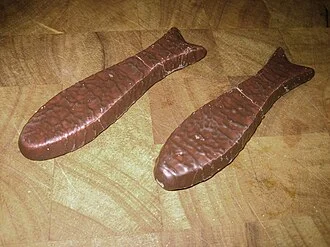
Dessert
Vegetarian
Wellington Chocolate Fish
WEL-ing-tun CHOK-lit fish
· Chocolate-coated marshmallow sweet
A fish-shaped marshmallow sweet dipped in chocolate and associated with Wellington confectionery culture.
Open Wellington Chocolate Fish recipe🥩
Main course
Meat
Cardrona Lamb Shanks
kar-dron-ah lam shanks
· Braised lamb shanks
Slow-cooked lamb shanks from the Cardrona Valley.
Open Cardrona Lamb Shanks recipe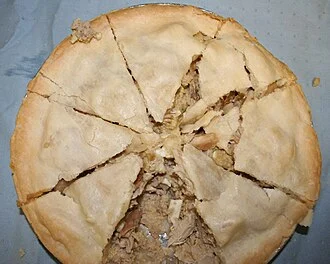
Snack
Meat
Mince and Cheese Pie
A savory pie filled with minced beef and cheese encased in flaky pastry.
Open Mince and Cheese Pie recipe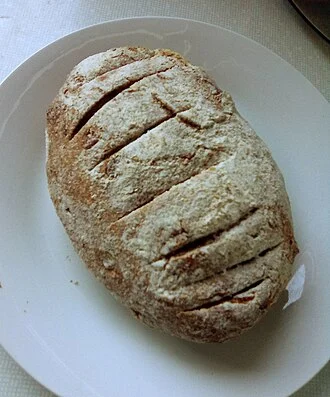
Bread
Vegetarian
Rewena Bread
Rewena Parāoa
ree-WEH-nah pah-RAH-oh-ah
A traditional Māori sourdough potato bread.
Open Rewena Bread recipe
Snack
Fish & Seafood
Whitebait Fritter
WYTE-bait FRIT-ter
A small delicate fritter made with tiny whitebait fish.
Open Whitebait Fritter recipe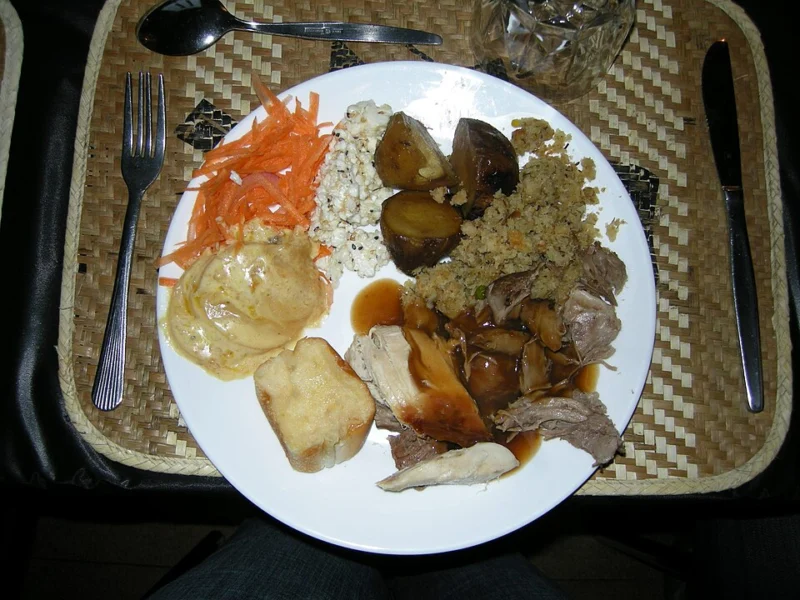
Main course
Meat
Hāngi
HAA-ngee
A traditional Māori method of cooking food using heated rocks buried in a pit oven.
Open Hāngi recipe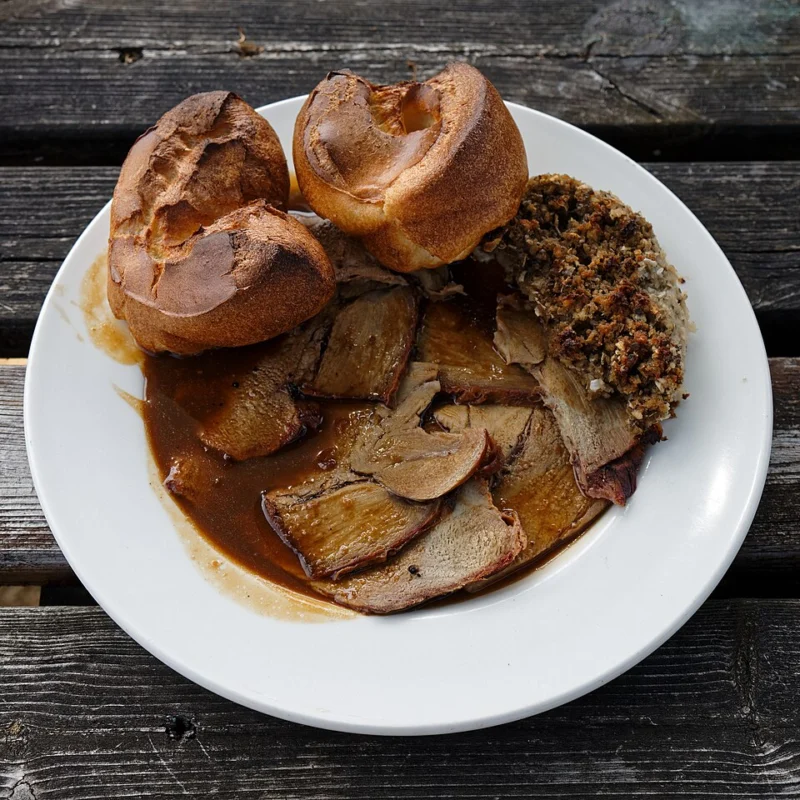
Main course
Meat
Roast Lamb
roast-LAM
A classic lamb dish roasted with herbs, often served with seasonal vegetables.
Open Roast Lamb recipe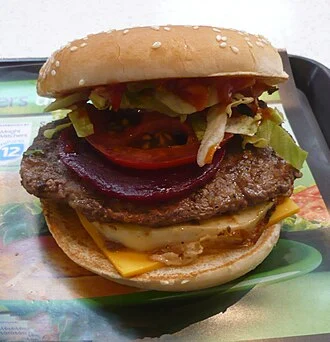
Main course
Meat
Kiwi Burger
KEE-wee BUR-ger
A New Zealand-style hamburger with a beef patty topped with beetroot, fried egg, and other classic ingredients.
Open Kiwi Burger recipe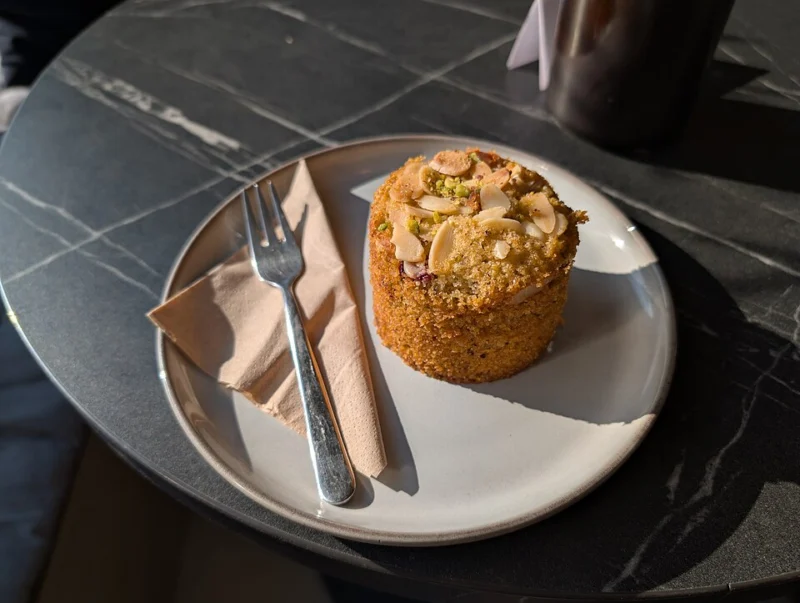
Dessert
Vegetarian
Raspberry Friand
raz-bore-ee free-ond
· Almond cake with raspberries
A light almond cake with fresh raspberries.
Open Raspberry Friand recipe🐟
Main course
Fish & Seafood
New Zealand Green-Lipped Mussels
Kuku
koo-koo
Large mussels known for their distinctive green shells and rich flavor.
Open New Zealand Green-Lipped Mussels recipe🌿
Side dish
Vegetarian
Kumara
Kūmara
KOO-mah-rah
Sweet potato, a staple root vegetable originally brought to New Zealand by Polynesian settlers.
Open Kumara recipe🌿
Snack
Vegetarian
Kumara Chips
KOO-mah-rah chips
Crispy fried chips made from the native sweet potato, kumara.
Open Kumara Chips recipe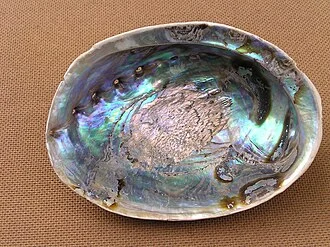
Starter
Fish & Seafood
Pāua Fritters
POW-ah FRIT-uhz
· Abalone herb fritters
Fritter made from pāua, a native New Zealand shellfish, mixed with batter.
Open Pāua Fritters recipe