

Explore Guides
EUROPE
Switzerland
Triplandio Switzerland guide covers 43 travel guides with 5 cities across 111 areas, complete with hotel picks. Explore 163 self-guided walking tours in Switzerland with 182 POI, spanning 495.2 km in total. Get inspired by 42 local dishes, complete with recipes and our unique Food Flavour DNA graph.
Country Data Switzerland

Key travel data for Switzerland — safety, healthcare, local currency and essentials, curated by Triplandio.
🌍 Switzerland
Safety
100
Health
100
Lifestyle
66
Infra
100
Rank
#3
Score
70
Tourists
11.8M/y
GDP/cap
$114.8k
Life Exp
84.4 yrs
Population
9.1M
Currency
CHF Fr
Language
German
Payments
Cards OK
Emergency
112
Travel tipsSwitzerland

Quick tips
- Drug penalties are severe, even in transit — Critical
Possessing, using or smuggling illegal drugs, cannabis included, can bring a long prison sentence and heavy fines. Swiss airports scan the bags of transit passengers too.
- Buy a motorway vignette before driving — Caution
Every car on a Swiss motorway must carry a vignette, the annual toll permit (a sticker or an e-vignette bought online). Buy it at the border, a petrol station or a post office — driving without one can mean a large fine.
- Speed camera warners are illegal — Caution
Radar detectors and apps or sat-navs that warn you about speed cameras are banned in Switzerland. Switch off the speed-camera alert in your navigation app before crossing the border.
- Buy your ticket before you board — Caution
Swiss trains, trams and buses have no ticket sales on board. Buy from a machine or the SBB Mobile app of the Swiss Federal Railways (SBB) first — inspectors charge an on-the-spot surcharge if you have no valid ticket.
- Insure yourself for mountain rescue — Good to know
Helicopter rescue in the Swiss Alps is expensive and is not paid for by the state. Make sure your travel insurance covers mountain rescue, helicopter costs and every sport you plan to do.
- Travel by train, not by car — Local tip
Switzerland's trains, buses, boats and mountain railways connect almost every town on a single timetable. A Swiss Travel Pass or Half Fare Card usually saves money if you move around a lot.
- Do
- Buy your ticket before boarding
- Say Grüezi or Bonjour in shops
- Get insurance with mountain rescue
- Buy a vignette for the motorway
- Refill your bottle at the tap
- Don’t
- Use a speed camera warning app
- Make noise late at night or on Sundays
- Ski off-piste without a guide
- Walk onto a glacier alone
- Expect shops to open on Sunday
Critical
Prison or heavy penalty possible
Laws & fines
- Traffic laws are strictly enforced — Critical
Swiss police enforce speed limits, drink-driving limits and child-seat rules closely, with many fixed cameras. Serious speeding or drink-driving can lead to very heavy fines or prison.
Outdoors & adventure
- Off-piste skiing risks avalanches — Critical
Avalanches kill skiers in Switzerland every winter, mostly off the marked slopes. Check the daily avalanche bulletin and go off-piste only with a guide and an avalanche transceiver.
Caution
Fines, losses or injury possible
Laws & fines
- Face coverings are banned in public — Caution
It is illegal to hide your face in public places in Switzerland, tourists included. Don't wear balaclavas, full-face veils or masks in the street; in Ticino and St Gallen fines range from 100 to 10,000 Swiss francs.
- Starting a forest fire is a crime — Caution
Causing a forest fire where a fire ban applies is illegal even if it was an accident, with fines of up to 20,000 Swiss francs. Check local fire bans in summer and use only built barbecue sites.
- Declare restricted goods at customs — Caution
Switzerland is not in the EU customs union, and meat, alcohol and tobacco above the duty-free allowance must be declared. Use the red channel or the QuickZoll app (Swiss customs app) if you are over the limit.
- Sort and bag your rubbish correctly — Caution
Many Swiss towns charge for rubbish through official paid bin bags, and recycling is strictly separated. Leaving rubbish in the wrong bag or place can bring a fine, so ask your host how it works.
Health
- Altitude sickness on high peaks — Caution
Cable cars reach well over 3,000 m around the Matterhorn, Saas-Fee, St Moritz and Titlis. Headaches, dizziness and nausea mean go down; take it slowly on your first day up high.
Outdoors & adventure
- Mountain weather changes fast — Caution
Storms, fog and snow can arrive within an hour in the Alps, even in summer. Check the forecast, carry warm layers and a charged phone, and tell someone your route.
- Stay on marked hiking trails — Caution
Swiss trails are colour-coded: yellow for walking paths, white-red-white for mountain trails, white-blue-white for alpine routes needing experience. Never walk onto a glacier without a guide, as crevasses are hidden.
- Use experienced adventure operators — Caution
Paragliding, canyoning and climbing accidents have killed visitors in the Swiss Alps. Book established companies and check your insurance covers the activity.
Good to know
Rules and useful facts
Getting between cities
- Scenic trains need seat reservations — Good to know
The Glacier Express and Bernina Express require a paid seat reservation on top of your ticket or pass, and summer trains sell out, so book weeks ahead.
- Driving in Switzerland — Good to know
Traffic drives on the right. Many foreign licences are accepted for visits; an older paper licence may need an International Driving Permit (IDP). Headlights must be on during the day.
Regions & seasons
- Alps: two main seasons — Good to know
The Bernese Oberland, Valais and Graubünden are best for skiing December–April and for hiking June–September. Many lifts and hotels close in between.
- Summer wildfire risk — Good to know
Dry summers raise the wildfire risk, especially in Ticino and Valais. Fire bans are common, and fires in the mountains can trigger rockfalls.
Customs
- Most shops close on Sundays — Good to know
Supermarkets and most shops in Switzerland close on Sundays and many close early on Saturdays. Shops in big railway stations and airports stay open, so stock up there.
Entry & visa
- Travel advisory: Level 1 of 4 — Good to know
Exercise Normal Precautions — the U.S. State Department's rating for Switzerland.
- Switzerland is in the Schengen area — Good to know
Switzerland follows Schengen rules: visa-free visitors can stay up to 90 days in any 180-day period across all Schengen countries combined. Overstaying can lead to a ban of up to 3 years.
- Check your passport dates — Good to know
Your passport must have been issued less than 10 years before you arrive and be valid for at least 3 months after you plan to leave the Schengen area.
- Biometric Entry/Exit System checks — Good to know
The EU Entry/Exit System (EES) records fingerprints and a photo of non-EU visitors at the Schengen border. It is free, but allow extra time at airports and border crossings.
- Proof of funds and onward travel — Good to know
Swiss border officers may ask for your accommodation booking, travel insurance, a return ticket and proof of about 100 Swiss francs per day of your stay.
Health
- Tap water is safe to drink — Good to know
Tap water across Switzerland is safe and high quality, and public fountains in towns usually carry drinking water unless marked “kein Trinkwasser” (not drinking water).
- Healthcare is excellent but very costly — Good to know
Swiss hospitals are first class but among the most expensive in the world. Take full travel insurance; UK and EU visitors should also bring a Global Health Insurance Card (GHIC) or European Health Insurance Card (EHIC).
- Ticks carry encephalitis — Good to know
Ticks, especially April–October, can spread tick-borne encephalitis and Lyme disease. Use repellent, wear long trousers in grass and woods, and check your skin after hikes.
- Strong sun in the mountains — Good to know
Sunburn and snow blindness come quickly at altitude, even on cloudy days. Wear high-factor sunscreen and sunglasses on glaciers and ski slopes.
- Emergency numbers — Good to know
In Switzerland dial 144 for an ambulance, 117 for police, 118 for fire and 112 for any emergency. Mountain rescue can be reached through 144 or 1414 (Rega helicopter rescue).
Outdoors & adventure
- Winter tyres and snow chains — Good to know
Alpine roads and passes can be icy from autumn to spring, and many high passes close in winter. Fit winter tyres, carry snow chains and check road conditions before you set off.
Local tips
Local know-how
Getting between cities
- Swiss trains run every half hour — Local tip
Main routes such as Zurich–Bern–Geneva run at least twice an hour and connect with buses and boats. Check times and buy tickets in the SBB (Swiss Federal Railways) Mobile app.
- Passes for visitors — Local tip
The Swiss Travel Pass covers most trains, buses, boats and city transport for set days, with discounts on many mountain railways. The Half Fare Card halves most fares for a month.
- Book saver tickets ahead — Local tip
Supersaver tickets from the Swiss Federal Railways (SBB) are cheaper when bought in advance but tie you to one train. Standard tickets let you take any train on the route that day.
Regions & seasons
- Cities are good all year — Local tip
Zurich, Geneva, Basel, Bern and Lucerne work in every season, with museums and lakes in summer and Christmas markets in winter.
- Ticino is the sunny south — Local tip
Italian-speaking Ticino, around Lugano and Locarno, is often warmer and sunnier than the north, and spring arrives there earlier.
Laws & fines
- Quiet hours are taken seriously — Local tip
Swiss neighbours expect quiet late at night and on Sundays. In apartments, avoid loud music, parties and even noisy chores like laundry after about 22:00 and on Sundays, or expect complaints or the police.
Customs
- Punctuality is part of the culture — Local tip
Swiss trains, tours and meetings leave exactly on time. Arrive a few minutes early for trains and bookings, as a connection will not wait even one minute.
- Greet shop staff when you enter — Local tip
Say hello when you walk into a small shop, café or lift and goodbye when you leave — Grüezi in German-speaking areas, Bonjour in the French part. Skipping it comes across as rude.
- Four languages, depending on the region — Local tip
Switzerland speaks German in the north and centre, French in the west, Italian in Ticino and Romansh in parts of Graubünden. English is widely understood in tourist areas.
Tipping & money
- Service is included in prices — Local tip
Restaurant and bar prices in Switzerland already include service. Rounding up or leaving about 5–10% for good service is appreciated but never required.
- Pay in Swiss francs, not euros — Local tip
The currency is the Swiss franc (CHF). Some shops and stations accept euro notes, but at a poor rate and with change in francs, so pay by card or in francs.
- Cards are accepted almost everywhere — Local tip
Contactless cards work in most Swiss shops, restaurants and ticket machines. Carry a little cash for mountain huts, farm stalls and small village cafés.
- Prices are fixed — Local tip
Bargaining is not part of Swiss shopping, even at markets. Expect high prices — supermarkets such as Migros and Coop are the budget option for picnic lunches.
Outdoors & adventure
- River and lake swimming — Local tip
Swimming in Swiss lakes and rivers is popular in summer, but rivers such as the Aare and Rhine have strong currents. Swim at official bathing spots, known locally as a Badi.
Our Switzerland city guides
Take the train from the airport to Zurich HB — about 10 minutes, far cheaper than a taxi.
Grab the free public transport ticket at the airport baggage hall and watch bags at Cornavin station.
Ask your hotel for the free Visitor Card; Mount Pilatus and Rigi are easy trips by boat and train.
Check the forecast before buying Jungfraujoch tickets; cloudy summits mean no views.
Car-free village: park in Täsch and take the shuttle train; take the altitude slowly.
Say it locally
Greet people in the local language of the region — Grüezi in German-speaking areas, Bonjour in the French part, Buongiorno in Ticino.
Through the year
Festival or season Public holiday (exact date)
- Shoulder season lift closures
Oct–Nov 2026, Apr–May 2027 · Between the ski and summer seasons, many mountain cable cars and hotels close for maintenance. Check that lifts and trains to your chosen peak are running.
- Christmas markets
Nov–Dec 2026 · Zurich, Basel, Lucerne, Montreux and Bern hold Christmas markets from late November, with mulled wine and crafts.
- All Saints' Day (regional holiday)
Mon 1 Nov 2027 · Public holiday
- Ski season
Dec 2026–Apr 2027 · Most Swiss ski resorts open from December to April; glacier resorts such as Zermatt and Saas-Fee ski longer. School holiday weeks in February are the busiest and priciest.
- Immaculate Conception (regional holiday)
Tue 8 Dec 2026 · Public holiday
- Christmas Day (regional holiday)
Fri 25 Dec 2026 · Public holiday
- St. Stephen's Day (regional holiday)
Sat 26 Dec 2026 · Public holiday
- New Year's Day (regional holiday)
Fri 1 Jan 2027 · Public holiday
- Berchtold Day (regional holiday)
Sat 2 Jan 2027 · Public holiday
- Epiphany (regional holiday)
Wed 6 Jan 2027 · Public holiday
- Fasnacht carnival
Feb–Mar 2027 · Lucerne and Basel hold Switzerland's biggest carnivals, with masked bands, parades and packed old towns; Basel's starts at 4 am with lanterns. Dates move with Easter.
- Saint Joseph's Day (regional holiday)
Fri 19 Mar 2027 · Public holiday
- Good Friday (regional holiday)
Fri 26 Mar 2027 · Public holiday
- Easter Monday (regional holiday)
Mon 29 Mar 2027 · Public holiday
- May Day (regional holiday)
Sat 1 May 2027 · Public holiday
- Ascension Day (regional holiday)
Thu 6 May 2027 · Public holiday
- Pentecost Monday (regional holiday)
Mon 17 May 2027 · Public holiday
- Corpus Christi (regional holiday)
Thu 27 May 2027 · Public holiday
- Summer hiking season
Jun–Sep 2027 · High mountain passes, trails and huts open from about June to September. July and August are busy, with afternoon thunderstorms common in the Alps.
- Montreux Jazz Festival
Jul 2027 · Two weeks of concerts on the shore of Lake Geneva in July; hotels around Montreux and Lausanne book up early.
- Swiss National Day
Sun 1 Aug 2027 · Public holiday
- Assumption of Mary (regional holiday)
Sun 15 Aug 2027 · Public holiday
Sources: GOV.UK travel advice · U.S. State Dept · Google public holidays
Traditional Local Food Switzerland
Dessert
Vegetarian
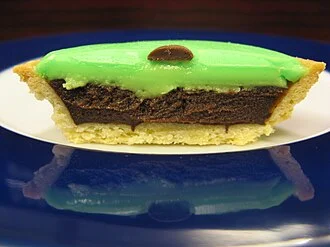
Carac
Kah-rahk
A sweet, tart-like pastry filled with chocolate ganache.
Open Carac recipe🌿
Dessert
Vegetarian
Lucerne Chriesiwähe
Luzerner Chriesiwähe
loo-ZER-ner KREE-see-vair
A sweet cherry tart typical of the Lucerne region, made with a creamy filling.
Open Lucerne Chriesiwähe recipe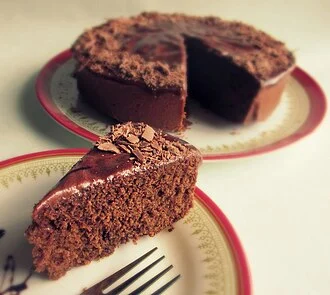
Dessert
Vegetarian
Swiss Chocolate Cake
Schokolade Kuchen
SHOH-koh-lah-deh KOO-khen
A rich, moist cake made with high-quality Swiss chocolate.
Open Swiss Chocolate Cake recipe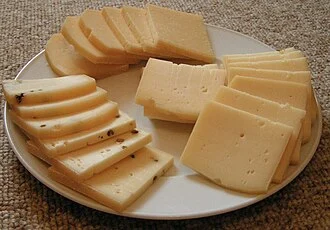
Main course
Vegetarian
Raclette
rah-KLET
· Melted cheese with potatoes
Melted cheese served over boiled potatoes, often with pickles and onions.
Open Raclette recipe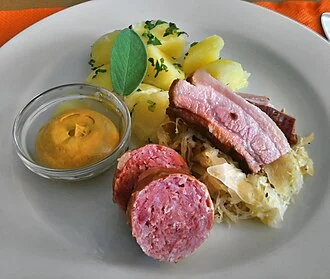
Main course
Meat
Berner Platte
BEHR-ner PLAH-tuh
A platter of mixed meats and sausages with sauerkraut.
Open Berner Platte recipe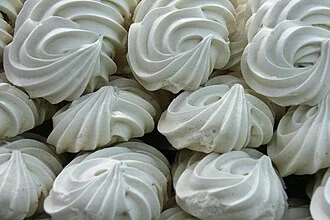
Dessert
Vegetarian
Lucerne Meringue
Luzerner Meringues
Loo-zer-ner Meh-ring
A light, airy dessert made of whipped egg whites and sugar.
Open Lucerne Meringue recipe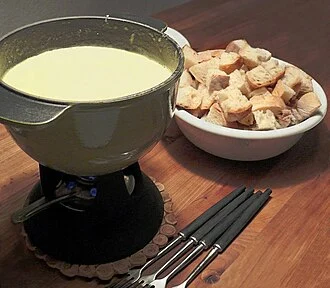
Main course
Vegetarian
Cheese Fondue
Käsefondue
KEH-seh-fon-DOO
Melted cheese dish served in a communal pot over a small burner.
Open Cheese Fondue recipe🌿
Snack
Vegetarian
Swiss Pancake
Chäschüechli
KESH-kwee-klee
A savory cheese pancake made from simple ingredients.
Open Swiss Pancake recipe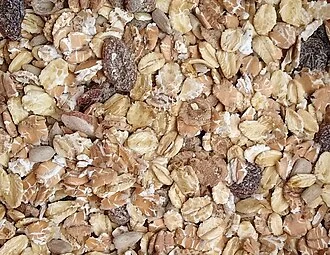
Breakfast
Vegetarian
Bircher Muesli
BUR-cher MYOO-slee
A Swiss breakfast dish of oats, fruit, and nuts.
Open Bircher Muesli recipe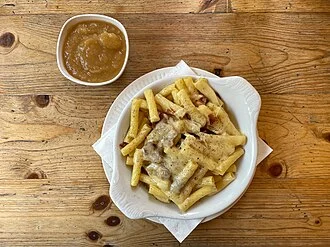
Main course
Vegetarian
Alpermagronen
Älplermagronen
elp-ler-mah-GROH-nen
A creamy dish of pasta, potatoes, cheese, and onions.
Open Alpermagronen recipe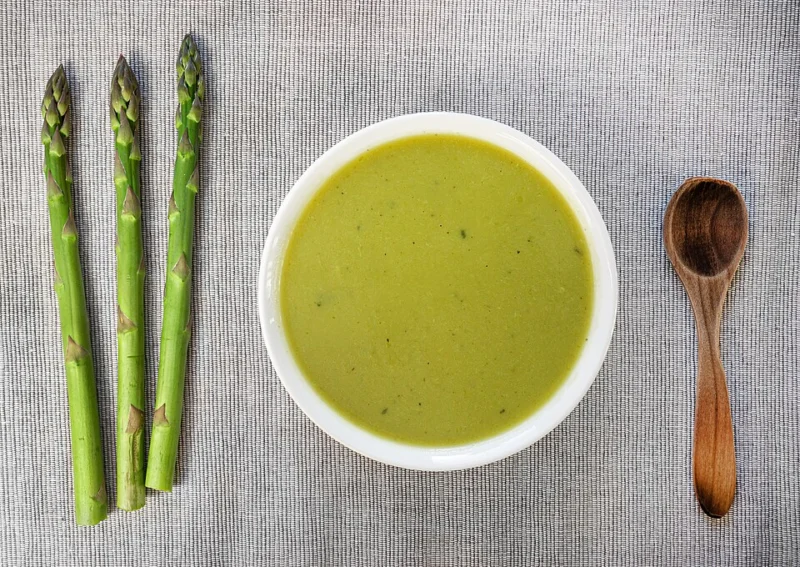
Starter
Vegetarian
Lucerne White Asparagus
Luzerner Spargel
Loo-zer-nuh Shpar-gel
Tender, delicate spears of white asparagus, often served with a creamy sauce.
Open Lucerne White Asparagus recipe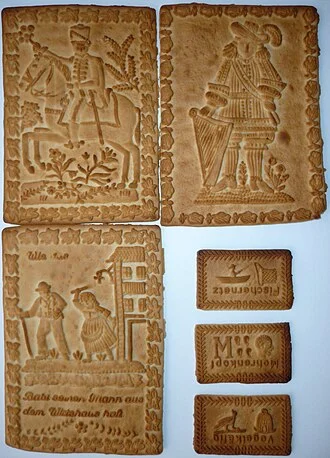
Dessert
Vegetarian
Tirggel
TEER-gel
A traditional Swiss honey biscuit known for its hard texture.
Open Tirggel recipe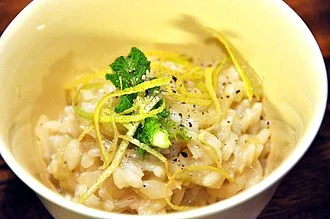
Main course
Vegetarian
Saffron Risotto
Safransrisotto
SA-frahn-ree-zo-ttoh
A creamy risotto made with rice and saffron, offering a vibrant color and flavor.
Open Saffron Risotto recipe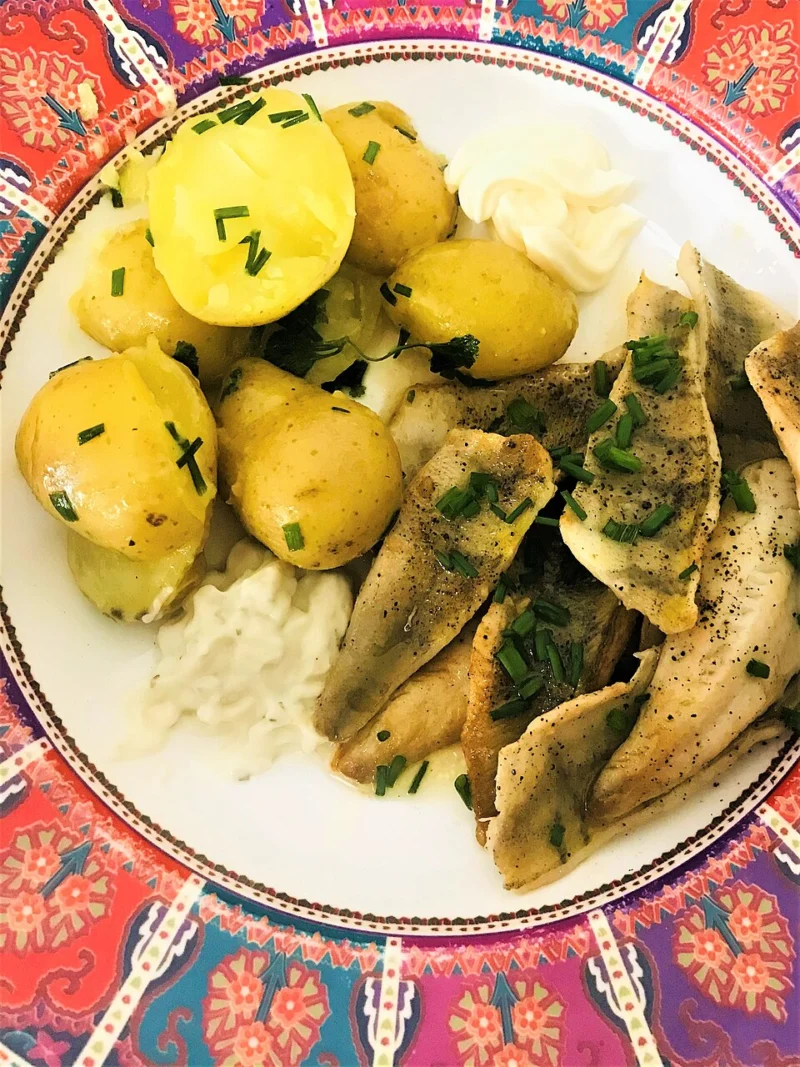
Main course
Fish & Seafood
Filets de Perche
fee-LEH duh PERSH
Fried fillets of freshwater perch, typically served with tartar sauce.
Open Filets de Perche recipe
Side dish
Vegetarian
Cardoon Gratin
Gratin de cardons
grah-TAN duh car-DOHN
Baked cardoon stems with cream and cheese.
Open Cardoon Gratin recipe