


Wiesti
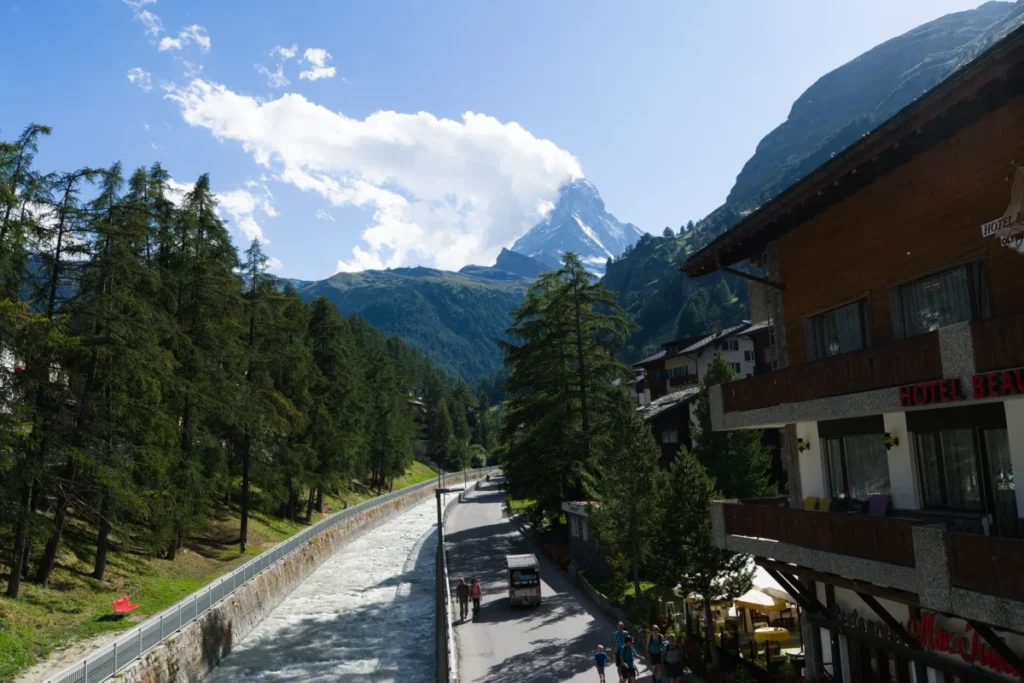
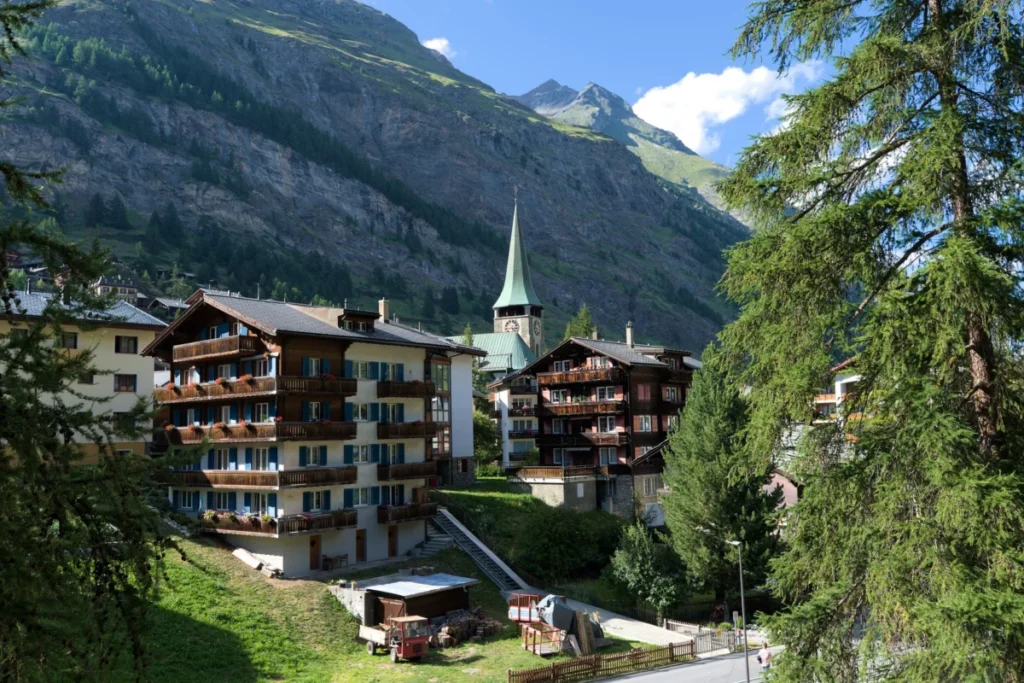
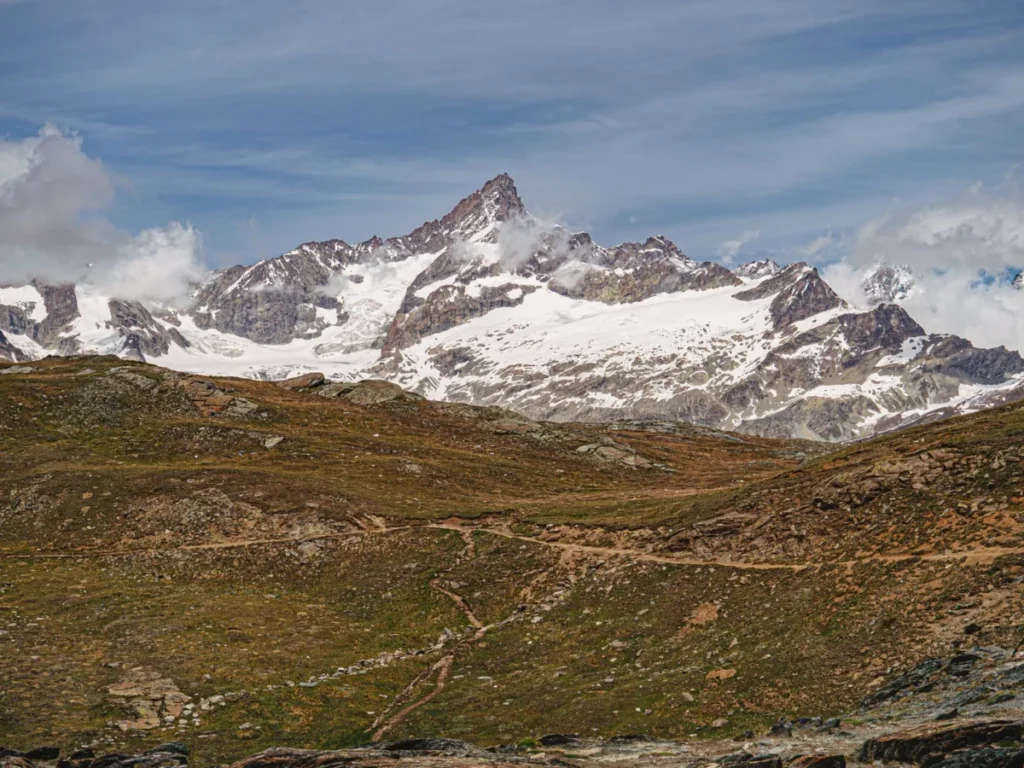
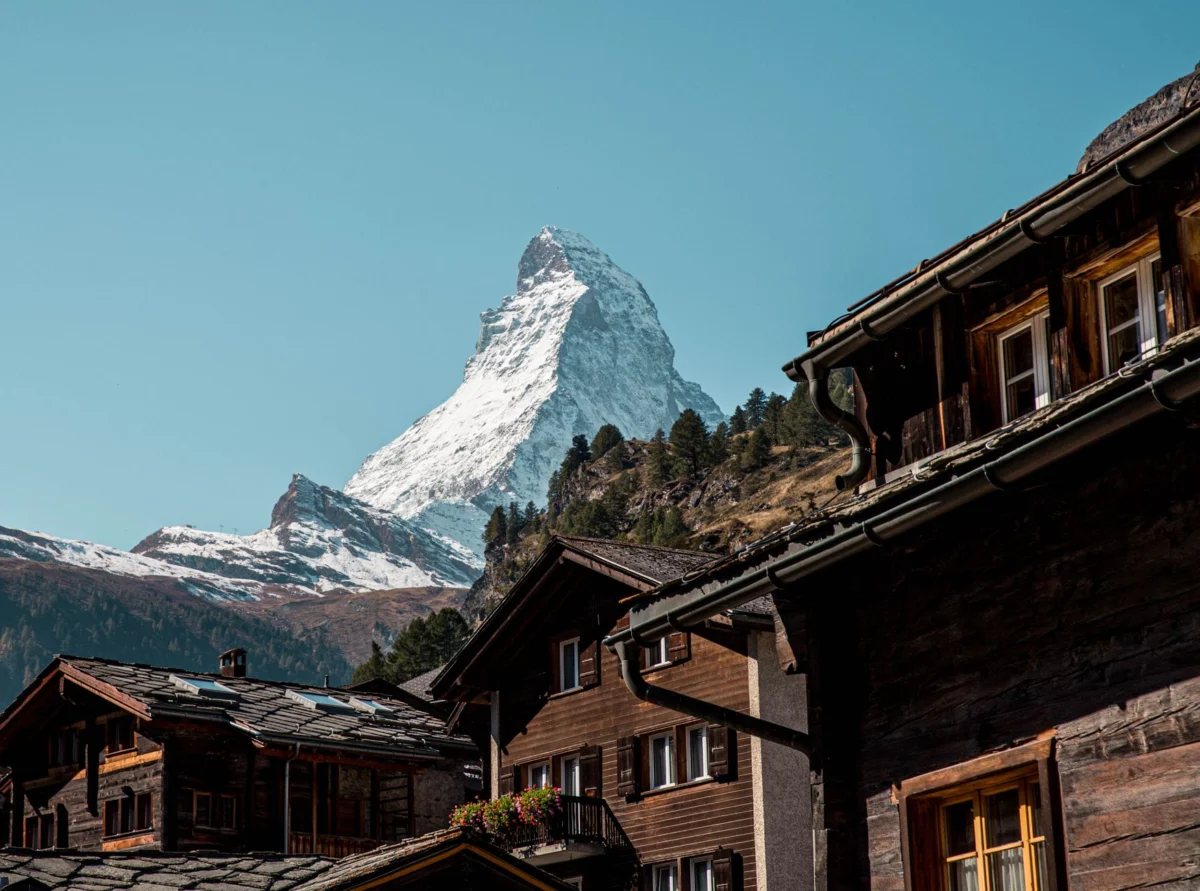
Wiestistrasse gives hikers a practical route to the Sunnegga funicular, making Wiesti particularly useful when the day’s plan starts on the Rothorn side. The lower funicular station is reached on foot from the residential slopes, so you can avoid a long walk through the central village before an early ascent. From Sunnegga, marked routes continue towards Blauherd, the Five Lakes Walk and higher Rothorn terrain; check lift and trail conditions before setting out, since access changes with the season. Wiesti’s accommodation is generally quieter than the streets around Bahnhofstrasse, with hillside buildings, balconies and open views replacing the heaviest pedestrian traffic.
The area works well for hikers who want to return to a calm base after a full day above the tree line. Use Wiestistrasse to connect with the funicular, then descend into the village when you need groceries, equipment or a restaurant. The route is uphill in places, so luggage and tired legs matter when choosing a hotel. For a Rothorn-focused itinerary, that trade-off is useful: fast morning access, less village noise and a straightforward return after the last lift. Ask properties about the exact walking time to the station, snow conditions on the approach and whether they provide storage for boots, poles and packs.
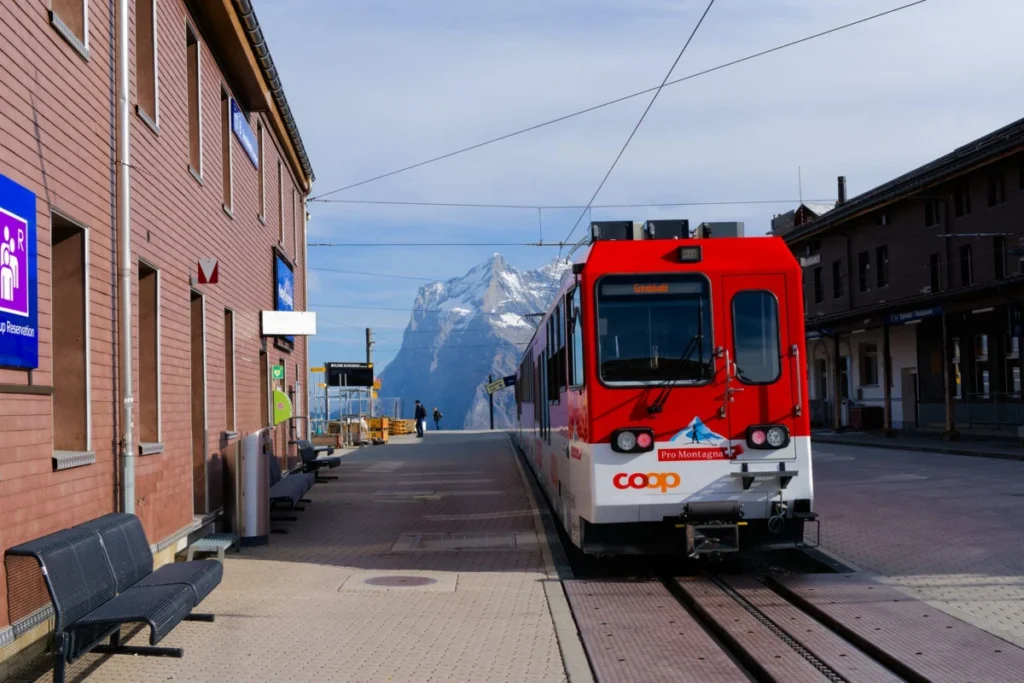
| Wiesti became a gateway to Sunnegga in 1980 The Sunnegga funicular opened in 1980, linking Zermatt with the high terrace above Wiestistrasse. |
| Wiesti leads to the world’s steepest underground funicular The Sunnegga funicular reaches a gradient of about 63 percent on its underground ascent. |
| Wiestistrasse is the quiet route to Sunnegga The lower funicular station sits on Wiestistrasse, away from Zermatt’s busiest Bahnhofstrasse stretch. |