Explore Guides
EUROPE / ESTONIA
Triplandio Narva guide covers 3 travel guides across 11 areas, complete with hotel picks. Explore 12 self-guided walking tours in Narva with 24 POI, spanning 40.4 km in total. Get inspired by 5 local dishes, complete with recipes and our unique Food Flavour DNA graph.
Narva
City & Country Data Narva (Estonia)

Key travel data for Narva — local prices, safety, healthcare, local currency and essentials, curated by Triplandio.
🌍 Estonia
Safety
82
Health
77
Lifestyle
69
Infra
76
Rank
#23
Score
64
Tourists
1.7M/y
GDP/cap
$34.4k
Life Exp
79.3 yrs
Population
1.4M
Currency
EUR €
Language
Estonian
Payments
Cashless
Emergency
112
💰 Prices in Narva
Coffee
$3.33
Beer
$4.50
Lunch
$14.00
Groceries
$324.00/w
Taxi/km
$0.80
Transit
$1.30
Fuel
$1.65/l
Internet
$26.00/m
Salary
$1,262/m
Travel tipsNarva (Estonia)

Quick tips
- The river is the border with Russia — Critical
The Narva river is the EU's border with Russia, with Ivangorod fortress on the far bank. Don't try to cross without a Russian visa, and read your government's advice on Russia first.
- The drink-drive limit is almost zero — Critical
Estonia's drink-driving limit is very low. Even one drink can put you over it, and offenders face fines or prison, so don't drink at all if you're driving.
- Drug laws are strict — Critical
Illegal drugs, including cannabis, are strictly banned in Estonia, even in very small amounts. Serious offences carry prison sentences of up to 10 years and heavy fines.
- Wear a reflector after dark — Caution
Estonian law requires pedestrians walking on unlit roads in the dark to wear a reflector. Clip one to your coat or bag if you walk outside towns in the long autumn and winter evenings.
- Unmarked taxis are illegal — Caution
Only use taxis with a roof sign saying TAKSO (Estonian for taxi), a price list on the back window, a meter and the driver's licence on display, or book through an app such as Bolt, Forus or Uber.
- Ticks carry serious diseases — Good to know
Ticks in Estonian forests and long grass can spread tick-borne encephalitis and Lyme disease. Cover your legs, use repellent and check your skin after walks; ask about the vaccine if you plan to hike.
- Do
- Wear a reflector on dark roads
- Keep headlights on when driving
- Use TAKSO-marked cabs or an app
- Check for ticks after forest walks
- Shower before the sauna
- Don’t
- Drink anything before driving
- Get into an unmarked taxi
- Carry any drugs, even cannabis
- Step off the bog boardwalks
- Swim after drinking
Critical
Prison or heavy penalty possible
Entry & visa
- Overstaying brings a ban — Critical
Overstaying the 90-day visa-free limit can lead to a ban from all Schengen countries for up to 3 years.
Caution
Fines, losses or injury possible
Laws & fines
- Headlights on at all times — Caution
In Estonia, dipped headlights must be switched on whenever you drive, day and night, all year round.
- Winter tyres are compulsory — Caution
Cars in Estonia must have winter tyres in the coldest months, roughly December to March, and studded tyres are allowed in winter only. Rental cars normally come fitted; check if you bring your own.
- Check your taxi before getting in — Caution
Unmarked cars offering rides in Estonia are illegal taxis. If you use an app, check the number plate and car match the ride you booked before you get in.
- Keep your bank card in sight — Caution
Card skimming happens in Estonia. Keep your card in view when paying in shops, bars and restaurants, and use cash machines inside banks or malls.
Entry & visa
- No meat or dairy from outside the EU — Caution
You can't bring meat, milk or products containing them into Estonia from outside the EU, apart from exceptions such as baby milk and special medical foods.
Outdoors & adventure
- Don't swim after drinking — Caution
The Baltic Sea and Estonian lakes stay cool even in summer, and many drownings involve alcohol. Swim sober, at supervised beaches where possible.
- Watch for moose on the roads — Caution
Moose and deer cross Estonian roads, especially at dawn and dusk and near forests. Heed the warning signs and slow down; a collision can be fatal.
Good to know
Rules and useful facts
Scams & safety
- Travel advisory: Level 1 of 4 — Good to know
Exercise Normal Precautions — the U.S. State Department's rating for Estonia.
- Don't photograph border posts — Good to know
Avoid photographing border guards, checkpoints and security installations at the Narva crossing. Photos of the castle and river promenade are fine.
- Follow drone and security alerts — Good to know
Stray drones from the war in Ukraine have occasionally crossed into Estonian airspace near the eastern border. Follow official instructions if an alert is issued in Narva.
Laws & fines
- Same-sex marriage is legal — Good to know
Same-sex relationships are legal in Estonia and same-sex marriage has been recognised since 1 January 2024. Tallinn is generally relaxed; smaller towns are more conservative.
Entry & visa
- Schengen rules: 90 days in 180 — Good to know
Estonia is in the Schengen area. Visitors from visa-free countries, including the UK, USA, Canada and Australia, can stay up to 90 days in any 180-day period across all Schengen countries.
- Check your passport dates — Good to know
For UK passports, the Schengen area requires an issue date less than 10 years before you arrive and an expiry date at least 3 months after you leave. Other nationalities should check their own rules.
- Fingerprints at the border — Good to know
The EU's Entry/Exit System (EES) records fingerprints and a photo of non-EU visitors at the Schengen border instead of stamping passports. It is free but can mean longer queues.
- Arriving overland from Russia — Good to know
Crossings from Russia into Estonia are tightly controlled. Book a crossing slot and check queues on Estonia's Go Swift website; vehicles with Russian plates face entry restrictions.
Health
- Emergency number is 112 — Good to know
In Estonia, dial 112 for an ambulance, police or fire service. Contact your insurer quickly if you are taken to hospital.
- Tap water is safe to drink — Good to know
Tap water in Tallinn and other Estonian towns is safe to drink. In the countryside, ask before drinking from private wells.
- Bring your health insurance card — Good to know
EU visitors need a European Health Insurance Card (EHIC) and UK visitors a Global Health Insurance Card (GHIC) for state healthcare in Estonia. Take travel insurance as well.
- Check your medicines — Good to know
Some medicines allowed at home may be controlled in Estonia. If unsure, check with the Estonian State Agency of Medicines before you travel and carry prescriptions in original packaging.
Outdoors & adventure
- Stay on the bog boardwalks — Good to know
Estonia's raised bogs, such as those in Soomaa and Lahemaa national parks, have wooden boardwalk trails. Stay on them: the wet ground off the path can be deep and hard to get out of.
- Winter driving takes care — Good to know
Snow and ice make Estonian roads slippery from about November to March, and daylight is short. Allow extra time, keep your distance and carry warm clothes in the car.
- Drone alerts in the east — Good to know
Stray drones from the war in Ukraine have occasionally crossed into Estonian airspace. Follow official instructions if an alert is issued.
Local tips
Local know-how
Scams & safety
- Russian is the everyday language — Local tip
Most people in Narva speak Russian as their first language, and English is less common than in Tallinn. A translation app helps in shops and cafés.
Getting around
- Train from Tallinn — Local tip
Narva has no airport. Elron trains from Tallinn reach Narva in about 3 hours; the station is a short walk from the castle.
- Buses from Tallinn — Local tip
Intercity buses also run from Tallinn to Narva in roughly 3 hours, with several departures a day.
- Beach at Narva-Jõesuu — Local tip
The seaside resort of Narva-Jõesuu, with a long sandy beach, is a short local bus or taxi ride north of Narva.
Customs
- Estonians value quiet and space — Local tip
Estonians tend to be reserved and don't do much small talk with strangers. Silence isn't unfriendly, and people keep a good distance in queues and on public transport.
- Shoes off indoors — Local tip
In Estonian homes, guests take their shoes off at the door, especially in winter when streets are wet and icy. You may be offered slippers.
- Sauna is a serious tradition — Local tip
Sauna is central to Estonian life. Shower before you go in, sit on a towel, and expect nudity in single-sex saunas; mixed saunas usually mean swimwear or a towel.
- Start in English, not Russian — Local tip
Estonian is the official language and most younger Estonians speak good English. Many people also speak Russian, but opening in English is the more tactful choice.
Tipping & money
- Cards work almost everywhere — Local tip
Estonia uses the euro, and contactless card payment is accepted almost everywhere, from cafés and markets to public transport machines. Carry a little cash for small rural businesses.
- Tipping is optional — Local tip
Service is not usually added to bills in Estonia. In restaurants, leaving about 10% for good service is appreciated but not expected; in cafés and taxis, rounding up is enough.
- No haggling — Local tip
Prices in Estonian shops and markets are fixed. Bargaining is not part of the culture, except perhaps for second-hand goods at flea markets.
Outdoors & adventure
- Free trails and campsites — Local tip
The State Forest Management Centre (RMK) runs free hiking trails, campsites and campfire spots across Estonia's forests. Light fires only at marked fire sites, and follow any fire bans in dry summers.
Say it locally
“Palun” means both “please” and “you're welcome”, so you'll hear it constantly.
Through the year
Festival or season Public holiday (exact date)
- Tallinn Christmas market
Nov 2026–Jan 2027 · A Christmas market fills Tallinn's Town Hall Square from late November into the New Year.
- Dark, cold winter
Nov 2026–Feb 2027 · Daylight shrinks to about six hours around December, and snow and ice are common; plan sightseeing for the middle of the day.
- Christmas Eve
Thu 24 Dec 2026 · Public holiday
- Christmas Day
Fri 25 Dec 2026 · Public holiday
- Boxing Day
Sat 26 Dec 2026 · Public holiday
- Ice roads
Jan–Mar 2027 · In cold winters, official ice roads open across the frozen sea to some islands; they only open when the ice is thick enough.
- New Year's Day
Fri 1 Jan 2027 · Public holiday
- Independence Day
Wed 24 Feb 2027 · Public holiday
- Good Friday
Fri 26 Mar 2027 · Public holiday
- Easter Sunday
Sun 28 Mar 2027 · Public holiday
- Labor Day
Sat 1 May 2027 · Public holiday
- Pentecost
Sun 16 May 2027 · Public holiday
- Summer season
Jun–Aug 2027 · Very long days, with near-white nights around midsummer; beaches, islands and festivals are at their busiest.
- Midsummer (Jaanipäev)
Jun 2027 · On 23–24 June Estonians head to the countryside for bonfires; many city shops and offices close and ferries to the islands fill up.
- Victory Day
Wed 23 Jun 2027 · Public holiday
- Midsummer Day
Thu 24 Jun 2027 · Public holiday
- Independence Restoration Day
Fri 20 Aug 2027 · Public holiday
Sources: GOV.UK travel advice · U.S. State Dept · Google public holidays
Best time to visit Narva (Estonia)
Now (November) avg high: 4°C, mostly dry, full season — expect crowds. Best months to walk: Sep & Apr.
Live Temp
…
~Day / Night Temp
4°C / 0°C
Sunrise / Sunset
8:50 / 16:53
Local time
10:43
Sea Temp
7°C
Best Months  Sep & Apr
J
Jan
F
Feb
M
Mar
A
Apr
M
May
J
Jun
J
Jul
A
Aug
S
Sep
O
Oct
N
Nov
 D
Dec
M
May
J
Jun
J
Jul
A
Aug
S
Sep
O
Oct
N
Nov
D
Dec
Check Narva hotels
Temperature
Average daytime high, month by month. Zero line marks freezing point.
Crowds
How busy it gets — traveller interest by month.
Sea temperature
Sea warmth for swimming, by month.
Rainfall
Rainy days to expect each month.
Sunshine
Hours of sun per day, by month.
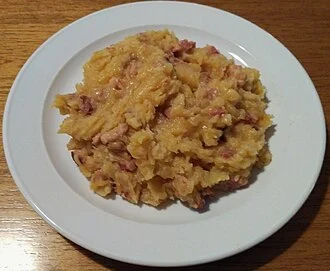
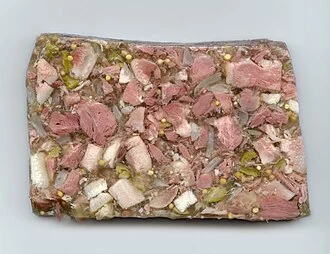
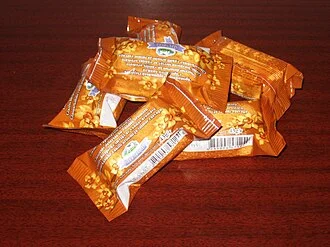
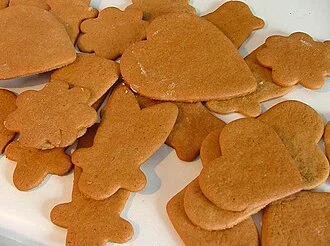
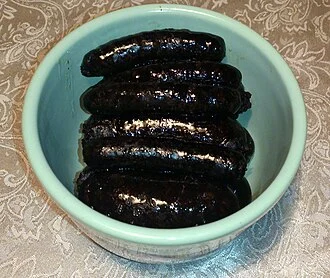
Sweet cake made with curd cheese and raisins. A hearty mash of potatoes and pearl barley typically served with bacon. Hearty chicken soup with vegetables and dill. Traditional dish of jellied meat usually made from pork. A popular Estonian dessert consisting of curd cheese coated in chocolate. Traditional Estonian Christmas cookies. A soft, sweet bread bun often flavored with cinnamon. A traditional Estonian blood sausage, often served during festive occasions.
Traditional Local Food
Narva (Estonia)
🌿
Dessert
Vegetarian
Kohupiimakook
Ko-hoo-pee-ma-kook
· Curd cheese cake
Main course
Meat
Mulgipuder
Mool-gi-poo-der
· Potato and barley mash
Soup
Meat
Supp Kanaga
Soo-pah Kah-nah-gha
· Chicken soup
Main course
Meat
Sült
SUULT
· Jellied meat
Dessert
Vegetarian
Kohuke
Koh-hu-keh
· Chocolate cheese curd snack
Dessert
Vegetarian
Piparkoogid
Pee-par-ko-gid
· Spiced cookies
🌿
Dessert
Vegetarian
Saiakakk
sigh-a-kak
· Traditional Estonian sweet bun
Main course
Meat
Verivorst
Veh-ri-vorst
· Blood sausage