Explore Guides
EUROPE / AUSTRIA
Triplandio Innsbruck guide covers 12 travel guides across 28 areas, complete with hotel picks. Explore 47 self-guided walking tours in Innsbruck with 26 POI, spanning 115.4 km in total. Get inspired by 25 local dishes, complete with recipes and our unique Food Flavour DNA graph.
Innsbruck
City & Country Data Innsbruck (Austria)

Key travel data for Innsbruck — local prices, safety, healthcare, local currency and essentials, curated by Triplandio.
🌍 Austria
Safety
100
Health
98
Lifestyle
73
Infra
91
Rank
#6
Score
69
Tourists
15.1M/y
GDP/cap
$62.9k
Life Exp
82.0 yrs
Population
9.2M
Currency
EUR €
Language
German
Payments
Mixed
Emergency
112
💰 Prices in Innsbruck
Coffee
$4.30
Beer
$5.00
Lunch
$16.00
Groceries
$35.99/w
Taxi/km
$2.00
Transit
$3.00
Fuel
$1.62/l
Internet
$35.99/m
Salary
$2,570/m
Travel tipsInnsbruck (Austria)

Quick tips
- Off-piste skiing can void your insurance — Critical
Avalanches are a real risk in the Austrian Alps. Skiing off-piste without a qualified guide is very dangerous and may invalidate your travel insurance, so check the avalanche warning service first.
- Face coverings in public are banned — Caution
Austria's face-covering ban makes it generally illegal to wear anything in public that hides your face, such as a burqa, niqab or full mask. The fine is up to 150 euros; some exemptions apply.
- Validate your ticket before you travel — Caution
If your public transport ticket needs stamping, validate it in the machine before the journey starts. Inspectors on Austrian trains, trams and buses issue on-the-spot fines of 100–500 euros.
- Buy a motorway vignette before driving — Caution
All Austrian motorways and expressways are tolled. Buy a vignette (toll sticker or digital vignette) before you join one — driving without it brings a fine.
- A driving licence is not valid ID — Good to know
By law you must always have quick access to your passport in Austria. Police do not accept a UK driving licence as official identification (other foreign licences may be refused too), so carry your passport or a copy of it.
- Do
- Greet shop staff with “Grüß Gott”
- Validate tickets that need stamping
- Buy a vignette for motorways
- Carry your passport or a copy
- Wait for the green pedestrian light
- Don’t
- Ski off-piste without a guide
- Leave the tip on the table
- Walk in the cycle lanes
- Expect shops to open on Sunday
- Get between a cow and its calf
Critical
Prison or heavy penalty possible
Laws & fines
- Drug penalties are severe — Critical
Possessing, using or smuggling any illegal drug in Austria, including cannabis, can bring a long prison sentence and heavy fines. Airport scanners also check the bags of transit passengers.
- Drink-driving limits are low — Critical
The legal blood-alcohol limit for drivers in Austria is 0.5 grams per litre, and much lower for new drivers. Police carry out random breath tests.
Caution
Fines, losses or injury possible
Scams & safety
- Cold at the top of the Nordkette — Caution
The Nordkette cable car climbs from Innsbruck's centre to over 2,000 metres, where it can be far colder and windier than in town. Take a warm layer, even in summer.
- Alpine trails above the city — Caution
Paths from the Nordkette top station are real mountain terrain with steep drops. Wear proper boots and stay on marked trails.
Laws & fines
- Declare cash of 10,000 euros or more — Caution
When entering or leaving Austria with 10,000 euros or more in cash or travellers' cheques, declare it at customs. Undeclared money can be seized.
- Cross the road on green — Caution
Austrians wait for the green pedestrian light even on empty streets, and police can fine you for crossing on red. Set a good example, especially near children.
Tipping & money
- Always pay in euros — Caution
Some independent cash machines and card terminals offer to charge you in your home currency. Choose euros — the conversion rate offered is usually poor, and some machines add high withdrawal fees.
Entry & visa
- No meat or dairy from outside the EU — Caution
You can't bring meat, milk or products containing them into Austria from outside the EU. Exceptions include powdered baby milk and some medical foods.
Health
- Watch your drink in bars — Caution
Criminals have robbed and assaulted people after spiking drinks in bars. Don't leave your drink unattended or accept drinks from strangers. Call 112 in an emergency.
Mountains & adventure
- Insure for mountain rescue — Caution
Mountain rescue and helicopter evacuation in Austria can be expensive. Make sure your insurance covers skiing, hiking or climbing, rescue, helicopter costs and repatriation.
- Mountain weather changes fast — Caution
Summer thunderstorms and sudden fog are common in the Austrian Alps. Check the forecast, start hikes early and turn back if the weather turns.
- Give cows a wide berth — Caution
Cattle graze on open Alpine pastures, and mother cows can attack walkers they see as a threat to their calves, especially people with dogs. Keep your distance and don't pet calves.
- Winter driving rules — Caution
In wintry conditions from November to mid-April, cars in Austria must have winter tyres, and mountain roads may require snow chains. Hire cars usually include winter tyres in season, but check.
Good to know
Rules and useful facts
Scams & safety
- Travel advisory: Level 1 of 4 — Good to know
Exercise Normal Precautions — the U.S. State Department's rating for Austria.
- Pickpockets at the Golden Roof — Good to know
The old town around the Golden Roof and the Christmas markets draw big crowds. Keep bags closed and valuables out of back pockets.
Customs
- Sundays are quiet days — Good to know
Most shops in Austria close on Sundays, apart from those at railway stations and airports. Stock up on Saturday, and avoid noisy activities in residential areas.
Entry & visa
- Check your passport dates — Good to know
Austria follows Schengen rules: your passport must be less than 10 years old on arrival and valid for at least 3 months after the day you leave the Schengen area.
- 90 days in any 180 — Good to know
Many visitors, including British, can stay visa-free in the Schengen area, which includes Austria, for up to 90 days in any 180-day period. Time spent in other Schengen countries counts too.
- Biometric checks at the border — Good to know
The EU's Entry/Exit System (EES) now registers visitors' fingerprints and photos at Schengen borders instead of passport stamps. It's free but can mean longer queues.
- Proof you may need at the border — Good to know
Border officers can ask for your hotel booking, return ticket, travel insurance and proof that you have enough money for your stay in Austria.
Health
- Tap water is excellent — Good to know
Tap water across Austria is safe and much of it comes straight from Alpine springs. Refill a bottle from taps and public drinking fountains.
- Bring your health card — Good to know
A UK Global Health Insurance Card (GHIC) or European Health Insurance Card (EHIC) covers necessary state treatment in Austria. It doesn't cover mountain rescue or repatriation, so get travel insurance too.
- Ticks carry disease — Good to know
Ticks in Austrian woods and meadows can spread tick-borne encephalitis (TBE), a brain infection, and Lyme disease. Consider the TBE vaccine and check your skin after walks.
- Altitude sickness — Good to know
Cable cars in Austria take you above 3,000 metres within minutes. Headache, nausea or dizziness can mean altitude sickness — go back down if symptoms get worse.
Mountains & adventure
- Alpine lakes are cold — Good to know
Even in midsummer, Austria's mountain lakes can be cold enough to cause cold-water shock. Enter slowly and swim near the shore.
Local tips
Local know-how
Getting around
- Innsbruck Airport (INN) → centre — Local tip
Innsbruck Airport (INN) is about 4 km west of the centre. City bus line F runs to the centre in about 20 minutes; a taxi takes around 10–15.
- Trains to Munich, Vienna and Zurich — Local tip
Innsbruck Hauptbahnhof has direct trains to Munich in about 2 hours, Salzburg in about 2 hours and Vienna in just over 4 hours.
- Guest card for local transport — Local tip
Many Innsbruck hotels give overnight guests a Welcome Card with free or discounted local buses and activities. Ask at check-in.
- The Innsbruck Card — Local tip
The Innsbruck Card covers city buses, the Nordkette cable car and entry to the main museums. It pays off if you ride the cable car.
Laws & fines
- Don't walk in cycle lanes — Local tip
Cycle lanes in Austrian cities are often marked on the pavement in red or with a bike symbol. Cyclists ride fast and expect you to keep out of them.
Customs
- Greet people when you walk in — Local tip
Say “Grüß Gott” or “Guten Tag” when entering a shop, café or lift in Austria, and “Auf Wiedersehen” when leaving. Skipping the greeting comes across as rude.
- Austrians are not Germans — Local tip
Austria has its own history, dialects and food words. Calling Austrians German, or their country part of Germany, is a common way to annoy people.
- Take your time in cafés — Local tip
In a traditional Austrian coffee house, one coffee buys you a table for as long as you like. Waiters won't rush you — catch their eye when you want to pay.
Tipping & money
- Tip by telling the waiter — Local tip
In Austrian restaurants, round up or add about 5–10%. Tell the waiter the total you want to pay when you hand over the money, rather than leaving coins on the table.
- Carry some cash — Local tip
Cards are widely accepted in Austria, but some traditional inns, mountain huts and market stalls take cash only. Keep some euros with you.
- Prices are fixed — Local tip
Bargaining isn't done in Austrian shops, restaurants or markets. The exception is second-hand and flea markets, where polite haggling is fine.
Mountains & adventure
- Don't go alone into the mountains — Local tip
Adventure sports are riskier alone. Hire a local guide for climbing or glacier trips, carry a map and phone, and leave your route with someone.
Say it locally
Use the formal “Sie” with strangers and greet with “Grüß Gott” — the Austrian way of saying hello.
Through the year
Festival or season Public holiday (exact date)
- Christmas markets
Nov–Dec 2026 · Markets fill town squares from mid-November until Christmas; expect crowds at weekends.
- Between seasons
Oct–Nov 2026, Apr–May 2027 · Many ski resorts, lifts and hotels close between the winter and summer seasons; check before booking a mountain stay.
- All Saints' Day
Mon 1 Nov 2027 · Public holiday
- Ski season
Dec 2026–Apr 2027 · Most Alpine resorts open from December to Easter; school holiday weeks in February are the busiest.
- Krampus runs
Dec 2026 · Around 5 December, costumed Krampus figures parade through Alpine towns; it's loud and can be rough, so keep children back.
- Immaculate Conception
Tue 8 Dec 2026 · Public holiday
- Christmas Day
Fri 25 Dec 2026 · Public holiday
- St. Stephen's Day
Sat 26 Dec 2026 · Public holiday
- New Year's Day
Fri 1 Jan 2027 · Public holiday
- Epiphany
Wed 6 Jan 2027 · Public holiday
- Easter Monday
Mon 29 Mar 2027 · Public holiday
- Labor Day
Sat 1 May 2027 · Public holiday
- Ascension Day
Thu 6 May 2027 · Public holiday
- Whit Monday
Mon 17 May 2027 · Public holiday
- Corpus Christi
Thu 27 May 2027 · Public holiday
- Hiking season
Jun–Sep 2027 · Mountain huts and high lifts are open, usually from June to September; many close again in October.
- Summer festivals
Jul–Aug 2027 · The Salzburg Festival and lake resorts fill up; book accommodation well ahead.
- Assumption of Mary
Sun 15 Aug 2027 · Public holiday
- National Day
Tue 26 Oct 2027 · Public holiday
Sources: GOV.UK travel advice · U.S. State Dept · Google public holidays
Best time to visit Innsbruck (Austria)
Now (November) avg high: 10°C, mostly dry, moderate crowds. Best months to walk: Feb & Oct.
Live Temp
…
~Day / Night Temp
10°C / 1°C
Sunrise / Sunset
8:09 / 17:48
Local time
21:12
Best Months  Feb & Oct
J
Jan
F
Feb
M
Mar
A
Apr
M
May
J
Jun
J
Jul
A
Aug
S
Sep
O
Oct
N
Nov
 D
Dec
M
Mar
A
Apr
M
May
J
Jun
J
Jul
A
Aug
S
Sep
O
Oct
N
Nov
D
Dec
Check Innsbruck hotels
Temperature
Average daytime high, month by month. Zero line marks freezing point.
Crowds
How busy it gets — traveller interest by month.
Rainfall
Rainy days to expect each month.
Sunshine
Hours of sun per day, by month.
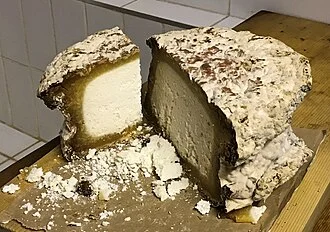
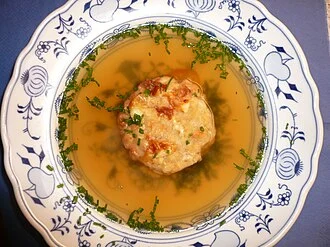
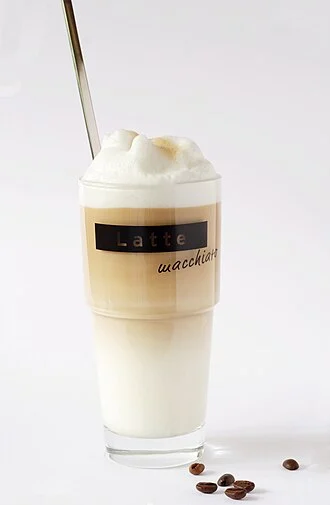
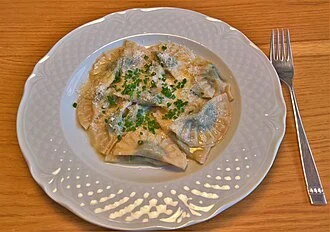
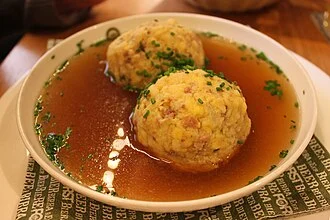
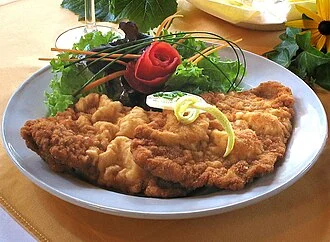
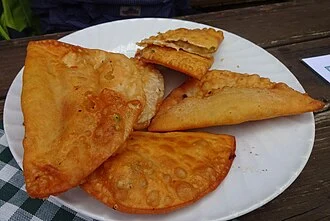
A sour, low-fat cheese made from skimmed milk, typical in Tyrol. A fried dish of bacon, potatoes, and onions. Savory fried or boiled dumplings made with cheese. Cheese noodles made from scratch, mixed with cheese and topped with fried onions. A unique yogurt-based fruit drink popular in Tyrol. Tyrolean spinach and ricotta stuffed dumplings served with melted butter. Bread dumplings enriched with bacon, often served as a side or in soup. A rich soup made from Graukäse and potatoes, flavored with herbs. A breaded and deep-fried veal cutlet served with lemon and potatoes. Fried dumplings filled with a mixture of potatoes and cheese.
Traditional Local Food
Innsbruck (Austria)
Snack
Vegetarian
Glacierè Potato Cheese
Graukäse
GROW-kez
🥩
Main course
Meat
Groestl
Gröstl
GROE-stl
Main course
Vegetarian
Kaspressknödel
KAS-press-knoe-dell
Main course
Vegetarian
Kasspatzln
Käsespätzle
Kass-shpehts-le
Drink
Vegetarian
Lattella
lah-tell-ah
Main course
Vegetarian
Schlutzkrapfen
SHLOOTS-krahp-fen
Main course
Meat
Speckknödel
SHPEHK-noo-dul
🌿
Soup
Vegetarian
Tyrolean Grey Cheese Soup
Tiroler Graukäsesuppe
TEE-roh-ler GROW-kez-eh-soop-eh
Main course
Meat
Wiener Schnitzel
VEE-nahr SHNEE-tsl
Snack
Vegetarian
Zillertaler Krapfen
TSILL-er-tah-lair KRAHP-fen