

Explore Guides
ASIA
Saudi Arabia
Triplandio Saudi Arabia guide covers 6 travel guides with 1 city across 23 areas, complete with hotel picks. Explore 16 self-guided walking tours in Saudi Arabia with 19 POI, spanning 128.3 km in total. Get inspired by 5 local dishes, complete with recipes and our unique Food Flavour DNA graph.
Country Data Saudi Arabia

Key travel data for Saudi Arabia — safety, healthcare, local currency and essentials, curated by Triplandio.
🌍 Saudi Arabia
Safety
48
Health
55
Lifestyle
37
Infra
63
Rank
#61
Score
38
Tourists
20.3M/y
GDP/cap
$34.5k
Life Exp
79.0 yrs
Population
37.0M
Currency
SAR ر.س
Language
Arabic
Payments
Cards OK
Emergency
911
Travel tipsSaudi Arabia

Quick tips
- Never criticise the royal family or Islam — Critical
Public comments, including social media posts, about the King, Crown Prince, government, Islam or politics can be treated as a threat to national security in Saudi Arabia. Old posts count, and sentences can be long.
- Missile and drone attacks are possible — Critical
Since July 2026, Houthi forces in Yemen have launched missiles and drones at Saudi cities and airports, including Riyadh and Jeddah. Follow Saudi Civil Defence alerts and shelter indoors if told to.
- No alcohol at all — Critical
Bringing, drinking, making or selling alcohol is illegal in Saudi Arabia, and so is being drunk in public or arriving drunk. Offenders face prison and deportation.
- Drug smuggling can mean death — Critical
Saudi Arabia has zero tolerance for drugs. Even small amounts can mean up to 5 years in prison and a 30,000 riyal fine, and drug smuggling can carry the death penalty.
- Cover elbows and knees — Good to know
Men and women in Saudi Arabia must wear loose clothing covering the elbows and knees. Women visitors don't need the full-length robe (abaya) or a headscarf, except in mosques.
- Distances are huge — Good to know
Saudi Arabia is vast: Riyadh to Jeddah is about 950 km, and AlUla is far from both. Fly between regions and use trains where they run, rather than driving across the country.
- Do
- Carry a copy of passport and visa
- Cover elbows and knees
- Use your right hand
- Follow Civil Defence alerts
- Ask before photographing people
- Don’t
- Bring or drink alcohol
- Criticise rulers, religion or politics
- Eat in public in Ramadan daytime
- Photograph official buildings
- Drive into the desert alone
Critical
Prison or heavy penalty possible
Laws & fines
- Mecca is closed to non-Muslims — Critical
Only Muslims may enter the holy city of Mecca, and non-Muslims may not enter the central holy area of Medina. Checkpoints on the approach roads turn others away.
- Protests are illegal — Critical
Public demonstrations are banned in Saudi Arabia. Stay away from any gathering that looks like a protest, and don't wear clothing or carry flags with political slogans.
- Same-sex relations are illegal — Critical
Same-sex relations are illegal in Saudi Arabia, although prosecution is uncommon, and being transgender is not legally recognised. All couples should avoid public displays of affection.
- Unpaid bills can stop you leaving — Critical
Not paying a hotel or car hire bill, or writing a cheque that bounces, is a crime in Saudi Arabia that can bring a fine, prison or a travel ban.
Entry & visa
- Overstaying is punished — Critical
Overstaying your visa in Saudi Arabia can bring large fines, detention, deportation and a ban on returning.
Health
- Summer heat is dangerous — Critical
Temperatures in Saudi Arabia often pass 45°C from June to September, with a high risk of heatstroke. Avoid midday outdoor activity and drink water and electrolytes.
Deserts & adventure
- Stay away from the Yemen border — Critical
Avoid all travel within 10 km of the Yemen border, and all but essential travel up to 80 km from it, including the cities of Abha and Khamis Mushait.
- Never drive into the desert alone — Critical
Go into the Saudi desert only in daylight, with a guide or a convoy of 4x4 vehicles, carrying plenty of water, fuel and a charged phone. Tell someone your route before you leave.
- Camels on the road at night — Critical
Camels wander onto Saudi highways, especially at night, and collisions can be fatal. Avoid long drives after dark outside the cities.
- Flash floods in the valleys — Critical
Heavy rain from November to February can cause floods, sending water rushing through dry valleys (wadis). Don't camp in a wadi or drive through flowing water; call Civil Defence on 998 in a flood.
Caution
Fines, losses or injury possible
Getting between cities
- Driving on the right — Caution
Traffic drives on the right. Visitors from the UK can drive on their licence for 3 months; other nationalities should check whether they need an International Driving Permit (IDP). Driving standards are poor and serious crashes are common; always wear a seatbelt.
Laws & fines
- Always carry ID — Caution
Tourists in Saudi Arabia must carry identification at all times, such as a copy of the passport and visa. Not having ID can lead to a fine or prison.
- No photos of official buildings — Caution
Photographing government buildings, embassies, military sites and palaces is illegal. Ask people before taking their picture, especially women.
- Restricted items at customs — Caution
Pork, pornography, weapons and alcohol are banned imports. Drones, satellite phones and some medicines need approval before you bring them in, and books and devices can be checked.
- Pay traffic fines before you fly home — Caution
Automatic cameras in Saudi cities catch speeding and other offences, and fines are sent by text and recorded on the Absher system against your passport. Unpaid fines must be settled before you leave; the airport desk works only office hours.
Customs
- Ramadan rules for visitors — Caution
During the holy month of Ramadan, don't eat, drink, smoke or chew gum in public in daytime, including in your car. Dates move each year; in 2027 it is expected to start in early February.
- Keep your voice and music down — Caution
Swearing, rude gestures, loud music and dancing in public can lead to fines or arrest in Saudi Arabia. Keep behaviour low-key in public places.
Entry & visa
- Travel advisory: Level 3 of 4 — Caution
Reconsider Travel — the U.S. State Department's rating for Saudi Arabia.
- Only one passport — Caution
It is illegal to hold two passports in your own name in Saudi Arabia, and immigration may take a second one. Leave on the passport you entered with.
Health
- Bring approval for some medicines — Caution
Some prescription and over-the-counter medicines are controlled in Saudi Arabia. Carry a doctor's letter with the dose and check whether you need approval before travelling.
Good to know
Rules and useful facts
Getting between cities
- High-speed train Jeddah–Medina — Good to know
The Haramain high-speed train links Jeddah and Medina. Its Mecca stations are for Muslims only, as the city is closed to non-Muslims.
Regions & seasons
- The south-west highlands — Good to know
The cooler Asir mountains are close to the Yemen border, and some areas, including Abha, are covered by travel warnings. Check advice before you go.
Entry & visa
- Get your visa online — Good to know
Visitors need a visa or electronic travel authorisation for Saudi Arabia. Many nationalities, including UK and US citizens, can apply online for a tourist e-visa before travelling.
- Passport valid for 6 months — Good to know
Your passport must be valid for at least 6 months after the date you arrive in Saudi Arabia.
- Israeli stamps can cause problems — Good to know
You may be refused entry to Saudi Arabia if your passport shows travel to Israel or that you were born there.
- Flights restricted during Hajj — Good to know
During the Hajj pilgrimage, non-pilgrims may be barred from flights to Jeddah, Medina and Taif. Plan to enter through Riyadh or other airports at that time.
Health
- Drink bottled water — Good to know
Most tap water in Saudi Arabia is desalinated, but pipes vary. Bottled water is cheap and sold everywhere.
- Good care in big cities — Good to know
Hospitals in Riyadh, Jeddah and other big cities are of a high standard, but remote areas have basic care. The emergency number is 911.
- Tourist visa insurance has a limit — Good to know
The tourist e-visa includes health insurance up to 100,000 riyals. Other entry permits don't include any cover, so buy travel insurance either way.
Local tips
Local know-how
Getting between cities
- Domestic flights are the easy option — Local tip
Several airlines connect Riyadh, Jeddah, AlUla, Dammam and other cities, with frequent, good-value flights.
- Trains from Riyadh — Local tip
Saudi Arabia Railways (SAR) runs trains from Riyadh east to Dammam and north towards Hail and Al Jouf. Book ahead at weekends and holidays.
- Ride-hailing in cities — Local tip
Uber and Careem work in Riyadh, Jeddah and other big cities, and are usually easier than hailing a taxi.
Regions & seasons
- Riyadh and the centre — Local tip
Riyadh and the central Najd region are dry, with very hot summers and cool winter nights. Visit from November to March.
- Jeddah and the Red Sea coast — Local tip
Jeddah and the Red Sea coast are humid all year. Winter is pleasant for the historic Al-Balad district and diving.
- AlUla and the north-west — Local tip
AlUla's desert and ancient tombs are best from October to March. Summer days are very hot.
Customs
- Use your right hand — Local tip
Use your right hand to eat, shake hands and pass or receive things, including money and coffee. The left hand is considered unclean.
- Accept Arabic coffee — Local tip
Hosts often offer small cups of Arabic coffee and dates as a welcome. Accept at least one cup; gently shake the cup from side to side when you don't want more.
- Shops may pause for prayer — Local tip
Muslims pray five times a day, and some smaller shops and restaurants in Saudi Arabia still close briefly at prayer times. Plan errands around them.
Tipping & money
- Tipping is optional — Local tip
Tipping isn't required in Saudi Arabia, but about 10% in restaurants, rounding up taxi fares and a small tip for hotel porters are appreciated.
- Bargain in traditional souks — Local tip
Haggling is normal in the old markets (souks) of Jeddah and Riyadh, but prices in malls and supermarkets are fixed.
- Cards and phones work widely — Local tip
Contactless cards and phone payments are accepted almost everywhere in Saudi cities. Carry some riyals for small shops and rural areas.
Deserts & adventure
- Red Sea diving and snorkelling — Local tip
The Red Sea coast has excellent reefs. Dive with licensed operators, and cover up on public beaches; swimwear is fine at resorts and private beaches.
Our Saudi Arabia city guides
Book Hegra tours and site tickets through the official Experience AlUla website only.
Say it locally
Answer the greeting “as-salamu alaykum” with “wa alaykum as-salam”.
Through the year
Festival or season Public holiday (exact date)
- Cool season
Oct 2026–Mar 2027 · The best time to visit, with warm days and cool desert nights; big entertainment seasons run in Riyadh and elsewhere.
- Day of Reconciliation
Wed 16 Dec 2026 · Public holiday
- Christmas Day
Fri 25 Dec 2026 · Public holiday
- Day of Goodwill
Sat 26 Dec 2026 · Public holiday
- Ramadan
Jan–Mar 2027 · The fasting month moves about 11 days earlier each year; expected to start in early February 2027. Daytime eating in public is banned and opening hours change.
- New Year's Day
Fri 1 Jan 2027 · Public holiday
- Human Rights Day
Sun 21 Mar 2027 · Public holiday
- Good Friday
Fri 26 Mar 2027 · Public holiday
- Family Day
Mon 29 Mar 2027 · Public holiday
- Hajj pilgrimage
Apr–Jun 2027 · Moves about 11 days earlier each year (around May in 2027); flights to Jeddah and Medina are restricted and prices rise.
- Freedom Day
Tue 27 Apr 2027 · Public holiday
- Workers' Day
Sat 1 May 2027 · Public holiday
- Extreme summer heat
Jun–Sep 2027 · Temperatures above 45°C in much of the country; outdoor sightseeing is hard.
- Youth Day
Wed 16 Jun 2027 · Public holiday
- National Women's Day
Mon 9 Aug 2027 · Public holiday
- Heritage Day
Fri 24 Sep 2027 · Public holiday
Sources: GOV.UK travel advice · U.S. State Dept · Google public holidays
Traditional Local Food Saudi Arabia
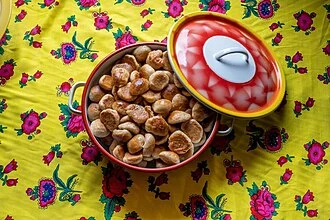
Dessert
Vegetarian
Maqshoush
المقشوش
mak-shoosh
· Honey and bread pudding
A sweet bread pudding with honey.
Open Maqshoush recipe🥩
Main course
Meat
Margoog
مرقوق
mar-GOOG
· Lamb stew with fatir bread
A lamb stew served with traditional bread.
Open Margoog recipe🥩
Main course
Meat
Kabsa
كبسة
KAB-sah
· Spiced rice with lamb
A regional spiced rice dish with lamb.
Open Kabsa recipe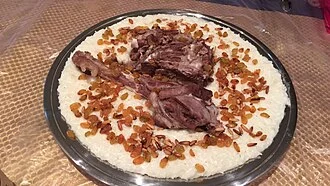
Main course
Meat
Saleeg
سليق
sah-LEEG
· Creamy rice with chicken
A creamy rice and chicken dish from AlUla.
Open Saleeg recipe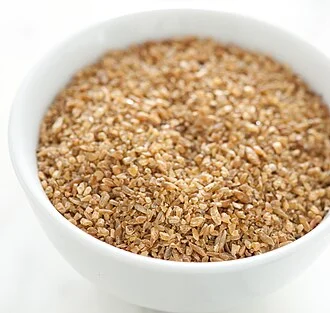
Main course
Vegetarian
Jareesh
الجريش
jah-rees
· Cracked wheat porridge
A traditional cracked wheat porridge dish.
Open Jareesh recipe