




Hawa Mahal Area
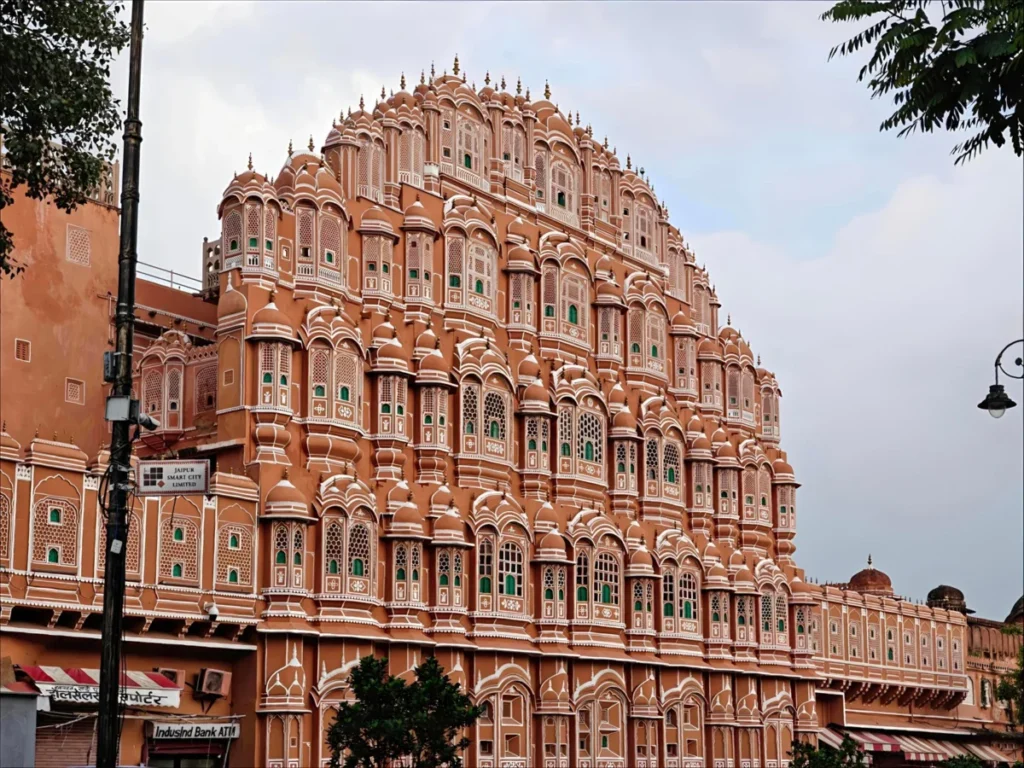
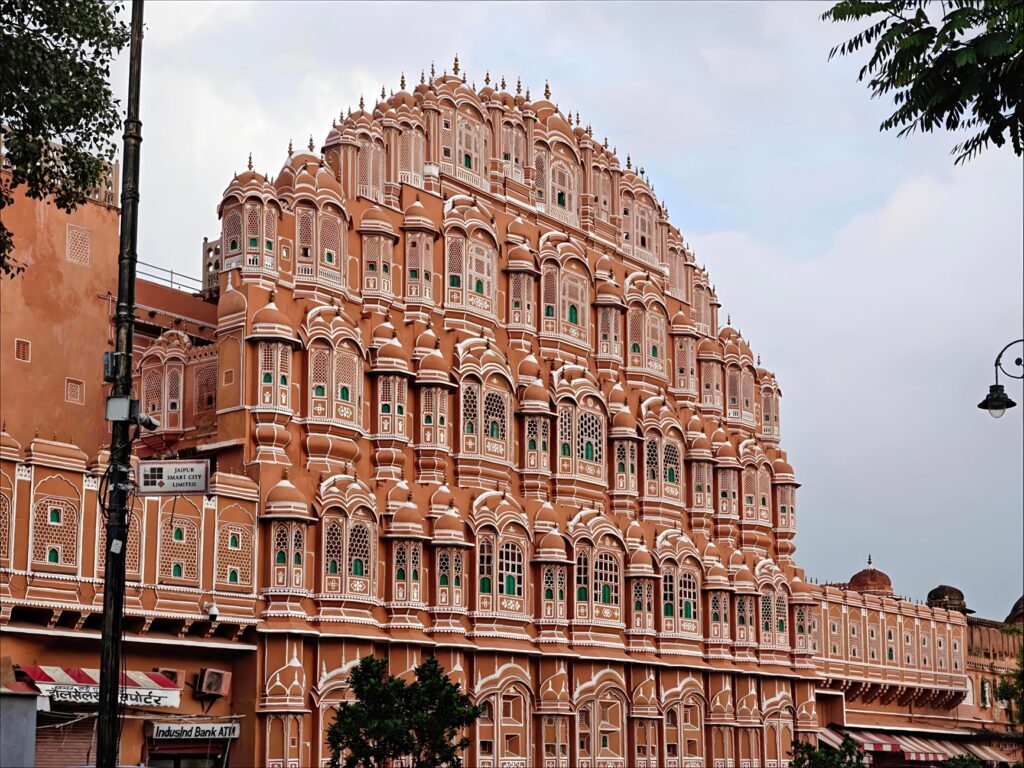
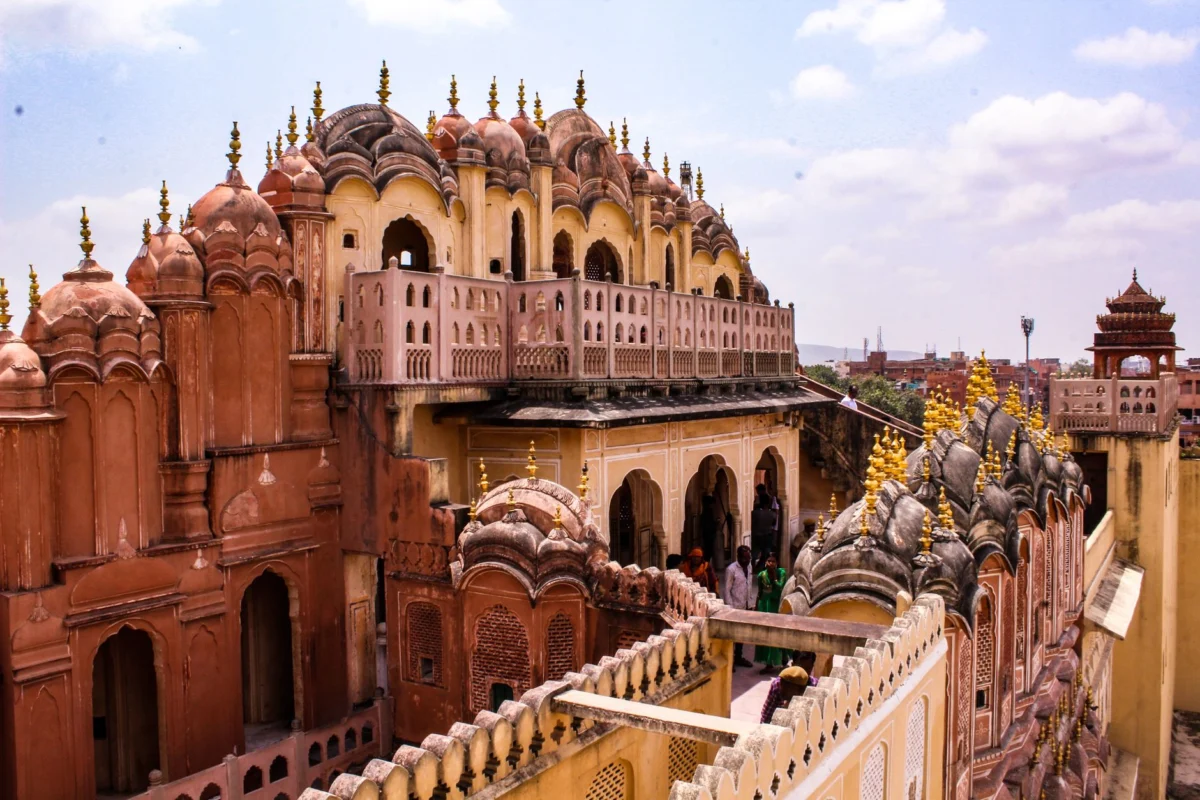
This is the Jaipur you came to see. Hawa Mahal, built from red and pink sandstone, stands on the edge of The City Palace, and Jantar Mantar, the collection of 19 astronomical instruments completed in 1734, is a few minutes away on foot. Stay here and the three big sights of a first trip are all walkable.
Most people sleeping here are first-timers in small hotels and homestays inside the old city lanes. Go early: climb Iswari Minar Swarga Sali (Isarlat) for a view over the old city, then do the City Palace and Jantar Mantar while it is still cool. In the afternoon, wander past the Sari market and the jewels gallery, and finish facing Hawa Mahal as the light drops.
The honest downside: the lanes are busy and loud from morning to evening, and there is very little green space to escape to when you need a break.
Local picks
For First-Time Visitor- 1Early viewIswari Minar Swarga Sali (Isarlat)Start with the climb up this tower for a view over the old city. It is the easiest way to understand the layout before you head into the lanes.
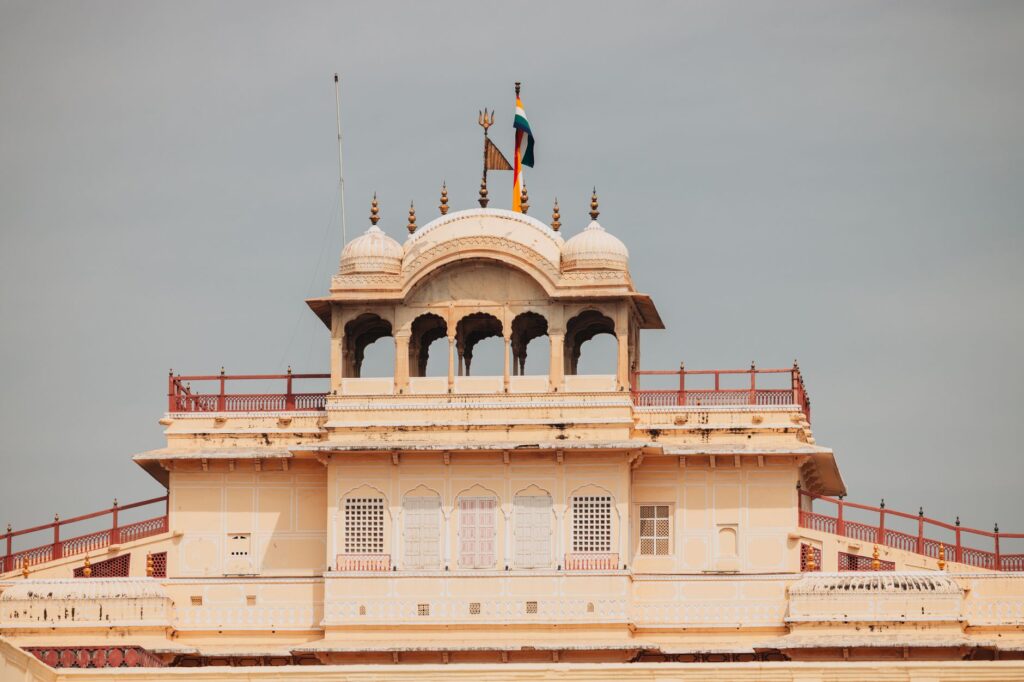
- 2Mid-morningThe City PalaceThe former royal residence and seat of the rulers of Jaipur State. Give yourself time here, as it is the largest sight on this walk.
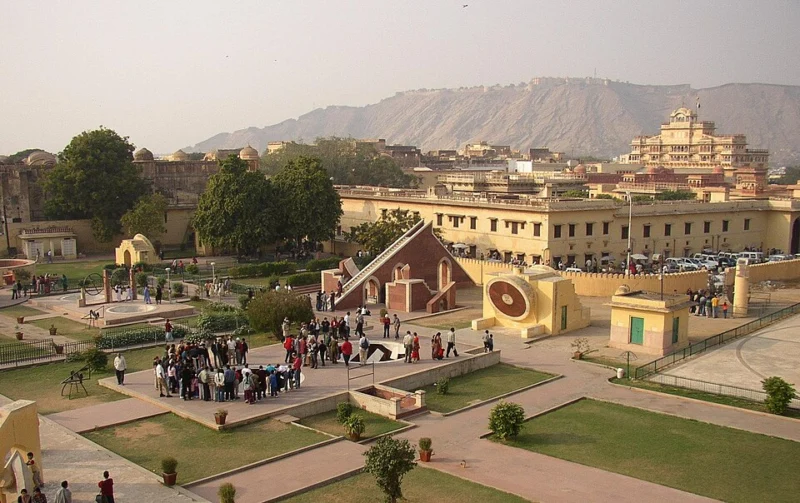 3Late morningJantar MantarRight next door are the 19 astronomical instruments of Sawai Jai Singh. Walk between them before the midday sun makes the open courtyard hard work.
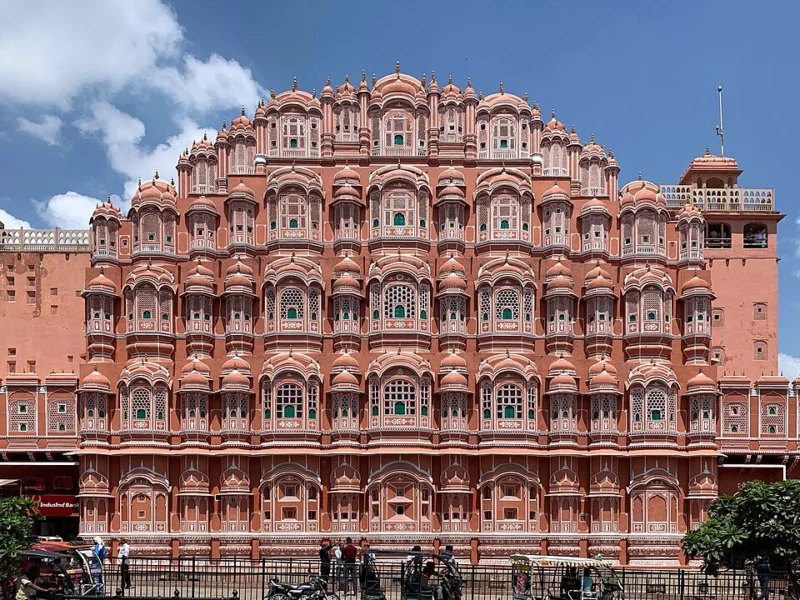 4AfternoonHawa MahalFinish at the pink sandstone facade that everyone pictures when they think of Jaipur. Late afternoon light suits the stone best.
- Getting aroundOn foot in the old cityEverything on this walk is within about 1 km, so you won't need transport. For other areas, take a taxi or auto-rickshaw and agree the fare or use an app before you get in.
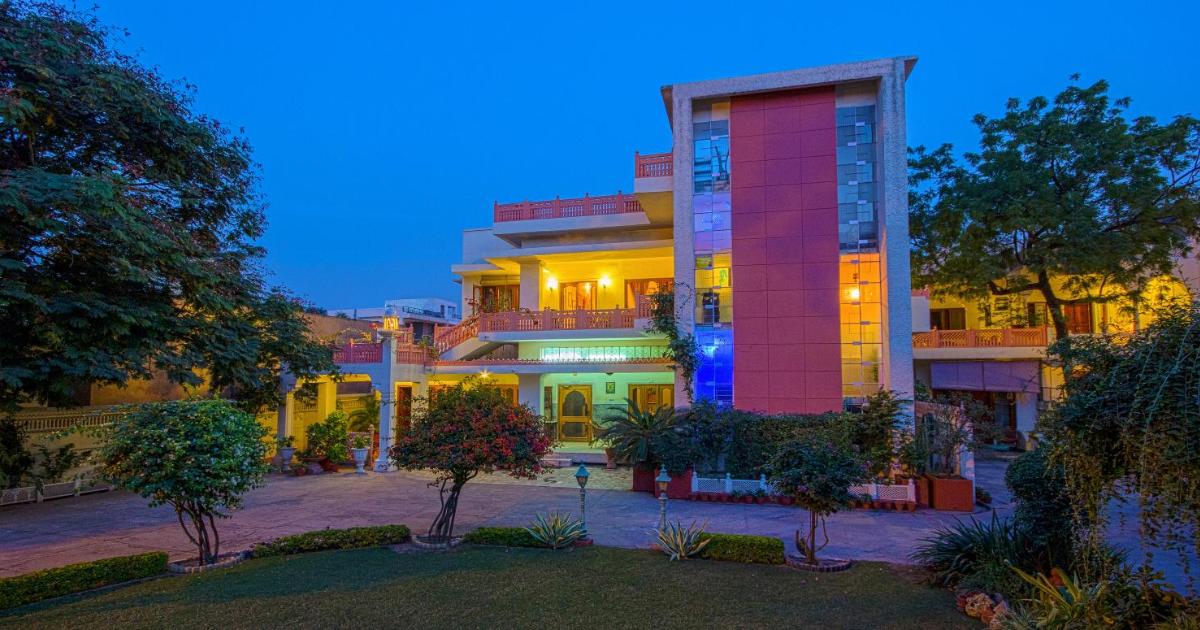
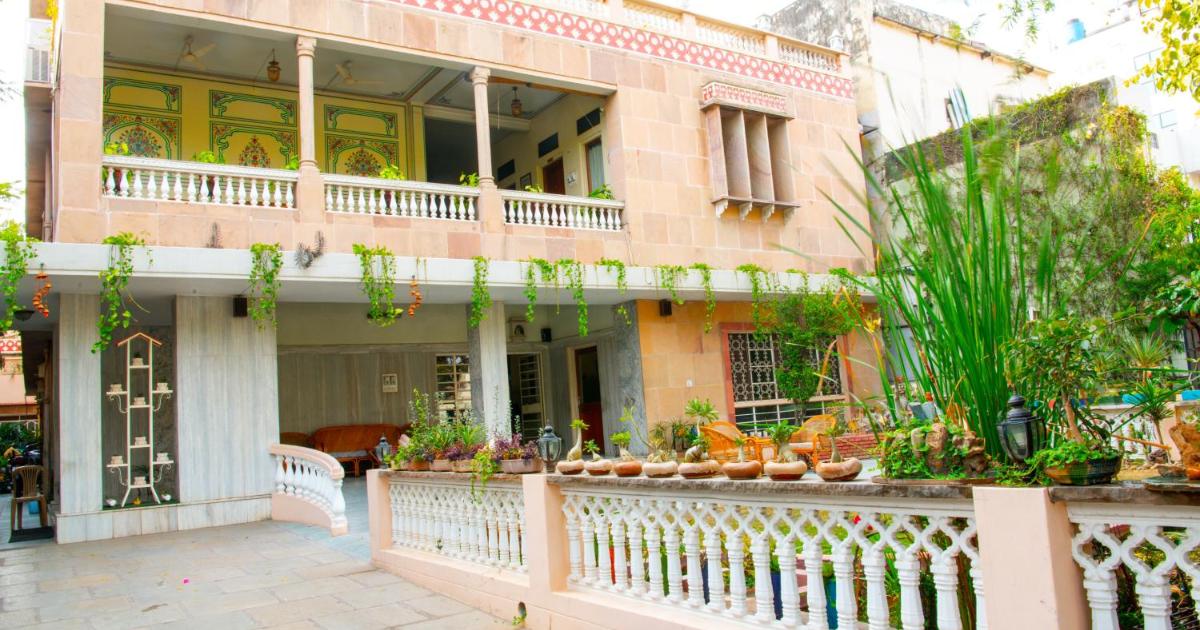
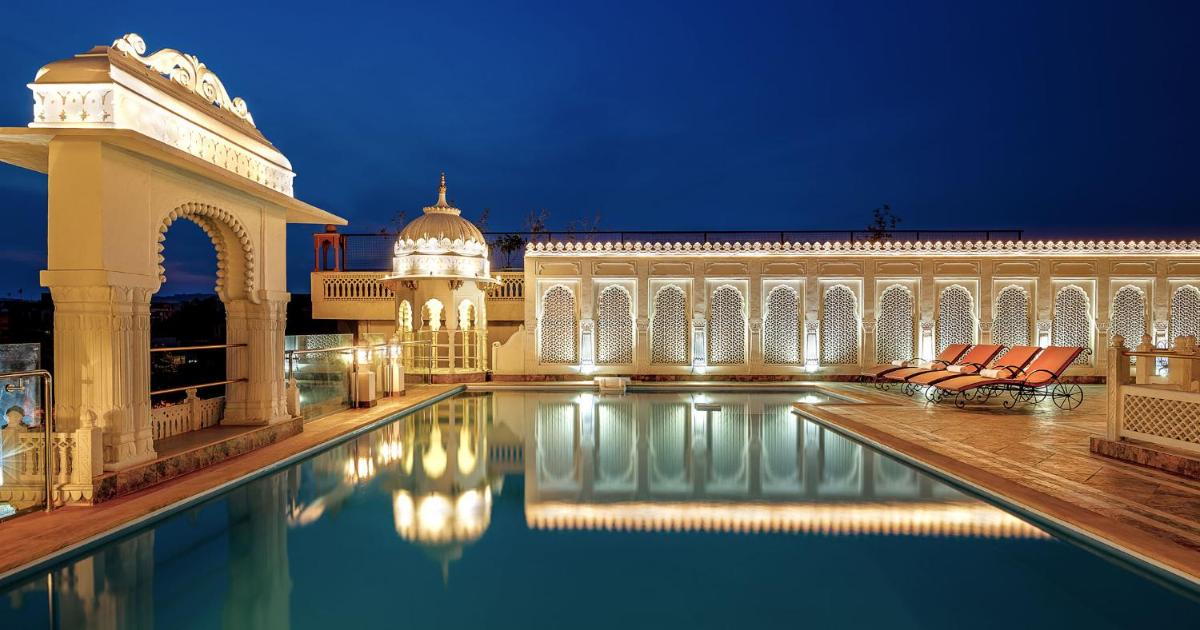
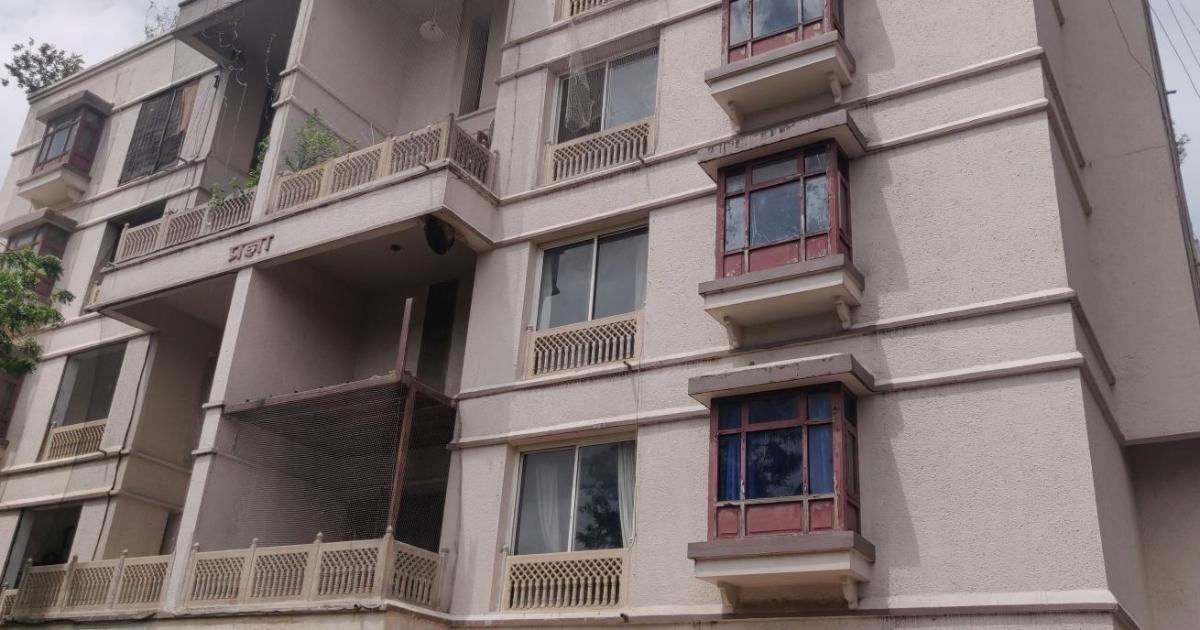
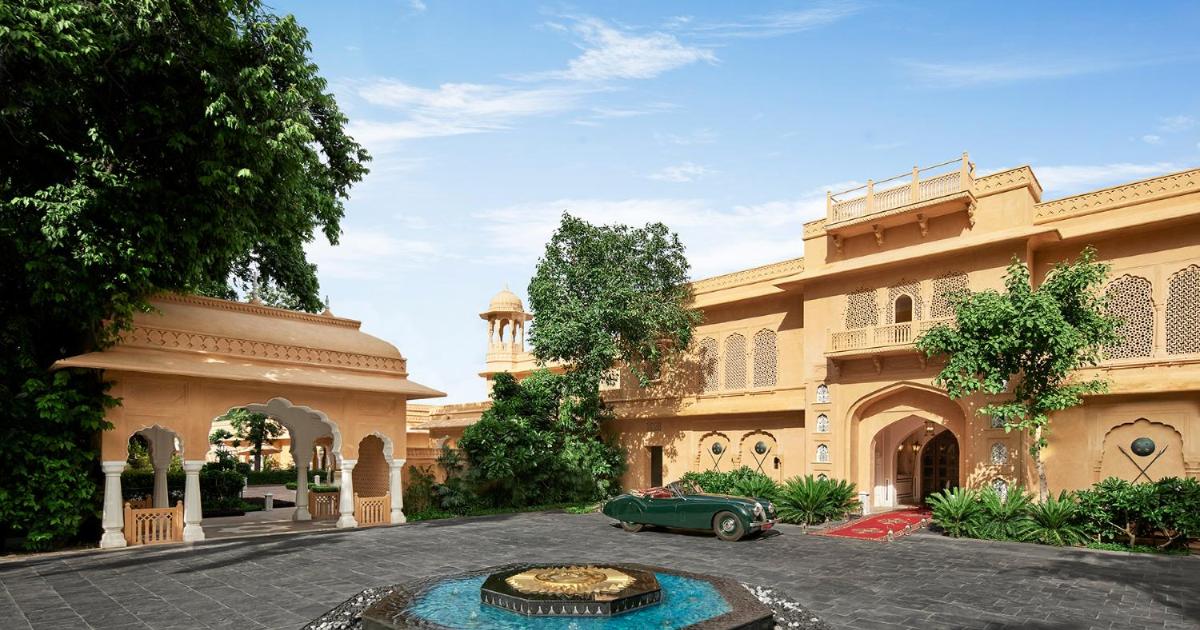
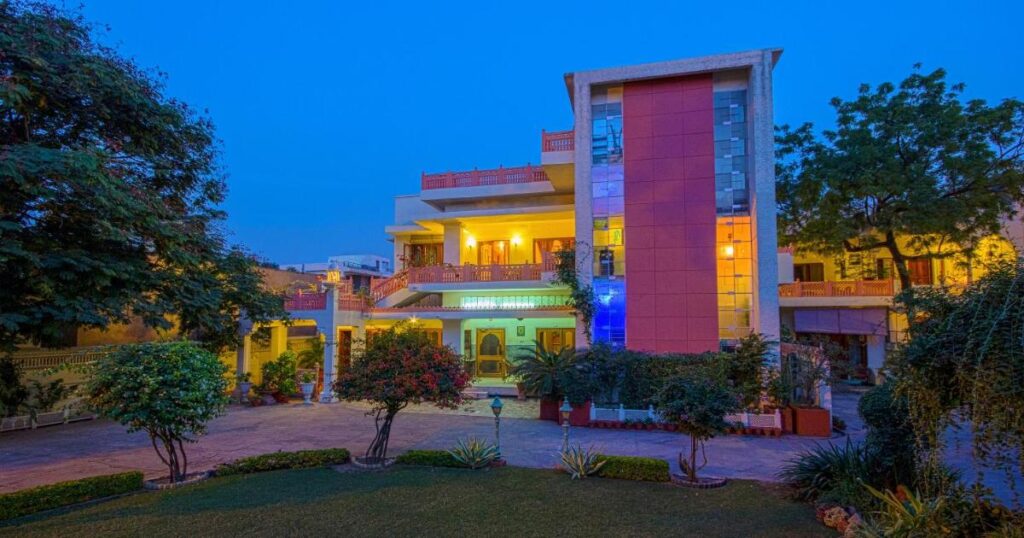
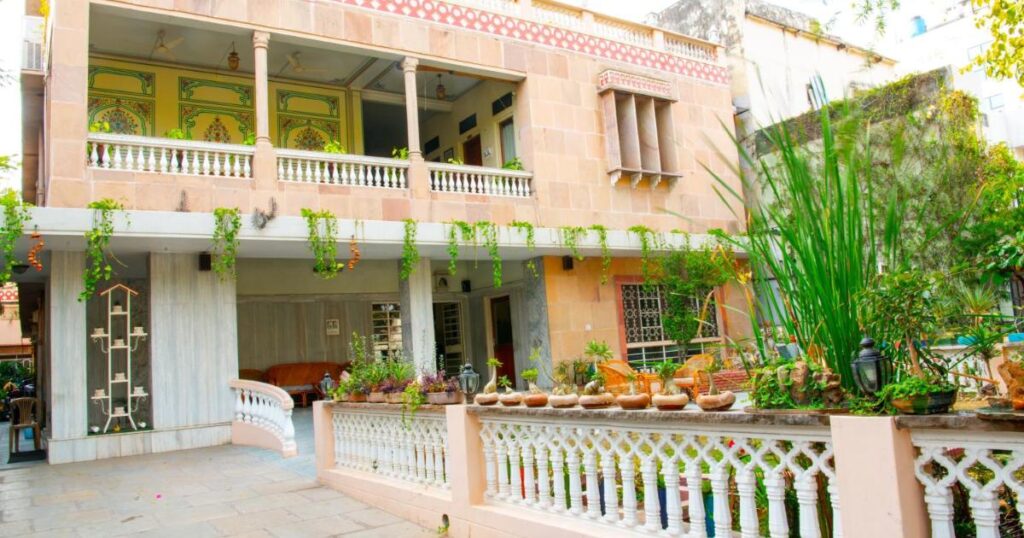
- Where to stayLook for small hotels and homestays within a few lanes of Hawa Mahal, so you can walk back for a break in the heat. Check that the room faces away from the main bazaar if you are a light sleeper.
Did you know?
| Built in pink sandstone Hawa Mahal is built from red and pink sandstone and stands on the edge of the City Palace, extending to the women's chambers. |
| Nineteen instruments from 1734 Jantar Mantar is a collection of 19 astronomical instruments built by Sawai Jai Singh, the founder of Jaipur, and completed in 1734. |
| A palace as old as the city Construction of the City Palace started soon after Jaipur was founded, under Maharaja Sawai Jai Singh II. |