Explore Guides
ASIA / INDIA
Triplandio Jaipur guide covers 8 travel guides across 19 areas, complete with hotel picks. Explore 29 self-guided walking tours in Jaipur with 61 POI, spanning 81.4 km in total. Get inspired by 12 local dishes, complete with recipes and our unique Food Flavour DNA graph.
Jaipur
City & Country Data Jaipur (India)

Key travel data for Jaipur — local prices, safety, healthcare, local currency and essentials, curated by Triplandio.
🌍 India
Safety
34
Health
28
Lifestyle
44
Infra
37
Rank
#69
Score
35
Tourists
17.9M/y
GDP/cap
$2.7k
Life Exp
72.2 yrs
Population
1.5B
Currency
INR ₹
Language
Hindi
Payments
Mixed
Emergency
112
💰 Prices in Jaipur
Coffee
$1.85
Beer
$2.85
Lunch
$3.70
Groceries
$10.00/w
Taxi/km
$0.60
Transit
$0.30
Fuel
$1.20/l
Internet
$9.00/m
Salary
$300/m
Travel tipsJaipur (India)

Quick tips
- Satellite phones and GPS devices are illegal — Critical
Owning or using a satellite phone or satellite GPS device in India without a licence is illegal, even in transit. Visitors, including British nationals, have been arrested; the device is confiscated. Leave satellite messengers and handheld GPS units at home.
- Some states ban all alcohol — Critical
Drinking, carrying or transporting alcohol is illegal in Bihar, Gujarat, Mizoram, Nagaland and Lakshadweep. You could be arrested, held without bail and face 5 to 10 years in prison.
- Tiny amounts of drugs mean prison — Critical
Possessing even a small amount of any illegal drug for personal use carries a minimum sentence of 6 months, and up to 10 years for larger amounts. Court cases are slow, so you could be held for years.
- Don't buy gems to “resell at home” — Caution
Friendly strangers in Jaipur suggest you buy gems or jewellery to sell at a big profit abroad, or to carry for their business. The stones turn out to be worth little and the money is gone.
- Vapes are banned — Caution
Vapes and e-cigarettes are banned in India. You cannot buy them there or bring them into the country, so leave yours at home.
- Get your visa before you fly — Good to know
Almost every visitor needs a visa or e-visa arranged in advance, and the wrong visa type can get you refused or deported. Also fill in the online e-arrival card in the 72 hours before landing.
- Do
- Get your visa before you fly
- Take shoes off at temples and homes
- Use your right hand to eat and pay
- Drink sealed bottled water
- Agree rickshaw fares before you ride
- Don’t
- Bring a satellite phone or GPS unit
- Pack a vape
- Drink in parks or in dry states
- Photograph airports or army sites
- Walk isolated beaches alone
Critical
Prison or heavy penalty possible
Laws & fines
- Don't accept drinks from strangers — Critical
Drinks and food have been spiked in India, and visitors have then been robbed or assaulted. Never leave a drink unattended, and refuse food or drinks offered by strangers, including on trains.
Entry & visa
- Overstaying is illegal — Critical
Overstaying your Indian visa is illegal, and overstayers have struggled even to find a hotel. Leave before it expires or get an official extension.
Health
- Methanol in fake spirits — Critical
Alcoholic drinks containing methanol have caused serious illness worldwide; even a small amount can kill and you can't taste it. Buy sealed bottles and get urgent help if drinkers feel unwell.
Beaches & adventure
- Don't go to isolated beaches alone — Critical
Foreign women have been sexually assaulted in tourist areas of India. Avoid isolated places, including beaches, when you are on your own — at any time of day.
- Trek in groups with a guide — Critical
In the Himalaya, trek in a group with a reputable guide on established routes. Above 3,000 metres there is no commercial mountain rescue, so get insurance covering altitudes over 2,400 metres and helicopter rescue, and expect no phone signal.
- Roads are dangerous — Critical
India has a high death rate on the roads. Avoid travelling at night or in fog and wear a helmet on any motorbike. Accidents involving cows can draw angry crowds; if police aren't at the scene, go to the nearest police station.
- Borders with Pakistan and Kashmir — Critical
Several governments, including the UK, advise against all travel within 10 km of the India-Pakistan border and to Jammu and Kashmir (except the city of Jammu), and against all but essential travel to Manipur. Travel there may void your insurance.
Caution
Fines, losses or injury possible
Scams & safety
- Commission shops on rickshaw tours — Caution
Cheap rickshaw or “free guide” tours stop at textile, block-printing and jewellery shops that pay the driver commission. Say you don't want shops before you set off.
Laws & fines
- No drinking in public places — Caution
Drinking alcohol in public places such as parks is illegal throughout India. Drink in licensed bars, restaurants or your hotel instead.
- Smoke only in designated areas — Caution
Smoking is illegal in most public places in India. Use designated smoking areas only.
- Careful with cameras near security sites — Caution
Photography, birdwatching or plane spotting near military sites, government buildings, airports and railway stations can be mistaken for spying. Put the camera and binoculars away there.
Tipping & money
- Watch for card skimming — Caution
Card skimming and online scams are common in India. Use ATMs inside banks or malls, cover the keypad as you type and keep your card in sight when paying.
Entry & visa
- Declare large amounts of cash — Caution
You must declare more than 5,000 US dollars in banknotes, or more than 10,000 US dollars in notes and travellers cheques combined, when entering India.
Health
- Avoid stray dogs and monkeys — Caution
Stray dogs and monkeys at temples can carry rabies. Don't feed or touch them, and get medical help the same day if you are bitten or scratched.
Beaches & adventure
- Strong currents off Indian beaches — Caution
Strong currents off many Indian coasts drown people every year, and most beaches have no warning flags or lifeguards. Ask locals before swimming and follow any lifeguard instructions.
- Tourist boats lack life jackets — Caution
Tourist boats and other small craft in India rarely carry life-saving equipment. Check for life jackets before you board, and don't get on an overloaded boat.
- Monsoon floods and cyclones — Caution
India's monsoon, usually June to October, brings flash floods and landslides that cut off mountain roads with little warning, and cyclones hit the coasts mainly from September to December. Check weather updates and follow local authorities.
Good to know
Rules and useful facts
Scams & safety
- Travel advisory: Level 2 of 4 — Good to know
Exercise Increased Caution — the U.S. State Department's rating for India.
- Pickpockets in the bazaars — Good to know
The crowded Johari and Bapu bazaars in the old city are pickpocket hotspots. Keep your bag zipped and in front of you.
Laws & fines
- Dry days on festivals and elections — Good to know
Alcohol sales are often banned during major religious festivals, national holidays and elections, and police carry out vehicle checks. Ask your hotel before a big festival.
- Same-sex relationships are legal — Good to know
Same-sex relationships are legal in India, but same-sex marriage is not recognised and society is conservative. LGBT+ travellers may face harassment outside big cities, and public affection attracts negative attention.
- Strikes can shut down a city — Good to know
General strikes (called a bandh or hartal) and political rallies happen often and can turn violent, closing shops and transport. Stay away and follow any curfew.
- Carry ID and keep copies — Good to know
Always carry identity documents. Keep copies of your passport, visa and flight ticket separately; if your passport is stolen you need a police report to be allowed to leave.
Tipping & money
- Bring foreign cash, not rupees — Good to know
Bringing Indian rupees into India is restricted. Arrive with pounds, dollars or euros or a bank card, and change or withdraw rupees once you're in India.
Entry & visa
- Passport valid for 6 months, 2 blank pages — Good to know
To enter India your passport must be valid for at least 6 months after arrival and have at least 2 blank pages.
- Get your entry stamp — Good to know
Make sure the officer stamps your passport on arrival in India. You must show the stamp when you leave; without it you need a special exit permit, which can take 5–15 working days.
- Your hotel must register you — Good to know
Hotels and guesthouses must register foreign guests with the Foreigners Regional Registration Office (FRRO) using an online C-form. You'll need your passport with a valid visa to check in.
- Permits for restricted areas — Good to know
Some border and tribal areas, including parts of the north-east and the Himalaya, need a special permit. Apply about 3 months ahead through the Indian High Commission or a local tour operator.
- Health self-declaration form — Good to know
Arriving passengers must currently fill in a health self-declaration form on the Air Suvidha portal up to 24 hours before landing. Without it, expect delays and temperature checks at the airport.
Health
- Don't drink the tap water — Good to know
Tap water in India is not safe to drink. Stick to sealed bottled or filtered water, and be careful with ice, salads and peeled fruit from street stalls.
- Mosquitoes spread dengue and malaria — Good to know
Dengue, malaria, Zika and chikungunya are all present in India. Use repellent, cover up at dawn and dusk and check with a travel clinic about malaria tablets at least 8 weeks before you go.
- Winter smog in the north — Good to know
Air pollution in north Indian cities is severe from October to February. If you have asthma, a heart condition or are pregnant, speak to a doctor before travelling and check an air-quality (AQI) app.
- Good care costs money — Good to know
Private hospitals in major cities are good but expensive, and specialist care is scarce in rural areas. Get travel insurance that covers treatment and medical evacuation.
- Emergency numbers — Good to know
In India dial 112 for any emergency, including an ambulance, 100 for the police and 1091 for the women's helpline.
Local tips
Local know-how
Scams & safety
- Elephant rides at Amber Fort — Local tip
Welfare groups have long criticised the elephant rides up to Amber Fort. Walk up the ramp or take a jeep instead.
Getting around
- Airport to the old city — Local tip
Jaipur International Airport (JAI) is at Sanganer, about 12 km south of the old city — around 30–45 minutes by prepaid taxi or Uber or Ola.
- Train from Delhi — Local tip
Fast trains take roughly 4–5 hours from Delhi to Jaipur Junction. Book ahead, especially from October to March.
- Composite monument ticket — Local tip
A composite ticket covers several monuments, including Amber Fort, Hawa Mahal and Jantar Mantar, and costs less than separate tickets if you visit three or more.
- App cabs and auto-rickshaws — Local tip
Uber and Ola work well in Jaipur and are the easiest way to reach Amber Fort, about 11 km north. Agree auto-rickshaw fares before you get in.
Customs
- Dress modestly, especially at temples — Local tip
Cover shoulders and knees at temples, mosques and in rural areas. Take your shoes off before entering temples and homes, and cover your head at Sikh temples (gurdwaras).
- Eat and give with your right hand — Local tip
The left hand is traditionally used for washing, so eat, pass food, hand over money and give gifts with your right hand.
- Keep affection private — Local tip
Kissing and cuddling in public are frowned upon in most of India, especially outside big-city nightlife areas. Holding hands is usually fine.
- Ask before photographing people — Local tip
Always ask before taking pictures of people, particularly women, and at religious sites and ceremonies, where photography may be banned.
- Greet with namaste — Local tip
Namaste — palms pressed together at chest height with a slight nod — is a respectful greeting for everyone. Many women prefer not to shake hands with men.
Tipping & money
- Tipping in restaurants — Local tip
Check the bill first — some restaurants add a service charge. If not, around 10% is appreciated in sit-down restaurants; small change is fine at street stalls.
- Bargain in markets and with rickshaws — Local tip
Haggling is normal in markets, bazaars and with auto-rickshaw drivers who won't use a meter. Agree the price before the ride or purchase; shops with price tags are fixed.
- Carry cash for small purchases — Local tip
Indians pay small shops with QR-code phone payments (UPI) that normally need an Indian bank account. Carry small rupee notes for rickshaws, street food and tips.
Say it locally
English is widely understood in cities, but adding “ji” after a name or “haan ji” (yes) sounds warm and respectful.
Through the year
Festival or season Public holiday (exact date)
- Diwali
Oct–Nov 2026 · The festival of lights, usually in October or November: fireworks, crowded trains and booked-up hotels, and even worse air in the north.
- Smog season
Oct 2026–Feb 2027 · Air pollution peaks in Delhi and other north Indian cities from October to February.
- Peak tourist season
Nov 2026–Mar 2027 · Dry, mild weather in most of the country; book trains and hotels in Rajasthan, Agra and Goa well ahead.
- Diwali/Deepavali
Sun 8 Nov 2026 · Public holiday
- Guru Nanak Jayanti
Tue 24 Nov 2026 · Public holiday
- Christmas
Fri 25 Dec 2026 · Public holiday
- Ramadan and Eid
Jan–Mar 2027 · The Muslim holy month moves about 11 days earlier each year (roughly February–March in 2027). In Muslim areas some restaurants close by day, and Eid brings crowded transport.
- Jaipur Literature Festival
Jan 2027 · A big book festival in late January; hotels fill up.
- Republic Day
Tue 26 Jan 2027 · Public holiday
- Holi
Feb–Mar 2027 · The spring festival of colours: people throw coloured powder and water in the streets. Wear old clothes and protect your camera and eyes.
- Ramzan Id (tentative)
Wed 10 Mar 2027 · Public holiday
- Holi
Mon 22 Mar 2027 · Public holiday
- Good Friday
Fri 26 Mar 2027 · Public holiday
- Desert heat
Apr–Jun 2027 · Temperatures in Jaipur often pass 40°C; visit forts at opening time.
- Rama Navami
Thu 15 Apr 2027 · Public holiday
- Mahavir Jayanti
Mon 19 Apr 2027 · Public holiday
- Bakrid (tentative)
Mon 17 May 2027 · Public holiday
- Buddha Purnima
Thu 20 May 2027 · Public holiday
- Monsoon
Jun–Sep 2027 · Heavy rain brings flooding and landslides across much of India; Goa and the west coast are wettest and many beach businesses close.
- Muharram/Ashura (tentative)
Wed 16 Jun 2027 · Public holiday
- Independence Day
Sun 15 Aug 2027 · Public holiday
- Milad un-Nabi (tentative)
Sun 15 Aug 2027 · Public holiday
- Janmashtami
Wed 25 Aug 2027 · Public holiday
- Mahatma Gandhi Jayanti
Sat 2 Oct 2027 · Public holiday
- Dussehra
Sat 9 Oct 2027 · Public holiday
- Diwali/Deepavali
Fri 29 Oct 2027 · Public holiday
Sources: GOV.UK travel advice · U.S. State Dept · Google public holidays
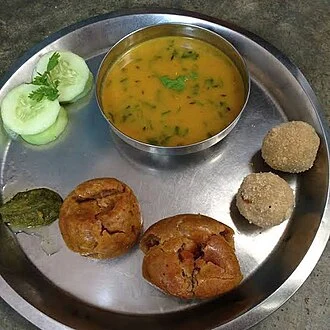
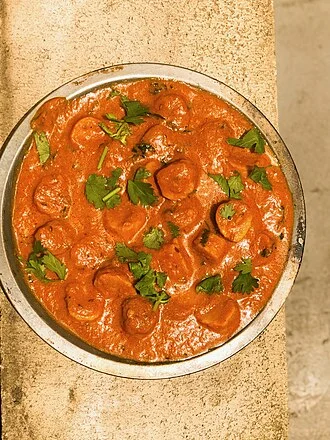
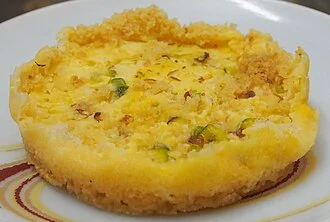
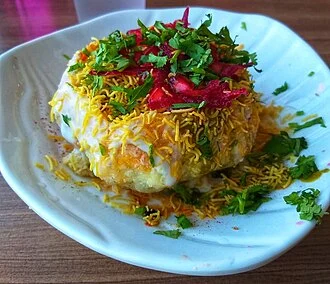
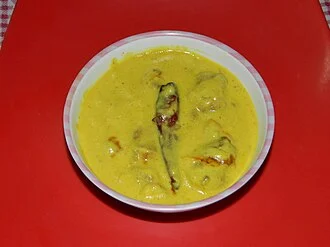
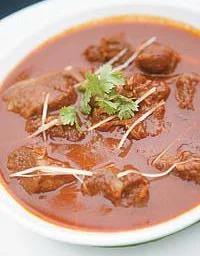
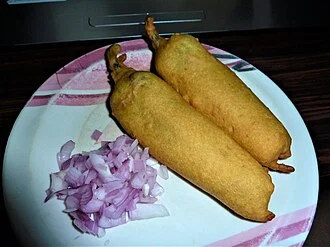
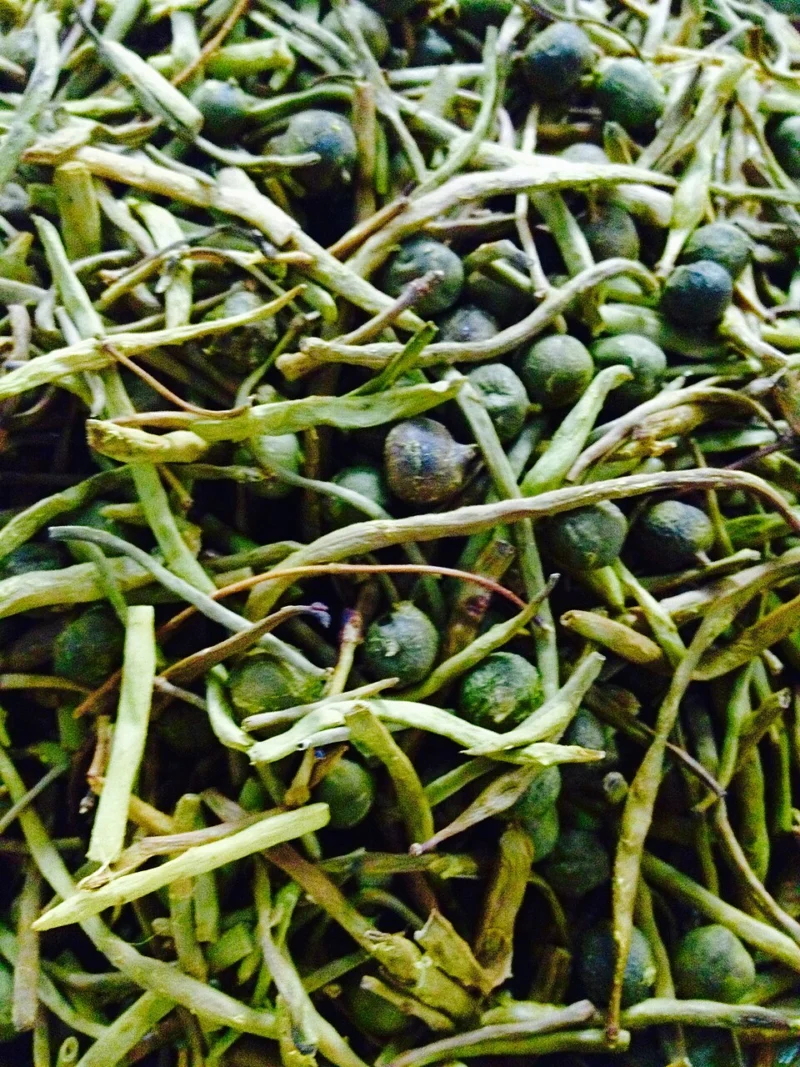
A traditional Rajasthani dish of lentil stew and baked wheat balls. Curry made with gram flour dumplings stewed in spiced yogurt gravy. A Rajasthani sweet dish made of flour, ghee, and sugar syrup. A deep-fried snack filled with spicy lentil or pea stuffing, popular in Jaipur as street food. A yogurt-based curry with gram flour and spices. A dry, spicy curry made of desert beans and berries. A spicy Rajasthani curry made with mutton and red chilies. A spicy snack of chili peppers stuffed with mashed potatoes and deep-fried.
Traditional Local Food
Jaipur (India)
Main course
Vegetarian
Dal Baati Churma
दाल बाटी चूरमा
daal baa-tee choor-ma
Main course
Vegetarian
Gatte ki Sabzi
गट्टे की सब्ज़ी
gat-tay kee sub-zee
Dessert
Vegetarian
Ghevar
घेवर
geh-var
Snack
Vegetarian
Kachori
कचौरी
ka-cho-ree
Main course
Vegetarian
Kadhi
कढ़ी
ka-di
 Main course
Vegan
Ker Sangri
केर सांगरी
kair san-gree
Main course
Meat
Laal Maas
लाल मांस
laal mahs
Snack
Vegetarian
Mirchi Bada
मिर्ची बड़ा
meer-chee baa-da