Explore Guides
AFRICA / MOROCCO
Triplandio Marrakech guide covers 11 travel guides across 18 areas, complete with hotel picks. Explore 44 self-guided walking tours in Marrakech with 86 POI, spanning 102.4 km in total. Get inspired by 36 local dishes, complete with recipes and our unique Food Flavour DNA graph.
Marrakech
City & Country Data Marrakech (Morocco)

Key travel data for Marrakech — local prices, safety, healthcare, local currency and essentials, curated by Triplandio.
🌍 Morocco
Safety
50
Health
30
Lifestyle
56
Infra
37
Rank
#75
Score
31
Tourists
2.8M/y
GDP/cap
$4.7k
Life Exp
75.5 yrs
Population
38.4M
Currency
MAD د.م.
Language
Arabic
Payments
Cards OK
Emergency
15
💰 Prices in Marrakech
Coffee
$2.20
Beer
$6.50
Lunch
$10.50
Groceries
$25.00/w
Taxi/km
$0.80
Transit
$0.50
Fuel
$1.00/l
Internet
$30.00/m
Salary
$500/m
Travel tipsMarrakech (Morocco)

Quick tips
- Drink alcohol only in licensed venues — Critical
Alcohol is sold in licensed bars, restaurants and hotels, but drinking it in the street or anywhere else in Morocco is illegal and can lead to arrest.
- Cannabis is illegal, even in transit — Critical
Morocco has zero tolerance for drugs, including cannabis. Possession or use means a long prison sentence and heavy fines, and airport scanners check transit passengers' bags too.
- “That way is closed” means a detour — Caution
In Marrakech's medina, strangers often claim a street, the square or your riad is closed and offer to lead you another way — ending at a shop or with a demand for money. Walk on and use an offline map.
- Get permission before bringing a drone — Caution
Flying a drone in Morocco needs prior permission from the Directorate General for Civil Aviation. Without it, customs can confiscate the drone and you can be fined.
- Check your passport is stamped on arrival — Good to know
Border officials should stamp your passport when you enter Morocco. Travellers without an entry stamp have had problems leaving the country, so check before you walk away from the desk.
- The dirham can't be exchanged abroad — Good to know
The Moroccan dirham is a closed currency: you can't easily buy or sell it outside Morocco. Change or withdraw money after you arrive and spend or change back what's left before you fly home.
- Do
- Drink only in licensed bars and hotels
- Check your passport entry stamp
- Haggle politely in the souks
- Carry small change for tips
- Cover shoulders and knees in towns
- Don’t
- Buy or smoke cannabis
- Follow unofficial guides
- Eat or drink in public in Ramadan days
- Photograph people without asking
- Fly a drone without a permit
Critical
Prison or heavy penalty possible
Laws & fines
- Same-sex relations are illegal — Critical
Same-sex sexual relations are a crime in Morocco, and showing affection in public can lead to prosecution. Meeting people through dating apps carries legal and personal safety risks.
- Don't try to convert Muslims — Critical
Trying to convert a Muslim to another faith, or handing out religious literature such as Arabic-language bibles, can mean fines or up to 3 years in prison in Morocco.
- Don't criticise Islam in public — Critical
Publicly criticising Islam — in speech, in print or in posts online — can bring heavy fines and up to 2 years in prison in Morocco.
- Zero alcohol when driving — Critical
Morocco allows no alcohol at all for drivers. If a police test finds any alcohol in your system, you face a fine and possible imprisonment.
- Don't damage or fake banknotes — Critical
Defacing Moroccan banknotes — writing on them or tearing them — is illegal and can be punished with prison. Passing counterfeit notes carries long sentences.
Health
- Methanol in illicit alcohol — Critical
Drinks containing methanol have killed people in Morocco. You can't taste or smell it, so buy alcohol only from licensed venues and get urgent help if someone falls ill after drinking.
Beaches & adventure
- Don't swim in dams or rivers — Critical
Deep mud and steep underwater slopes in Moroccan reservoirs, dams and rivers trap swimmers and have caused drownings. Swim only in the sea or in pools.
Caution
Fines, losses or injury possible
Scams & safety
- Unofficial guides in the medina — Caution
People posing as guides approach visitors all over Marrakech's medina. Hire a licensed guide with an official badge through your riad or hotel, and politely say no to anyone else.
- Photos and henna on Jemaa el-Fna — Caution
On Jemaa el-Fna, the main square, snake charmers and monkey handlers demand money for photos, and henna artists may start painting your hand before you agree. Agree prices first.
- Quiet streets after dark — Caution
Knife-point robberies of tourists have happened in quiet streets. After dark in Marrakech, stick to busy, lit routes or ask your riad to send someone to meet you.
Laws & fines
- No photos of military or political sites — Caution
Photographing sensitive military or political sites, such as barracks, police buildings or royal palaces with guards, is illegal in Morocco. If in doubt, don't point your camera.
- Pornography is banned — Caution
Owning pornographic material is illegal in Morocco, including digital files on your phone or laptop and anything considered against public morality.
Tipping & money
- Card fraud and swapped goods — Caution
Credit card fraud is common in Morocco, and some sellers swap the item you chose for a cheaper one when wrapping it. Watch your purchase being packed.
Entry & visa
- Declare 100,000 dirhams or more — Caution
Declare foreign currency worth 100,000 Moroccan dirhams (about £8,000) or more when you enter or leave Morocco.
Health
- Keep away from stray dogs — Caution
Rabies is present in Morocco, and packs of stray dogs can be aggressive in parks and quiet areas. Don't feed or touch animals, and get medical help the same day after any bite or scratch.
- Black henna can burn — Caution
Henna tattoos offered in Moroccan squares can cause painful allergic reactions, with swelling and an itchy rash. Avoid very dark henna and ask what is in the paste.
Beaches & adventure
- Avoid driving at night — Caution
Poor lighting, pedestrians, animals and unlit vehicles make Moroccan roads dangerous after dark. Mountain roads are especially hazardous in bad weather.
- Altitude in the High Atlas — Caution
Treks such as Mount Toubkal climb above 4,000 metres, where altitude sickness is a real risk. Go up slowly, hire a licensed mountain guide and turn back if you get a bad headache or nausea.
- Strong Atlantic currents — Caution
Many Moroccan beaches have little or no lifeguard cover and few warning signs, and strong currents and sudden waves are common. Swim only where others do, never alone, and avoid isolated beaches.
- Quads and balloons: licensed operators only — Caution
Quad bike accidents involving tourists are frequent in Moroccan resorts, and unlicensed hot-air balloon firms may skip safety rules. Book through your hotel or a licensed operator, wear a helmet and check your insurance.
Good to know
Rules and useful facts
Scams & safety
- Travel advisory: Level 2 of 4 — Good to know
Exercise increased caution — the U.S. State Department's rating for Morocco.
- Pickpockets in the crowds — Good to know
Pickpockets and bag snatchers work the crowds on Jemaa el-Fna and in the souks, especially in the evening. Keep your phone and wallet in a front pocket or zipped bag.
- Motorbikes in narrow lanes — Good to know
Scooters speed through Marrakech's narrow medina lanes and some riders snatch bags or phones. Walk on the inside edge and keep your bag away from the traffic side.
Laws & fines
- Sex outside marriage is illegal for Moroccans — Good to know
Sex between unmarried people is a crime for Moroccan nationals, including sharing a hotel room with a foreigner. The rule rarely applies to foreign couples, but dating apps can lead to legal and safety problems.
Customs
- Be discreet during Ramadan — Good to know
During Ramadan, the Muslim month of daytime fasting, avoid eating, drinking, smoking or chewing gum in public in daylight. Many cafés close by day and restaurants serving tourists may screen you off.
Tipping & money
- Use ATMs inside banks — Good to know
Aggressive begging around street cash machines is common in Moroccan cities. Use ATMs inside banks or hotels, and don't withdraw large sums at once.
Entry & visa
- Passport valid for 3 months — Good to know
Your passport must be valid for at least 3 months after you arrive in Morocco. Damaged passports have been refused at the border, so renew a worn one before you go.
- Visa-free stays up to 90 days — Good to know
UK and many other passport holders can visit Morocco for up to 90 days for tourism without a visa. Check the rules for your own passport with a Moroccan consulate.
- Lost passport needs a police report — Good to know
If your passport is lost or stolen in Morocco, report it to the police in the same city. You need their written report as well as an emergency travel document to leave the country.
- Polio certificate from some countries — Good to know
If you arrive in Morocco from a country affected by polio, you must show a certificate proving you've been vaccinated against it.
Health
- Take care with food and water — Good to know
Stomach bugs are common among visitors to Morocco. Drink bottled water, choose freshly cooked hot food and see a doctor if vomiting or diarrhoea lasts more than a few days.
- Private clinics need insurance — Good to know
Public hospitals in Morocco offer limited care; private clinics are better but you'll pay upfront. Travel insurance that covers treatment and repatriation is essential. Call 150 for an ambulance.
- Bring enough prescription medicine — Good to know
Some medicines are hard to find in Morocco, and pharmacies may send you to a local doctor for a new prescription. Bring enough for your whole trip; pharmacies are open 24 hours in every city.
- Mention allergies clearly — Good to know
Allergen information is rarely given in Moroccan restaurants and nuts are common in sweets and tagines. Explain your allergy clearly and skip dishes you're unsure about.
Beaches & adventure
- Bring the 1968 driving permit — Good to know
To drive in Morocco you need the 1968 International Driving Permit (IDP) with your licence. The older 1949 version is no longer accepted. Traffic drives on the right.
- Carry a green card for your car — Good to know
If you drive your own car into Morocco, get a green card from your insurer and carry it to prove you have the minimum insurance cover required.
Local tips
Local know-how
Getting around
- Marrakech Menara Airport (RAK) → medina — Local tip
Menara Airport is about 6 km from the medina, roughly 15–20 minutes by road. Official taxis wait outside arrivals, and an airport bus runs to Jemaa el-Fna.
- Ask your riad for a pickup — Local tip
Cars can't reach most riads inside Marrakech's medina and they are hard to find. Many riads arrange an airport pickup and a porter to walk you to the door.
- Petits taxis: meter or agreed fare — Local tip
Petits taxis are the small beige city taxis in Marrakech. Ask the driver to use the meter, or agree the fare before getting in; night fares are higher.
- Trains from Marrakech station — Local tip
Marrakech railway station in the new town (Gueliz) has direct trains to Casablanca, Rabat, Fes and Tangier.
Customs
- Dress modestly outside the beach — Local tip
Loose clothing that covers shoulders, chest and knees is respected in towns and medinas and reduces unwanted attention, especially for women travelling alone.
- Keep affection private — Local tip
Kissing and cuddling in public offends many Moroccans, particularly near mosques and shrines. Holding hands is usually as far as couples go in public.
- Ask before photographing people — Local tip
Always ask before taking someone's picture in Morocco, especially children. Street performers and people in costume will expect a few dirhams for a photo.
- Mosques are mostly closed to non-Muslims — Local tip
Most mosques in Morocco are open to Muslims only. The Hassan II Mosque in Casablanca is the main exception and runs guided tours for visitors.
- Eat and pass food with the right hand — Local tip
The left hand is traditionally used for hygiene. When eating from a shared dish, such as a tagine with bread, use your right hand.
Tipping & money
- Small tips are part of life — Local tip
In Moroccan restaurants, around 10% is a common tip if service isn't included. Car-park attendants, porters and people who give directions also expect a few dirhams.
- Haggle in the souks — Local tip
Prices in Morocco's souks (traditional markets) are rarely fixed. Decide what an item is worth to you, start well below the first price and walk away politely if you can't agree.
- Carry cash in the medinas — Local tip
Small shops, cafés and taxis in Morocco usually take cash only. Hotels, larger restaurants and supermarkets accept cards; always keep the card in sight when paying.
Beaches & adventure
- Desert trips need planning — Local tip
Days in the Sahara are hot and nights can be very cold. Use an established operator, carry plenty of water and take warm layers for camp.
Say it locally
Add “afak” (please) to any request; French is widely understood in cities.
Through the year
Festival or season Public holiday (exact date)
- Best sightseeing weather
Oct–Nov 2026, Mar–May 2027 · Spring and autumn are the most comfortable months for Marrakech, Fes and desert trips.
- Anniversary of the Green March
Sat 6 Nov 2027 · Public holiday
- Independence Day
Wed 18 Nov 2026 · Public holiday
- Snow in the Atlas
Dec 2026–Feb 2027 · Mountain passes such as the Tizi n'Tichka road can close after snow, and desert nights are freezing.
- Ramadan
Jan–Mar 2027 · The month of daytime fasting moves about 11 days earlier each year; it starts in February in 2027. Opening hours shorten and evenings get lively.
- New Year's Day
Fri 1 Jan 2027 · Public holiday
- Anniversary of the Independence Manifesto
Mon 11 Jan 2027 · Public holiday
- Amazigh New Year
Thu 14 Jan 2027 · Public holiday
- Eid al-Fitr (tentative)
Wed 10 Mar 2027 · Public holiday
- Eid al-Fitr Holiday (tentative)
Thu 11 Mar 2027 · Public holiday
- Eid al-Adha
May 2027 · The Feast of the Sacrifice falls in May in 2027 and 2028. Many shops close for days and buses and trains fill up as families travel home.
- Labour Day/May Day
Sat 1 May 2027 · Public holiday
- Eid al-Adha (tentative)
Mon 17 May 2027 · Public holiday
- Eid al-Adha Holiday (tentative)
Tue 18 May 2027 · Public holiday
- Gnaoua music festival
Jun 2027 · Essaouira's Gnaoua and World Music Festival fills the town in June; book rooms early.
- Extreme summer heat
Jun–Aug 2027 · Marrakech often tops 40°C in summer; plan the medina for early morning and evening.
- Hijra New Year (tentative)
Sun 6 Jun 2027 · Public holiday
- Inland summer heat
Jul–Aug 2027 · Marrakech, Fes and the desert regularly pass 40°C. Sightsee early, rest at midday, or head for the coast.
- Feast of the Throne
Fri 30 Jul 2027 · Public holiday
- Anniversary of the Recovery Oued Ed-Dahab
Sat 14 Aug 2027 · Public holiday
- The Prophet Muhammad's Birthday (tentative)
Sun 15 Aug 2027 · Public holiday
- The Prophet Muhammad's Birthday Holiday (tentative)
Mon 16 Aug 2027 · Public holiday
- Anniversary of the Revolution of the King and the People
Fri 20 Aug 2027 · Public holiday
- Youth Day
Sat 21 Aug 2027 · Public holiday
- Unity Day
Sun 31 Oct 2027 · Public holiday
Sources: GOV.UK travel advice · U.S. State Dept · Google public holidays
Best time to visit Marrakech (Morocco)
Now (November) avg high: 26°C, mostly dry, full season — expect crowds. Best months to walk: Jun & Jul.
Live Temp
…
~Day / Night Temp
26°C / 12°C
Sunrise / Sunset
7:52 / 18:32
Local time
1:15
Best Months  Jun & Jul
J
Jan
F
Feb
M
Mar
A
Apr
M
May
J
Jun
J
Jul
A
Aug
S
Sep
O
Oct
N
Nov
 D
Dec
J
Jul
A
Aug
S
Sep
O
Oct
N
Nov
D
Dec
Check Marrakech hotels
Temperature
Average daytime high, month by month. Zero line marks freezing point.
Crowds
How busy it gets — traveller interest by month.
Rainfall
Rainy days to expect each month.
Sunshine
Hours of sun per day, by month.
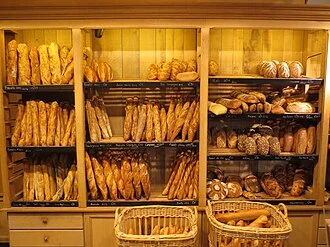
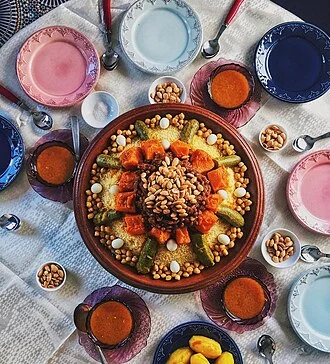
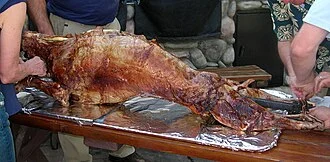
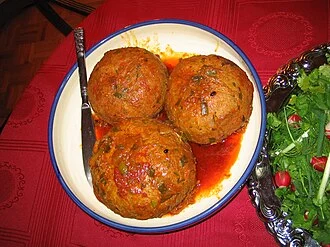
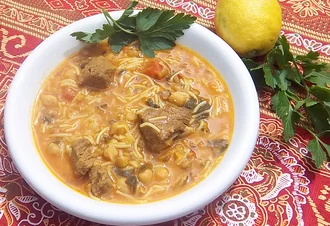
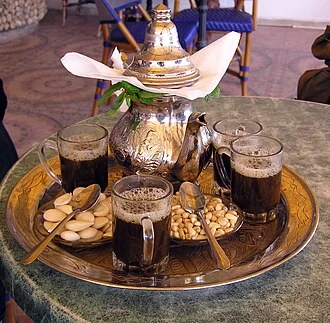
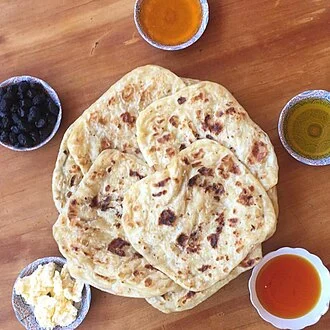
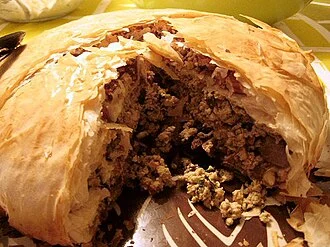
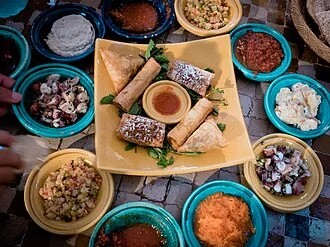
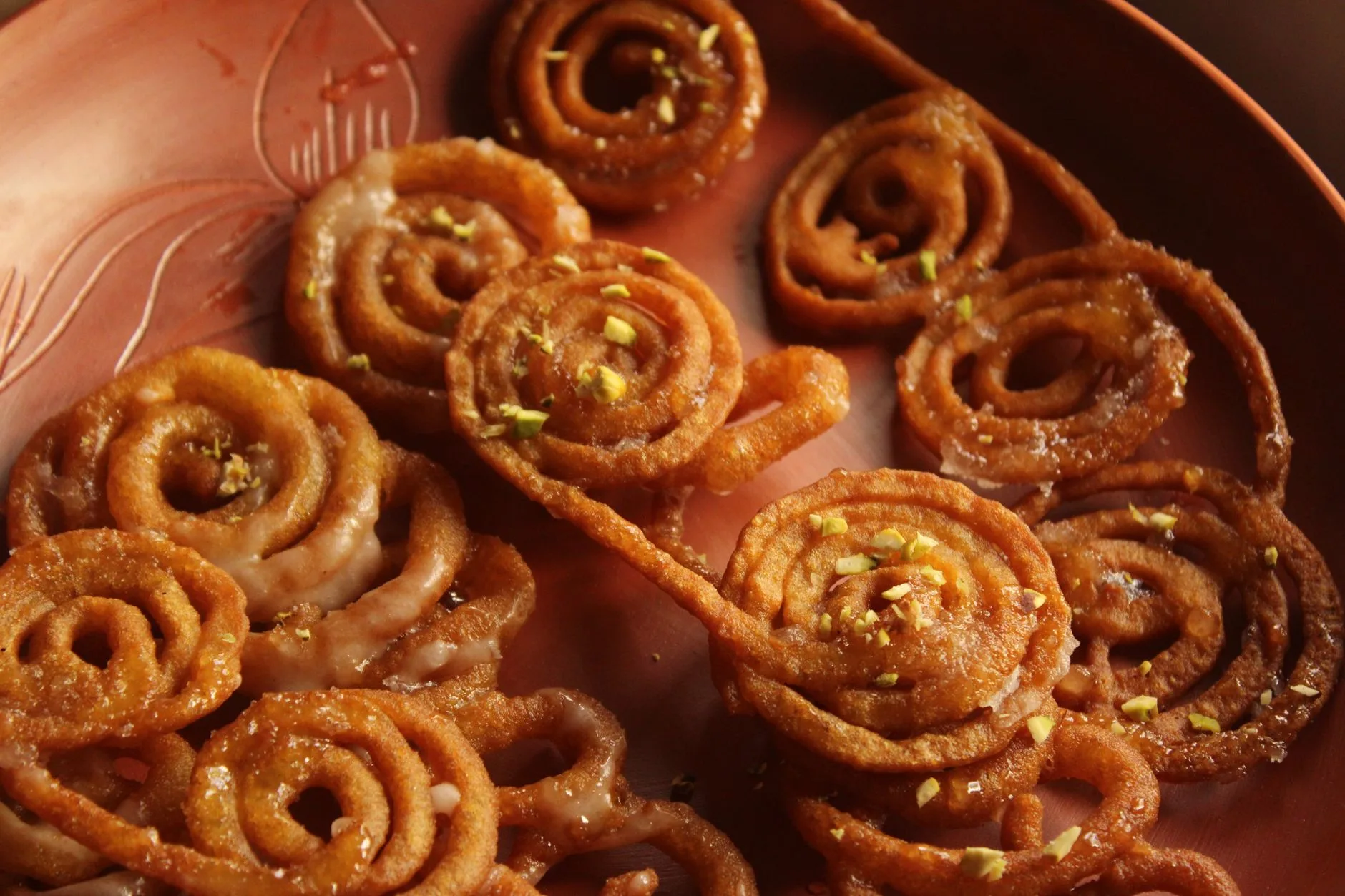
A sweet pastry twisted and fried, coated in honey and sesame seeds. A traditional round, flat Moroccan bread served at almost every meal. A savory dish with steamed semolina topped with lamb, vegetables, and aromatic spices. Slow-cooked beef dish infused with spices and lemon, unique to Marrakech. Whole lamb slow-roasted to perfection served with cumin and salt. Spiced ground beef skewers, grilled to perfection. Warm, hearty soup made with tomatoes, lentils, chickpeas, and spices. A refreshing sweet green tea with mint leaves, a symbol of hospitality. A layered, crispy flatbread often enjoyed with honey or jam. A sweet and savory pie made with flaky dough, poultry, and almonds A cooked salad with eggplant, tomatoes, and spices.
Traditional Local Food
Marrakech (Morocco)
 Dessert
Vegetarian
Chebakia
شباكية
sha-bah-kee-yah
Bread
Vegetarian
Khobz Bread
خبز
khobz
Main course
Meat
Lamb Couscous
كسكس بلحم الضأن
koos-koos beh-lahm ed-daahn
🥩
Main course
Meat
Marrakech Tanjia
طاجين المراكشي
tan-JEE-ah
Main course
Meat
Mechoui Lamb
مشوي
meh-SHOO-ee
Snack
Meat
Moroccan Beef Kefta
كفتة
KEF-tah
Soup
Vegetarian
Moroccan Harira
حريرة
hah-ree-rah
Drink
Vegan
Moroccan Mint Tea
أتاي بالنعناع
ah-TAY bn-NAH-nah
Snack
Vegetarian
Msemen
مسمن
mus-men
Main course
Meat
Pastilla
بسطيلة
pa-stee-ya
· Sweet and savory pastry
Starter
Vegan
Zaalouk
زعلوك
zah-LOOK