


Maarad
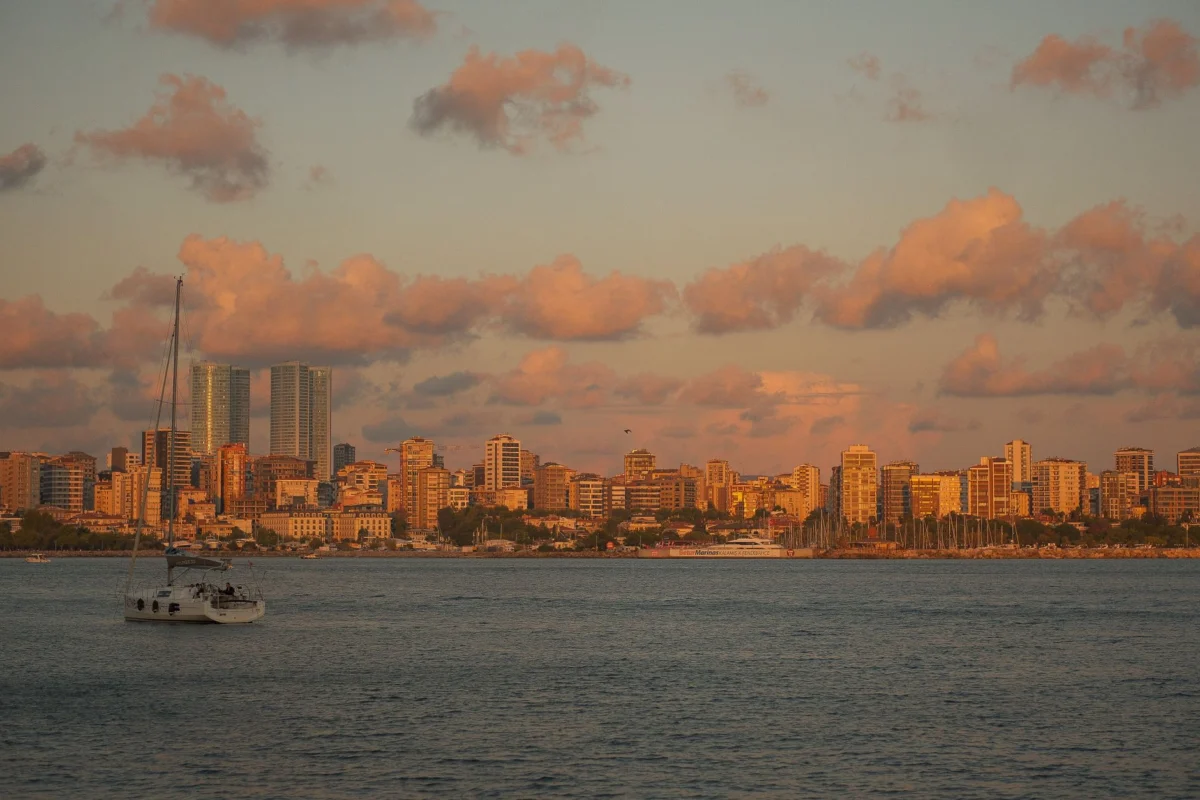
Maarad works well as a first base because its streets connect readily with Tripoli’s main roads, taxis, and everyday services. The area is associated with Maarad Street, where shops, pharmacies, cafés, and small restaurants create useful reference points when you are still learning the city. Its central position also puts you within a straightforward taxi ride of the old souks, the Citadel of Raymond de Saint-Gilles, and the Al Mina waterfront, without requiring you to begin with narrow lanes or complicated turns. The broad road layout around the central commercial streets is easier to read than the dense passages around the historic markets.
For practical sightseeing, use Maarad as a place to reset between outings: withdraw cash, buy bottled water, arrange a service taxi, or ask a shopkeeper for directions using a recognizable road junction. The Rachid Karami International Fair is a major nearby reference point for drivers and a worthwhile modernist landmark to place on your map, while Azmi Street provides a direct-feeling route toward central shops and restaurants. Accommodation here is generally better suited to visitors who value location and convenience over a waterfront view. In the evening, stay on active commercial roads, use licensed or clearly identified taxis, and confirm the destination in Arabic or on your phone before setting off.
| Maarad takes its name from the exhibition grounds Maarad means “exhibition” in Arabic, reflecting the district’s link to Tripoli’s international fair. |
| Oscar Niemeyer shaped Maarad’s landmark The Brazilian architect designed the Rachid Karami International Fair complex from 1962. |
| The fair’s construction stopped during Lebanon’s Civil War Work on the Rachid Karami International Fair halted in 1975, leaving the complex unfinished. |
| Maarad hosts a UNESCO World Heritage site UNESCO inscribed the Rachid Karami International Fair on the World Heritage List in 2023. |