


Al Mina
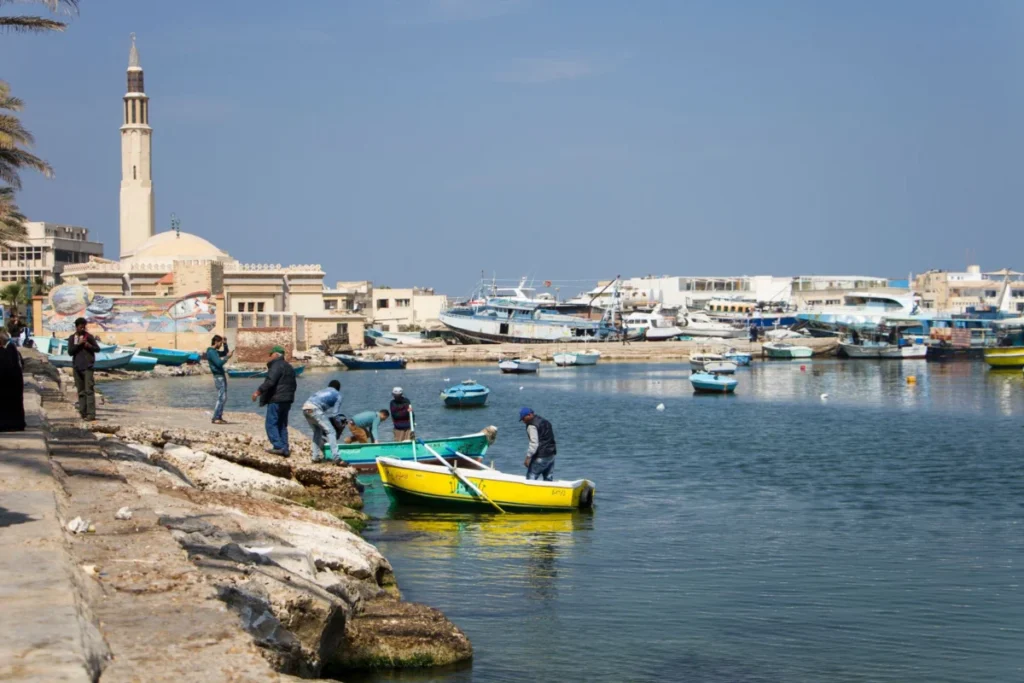
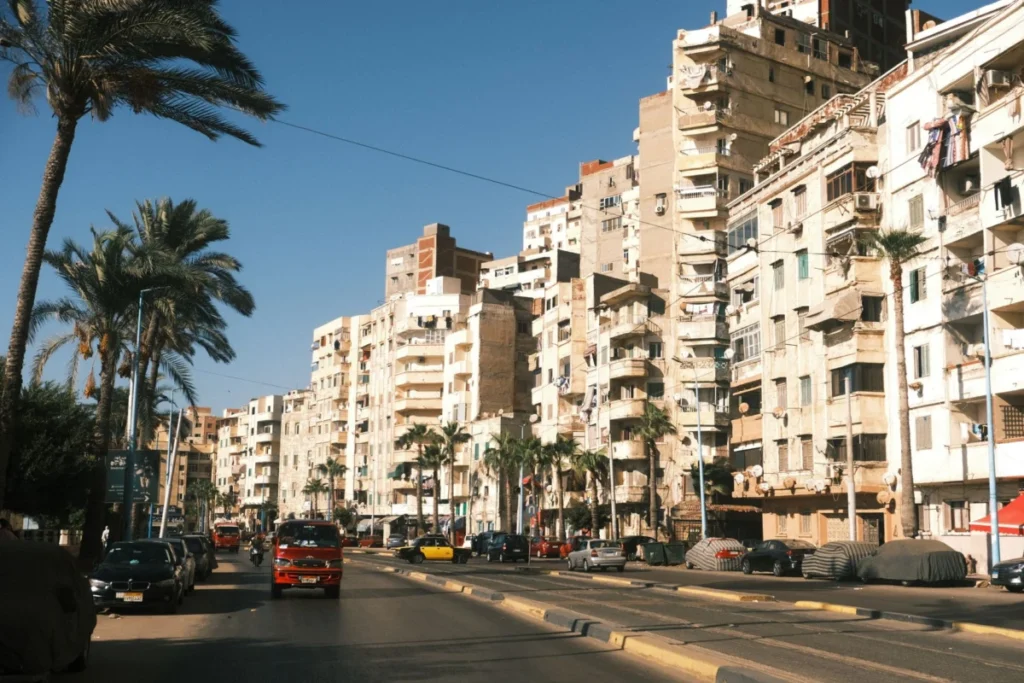
Al Mina works well when you want Tripoli’s waterfront within a short walk of your room. The Corniche runs beside the Mediterranean, with benches, sea views, and food stalls that make an inexpensive evening easy without arranging a taxi. Around the port and the streets leading inland, you will find seafood counters, bakeries, juice shops, and small restaurants where ordering a simple grilled fish plate or mezze is generally more practical than eating in a hotel dining room. The district’s low-rise buildings, balconies, and busy shopfronts give it a more open layout than the dense central market streets.
Use the waterfront road for orientation, then check the side streets around Mina port and the Corniche for guesthouses and basic hotels. Shared taxis and local buses connect Al Mina with central Tripoli, while taxis are easy to find near the main road and port approaches. The district is especially useful for backpackers who prefer to walk after dark along a populated promenade, buy breakfast from a bakery, and keep daytime transport simple. Allow extra time for traffic on the approach to the center, but choose Al Mina when seafood, sea air, and easy waterfront access matter more than being beside every downtown sight.
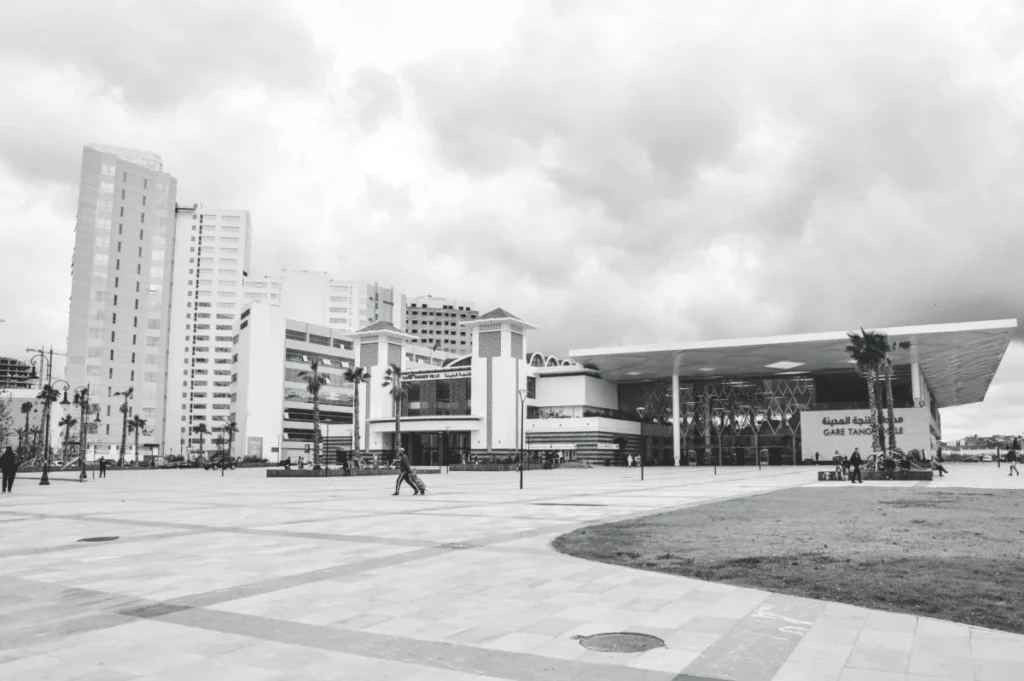
| Al Mina’s railway station dates to 1911 Ottoman authorities built Tripoli’s coastal terminus as part of the Beirut–Tripoli railway. |
| The Lion Tower guards Al Mina’s shore Burj al-Siba is a 15th-century Mamluk sea tower, named for its carved lion relief. |
| Palm Islands became a protected reserve in 1992 The archipelago lies about 5 km offshore from Al Mina and joined the Ramsar List in 2001. |
| Al Mina means “the port” in Arabic The name reflects the district’s historic role as Tripoli’s maritime harbor and fishing quarter. |