
Written for travellers who read the plaques — sights, timings and hotels near Osaka's historic quarters. Updated 2026.

Where to Stay in Osaka for History and Culture Lovers

Where to stay in Osaka if history is why you are going — a castle, puppet theatre, merchant schools and old shrines on foot.

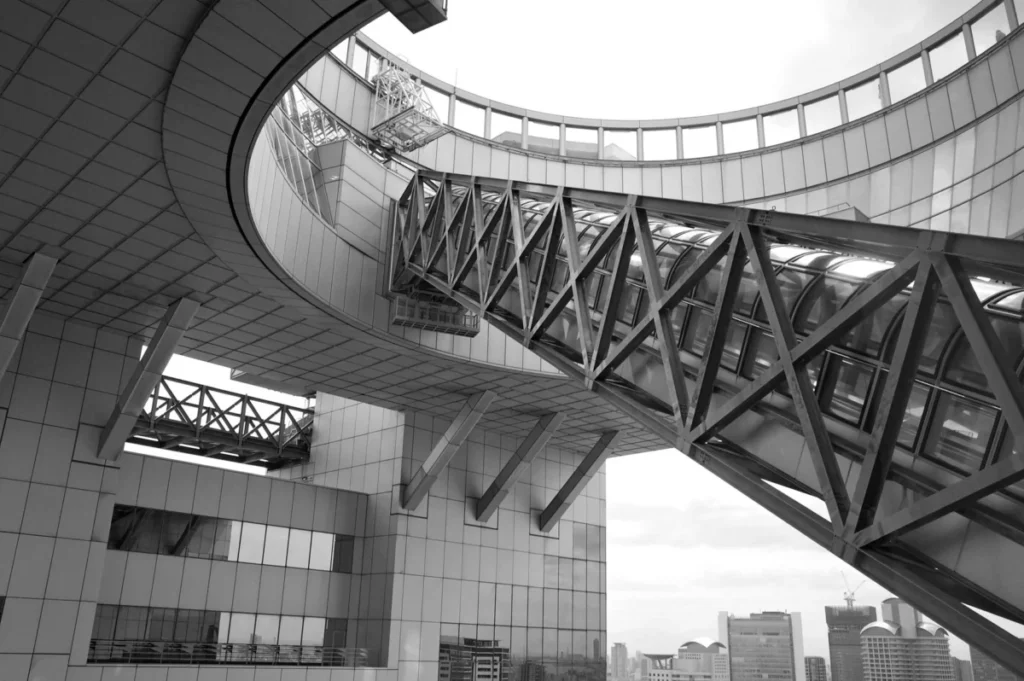
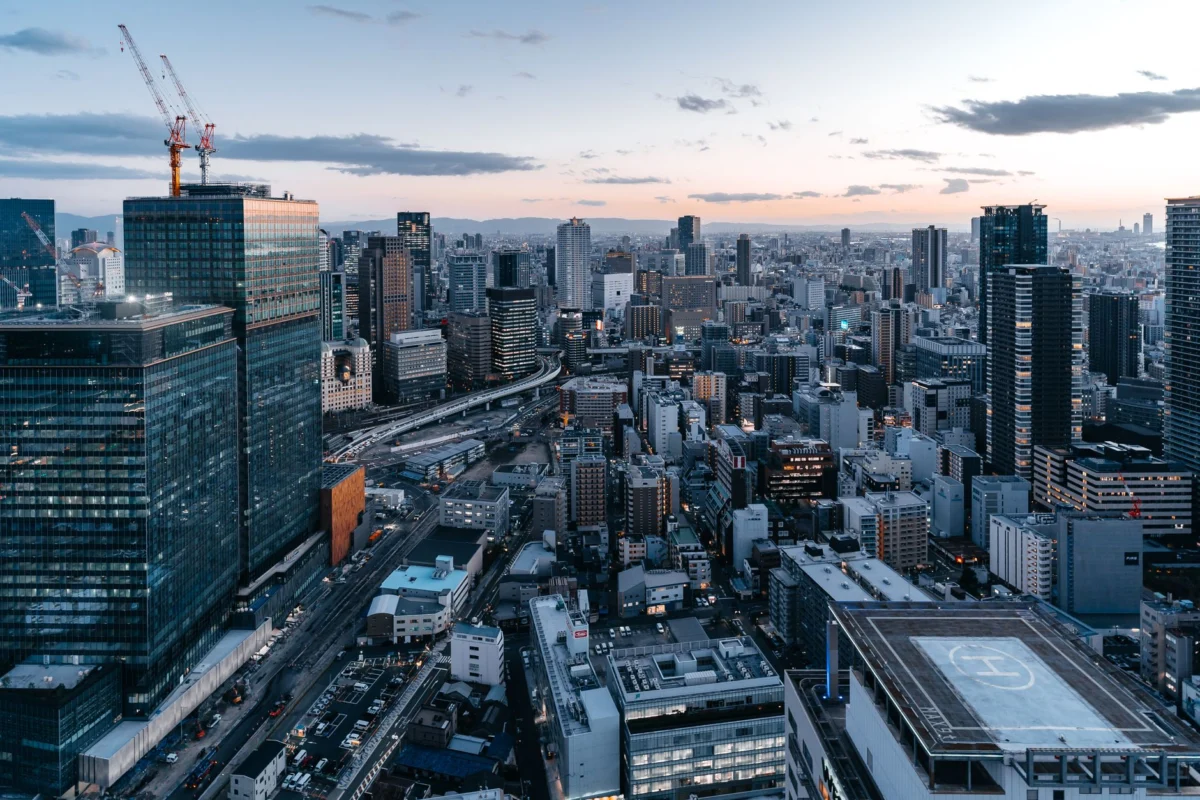
A breathtaking view of Osaka's skyline at sunset
At a Glance
Country Japan
City Osaka
Day / Night 17° / 9°
Local Time 9:52
November — Now Peak season
Best Months Dec · Nov

Osaka was a capital before Kyoto and Japan's merchant city for three centuries after. This guide picks four bases for history lovers — the castle, theatre-land Namba, Umeda with the Meiji buildings of Nakanoshima, and the pre-war lanes of Nakazakicho — with a walk, the sights worth your time and hotels in each.

Top Osaka stays for history lovers

Smart choice
⭐ 8.9
Cross Hotel Osaka

Cross Hotel Osaka

A modern hotel in Shinsaibashi, a few minutes' walk from the Dōtonbori canal, Hōzen-ji and the National Bunraku Theatre. The Midosuji line takes you to Umeda for Nakanoshima and to Tennōji for Shitennō-ji in minutes.

Central location
⭐ 9.0
Hotel Hankyu International

Hotel Hankyu International

A 5-star hotel in Chayamachi on the north side of Umeda, about 10 minutes on foot from the nagaya lanes of Nakazakicho. It has a fitness room, a pool, a bar and restaurants serving Japanese, Chinese and French food, plus a 24-hour front desk and concierge. The hotel itself is modern and international, so the old Osaka is something you walk into, not something you sleep in.

Top pick
⭐ 8.3
Hotel Granvia Osaka-JR Hotel Group

Hotel Granvia Osaka-JR Hotel Group

Built into JR Osaka Station, so trains to Kyoto, Nara and Kobe leave from downstairs. Ohatsu Tenjin is a few minutes away and the Meiji buildings of Nakanoshima about 15 minutes' walk south.

Which Osaka history do you want on your doorstep?

Samurai, theatre, merchants or pre-war streets — pick your era.

Best choice: Namba (難波)

Best for: Theatre & old Osaka

Best choice: Umeda (梅田)

Best for: Meiji Osaka & day trips

Best choice: Osaka Castle (大阪城)

Best for: Castle & ancient capital

Best choice: Nakazakicho (中崎町)

Best for: Pre-war streets & Tenma

Best hotels in Osaka for history lovers

Hotels within walking distance of the castle, the theatres of Dōtonbori and the museums of Nakanoshima.

Hotel Hankyu International
Central location
⭐ 9.0 Superb
1590 reviews

Hotel Hankyu International

Nakazakicho (中崎町) • 5-star hotel • Chayamachi

A 5-star hotel in Chayamachi on the north side of Umeda, about 10 minutes on foot from the nagaya lanes of Nakazakicho. It has a fitness room, a pool, a bar and restaurants serving Japanese, Chinese and French food, plus a 24-hour front desk and concierge. The hotel itself is modern and international, so the old Osaka is something you walk into, not something you sleep in.

  • Walk to Nakazakicho
  • Restaurants on site
  • Pool and fitness room
Hotel Granvia Osaka-JR Hotel Group
Top pick
⭐ 8.3 Very Good
2571 reviews

Hotel Granvia Osaka-JR Hotel Group

Umeda • Station hotel • Inside JR Osaka Station

Built into JR Osaka Station, so trains to Kyoto, Nara and Kobe leave from downstairs. Ohatsu Tenjin is a few minutes away and the Meiji buildings of Nakanoshima about 15 minutes' walk south.

  • Inside JR Osaka Station
  • Easy day trips to Kyoto and Nara
  • Walk to Nakanoshima's museums
The Ritz-Carlton Osaka
Smart choice
⭐ 9.3 Outstanding
425 reviews

The Ritz-Carlton Osaka

Umeda • Luxury • Nishi-Umeda

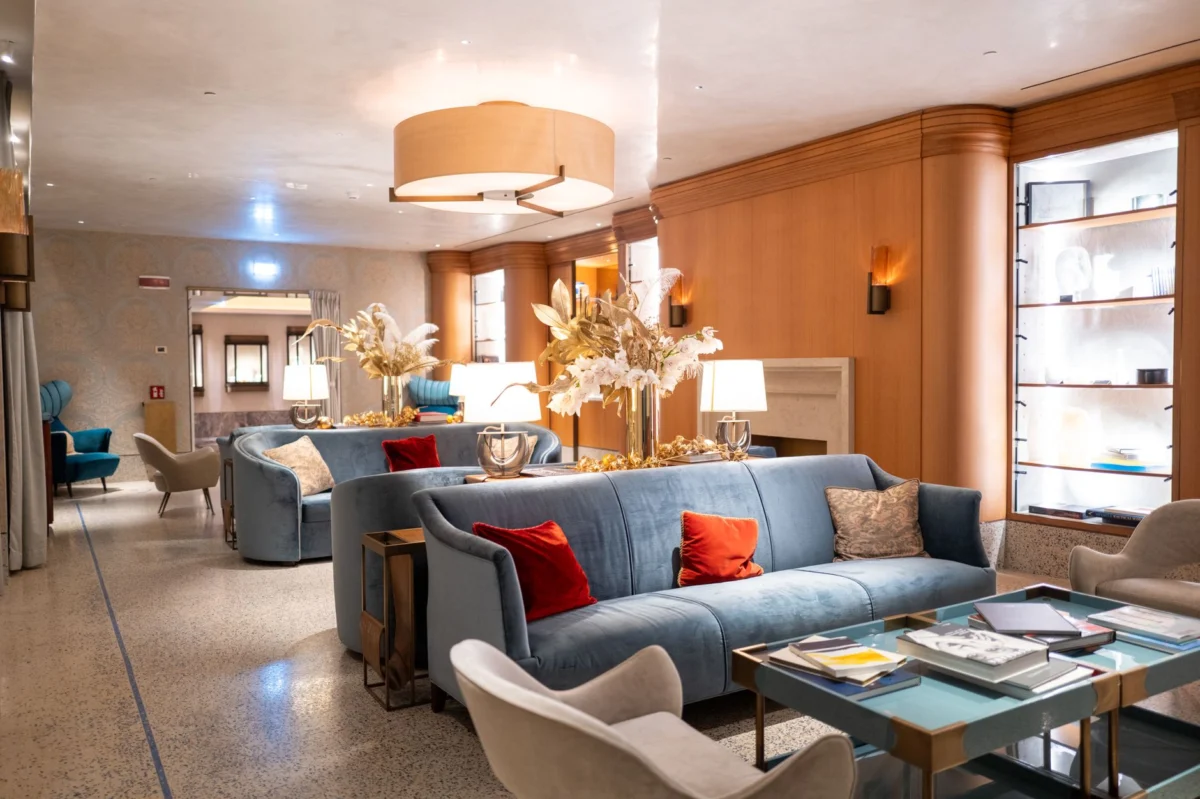
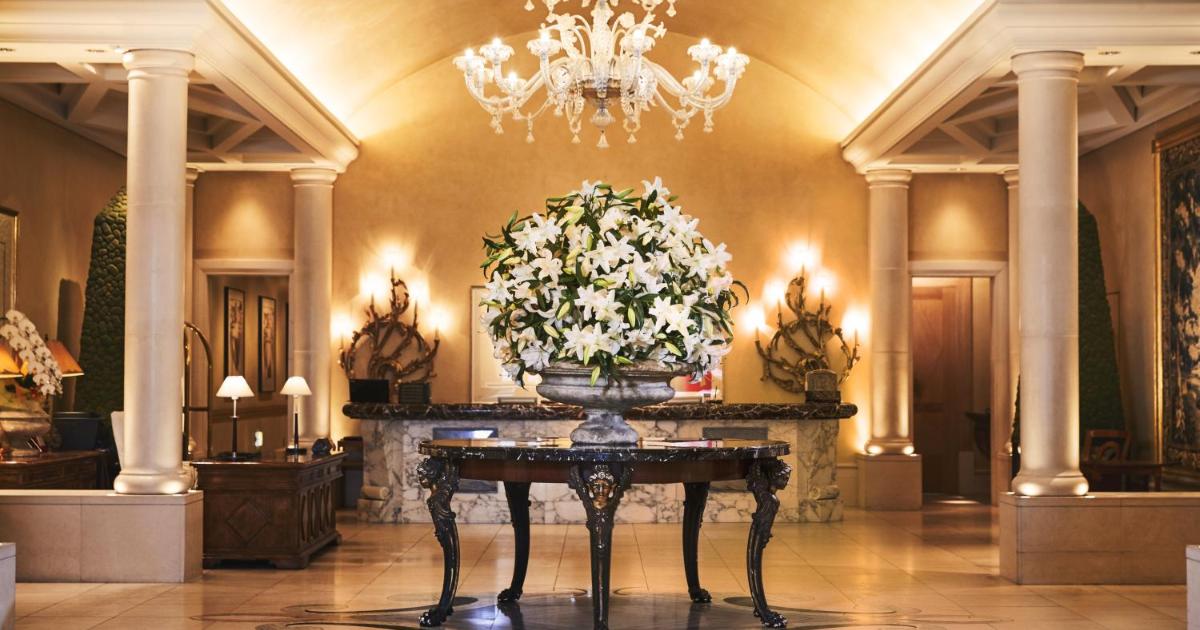
Japan's first Ritz-Carlton, in Nishi-Umeda, with classic European-style interiors. Nakanoshima's library, public hall and ceramics museum are about 15–20 minutes' walk away.

  • Japan's first Ritz-Carlton
  • Classic interiors
  • Walk to Nakanoshima
Patina Osaka
Best overall
⭐ 9.5 Exceptional
257 reviews

Patina Osaka

Osaka Castle • Luxury • Next to the castle park

A luxury hotel on the southern edge of Osaka Castle Park, a few minutes from the Osaka Museum of History and the Naniwa Palace site. You can be inside the castle grounds before the tour buses arrive.

  • Next to Osaka Castle Park
  • Walk to the Museum of History
  • Naniwa Palace site nearby
Hotel Monterey La Soeur Osaka
Editor’s choice
⭐ 8.4 Excellent
2205 reviews

Hotel Monterey La Soeur Osaka

Osaka Castle • Mid-range • Castle area

A mid-range hotel in the castle area, a cheaper alternative to staying right on the park. Check the walking time to the castle gates before you book.

  • Castle area location
  • Mid-range prices
  • Metro nearby
InterContinental Hotel Osaka by IHG
Central location
⭐ 9.4 Outstanding
493 reviews

InterContinental Hotel Osaka by IHG

Umeda • Luxury tower • Next to Osaka Station

A luxury hotel in a tower next to Osaka Station, in the north of Umeda. Nakazakicho's pre-war lanes are about 15 minutes' walk east, and Ohatsu Tenjin about 10 minutes south.

  • Next to Osaka Station
  • High-floor rooms
  • Walk to Nakazakicho

How we choose

We pick hotels by how easily you can walk or take one train to the historic sights, then check guest ratings.

Best areas in Osaka for history lovers

Four bases, four chapters of Osaka history — each with a walk you can do in a day.

Namba (難波)

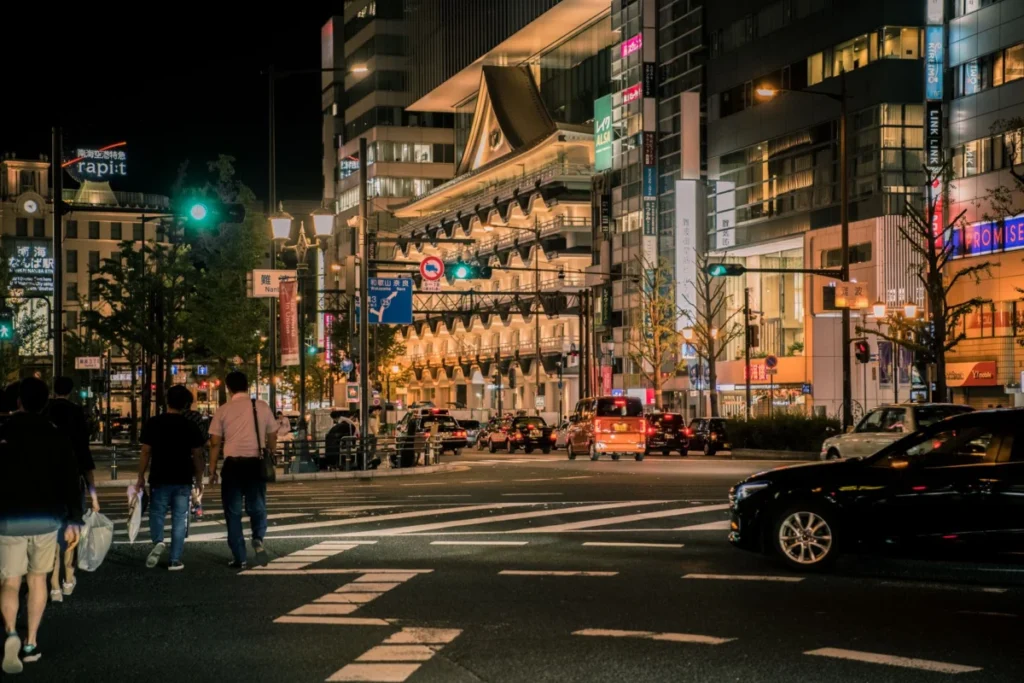
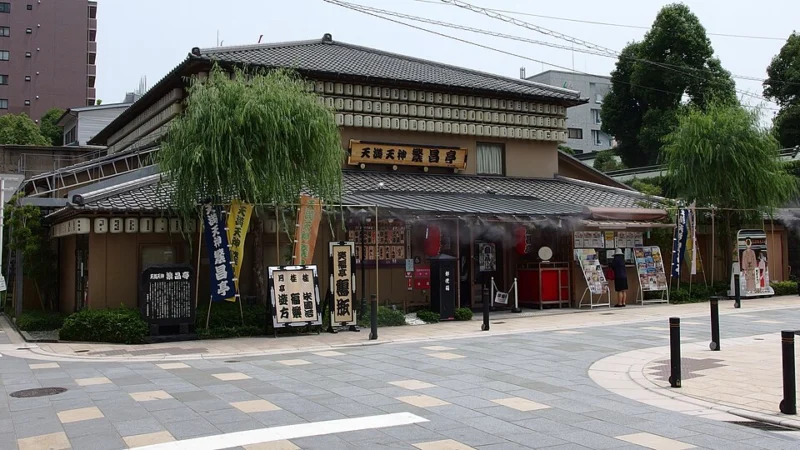
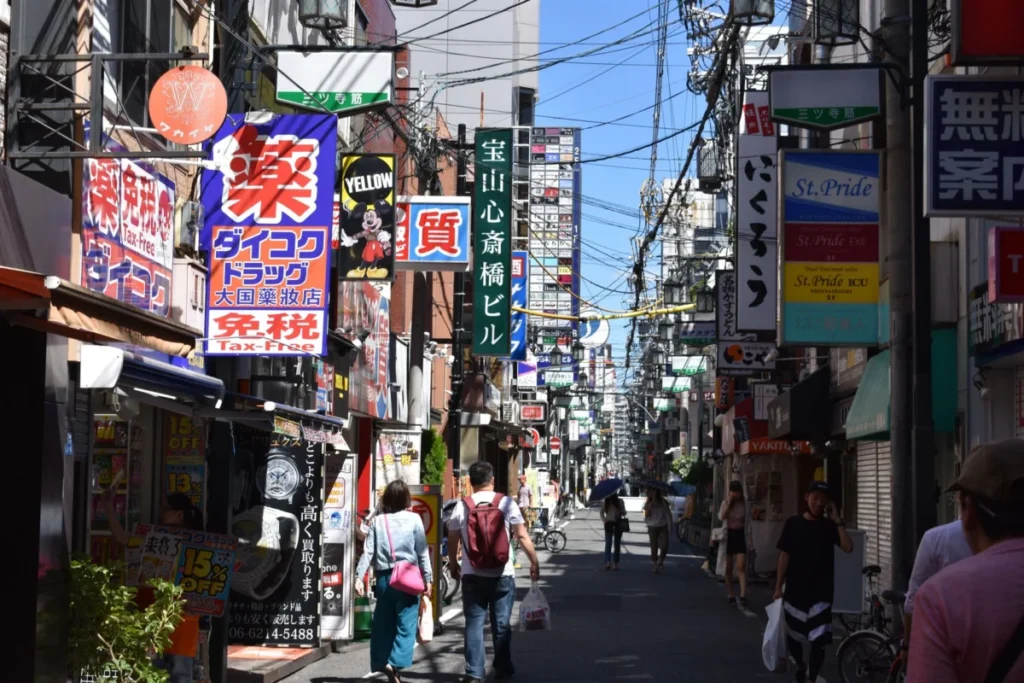
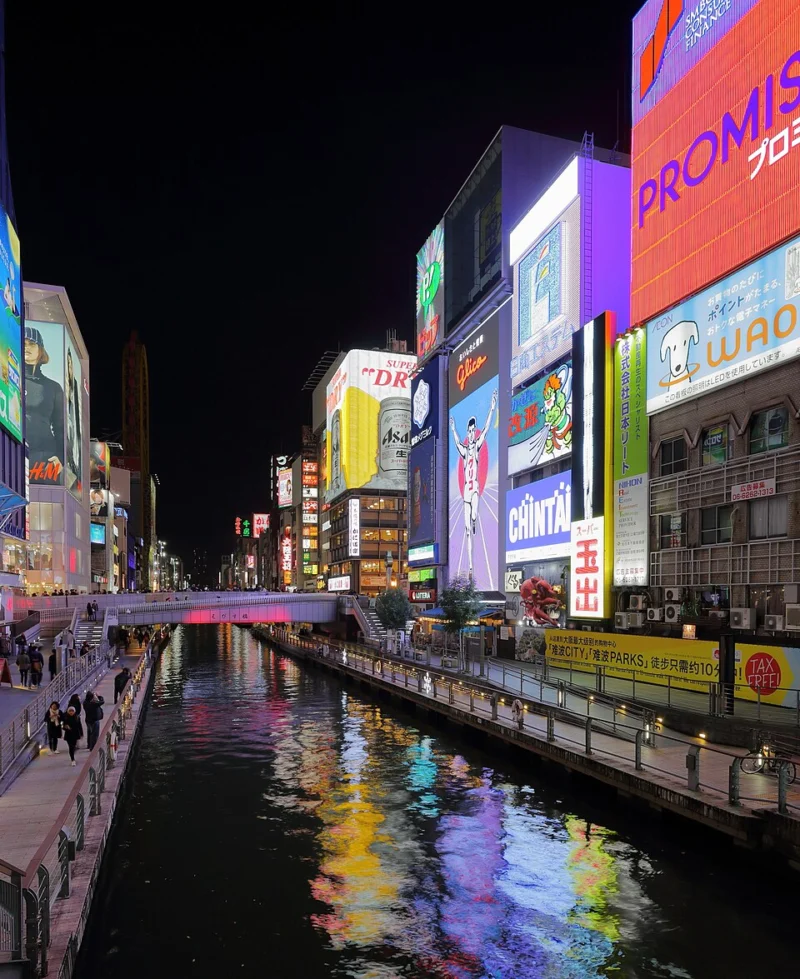
Namba is Osaka's old entertainment quarter, and the history is hidden in plain sight. The Dōtonbori canal was finished in 1615, and by 1662 its bank held six kabuki and five bunraku theatres. The neon came later; the theatre street came first.

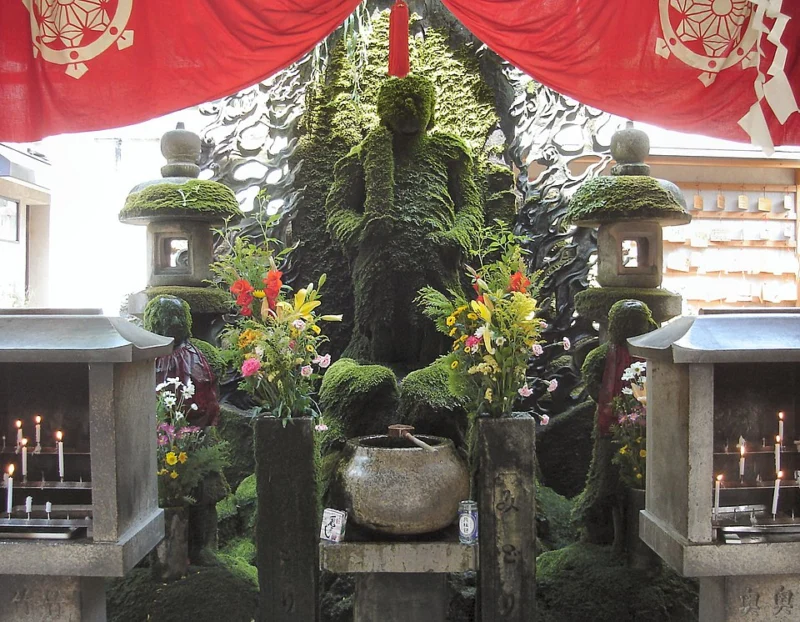
Stay here and you can follow that story on foot. Start at Namba Yasaka Shrine, look at the woodblock prints of kabuki actors in the Kamigata Ukiyoe Museum, and splash water on the moss-covered statue at Hōzen-ji, a lane away from the crowds. In the afternoon, see bunraku where it grew up, at the National Bunraku Theatre.

The honest downside: Namba is loud and packed in the evening, and most of its old buildings were lost in the war. Choose it for living tradition — theatre, temples and food — rather than for old streets.

Local picks

For Culture & History
  • 1
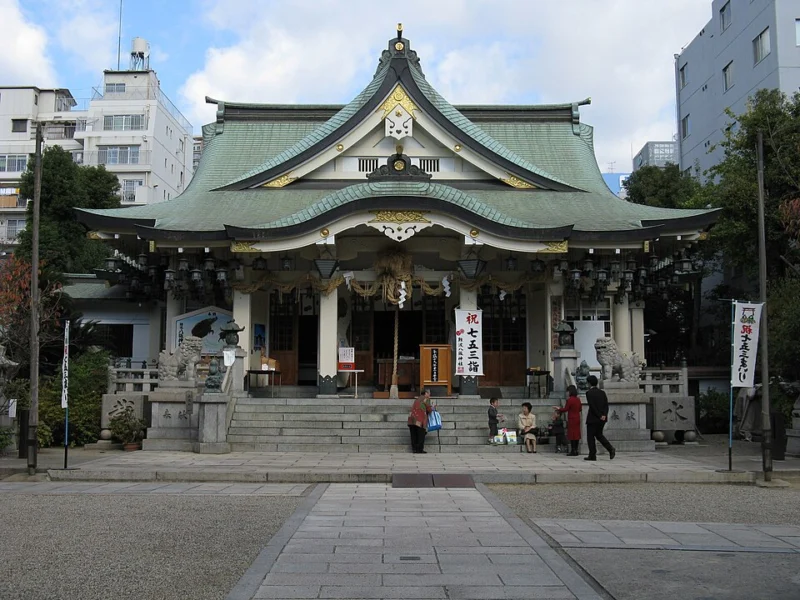
    MorningNamba Yasaka ShrineA small shrine whose stage is shaped like a giant lion's head with its mouth wide open. Come early, before the photo queue forms.
  • 2
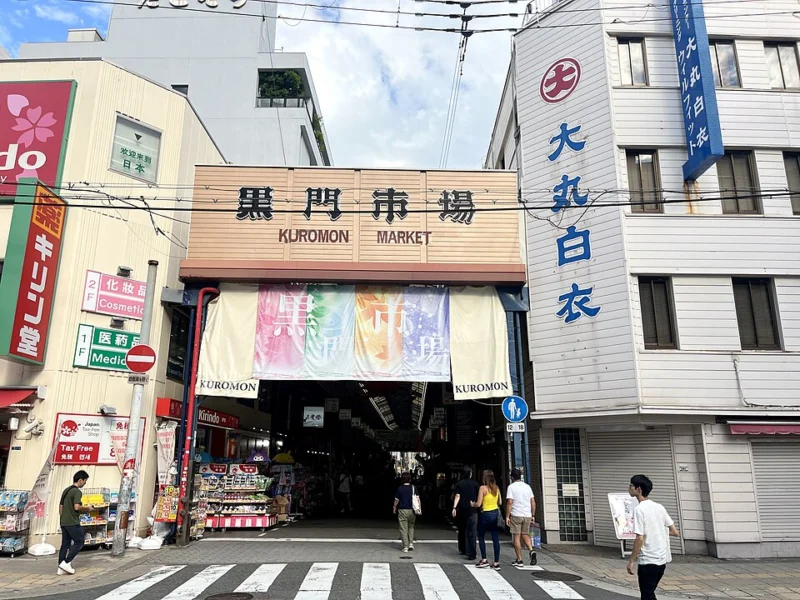
    MarketKuromon MarketA covered market of fish, fruit and pickle stalls that has fed Namba's kitchens for generations. Many stalls close on Sundays.
  • 3
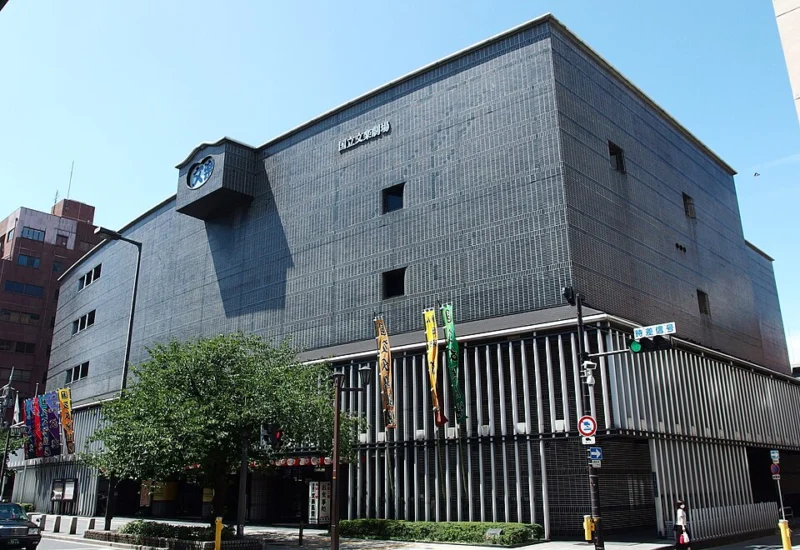
    AfternoonNational Bunraku TheatreOne of the last places in the world to see bunraku live, with three puppeteers working each large puppet. Performances run in seasons, so check the programme and book ahead.
  • 4
    MuseumKamigata Ukiyoe MuseumA tiny museum of woodblock prints from the Osaka region, many of them portraits of kabuki actors from the Dōtonbori theatres. It takes half an hour and is closed on Mondays.
  • 5
    Hidden historyHōzen-jiA small temple in a stone-paved lane, where people splash water on a statue of Fudō Myōō until it has turned green with moss. Add your own ladle of water as you pass.
  • 6
    DinnerAjinoyaAn okonomiyaki restaurant near Hōzen-ji where the staff cook the pancake for you from start to finish. Expect a queue at peak times.
  • 7
    EveningDōtonboriWalk the canal where the theatres stood; only the Shōchikuza survived the war. The neon is new, but the crowd is as old as the street.
  • 8
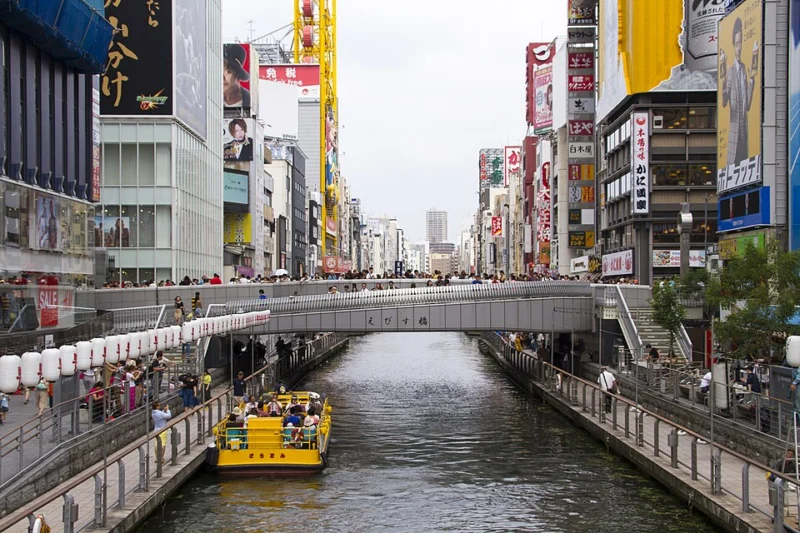
    NightEbisu BridgeThe bridge was first built to reach the nearby Ebisu shrine, and today it faces the Glico sign. Stand on it after dark for the classic view down the canal.
  • Half-day tripShitennō-ji and ShinsekaiThree stops south on the Midosuji line, Shitennō-ji was founded in 593. Nearby Shinsekai was laid out in 1912 around Tsūtenkaku, and its kushikatsu bars make an easy lunch.
  • Getting aroundNamba · NippombashiThe Midosuji line runs from Namba to Umeda and Tennōji, and Kintetsu trains run from Namba to Nara. Everything on this walk is within 15 minutes on foot.
  • Where to stayNamba has everything from capsule hotels to big chain hotels, and a few ryokan-style inns near the canal. For quieter nights, pick a side street away from Dōtonbori and Sōemonchō.

Did you know?

A canal finished in 1615 Dōtonbori canal was dug from 1612 and completed in 1615, the year of the Siege of Osaka.
Eleven theatres by 1662 By 1662 Dōtonbori had six kabuki theatres and five bunraku theatres.
Glico Man since 1935 The running-man sign by Ebisu Bridge first went up in 1935; today's LED version dates from 2014.
Namba (難波)

Umeda (梅田)

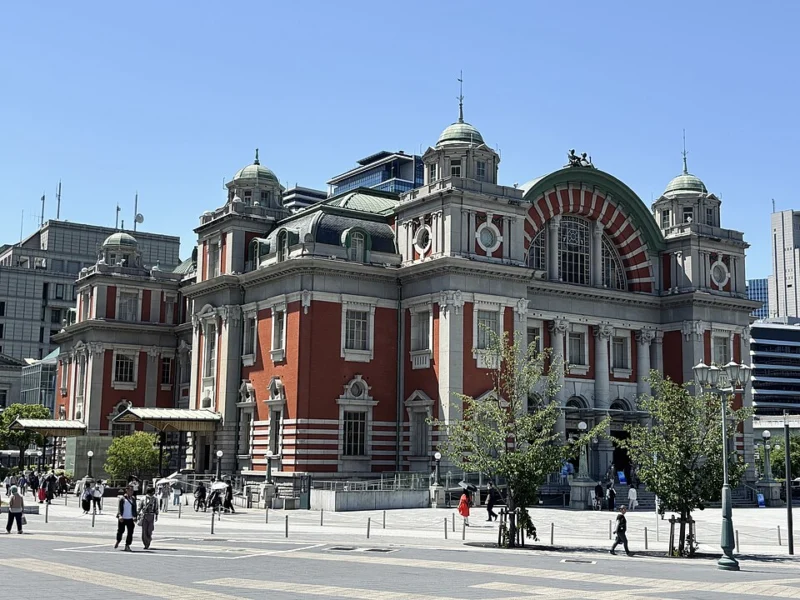
Umeda is Osaka's modern hub of stations and towers, but walk ten minutes south and you reach the city of the Meiji and Taishō merchants. On the island of Nakanoshima, the domed Nakanoshima Library of 1904 stands beside the red-brick Central Public Hall of 1918, paid for by a stockbroker's gift.

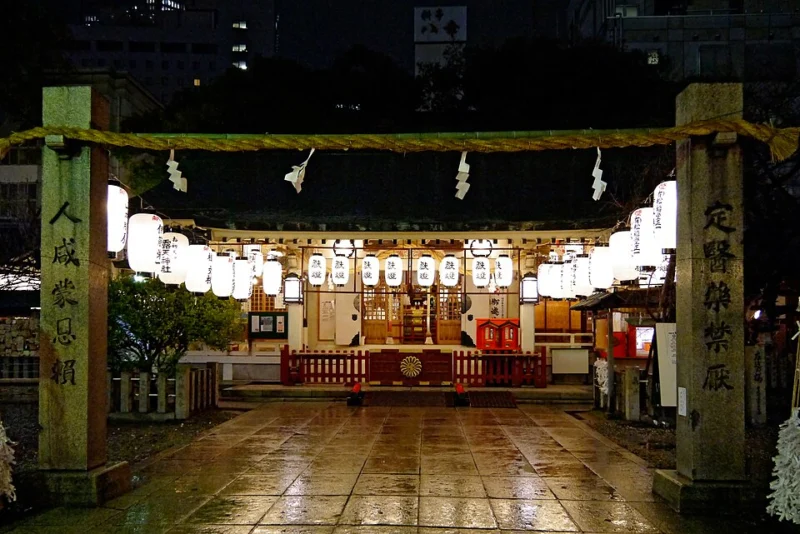
For a history lover, Umeda is the most practical base. Trains to Kyoto, Nara and Kobe leave from downstairs, and the day starts at Tekijuku, the 1838 school of Western learning where Fukuzawa Yukichi studied. Spend the afternoon with the ceramics of the Museum of Oriental Ceramics, and finish at Ohatsu Tenjin, the shrine behind Chikamatsu's most famous puppet play.

Umeda itself is glass, concrete and underground malls, and it is easy to get lost in the stations. Choose it for convenience, not for atmosphere at your door.

Local picks

For Culture & History
  • 1
    MorningTekijukuOgata Kōan opened this school of Dutch learning in 1838, and the wooden merchant house where students learned Western medicine still stands. Fukuzawa Yukichi, later the founder of Keio University, studied here.
  • 2
    Tea breakKitahama RetroA brick building from 1912, built for a stockbroking firm and now a British-style tea room. It is a registered cultural property, so the interior comes with your tea.
  • 3
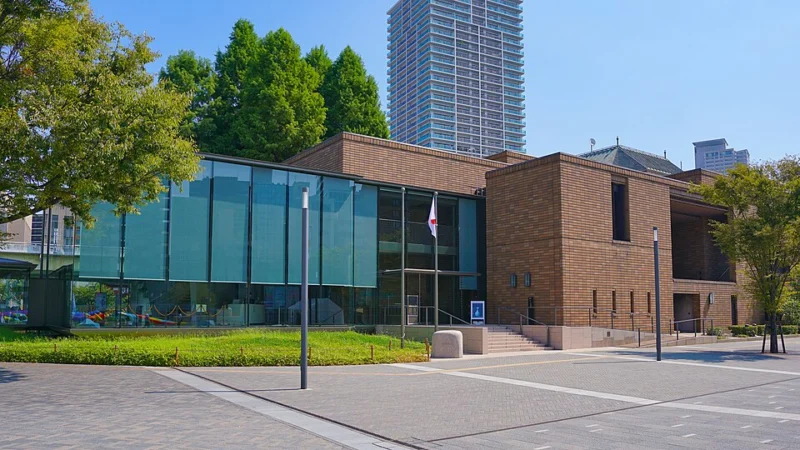
    MuseumMuseum of Oriental CeramicsOne of the world's great collections of Chinese and Korean ceramics, built around the Ataka Collection. Two pieces are National Treasures, including a tenmoku bowl with silvery spots.
  • 4
    Must seeOsaka City Central Public HallThe red-brick hall of 1918, now an Important Cultural Property, was paid for by a stockbroker's ¥1 million donation. Walk round it slowly — the brick and stone details are the point.
  • 5
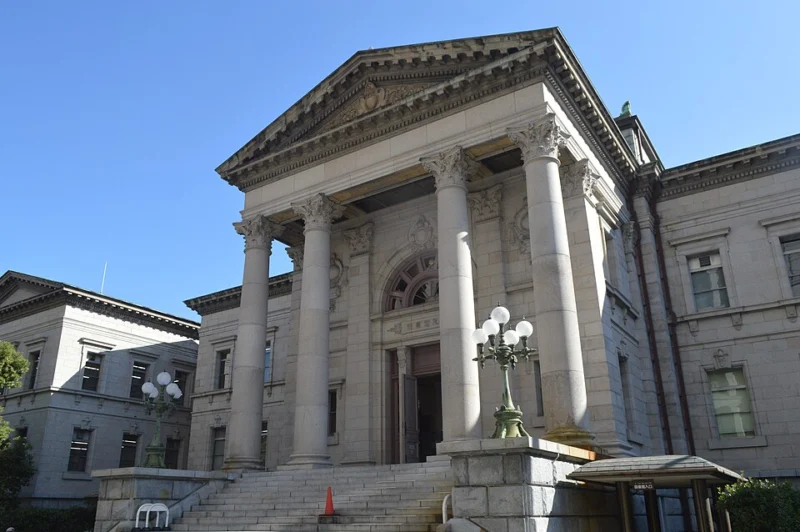
    Meiji architectureNakanoshima LibraryThe neo-Baroque prefectural library with its copper dome opened in 1904 and is still a working library. Step inside the entrance hall quietly.
  • 6
    Late afternoonOhatsu TenjinIn 1703 a courtesan and a shop clerk died together in this shrine's grove, and Chikamatsu turned the story into a puppet play a month later. The shrine is officially Tsuyu no Tenjinsha, but everyone calls it after the heroine, Ohatsu.
  • 7
    SnackHanadakoA takoyaki stand by the Hankyu station that is always busy with locals. Eat standing up, Osaka-style.
  • Getting aroundUmeda · Yodoyabashi · KitahamaThe Midosuji line runs from Umeda to Yodoyabashi in one stop, and JR trains to Kyoto leave from Osaka Station. The walk from Umeda to Nakanoshima takes about 15 minutes.
  • Where to stayUmeda has the biggest choice of hotels in Osaka, from luxury towers to business hotels around the stations. For history walks, pick the south or east side of Umeda, closer to Nakanoshima and Ohatsu Tenjin.

Did you know?

Ohatsu Tenjin, 1703 A real double suicide in the shrine's grove inspired Chikamatsu's puppet play The Love Suicides at Sonezaki the same year.
Fukuzawa Yukichi's school Tekijuku, a school of Western learning opened by Ogata Kōan in 1838, counted Fukuzawa Yukichi among its students.
A stockbroker's gift The 1918 Central Public Hall on Nakanoshima was built with a ¥1 million donation from the broker Iwamoto Einosuke.
Umeda (梅田)

Osaka Castle (大阪城)

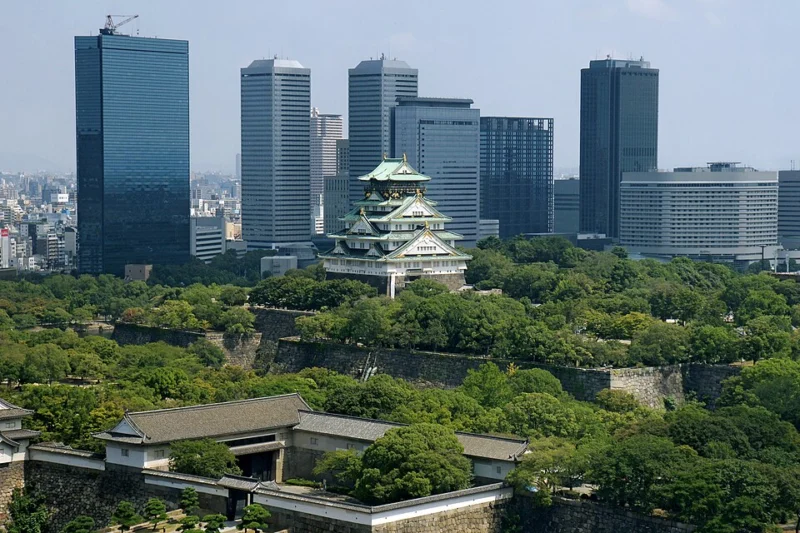
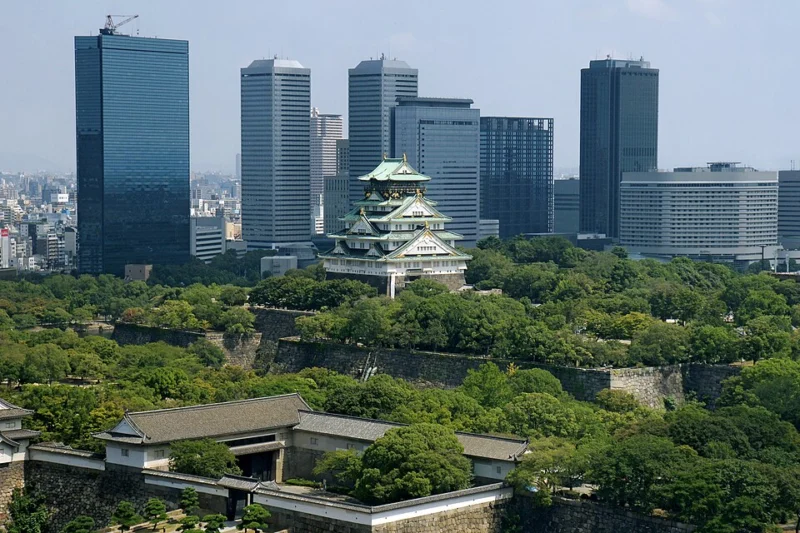
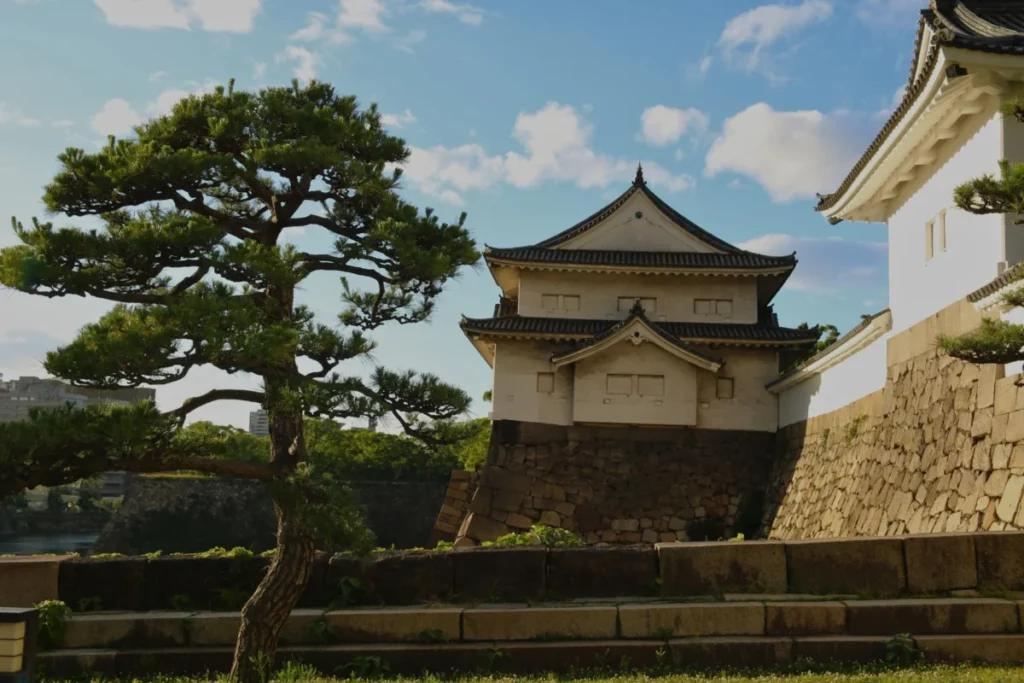
This is where Osaka's history is deepest. Long before the castle, the Naniwa Palace stood here, a capital in the 7th and 8th centuries. In 1583 Toyotomi Hideyoshi began Osaka Castle, and after his family fell in 1615 the Tokugawa rebuilt it with the giant stone walls you see today.

Stay here and you can be on the grounds early, before the coaches. Start at the excavated palace site, spend the morning in the Osaka Museum of History, then enter through the 1628 Ōte-mon Gate. The main tower is a 1931 concrete reconstruction, so treat it as a museum of Hideyoshi and the sieges rather than an original keep.

The area is mostly offices and park, and goes quiet after dark. Eat at Jo-Terrace by the station or take the metro to Namba for dinner.

Local picks

For Culture & History
  • 1
    Early morningNaniwa Palace Historic ParkJapan's capital stood here in the mid-7th century and again in 726–784. The raised platform of the great audience hall has been restored, and at 8 am you will share it with joggers only.
  • 2
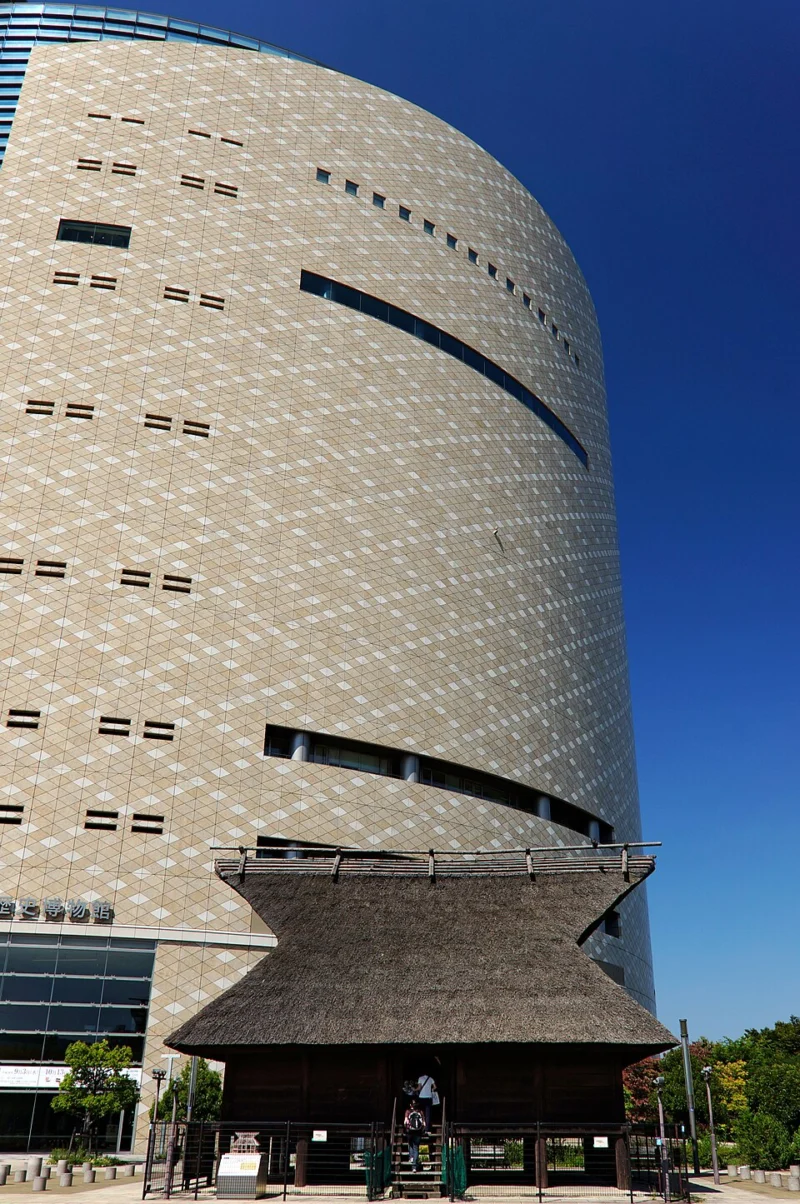
    MuseumOsaka Museum of HistoryThe museum takes you from the Naniwa Palace to merchant Osaka, and its upper windows look over the palace site to the castle. It is closed on Tuesdays.
  • 3
    GateŌte-mon GateThe main gate of the castle, from the Tokugawa rebuilding of 1628 and an Important Cultural Property. Look at how tightly the huge stones fit without mortar.
  • 4
    ShrineHōkoku ShrineThe shrine to Toyotomi Hideyoshi, the castle's builder, inside the park on the way to the keep. Stop for a minute before you meet him again in the museum.
  • 5
    Must seeOsaka Castle main towerInside the 1931 tower, floors of exhibits tell the story of Hideyoshi and the sieges of 1614–1615. Take the lift up early and walk down floor by floor.
  • 6
    Late afternoonGokuraku-bashi BridgeThis bridge crosses the inner moat north of the keep. From here you get the classic view of the tower above the stone walls.
  • 7
    DinnerJo-Terrace OsakaA cluster of restaurants and cafés in a wooden building styled after an old castle town, by Osakajokoen station. It is mid-priced and easy after a day on your feet.
  • Getting aroundTanimachi 4-chome · OsakajokoenThe Tanimachi and Chuo lines meet at Tanimachi 4-chome by the museum, and the JR Loop Line stops at Osakajokoen on the east side of the park. The park is big, so wear good shoes.
  • Where to stayHotels around the castle are fewer and mostly at the top or middle of the market, in the office districts on the park's edges. Check how far the hotel is from the gate you will use — the park is large.

Did you know?

Begun in 1583 Toyotomi Hideyoshi began building the castle in 1583; the inner keep was finished in 1585.
Rebuilt by the Tokugawa After the Toyotomi fell in 1615, the shogunate rebuilt the castle in 1620–1628; its stone walls, laid without mortar, still stand.
A 1931 concrete keep Today's main tower is a 1931 reinforced-concrete reconstruction and works as a museum, with lifts inside.
Osaka Castle (大阪城)

Nakazakicho (中崎町)

Nakazakicho is what much of Osaka looked like before 1945. Large parts of it escaped the wartime air raids, so its narrow lanes are still lined with wooden nagaya rowhouses, many now small cafés, galleries and vintage shops.

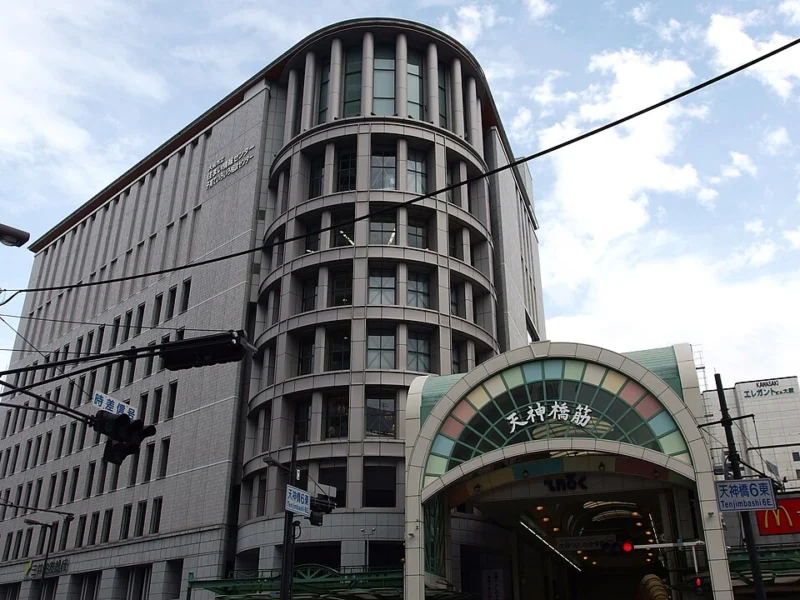
For a history lover, it is the gateway to old Tenma. Walk a few minutes east to the Osaka Museum of Housing and Living, where an Edo-period Osaka street has been rebuilt at full size. Then follow the covered Tenjinbashisuji shopping street south to Osaka Tenmangū, founded in 949, and end the day at Hanjotei, a theatre for Osaka's comic rakugo storytelling.

There are hardly any hotels in Nakazakicho itself — most people stay in Umeda, 15 minutes' walk away. The lanes are residential, so keep your voice down.

Local picks

For Culture & History
  • 1
    MorningNakazakicho's old lanesWalk the narrow lanes east of Nakazakicho station, where wooden rowhouses that survived the war now hold cafés and galleries. Go in late morning, when the shops open.
  • 2
    MuseumOsaka Museum of Housing and LivingA life-size Edo-period Osaka street rebuilt indoors on the 9th floor, with Meiji-to-Shōwa dioramas below. It is closed for renovation until 5 January 2027, so check before you go.
  • 3
    LunchHarukoma HontenA sushi restaurant on the Tenjinbashisuji arcade with a queue of locals whenever it is open. Be patient — the line moves fast.
  • 4
    AfternoonTenjinbashisuji Shopping StreetOne of the longest covered shopping streets in Japan, running south towards the shrine. Old shops, pickles and rice crackers sit next to chain stores.
  • 5
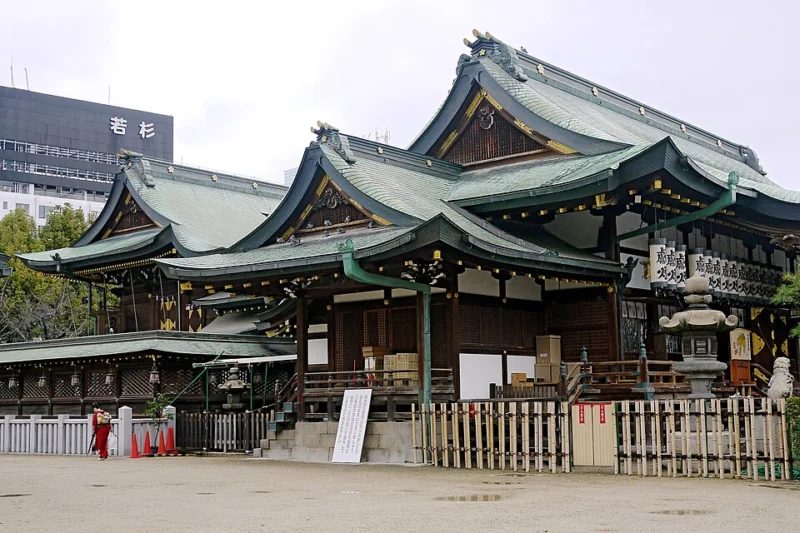
    Must seeOsaka TenmangūFounded in 949 for Sugawara no Michizane, the patron of scholars; the main gate dates from 1845. On 24–25 July it hosts the Tenjin Matsuri.
  • 6
    EveningTenma Tenjin HanjoteiA small theatre next to the shrine for Kamigata rakugo, Osaka's comic storytelling, opened in 2006. Shows are in Japanese, but the afternoon programme is a fine way to hear the city's oldest kind of comedy.
  • Getting aroundNakazakicho · Tenjimbashisuji 6-chomeThe Tanimachi line links Higashi-Umeda, Nakazakicho and Tenjimbashisuji 6-chome. Umeda is about 15 minutes away on foot.
  • Where to stayThere are almost no hotels in Nakazakicho itself, only a few guesthouses. Most visitors stay in Umeda and walk over; look for a hotel on the east side of Umeda to shorten the walk.

Did you know?

Spared in 1945 Large parts of Nakazakicho escaped the wartime air raids, so its pre-war wooden rowhouses survive.
A shrine since 949 Osaka Tenmangū, a walk south along Tenjinbashisuji, was founded in 949 and is dedicated to the scholar Sugawara no Michizane.
Rakugo every day Tenma Tenjin Hanjotei, opened in 2006 next to the shrine, is a theatre just for Kamigata rakugo storytelling.
Nakazakicho (中崎町)

Planning your stay in Osaka

For Culture & History
  • Osaka history in 3 daysDay 1: Naniwa Palace site, the Museum of History and the castle. Day 2: Tekijuku, Nakanoshima and Ohatsu Tenjin, then Tenmangū and rakugo at Hanjotei. Day 3: Shitennō-ji in the morning and bunraku in Namba in the afternoon.
  • Book these aheadBunraku tickets at the National Bunraku Theatre, and hotels for cherry-blossom season and the Tenjin Matsuri. Most museums and shrines can be decided on the day.
  • Check closing daysThe Osaka Museum of History closes on Tuesdays, the Kamigata Ukiyoe Museum on Mondays, and the Museum of Housing and Living is closed until 5 January 2027. Plan your days around them.
  • Old capitals nearbyNara and Kyoto are both day trips from Osaka. If they are on your list, stay in Umeda or Namba, next to the trains.
Self-guided walking tours Culture & History (Osaka, Japan)
Routes 4
Pick a route

Best time to visit Osaka (Japan)

Now (November) avg high: 17°C, wetter month, full season — expect crowds. Best months to walk: Dec & Nov.

Live Temp …
~Day / Night Temp 17°C / 9°C
Sunrise / Sunset 6:24 / 16:59
Local time 9:52
Sea Temp 18°C
Best Months Dec & Nov
J Jan F Feb M Mar A Apr M May J Jun J Jul A Aug S Sep O Oct N Nov best month this month D Dec best month
Check Osaka hotels
Temperature Average daytime high, month by month. Zero line marks freezing point.
Crowds How busy it gets — traveller interest by month.
Sea temperature Sea warmth for swimming, by month.
Rainfall Rainy days to expect each month.
Sunshine Hours of sun per day, by month.
Osaka guides →

Best hotels in Osaka for history lovers

Hotels within walking distance of the castle, the theatres of Dōtonbori and the museums of Nakanoshima.
Cross Hotel Osaka
Smart choice
8.9 Excellent
2989 reviews

Cross Hotel Osaka

A modern hotel in Shinsaibashi, a few minutes' walk from the Dōtonbori canal, Hōzen-ji and the National Bunraku Theatre. The Midosuji line takes you to Umeda for Nakanoshima and to Tennōji for Shitennō-ji in minutes.

Ideal for: History lovers who want theatre-land Namba outside the door
Hotel Hankyu International
Central location
9.0 Superb
1590 reviews

Hotel Hankyu International

A 5-star hotel in Chayamachi on the north side of Umeda, about 10 minutes on foot from the nagaya lanes of Nakazakicho. It has a fitness room, a pool, a bar and restaurants serving Japanese, Chinese and French food, plus a 24-hour front desk and concierge. The hotel itself is modern and international, so the old Osaka is something you walk into, not something you sleep in.

Ideal for: History lovers who want comfort near old Nakazakicho
Hotel Granvia Osaka-JR Hotel Group
Top pick
8.3 Very Good
2571 reviews

Hotel Granvia Osaka-JR Hotel Group

Built into JR Osaka Station, so trains to Kyoto, Nara and Kobe leave from downstairs. Ohatsu Tenjin is a few minutes away and the Meiji buildings of Nakanoshima about 15 minutes' walk south.

Ideal for: History lovers planning day trips to Kyoto and Nara
The Ritz-Carlton Osaka
Smart choice
9.3 Outstanding
425 reviews

The Ritz-Carlton Osaka

Japan's first Ritz-Carlton, in Nishi-Umeda, with classic European-style interiors. Nakanoshima's library, public hall and ceramics museum are about 15–20 minutes' walk away.

Ideal for: History lovers who want a luxury base
Patina Osaka
Best overall
9.5 Exceptional
257 reviews

Patina Osaka

A luxury hotel on the southern edge of Osaka Castle Park, a few minutes from the Osaka Museum of History and the Naniwa Palace site. You can be inside the castle grounds before the tour buses arrive.

Ideal for: History lovers who want the castle on the doorstep
Hotel Monterey La Soeur Osaka
Editor’s choice
8.4 Excellent
2205 reviews

Hotel Monterey La Soeur Osaka

A mid-range hotel in the castle area, a cheaper alternative to staying right on the park. Check the walking time to the castle gates before you book.

Ideal for: History lovers on a mid-range budget
InterContinental Hotel Osaka by IHG
Central location
9.4 Outstanding
493 reviews

InterContinental Hotel Osaka by IHG

A luxury hotel in a tower next to Osaka Station, in the north of Umeda. Nakazakicho's pre-war lanes are about 15 minutes' walk east, and Ohatsu Tenjin about 10 minutes south.

Ideal for: Travellers who want luxury and fast trains

Travelling in cherry-blossom season or for the Tenjin Matsuri?

Late March to early April and the festival days of 24–25 July are Osaka's busiest — book early near the castle and Umeda.

Compare Osaka hotels for history lovers

Location, style and how close each hotel is to the historic sights — side by side.
Hotel Hankyu International
Central location
9.0 Superb
1590 reviews

Hotel Hankyu International

Nakazakicho (中崎町) • 5-star hotel • Chayamachi
Comfort next to the nagaya lanes
Pool
Pool and fitness room
Restaurants Nearby
Several restaurants on site
Shopping
Umeda shopping nearby
Hotel Granvia Osaka-JR Hotel Group
Top pick
8.3 Very Good
2571 reviews

Hotel Granvia Osaka-JR Hotel Group

Umeda • Station hotel • Inside JR Osaka Station
Day trips made easy
Breakfast
Breakfast available
Fast Wifi
Wi-Fi in rooms
City Views
Upper floors over Umeda

Traditional Local Food Osaka (Japan)

Main course Meat

Horumonyaki

ホルモン焼き
hoh-roo-mohn-yah-kee

Grilled or stir-fried beef or pork offal, seasoned and cooked on a griddle.

Open Horumonyaki recipe
Main course Vegetarian

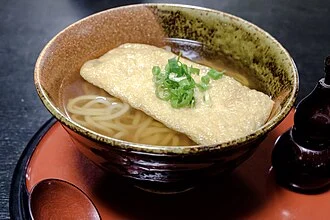
Kitsune Udon

きつねうどん
kee-tsoo-nay oo-don

Udon noodle soup with a piece of fried tofu.

Open Kitsune Udon recipe
Street food Meat

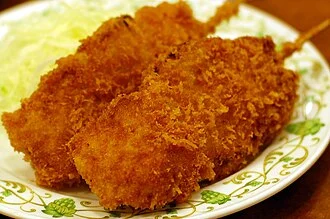
Kushikatsu

串カツ
koo-shee-KA-tsoo

Deep-fried skewers of meat and vegetables.

Open Kushikatsu recipe
Soup Fish & Seafood

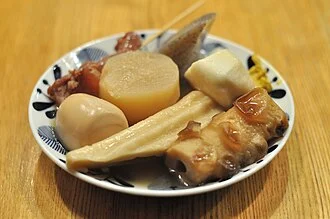
Oden

おでん
Oh-dehn

A hotpot dish with various ingredients simmered in dashi.

Open Oden recipe
Main course Meat

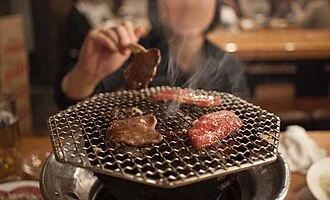
Yakiniku

焼肉
yah-kee-nee-koo

Grilled meat dish enjoyed with dipping sauces.

Open Yakiniku recipe
Main course Meat

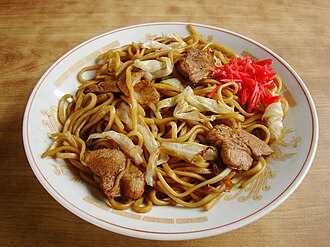
Yakisoba

焼きそば
yah-kee-soh-bah

Stir-fried noodles with vegetables, meat, and yakisoba sauce.

Open Yakisoba recipe

Activities & Experiences

Things to Do in Osaka

Top-rated tours, day trips and local experiences — book in advance to secure your spot.

City & Country Data Osaka (Japan)

Key travel data for Osaka — local prices, safety, healthcare, local currency and essentials, curated by Triplandio.

Safety 🔒 89
Health 🏥 100
Lifestyle ⭐ 48
Infra 🏗️ 100
Rank 🎯 #5
Score 📊 70
Tourists ✈️ 4.1M/y
GDP/cap 💵 $36.0k
Life Exp ❤️ 84.0 yrs
Population 👥 123.4M
Currency 💱 JPY ¥
Language 🗣️ Japanese
Payments 💳 Mixed
Emergency 🆘 110
Coffee ☕ $3.00
Beer 🍺 $3.00
Lunch 🍽️ $7.00
Groceries 🛒 $50.00/w
Taxi/km 🚕 $1.50
Transit 🚇 $2.00
Fuel ⛽ $1.20/l
Internet 📡 $40.00/m
Salary 💵 $2,500/m

Travel tipsOsaka (Japan)

Quick tips

  1. Some cold and allergy medicines are banned — Critical

    Japan's strict stimulant-drug law covers Vicks inhalers, cold and flu tablets containing pseudoephedrine, some allergy and sinus remedies and some codeine painkillers. Visitors have been detained and deported, so check your medicines with the Japanese embassy before you fly.

  2. Don't follow street touts into bars — Critical

    In nightlife districts such as Kabukicho, Roppongi, Shibuya and Ikebukuro in Tokyo, touts lure visitors into bars where drinks are spiked and huge sums are charged to their cards. Ignore touts and check prices before you order.

  3. Always carry your passport — Caution

    Tourists in Japan must carry their passport at all times, not a photocopy. Police can arrest you if you cannot show proof of your permission to stay.

  4. Smoking on the street is often banned — Caution

    Smoking while walking on the streets of Tokyo and many other Japanese cities is illegal. Look for the designated smoking areas, usually near stations, and smoke only there.

  5. Carry cash as well as cards — Local tip

    Many small restaurants, shrines, temples and rural shops in Japan still take cash only. ATMs at 7-Eleven stores and post offices are the most reliable for foreign cards.

  • Do
  • Carry your passport at all times
  • Take shoes off where slippers wait
  • Wash before getting into an onsen
  • Carry cash for small places
  • Take your rubbish with you
  • Don’t
  • Bring pseudoephedrine medicine
  • Follow touts into bars
  • Tip in restaurants
  • Smoke while walking
  • Take phone calls on trains

Osaka tips for history lovers

Shitennō-ji on the 21st

Prince Shōtoku founded Shitennō-ji in 593, making it one of the oldest temples in Japan. On the 21st of each month stalls fill the grounds. Combine it with Shinsekai, laid out in 1912 around the Tsūtenkaku tower.

Tip: Japan's oldest temple layout

See bunraku in its home city

Bunraku puppet theatre grew up in Osaka, and the National Bunraku Theatre in Nippombashi is one of the last places to see it live. Performances run in seasons, so check the programme before you travel.

Tip: Bunraku in Nippombashi

Time it for the Tenjin Matsuri

Osaka Tenmangū's festival on 24–25 July is the city's biggest. Book months ahead if you want to stay within walking distance of the shrine.

Tip: 24–25 July

Use Osaka as a base for Nara and Kyoto

Osaka is an easy base for Japan's old capitals. Stay near Osaka Station for JR trains to Kyoto, or in Namba for Kintetsu trains to Nara.

Tip: Two old capitals as day trips

Osaka for history lovers: FAQ

When is the best time to visit Osaka?

The best time to visit Osaka is December and November — fewer crowds, comfortable temperatures, less rain and more sunshine. Compare every month in the seasonal chart above.

Where should history lovers stay in Osaka?

The Osaka Castle area puts you next to the castle, the Museum of History and the Naniwa Palace site. Umeda is the practical choice for day trips, with Nakanoshima's Meiji buildings a short walk away.

Is Osaka Castle original?

Toyotomi Hideyoshi began the castle in 1583, and the Tokugawa rebuilt it in 1620–1628. The stone walls and the Ōte-mon Gate are from that rebuilding; the main tower is a 1931 concrete reconstruction used as a museum.

Which museums are best for history in Osaka?

The Osaka Museum of History for the big picture, the Museum of Oriental Ceramics for Chinese and Korean art, and Tekijuku for the 19th-century school of Western learning. The Museum of Housing and Living is closed for renovation until 5 January 2027.

Is Osaka a good base for Kyoto and Nara?

Yes. From Osaka Station JR trains run to Kyoto, and from Namba Kintetsu trains run to Nara, so you can see both as day trips.

What is the oldest temple in Osaka?

Shitennō-ji, founded by Prince Shōtoku in 593. Its buildings were last rebuilt in 1963, but they follow the original layout of gate, pagoda, golden hall and lecture hall.

Osaka for history lovers

★ For history lovers
Osaka was a capital before Kyoto and Japan's merchant city for three centuries after. This guide picks four bases for history lovers — the castle, theatre-land Namba, Umeda with the Meiji buildings of Nakanoshima, and the pre-war lanes of Nakazakicho — with a walk, the sights worth your time and hotels in each.
  • Handpicked hotels
  • Areas close to the history
  • Museums and landmarks on foot
  • Updated 2026
Asia — Japan — Osaka — Where to Stay in Osaka for History and Culture Lovers
keyboard_arrow_up