







Nizamuddin
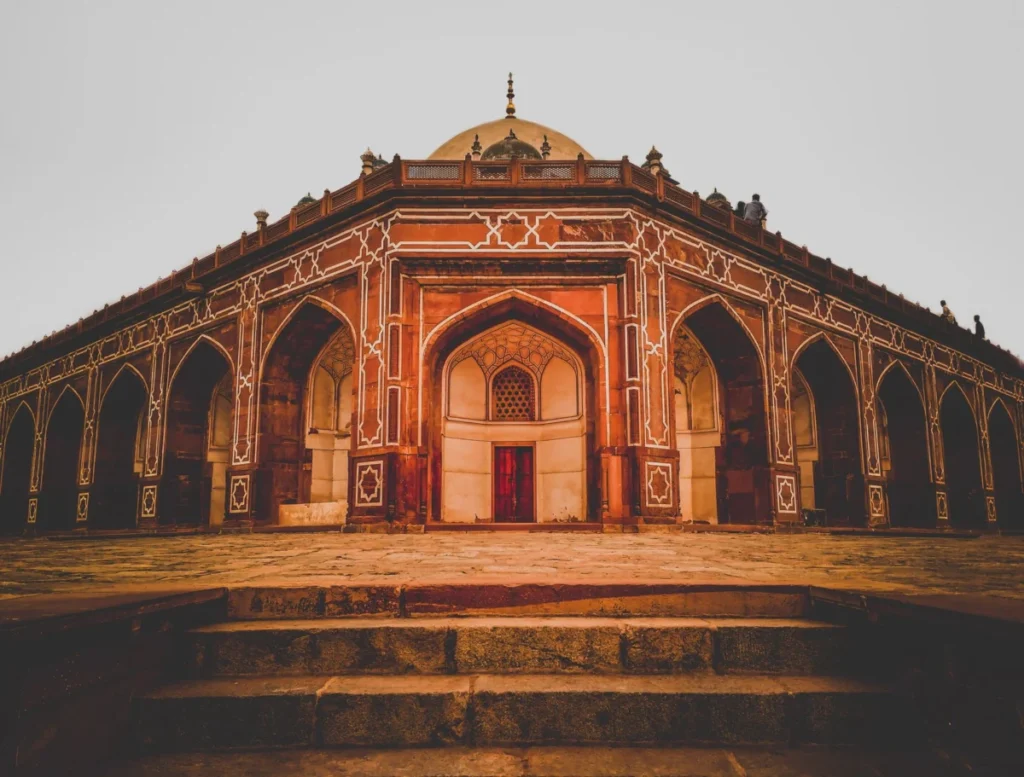
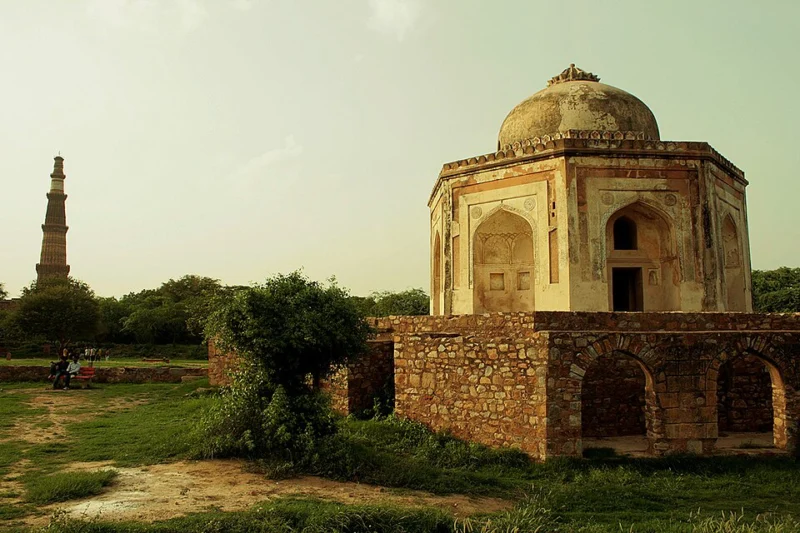
Nizamuddin is where Delhi's Mughal gardens are at their best. Humayun's Tomb, resting place of the second Mughal emperor, sits next to Sunder Nursery, a 16th-century heritage park once called Azim Bagh, with lawns and paths that are wonderfully empty in the early morning.
Nizamuddin East is a calm residential area of families and long-time residents, with almost no bars and several small parks. Start with a slow loop of the gardens at opening, rest in the shade, and come back to the tomb complex in the late afternoon, when the stone glows and the crowds thin.
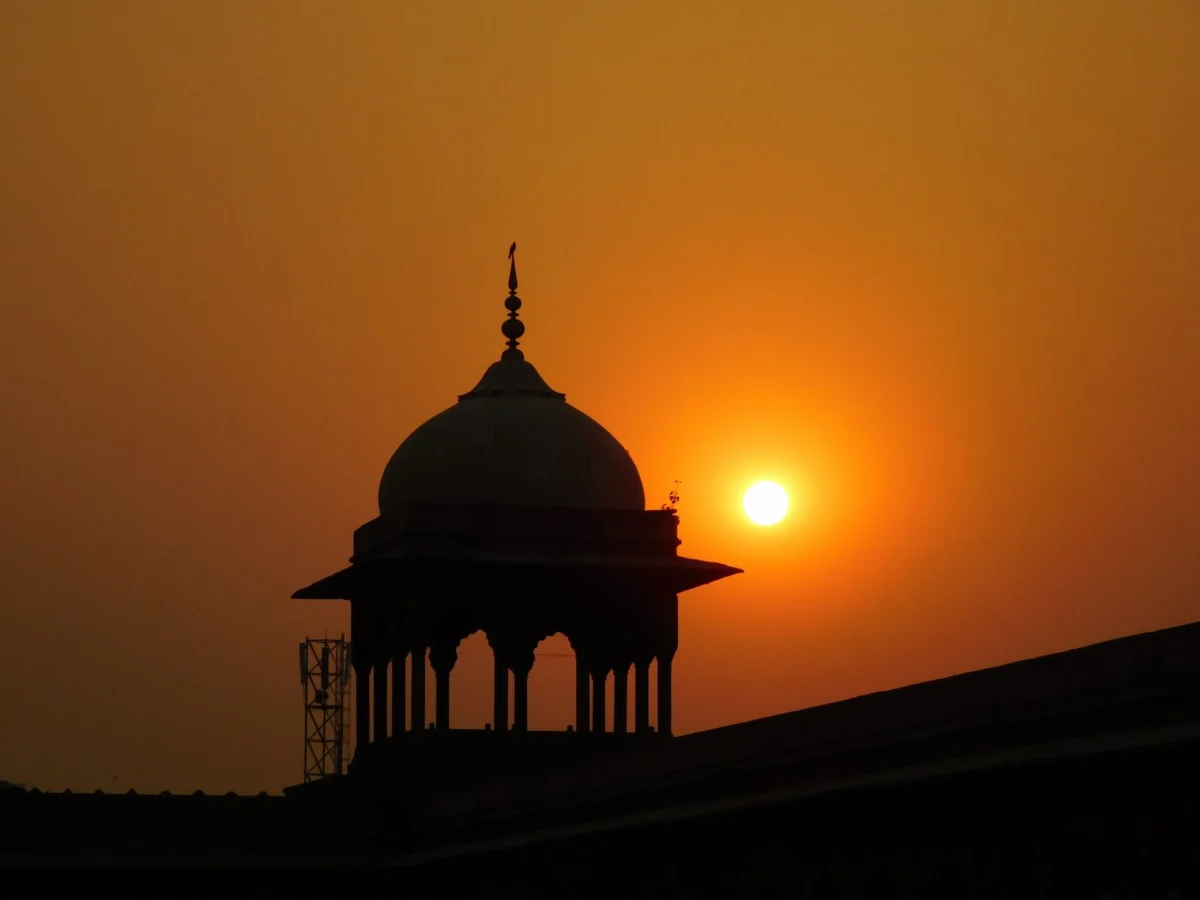
Nights on the eastern side are quiet. The Nizamuddin Dargah, the Sufi shrine of Nizamuddin Auliya, draws thousands of pilgrims every week, so the lanes of Nizamuddin West are busy and noisy. The honest drawback: if you want silence, sleep in Nizamuddin East and visit the dargah by day.
Local picks
For Quiet & Wellness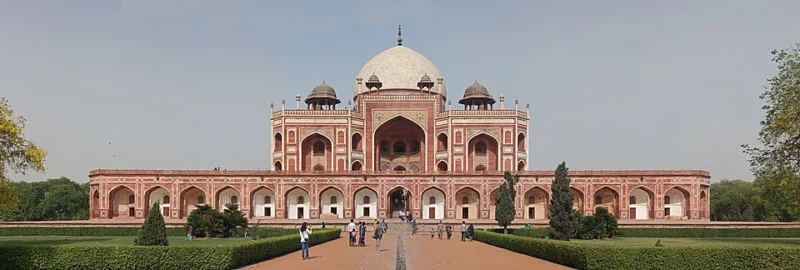 1Early morningHumayun’s TombStart at the tomb of the second Mughal emperor, set in formal gardens. Come at opening, when the paths are quiet and the light is soft.
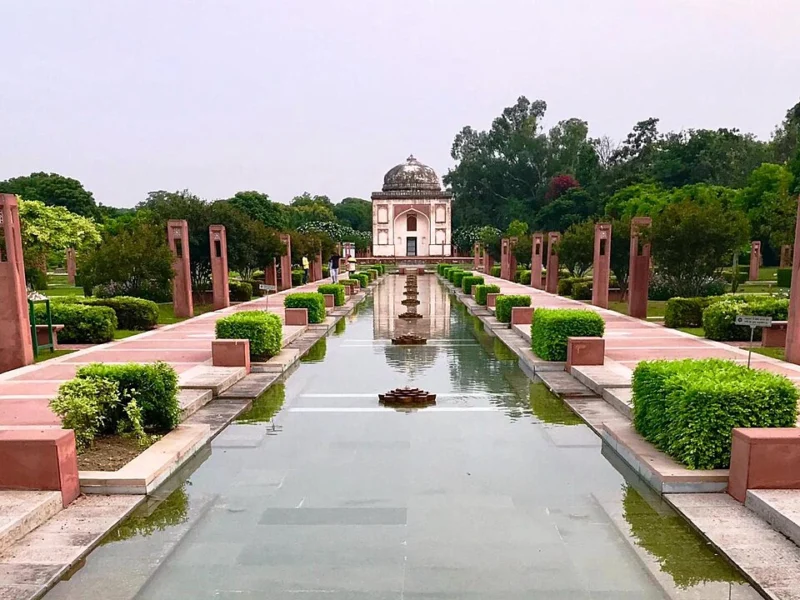 2Garden walkSunder NurseryA 16th-century heritage park right next door, with lawns and shaded paths. Take a slow loop and find a bench by the water.
- 3Rest stopAmir Khusro ParkA small neighbourhood park on the way to the dargah, good for a quiet sit. It is a calm pause before the busier lanes.
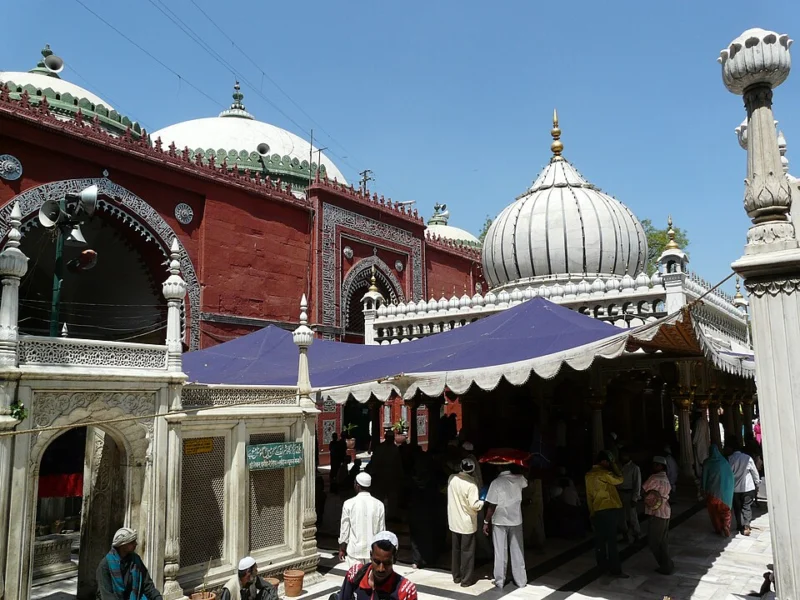 4Midday visitNizamuddin DargahThe shrine of the Sufi saint Nizamuddin Auliya, visited by thousands of pilgrims every week. Come by day, dress modestly and expect crowds.
- Getting aroundApp taxis and metroApp taxis can drop you at the gates of Humayun's Tomb and Sunder Nursery. For longer trips the metro is an option outside rush hour.
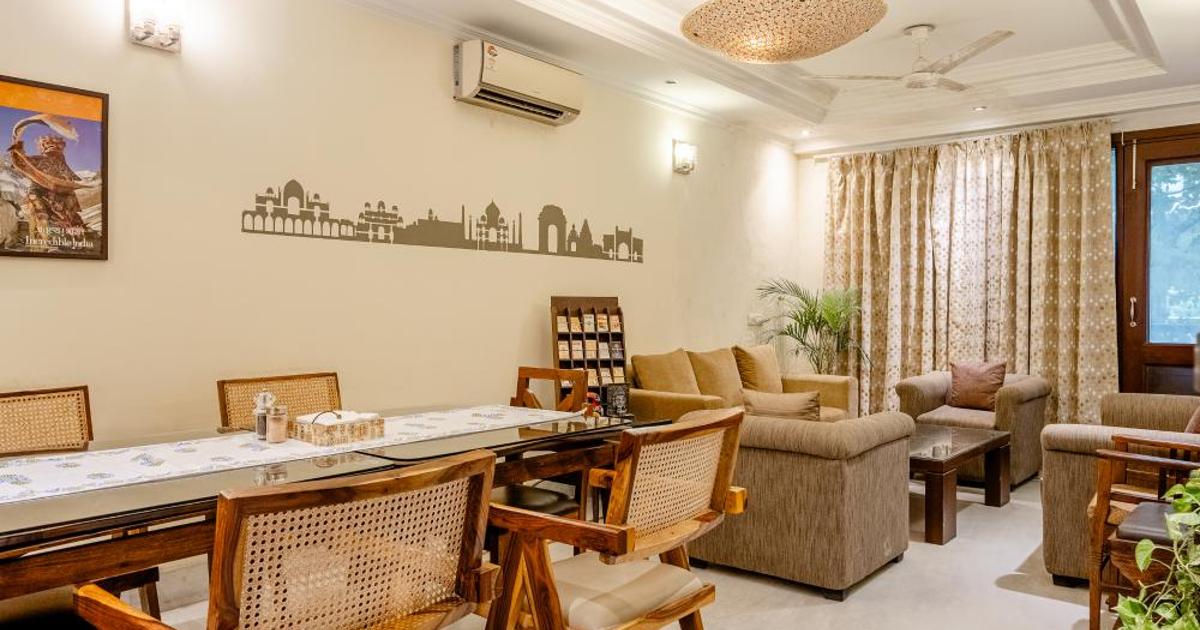
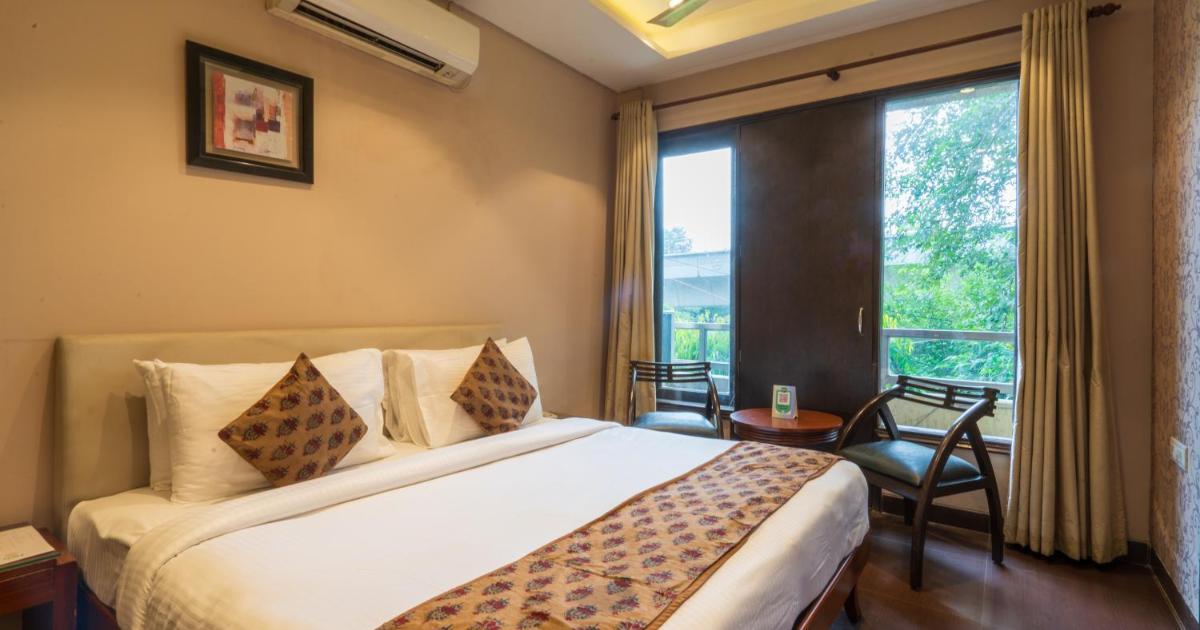
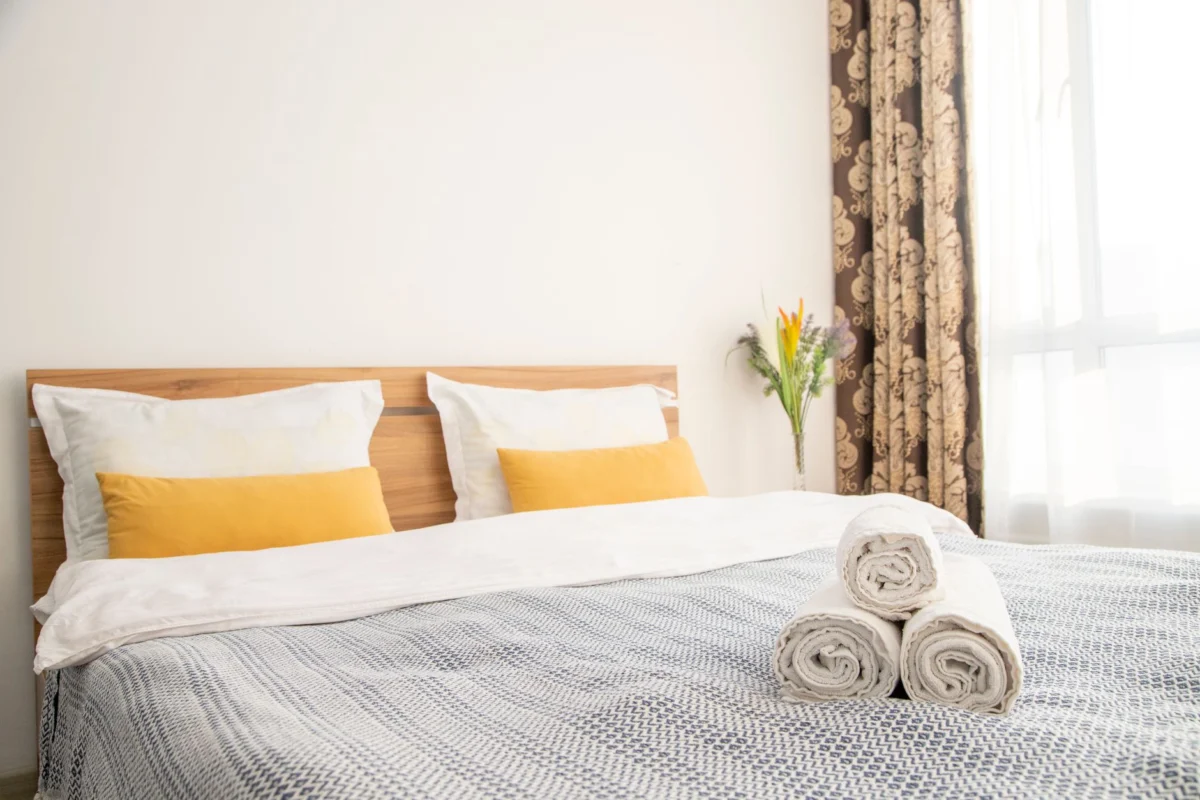
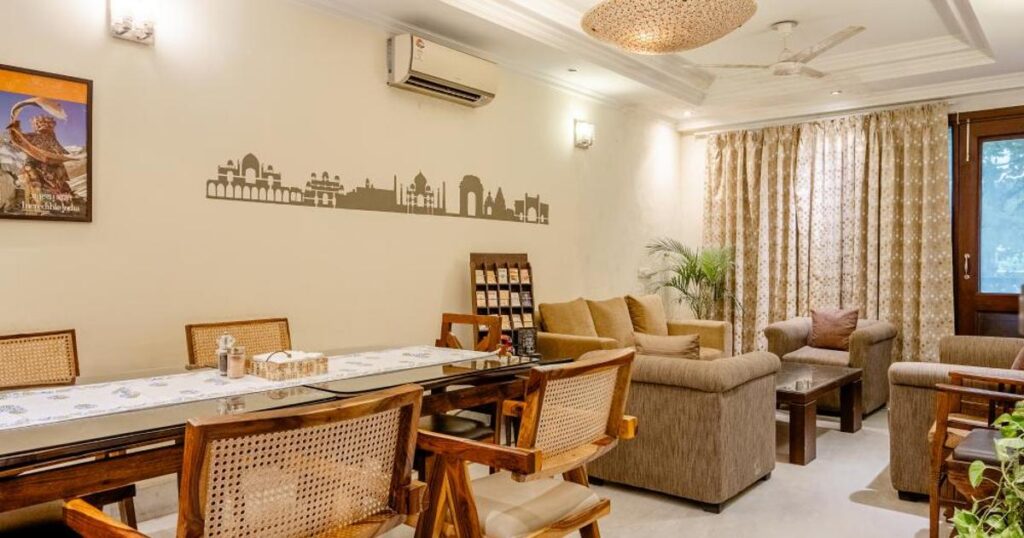
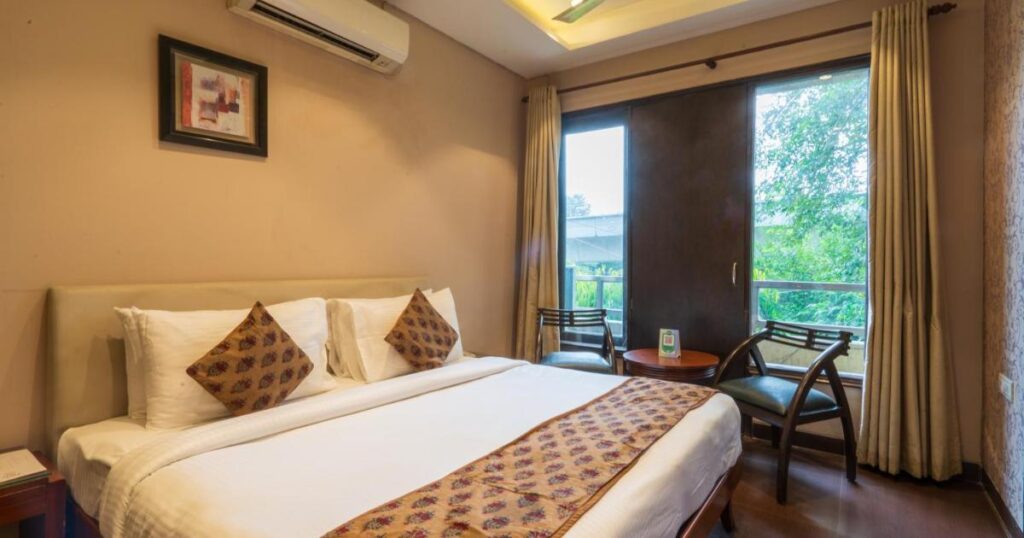
- Where to stayChoose a guesthouse or small hotel in Nizamuddin East, on the residential streets away from the dargah. Ask for a room at the back, away from the road.
Did you know?
| The second Mughal emperor Humayun ruled from 1530 to 1540 and again from 1555 until his death in 1556. |
| Azim Bagh Sunder Nursery was first known as Azim Bagh, a garden built by the Mughals in the 16th century. |
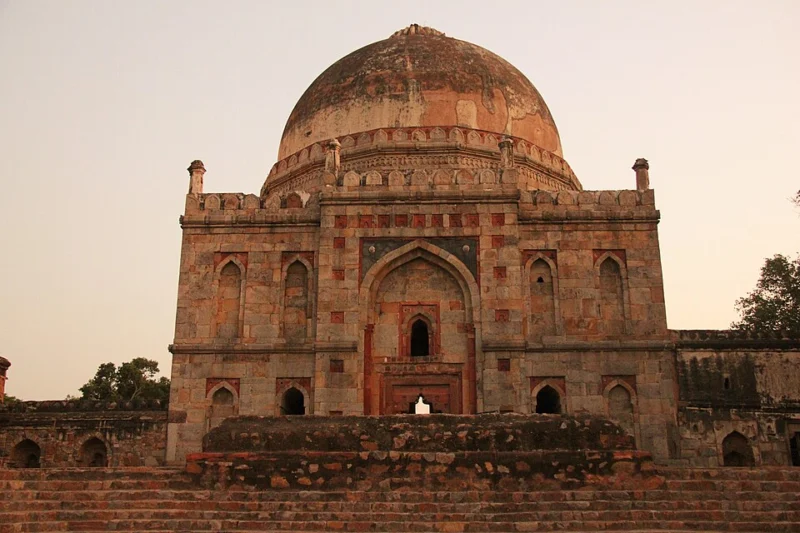
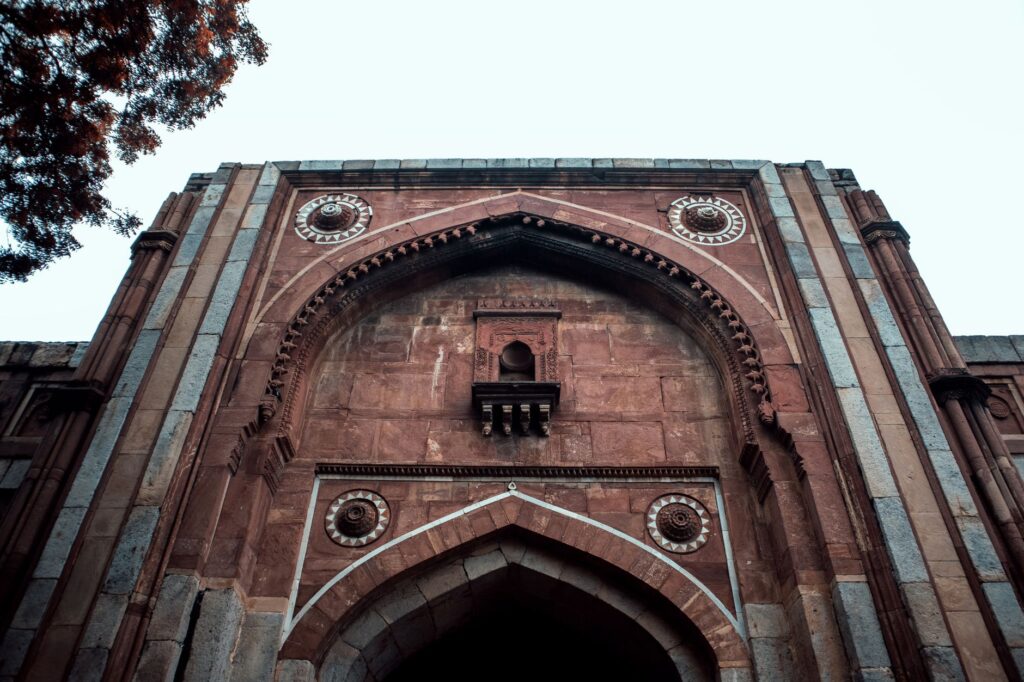
| Isa Khan's octagon The red sandstone tomb of Isa Khan Niazi was built in 1547–1548, during the reign of Sher Shah Suri. |
| Sixty-four pillars Chausath Khamba, a tomb in the Nizamuddin precinct, was built in 1623–24. |