






Written for travellers who read the plaques — monuments, places of worship and hotels checked against maps and records. Updated 2026.

Where to Stay in Delhi for History and Sacred Sites

Where to stay in Delhi if history is why you are going — Sufi shrines, Sultanate tombs, Mughal markets and the temples of the 20th-century capital, on foot.

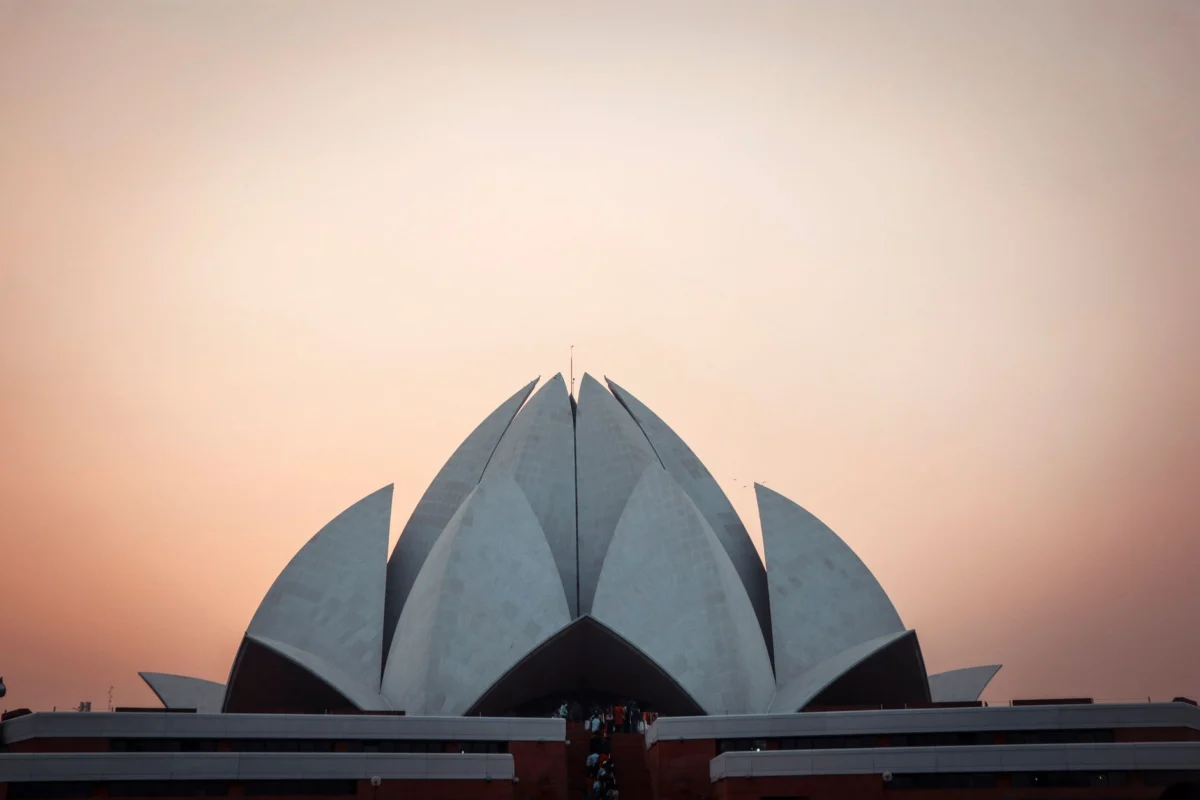
The iconic Lotus Temple at sunset in Delhi, India
At a Glance
Country India
City Delhi
Day / Night 27° / 15°
Local Time 14:48
November — Now Peak season
Best Months Oct · Apr

Delhi has been rebuilt as a capital at least seven times, and every city left something standing. This guide picks four bases, each with a different era on the doorstep: the British-built Connaught Place with its Sikh and Hindu temples, the old grain market of Paharganj, the Sultanate reservoir at Hauz Khas, and Mehrauli, the oldest part of Delhi, around the Qutb Minar. Each comes with a walk you can do in a morning or an afternoon.

Top Delhi stays for history lovers

Best overall
⭐ 8.8
Shangri-La Eros New Delhi

Shangri-La Eros New Delhi

A large modern hotel on Ashoka Road, between Connaught Place and the government buildings of Lutyens’ Delhi. Gurudwara Bangla Sahib and Jantar Mantar are both within walking distance.

Central location
⭐ 9.6
The Imperial, New Delhi

The Imperial, New Delhi

New Delhi’s first grand hotel, opened in 1936 on Janpath and designed by F. B. Blomfield, an associate of Lutyens. Its Patiala Peg bar is where Nehru, Gandhi, Jinnah and Mountbatten are said to have met during the talks on Partition.

Smart choice
⭐ 8.8
Hotel Namaste Hindustan

Hotel Namaste Hindustan

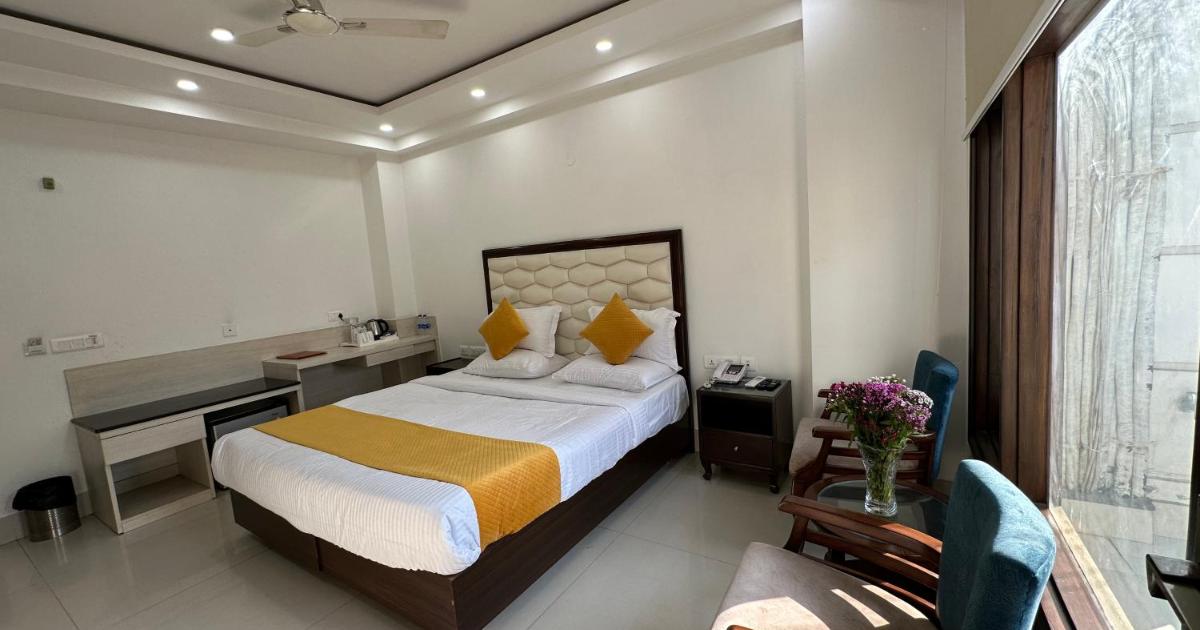
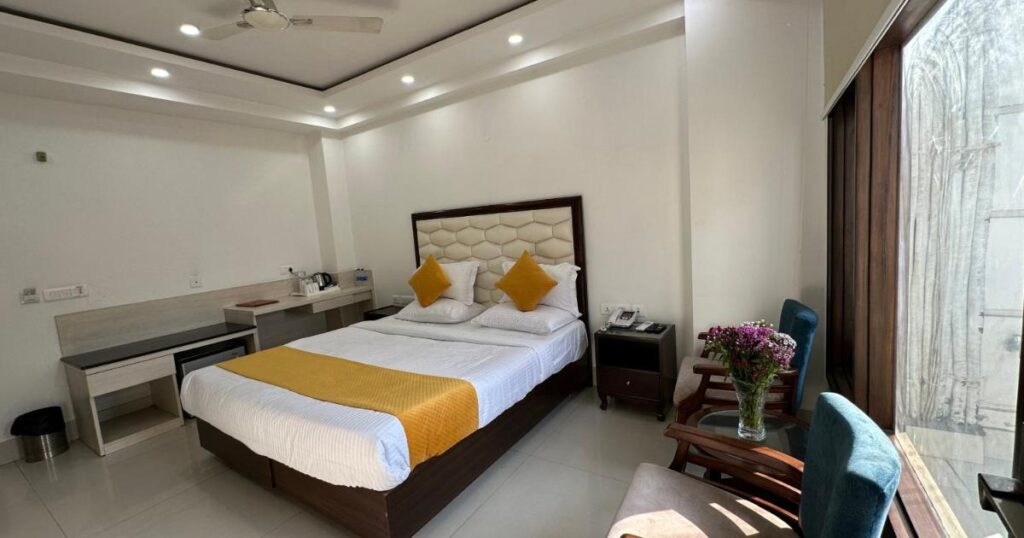
A 4-star hotel in the Aram Bagh corner of Paharganj, a few minutes on foot from New Delhi railway station and the metro. Rooms are air-conditioned with tea and coffee makers, there is a 24-hour front desk and tour desk, and breakfast includes vegetarian and local dishes. Nearly 2,800 guests rate it 8.8.

Which Delhi do you want to wake up in?

British New Delhi, Mughal markets, Sultanate ruins or the oldest village in the city — pick your era.

Best choice: Connaught Place (Rajiv Chowk)

Best for: Temples & observatory

Best choice: Paharganj

Best for: Cheap base by the station

Best choice: Hauz Khas Village

Best for: Sultanate ruins

Best choice: Mehrauli

Best for: Oldest Delhi

Best hotels in Delhi for history lovers

From a 1930s grand hotel on Janpath to simple rooms by the station — sorted by how easily you reach the monuments.

The Imperial, New Delhi
Central location
⭐ 9.6 Exceptional
1778 reviews

The Imperial, New Delhi

Connaught Place • Janpath • Opened 1936

New Delhi’s first grand hotel, opened in 1936 on Janpath and designed by F. B. Blomfield, an associate of Lutyens. Its Patiala Peg bar is where Nehru, Gandhi, Jinnah and Mountbatten are said to have met during the talks on Partition.

  • Opened in 1936
  • Art Deco and colonial building
  • Jantar Mantar a short walk away
Hotel Namaste Hindustan
Smart choice
⭐ 8.8 Fabulous
2796 reviews

Hotel Namaste Hindustan

Paharganj • 4-star hotel • Near New Delhi station

A 4-star hotel in the Aram Bagh corner of Paharganj, a few minutes on foot from New Delhi railway station and the metro. Rooms are air-conditioned with tea and coffee makers, there is a 24-hour front desk and tour desk, and breakfast includes vegetarian and local dishes. Nearly 2,800 guests rate it 8.8.

  • Minutes from New Delhi station
  • 24-hour front desk and tour desk
  • Rated 8.8 by 2,800+ guests
Haveli Hauz Khas
Smart choice
⭐ 9.5 Outstanding
178 reviews

Haveli Hauz Khas

Hauz Khas • B&B • Hauz Khas Enclave

A small B&B on a residential street in Hauz Khas Enclave, close to Hauz Khas Village with its 14th-century madrasa, the tomb of Firoz Shah Tughlaq and the old royal reservoir. Go early to see the ruins and the Deer Park before the cafés open; the Qutb Minar and Mehrauli are a short taxi ride south.

  • Small B&B in Hauz Khas Enclave
  • Near the Hauz Khas madrasa
  • Short taxi ride to the Qutb Minar
The Saina International - New Delhi, Paharganj
Smart choice
⭐ 8.0 Very Good
1165 reviews

The Saina International - New Delhi, Paharganj

Paharganj • Budget hotel • Near Main Bazaar

A basic budget hotel in Paharganj with the Main Bazaar, cheap eateries and the metro close by. Check the exact address and whether your room has a window before you book.

  • Budget rooms
  • Near Main Bazaar
  • Metro nearby
Grace Home
Top pick
⭐ 9.1 Superb
167 reviews

Grace Home

Saket • 3-star guest house • Near PVR Saket

A 3-star guest house in a residential block of Saket near PVR Saket, about 10 minutes by taxi or auto-rickshaw from the Qutb Minar and the Mehrauli Archaeological Park. Rooms have a kitchenette and air-conditioning, and there is a garden and terrace for the evening. Small and run by its host, who is the reason most of the 160-plus reviews average 9.1.

  • 10 minutes by taxi to the Qutb Minar
  • Kitchenette in every room
  • Garden and terrace
Lemon Green Residency
Smart choice
⭐ 8.6 Fabulous
139 reviews

Lemon Green Residency

Chhatarpur • Hotel and serviced apartments • Chhatarpur Enclave

A small hotel with serviced apartments on a quiet street in Chhatarpur Enclave, near the Chhatarpur temple and about 10 minutes by taxi from the Qutb Minar. It has an Indian restaurant, room service and a 24-hour front desk. Chhatarpur is a plain residential area, so plan on taxis or the Yellow Line metro rather than walking to the monuments.

  • 10 minutes by taxi to the Qutb Minar
  • Indian restaurant on site
  • 24-hour front desk

How we choose

We look first at how close a hotel is to the monuments and the metro, then at the building itself, and only then at guest ratings.

Best areas in Delhi for history lovers

Four bases, four chapters of Delhi history — each with a walk past temples, tombs and stepwells.

Connaught Place (Rajiv Chowk)

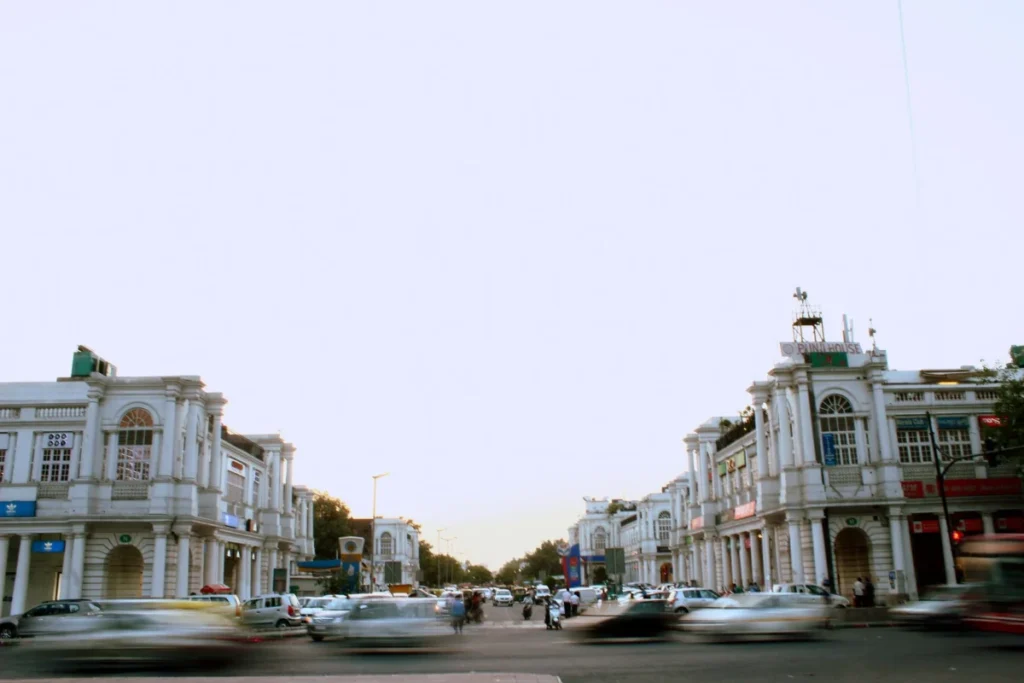
Connaught Place is the commercial heart of the capital the British built: two rings of white colonnaded blocks designed by Robert Tor Russell and finished in 1933. Office workers, shoppers and students fill it by day, but within a short walk there are monuments far older than the circle itself.

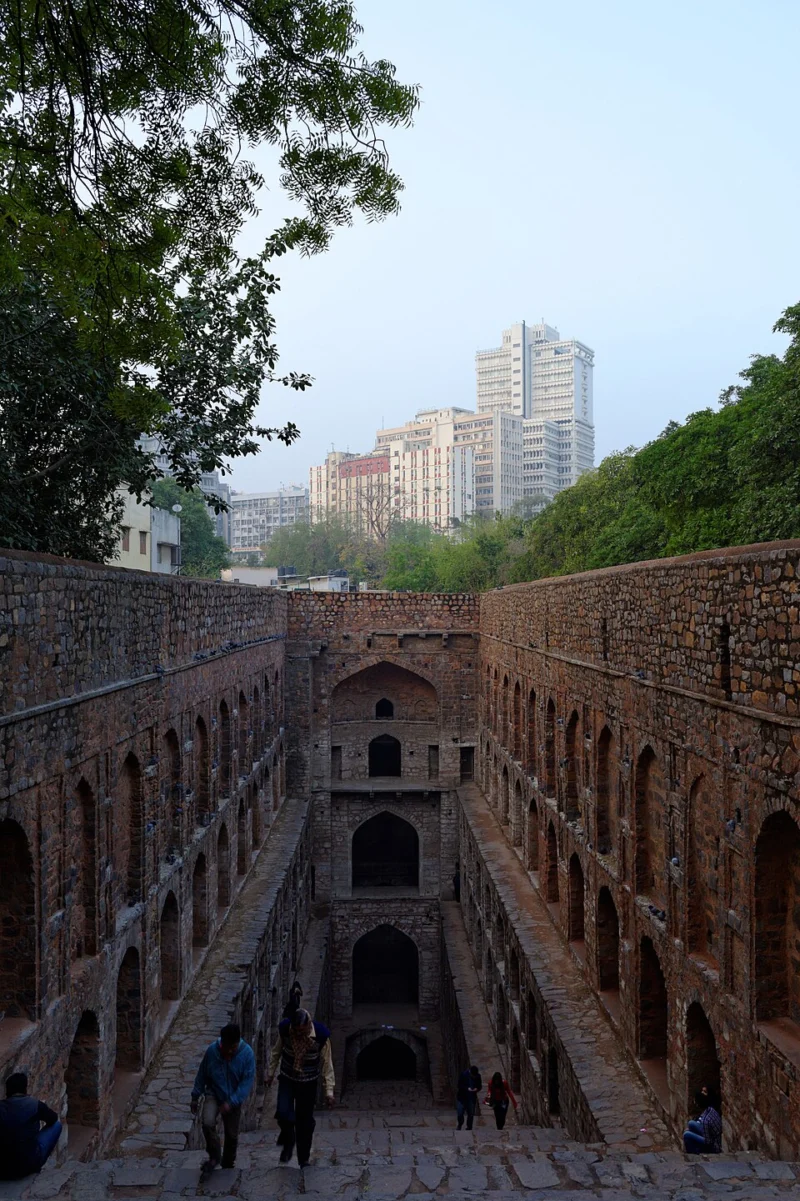
Start at Gurudwara Bangla Sahib at dawn, when the pool is calm and the free kitchen is already serving breakfast. Then walk to the Hanuman temple rebuilt by Jai Singh II in 1724, and to Jantar Mantar, the observatory he built the same year. Agrasen ki Baoli, a stepwell hidden between office blocks, is best in the late morning light.

The honest downside: traffic, touts and noise. Connaught Place is a base for history rather than a historic quarter, so expect concrete between the monuments.

Local picks

For Culture & History
  • 1
    Early morningGurudwara Bangla SahibThe site was a bungalow of Raja Jai Singh where the eighth Sikh Guru, Har Krishan, stayed in the 17th century. Leave your shoes, cover your head and walk round the sacred pool, then see the free community kitchen at work.
  • 2
    TemplePrachin Hanuman MandirRebuilt by Maharaja Jai Singh II of Amber in 1724, this temple is unusual for the crescent moon on its spire. Tuesdays and Saturdays are the busy worship days, so come on another morning for a calmer visit.
  • 3
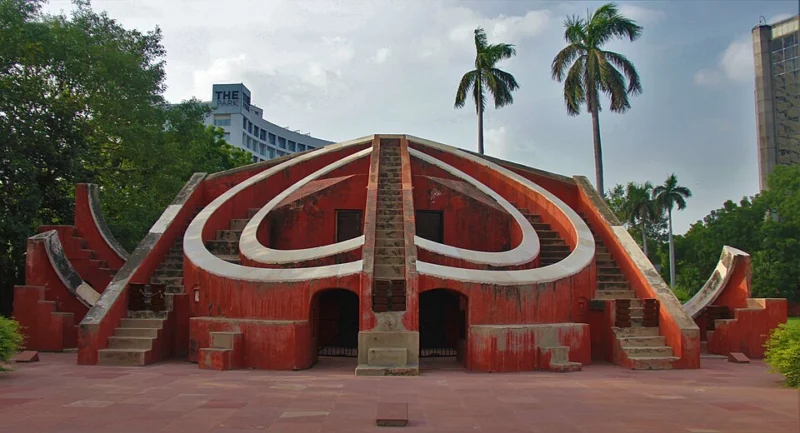
    Worth the ticketJantar MantarJai Singh II built this observatory in 1724 to predict the movements of the sun, moon and planets. The giant Samrat Yantra is a sundial that tells local time to within two seconds.
  • 4
    Hidden historyAgrasen ki BaoliA stepwell 60 metres long with 108 steps, tucked behind the offices of Hailey Road. Nobody knows exactly who built it, but its style suggests a rebuild in the Tughlaq or Lodi period.
  • 5
    LunchSaravana Bhavan, JanpathA South Indian vegetarian restaurant on Janpath, open from 8 am to 11 pm. Dosas and thalis are quick and filling, which is all you need between monuments.
  • EveningCentral Park and the colonnadesFinish in the park at the centre of the circle, then walk the inner ring under the white colonnades built between 1929 and 1933. In the evening the park fills with families and office workers.
  • Getting aroundRajiv ChowkRajiv Chowk, under the park, is where the Yellow and Blue lines meet. The Yellow Line takes you south to Hauz Khas and Qutub Minar without changing.
  • Where to stayConnaught Place and Janpath have everything from a 1930s grand hotel to plain business hotels. Ask for a room away from the outer circle, which is noisy late into the night.

Did you know?

Named after a royal son Connaught Place takes its name from Prince Arthur, Duke of Connaught, Queen Victoria's third son.
Built in four years The white colonnaded rings were built from 1929 to 1933 to designs by Robert Tor Russell.
A stepwell nobody can date No records say who built Agrasen ki Baoli; its style points to a rebuild under the Tughlaqs or Lodis.
Connaught Place (Rajiv Chowk)

Paharganj

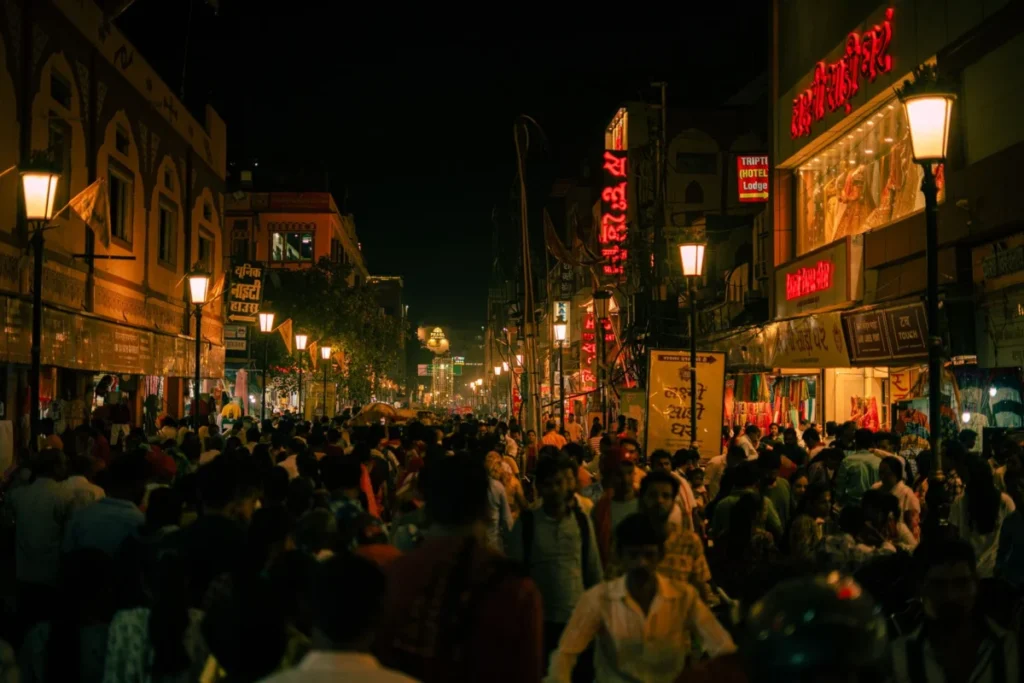
Paharganj is a crowded bazaar district facing New Delhi railway station, full of cheap hotels, cloth shops and chai stalls. Its name means 'hilly neighbourhood', after nearby Raisina Hill, and in Mughal times it was Shahganj, the main grain market and the only big market outside the walled city.

For a history lover it is a cheap base between two worlds. Walk west in the morning to the Lakshmi Narayan Temple, which Gandhi opened in 1939, and sit for a while at the Ramakrishna Mission. In the afternoon cross the station footbridge to Ajmeri Gate, built in 1644 as one of the gates of Shah Jahan's city, and carry on into Old Delhi.

The honest downside: it is noisy, dusty and full of touts, especially around the station. Come for the price and the location, not for charm.

Local picks

For Culture & History
  • 1
    MorningLakshmi Narayan TempleBuilt by the Birla family between 1933 and 1939, it was opened by Gandhi on condition that people of every caste could enter. It is about 20 minutes' walk west of Paharganj.
  • 2
    Quiet hourRamakrishna MissionThe Delhi centre of the Ramakrishna order stands on the road named after it, at the edge of Paharganj. Its prayer hall is a calm place to sit after the traffic outside.
  • 3
    Old cinemaImperial CinemaThe Imperial was built in 1930, when New Delhi was rising next door. Look up at the old facade on Lakshmi Narayan Street before you dive into the bazaar.
  • 4
    BazaarMain BazaarThe old market street runs from the station towards the west, lined with fabric, incense and handicraft shops. Walk it before 11 am, when it is still easy to move.
  • 5
    LunchTadka 4986A clean vegetarian restaurant on Ramdwara Road, just off Main Bazaar, known for its thalis. It is open daily from 9 am to 10:30 pm.
  • 6
    AfternoonAjmeri GateCross the station footbridge to the Ajmeri Gate side, about 15 minutes' walk. The gate was built in 1644 in the walls of Shahjahanabad and is the start of the road into Old Delhi.
  • Getting aroundNew Delhi · RK Ashram MargNew Delhi metro station (Yellow Line) is at the station, and RK Ashram Marg (Blue Line) is on the western edge. Two stops on the Yellow Line take you to Rajiv Chowk.
  • Where to stayPaharganj is almost all budget hotels and guest houses of very mixed quality. Read recent reviews, choose a side lane rather than Main Bazaar itself and check that your room has a window.

Did you know?

A 'hilly neighbourhood' The name refers to its closeness to Raisina Hill, where Rashtrapati Bhavan stands today.
The Mughal grain market By 1739 Shahganj, as it was then called, was one of five main markets in Delhi and the only one outside the walls.
A stop on the hippie trail In the 1970s Paharganj became a regular stop on the overland hippie trail to India.
Paharganj

Hauz Khas Village

Hauz Khas Village is an old urban village on the edge of a medieval reservoir, now filled with design shops, galleries and some 50 restaurants and bars. Behind the cafés stand the arches of a madrasa founded in 1352 by Firoz Shah Tughlaq, once one of the leading Islamic schools of the Delhi Sultanate.

Come in the morning, when Deer Park belongs to joggers and the Lodi-era tombs are empty. Walk past Bagh-i-Alam ka Gumbad and Munda Gumbad to the lake, then spend an hour in the Hauz Khas Complex, where Firoz Shah's own tomb sits at the corner of the madrasa. Afterwards, the narrow lanes have plenty of places to eat.

The honest downside: by night the village is a nightlife hub, loud and crowded at weekends. Light sleepers should stay in the quieter enclave nearby.

Local picks

For Culture & History
  • 1
    Early morningBagh-i-Alam ka GumbadA Lodi-era tomb at the east end of Deer Park, built of local stone and red sandstone. Two smaller tombs stand a few steps away, so give yourself time to look around.
  • 2
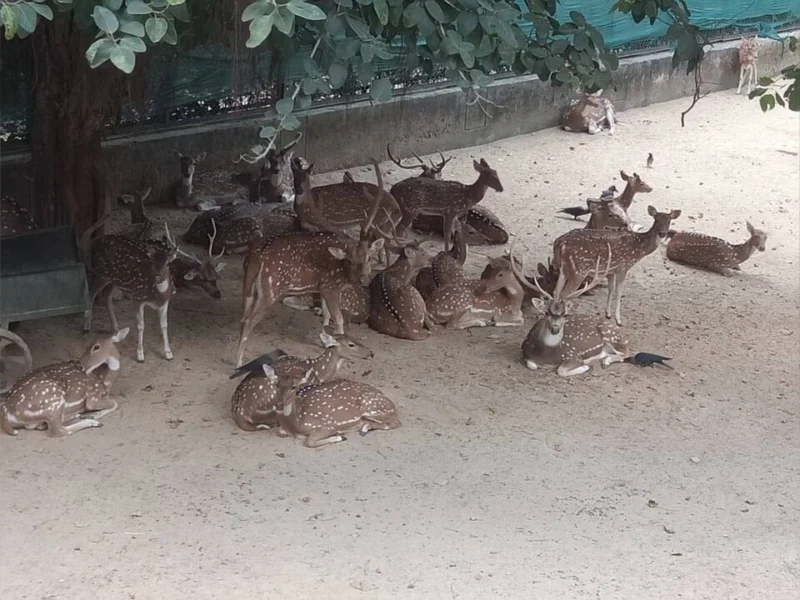
    Morning walkDeer ParkOne of the largest green spaces in Delhi, with a deer enclosure and paths between the ruins. In the morning it belongs to joggers and walkers.
  • 3
    Hidden historyMunda GumbadA ruined pavilion on a mound at the edge of the old reservoir. Climb up for a view over the lake towards the madrasa.
  • 4
    By the waterHauz Khas LakeThe reservoir that Alauddin Khalji dug around 1300 and Firoz Shah Tughlaq later cleared out. Walk the path along the water to the foot of the madrasa.
  • 5
    Must seeHauz Khas ComplexThe L-shaped madrasa of 1352 wraps around the lake, with Firoz Shah's tomb at the corner where the two wings meet. It is open daily from 10:30 am to 7 pm.
  • 6
    EveningJagannath TempleAbout 10 minutes' walk east of the village, on Hauz Khas Village Road in Green Park. It is a small working Hindu temple, so come quietly and leave your shoes at the door.
  • Getting aroundHauz Khas · Green ParkHauz Khas metro station (Yellow and Magenta lines) and Green Park (Yellow Line) are both about 20 minutes' walk away. Most people take an auto-rickshaw for the last part.
  • Where to stayThere are few hotels inside the village itself; most guest houses are in Hauz Khas Enclave and Green Park nearby. Choose one a few streets away from the bars if you want to sleep.

Did you know?

A royal reservoir Alauddin Khalji dug the reservoir, first called Hauz-i-Alai, around 1300 to supply his new city of Siri.
Timur took notes When Timur sacked Delhi in 1398, he described the stone-lined reservoir in his memoirs.
Boutiques since the 1980s Designer shops began moving into the village in the mid-1980s, among them Bina Ramani's 'Once Upon a Time'.
A madrasa from 1352 Firoz Shah Tughlaq founded the madrasa in 1352, one of the leading schools of Islamic learning of its time.
Hauz Khas Village

Mehrauli

Mehrauli is considered the oldest continuously inhabited part of Delhi, founded by the Tomar Rajputs in the 11th century. Today it is a busy village of narrow lanes around the Qutb Minar, with about 200 acres of ruins in the Archaeological Park next door.

Start early in the park at the Jamali Kamali mosque, then walk to the Qutb complex before the groups arrive and look for the Iron Pillar, which has barely rusted in 1,600 years. In the afternoon go into the village: the Yogmaya Temple, Adham Khan's tomb, the dargah of the Sufi saint Qutbuddin Bakhtiar Kaki, and finally Jahaz Mahal on the old royal tank.

The honest downside: Mehrauli is far from the centre and has few good hotels. Many places sold as Mehrauli are really elsewhere, so check the address.

Local picks

For Culture & History
  • 1
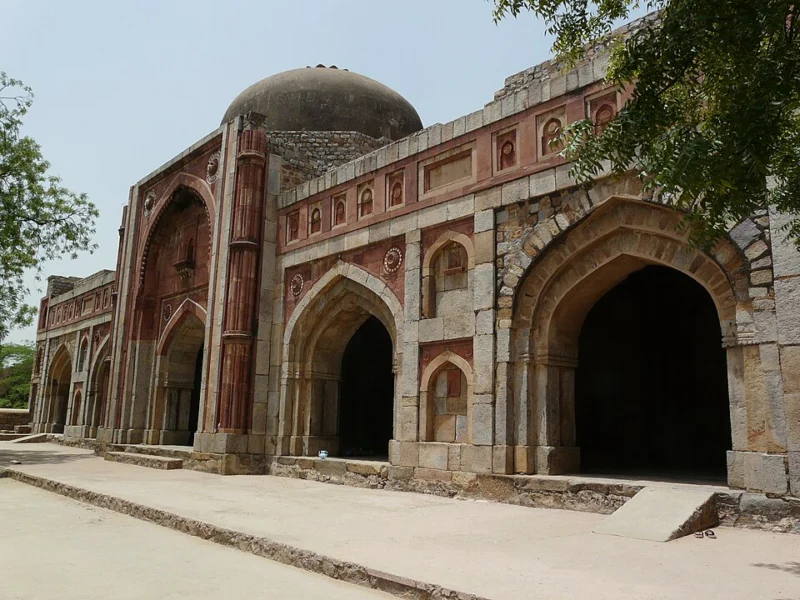
    Early morningJamali Kamali Mosque and TombBuilt around 1529 for the Sufi poet Shaikh Fazlu'llah, known as Jamali, who was buried here in 1535. The red sandstone mosque is the finest building in the Archaeological Park.
  • 2
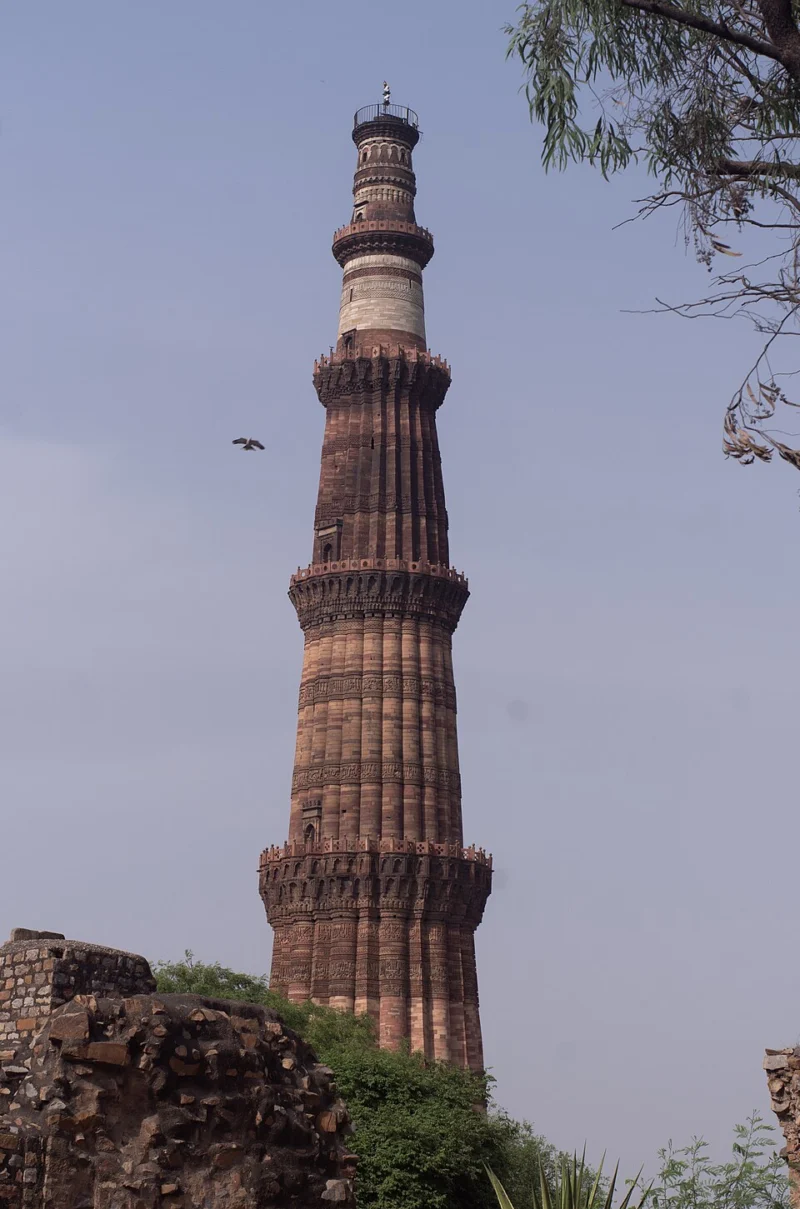
    Must seeQutb MinarBegun around 1199 by Qutb-ud-din Aibak and finished by Iltutmish, the 73-metre tower dominates the complex. Behind it stands the stump of Alai Minar, which Alauddin Khalji meant to be twice as tall.
  • 3
    Ancient puzzleIron PillarThis 7-metre iron pillar dates from the reign of the Gupta emperor Chandragupta II in the 5th century. A thin protective layer on its high-phosphorus iron has kept it almost free of rust for 1,600 years.
  • 4
    Royal tombTomb of IltutmishThe tomb of the sultan who completed the Qutb Minar stands open to the sky in the north-west corner of the complex. Look closely at the carved Quranic inscriptions inside.
  • 5
    TempleYogmaya TempleA short walk from the Qutb complex on Kalka Das Marg. Tradition says it was founded by the Pandavas, and Mehrauli appears as Yogninipura in 12th-century Jain texts.
  • 6
    Hidden historyAdham Khan's TombThe tomb of Adham Khan, son of Akbar's wet nurse, who was executed on Akbar's orders after killing a general. Its thick walls and inner passages give it the local nickname Bhul Bhulaiyan, the labyrinth.
  • 7
    Late afternoonDargah of Qutbuddin Bakhtiar KakiThe shrine of the Chishti Sufi saint who died in 1235. Mughal emperors Bahadur Shah I, Shah Alam II and Akbar II are buried in the enclosure next to it; dress modestly and cover your head.
  • 8
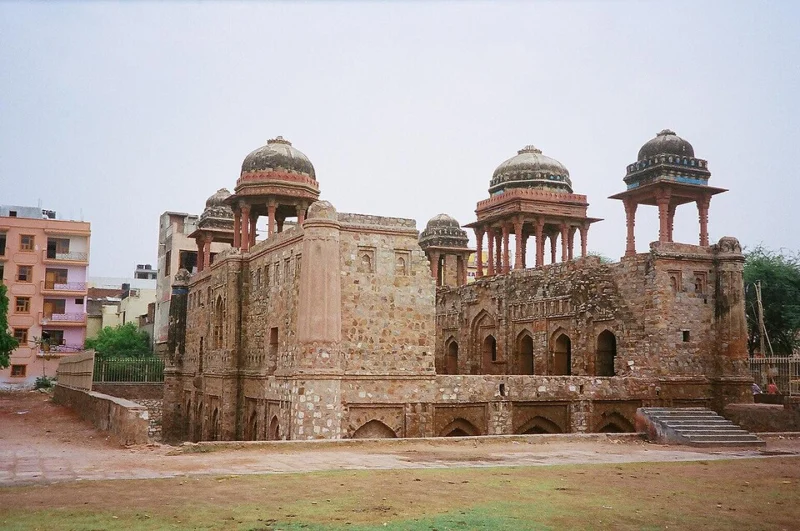
    SunsetJahaz MahalA Lodi-period pavilion on the bank of the Hauz-i-Shamsi tank, named 'Ship Palace' because its reflection looked like a ship. Every autumn it hosts the Phool Walon ki Sair flower festival.
  • Getting aroundQutub Minar metroQutub Minar station is on the Yellow Line, but it is a fair distance from the monument. Take an auto-rickshaw from the station, and walk the rest of the day.
  • Where to stayThere are only a few hotels and guest houses in Mehrauli itself, mostly small. Check the exact location — many 'Mehrauli' listings are in Chhatarpur, Saket or even Aerocity.

Did you know?

The Qutb Minar Qutb-ud-din Aibak began the tower around 1199; his successor Iltutmish added the upper storeys.
Delhi's oldest village Mehrauli was settled by the Tomar Rajputs in the 11th century and has been lived in ever since.
A park of 200 acres The Archaeological Park next to the Qutb complex was redeveloped in 1997 and holds tombs, mosques and stepwells.
Mehrauli

Planning your stay in Delhi

For Culture & History
  • Getting between erasThe Yellow Line links New Delhi station, Rajiv Chowk, Hauz Khas and Qutub Minar. Use it for the long hops and auto-rickshaws for the last stretch.
  • Visiting places of worshipShoes come off at gurdwaras, temples and dargahs. Cover your head at the gurdwara and the dargah, dress modestly and ask before taking photos inside.
  • When to goOctober to March is the season for walking between monuments. Start early: the light is softer, the sites are quieter and the heat comes later.
  • Monument ticketsThe Qutb Minar and Jantar Mantar are run by the Archaeological Survey of India and need tickets — check current prices before you go. Places of worship do not charge for entry.
Self-guided walking tours Culture & History (Delhi, India)
Routes 4
Pick a route

Best time to visit Delhi (India)

Now (November) avg high: 27°C, mostly dry, full season — expect crowds. Best months to walk: Oct & Apr.

Live Temp …
~Day / Night Temp 27°C / 15°C
Sunrise / Sunset 6:38 / 17:32
Local time 14:48
Best Months Oct & Apr
J Jan F Feb M Mar A Apr best month M May J Jun J Jul A Aug S Sep O Oct best month N Nov this month D Dec
Check Delhi hotels
Temperature Average daytime high, month by month. Zero line marks freezing point.
Crowds How busy it gets — traveller interest by month.
Rainfall Rainy days to expect each month.
Sunshine Hours of sun per day, by month.
Delhi guides →

Best hotels in Delhi for history lovers

From a 1930s grand hotel on Janpath to simple rooms by the station — sorted by how easily you reach the monuments.
Shangri-La Eros New Delhi
Best overall
8.8 Excellent
1577 reviews

Shangri-La Eros New Delhi

A large modern hotel on Ashoka Road, between Connaught Place and the government buildings of Lutyens’ Delhi. Gurudwara Bangla Sahib and Jantar Mantar are both within walking distance.

Ideal for: History lovers who want comfort near New Delhi’s sights
The Imperial, New Delhi
Central location
9.6 Exceptional
1778 reviews

The Imperial, New Delhi

New Delhi’s first grand hotel, opened in 1936 on Janpath and designed by F. B. Blomfield, an associate of Lutyens. Its Patiala Peg bar is where Nehru, Gandhi, Jinnah and Mountbatten are said to have met during the talks on Partition.

Ideal for: History lovers who want to sleep inside the story
Hotel Namaste Hindustan
Smart choice
8.8 Fabulous
2796 reviews

Hotel Namaste Hindustan

A 4-star hotel in the Aram Bagh corner of Paharganj, a few minutes on foot from New Delhi railway station and the metro. Rooms are air-conditioned with tea and coffee makers, there is a 24-hour front desk and tour desk, and breakfast includes vegetarian and local dishes. Nearly 2,800 guests rate it 8.8.

Ideal for: Travellers who want a reliable base near the station and the metro
Haveli Hauz Khas
Smart choice
9.5 Outstanding
178 reviews

Haveli Hauz Khas

A small B&B on a residential street in Hauz Khas Enclave, close to Hauz Khas Village with its 14th-century madrasa, the tomb of Firoz Shah Tughlaq and the old royal reservoir. Go early to see the ruins and the Deer Park before the cafés open; the Qutb Minar and Mehrauli are a short taxi ride south.

Ideal for: History lovers who want a quiet B&B near medieval ruins
The Saina International - New Delhi, Paharganj
Smart choice
8.0 Very Good
1165 reviews

The Saina International - New Delhi, Paharganj

A basic budget hotel in Paharganj with the Main Bazaar, cheap eateries and the metro close by. Check the exact address and whether your room has a window before you book.

Ideal for: Budget travellers who mostly need a bed
Grace Home
Top pick
9.1 Superb
167 reviews

Grace Home

A 3-star guest house in a residential block of Saket near PVR Saket, about 10 minutes by taxi or auto-rickshaw from the Qutb Minar and the Mehrauli Archaeological Park. Rooms have a kitchenette and air-conditioning, and there is a garden and terrace for the evening. Small and run by its host, who is the reason most of the 160-plus reviews average 9.1.

Ideal for: Travellers who want a quiet, homely base south of the Qutb Minar
Lemon Green Residency
Smart choice
8.6 Fabulous
139 reviews

Lemon Green Residency

A small hotel with serviced apartments on a quiet street in Chhatarpur Enclave, near the Chhatarpur temple and about 10 minutes by taxi from the Qutb Minar. It has an Indian restaurant, room service and a 24-hour front desk. Chhatarpur is a plain residential area, so plan on taxis or the Yellow Line metro rather than walking to the monuments.

Ideal for: Longer stays near the southern monuments

Visiting between October and March?

These are the comfortable months for walking between monuments, and the best-located hotels fill up first — book early.

Compare Delhi hotels for history lovers

Location, building and the nearest monuments — side by side.
The Imperial, New Delhi
Central location
9.6 Exceptional
1778 reviews

The Imperial, New Delhi

Connaught Place • Janpath • Opened 1936
The most historic address in New Delhi
Type of Stay
1930s heritage building
Restaurants Nearby
Partition-era history
Central Location
Walk to Connaught Place
The Saina International - New Delhi, Paharganj
Smart choice
8.0 Very Good
1165 reviews

The Saina International - New Delhi, Paharganj

Paharganj • Budget hotel • Near Main Bazaar
Basic and cheap near the bazaar
Budget Friendly
Low prices
Local Vibe
Central Paharganj
Location
Metro nearby

Traditional Local Food Delhi (India)

Aloo Tikki
Snack Vegan

Aloo Tikki

आलू टिक्की
ah-loo tik-kee

A popular Indian snack made with spiced potatoes.

Open Aloo Tikki recipe
Main course Meat

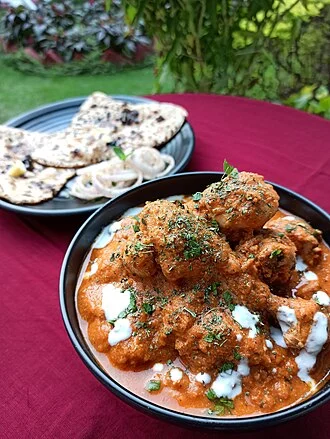
Butter Gravy Chicken

Butter Chicken
BUT-tur CHIK-in

A creamy curry of spiced grilled chicken enriched with butter.

Open Butter Gravy Chicken recipe
Dessert Vegetarian

Jalebi

जलेबी
Juh-lay-bee

A crisp, spiral-shaped sweet soaked in saffron syrup.

Open Jalebi recipe
Dessert Vegetarian

Kulfi Falooda

कुल्फी फालूदा
cool-fee fa-loo-da

Creamy ice cream with vermicelli and syrup

Open Kulfi Falooda recipe
Snack Vegetarian

Pakora

पकोड़ा
pah-KOH-ra

Deep-fried fritters made with a spiced gram flour batter.

Open Pakora recipe
Starter Vegetarian

Paneer Tikka

पनीर टिक्का
pa-neer tik-ka

Marinated paneer cubes grilled to perfection.

Open Paneer Tikka recipe
Street food Vegan

Pani Puri

पाणी पुरी
pah-ni poo-ree

Crispy hollow puris filled with spicy tangy water and chickpeas.

Open Pani Puri recipe
Bread Vegetarian

Paratha

पराठा
puh-RAH-tha

Layered, unleavened Indian flatbread.

Open Paratha recipe
Main course Meat

Tandoori Chicken

तंदूरी चिकन
tan-doo-ree chick-en

Juicy chicken marinated in yogurt and spices, cooked in a tandoor.

Open Tandoori Chicken recipe

Activities & Experiences

Things to Do in Delhi

Top-rated tours, day trips and local experiences — book in advance to secure your spot.

City & Country Data Delhi (India)

Key travel data for Delhi — local prices, safety, healthcare, local currency and essentials, curated by Triplandio.

Safety 🔒 34
Health 🏥 28
Lifestyle ⭐ 44
Infra 🏗️ 37
Rank 🎯 #69
Score 📊 35
Tourists ✈️ 17.9M/y
GDP/cap 💵 $2.7k
Life Exp ❤️ 72.2 yrs
Population 👥 1.5B
Currency 💱 INR ₹
Language 🗣️ Hindi
Payments 💳 Mixed
Emergency 🆘 112
Coffee ☕ $2.83
Beer 🍺 $3.05
Lunch 🍽️ $4.83
Groceries 🛒 $12.20/w
Taxi/km 🚕 $0.20
Transit 🚇 $0.60
Fuel ⛽ $1.20/l
Internet 📡 $15.00/m
Salary 💵 $500/m

Travel tipsDelhi (India)

Quick tips

  1. Satellite phones and GPS devices are illegal — Critical

    Owning or using a satellite phone or satellite GPS device in India without a licence is illegal, even in transit. Visitors, including British nationals, have been arrested; the device is confiscated. Leave satellite messengers and handheld GPS units at home.

  2. Some states ban all alcohol — Critical

    Drinking, carrying or transporting alcohol is illegal in Bihar, Gujarat, Mizoram, Nagaland and Lakshadweep. You could be arrested, held without bail and face 5 to 10 years in prison.

  3. Tiny amounts of drugs mean prison — Critical

    Possessing even a small amount of any illegal drug for personal use carries a minimum sentence of 6 months, and up to 10 years for larger amounts. Court cases are slow, so you could be held for years.

  4. The foreign tourist booking office is not closed — Caution

    Touts at New Delhi railway station tell visitors the ticket office is shut or their ticket is invalid, then steer them to a private agency. The real International Tourist Bureau is upstairs on the first floor.

  5. Vapes are banned — Caution

    Vapes and e-cigarettes are banned in India. You cannot buy them there or bring them into the country, so leave yours at home.

  6. Get your visa before you fly — Good to know

    Almost every visitor needs a visa or e-visa arranged in advance, and the wrong visa type can get you refused or deported. Also fill in the online e-arrival card in the 72 hours before landing.

  • Do
  • Get your visa before you fly
  • Take shoes off at temples and homes
  • Use your right hand to eat and pay
  • Drink sealed bottled water
  • Agree rickshaw fares before you ride
  • Don’t
  • Bring a satellite phone or GPS unit
  • Pack a vape
  • Drink in parks or in dry states
  • Photograph airports or army sites
  • Walk isolated beaches alone

Delhi tips for history lovers

Base yourself on the Yellow Line

Metro Yellow Line runs from New Delhi station through Rajiv Chowk (Connaught Place) to Hauz Khas and Qutub Minar. Stay near it and you can switch between eras in 30 minutes; for the last stretch to the Qutb Minar take an auto-rickshaw.

Tip: One metro line, four eras

Give Mehrauli a full day

The Qutb complex is only the start: the Archaeological Park next door covers about 200 acres of tombs, mosques and stepwells. Wear proper shoes, carry water and keep the dargah and Jahaz Mahal for late afternoon.

Tip: Qutb in the morning, park after

Delhi for history lovers: FAQ

When is the best time to visit Delhi?

The best time to visit Delhi is October and April — fewer crowds, comfortable temperatures, less rain and more sunshine. Compare every month in the seasonal chart above.

Which area of Delhi is best for history lovers?

For a first visit, Connaught Place: Jantar Mantar, Agrasen ki Baoli, Bangla Sahib and the Hanuman temple are all on foot, and the Yellow Line takes you to the Qutb Minar and Hauz Khas. If you want to live among the ruins, choose Mehrauli or Hauz Khas instead.

How many days do I need for Delhi’s historic sites?

Plan at least three full days: one for New Delhi and Connaught Place, one for Mehrauli and the Qutb complex, and one for Hauz Khas and the Lodi-era tombs. Old Delhi with the Red Fort needs another day of its own.

Can I visit the gurdwaras and temples as a non-believer?

Yes. Gurudwara Bangla Sahib, the Hanuman temple and the Lakshmi Narayan Temple welcome visitors of all faiths. Take off your shoes, dress modestly, cover your head at the gurdwara and ask before taking photos inside.

Is Mehrauli a good place to stay?

Yes, if you want the oldest part of Delhi on your doorstep and do not mind a taxi or metro ride to the centre. Note that some hotels advertised as Mehrauli are actually in Chanakyapuri or Aerocity — check the address.

When is the best time to visit Delhi’s monuments?

October to March, when days are warm rather than hot. In winter, mornings can be foggy, so plan outdoor ruins for late morning and afternoon. From April to June the heat makes long walks hard after 10 am.

Delhi for history lovers

★ For history lovers
Delhi has been rebuilt as a capital at least seven times, and every city left something standing. This guide picks four bases, each with a different era on the doorstep: the British-built Connaught Place with its Sikh and Hindu temples, the old grain market of Paharganj, the Sultanate reservoir at Hauz Khas, and Mehrauli, the oldest part of Delhi, around the Qutb Minar. Each comes with a walk you can do in a morning or an afternoon.
  • Temples, tombs and stepwells on foot
  • Four eras of Delhi in four bases
  • Hotels near the monuments and the metro
  • Updated 2026
Asia — India — Delhi — Where to Stay in Delhi for History and Sacred Sites
keyboard_arrow_up