

Explore Guides
AFRICA
Nigeria
Triplandio Nigeria guide covers 5 travel guides with 1 city across 15 areas, complete with hotel picks. Explore 19 self-guided walking tours in Nigeria with 32 POI, spanning 98.6 km in total. Get inspired by 5 local dishes, complete with recipes and our unique Food Flavour DNA graph.
Country Data Nigeria

Key travel data for Nigeria — safety, healthcare, local currency and essentials, curated by Triplandio.
🌍 Nigeria
Safety
0
Health
0
Lifestyle
41
Infra
0
Rank
#93
Score
13
Tourists
5.3M/y
GDP/cap
$1.2k
Life Exp
54.6 yrs
Payments
Mixed
Emergency
112
Travel tipsNigeria

Quick tips
- Many states are off-limits — Critical
Several governments, including the UK, advise against all travel to Borno, Yobe, Adamawa, Gombe, Katsina and Zamfara states and the Niger Delta's riverine areas, and against all but essential travel to many others. Check before planning any route.
- Kidnapping can happen anywhere — Critical
Kidnapping for ransom is widespread in Nigeria, including in the Federal Capital Territory around Abuja and on highways such as Abuja–Kaduna. Vary your routines, travel in daylight and follow your host's security advice.
- Same-sex relationships are illegal — Critical
Same-sex sexual activity is illegal in Nigeria, with up to 14 years in prison, and some northern states under Islamic law (Sharia) can impose the death penalty. Even attending an event seen as a same-sex wedding is a crime.
- Yellow fever certificate required — Good to know
You must show a yellow fever vaccination certificate to enter Nigeria. Only babies aged 8 months or younger and adults aged 61 or over are exempt.
- Get your visa online before you fly — Good to know
Visas on arrival are no longer available in Nigeria. Apply through the online portal of the Nigeria Immigration Service before travelling, and complete the online landing card.
- Fly between cities, don't drive — Good to know
Because of kidnapping and highway robbery, most visitors fly between Lagos, Abuja and Port Harcourt rather than drive. Arrange airport pick-ups through your hotel or host.
- Do
- Check which states to avoid
- Carry your yellow fever certificate
- Take antimalarials
- Arrive before dark on road trips
- Greet people before business
- Don’t
- Travel by road at night
- Wear expensive jewellery or watches
- Photograph government buildings
- Ride motorbike taxis
- Drink tap water
Critical
Prison or heavy penalty possible
Getting between cities
- Highway kidnappings — Critical
Criminal gangs stop cars on major highways, including Abuja–Kaduna and the Enugu–Awka–Onitsha expressway, to kidnap passengers. Avoid these routes.
Regions & seasons
- The north and the Niger Delta — Critical
Most of the north and the riverine Niger Delta are covered by government advice against travel, because of terrorism, kidnapping and armed groups.
Laws & fines
- Drug offences bring long sentences — Critical
Possessing, using or smuggling illegal drugs in Nigeria, including cannabis, means a long jail sentence and heavy fines, even in transit. Airport scanners check transit bags too; never carry a parcel for someone else.
- Islamic law in the north — Critical
Twelve northern states apply Islamic law (Sharia) alongside national law, with restrictions on alcohol and stricter rules on dress and behaviour. Respect local customs if you travel there.
- Obey curfews — Critical
Nigerian authorities impose curfews and bans on vehicle movement at short notice. Ignoring them can lead to arrest and detention, so check local news every day.
- Protests can turn violent — Critical
Demonstrations in Abuja, Lagos and other cities can turn violent, and security forces have used tear gas and live fire. Leave the area as soon as a crowd gathers.
Health
- Malaria is a serious risk — Critical
Malaria occurs throughout Nigeria all year. Take antimalarial tablets, use repellent and a mosquito net, and see a doctor urgently for any fever during or after your trip.
- Avoid unlicensed local gin — Critical
People in Nigeria have died from drinks containing methanol, especially unlicensed traditional gin. You can't taste or smell methanol, so drink only licensed brands and get urgent help if you feel ill after drinking.
Travel & outdoors
- Don't travel by road at night — Critical
Armed robbery and carjacking are common on Nigerian roads, especially rural ones, and risks rise after dark. Plan journeys to arrive well before sunset.
- Comply during a robbery — Critical
If you are caught up in an armed robbery in Nigeria, hand over what is demanded straight away. Don't wear expensive watches or jewellery.
- Strong currents at Lagos beaches — Critical
Atlantic beaches around Lagos have powerful waves and rip currents, and drownings are common. Paddle only, and swim only where lifeguards are present.
Caution
Fines, losses or injury possible
Getting between cities
- Use a hotel car with driver — Caution
Taxis and long-distance buses in Nigeria are often poorly maintained and uninsured, and taxis, including app cabs, carry a kidnap risk. Use a hotel car with driver. UK visitors can drive on their licence for 3 months; others should check IDP rules.
- Check your airport greeter — Caution
Criminals pose as greeters and drivers at Nigeria's international airports. If someone is collecting you, make sure they properly identify themselves before you leave the terminal with them.
Laws & fines
- Don't photograph official sites — Caution
Taking photos of government buildings, military sites or airports in Nigeria can lead to arrest. Ask before photographing anything official, and keep your camera away from checkpoints.
Tipping & money
- Watch your card when paying — Caution
Card fraud is common in Nigeria. Keep your card in sight at all times, and ask for the card machine to be brought to you.
- Take care at ATMs — Caution
Criminals target people near banks and ATMs in Nigeria. Withdraw cash inside banks, hotels or malls during the day, and don't count money in the street.
Entry & visa
- Travel advisory: Level 3 of 4 — Caution
Reconsider travel — the U.S. State Department's rating for Nigeria.
- Banned imports — Caution
It is illegal to bring beer, mineral water, soft drinks, sparkling wine, fruit, vegetables, cereals, eggs, textile fabrics, jewellery or precious metals into Nigeria.
- Art and antiques need export permits — Caution
Taking African art, especially antiques, out of Nigeria requires written permission from the Department of Antiquities. Ask the seller for paperwork.
Health
- Beware of fake medicines — Caution
Counterfeit medicines are a problem in Nigeria. Bring enough of your own, and buy any others only from reputable pharmacies in large hospitals or malls.
Travel & outdoors
- Avoid motorbike taxis — Caution
Motorbike taxis (okada) and tricycles (keke) are involved in many accidents, and okadas are banned in parts of Lagos. Use a car with a trusted driver instead.
- Online scams linked to Nigeria — Caution
Romance, job and business scams often originate in West Africa. Be very wary of meeting online contacts in Nigeria or sending money to anyone you haven't met.
Good to know
Rules and useful facts
Getting between cities
- Mobile networks can be cut — Good to know
Authorities have suspended mobile networks and wi-fi in Nigeria with little notice. Share your plans with someone before travelling and carry printed contact details.
Regions & seasons
- Abuja and the centre — Good to know
Abuja is the planned capital and generally calmer than Lagos, but states around the Federal Capital Territory have high kidnapping risks.
Laws & fines
- Stay calm at road checkpoints — Good to know
Nigeria has both official and unofficial road checkpoints, and some exist only to extort small payments. Carry your passport or a copy, slow down, stay calm and let your driver or host do the talking.
Tipping & money
- Carry cash in naira — Good to know
Nigeria's currency is the naira (NGN). Card payments work in upmarket hotels and malls in Lagos and Abuja, but cash is needed for markets, taxis and small restaurants.
Entry & visa
- Passport valid for 6 months — Good to know
Your passport must be valid for at least 6 months after the date you arrive in Nigeria.
- Complete landing and departure cards — Good to know
Foreign visitors must fill in landing and departure cards through Nigeria's online immigration portal, and may be asked for them at the airport.
- Health declaration form — Good to know
Travellers arriving from countries with Ebola must complete the online Nigeria Health Declaration Form before travel and may be screened on arrival.
- Local SIM cards need registration — Good to know
In Nigeria every SIM card must be linked to a Nigerian identification number. Ask the network operator what a visitor needs before buying a local SIM.
Health
- No national ambulance service — Good to know
Nigeria has no national ambulance service, and hospital ambulances are very limited. Dial 112 for emergencies, and know how you would get to a private hospital.
- Insurance with evacuation cover — Good to know
Public hospitals are crowded and short of supplies, and private hospitals are expensive. Get insurance that covers private treatment and medical evacuation.
- Drink sealed bottled water — Good to know
Don't drink tap water in Nigeria. Use sealed bottled water, avoid ice from unknown sources and eat freshly cooked food.
- Avoid swimming in fresh water — Good to know
Lakes and rivers in Nigeria can carry schistosomiasis (bilharzia), a parasite that enters through the skin. Swim only in chlorinated pools or the sea.
Local tips
Local know-how
Getting between cities
- Domestic flights — Local tip
Several Nigerian airlines link Lagos, Abuja, Port Harcourt and other cities. Delays and cancellations are common, so leave spare time before international connections.
Regions & seasons
- The south-west: Lagos and Yoruba culture — Local tip
Lagos, Ibadan and the Osun-Osogbo Sacred Grove are the main draws in the south-west. November to February is the driest time to visit.
Customs
- Greetings matter — Local tip
Nigerians take time over greetings, and launching straight into business is seen as rude. Ask how someone is, and greet elders first and with extra respect.
- Use your right hand — Local tip
Use your right hand to eat, pass food, give money or shake hands in Nigeria. The left hand is considered unclean in many communities.
- Dress modestly in the north — Local tip
In the mostly Muslim north, cover your shoulders and legs, and women may want a headscarf at religious sites. Lagos and Abuja are more relaxed.
- Ramadan in Muslim areas — Local tip
During Ramadan in mainly Muslim parts of Nigeria, don't eat, drink, smoke or chew gum in public by day, including in cars and taxis, and avoid loud music. Driving gets erratic around dusk. Dates move about 11 days earlier each year.
Tipping & money
- Tip about 10% if not included — Local tip
Check Nigerian restaurant bills for a service charge. If there isn't one, about 10% is appreciated, and small tips for porters and drivers are common.
- Bargain at markets — Local tip
Haggling is expected at Nigerian markets and with street traders. Start at around half the asking price and keep it good-humoured.
Our Nigeria city guides
Stay in a secure hotel, use trusted drivers and don't leave the city by road after dark.
Say it locally
English is the official language; Nigerian Pidgin is the friendly everyday lingua franca, and “abeg” (please) goes a long way.
Through the year
Festival or season Public holiday (exact date)
- Dry season and Harmattan
Nov 2026–Mar 2027 · The most comfortable time to visit; the dusty Harmattan wind from the Sahara can bring haze, dry air and flight delays, mostly December–February.
- “Detty December” in Lagos
Dec 2026 · Concerts, parties and returning diaspora make December Lagos's busiest month; flights and hotels are expensive and traffic is extreme.
- Calabar Carnival
Dec 2026 · A month-long festival with street parades in Calabar, Cross River State, peaking at the end of December.
- Christmas Day
Fri 25 Dec 2026 · Public holiday
- Boxing Day
Sat 26 Dec 2026 · Public holiday
- New Year's Day
Fri 1 Jan 2027 · Public holiday
- Ramadan
Feb–Mar 2027 · The Muslim fasting month moves about 11 days earlier each year; daytime life is quieter in the north and many businesses keep shorter hours.
- Eid El-Fitr (tentative)
Wed 10 Mar 2027 · Public holiday
- Eid El-Fitr Holiday (tentative)
Thu 11 Mar 2027 · Public holiday
- Good Friday
Fri 26 Mar 2027 · Public holiday
- Easter Monday
Mon 29 Mar 2027 · Public holiday
- Rainy season
Apr–Oct 2027 · Heavy rain in the south from around April to October, and a shorter season in the north; roads and Lagos streets often flood.
- Workers' Day
Sat 1 May 2027 · Public holiday
- Id el Kabir (tentative)
Mon 17 May 2027 · Public holiday
- Id el Kabir Holiday (tentative)
Tue 18 May 2027 · Public holiday
- Democracy Day
Sat 12 Jun 2027 · Public holiday
- Id el Maulud (tentative)
Sun 15 Aug 2027 · Public holiday
- National Day
Fri 1 Oct 2027 · Public holiday
Sources: GOV.UK travel advice · U.S. State Dept · Google public holidays
Traditional Local Food Nigeria
Main course
Vegetarian
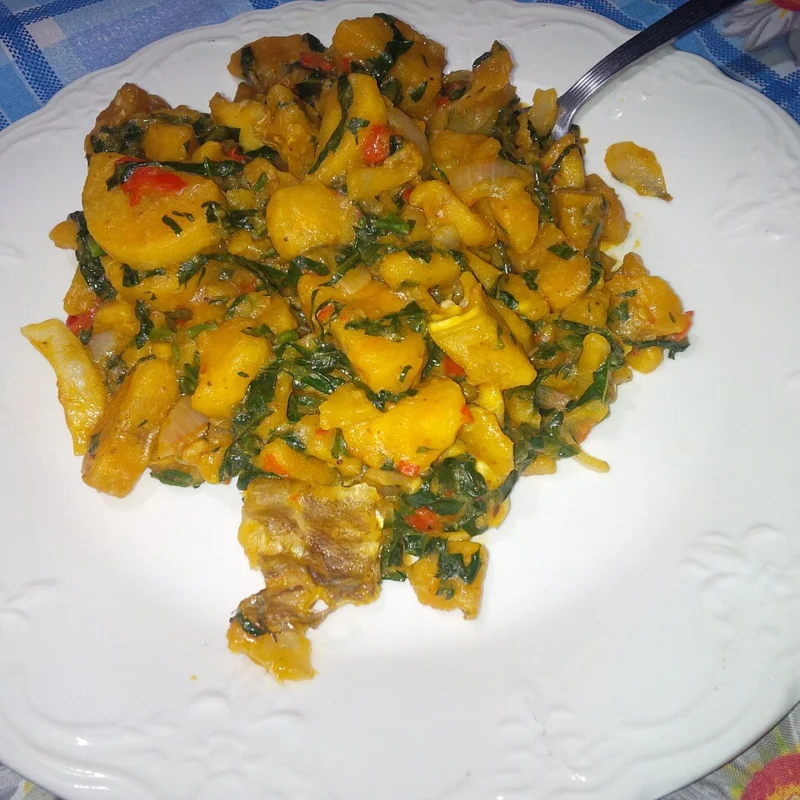
Acha Porridge
Achabà
ah-chah por-ridge
· Fonio cereal porridge
A nutritious cereal porridge made from fonio grains.
Open Acha Porridge recipe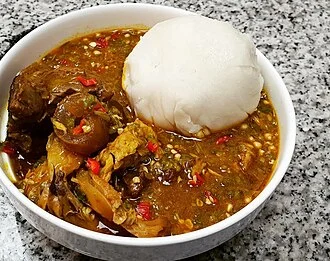
Main course
Vegan
Tuwo Shinkafa
Tùwò Shìnkàfà
too-woh shin-kah-fah
· Rice dough dish
Soft rice dough eaten with soups or stews.
Open Tuwo Shinkafa recipe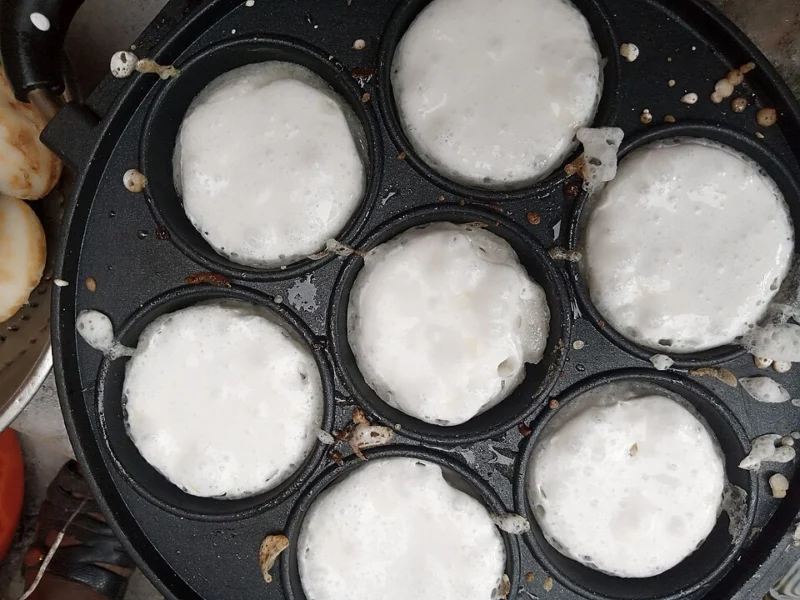
Main course
Vegan
Waina
why-nah
· Rice millet pancakes
Savoury pancakes made from rice and millet.
Open Waina recipe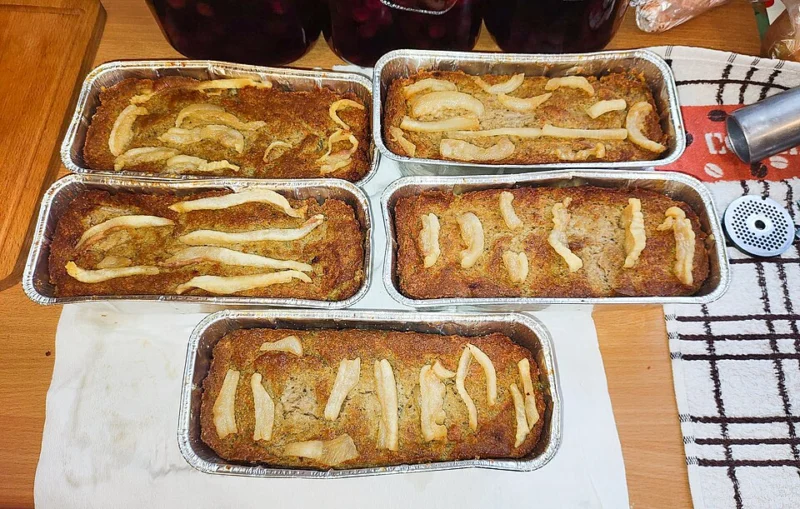
Main course
Meat
Pate
Pàtè
pah-teh
· Vegetable and meat grain stew
A hearty stew made from vegetables, grains, and meat.
Open Pate recipe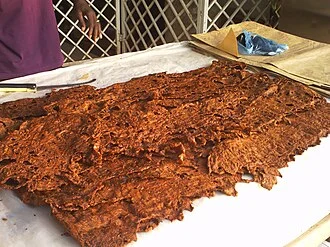
Snack
Meat
Kilishi
kee-lee-shee
· Spicy dried beef snack
Thinly sliced beef spiced and dried to a crisp.
Open Kilishi recipe