

Explore Guides
SOUTH AMERICA
French Guiana
Triplandio French Guiana guide covers 3 travel guides with 1 city across 12 areas, complete with hotel picks. Explore 12 self-guided walking tours in French Guiana with 18 POI, spanning 35.3 km in total. Get inspired by 5 local dishes, complete with recipes and our unique Food Flavour DNA graph.
Country Data French Guiana

Key travel data for French Guiana — safety, healthcare, local currency and essentials, curated by Triplandio.
🌍 French Guiana
Currency
EUR €
Language
French
Payments
Cash only
Emergency
112
Travel tipsFrench Guiana

Quick tips
- Never carry anything for anyone — Critical
Checks on flights from Cayenne to Paris are strict because of cocaine smuggling. Never carry a package or bag for someone else — you'd face French drug-trafficking charges.
- Keep away from illegal gold mines — Critical
Illegal gold-mining camps in the interior rainforest are run by armed groups. Visit the interior only with licensed local guides and never wander off known routes.
- Yellow fever certificate required — Good to know
Every visitor to French Guiana must show a certificate proving yellow fever vaccination. Get the jab at least 10 days before travel and carry the certificate with your passport.
- Part of the EU, but not Schengen — Good to know
French Guiana is part of France and the EU but outside the Schengen area. Visa-free visitors, including British citizens, can stay up to 90 days, but a Schengen visa doesn't automatically cover it.
- Malaria risk along inland rivers — Good to know
Malaria is present in parts of French Guiana's interior, especially along the Maroni and Oyapock rivers. Ask a travel clinic about antimalarial tablets if you're going upriver.
- Hire a car for the coast — Local tip
French Guiana has no railway and little public transport. A hire car is the easiest way along the coast between Cayenne, Kourou and Saint-Laurent-du-Maroni; the interior is reached only by air or river.
- Do
- Carry your yellow fever certificate
- Take your passport on road trips
- Use repellent day and night
- Go upriver with a licensed guide
- Say “bonjour” when you walk in
- Don’t
- Carry parcels for anyone
- Walk secluded beaches at night
- Use a torch near nesting turtles
- Visit gold-mining areas
- Drink and drive
Critical
Prison or heavy penalty possible
Laws & fines
- French law applies — Critical
French Guiana follows French law. Possessing drugs, including cannabis, is illegal and can mean fines or prison.
Caution
Fines, losses or injury possible
Laws & fines
- Low drink-driving limit — Caution
The drink-driving limit in French Guiana is 0.05%, so the safest choice is not to drink at all before driving. Drivers over it face a fine and possible prison.
Tipping & money
- Take a taxi after using a cash machine — Caution
People withdrawing money in Cayenne have been followed. Use cash machines inside banks by day and take a licensed or pre-booked taxi afterwards.
Entry & visa
- No meat or dairy from outside the EU — Caution
You can't bring meat, milk or products containing them into French Guiana from outside the EU, apart from baby food and some medical foods.
Beaches & adventure
- Avoid secluded beaches after dark — Caution
Robberies happen on isolated beaches and in some areas around Cayenne at night. Visit quiet beaches in daylight and in company.
- Strong currents off the coast — Caution
The sea off French Guiana is brown with river mud and has strong currents. Swim only where locals do, and ask about conditions before swimming at the Îles du Salut.
- Check dive operators carefully — Caution
Dive schools in French Guiana may have limited resources. Check credentials, make sure oxygen is on board and ask how they would get you to a decompression chamber.
- Go into the rainforest with a guide — Caution
The interior of French Guiana is dense rainforest with no roads, reached by small plane or dugout canoe (pirogue). Go with an established operator and tell someone your plans.
Good to know
Rules and useful facts
Getting between cities
- One main road along the coast — Good to know
The RN1 links Cayenne, Kourou and Saint-Laurent-du-Maroni along the coast, and the RN2 runs to Saint-Georges on the Brazilian border. Traffic drives on the right and French road rules apply.
- Pirogues on the rivers — Good to know
Motorised dugout canoes (pirogues) carry people along the Maroni and Oyapock rivers. Wear a life jacket and keep your bags in waterproof covers.
Regions & seasons
- August to November is driest — Good to know
The dry season from about August to November is the best time for rainforest trips and river travel in French Guiana. Heavy rain falls from December to July.
- The interior rainforest — Good to know
Most of French Guiana is protected Amazon rainforest, part of the Guiana Amazonian Park. Trips there need planning, a guide and malaria advice.
Laws & fines
- Carry your passport on the road — Good to know
Permanent police checkpoints on the main coastal road (RN1) and the road to Brazil (RN2) check identity and immigration papers. Always carry your passport when travelling between towns.
- Permits for some Amerindian areas — Good to know
Access to some Amerindian villages in the far south of French Guiana is regulated and needs a permit from the prefecture. Book such trips through an authorised agency.
Tipping & money
- Expect French prices or higher — Good to know
French Guiana uses the euro, and many goods are imported, so food, hotels and car hire cost as much as in France or more. Budget accordingly.
- Carry cash for the interior — Good to know
Cards work in Cayenne, Kourou and Saint-Laurent-du-Maroni, but river villages and remote lodges often need cash. Withdraw enough before heading inland.
Entry & visa
- Travel advisory: Level 1 of 4 — Good to know
Exercise normal precautions — the U.S. State Department's rating for French Guiana.
- Passport valid 3 months after leaving — Good to know
Your passport must be valid for at least 3 months after the date you plan to leave French Guiana.
- Check visa rules for your passport — Good to know
Visa rules for French Guiana differ from those for mainland France. Check the official France-Visas website for your nationality before you book.
Health
- Call 15 or 112 for an ambulance — Good to know
Dial 15 or 112 in French Guiana and ask for an ambulance. Contact your insurer quickly if you are referred to hospital.
- Dengue and Zika from mosquitoes — Good to know
Mosquitoes spread dengue and Zika across French Guiana. Use strong repellent day and night, wear long sleeves and sleep under a net in the forest.
- Good healthcare on the coast — Good to know
Hospitals in French Guiana are of mainland French standard. UK visitors need a Global Health Insurance Card (GHIC) or European one (EHIC) for state care, plus travel insurance, as remote areas may need air evacuation.
Local tips
Local know-how
Getting between cities
- Shared taxis between towns — Local tip
Shared minibus taxis (taxis collectifs) run between Cayenne and the main towns. They leave when full, so go early in the morning.
- Small planes to the interior — Local tip
Towns such as Maripasoula and Saül have no road connection and are reached by small plane from Cayenne. Book early — seats are few.
Regions & seasons
- The coast: space and islands — Local tip
Kourou has the Guiana Space Centre and boats to the Îles du Salut, the former penal colony including Devil's Island. Saint-Laurent-du-Maroni has the old transportation camp.
Customs
- Greet with “bonjour” — Local tip
French is the official language of French Guiana, and many people also speak Guianese Creole. Always say “bonjour” when you enter a shop or start a conversation.
- Ask before photographing people — Local tip
French Guiana is home to Creole, Maroon, Amerindian and Hmong communities, among others. Ask permission before photographing people, especially in villages.
- Siesta hours outside Cayenne — Local tip
Many shops and offices in French Guiana close for a long lunch break in the middle of the day, and reopen in the late afternoon. Plan errands for the morning.
Tipping & money
- Service is included — Local tip
As in France, service is included in restaurant prices in French Guiana. Leaving small change for good service is appreciated but not expected.
Beaches & adventure
- Watch nesting turtles quietly — Local tip
Leatherback and green turtles nest on beaches such as Awala-Yalimapo and Rémire-Montjoly. Keep your distance, don't use torches or flash, and follow the guides' rules — the turtles are protected.
Our French Guiana city guides
Use a shop or café to check your phone, and take a taxi at night rather than walking.
Say it locally
Always start with “bonjour” and use “vous” with people you don't know.
Through the year
Festival or season Public holiday (exact date)
- Dry season
Aug–Nov 2026 · The best months for the rainforest, rivers and beaches, with less rain and fewer mosquitoes.
- All Saints' Day
Mon 1 Nov 2027 · Public holiday
- Armistice Day
Wed 11 Nov 2026 · Public holiday
- Rainy season
Dec 2026–Feb 2027, Apr–Jul 2027 · Heavy rain from about December to July, with a short drier spell around March; tropical storms are possible.
- Christmas Day
Fri 25 Dec 2026 · Public holiday
- Carnival
Jan–Mar 2027 · One of the longest carnivals anywhere, from Epiphany to Ash Wednesday, with Sunday parades in Cayenne and night-time Touloulou balls; dates move with Easter.
- New Year's Day
Fri 1 Jan 2027 · Public holiday
- Carnival / Shrove Monday
Mon 8 Feb 2027 · Public holiday
- Carnival / Shrove Tuesday / Pancake Day
Tue 9 Feb 2027 · Public holiday
- Carnival / Ash Wednesday
Wed 10 Feb 2027 · Public holiday
- Easter Monday
Mon 29 Mar 2027 · Public holiday
- Turtle nesting
Apr–Jul 2027 · Leatherback and green turtles come ashore at night to lay eggs; hatchlings emerge later in the summer.
- Labor Day
Sat 1 May 2027 · Public holiday
- Ascension Day
Thu 6 May 2027 · Public holiday
- Victory Day
Sat 8 May 2027 · Public holiday
- Whit Monday
Mon 17 May 2027 · Public holiday
- Abolition Day
Thu 10 Jun 2027 · Public holiday
- Bastille Day
Wed 14 Jul 2027 · Public holiday
- Assumption of Mary
Sun 15 Aug 2027 · Public holiday
Sources: GOV.UK travel advice · U.S. State Dept · Google public holidays
Traditional Local Food French Guiana
🌿
Dessert
Vegetarian
Doku
Doh-koo
· Cornmeal Cake
A traditional cornmeal cake often sweetened with coconut.
Open Doku recipe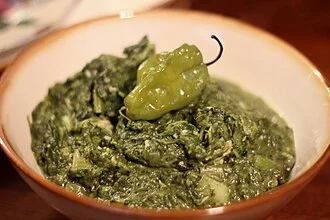
Soup
Meat
Calalou
Ca-lah-loo
· Green Leafy Soup
A hearty soup made with leafy greens and meats.
Open Calalou recipe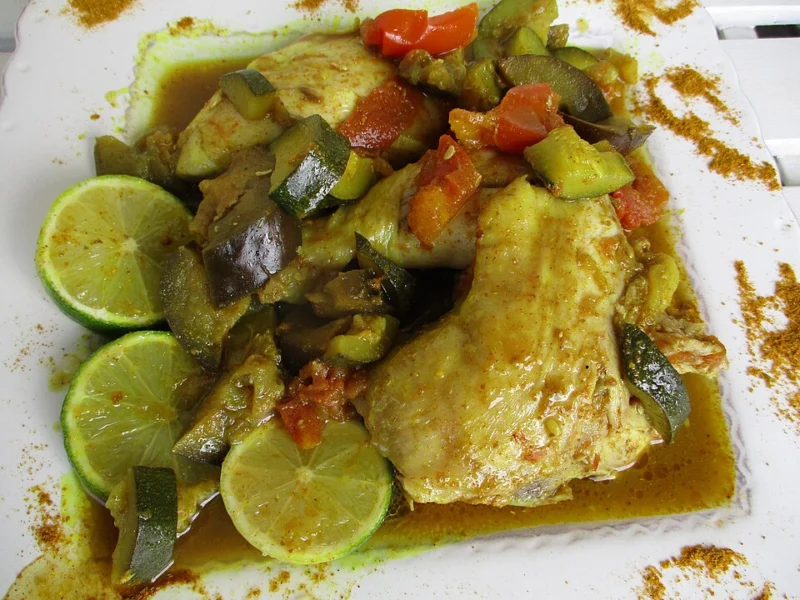
Main course
Meat
Colombo Poulet
Colombo de Poulet
Col-ohm-boh Poo-leh
· Chicken Colombo
A Caribbean-inspired curried chicken dish.
Open Colombo Poulet recipe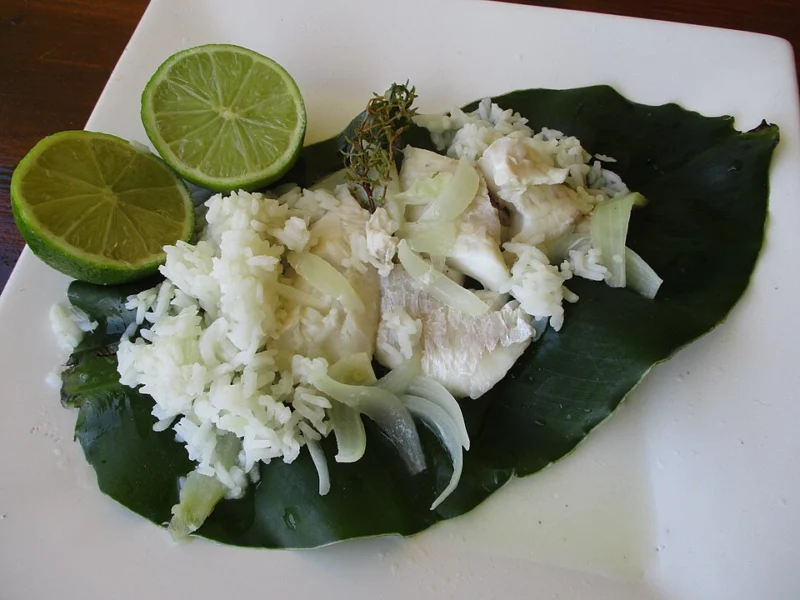
Main course
Fish & Seafood
Blaff de Poisson
Blahf dehw Pwah-sohn
· Spicy Fish Stew
A spicy, tangy fish stew popular in Cayenne.
Open Blaff de Poisson recipe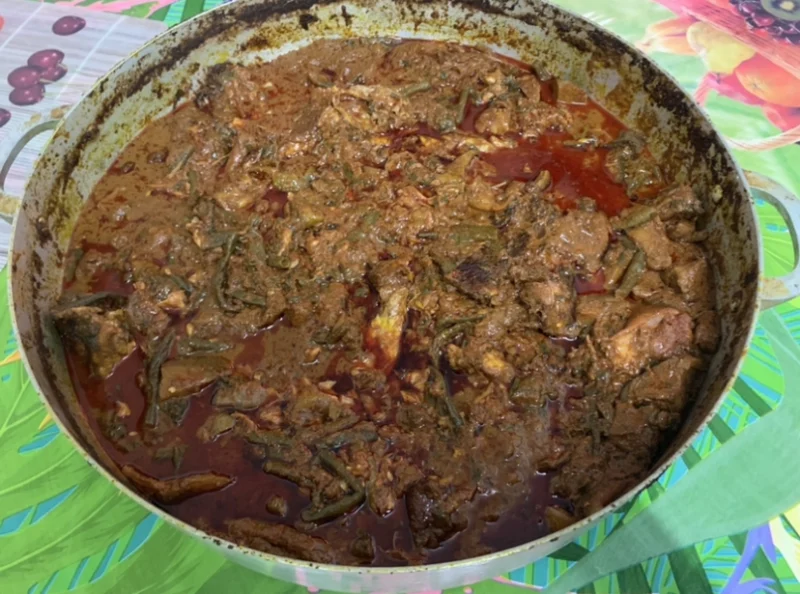
Main course
Meat
Awara Broth
Bouillon d'Awara
Aa-waa-rah Broth
· Awara Fruit Stew
A unique stew made with the Awara fruit and various meats.
Open Awara Broth recipe