Explore Guides
SOUTH AMERICA / ARGENTINA
Triplandio Buenos Aires guide covers 12 travel guides across 25 areas, complete with hotel picks. Explore 48 self-guided walking tours in Buenos Aires with 174 POI, spanning 153.4 km in total. Get inspired by 51 local dishes, complete with recipes and our unique Food Flavour DNA graph.
Buenos Aires
City & Country Data Buenos Aires (Argentina)

Key travel data for Buenos Aires — local prices, safety, healthcare, local currency and essentials, curated by Triplandio.
🌍 Argentina
Safety
66
Health
60
Lifestyle
68
Infra
50
Rank
#56
Score
43
Tourists
7.4M/y
GDP/cap
$14.9k
Life Exp
77.5 yrs
Population
45.9M
Currency
ARS $
Language
Spanish
Payments
Cards OK
Emergency
911
💰 Prices in Buenos Aires
Coffee
$4.09
Beer
$4.00
Lunch
$20.00
Groceries
$122.69/w
Taxi/km
$1.00
Transit
$0.50
Fuel
$1.00/l
Internet
$50.00/m
Salary
$500/m
Travel tipsBuenos Aires (Argentina)

Quick tips
- Even tiny amounts of drugs mean prison — Critical
Possession of even very small quantities of illegal drugs in Argentina can lead to a lengthy prison sentence. Don't carry or buy anything, whatever locals say.
- Hand over valuables in a robbery — Critical
Armed robberies happen in Argentine cities. If you are threatened, hand over your cash, phone and valuables without resistance — nothing you carry is worth the risk.
- Only hail official radio taxis — Critical
Express kidnappings, where victims are driven to cashpoints and forced to withdraw money, occasionally happen in Argentina. Book taxis or use a ‘radio taxi’ with the company logo on its doors.
- Refuse help if you're splashed — Caution
In Buenos Aires, thieves spray mustard or another liquid on you, then a friendly stranger offers to wipe it off while an accomplice takes your bag. Say no firmly and walk away.
- Refuse help after the “mustard scam” — Caution
In Argentina, especially Buenos Aires, someone sprays a sticky liquid on you and a helpful stranger offers to clean it off while an accomplice takes your bag. Refuse help firmly and walk away.
- Stay 90 days without a visa — Good to know
British and many other visitors can stay in Argentina for tourism for up to 90 days without a visa. Passports are no longer stamped on entry; if you need proof of entry or exit, ask the Argentine Migration Office.
- Do
- Use radio taxis or book rides
- Keep your phone in your pocket
- Carry a copy of your passport
- Tip about 10% in cash
- Pack layers for Patagonia
- Don’t
- Accept help after being splashed
- Hang bags on the back of chairs
- Cross a protest road blockade
- Drink anything and then drive
- Take fossils or artefacts home
Critical
Prison or heavy penalty possible
Scams & safety
- Stay inside the Caminito area in La Boca — Critical
La Boca's colourful Caminito street has visible police patrols, but robberies happen in the streets just outside it. Visit in daylight and don't wander beyond the tourist area.
Laws & fines
- Watch your drink in bars — Critical
Drinks and food are sometimes spiked in Argentine bars to rob or assault tourists. Never leave a drink unattended, and be wary of inviting someone you have just met back to your accommodation.
Caution
Fines, losses or injury possible
Scams & safety
- Phone snatchers on foot and motorbike — Caution
In Buenos Aires, thieves grab phones from people using them on the street, sometimes from a passing motorbike. Step into a shop or doorway to check maps, and keep bags on the side away from the road.
- Pickpocket hotspots in the centre — Caution
Official travel advice, including the UK's, lists Florida Street, 9 de Julio, Avenida de Mayo, Avenida Rivadavia near the Obelisco, Retiro bus terminal, San Telmo market, Palermo and the Ecological Reserve as places to be extra careful in Buenos Aires.
- Watch bags at hotel check-in — Caution
In Buenos Aires, thieves posing as hotel guests snatch bags in lobbies while people check in. Keep your luggage touching your leg until you're in your room.
- Taxi banknote-swap trick — Caution
Some taxi drivers in Buenos Aires take your large banknote, swap it for a fake and hand it back saying it's counterfeit. Pay with small notes, or use an app that charges your card.
Laws & fines
- Zero alcohol limit for drivers — Caution
Argentina's national road-safety law sets a zero blood-alcohol limit for drivers. Don't drink anything if you are driving, including after a winery visit in Mendoza.
- No smoking indoors in public places — Caution
Smoking is banned in enclosed public places across Argentina, including restaurants, bars and public transport. Smoke only outside or where a sign allows it.
- Don't take fossils or artefacts home — Caution
Fossils and archaeological objects are protected heritage in Argentina, and taking them out of the country is illegal. Leave stones, bones and pottery pieces where you find them.
Tipping & money
- Check your notes for fakes — Caution
Counterfeit peso notes circulate in Argentina. Watch your change, especially in taxis at night, and don't let anyone take your note out of sight and hand it back.
Entry & visa
- Declare cash over US$10,000 — Caution
You must declare cash or travellers' cheques worth more than 10,000 US dollars when you enter or leave Argentina.
- Declare food and restricted goods — Caution
Argentina has strict customs rules. Declare anything that may be prohibited or taxed, including fresh food, plants and animal products, when you arrive.
Health
- Altitude in the north-west and Andes — Caution
Trips from Salta and Jujuy and climbs such as Aconcagua go well above 3,000 metres. Go up slowly, drink water and come down if you feel very unwell.
- Hantavirus from wild rodents — Caution
Hantavirus, spread by the droppings of wild mice, is present in Argentina, including in Patagonia. Camp only on official sites, keep food sealed and air out cabins before sleeping in them.
Outdoors & adventure
- Helicopter rescue is not free — Caution
You have to pay for most helicopter rescues in Argentina, including on Mount Aconcagua. Make sure your insurance covers your activities, helicopter rescue and medical evacuation.
- Use reputable adventure operators — Caution
For paragliding, climbing, rafting or ballooning in Argentina, choose established operators that give proper training and safety equipment, and check your insurance covers the activity.
- Patagonian weather turns fast — Caution
Strong winds, cold and sudden storms are common in Patagonia even in summer. Carry warm, waterproof layers on every hike and tell someone your route.
- Never leave bags in a hire car — Caution
Thefts from parked cars, especially hire cars, are common in Argentina and happen often in Bariloche. Take valuables with you and leave nothing on view.
- Driving: right-hand traffic and erratic drivers — Caution
Traffic drives on the right in Argentina. Drivers may brake suddenly or ignore signals, so keep your distance, and lock doors and close windows in big cities.
Good to know
Rules and useful facts
Scams & safety
- Travel advisory: Level 1 of 4 — Good to know
Exercise normal precautions — the U.S. State Department's rating for Argentina.
Getting around
- Get a SUBE travel card for metro and buses — Good to know
Buenos Aires metro (Subte) trains and city buses don't take cash. Buy a SUBE (the rechargeable city transport card) at stations, kiosks or tourist offices and top it up before you travel.
- Road blockades cause long delays — Good to know
Protest groups sometimes block the main roads into and out of Buenos Aires. Check local news before heading to Ezeiza and leave plenty of extra time.
Laws & fines
- Keep away from protests and road blockades — Good to know
Demonstrations are common in Argentina, especially near Congress (Congreso) and the Casa Rosada in Buenos Aires, and can turn violent. Protesters (piqueteros) sometimes block main roads — don't try to cross a blockade.
- Carry ID when paying by card — Good to know
Shops and hotels in Argentina may ask to see your passport when you pay by credit card. Carry a copy of your passport photo page and keep the original somewhere safe.
- The Falklands are a sensitive subject — Good to know
Argentina claims the Falkland Islands, which it calls Las Malvinas. There are occasional Falklands-related protests, including outside the British Embassy, so avoid them and raise the topic carefully.
Tipping & money
- Cards work in cities, cash elsewhere — Good to know
Cards are widely accepted in Argentine cities, but small shops, taxis and rural places often want cash in pesos. Exchange rules change often, so check the current rate before you arrive.
- Cash machines have low limits — Good to know
Argentine ATMs often allow only small withdrawals and charge a high fee each time. Use machines inside banks during opening hours and hide your cash before stepping outside.
Entry & visa
- Passport valid for your whole stay — Good to know
To enter Argentina your passport must be valid for the whole of your stay. A passport reported lost or stolen will be refused.
- Extend before your 90 days end — Good to know
If you want to stay longer than 90 days in Argentina, ask the Argentine Migration Office (Dirección Nacional de Migraciones) for an extension before your current stay runs out.
Health
- Call 107 or 911 for an ambulance — Good to know
In Argentina, dial 107 or 911 and ask for an ambulance. Contact your insurer quickly if you're taken to hospital.
- Yellow fever in the north-east — Good to know
Yellow fever is a risk in parts of northern Argentina, including around Iguazú Falls. Check vaccine advice at least 8 weeks before travel; some countries you visit next may ask for a certificate.
- Dengue and Zika from mosquitoes — Good to know
Mosquitoes spread dengue and Zika in Argentina, mainly in the warmer north and in summer. Use repellent and cover up, especially in the day when these mosquitoes bite.
- Good healthcare, but get insurance — Good to know
Medical facilities in Argentina are good but private care can be expensive, and public hospitals are often crowded. Take travel insurance that includes medical evacuation.
Outdoors & adventure
- Flash floods after heavy rain — Good to know
Heavy rain can cause flash floods in several Argentine provinces, including Buenos Aires, and floods in the north can cut roads. Follow local news and instructions.
- Earthquakes and volcanoes in the Andes — Good to know
Earthquakes can strike Argentina, especially in Mendoza, San Juan, Salta and Jujuy provinces, and the Copahue volcano on the Chile border erupts occasionally. Follow local authorities' instructions and any evacuation orders.
- Wildfires can close roads — Good to know
Wildfires occur across Argentina and spread fast, closing roads and spoiling air quality. If a fire is reported near your route, follow local media and the authorities' advice.
Local tips
Local know-how
Getting around
- Ezeiza airport (EZE) to the centre — Local tip
Ezeiza international airport is about 35 km from central Buenos Aires: allow 45–75 minutes by road. Use the official taxi and remis (pre-booked car) counters inside the terminal, the Tienda León coach or a ride-hailing app.
- Aeroparque (AEP) for domestic flights — Local tip
Aeroparque Jorge Newbery, used for most domestic and some regional flights, sits by the river next to Palermo, about 15–25 minutes by taxi from the centre of Buenos Aires.
- Radio taxis and ride-hailing apps — Local tip
In Buenos Aires, use radio taxis with the company logo on the doors or book through Uber, Cabify or DiDi. Avoid unmarked cars offering rides at stations and airports.
Laws & fines
- Same-sex marriage is legal — Local tip
Argentina is open and diverse: same-sex marriage is legal and discrimination based on sexual orientation is rare. LGBT+ travellers face no special legal restrictions.
Customs
- Greet with a single cheek kiss — Local tip
Argentines greet friends and new acquaintances with one kiss on the right cheek, men included. Say “buen día” or “buenas” when you walk into a shop or lift.
- Dinner starts late — Local tip
Argentines rarely eat dinner before 21:00, and many restaurants open for dinner around 20:00. Have a snack (merienda) in the late afternoon, as locals do.
- Sharing mate has its own rules — Local tip
Mate is a herbal tea drunk from one gourd through a metal straw and passed round a group. Drink it all and hand it back to the person pouring; saying “gracias” means you've had enough.
- Punctuality is relaxed socially — Local tip
Arriving 20–30 minutes late to a dinner or party at someone's home in Argentina is normal. For tours, buses and business meetings, be on time.
Tipping & money
- Tip about 10% in restaurants — Local tip
In Argentine restaurants a tip (propina) of about 10% is customary and is not usually on the bill. Many places prefer the tip in cash even if you pay by card.
- A table charge is not a tip — Local tip
Many Argentine restaurants add a per-person charge for bread and table service (cubierto or servicio de mesa). It goes to the restaurant, so tip on top if you were happy.
Say it locally
Say “buen día” or “buenas” when you walk in anywhere; Argentines pronounce “ll” and “y” like “sh”.
Through the year
Festival or season Public holiday (exact date)
- Papal Visit
Mon 9 Nov 2026 · Public holiday
- National Sovereignty Day
Mon 23 Nov 2026 · Public holiday
- Rainy summer in the north
Dec 2026–Mar 2027 · The north-west and north-east get most of their rain in summer, with heat, storms and occasional flooding that can close roads.
- Tourist Bridge
Mon 7 Dec 2026 · Public holiday
- Immaculate Conception
Tue 8 Dec 2026 · Public holiday
- Christmas Day
Fri 25 Dec 2026 · Public holiday
- Summer holidays
Jan–Feb 2027 · Argentines take their holidays in January and February; the Atlantic coast and Patagonia are busy and prices rise.
- Summer heat
Jan–Feb 2027 · Hot, humid days and occasional flash floods after storms; many locals leave the city on holiday.
- New Year's Day
Fri 1 Jan 2027 · Public holiday
- Carnival
Feb–Mar 2027 · Parades and water fights around the Carnival long weekend, famously in Gualeguaychú and in the Quebrada de Humahuaca in the north-west; dates move with Easter.
- Carnival / Shrove Monday
Mon 8 Feb 2027 · Public holiday
- Carnival / Shrove Tuesday / Pancake Day
Tue 9 Feb 2027 · Public holiday
- Grape harvest festival in Mendoza
Mar 2027 · The Fiesta Nacional de la Vendimia fills Mendoza in early March; hotels book up well ahead.
- Memorial Day
Wed 24 Mar 2027 · Public holiday
- Good Friday
Fri 26 Mar 2027 · Public holiday
- Day of the Veterans
Fri 2 Apr 2027 · Public holiday
- Patagonian low season
May–Sep 2027 · Many hotels, boats and trails in southern Patagonia close or reduce services; Ushuaia turns into a ski centre.
- Labor Day
Sat 1 May 2027 · Public holiday
- National Day/May 1810 Revolution
Tue 25 May 2027 · Public holiday
- Commemoration of General Don Martín Miguel de Güemes
Thu 17 Jun 2027 · Public holiday
- Flag Day
Sun 20 Jun 2027 · Public holiday
- Winter school holidays
Jul 2027 · Two weeks of school holidays in July fill ski resorts such as Bariloche and push up domestic flight prices.
- Independence Day
Fri 9 Jul 2027 · Public holiday
- Tango festival
Aug 2027 · The city's big tango festival and world championship usually take place in August, with free shows and classes.
- San Martín Day
Mon 16 Aug 2027 · Public holiday
- Day of Respect for Cultural Diversity
Mon 11 Oct 2027 · Public holiday
Sources: GOV.UK travel advice · U.S. State Dept · Google public holidays
Best time to visit Buenos Aires (Argentina)
Now (November) avg high: 25°C, wetter month, moderate crowds. Best months to walk: Sep & Oct.
Live Temp
…
~Day / Night Temp
25°C / 16°C
Sunrise / Sunset
5:46 / 19:30
Local time
10:42
Sea Temp
22°C
Best Months  Sep & Oct
J
Jan
F
Feb
M
Mar
A
Apr
M
May
J
Jun
J
Jul
A
Aug
S
Sep
O
Oct
N
Nov
 D
Dec
O
Oct
N
Nov
D
Dec
Check Buenos Aires hotels
Temperature
Average daytime high, month by month. Zero line marks freezing point.
Crowds
How busy it gets — traveller interest by month.
Sea temperature
Sea warmth for swimming, by month.
Rainfall
Rainy days to expect each month.
Sunshine
Hours of sun per day, by month.
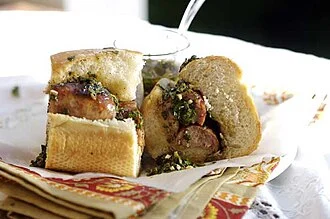
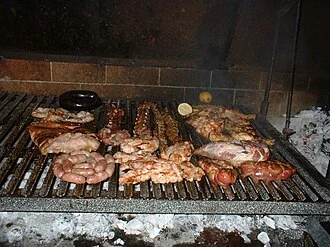
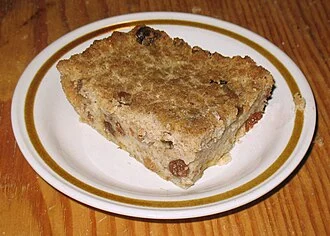
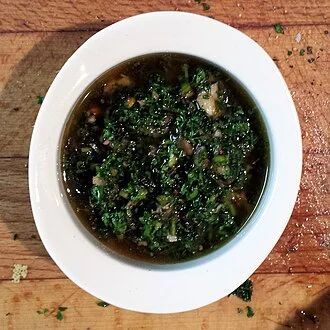
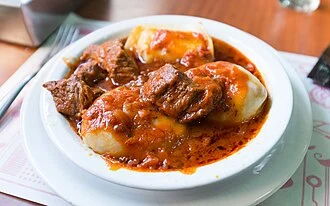
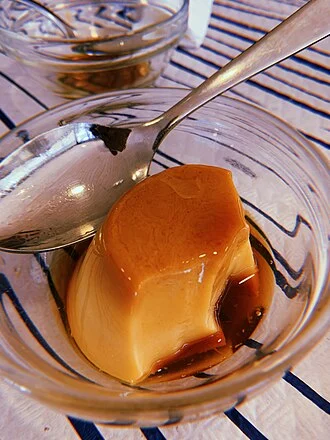
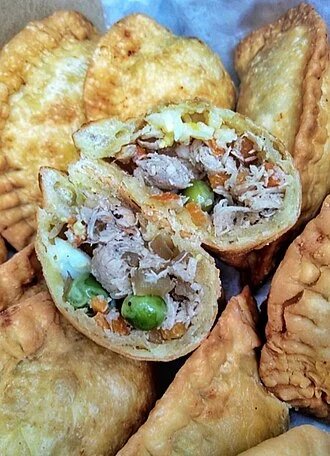
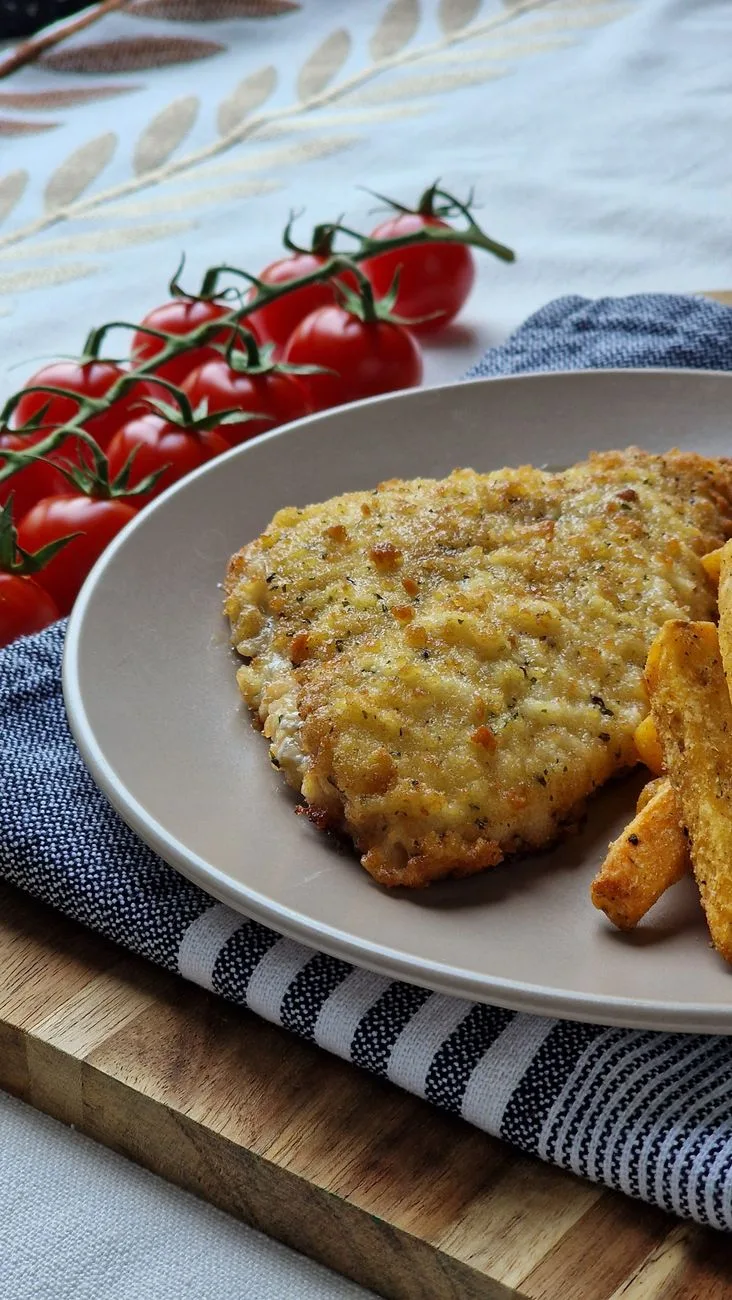
Breaded and fried thin slice of meat, often served with potatoes or salad. Grilled chorizo sausage sandwich. Juicy, thick-cut ribeye steak typically grilled to perfection. Grilled Provolone cheese appetizer. A dense, sweet bread pudding topped with caramel sauce. A piquant herb sauce used to complement grilled meats. Strong coffee mixed with equal parts hot milk, a signature Argentine breakfast drink. Large, round stuffed pasta similar to ravioli Deep-fried dough pastry filled with sweet caramelized milk. Decadent caramel custard dessert enriched with dulce de leche. Pastry filled with savory or sweet ingredients. A rolled flank steak that is usually topped with cheese and tomatoes.
Traditional Local Food
Buenos Aires (Argentina)
 Main course
Meat
Argentine Milanese
Milanesa
mee-lah-NEH-sah
Street food
Meat
Argentinian Grilled Sausage
Choripán
choh-ree-PAHN
Main course
Meat
Argentinian Ribeye Steak
Bife de chorizo
BEE-feh deh cho-REE-zoh
Starter
Vegetarian
Argentinian Sausage and Cheese
Provoleta
proh-voh-LEH-tah
Dessert
Vegetarian
Bread Pudding with Caramel
Budín de Pan
boo-DEEN deh PAHN
Sauce
Vegan
Chimichurri Sauce
Chimichurri
chee-mee-CHOOR-ree
Drink
Vegetarian
Coffee with Milk
Café con Leche
ka-FEH kohn LEH-cheh
Main course
Meat
Creamy Italian Sausage Pasta
Sorrentinos
sor-ren-TEE-nos
Dessert
Vegetarian
Donut with Dulce de Leche
Churros con Dulce de Leche
CHOO-rohs con DOOL-seh deh LEH-cheh
Dessert
Vegetarian
Dulce de Leche Caramel Flan
Flan de Dulce de Leche
flahn deh DOOL-seh deh LEH-cheh
Snack
Meat
Empanada
em-pah-NAH-dah
🥩
Main course
Meat
Stuffed Flank Steak Rolls
Matambre a la Pizza
Mah-TAM-breh ah lah PEE-tzah