Explore Guides
EUROPE / MALTA
Triplandio Mdina guide covers 4 travel guides across 12 areas, complete with hotel picks. Explore 16 self-guided walking tours in Mdina with 19 POI, spanning 22.6 km in total. Get inspired by 5 local dishes, complete with recipes and our unique Food Flavour DNA graph.
Mdina
City & Country Data Mdina (Malta)

Key travel data for Mdina — local prices, safety, healthcare, local currency and essentials, curated by Triplandio.
💰 Prices in Mdina
Coffee
$2.47
Beer
$4.00
Lunch
$15.00
Groceries
$35.00/w
Taxi/km
$1.50
Transit
$2.00
Fuel
$1.50/l
Internet
$50.00/m
Salary
$1,333/m
Travel tipsMdina (Malta)

Quick tips
- Cannabis rules don't cover tourists — Critical
Malta allows residents to grow and use small amounts of cannabis at home, but smoking it in public is illegal and fined, and the personal-possession allowance applies to residents only. Visitors caught with drugs face severe penalties.
- Drink spiking in Paceville — Critical
Criminals in some bars and gentlemen's clubs in Paceville, the nightlife district of St Julian's, have drugged visitors and then overcharged or assaulted them. Buy your own drinks, keep them in sight and check your bill.
- Traffic drives on the left — Good to know
Malta drives on the left, like the UK. Look right first when crossing, and take extra care if you're used to driving on the right.
- Hunters in the countryside — Good to know
Bird hunting with guns takes place in spring and autumn, usually from 2 hours before sunrise to 2 hours after sunset. Hunting areas are rarely marked and can overlap with walking paths, so stay alert in rural areas.
- Foreign prescriptions aren't accepted — Good to know
Maltese pharmacies do not accept UK prescriptions; EU prescriptions can be used if the pharmacist can verify the doctor. Bring enough of your medicine for the whole trip.
- Do
- Look right first when crossing
- Cover shoulders and knees in churches
- Keep your drink in sight in Paceville
- Use Bolt, Uber or eCabs for taxis
- Bring enough prescription medicine
- Don’t
- Smoke cannabis in public
- Dive into water of unknown depth
- Swim when the red flag is up
- Stand near unfenced cliff edges
- Walk through a festa procession
Critical
Prison or heavy penalty possible
Laws & fines
- Drug offences bring jail and bans — Critical
Possessing, using or smuggling illegal drugs in Malta, including in airport transit, can mean a long jail sentence and heavy fines. Courts can also add a ban from the Schengen area of up to 5 years.
- Strict drink-driving limit — Critical
Malta's drink-driving limit is 0.05% blood alcohol, and stricter still for new and professional drivers. If you drink, take a taxi or the bus.
Caution
Fines, losses or injury possible
Scams & safety
- Agree the karozzin fare first — Caution
Horse-drawn carriages (karozzini) wait outside Mdina's main gate. Agree the price and the length of the ride before you climb in to avoid a surprise at the end.
Laws & fines
- No smoking indoors in public places — Caution
Smoking is banned in enclosed public places in Malta, including bars and restaurants. Smoke only outside or in designated areas.
- Register your drone before flying — Caution
Under EU drone rules, you must register as an operator if your drone weighs 250 g or more or has a camera. Airport zones and busy areas such as Valletta are restricted.
Entry & visa
- No meat or dairy from outside the EU — Caution
You cannot bring meat, milk or products containing them into Malta from outside the EU, apart from exceptions such as baby milk. Declare cash of 10,000 euros or more.
Beaches & adventure
- Understand the beach flags — Caution
Lifeguards patrol most Maltese beaches in summer and use a flag system. A red flag means dangerous conditions; don't swim, and take extra care on beaches without lifeguards.
- Don't dive into unknown water — Caution
Malta's rocky coast hides shallow rocks that cause serious injuries every year. Check the depth before jumping, and don't swim where a valley stream flows into the sea.
- Cliff edges have no railings — Caution
Cliff walks such as the Dingli Cliffs and parts of Gozo have no railings. Keep well back from the edge, especially in wind.
Good to know
Rules and useful facts
Scams & safety
- Travel advisory: Level 1 of 4 — Good to know
Exercise normal precautions — the U.S. State Department's rating for Malta.
Tipping & money
- Care at cash machines — Good to know
Thefts linked to money exchange and ATMs have been reported in Malta. Use machines inside banks or in busy places, and don't carry large amounts of cash.
Entry & visa
- Schengen rules: 90 days in 180 — Good to know
Malta is in the Schengen area. Visitors from many countries, including the UK and US, can stay up to 90 days in any 180-day period, counting time in all Schengen countries.
- Check your passport dates — Good to know
Your passport must have been issued less than 10 years before you arrive and be valid for at least 3 months after you plan to leave the Schengen area.
- Fingerprints at the border (EES) — Good to know
The EU's Entry/Exit System (EES) now records non-EU visitors' fingerprints and photo on arrival in Malta instead of passport stamps. Allow extra time at the airport.
- Show a return ticket if asked — Good to know
Maltese border officers may ask you to show a return or onward ticket and prove you have enough money for your stay.
Health
- Tap water is safe but salty — Good to know
Tap water in Malta is safe, but much of it is desalinated seawater and tastes of minerals, so many people drink bottled water.
- Bring your health insurance card — Good to know
EU travellers need a European Health Insurance Card (EHIC) and UK travellers a Global Health Insurance Card (GHIC) for state healthcare in Malta. It doesn't replace travel insurance.
- Strong summer sun — Good to know
Malta has very little shade and summer temperatures are high. Wear a hat and strong sun cream, and drink plenty of water, especially on boat trips and at Comino.
Beaches & adventure
- Jellyfish in summer — Good to know
Swarms of jellyfish sometimes drift onto Maltese beaches in summer. Follow lifeguard advice, and rinse stings with seawater, not fresh water.
- Roads are narrow and busy — Good to know
Many roads in Malta are in poor condition, and local driving can be aggressive. Keep to speed limits and expect heavy traffic around Valletta and Sliema.
Local tips
Local know-how
Scams & safety
- Tour-group rush hours — Local tip
Coach groups arrive at Mdina's main gate from mid-morning to mid-afternoon, filling the narrow lanes. Early morning and evening are quieter and cooler.
- Keep noise down — Local tip
Mdina is still home to a few hundred residents and is nicknamed the Silent City. Keep voices low, especially in the evening, and don't enter private courtyards.
Getting around
- No airport: bus or taxi from Luqa — Local tip
Mdina has no airport of its own. Malta International Airport is about 20 minutes away by taxi or Bolt, or take a bus to Rabat, which stops just outside Mdina's gate.
- Buses from Valletta — Local tip
Several bus routes run from Valletta's City Gate terminus to Rabat and Mdina in roughly 30 minutes, depending on traffic.
- Mdina is closed to most cars — Local tip
Only residents' vehicles may enter Mdina. Park in Rabat or by the walls and walk in; the town is small enough to cross on foot in about 10 minutes.
Customs
- Cover up in churches — Local tip
Malta is strongly Catholic and has hundreds of churches. Cover your shoulders and knees when you go inside, and keep quiet during services.
- Respect village festas — Local tip
In summer each Maltese parish celebrates its patron saint with a festa: processions, bands and fireworks. Let the procession pass and don't walk through it.
- Save the beachwear for the beach — Local tip
Maltese people dress modestly in towns and villages. Put on a top and shorts when you leave the beach, especially in Valletta and Mdina.
Tipping & money
- Tipping is modest — Local tip
Malta uses the euro. Service is not usually added to restaurant bills, so around 10% for good service is appreciated; for taxis and cafés just round up.
- Prices are fixed — Local tip
Bargaining is not usual in Maltese shops. At the Sunday fish market in Marsaxlokk and other street markets you can ask for a better price when buying several items.
- Book taxis by app — Local tip
Maltese white taxis usually charge fixed fares rather than using a meter. Use the taxi booth at the airport, or book through Bolt, Uber or eCabs to see the price in advance.
Health
- See a doctor at the pharmacy — Local tip
Most Maltese pharmacies can arrange an appointment with a private GP (family doctor), often the same day. For an ambulance, dial 112.
Say it locally
Everyone in Malta speaks English, but a Maltese “grazzi” always earns a smile.
Through the year
Festival or season Public holiday (exact date)
- Hunting seasons
Sep 2026–Jan 2027, Apr 2027 · A short spring season and a longer autumn season, with exact dates set by the government each year; take care on country walks early and late in the day.
- Feast of the Immaculate Conception
Tue 8 Dec 2026 · Public holiday
- Republic Day
Sun 13 Dec 2026 · Public holiday
- Christmas Day
Fri 25 Dec 2026 · Public holiday
- New Year's Day
Fri 1 Jan 2027 · Public holiday
- Carnival
Feb–Mar 2027 · Parades, floats and costumes in Valletta and Nadur on Gozo in the days before Lent; dates move with Easter.
- Feast of Saint Paul's Shipwreck
Wed 10 Feb 2027 · Public holiday
- Holy Week processions
Mar–Apr 2027 · Good Friday processions with life-size statues pass through many towns; some roads close and churches are packed.
- Feast of Saint Joseph
Fri 19 Mar 2027 · Public holiday
- Good Friday
Fri 26 Mar 2027 · Public holiday
- Freedom Day
Wed 31 Mar 2027 · Public holiday
- Labour Day/May Day
Sat 1 May 2027 · Public holiday
- Festa season
Jun–Sep 2027 · Almost every weekend a village celebrates its patron saint with fireworks, brass bands and street food; expect road closures and noise late into the night.
- Sette Giugno
Mon 7 Jun 2027 · Public holiday
- Feast of Saints Peter and Paul
Tue 29 Jun 2027 · Public holiday
- Peak heat and crowds
Jul–Aug 2027 · The hottest, busiest months; beaches and the Blue Lagoon on Comino are packed by mid-morning.
- The Feast of Mary's Assumption
Sun 15 Aug 2027 · Public holiday
- Our Lady of Victories
Wed 8 Sep 2027 · Public holiday
- Independence Day
Tue 21 Sep 2027 · Public holiday
Sources: GOV.UK travel advice · U.S. State Dept · Google public holidays
Best time to visit Mdina (Malta)
Now (November) avg high: 21°C, mostly dry, full season — expect crowds. Best months to walk: Jul & Jun.
Live Temp
…
~Day / Night Temp
21°C / 17°C
Sunrise / Sunset
7:33 / 18:00
Local time
2:22
Sea Temp
22°C
Best Months  Jul & Jun
J
Jan
F
Feb
M
Mar
A
Apr
M
May
J
Jun
J
Jul
A
Aug
S
Sep
O
Oct
N
Nov
 D
Dec
J
Jul
A
Aug
S
Sep
O
Oct
N
Nov
D
Dec
Check Mdina hotels
Temperature
Average daytime high, month by month. Zero line marks freezing point.
Crowds
How busy it gets — traveller interest by month.
Sea temperature
Sea warmth for swimming, by month.
Rainfall
Rainy days to expect each month.
Sunshine
Hours of sun per day, by month.
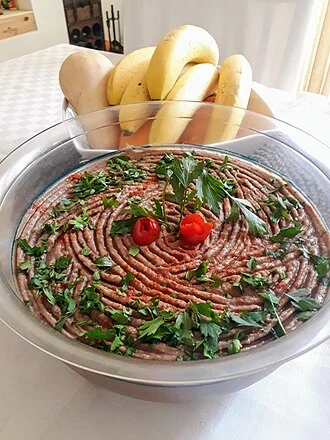
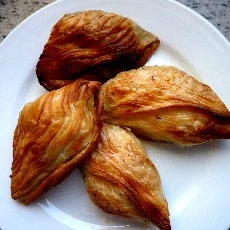
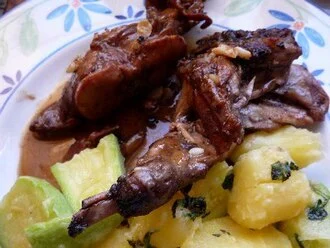
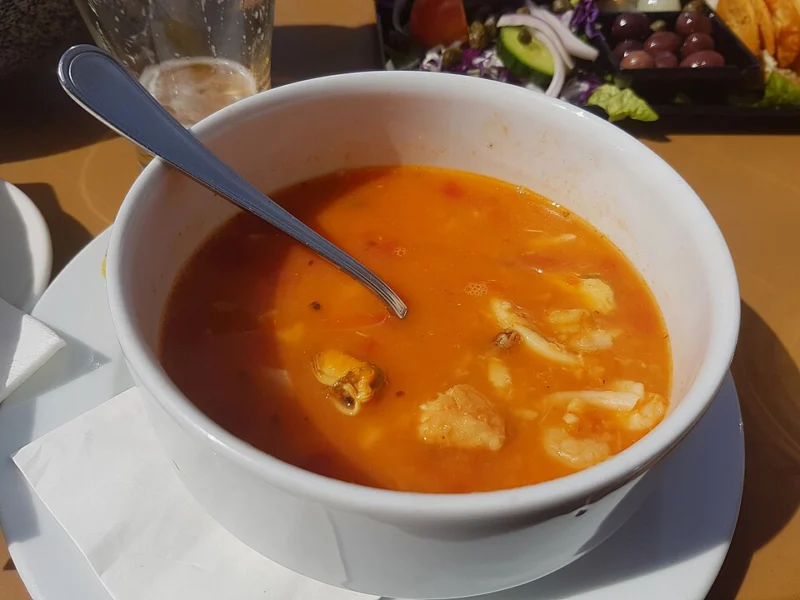
Hearty fish soup with garlic, tomatoes, and rice Maltese bean paste made from mashed broad beans with garlic and herbs. A traditional Maltese pie filled with lampuki fish and vegetables. Flaky pastry filled with ricotta cheese or mushy peas. A hearty Maltese stew made with rabbit slow-cooked in wine and herbs.
Traditional Local Food
Mdina (Malta)
 Soup
Fish & Seafood
Aljotta
Al-yot-ta
· Maltese fish soup
Starter
Vegan
Bigilla
Big-gilla
· Fava bean dip
🐟
Main course
Fish & Seafood
Lampuki Pie
Torta tal-Lampuki
Torta tal-Lampuki
· Fish pie with vegetables
Snack
Vegetarian
Pastizzi
Pass-tit-see
· Flaky pastry filled with ricotta
Main course
Meat
Rabbit Stew
Stuffat tal-Fenek
Stuffat tal-Fenek
· Stewed rabbit in wine