
Written for travellers who read the inscriptions — sights, timings and hotels within walking distance of the ruins. Updated 2026.

Where to Stay in Rome to Explore Ancient History

Where to stay in Rome if the ancient city is why you are going — the Colosseum, the Forum and 2,000 years of layers on foot.

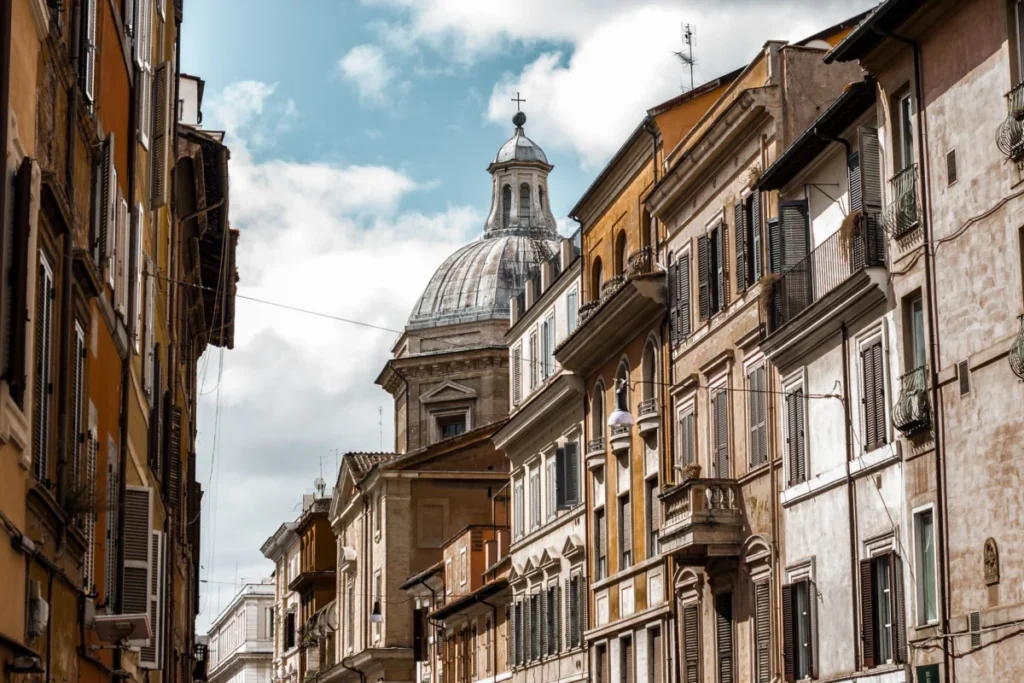
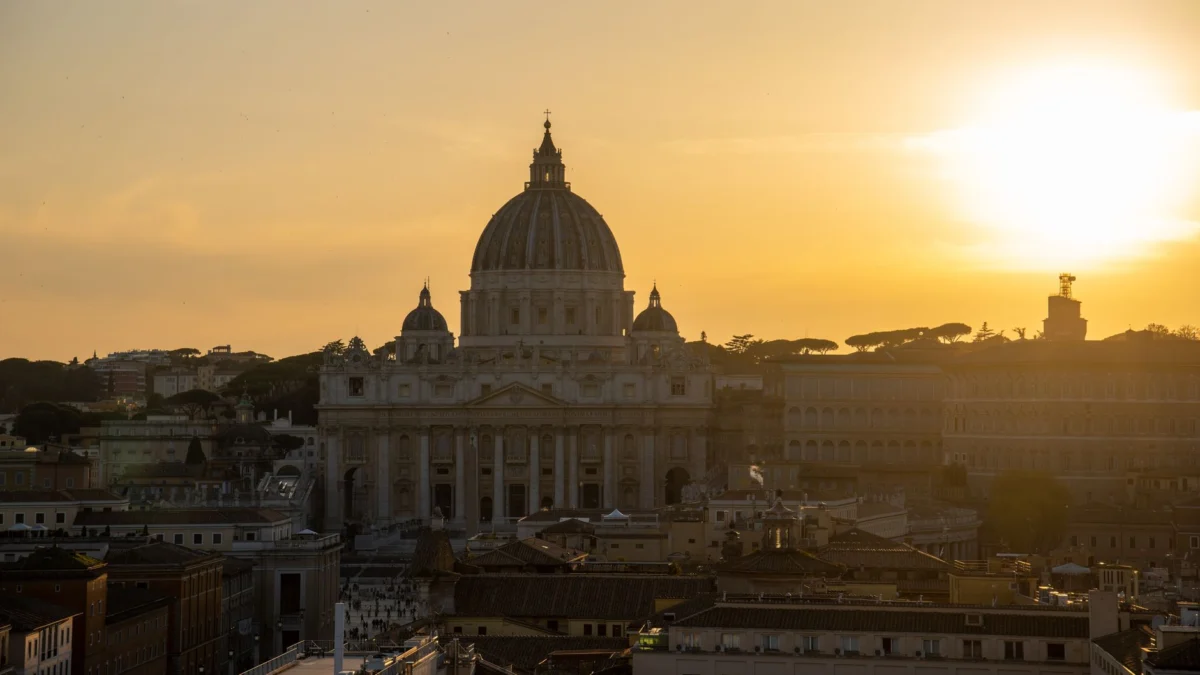
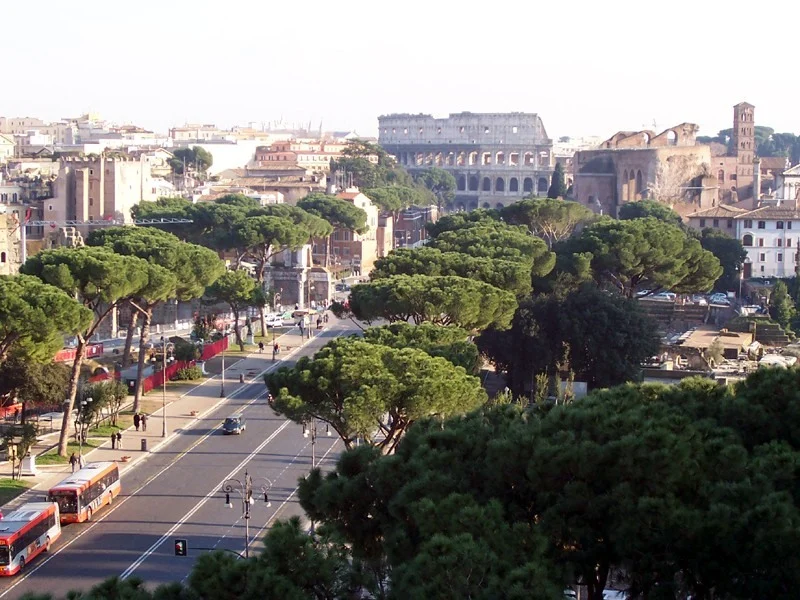
Rome skyline with ancient sites and soft evening light
At a Glance
Country Italy
City Rome
Day / Night 17° / 9°
Local Time 11:02
November — Now Moderate crowds
Best Months Jul · Jun

Ancient Rome is not one site but a whole landscape of hills, gates and churches built on top of temples. This guide picks four areas around it — the Colosseum and Forum, the Lateran and the city walls at San Giovanni, the quiet Celio hill and the Esquiline — with a walking day, the sights worth your time and a hotel in each.

Top Rome stays for ancient history

Best overall
⭐ 9.1
Room Mate Collection Mia, Rome Colosseum

Room Mate Collection Mia, Rome Colosseum

On Via Capo d’Africa, on the quiet Celio side of the Colosseum — a few minutes’ walk to the amphitheatre and the Forum entrance. You can be in the first queue of the morning without taking any transport.

Top pick
⭐ 9.2
FH55 Grand Hotel Palatino

FH55 Grand Hotel Palatino

A four-star hotel on Via Cavour in the Monti district, a short walk downhill to the Imperial Fora and the Colosseum. San Pietro in Vincoli with Michelangelo’s Moses is just up the steps.

Walkable area
⭐ 8.8
Hotel Celio

Hotel Celio

A small hotel on the Celio hill, in the quiet streets between the Colosseum and the Lateran. San Clemente and Santi Quattro Coronati are a few minutes’ walk away.

Which part of ancient Rome do you want on your doorstep?

The Forum, the Lateran, the Celio churches or the Esquiline museums — pick your starting point.

Best choice: Colosseo

Best for: Colosseum & Forum

Best choice: San Giovanni

Best for: Lateran & city walls

Best choice: Celio

Best for: Underground Rome

Best choice: Esquilino

Best for: Museums & mosaics

Best hotels in Rome near the ancient sites

Hotels within walking distance of the Colosseum, the Forum, the Lateran and the Esquiline museums.

FH55 Grand Hotel Palatino
Top pick
⭐ 9.2 Outstanding
3187 reviews

FH55 Grand Hotel Palatino

Monti • Via Cavour • Near Cavour metro

A four-star hotel on Via Cavour in the Monti district, a short walk downhill to the Imperial Fora and the Colosseum. San Pietro in Vincoli with Michelangelo’s Moses is just up the steps.

  • Walk to the Imperial Fora
  • Cavour metro nearby
  • Monti restaurants on the doorstep
Hotel Celio
Walkable area
⭐ 8.8 Excellent
272 reviews

Hotel Celio

Celio • Small hotel • Between the Colosseum and San Clemente

A small hotel on the Celio hill, in the quiet streets between the Colosseum and the Lateran. San Clemente and Santi Quattro Coronati are a few minutes’ walk away.

  • Quiet Celio location
  • Walk to the Colosseum
  • Near San Clemente
Bettoja Hotel Mediterraneo
Editor’s choice
⭐ 8.9 Outstanding
1451 reviews

Bettoja Hotel Mediterraneo

Esquilino • Art Deco 1942 • Near Termini

An Art Deco hotel on Via Cavour designed by Mario Loreti for the planned 1942 world’s fair, with much of its original furniture. It is a short walk to Palazzo Massimo and Santa Maria Maggiore, and the rooftop bar looks over the city.

  • Art Deco building by Mario Loreti
  • Rooftop bar
  • Walk to Palazzo Massimo
Hotel Milton Roma
Smart choice
⭐ 8.3 Very Good
8218 reviews

Hotel Milton Roma

Esquilino • Via Emanuele Filiberto • Near San Giovanni

A large hotel on Via Emanuele Filiberto, between Piazza Vittorio and San Giovanni. The Lateran and the metro are a short walk away, which makes it a practical base for both the Esquiline and the ancient centre.

  • Walk to the Lateran
  • Metro nearby
  • Between Esquilino and San Giovanni
Residenze Serventi Longhi
Boutique stay
⭐ 9.4 Superb
1511 reviews

Residenze Serventi Longhi

San Giovanni • 4-star guest house • Largo Brindisi

A 4-star guest house in a historic building on Largo Brindisi, just outside Porta San Giovanni and close to San Giovanni metro. The Lateran basilica is across the Aurelian Walls, and the Colosseum and the Baths of Caracalla are within reach on foot or by metro. More than 1,500 reviews rate it 9.4, and an Italian breakfast with fresh pastries is served.

  • Historic building
  • By Porta San Giovanni
  • Over 1,500 reviews, rated 9.4
Unique Luxury Stay
Smart choice
⭐ 8.8 Excellent
558 reviews

Unique Luxury Stay

San Giovanni • Small guesthouse • Residential

A small guesthouse in San Giovanni, a residential area around the Lateran with the metro close by. The Colosseum is about 20 minutes on foot.

  • Small and personal
  • Near the Lateran
  • Metro nearby

How we choose

We pick hotels by how easily you can walk to the ancient sites before the crowds, then check guest ratings.

Best areas in Rome for ancient sites

Four areas around the ancient centre, each with a walking day from the first ticket of the morning to dinner.

Colosseo

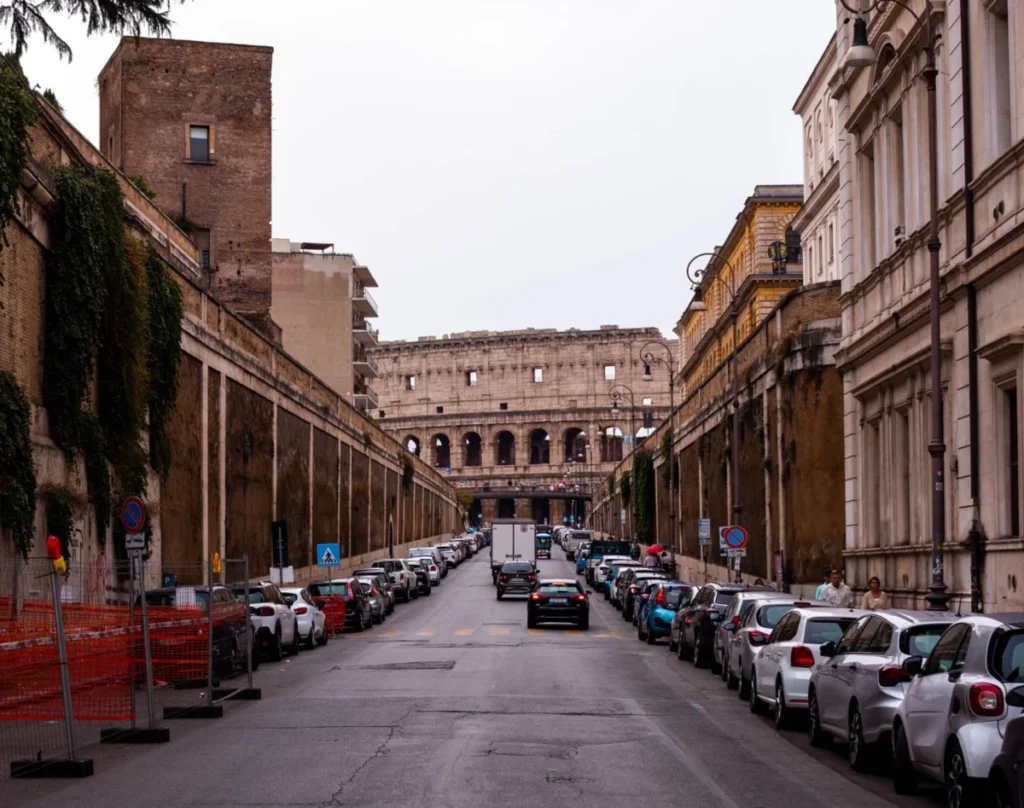
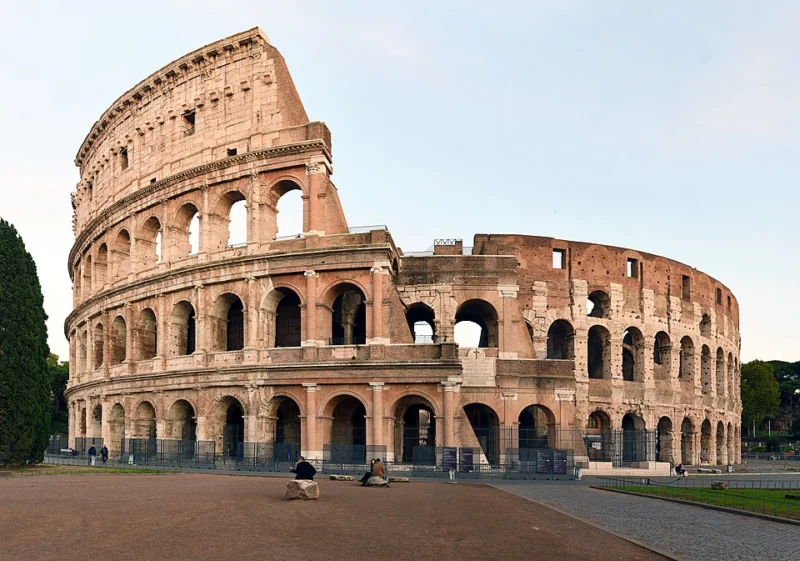
This is ground zero for ancient Rome. The Colosseum, the Roman Forum and the Palatine Hill sit side by side, and from any hotel nearby you can walk to the gates before the tour coaches park on Via dei Fori Imperiali.

A good day here starts at the Colosseum at opening time, crosses to the Forum under the Arch of Titus and ends on the Capitoline Hill, where Michelangelo’s square and the Capitoline Museums sit on top of the old Roman archives. After dark, the ruins along Via dei Fori Imperiali are lit and quiet, and you can walk above the forums of Caesar, Augustus and Trajan.

The honest downside: the streets around the Colosseum are crowded, loud and full of touts by day, and restaurants with a view are rarely the best. Eat a few streets back in Monti.

Local picks

For Culture & History
  • 1
    Early morningColosseumBe at the gates for the first time slot, when the arena is still in shade and the groups have not arrived. Walk the upper level first for the view over the arena floor, then go down.
  • 2
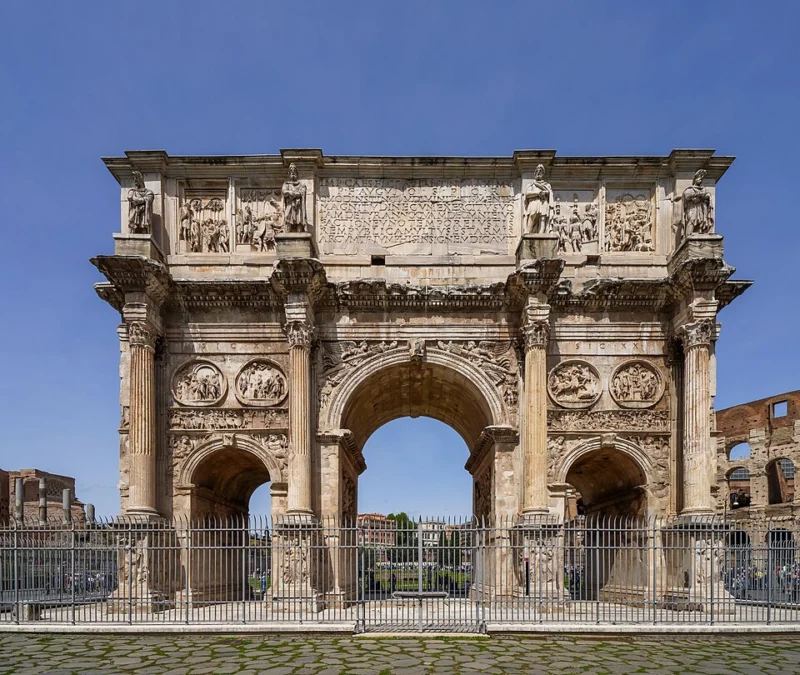
    Just outsideArch of ConstantineThe largest surviving Roman triumphal arch, dedicated in 315 after Constantine’s victory at the Milvian Bridge. Look closely: many of its reliefs were taken from older monuments of Trajan, Hadrian and Marcus Aurelius.
  • 3
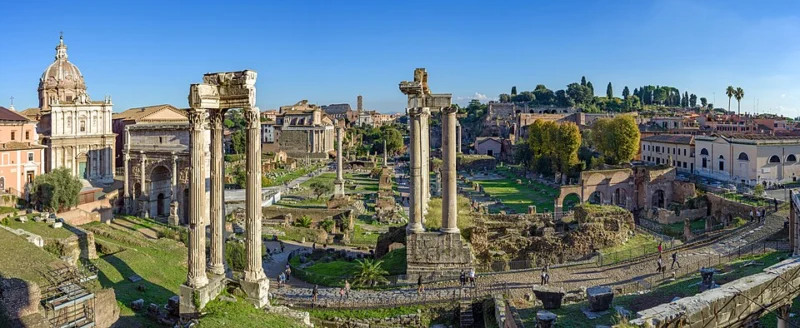
    Heart of the empireRoman ForumEnter along the Via Sacra past the Arch of Titus, which shows the spoils of Jerusalem carried in triumph. Find the Temple of Caesar, where he was cremated, and the Curia, where the Senate met.
  • 4
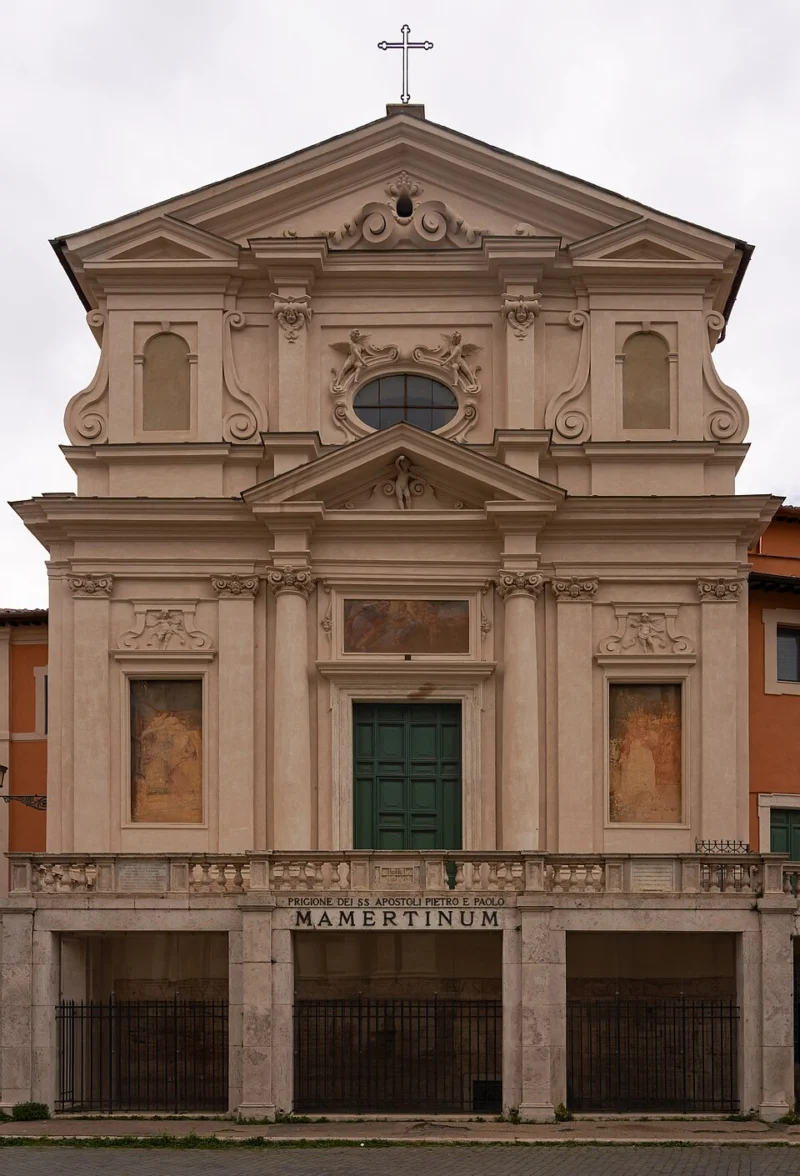
    Hidden historyMamertine PrisonRome’s ancient state prison sits under a church at the foot of the Capitoline. Vercingetorix was held here, and tradition says St Peter was too.
  • 5
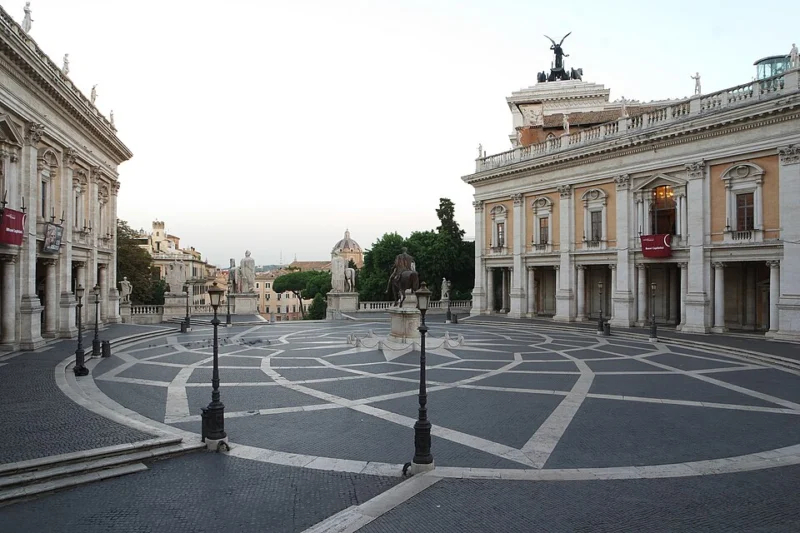
    Late afternoonPiazza del CampidoglioClimb the ramp to Michelangelo’s square and the Capitoline Museums, with the Capitoline Wolf and the giant head of Constantine. Walk round behind the Palazzo Senatorio for the view down the whole Forum as the light goes.
  • 6
    After darkVia dei Fori ImperialiWalk back towards the Colosseum along the avenue after dark. The forums of Caesar, Augustus and Trajan are lit below you, and the traffic is much lighter.
  • 7
    DinnerLa PrezzemolinaA simple pizzeria on Via del Colosseo, on the Monti side of the avenue. Easy, quick and away from the tourist menus facing the Colosseum.
  • Getting aroundColosseo · CavourMetro line B stops at Colosseo, right opposite the amphitheatre, and at Cavour in Monti. Termini is two stops away, but you will mostly walk.
  • Where to stayHotels right by the Colosseum are few; most are on the Celio side (Via Capo d’Africa) or up in Monti around Via Cavour. Look for a place within ten minutes’ walk so you can be at the gates for the first slot, and expect higher prices than elsewhere.

Did you know?

Opened by Titus in AD 80 The Colosseum was begun by Vespasian and inaugurated by his son Titus with 100 days of games.
An emperor in the arena Commodus, the emperor in the film Gladiator, really did fight in the arena himself.
The largest amphitheatre ever built It held an estimated 50,000 or more spectators.
The underground is open The hypogeum, where animals and fighters waited under the arena, can now be visited on special tickets.
Colosseo

San Giovanni

San Giovanni is where Christian Rome began. Constantine gave the land for the Lateran basilica, the cathedral of Rome, and for a thousand years the popes lived next door. Around it runs the best-preserved stretch of the Aurelian Walls, with gates you can still walk through.

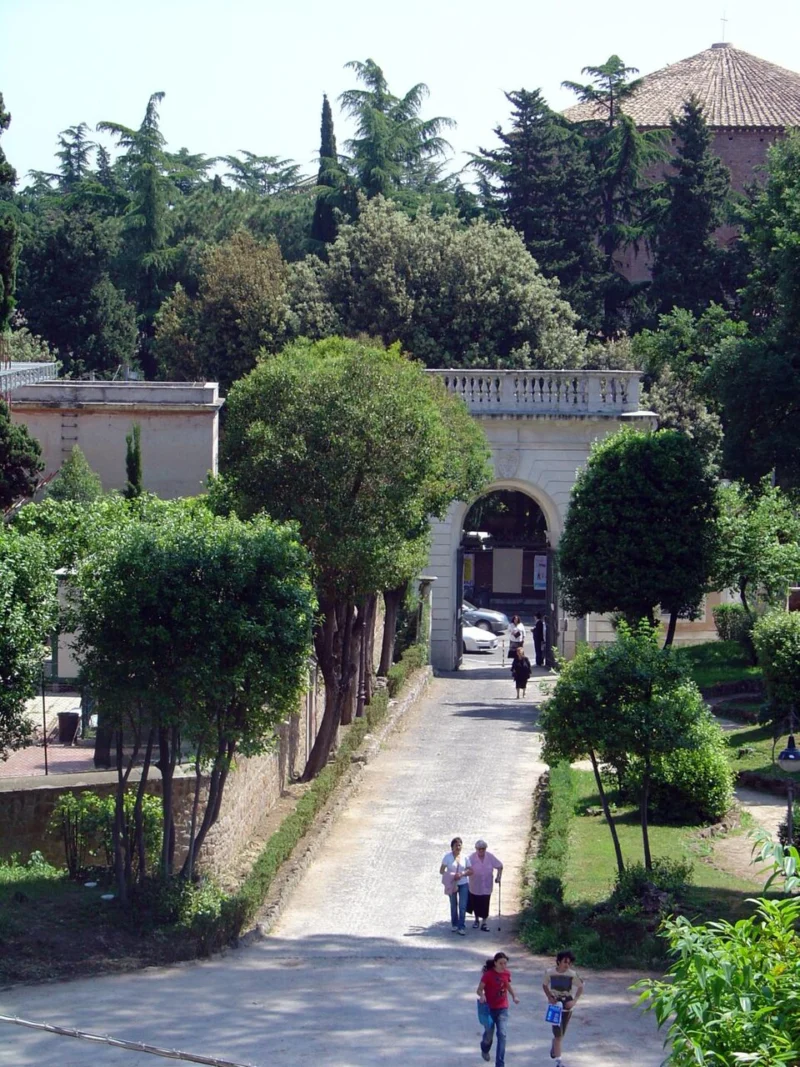
For a history lover it is a day of layers. Start at Porta Maggiore, where two aqueducts cross the road on a single arch, see the relics that Helena, Constantine’s mother, is said to have brought to Santa Croce, then follow the walls to the Lateran. The baptistery here is one of the oldest in the Christian world.

It is a residential area with ordinary shops and lower prices than the centre, and the metro makes it easy to get around. Evenings are quiet, and the Colosseum is about 20 minutes on foot.

Local picks

For Culture & History
  • 1
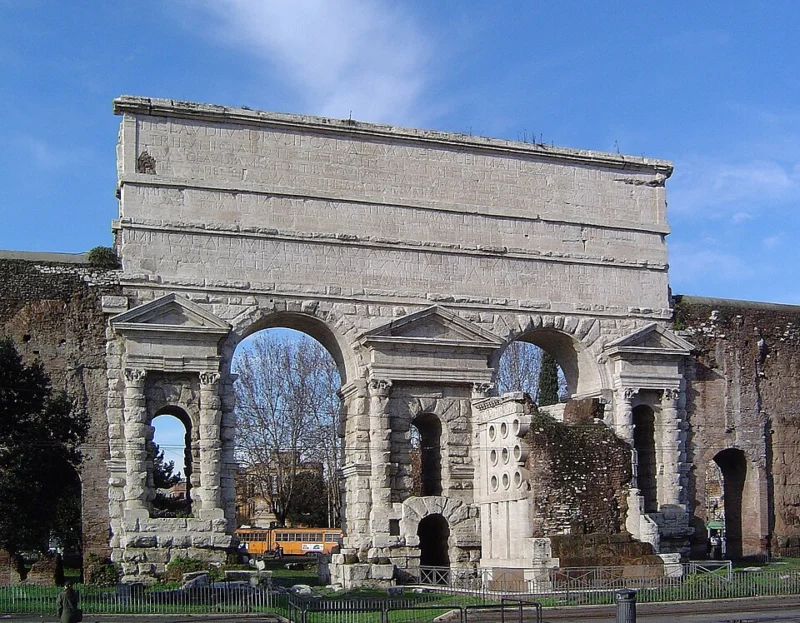
    Start herePorta MaggioreClaudius built this double arch in AD 52 to carry two aqueducts over the roads into Rome. Just outside it stands the tomb of Eurysaces, a freed slave and baker, decorated with scenes of bread-making.
  • 2
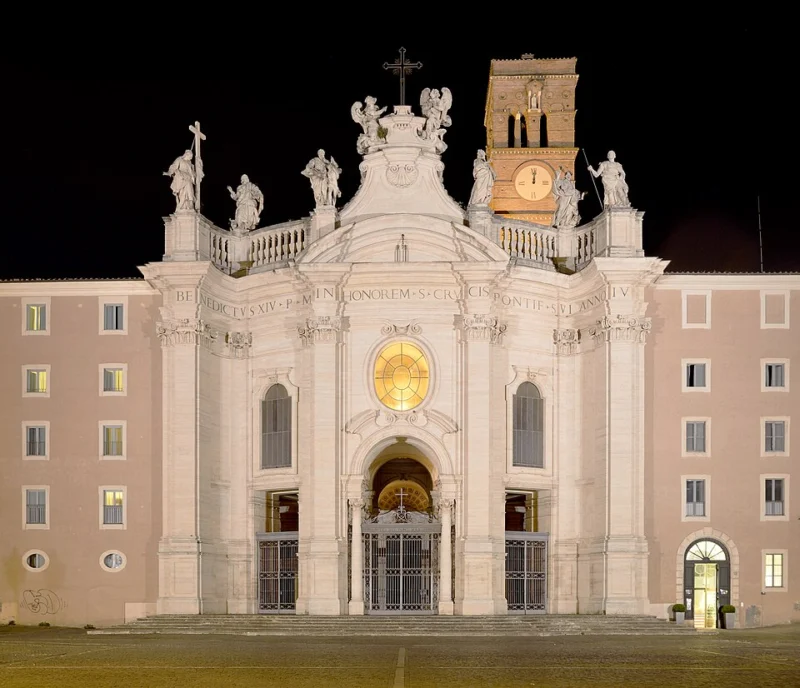
    Relics of the PassionSanta Croce in GerusalemmeBuilt in the palace of Helena, Constantine’s mother, to hold relics she is said to have brought from Jerusalem. Tradition says she had soil from Jerusalem laid in its chapel — hence the name.
  • 3
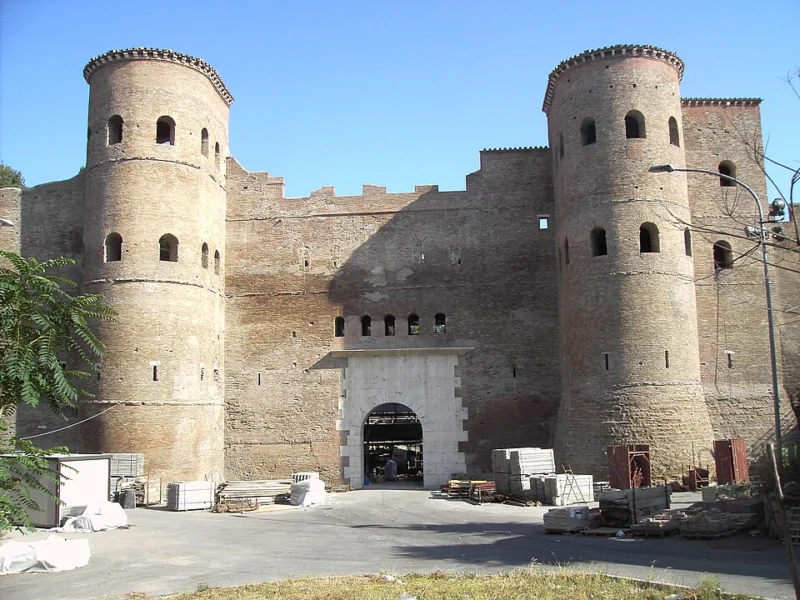
    3rd-century wallsPorta AsinariaWalk along the Aurelian Walls to this old gate beside the modern Porta San Giovanni. In 546 the Goths of Totila got into Rome here when guards opened it for them.
  • 4
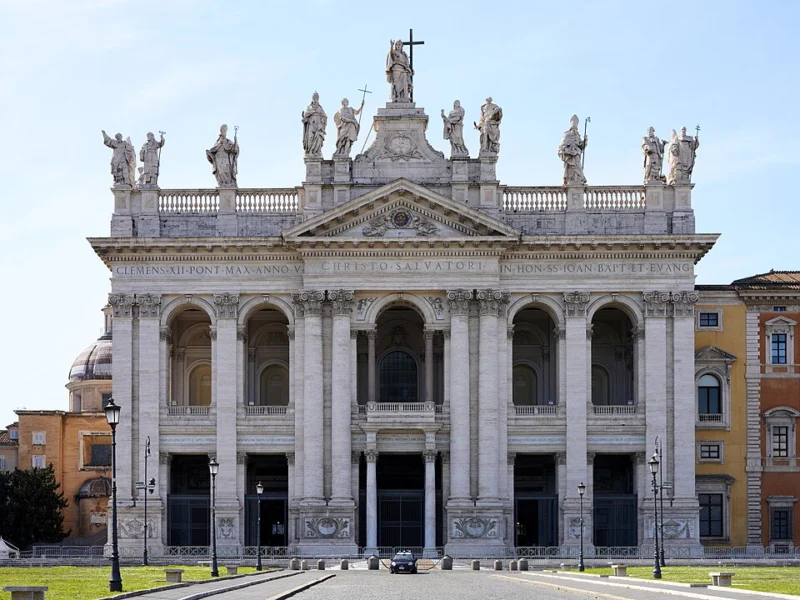
    Must seeBasilica of San Giovanni in LateranoThe cathedral of Rome, not St Peter’s. Look at the ancient bronze doors, which came from the Senate house in the Forum, and at the huge statues of the apostles along the nave.
  • 5
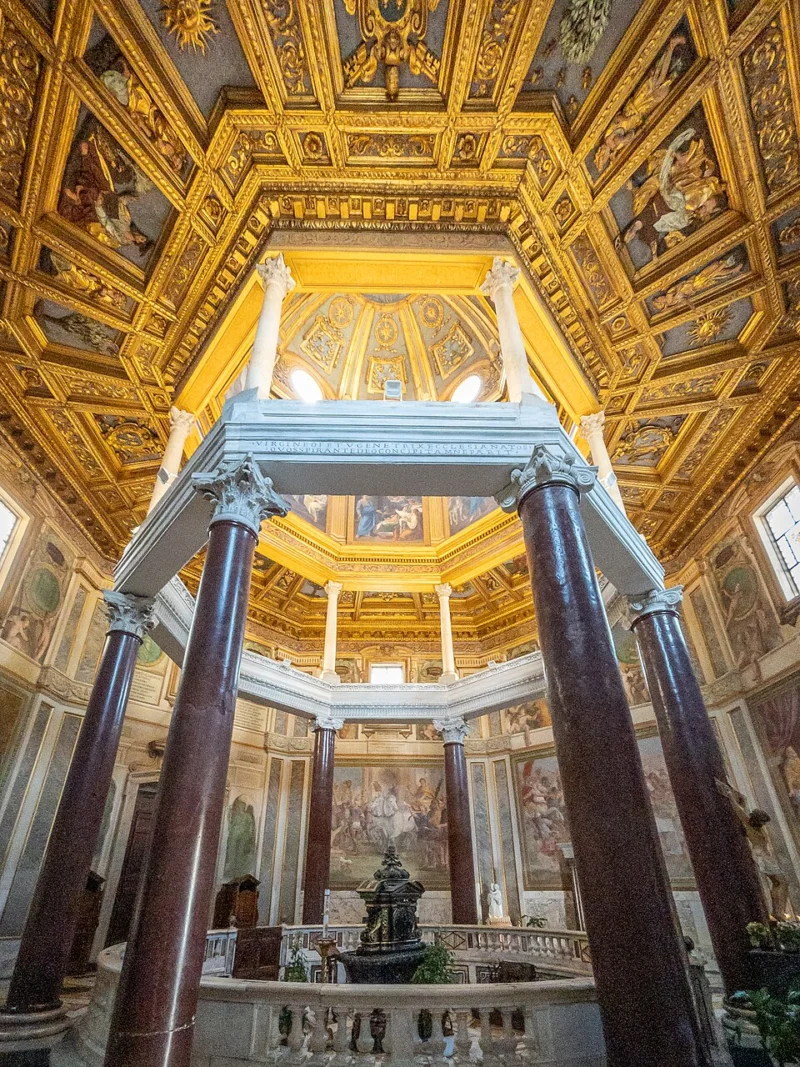
    Oldest of its kindLateran BaptisteryConstantine’s octagonal baptistery became the model for baptisteries all over Christian Europe. It was rebuilt in the 5th century and keeps early mosaics in its side chapels.
  • 6
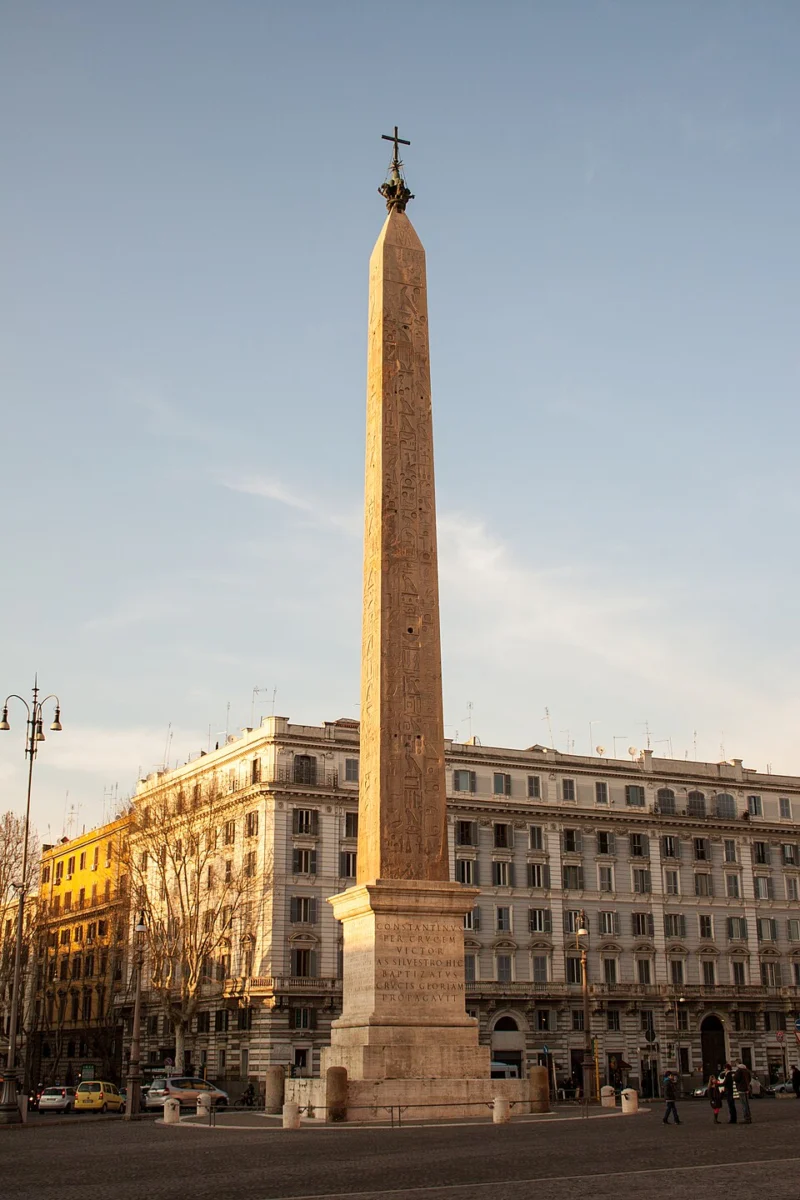
    RecordLateran ObeliskThe tallest ancient Egyptian obelisk still standing, carved for the temple at Karnak. It was brought to Rome in 357 for the Circus Maximus and re-erected here in 1588.
  • 7
    DinnerLa CuccumaA simple, traditional place on Via Merulana, a short walk up from the Lateran. Come for pizza by the slice, meatballs and lasagna after a long day on your feet.
  • Getting aroundSan GiovanniMetro lines A and C meet at San Giovanni, next to the walls. Line A takes you to Termini and the Spanish Steps; for the Colosseum, walk down Via di San Giovanni in Laterano in about 20 minutes.
  • Where to staySan Giovanni has mostly mid-range hotels, apartments and small guesthouses in residential buildings. Stay close to the metro station or Via Merulana, and check whether your room faces the busy main roads.

Did you know?

Founded by Constantine The Lateran basilica, built on land given by Constantine, is the oldest of Rome’s four papal basilicas.
Pope Sylvester I Tradition says Pope Sylvester I dedicated the basilica in 324.
A thousand years of popes The Lateran Palace was the popes’ main home until they moved to Avignon in 1309.
San Giovanni

Celio

The Celio is one of Rome’s seven hills and, surprisingly, one of its quietest corners — right behind the Colosseum. Instead of shops there are convents, walled gardens and some of the oldest churches in the city, several of them built on top of Roman houses.

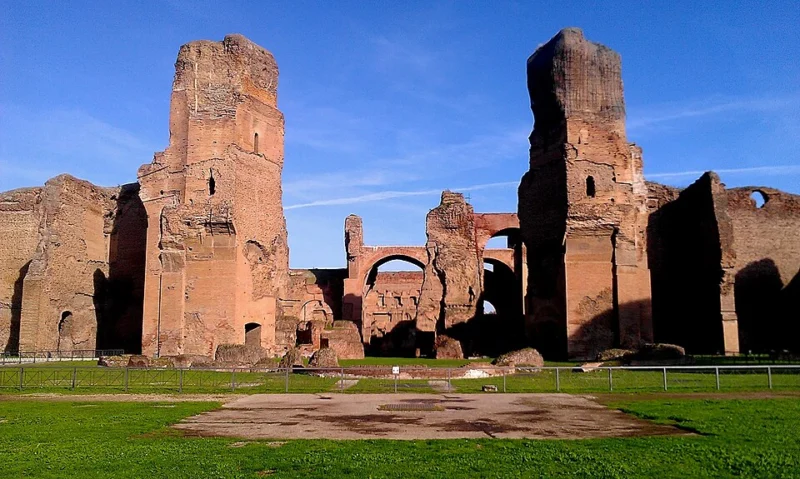
Mornings belong to the Baths of Caracalla, still enormous after 1,800 years. Then climb through Villa Celimontana to Santi Giovanni e Paolo, where the Case Romane below the church keep painted rooms from Roman homes, and on to round Santo Stefano and the fortified abbey of Santi Quattro Coronati. Evenings are for a trattoria on Via di San Giovanni in Laterano.

The downside is that it is hilly, with few shops and not many hotels, and most sights keep short opening hours. Check them before you go.

Local picks

For Culture & History
  • 1
    MorningBaths of CaracallaOpened in 216 AD, these baths could take well over a thousand bathers at a time. Walk through the huge halls and look for the black-and-white mosaic floors.
  • 2
    Green climbVilla CelimontanaWalk up to this public park on top of the hill, the old villa of the Mattei family, with an Egyptian obelisk among the trees. A shady shortcut to the churches.
  • 3
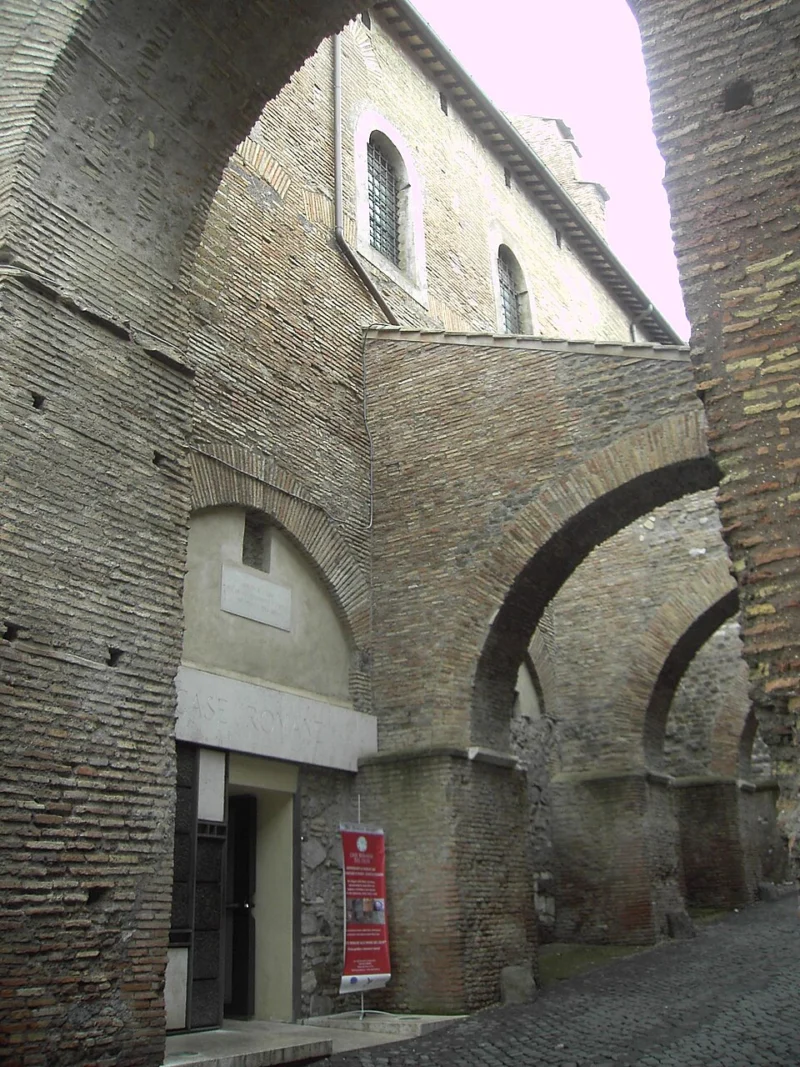
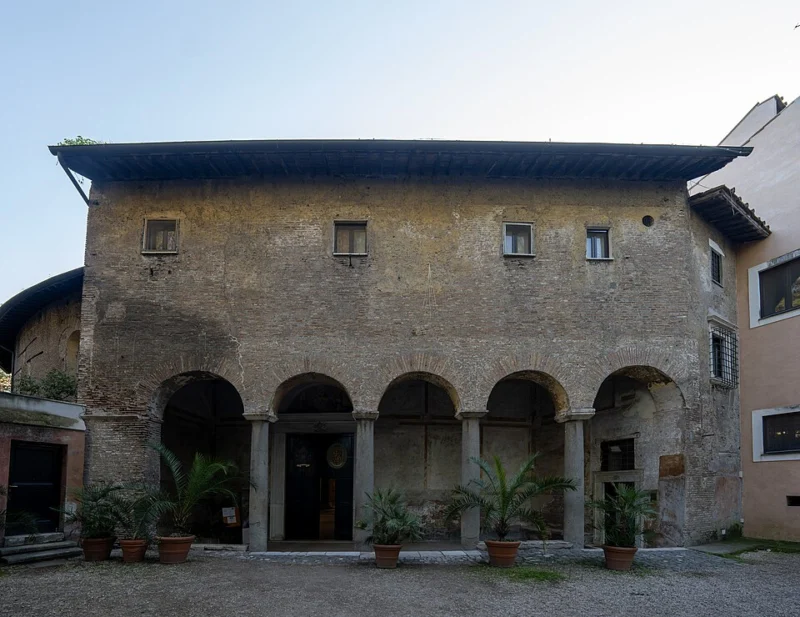
    UndergroundCase Romane del CelioBelow the church of Santi Giovanni e Paolo, a maze of rooms from Roman houses keeps its frescoes. The entrance is on Clivo di Scauro, the old Roman street under flying buttresses.
  • 4
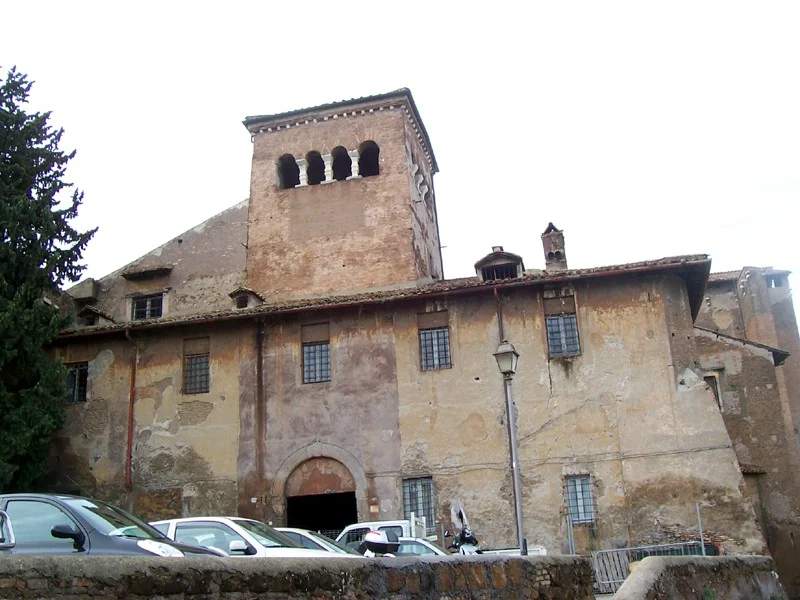
    Above groundSanti Giovanni e PaoloThe church above the houses, on the site where tradition says the martyrs John and Paul lived. Its 12th-century bell tower stands on the remains of the Temple of Claudius.
  • 5
    Hidden historySanto Stefano RotondoA round 5th-century church with walls painted in the 16th century with scenes of martyrdom. Not for the squeamish, and unlike anything else in Rome.
  • 6
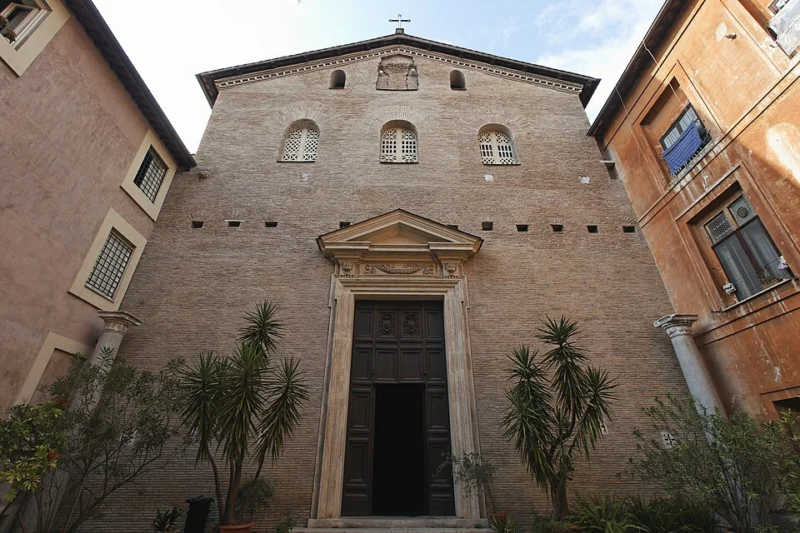
    Medieval RomeSanti Quattro CoronatiA fortified abbey on the hill. Ring at the convent for the Chapel of St Sylvester, painted in the 13th century with the story of Constantine and the Pope, and see the quiet cloister.
  • 7
    Afternoon breakCafè CafèA small tea room on Via dei Santi Quattro, a few steps from the Colosseum, with homemade cakes. A calm stop before dinner.
  • 8
    DinnerTrattoria Pizzeria LuzziA busy, good-value trattoria on Via di San Giovanni in Laterano, popular with Romans, for carbonara, tripe and oxtail. Closed on Wednesdays.
  • Getting aroundColosseo · Circo MassimoMetro line B stops at Colosseo, at the foot of the hill, and at Circo Massimo, a short walk from the Baths of Caracalla. Otherwise the whole area is walkable.
  • Where to stayThe Celio has only a handful of small hotels, mostly on Via Capo d’Africa and around Via dei Santi Quattro, so book early. They are quiet at night and a few minutes from the Colosseum.

Did you know?

Roman houses under a church Beneath Santi Giovanni e Paolo lie Roman houses with frescoes from the 2nd to 4th centuries.
One of the oldest round churches Santo Stefano Rotondo was consecrated in the 5th century on a circular plan.
A fortified abbey Santi Quattro Coronati hides a chapel with 13th-century frescoes of Constantine and Pope Sylvester.
Celio

Esquilino

The Esquiline was the biggest of Rome’s seven hills, and today it is the area between Termini station and the Colosseum. It is less polished than the centre, but it has some of the best ancient art in Rome, very old churches and much better hotel prices.

Start at Palazzo Massimo, part of the National Roman Museum, with the painted garden rooms from the Villa of Livia. Then walk to Santa Maria Maggiore and its 5th-century mosaics, and to Santa Prassede, with the gold chapel of St Zeno. The afternoon is for Piazza Vittorio, with the Porta Magica and the Auditorium of Maecenas nearby.

The honest downside: the streets right around Termini are scruffy and busy at night. Choose a hotel on a main street, and the Colosseum is a 15-minute walk down Via Cavour.

Local picks

For Culture & History
  • 1
    MorningPalazzo MassimoThe best museum of ancient art near Termini, with the Boxer at Rest bronze, fine mosaics and the painted garden rooms from the Villa of Livia. Allow two hours.
  • 2
    Must seeSanta Maria MaggioreOne of Rome’s four papal basilicas, with mosaics from the 5th century along the nave and above the arch. Look up at the coffered ceiling.
  • 3
    Gold mosaicsSanta PrassedeA few steps away, the 9th-century Chapel of St Zeno glows with gold mosaics. It opens in the morning and late afternoon only, closing around lunchtime.
  • 4
    LunchMercato EsquilinoThe indoor market off Piazza Vittorio, with stalls selling food from all over the world. Go before lunch to see it busy.
  • 5
    Hidden historyPorta MagicaIn the gardens of Piazza Vittorio, this 17th-century alchemist’s doorway is carved with symbols and inscriptions. Close by are the ruins of an ancient Roman fountain.
  • 6
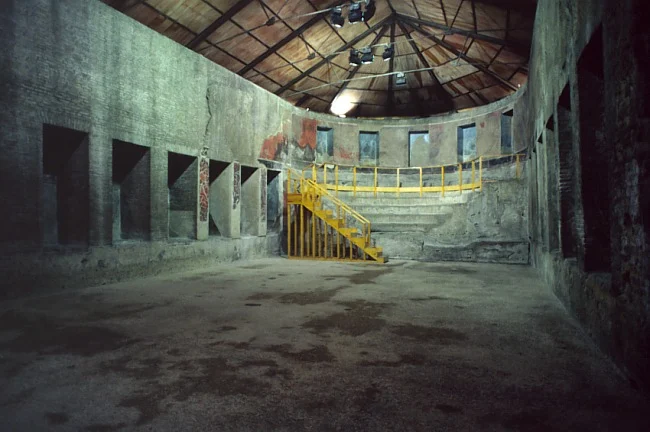
    By bookingAuditorium of MaecenasA hall from the gardens of Maecenas, patron of Virgil and Horace, with painted walls. It is open only on booked visits, so check ahead.
  • 7
    DinnerAquila NeraA restaurant and pizzeria on Via Principe Amedeo with tables outside on warm evenings. Try the fish.
  • 8
    Evening drinkFiddler's ElbowOne of Rome’s oldest Irish pubs, in a side street behind Santa Maria Maggiore. Relaxed and a long way from the tourist bars.
  • Getting aroundTermini · Vittorio EmanueleTermini has both metro lines, the train to Fiumicino airport and most buses. Line A stops at Vittorio Emanuele on Piazza Vittorio.
  • Where to stayEsquilino has the widest choice and lowest prices near the ancient sites, from large hotels on Via Cavour to small guesthouses. Stay on a main street rather than right next to the station, and read recent reviews for noise.

Did you know?

Named after the Esquiline Hill The largest of Rome’s seven hills gave the area its name.
The gardens of Maecenas Maecenas, the patron of Virgil and Horace, laid out his famous gardens here.
Rome’s greatest church of Mary Santa Maria Maggiore keeps mosaics from the 5th century, among the oldest in Rome.
The Porta Magica A 17th-century alchemist’s door in Piazza Vittorio is covered with mysterious inscriptions.
Esquilino

Planning your stay in Rome

For Culture & History
  • Three days of ancient RomeDay 1: the Colosseum at opening time, the Palatine and the Forum, sunset on the Capitoline. Day 2: Palazzo Massimo, Santa Maria Maggiore and the Esquiline. Day 3: the Baths of Caracalla, the Celio churches and the Lateran.
  • Tickets and timingBook the Colosseum time slot first; the same ticket covers the Forum and the Palatine. The Auditorium of Maecenas and the Colosseum underground need booking, and many Celio churches close around lunchtime.
  • Beat the heat and the crowdsThe Forum and the Palatine have almost no shade. Do them in the morning, save museums and churches for the hot middle of the day, and walk the Imperial Fora after dark.
  • Beyond the centreOstia Antica, Rome’s ancient port, is about half an hour by train. The Appian Way with its catacombs is the other great day out of the city.
Self-guided walking tours Culture & History (Rome, Italy)
Routes 4
Pick a route

Best time to visit Rome (Italy)

Now (November) avg high: 17°C, wetter month, moderate crowds. Best months to walk: Jul & Jun.

Live Temp …
~Day / Night Temp 17°C / 9°C
Sunrise / Sunset 7:52 / 17:57
Local time 11:02
Sea Temp 19°C
Best Months Jul & Jun
J Jan F Feb M Mar A Apr M May J Jun best month J Jul best month A Aug S Sep O Oct N Nov this month D Dec
Check Rome hotels
Temperature Average daytime high, month by month. Zero line marks freezing point.
Crowds How busy it gets — traveller interest by month.
Sea temperature Sea warmth for swimming, by month.
Rainfall Rainy days to expect each month.
Sunshine Hours of sun per day, by month.
Rome guides →

Best hotels in Rome near the ancient sites

Hotels within walking distance of the Colosseum, the Forum, the Lateran and the Esquiline museums.
Room Mate Collection Mia, Rome Colosseum
Best overall
9.1 Outstanding
896 reviews

Room Mate Collection Mia, Rome Colosseum

On Via Capo d’Africa, on the quiet Celio side of the Colosseum — a few minutes’ walk to the amphitheatre and the Forum entrance. You can be in the first queue of the morning without taking any transport.

Ideal for: History lovers who want to walk to the Colosseum at opening time
FH55 Grand Hotel Palatino
Top pick
9.2 Outstanding
3187 reviews

FH55 Grand Hotel Palatino

A four-star hotel on Via Cavour in the Monti district, a short walk downhill to the Imperial Fora and the Colosseum. San Pietro in Vincoli with Michelangelo’s Moses is just up the steps.

Ideal for: History lovers who want the Forum and Monti on foot
Hotel Celio
Walkable area
8.8 Excellent
272 reviews

Hotel Celio

A small hotel on the Celio hill, in the quiet streets between the Colosseum and the Lateran. San Clemente and Santi Quattro Coronati are a few minutes’ walk away.

Ideal for: History lovers who want quiet evenings near the ruins
Bettoja Hotel Mediterraneo
Editor’s choice
8.9 Outstanding
1451 reviews

Bettoja Hotel Mediterraneo

An Art Deco hotel on Via Cavour designed by Mario Loreti for the planned 1942 world’s fair, with much of its original furniture. It is a short walk to Palazzo Massimo and Santa Maria Maggiore, and the rooftop bar looks over the city.

Ideal for: History lovers who like a building with its own story
Hotel Milton Roma
Smart choice
8.3 Very Good
8218 reviews

Hotel Milton Roma

A large hotel on Via Emanuele Filiberto, between Piazza Vittorio and San Giovanni. The Lateran and the metro are a short walk away, which makes it a practical base for both the Esquiline and the ancient centre.

Ideal for: History lovers who want easy transport
Residenze Serventi Longhi
Boutique stay
9.4 Superb
1511 reviews

Residenze Serventi Longhi

A 4-star guest house in a historic building on Largo Brindisi, just outside Porta San Giovanni and close to San Giovanni metro. The Lateran basilica is across the Aurelian Walls, and the Colosseum and the Baths of Caracalla are within reach on foot or by metro. More than 1,500 reviews rate it 9.4, and an Italian breakfast with fresh pastries is served.

Ideal for: History lovers who want the Lateran on the doorstep
Unique Luxury Stay
Smart choice
8.8 Excellent
558 reviews

Unique Luxury Stay

A small guesthouse in San Giovanni, a residential area around the Lateran with the metro close by. The Colosseum is about 20 minutes on foot.

Ideal for: Travellers who want a small place away from the crowds

Visiting between April and October?

Colosseum time slots and hotels within walking distance of the Forum go first in these months — book both early.

Compare Rome hotels near the ancient sites

Location, style and walking distance to the ruins — side by side.
FH55 Grand Hotel Palatino
Top pick
9.2 Outstanding
3187 reviews

FH55 Grand Hotel Palatino

Monti • Via Cavour • Near Cavour metro
Between the Forum and the Esquiline
Central Location
Walk to the Forum
Public Transport
Metro B nearby
Comfort
Four-star comfort
Residenze Serventi Longhi
Boutique stay
9.4 Superb
1511 reviews

Residenze Serventi Longhi

San Giovanni • 4-star guest house • Largo Brindisi
Historic house by the Aurelian Walls
Historic Building
Historic building
Public Transport
San Giovanni metro nearby
Breakfast
Italian breakfast

Traditional Local Food Rome (Italy)

Baked Cheese and Egg Pie
Dessert Vegetarian

Baked Cheese and Egg Pie

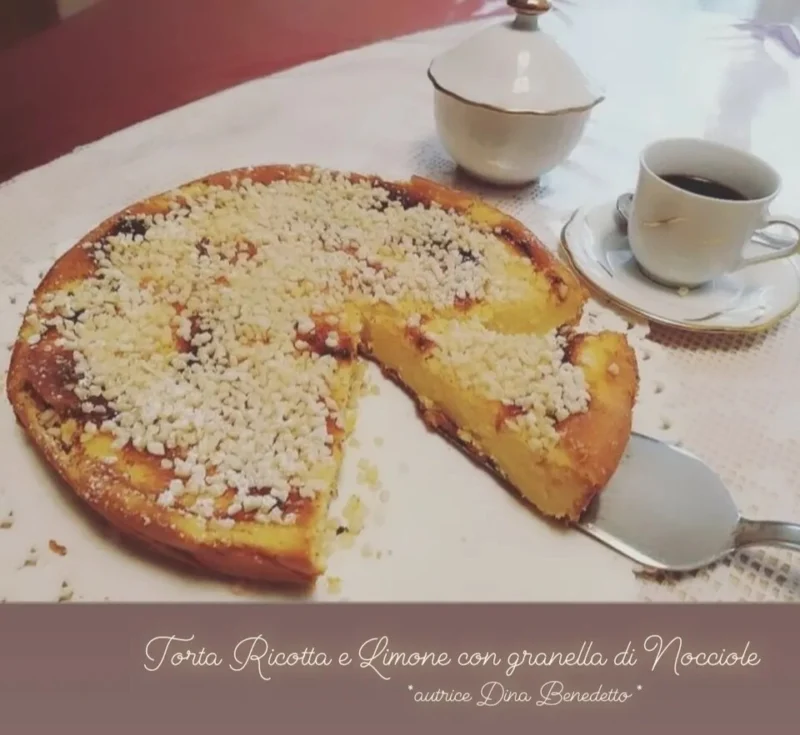
Torta di Ricotta
TOR-tah dee ree-KOHT-tah

Sweet pie with a velvety filling of ricotta cheese, eggs, and lemon zest.

Open Baked Cheese and Egg Pie recipe
Main course Vegetarian

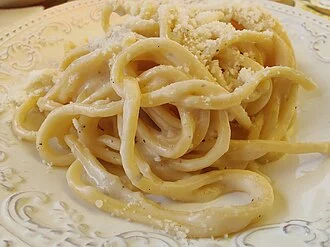
Cacio e Pepe

kah-choh eh peh-peh

A simple yet flavorful pasta dish with Pecorino Romano cheese and black pepper.

Open Cacio e Pepe recipe
Main course Vegetarian

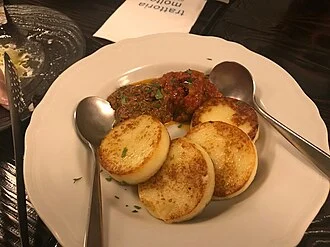
Gnocchi with semolina

Gnocchi alla Romana
NYOH-kee alla roh-MAH-nah

Semolina gnocchi baked with cheese and butter.

Open Gnocchi with semolina recipe
Dessert Vegetarian

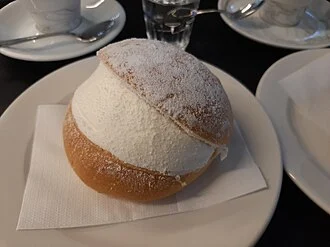
Maritozzo

mah-ree-TOH-tso

A soft Roman sweet bun filled with whipped cream, perfect for breakfast or dessert.

Open Maritozzo recipe
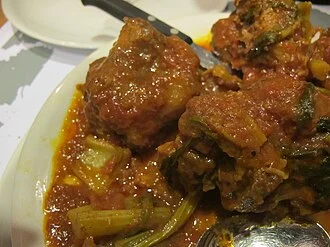
Main course Meat

Oxtail Stew

Coda alla Vaccinara
KOH-dah ahl-lah vak-chi-NAR-ah

A rich oxtail stew with tomatoes, celery, and spices.

Open Oxtail Stew recipe
Soup Vegetarian

Roman-Style Chickpea Soup

Pasta e Ceci
PAH-stah eh CHEH-chee

A comforting chickpea and pasta stew in a savory broth.

Open Roman-Style Chickpea Soup recipe
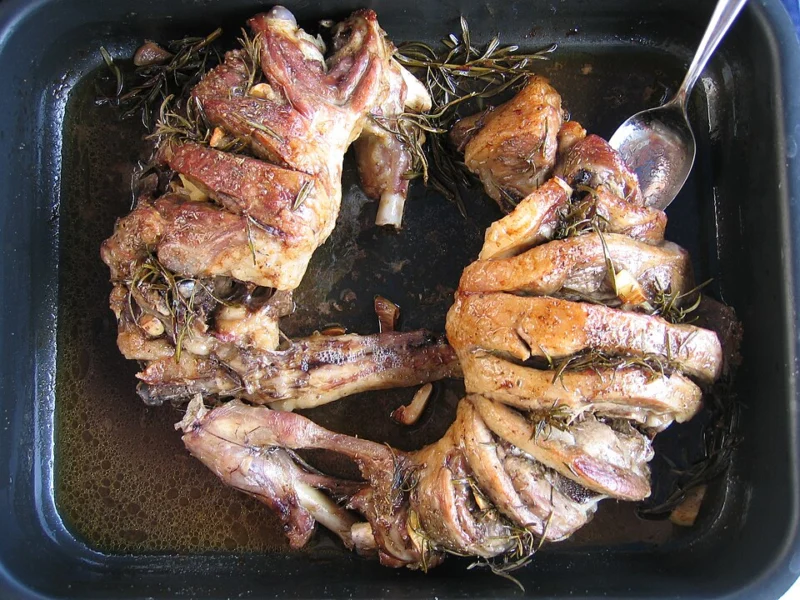
Roman-Style Lamb
Main course Meat

Roman-Style Lamb

Abbacchio alla Romana
ahb-BAH-kyoh ah-lah roh-MAH-nah

Tender, young lamb roasted and seasoned with rosemary and garlic.

Open Roman-Style Lamb recipe
Main course Meat

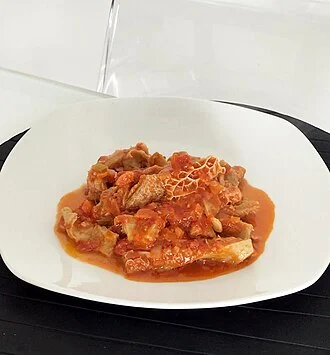
Roman-style Tripe

Trippa alla Romana
TREEP-pah ahl-lah roh-MAH-nah

A hearty tripe stew with tomatoes, Pecorino, and mint.

Open Roman-style Tripe recipe
Starter Vegetarian

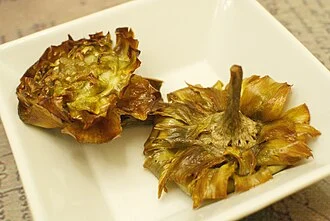
Roman-style fried artichokes

Carciofi alla Giudia
kar-CHO-fee alla JOO-dee-ah

Whole fried artichokes with a crispy exterior and tender heart.

Open Roman-style fried artichokes recipe
Main course Meat

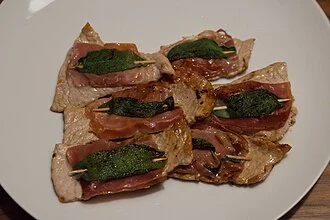
Saltimbocca

Saltimbocca alla Romana
SAHL-teen-BOHK-kah ah-lah roh-MAH-nah

Veal wrapped in prosciutto and sage, cooked in wine and butter.

Open Saltimbocca recipe
Main course Meat

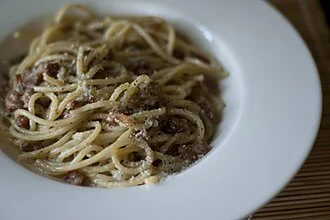
Spaghetti alla Gricia

spa-GET-tee ahl-lah GRI-cha

Pasta with guanciale, Pecorino Romano cheese, and black pepper.

Open Spaghetti alla Gricia recipe
Main course Vegan

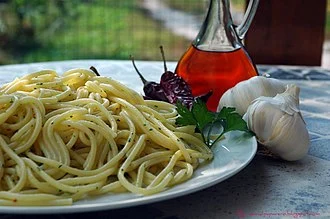
Spaghetti with Garlic and Olive Oil

Spaghetti aglio e olio
spah-GEH-tee AH-lyoh eh AW-lee-oh

A simple pasta with garlic, olive oil, and chili.

Open Spaghetti with Garlic and Olive Oil recipe
🐟
Snack Fish & Seafood

Stuffed Zucchini Flowers

Fiori di Zucca
FYOH-ree dee TSOO-kah

Delicate zucchini flowers stuffed with cheese and anchovies, then fried.

Open Stuffed Zucchini Flowers recipe
Snack Meat

Supplì

soo-PLEE

Fried rice balls filled with tomato, cheese, and meat.

Open Supplì recipe

Activities & Experiences

Things to Do in Rome

Top-rated tours, day trips and local experiences — book in advance to secure your spot.

City & Country Data Rome (Italy)

Key travel data for Rome — local prices, safety, healthcare, local currency and essentials, curated by Triplandio.

Safety 🔒 75
Health 🏥 85
Lifestyle ⭐ 69
Infra 🏗️ 74
Rank 🎯 #33
Score 📊 58
Tourists ✈️ 38.4M/y
GDP/cap 💵 $43.3k
Life Exp ❤️ 84.0 yrs
Population 👥 58.9M
Currency 💱 EUR €
Language 🗣️ Italian
Payments 💳 Cards OK
Emergency 🆘 112
Coffee ☕ $2.35
Beer 🍺 $5.89
Lunch 🍽️ $18.00
Groceries 🛒 $52.00/w
Taxi/km 🚕 $1.50
Transit 🚇 $1.50
Fuel ⛽ $1.70/l
Internet 📡 $27.95/m
Salary 💵 $2,116/m

Travel tipsRome (Italy)

Quick tips

  1. Buy Colosseum tickets only officially — Caution

    Touts around the Colosseum and the Vatican sell overpriced “skip-the-line” tickets and tours. Book time-slot tickets on the official websites in advance; popular slots sell out days ahead.

  2. Don't paddle in fountains or sit on monuments — Caution

    Many Italian cities, including Rome, Florence and Venice, fine visitors for bathing in public fountains, sitting on monument steps or eating next to major churches and historic buildings.

  3. Buying from street sellers is illegal — Caution

    In Italy it is an offence to buy from unlicensed street traders, such as sellers of fake designer bags laid out on blankets. Local police can stop and fine the buyer, not just the seller.

  4. Validate your ticket before you travel — Caution

    Paper bus, tram and regional train tickets in Italy must be stamped in the machine at the station or on board. Inspectors fine passengers on the spot for an unvalidated ticket, even if you bought it.

  5. Taking sand or shells is against the law — Caution

    Removing sand, shells or pebbles from Italian beaches is illegal and can mean a large fine, as can picking protected flowers and plants in the mountains. Leave them where they are.

  6. Pickpockets work the big sights — Caution

    Bag-snatching and pickpocketing are common at Italy's main tourist sites, stations, metros and busy buses. Keep bags zipped and in front of you, and don't carry all your cards and cash together.

  • Do
  • Say buongiorno when entering shops
  • Stamp paper tickets before boarding
  • Cover shoulders and knees in churches
  • Keep cash for the hotel tourist tax
  • Stand at the bar for cheaper coffee
  • Don’t
  • Wade or bathe in public fountains
  • Buy from unlicensed street sellers
  • Sit or eat on monument steps
  • Take sand or shells from beaches
  • Drive into a restricted town centre

Rome tips for ancient history lovers

Take the Forum from the top

Do the Palatine first, then walk down into the Forum along the Via Sacra past the Arch of Titus. Finish on the Capitoline, where the Tabularium inside the Capitoline Museums looks straight down the Forum.

Tip: Palatine, Forum, Capitoline

Go underground

Rome’s history is stacked in layers. Under San Clemente there is a 4th-century church and a Mithraic temple, and under Santi Giovanni e Paolo the Case Romane del Celio keep painted Roman rooms.

Tip: Churches on top of Roman houses

Walk the walls at San Giovanni

The Aurelian Walls from the 270s still run almost intact between Porta Maggiore and Porta San Giovanni. Walking beside them is free and takes about 15 minutes.

Tip: The 3rd-century walls, free

Add a day at Ostia Antica

Rome’s ancient port is a whole excavated town of streets, flats, baths and a theatre. The Roma–Lido train from Porta San Paolo gets you there in about half an hour.

Tip: Ostia Antica by train

Rome for ancient sites: FAQ

When is the best time to visit Rome?

The best time to visit Rome is July and June — fewer crowds, comfortable temperatures, less rain and more sunshine. Compare every month in the seasonal chart above.

Which area of Rome is best for visiting the ancient sites?

Stay by the Colosseum or on the Celio hill just behind it: the Colosseum, the Forum and the Palatine are all within a ten-minute walk. Choose Esquilino for better prices and the museums near Termini.

Which hotels are closest to the Colosseum?

Room Mate Collection Mia on Via Capo d’Africa and Hotel Celio are both a few minutes’ walk away on the Celio side. FH55 Grand Hotel Palatino on Via Cavour is a short walk downhill to the Imperial Fora.

How many days do I need for ancient Rome?

Three days is a good minimum: one for the Colosseum, Forum and Palatine, one for the Capitoline Museums and Palazzo Massimo, and one for the underground churches of the Celio and the Lateran.

Can I visit the underground of the Colosseum?

Yes. The hypogeum, the tunnels under the arena floor, is open on special tickets and guided visits with limited places. Book them as early as you can.

Is Esquilino a good base near Termini?

It is practical and cheaper than the centre, with the Palazzo Massimo museum and Santa Maria Maggiore on the doorstep. The streets right around the station are busy and scruffy at night, so pick a hotel on a main street.

Which museums are best for ancient Rome besides the Colosseum?

The Capitoline Museums on the Capitoline Hill and Palazzo Massimo, part of the National Roman Museum near Termini, with its frescoes from the Villa of Livia.

Rome for ancient history lovers

★ For history lovers
Ancient Rome is not one site but a whole landscape of hills, gates and churches built on top of temples. This guide picks four areas around it — the Colosseum and Forum, the Lateran and the city walls at San Giovanni, the quiet Celio hill and the Esquiline — with a walking day, the sights worth your time and a hotel in each.
  • Walk to the Colosseum and Forum
  • Underground Rome
  • Early-morning timings
  • Updated 2026
Europe — Italy — Rome — Where to Stay in Rome to Explore Ancient History
keyboard_arrow_up