

Porta Romana
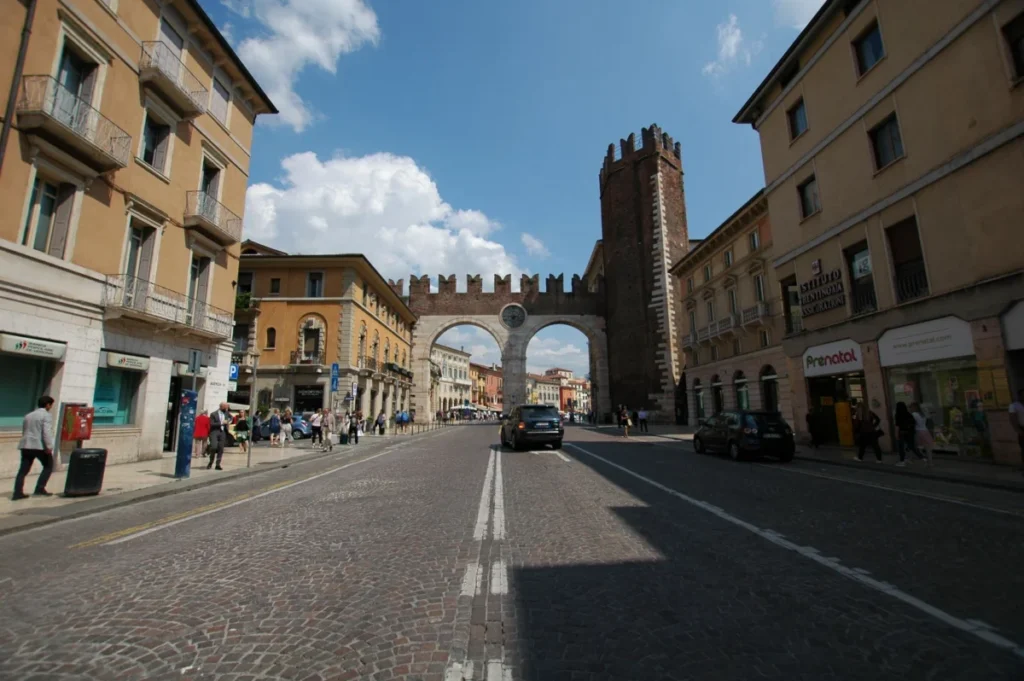
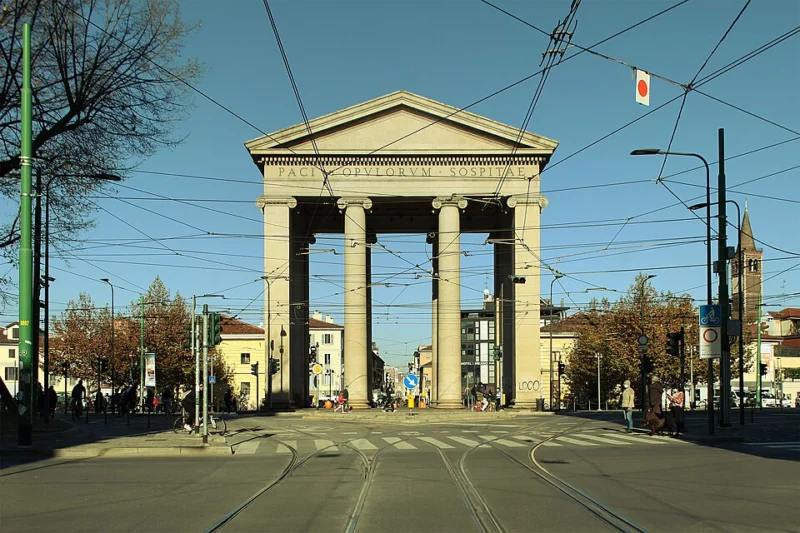
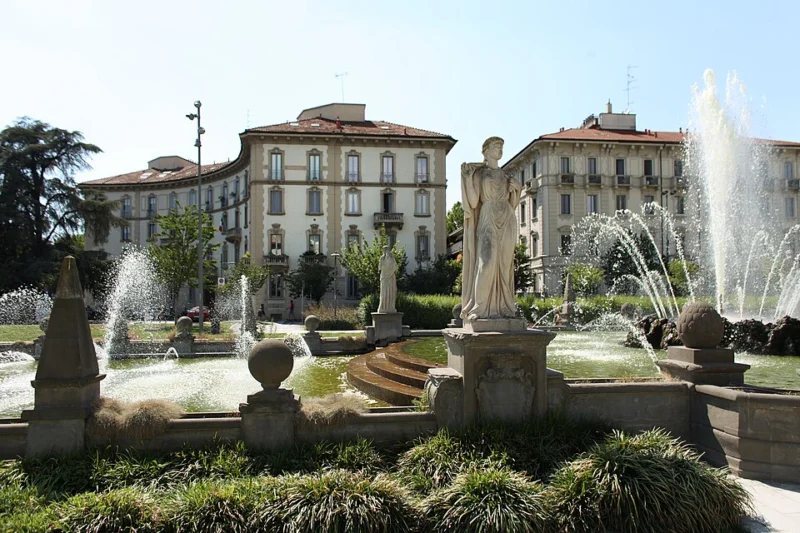
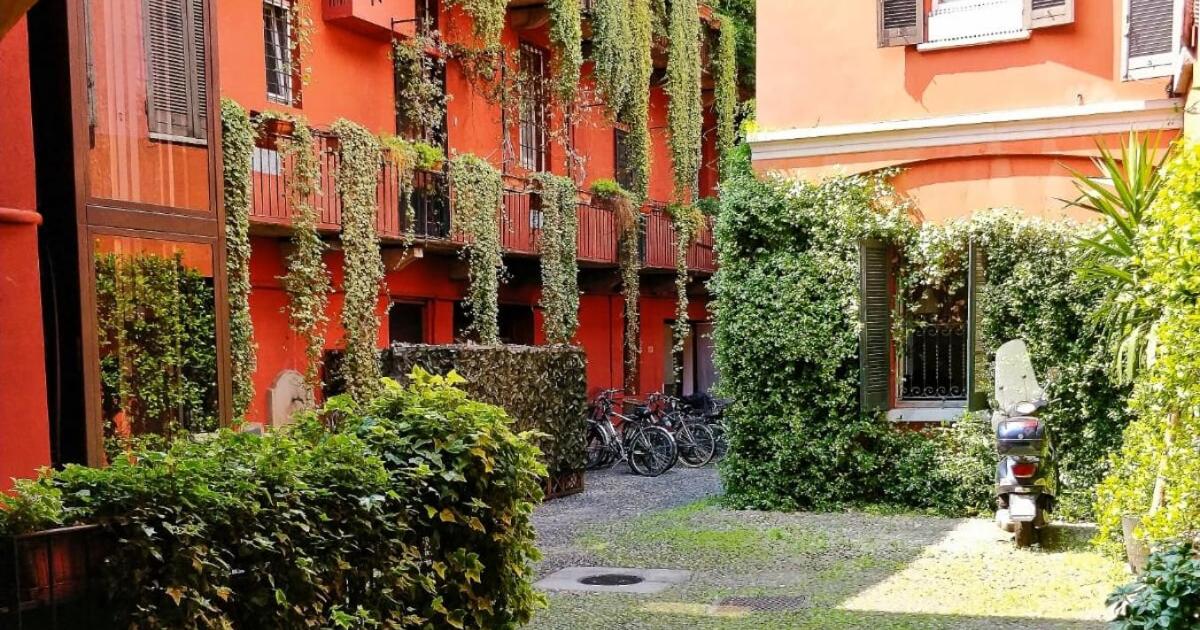
Porta Romana is where I'd stay if I wanted to be close to the centre without paying centre prices. The area grew up around the Arco di Porta Romana, the old city gate, and today it's a mix of residential streets, small shops and offices. A short walk away, the Rotonda della Besana and the Giardino della Guastalla give you two of the calmest free spots in Milan.
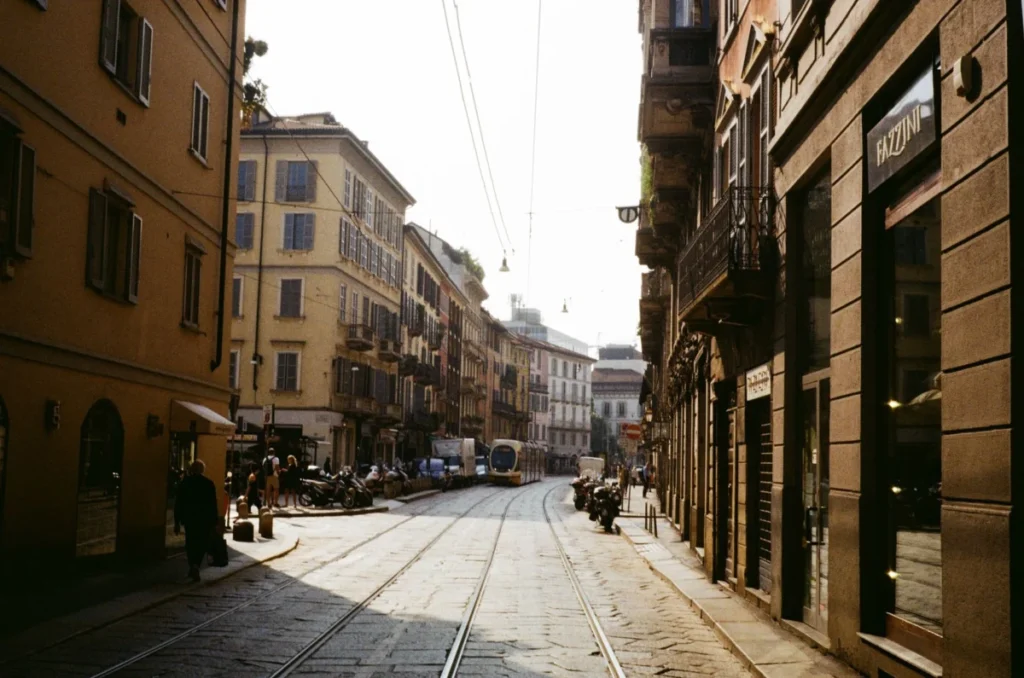
In the morning, pick up fruit, bread and cheese at the Mercato di Campagna Amica di Porta Romana, the farmers' market, and you've got breakfast and lunch sorted. In the evening, the streets around Corso di Porta Romana fill with locals heading home, and Lacerba on Via Orti is a good spot for a drink in an arty setting. The M3 metro gets you to the Duomo in a few stops.
The honest downside: Porta Romana is more residential than lively, so there's not much going on late at night, and the Fondazione Prada and the best canal bars are a walk or ride away.
Local picks
For Budget- 1Morning marketMercato di Campagna Amica di Porta RomanaStart at the farmers' market and stock up on fruit, bread and cheese for the day. It's the cheapest way to eat well in this part of town.
- 2Free sightArco di Porta RomanaWalk up to the old city gate that gave the area its name. It dates from the 16th-century Spanish walls and costs nothing to see.
- 3Free courtyardRotonda della BesanaHead north to this late Baroque former cemetery, where a ring of colonnades encloses a garden. Sit in the courtyard for a while; it's one of the quietest spots near the centre.
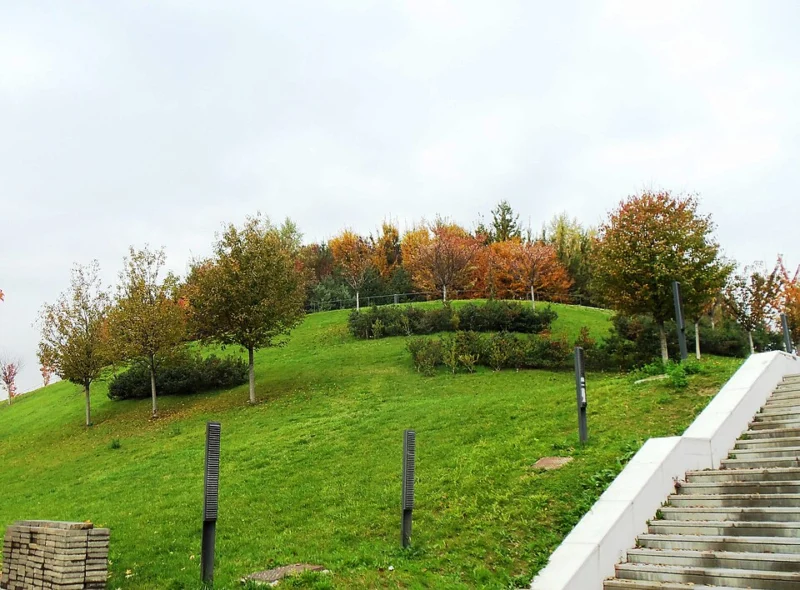
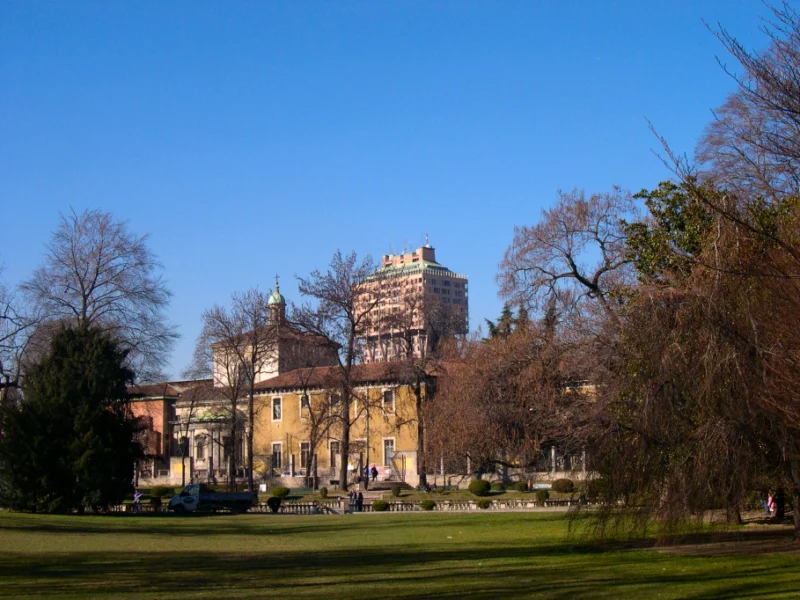 4Picnic stopGiardino della GuastallaFinish in this historic garden with its Baroque pond and eat what you bought at the market. Lunch on a bench here beats any café bill.
- Getting aroundMetro M3 at Porta RomanaThe M3 stop at Porta Romana takes you to the Duomo in a few stops. Inside the area everything on this walk is reachable on foot.
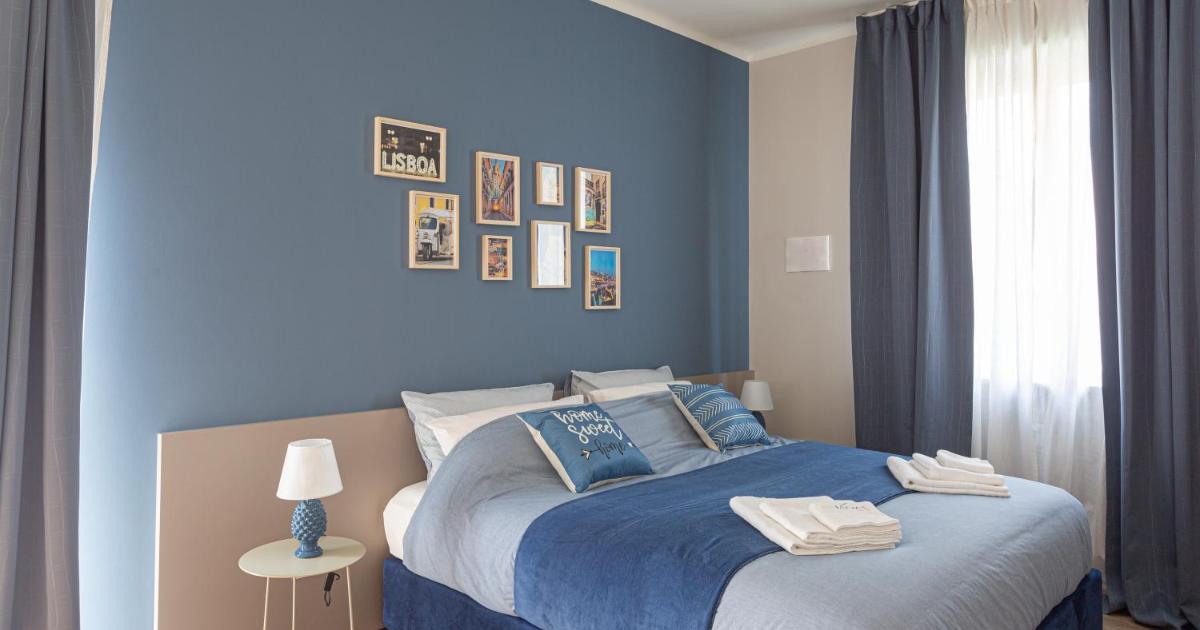
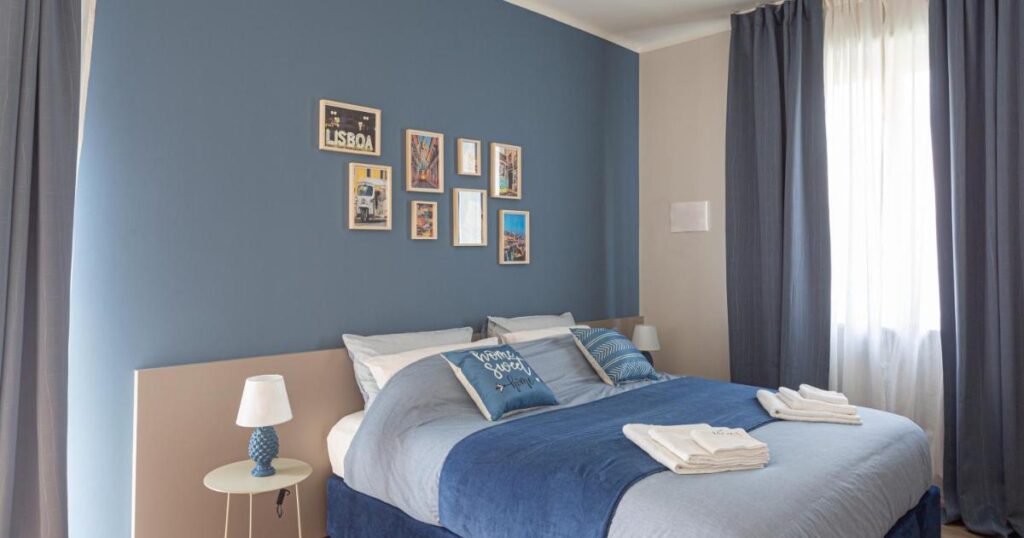
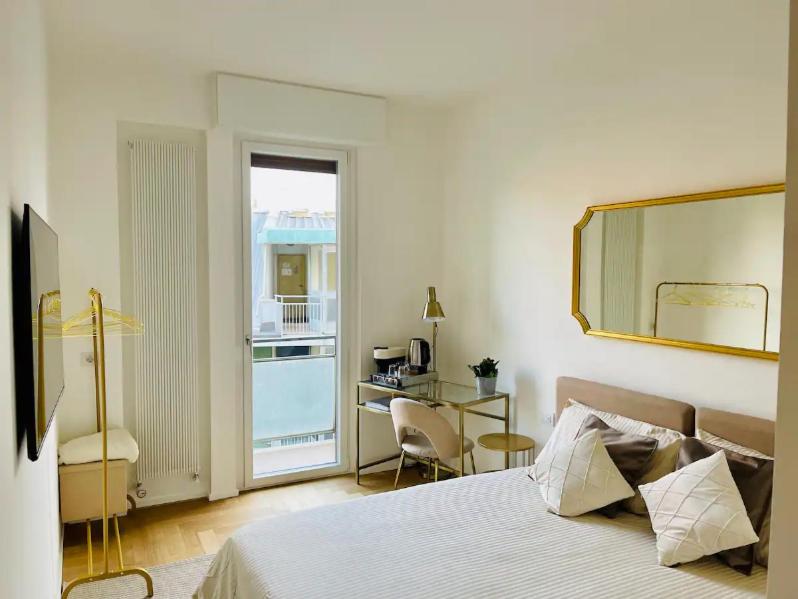
- Where to stayLook for small apartments and studios on the residential streets around Viale Emilio Caldara, ideally with a kitchenette. Being a few minutes from the M3 matters more than being on the main Corso.
Did you know?
| A gate with Roman roots The current Porta Romana dates from the 16th-century Spanish walls, but its origins go back to a Roman gate in roughly the same spot. |
| A cemetery turned garden The Rotonda della Besana is a late Baroque complex built between 1695 and 1732 as a cemetery, with a colonnade wrapped around a garden. |
| An opera house on the Corso Teatro Carcano at 63 Corso di Porta Romana was an opera house for much of the 19th century and saw several important premieres. |