Explore Guides
EUROPE / ITALY
Triplandio Milan guide covers 12 travel guides across 31 areas, complete with hotel picks. Explore 48 self-guided walking tours in Milan with 156 POI, spanning 126.8 km in total. Get inspired by 22 local dishes, complete with recipes and our unique Food Flavour DNA graph.
Milan
City & Country Data Milan (Italy)

Key travel data for Milan — local prices, safety, healthcare, local currency and essentials, curated by Triplandio.
🌍 Italy
Safety
75
Health
85
Lifestyle
69
Infra
74
Rank
#33
Score
58
Tourists
38.4M/y
GDP/cap
$43.3k
Life Exp
84.0 yrs
Population
58.9M
Currency
EUR €
Language
Italian
Payments
Cards OK
Emergency
112
💰 Prices in Milan
Coffee
$2.10
Beer
$6.00
Lunch
$20.00
Groceries
$50.00/w
Taxi/km
$2.50
Transit
$2.20
Fuel
$1.76/l
Internet
$40.00/m
Salary
$2,645/m
Travel tipsMilan (Italy)

Quick tips
- Don't paddle in fountains or sit on monuments — Caution
Many Italian cities, including Rome, Florence and Venice, fine visitors for bathing in public fountains, sitting on monument steps or eating next to major churches and historic buildings.
- Buying from street sellers is illegal — Caution
In Italy it is an offence to buy from unlicensed street traders, such as sellers of fake designer bags laid out on blankets. Local police can stop and fine the buyer, not just the seller.
- Validate your ticket before you travel — Caution
Paper bus, tram and regional train tickets in Italy must be stamped in the machine at the station or on board. Inspectors fine passengers on the spot for an unvalidated ticket, even if you bought it.
- Taking sand or shells is against the law — Caution
Removing sand, shells or pebbles from Italian beaches is illegal and can mean a large fine, as can picking protected flowers and plants in the mountains. Leave them where they are.
- Pickpockets work the big sights — Caution
Bag-snatching and pickpocketing are common at Italy's main tourist sites, stations, metros and busy buses. Keep bags zipped and in front of you, and don't carry all your cards and cash together.
- Do
- Say buongiorno when entering shops
- Stamp paper tickets before boarding
- Cover shoulders and knees in churches
- Keep cash for the hotel tourist tax
- Stand at the bar for cheaper coffee
- Don’t
- Wade or bathe in public fountains
- Buy from unlicensed street sellers
- Sit or eat on monument steps
- Take sand or shells from beaches
- Drive into a restricted town centre
Critical
Prison or heavy penalty possible
Laws & fines
- Drug laws are strict — Critical
Illegal drugs, including cannabis, carry severe penalties in Italy: expect a long jail sentence and heavy fines for possessing, using or smuggling them, also when only transiting through an airport.
Entry & visa
- Overstaying brings a ban — Critical
Staying longer than your 90-day visa-free limit can get you banned from all Schengen countries for up to 3 years.
Beaches & adventure
- Off-piste needs avalanche gear — Critical
Skiers going off-piste in Italy must by law carry an avalanche transceiver, a snow probe and a shovel. Go with a qualified guide and check the avalanche forecast first.
Caution
Fines, losses or injury possible
Scams & safety
- Bracelet and pigeon-seed hustlers — Caution
In Piazza del Duomo, men tie a string bracelet on your wrist or drop pigeon seed into your hand, then demand money. Keep your hands in your pockets and walk away.
- Pickpockets on the metro — Caution
Pickpockets work Milan's crowded metro trains and stations, especially around Duomo and Centrale. Keep phones and wallets out of back pockets and open bags.
- Unwanted help at ticket machines — Caution
At Milano Centrale, strangers offer to help at ticket machines or carry bags, then ask for money or watch you type your card code. Use the machines alone or buy tickets in the official app.
Laws & fines
- Public urination can cost thousands — Caution
Urinating in a public place in Italy can bring a fine of up to 10,000 euros. Use the toilets in cafés, stations or museums instead.
- Capri bans disposable plastic — Caution
On the island of Capri you must not use or bring any disposable plastic items, such as bags, cutlery, cups, straws or food packaging. The fine is up to 500 euros.
- Don't write on or damage monuments — Caution
Scratching names into walls, adding graffiti or otherwise defacing historic monuments is an offence in Italy and is actively prosecuted, especially at famous sites.
- Use the pedestrian crossing — Caution
In Italy you can be fined for crossing the road within 100 metres of a pedestrian crossing without using it. Take care even on green: drivers don't always stop, and cars turning right may cross your path.
Entry & visa
- No meat or dairy from outside the EU — Caution
You can't bring meat, milk or products containing them into Italy from outside the EU, apart from exceptions such as baby milk. Declare cash of 10,000 euros or more on arrival.
Beaches & adventure
- Red flag means stay out — Caution
Many Italian beaches use flags: a red flag means you must not enter the water. Don't dive into unknown water, as hidden rocks and shallows cause serious injuries.
- Lakes are colder than they look — Caution
Italy's mountain and northern lakes can cause cold water shock even in summer, which can overwhelm strong swimmers. Test the temperature and get in slowly.
- Ski helmets are compulsory — Caution
Since 1 November 2025, everyone skiing, snowboarding or sledging at an Italian ski resort must wear a certified helmet, whatever their age. The fine is up to 200 euros plus a ski pass suspension of up to 3 days.
- Summer wildfires spread fast — Caution
Wildfires are a risk across Italy through the long summer and can move unpredictably. Take care in woodland, check local alerts before travelling to affected areas, and report any fire on 112.
Good to know
Rules and useful facts
Scams & safety
- Travel advisory: Level 2 of 4 — Good to know
Exercise Increased Caution — the U.S. State Department's rating for Italy.
- Centrale station area at night — Good to know
The area around Milano Centrale station and its gardens has more petty crime after dark. Keep valuables out of sight and take a taxi late at night.
Laws & fines
- Always carry photo ID — Good to know
Italian police can stop you at any time for an identity check. Carry your passport or other photo ID with you; if you are stopped while driving, police normally ask for the full passport.
- Hotels must register your passport — Good to know
Italian hotels are legally required to record your passport details for the police. Wait while they do it at check-in rather than leaving your passport to collect later.
- Avoid demonstrations — Good to know
Protests and strikes can start with little warning in Italian cities and can disrupt transport. Keep away from marches and political gatherings, and check for announced transport strikes (sciopero) before travel days.
Tipping & money
- Keep cash for the tourist tax — Good to know
Many Italian cities charge a nightly tourist tax that is usually not included in your booking. Hotels often ask for it in cash at check-in or check-out; ask for a receipt.
Entry & visa
- Schengen rules: 90 days in 180 — Good to know
Italy is in the Schengen area. Visitors from visa-free countries, including the UK, USA, Canada and Australia, can stay up to 90 days in any 180-day period, counting all Schengen countries together.
- Check your passport dates — Good to know
For UK passports, the Schengen area requires an issue date less than 10 years before you arrive and an expiry date at least 3 months after you leave. Other nationalities should check the rule for their passport.
- Fingerprints at the border — Good to know
The EU's Entry/Exit System (EES) now records fingerprints and a photo of non-EU visitors at the Schengen border instead of passport stamps. It is free but can mean longer queues, so allow extra time.
- Be ready to show your plans — Good to know
Italian border officers may ask for a hotel booking, travel insurance, a return or onward ticket and proof that you have enough money for your stay.
Health
- Emergency numbers are 112 and 118 — Good to know
In Italy, dial 118 for an ambulance or 112 for any emergency service. Contact your insurer quickly if you are sent to a hospital.
- Tap water is safe to drink — Good to know
Tap water across Italy is generally safe, and many towns have free public drinking fountains. Don't drink from taps or fountains marked “acqua non potabile” (not drinking water).
- Bring your health insurance card — Good to know
EU visitors need a European Health Insurance Card (EHIC) and UK visitors a Global Health Insurance Card (GHIC) for state healthcare in Italy. Neither replaces travel insurance, so take out a policy as well.
- Mosquitoes and ticks — Good to know
Mosquitoes in Italy can spread dengue and West Nile virus, and ticks live in woods and long grass. Use repellent in summer and check your skin after hikes.
- Summer heatwaves — Good to know
Italian summers bring frequent heatwaves, especially in cities and the south. Sightsee early and late, drink plenty of water and rest in the shade at midday.
Beaches & adventure
- Ski insurance is required by law — Good to know
Third-party liability insurance is compulsory on Italian ski slopes; you can buy it with your ski pass. Skiing under the influence of alcohol or drugs is illegal.
- Italy has active volcanoes — Good to know
Mount Etna in Sicily and the Phlegraean Fields (Campi Flegrei) near Naples are active, and tremors are common. Follow local instructions on closed areas, and check flights at Catania airport during eruptions.
- Hike prepared in the Alps — Good to know
In the Alps and Dolomites, weather changes fast and altitude sickness is possible. Check the forecast and insurance for helicopter rescue. Trentino has brown bears, so read the local bear advice. Call 112 if lost.
Local tips
Local know-how
Getting around
- Malpensa (MXP) by train — Local tip
The Malpensa Express runs from Milan's main airport to Cadorna or Centrale stations in about 40–50 minutes, for about 13 euros.
- Linate (LIN) by metro — Local tip
Linate, Milan's city airport, is linked to the centre by the M4 metro line, reaching San Babila near the Duomo in about 15 minutes.
- Bergamo airport (BGY) — Local tip
Budget flights often land at Bergamo Orio al Serio. Direct buses reach Milano Centrale in about an hour, depending on traffic.
- Tap in and out on the metro — Local tip
Milan's metro accepts contactless bank cards at the gates. Tap the same card when you enter and when you leave so you pay the correct fare.
- Taxis from ranks or apps — Local tip
Milan taxis are white and don't usually stop when hailed. Use a rank or book a licensed taxi through a taxi app.
Customs
- Cover shoulders and knees in churches — Local tip
Churches across Italy, including St Peter's Basilica in Vatican City, expect covered shoulders and knees and may refuse entry in shorts or sleeveless tops. Carry a light scarf to cover up.
- Greet people when you walk in — Local tip
Say “buongiorno” (good morning) or “buonasera” (good evening) when entering a shop, bar or small restaurant in Italy, and “arrivederci” (goodbye) when leaving. Walking in silently comes across as rude.
- Italians eat late — Local tip
In Italy lunch usually runs from about 12:30 to 14:30 and dinner starts from about 19:30, later in the south. Many restaurants close their kitchens in between, so plan snacks for the afternoon.
- Afternoon closing in small towns — Local tip
Outside the big cities, many Italian shops, pharmacies and churches close for a long lunch break in the early afternoon and reopen in the late afternoon. Check opening times before you set off.
- Don't handle fruit at market stalls — Local tip
At Italian markets and greengrocers the seller usually picks the produce for you. Point to what you want instead of touching it, unless gloves or baskets are provided for self-service.
Tipping & money
- The cover charge is normal — Local tip
Many Italian restaurants add a per-person cover charge (coperto) for bread and table service. It is legal as long as it is shown on the menu, and it is not a tip.
- Tipping is small and optional — Local tip
Tipping is not expected in Italy. If no service charge (servizio) is on the bill, rounding up or leaving a few euros for good service is plenty.
- Coffee at the counter is cheaper — Local tip
In Italian bars, a coffee drunk standing at the counter (al banco) costs less than the same coffee served at a table, where table service is added.
- Use bank cash machines and pay in euros — Local tip
Withdraw cash from bank ATMs (called Bancomat) rather than independent machines, which often charge higher fees. When a machine or card terminal offers to charge in your home currency, choose euros.
- Prices are fixed in shops — Local tip
Bargaining is not usual in Italian shops or restaurants. At flea markets and antique fairs you can politely ask for a discount, especially when buying several items.
Health
- Pharmacies have a green cross — Local tip
Italian pharmacies, marked by a green cross, sell most everyday medicines over the counter. Foreign prescriptions are not accepted, but a pharmacist may sell you an equivalent or send you to a local doctor.
Say it locally
Use “buongiorno” or “buonasera” with strangers and staff; “ciao” is for friends.
Through the year
Festival or season Public holiday (exact date)
- Truffle and harvest season
Oct–Nov 2026 · Autumn brings grape and olive harvests and the white truffle fair in Alba, Piedmont, with food festivals across the countryside.
- Christmas markets
Nov–Dec 2026 · The best-known Christmas markets are in the north, in South Tyrol and Trentino, around Bolzano, Merano and Trento.
- All Saints' Day
Mon 1 Nov 2027 · Public holiday
- Ski season
Dec 2026–Apr 2027 · Resorts in the Alps and Dolomites are open roughly December to April; school holidays and February are the busiest weeks.
- Feast of the Immaculate Conception
Tue 8 Dec 2026 · Public holiday
- Christmas Day
Fri 25 Dec 2026 · Public holiday
- St. Stephen's Day
Sat 26 Dec 2026 · Public holiday
- New Year's Day
Fri 1 Jan 2027 · Public holiday
- Epiphany
Wed 6 Jan 2027 · Public holiday
- Fashion weeks
Feb 2027, Sep 2027 · Women's fashion weeks in February and September push hotel prices up and book out central rooms.
- Easter and Holy Week
Mar–Apr 2027 · Rome and the Vatican are packed around Easter, and towns in Sicily and the south hold religious processions. Book rooms early.
- Easter Sunday
Sun 28 Mar 2027 · Public holiday
- Easter Monday
Mon 29 Mar 2027 · Public holiday
- Milan Design Week
Apr 2027 · The Salone del Mobile furniture fair and city-wide design events fill hotels in April; book very early.
- Liberation Day
Sun 25 Apr 2027 · Public holiday
- Labor Day
Sat 1 May 2027 · Public holiday
- Peak season and heat
Jun–Aug 2027 · Summer brings the biggest crowds, the highest prices and frequent heatwaves, especially in the cities and the south.
- Republic Day
Wed 2 Jun 2027 · Public holiday
- Palio di Siena
Jul–Aug 2027 · Siena's bareback horse race around Piazza del Campo is run on 2 July and 16 August; the town fills up for days around it.
- August holidays
Aug 2027 · Around mid-August many family-run shops and restaurants in Italian cities close for a week or two, while beaches and resorts are at their busiest.
- Assumption of Mary
Sun 15 Aug 2027 · Public holiday
- Feast of St Francis of Assisi
Mon 4 Oct 2027 · Public holiday
Sources: GOV.UK travel advice · U.S. State Dept · Google public holidays
Best time to visit Milan (Italy)
Now (November) avg high: 12°C, mostly dry, full season — expect crowds. Best months to walk: Nov & Apr.
Live Temp
…
~Day / Night Temp
12°C / 5°C
Sunrise / Sunset
8:13 / 18:02
Local time
20:36
Best Months  Nov & Apr
J
Jan
F
Feb
M
Mar
A
Apr
M
May
J
Jun
J
Jul
A
Aug
S
Sep
O
Oct
N
Nov
 D
Dec
M
May
J
Jun
J
Jul
A
Aug
S
Sep
O
Oct
N
Nov
D
Dec
Check Milan hotels
Temperature
Average daytime high, month by month. Zero line marks freezing point.
Crowds
How busy it gets — traveller interest by month.
Rainfall
Rainy days to expect each month.
Sunshine
Hours of sun per day, by month.
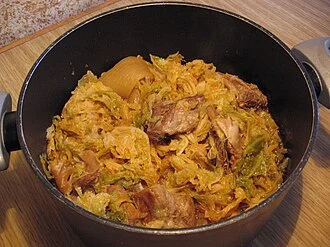
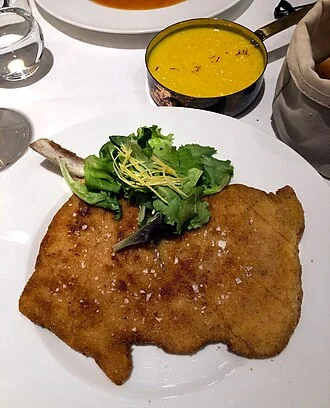
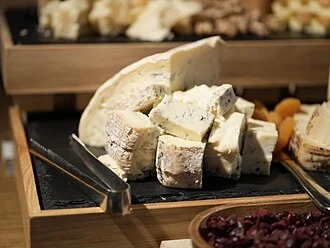
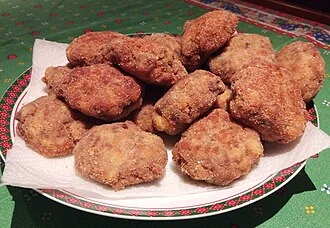
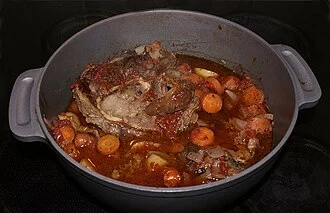
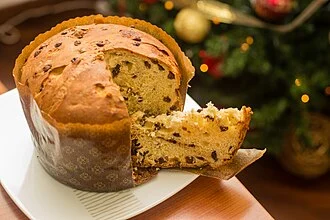
A robust winter stew with pork and cabbage. A breaded and fried veal cutlet, emblematic of Milanese cuisine. A veined blue cheese with a strong aroma and sharp flavor. Rich and creamy risotto featuring the distinctive flavor of Gorgonzola cheese. Branch-style fried meatballs typical of Milan. A rich and hearty braised veal shank dish garnished with gremolata. A sweet bread loaf filled with candied fruits.
Traditional Local Food
Milan (Italy)
Main course
Meat
Cassoeula
kah-su-EH-lah
Main course
Meat
Cotoletta Milanese
Cotoletta alla Milanese
koh-toh-LEHT-tah ah-lah mee-lah-NEH-seh
Starter
Vegetarian
Gorgonzola Cheese
Gorgonzola
Gor-gon-ZOH-lah
🌿
Main course
Vegetarian
Gorgonzola Risotto
Risotto al Gorgonzola
Ree-ZOT-toh al Gor-GON-zoh-lah
Main course
Meat
Milanese Mince
Mondeghili
mon-deh-ghee-lee
Main course
Meat
Osso Buco
Ossobuco
OS-soh BOO-koh
Dessert
Vegetarian
Panettone
pah-net-TOH-nay