
Written for people who read the wall labels: museums, churches, historic hotels and where to eat between them. Updated 2026.

Discover Florence’s Best Stays for History Buffs

Where to stay in Florence if you came for the history: four quarters, each with its own museums, churches and stories.

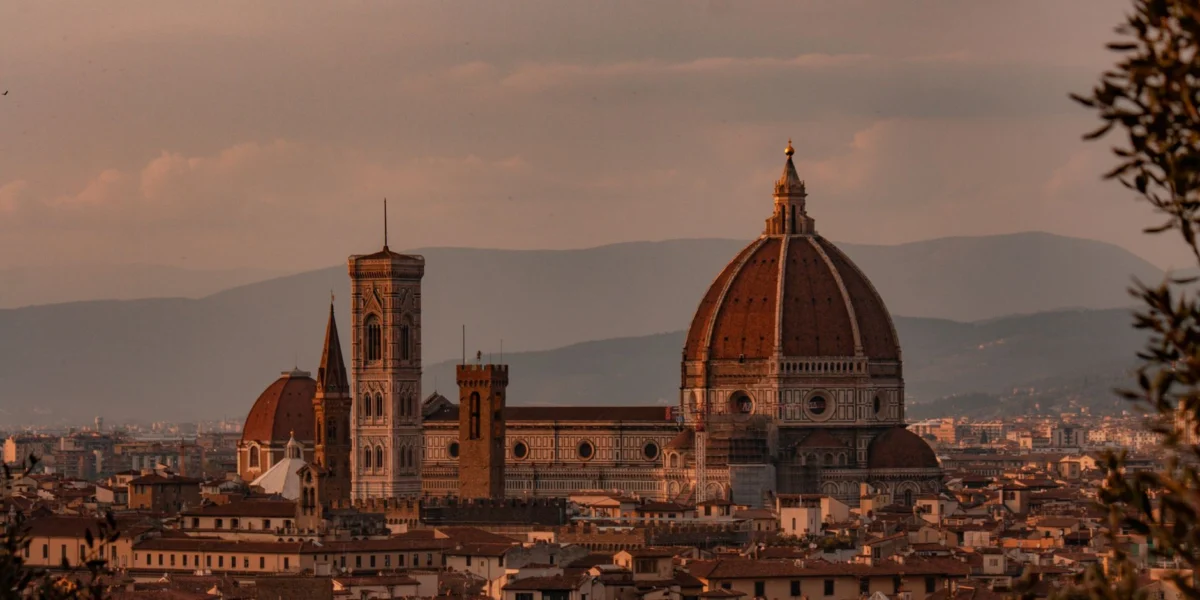
Florence's stunning Duomo at sunset
At a Glance
Country Italy
City Florence
Day / Night 15° / 6°
Local Time 14:37
November — Now Peak season
Best Months Jul · Jun

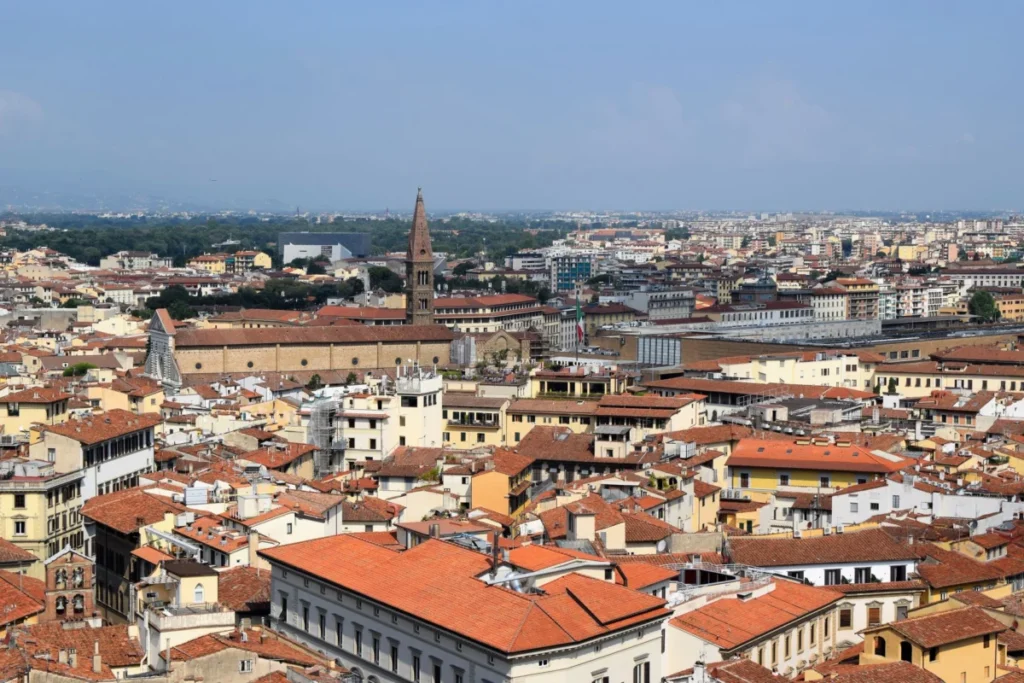
Florence packs more Renaissance into a square mile than anywhere else, but where you sleep decides what you see first each morning. This guide picks four quarters for history lovers: the cathedral and Medici streets, Santa Croce with Dante and Michelangelo, artisan San Frediano across the river and medieval San Niccolò under the hills. Each comes with a walk through its museums and churches, a place to eat and hotels nearby.

Our favourite Florence hotels for history lovers

Best overall
⭐ 9.3
Brunelleschi Hotel

Brunelleschi Hotel

A hotel on tiny Piazza Sant'Elisabetta built around the Torre della Pagliazza, a round tower from the 6th or 7th century that stands on the remains of a Roman bath. Finds from the excavation are shown in a small museum at the base of the tower. The cathedral is a two-minute walk away.

Central location
⭐ 9.4
Rocco Forte Hotel Savoy

Rocco Forte Hotel Savoy

A grand hotel in an 1898 building on Piazza della Repubblica, on the site where the first houses of the Medici family once stood. The square itself was laid out over the old market and ghetto in the 1880s and 1890s. The Duomo, Orsanmichele and the Uffizi are all within a ten-minute walk.

Top pick
⭐ 9.1
Hotel degli Orafi

Hotel degli Orafi

A boutique hotel on Lungarno degli Archibusieri, right beside the Uffizi and a short walk from the Ponte Vecchio. You can be in the Uffizi queue for the first slot of the day within minutes, and Santa Croce is about ten minutes east along the river.

Which Florence do you want to wake up in?

Pick the period and the pace you want, and we will show you the quarter.

Best choice: Santa Maria del Fiore

Best for: Duomo and Medici

Best choice: Santa Croce

Best for: Dante and Michelangelo

Best choice: San Frediano

Best for: Masaccio and artisans

Best choice: Quartiere di San Niccolò

Best for: Medieval quarter and hills

Best hotels in Florence for history lovers

From a hotel built around a 6th-century tower to small flats in the old artisan streets, all within walking distance of the museums.

Rocco Forte Hotel Savoy
Central location
⭐ 9.4 Outstanding
120 reviews

Rocco Forte Hotel Savoy

Santa Maria del Fiore • Grand 1898 building • Piazza della Repubblica

A grand hotel in an 1898 building on Piazza della Repubblica, on the site where the first houses of the Medici family once stood. The square itself was laid out over the old market and ghetto in the 1880s and 1890s. The Duomo, Orsanmichele and the Uffizi are all within a ten-minute walk.

  • 1898 building on Piazza della Repubblica
  • On the site of early Medici houses
  • Ten minutes on foot to the main museums
Hotel degli Orafi
Top pick
⭐ 9.1 Outstanding
2120 reviews

Hotel degli Orafi

Santa Croce • On the Arno • Next to the Uffizi

A boutique hotel on Lungarno degli Archibusieri, right beside the Uffizi and a short walk from the Ponte Vecchio. You can be in the Uffizi queue for the first slot of the day within minutes, and Santa Croce is about ten minutes east along the river.

  • Next to the Uffizi
  • On the Arno embankment
  • Short walk to the Ponte Vecchio
San Firenze Suites & Spa
Smart choice
⭐ 9.3 Outstanding
538 reviews

San Firenze Suites & Spa

Santa Croce • Suites • Between the Bargello and Piazza della Signoria

Suites on Via della Condotta, in the medieval streets between Piazza della Signoria and the Bargello. Dante's house, the Badia Fiorentina and Palazzo Vecchio are all within five minutes on foot. The spa in its name is worth checking in advance if it matters to you.

  • In the medieval streets near the Bargello
  • Five minutes to Palazzo Vecchio
  • Suites rather than standard rooms
Tommy House San Frediano
Central location
⭐ 9.0 Outstanding
57 reviews

Tommy House San Frediano

San Frediano • Guesthouse • Artisan streets

A small, highly rated place to stay in San Frediano, the old artisan quarter across the Arno. You are a short walk from the Brancacci Chapel and Santo Spirito, and about fifteen minutes on foot from the Ponte Vecchio.

  • Near the Brancacci Chapel
  • Highly rated by guests
  • Quiet side of the river
Serragli Flat Firenze by Charming Italy Tour
Walkable area
⭐ 9.2 Outstanding
29 reviews

Serragli Flat Firenze by Charming Italy Tour

San Frediano • Apartment • Via dei Serragli

A self-catering flat on Via dei Serragli, the long street that links San Frediano and Santo Spirito. Good for a longer stay: you can walk to Santo Spirito, the Carmine and Palazzo Pitti, and shop at the local markets.

  • Self-catering flat
  • Walk to Santo Spirito and the Carmine
  • Good for longer stays
Numa Florence Palazzo San Niccolò
Editor’s choice
⭐ 8.6 Excellent
1091 reviews

Numa Florence Palazzo San Niccolò

Quartiere di San Niccolò • Apartment-hotel • Under the hills

An apartment-style stay in San Niccolò, the small medieval quarter between the river and the hill of San Miniato. The path up to San Miniato al Monte starts in the quarter, and the Ponte Vecchio is about ten to fifteen minutes on foot.

  • Medieval quarter under the hills
  • Walk up to San Miniato
  • Ten minutes to the Ponte Vecchio
32 nero - Florence Apartment San Niccolò
Walkable area
⭐ 8.7 Excellent
82 reviews

32 nero - Florence Apartment San Niccolò

Quartiere di San Niccolò • Apartment • Medieval street

A small apartment in San Niccolò, a quarter where the 14th-century Porta San Niccolò tower and the ramps up to Piazzale Michelangelo are never far away. Expect an old building, so check for stairs and lift before you book.

  • In medieval San Niccolò
  • Self-catering apartment
  • Walk to the Bardini museum and garden

How we choose

We start with location: how many museums, churches and old streets you can reach on foot. Then we look at the building itself and at guest ratings.

The best areas to stay in Florence for history lovers

Four quarters, four chapters of Florentine history, each with a walk from the first museum of the morning to dinner.

Santa Maria del Fiore

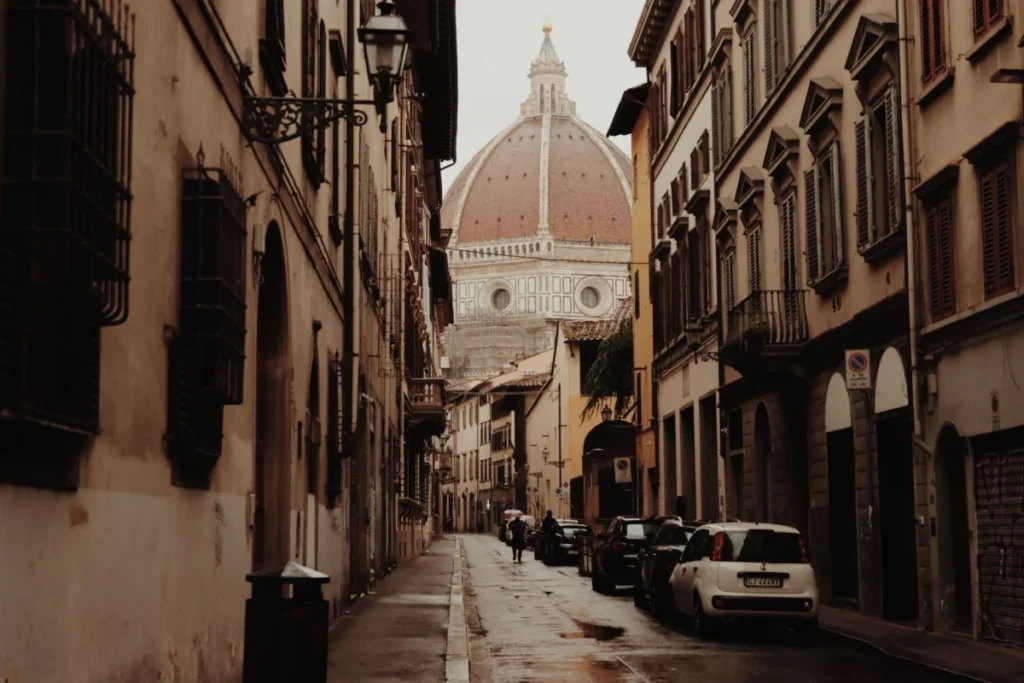
This is the Florence of the Medici and of Brunelleschi, packed into a few streets around the cathedral. People who live here are shopkeepers, students and families above the shops, and from early morning the square fills with visitors queuing for the Duomo. Stay here and the cathedral, the Baptistery, San Lorenzo and the Accademia are all within ten minutes on foot.

For a history lover the trick is the order of the day. Climb the dome in the first slot, then see the originals in the Opera del Duomo Museum, where the Baptistery doors and Brunelleschi's wooden model are kept. In the afternoon walk north to the Medici palace and San Lorenzo, where the family is buried, and finish at an old trattoria by the San Lorenzo market.

The honest downside: this is the busiest part of Florence, the streets are loud with groups until early evening, and rooms facing the cathedral cost more. Ask for a room on a courtyard.

Local picks

For Culture & History
  • 1
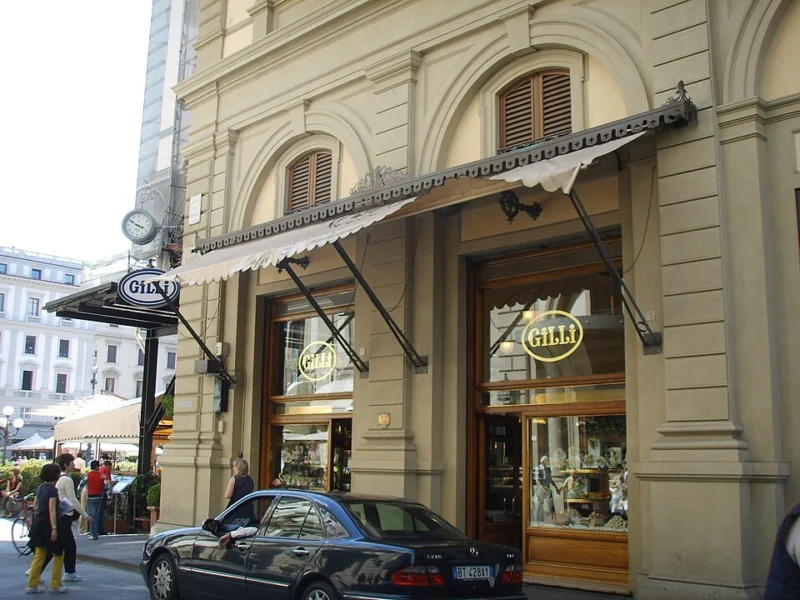
    BreakfastCaffè GilliStart like Florentines have since 1733, when the Gilli family opened a pastry shop in the old centre. It has been on the corner of Piazza della Repubblica since the early 20th century; have your coffee standing at the counter.
  • 2
    MorningCathedral and domeTake the first timed slot to climb Brunelleschi's dome, where the stairs run between the two shells and you see the vast Last Judgment fresco up close. Before or after, stand at the east doors of the Baptistery opposite, the ones Michelangelo called fit for the gates of Paradise.
  • 3
    MuseumOpera del Duomo MuseumThis is where the originals are: the three sets of Baptistery doors, statues from the cathedral front and Brunelleschi's own wooden model of the dome. It is the best hour you can spend to understand what you have just climbed.
  • 4
    Hidden historyMuseo degli InnocentiBrunelleschi designed this foundling hospital in 1419, and its arcade on Piazza della Santissima Annunziata is counted as the first pure Renaissance building. From 1660 a turning wheel let parents leave a baby here without being seen.
  • 5
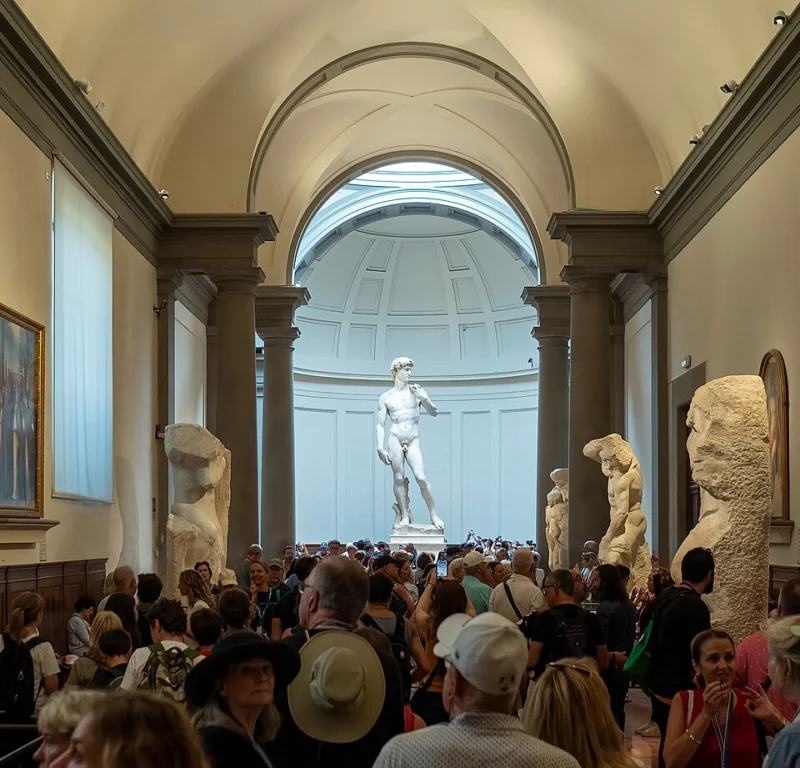
    Must seeGalleria dell'AccademiaMichelangelo's David has stood here since 1873, along with his unfinished Prisoners still trapped in the marble. Book a late-afternoon slot, when the morning tour groups have gone.
  • 6
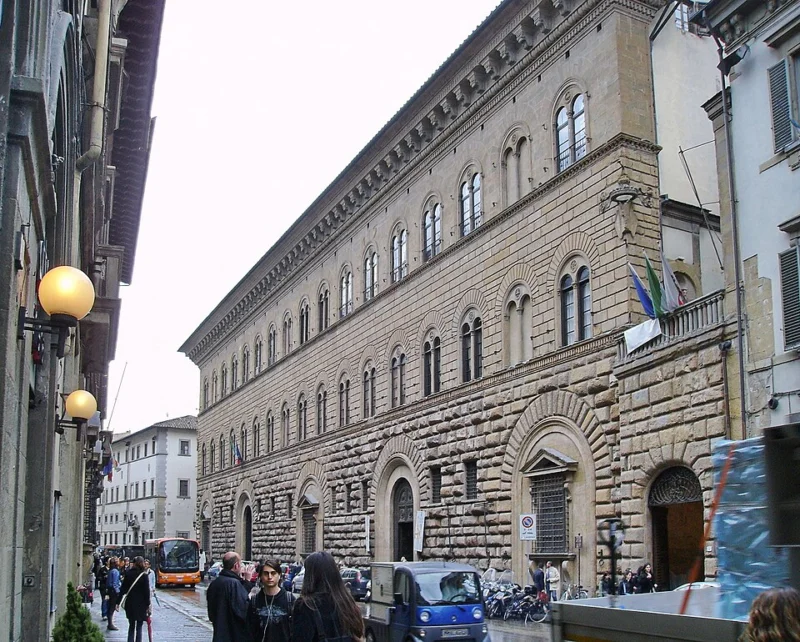
    The Medici at homePalazzo Medici RiccardiMichelozzo built this palace for Cosimo de' Medici from 1444. Upstairs is the small Magi Chapel, where Benozzo Gozzoli painted the Medici and their guests riding as the Three Kings around 1459.
  • 7
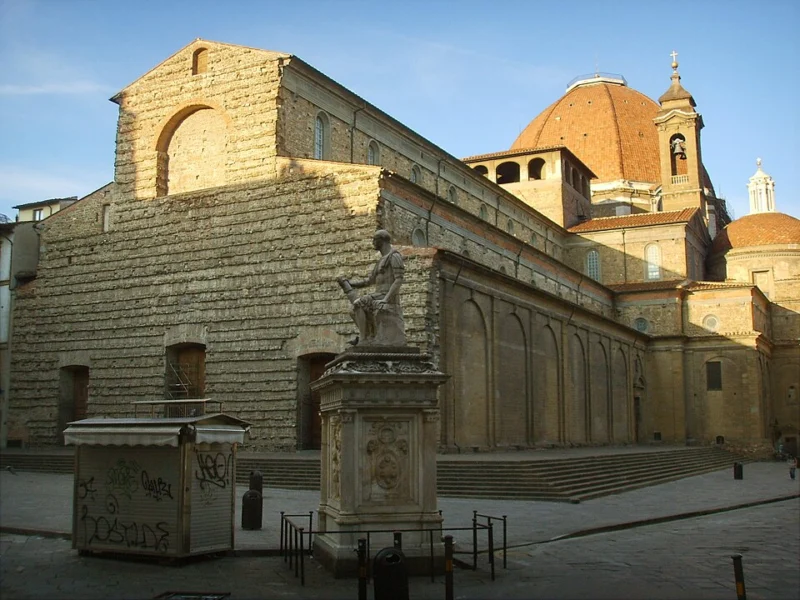
    Late afternoonSan Lorenzo and the Medici ChapelsThe Medici parish church, where the main members of the family are buried. Brunelleschi's Old Sacristy is inside, and behind the church Michelangelo's New Sacristy is a separate visit as part of the Medici Chapels.
  • 8
    DinnerTrattoria Palle d'OroA long-running family trattoria on Via Sant'Antonino, by the San Lorenzo market, that carries 'dal 1860' in its name. Simple Tuscan cooking at prices locals still pay.
  • Getting aroundOn foot · Santa Maria Novella stationEverything here is walkable, and most of the centre is closed to traffic. Santa Maria Novella station is about ten minutes away, and the tram to the airport stops beside it.
  • Where to stayHotels around the cathedral range from small family-run places in old palazzi to grand hotels on Piazza della Repubblica. Rooms with a cathedral view cost much more, and many older buildings have stairs and small lifts, so ask before you book.

Did you know?

Finished in 1436 Begun in 1296 to a design by Arnolfo di Cambio, the cathedral was completed in 1436 with Brunelleschi's dome.
Giotto's bell tower Giotto took over the cathedral works in 1334, and the first stone of the bell tower was laid that July.
The largest masonry dome Brunelleschi's dome is still the largest masonry dome ever built.
You climb between two domes The stairs to the top run between the inner dome and a thinner outer shell.
Santa Maria del Fiore

Santa Croce

Santa Croce is the medieval Florence of Dante, the Bargello and the great Franciscan church where Michelangelo and Galileo are buried. Florentines still live in the narrow streets between Via Ghibellina and the river, and in the morning you share the cafés with neighbours on their way to the Sant'Ambrogio market.

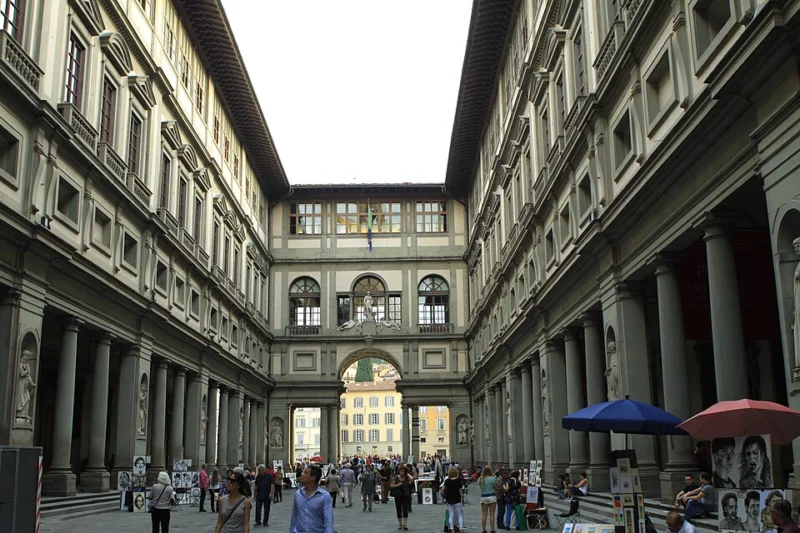
For a history trip it may be the best base in town. The Uffizi and Palazzo Vecchio are at the western edge, the Bargello and the Casa di Dante in the middle, and Basilica of Santa Croce with Casa Buonarroti at the eastern end. You can see a different chapter of the city each morning and still be home for a rest after lunch.

The downside is noise. Piazza Santa Croce and the streets around it fill with bars and late diners, especially at weekends. Choose a room facing a courtyard or a street a few blocks back from the square.

Local picks

For Culture & History
  • 1
    MorningUffizi GalleriesTake the first entry of the day and go straight to the Botticelli rooms before the groups arrive. Give yourself at least three hours, and leave the later rooms for a second visit if you can.
  • 2
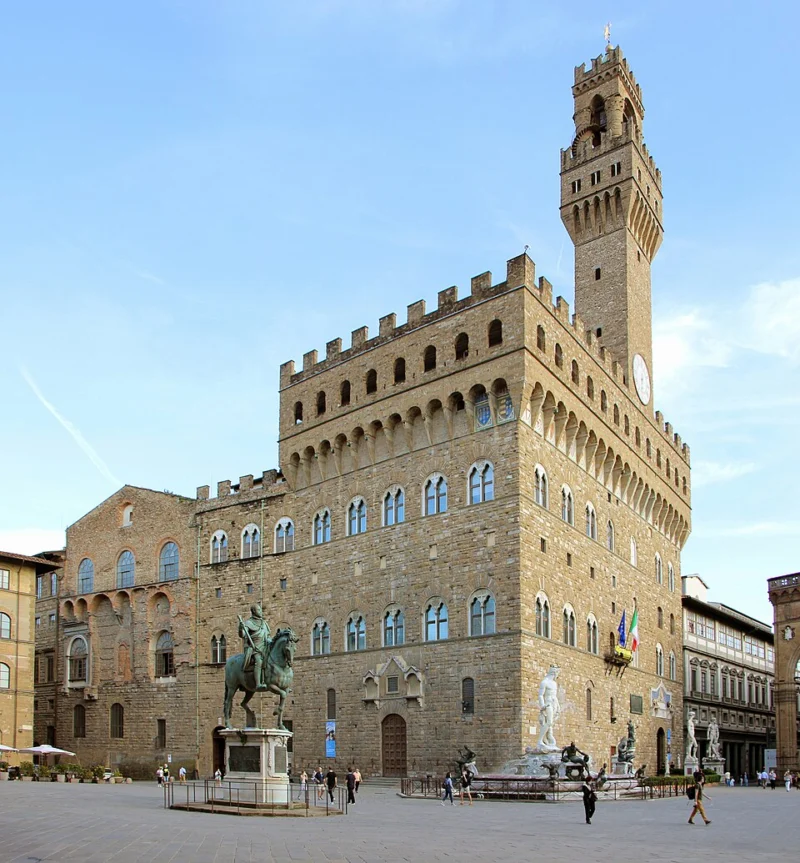
    Late morningPalazzo VecchioThe town hall of Florence since the Middle Ages. Inside, look for Vasari's tiny Studiolo, a secret study built for Francesco I de' Medici in the 1570s, and climb the 94-metre tower if the weather is clear.
  • 3
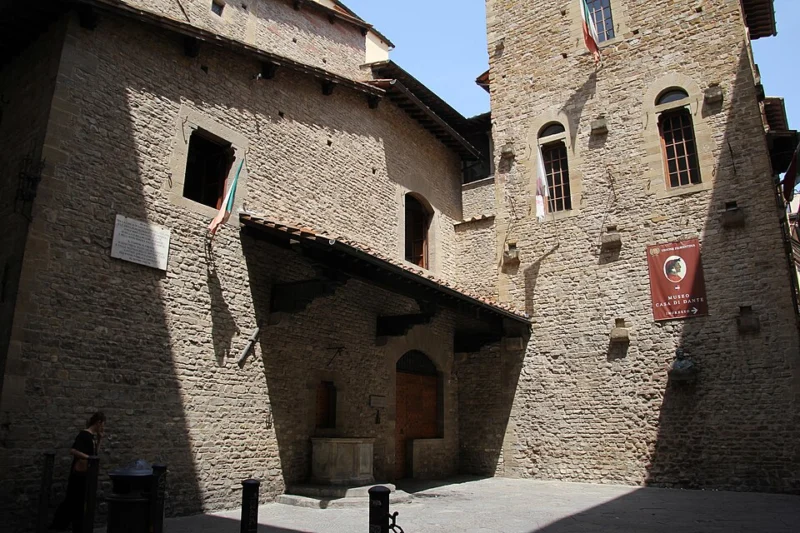
    Hidden historyCasa di DanteA small museum in medieval tower houses on Via Santa Margherita, rebuilt in 1910 in the streets where Dante grew up. Next door is the little church of Santa Margherita de' Cerchi, where tradition says he first saw Beatrice.
  • 4
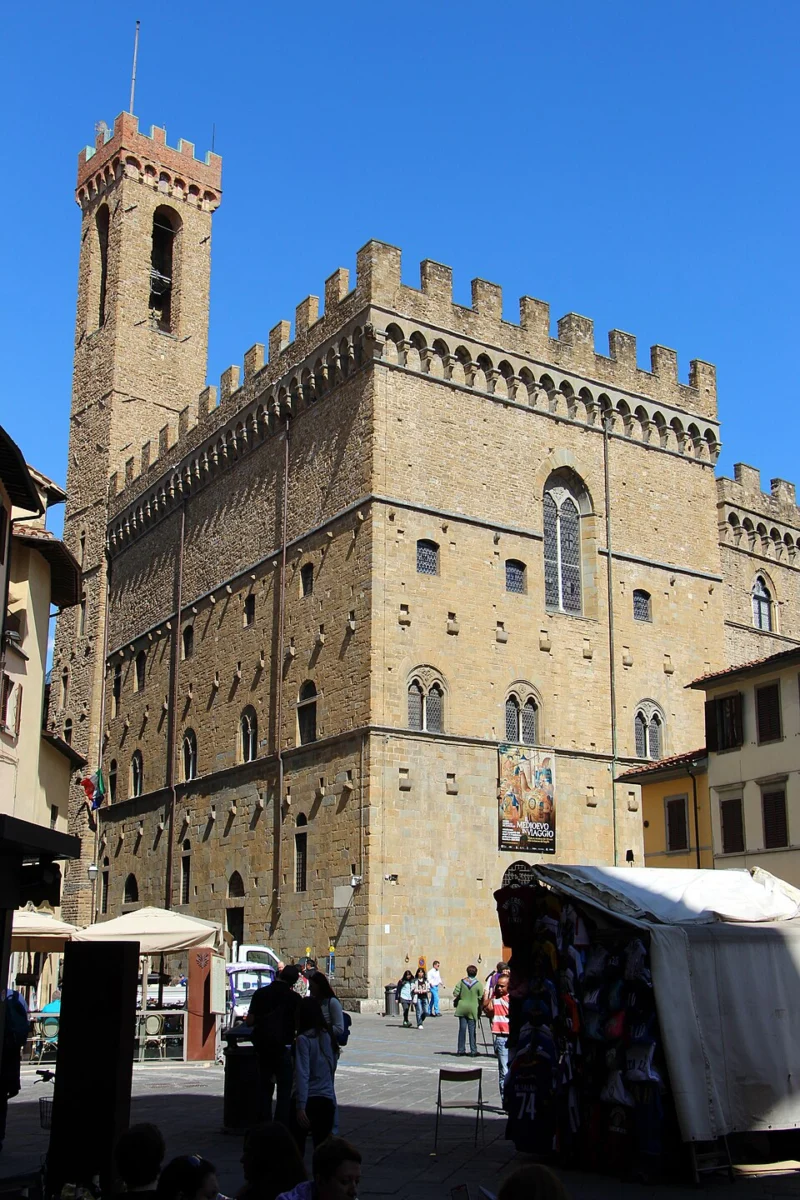
    MuseumMuseo Nazionale del BargelloA fortress-like palace begun in 1255 and later a prison, now the best sculpture museum in Florence. Both of Donatello's statues of David are here, the marble one and the famous bronze.
  • 5
    Afternoon breakVivoliAn old gelato shop on a lane off Piazza Santa Croce. Take a cup and eat it on the steps of the square before you go into the basilica.
  • 6
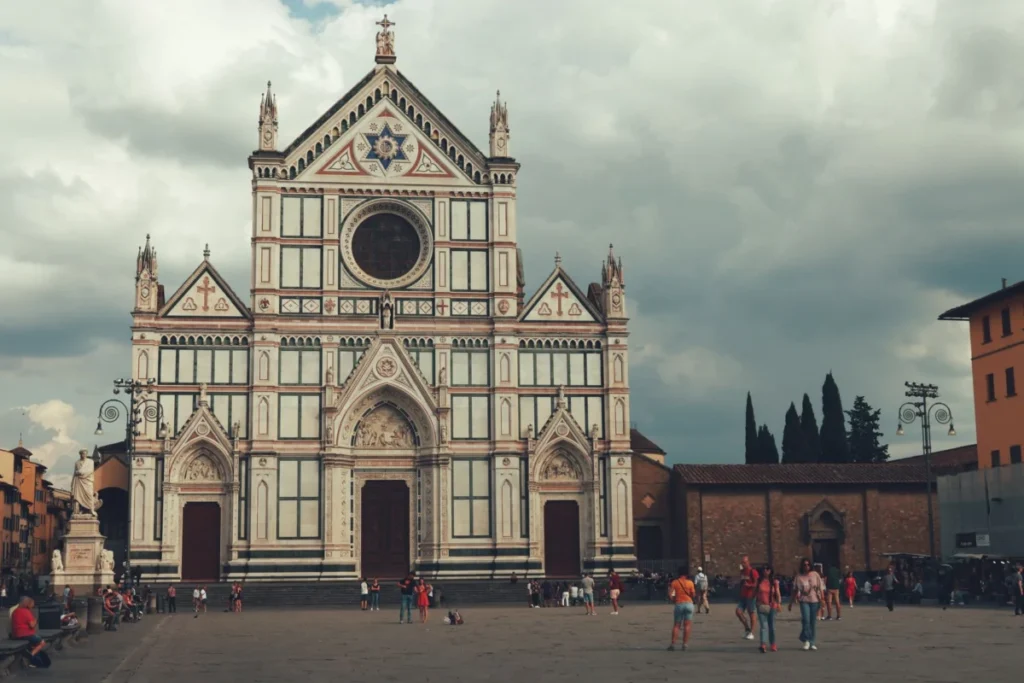
    AfternoonBasilica of Santa CroceMichelangelo, Galileo, Machiavelli and Rossini are buried here, and the chapels near the altar are painted by Giotto and his pupils. In the first cloister, do not miss Brunelleschi's Pazzi Chapel.
  • 7
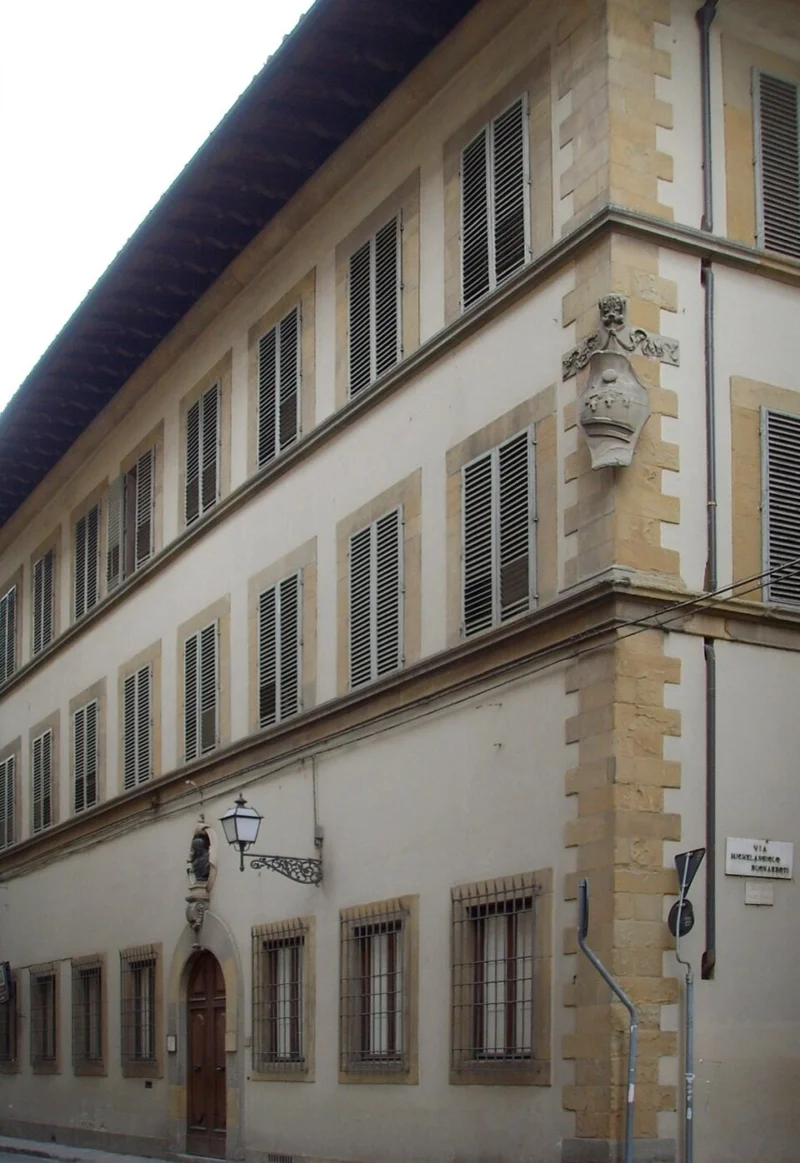
    Michelangelo at homeCasa BuonarrotiThe houses Michelangelo bought in 1508 became a museum dedicated to him. It holds two of his earliest marble reliefs, the Madonna of the Stairs and the Battle of the Centaurs. Check the opening days before you go.
  • 8
    DinnerIl Cibreo TrattoriaWalk on to the Sant'Ambrogio market quarter for dinner at this well-known trattoria on Via dei Macci, run by the Cibreo group. Tuscan dishes in a small room, so book ahead.
  • Getting aroundOn foot · Ponte alle GrazieYou will walk everywhere: the Duomo is about ten minutes north and the Ponte Vecchio ten minutes west. Cross the Ponte alle Grazie for San Niccolò and the climb to San Miniato.
  • Where to staySanta Croce has everything from simple guesthouses to restored palazzi, and generally better prices than the streets around the Duomo. Rooms on the square itself can be noisy at night, so a street one or two blocks back is often the better choice.

Did you know?

Temple of Italian glories Santa Croce holds the tombs of Michelangelo, Galileo, Machiavelli and Rossini.
Michelangelo's property In 1508 Michelangelo bought houses on Via Ghibellina, later turned into the Casa Buonarroti museum.
Built as offices Giorgio Vasari began the Uffizi in 1560 as offices for the city's magistrates.
Dante's house was rebuilt The Casa di Dante museum was rebuilt in 1910 near where the poet grew up.
Santa Croce

San Frediano

San Frediano is the old working quarter at the western end of the Oltrarno, where restorers, framers and furniture makers have had their workshops for centuries. Families still hang washing across the side streets, and the bars around Piazza del Carmine are full of locals in the evening.

The great reason to stay is the Brancacci Chapel, where Masaccio painted the frescoes that changed European art. In the morning you can be there for the first slot, then walk to the 14th-century Porta San Frediano and across to Brunelleschi's Santo Spirito. In the afternoon, step into a workshop to watch gilding or restoration in progress.

The honest downside: the big museums are 15 to 20 minutes away on foot, and the quarter has fewer hotels, mostly small guesthouses and flats. If you want to see how Florentines lived, not just what they built, it is worth the walk.

Local picks

For Culture & History
  • 1
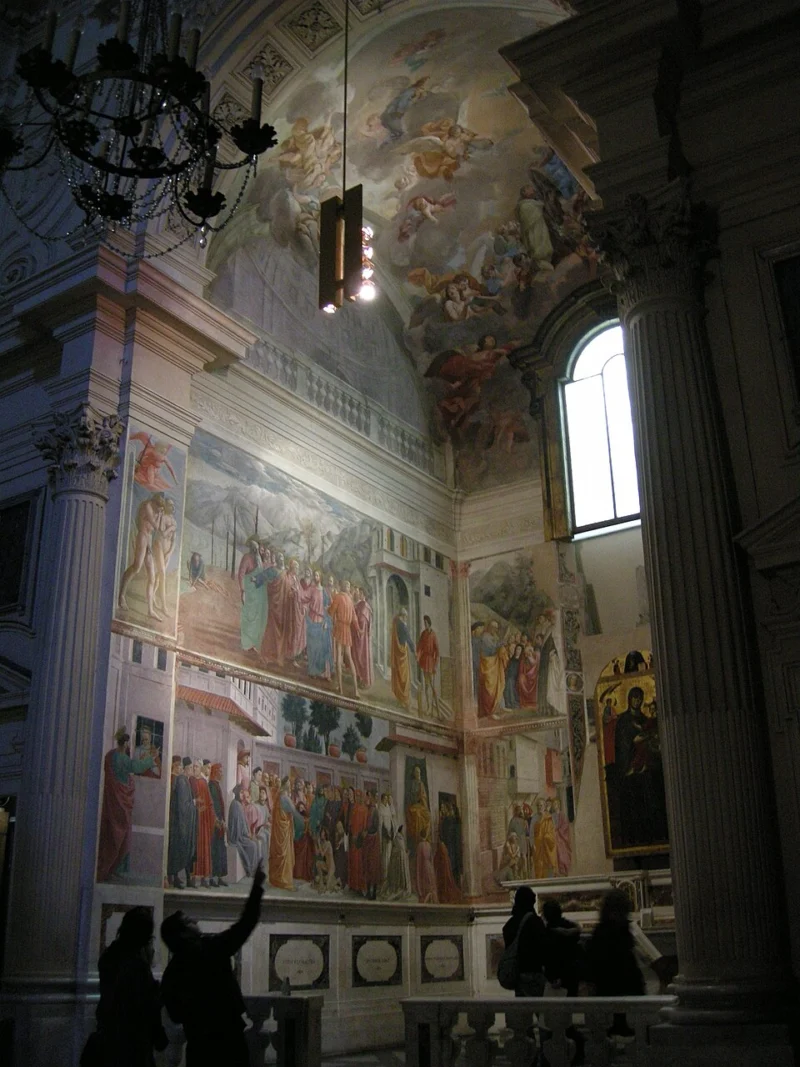
    MorningBrancacci ChapelBook the first slot to see the frescoes by Masaccio and Masolino, finished later by Filippino Lippi. Look for Masaccio's Expulsion of Adam and Eve, one of the most human paintings of the early Renaissance.
  • 2
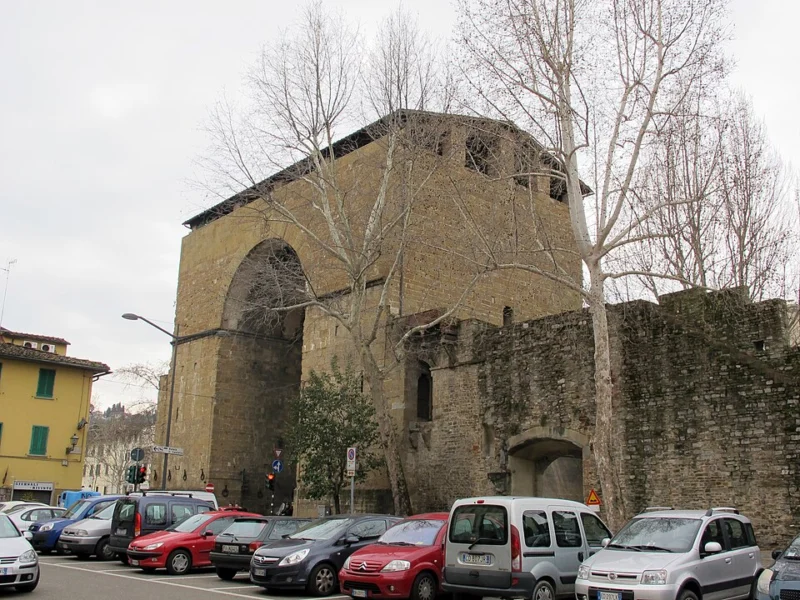
    Old wallsPorta San FredianoThe westernmost gate of the old Oltrarno walls, where the road to Pisa began. Charles VIII of France rode into Florence through it in 1494, and its huge wooden doors are still in place.
  • 3
    LunchAl TranvaiA small trattoria on Piazza Tasso, at the far end of the quarter, where few tourists come. Traditional Tuscan food at fair prices, cooked the way the neighbours expect.
  • 4
    AfternoonBasilica di Santo SpiritoBrunelleschi's last great church, five minutes from San Frediano and one of the purest Renaissance interiors anywhere. Michelangelo carved a wooden crucifix for this church when he was about seventeen.
  • 5
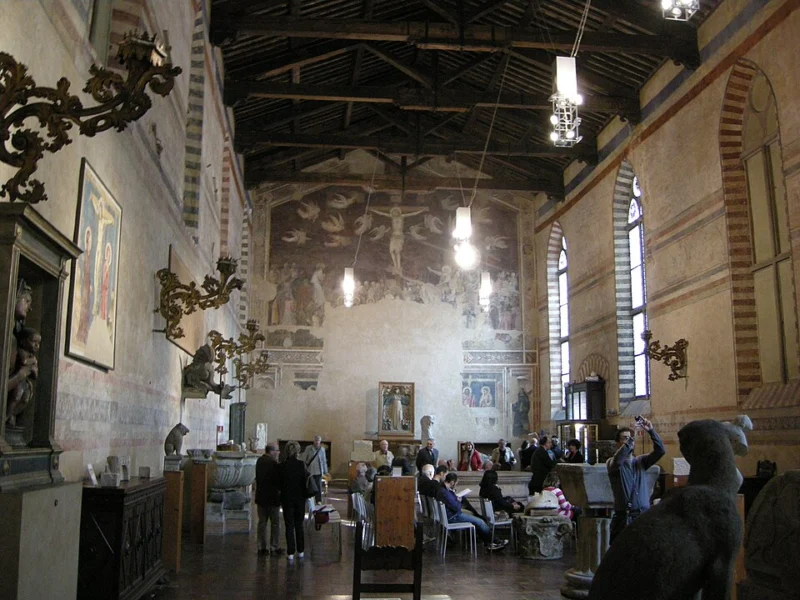
    Hidden historyCenacolo di Santo SpiritoThe old refectory of the Augustinian convent, next to the church. A large fragment of Orcagna's 14th-century fresco survives here, together with the small Salvatore Romano sculpture collection.
  • 6
    Late afternoonLa CitéA café and bookshop on Borgo San Frediano, where locals read and talk until late. It opens in the afternoon, so make it your stop on the way back.
  • Getting aroundPonte alla Carraia · on footCross the Ponte alla Carraia to reach the centre: Santa Maria Novella and the Duomo are about 15 to 20 minutes away. Palazzo Pitti and the Ponte Vecchio are a ten-minute walk east.
  • Where to staySan Frediano has few hotels, mostly small guesthouses, B&Bs and holiday flats in old buildings. Many have no lift, so check before booking, and look for a place on a side street rather than the busier Borgo San Frediano.

Did you know?

A gate from 1332 Porta San Frediano was finished in 1332 and still has its large wooden and metal doors.
Masaccio's chapel Masaccio painted the Brancacci frescoes in the 1420s and died in Rome at 27 before finishing them.
A novel of the quarter Vasco Pratolini set his 1949 novel Le ragazze di San Frediano among the young people of this quarter.
San Frediano

Quartiere di San Niccolò

San Niccolò is a narrow medieval strip between the Arno and the hill of San Miniato, at the eastern end of the Oltrarno. It feels like a village: one main street, a few wine bars, artists' studios and a tall city gate at the end. In the morning you will mostly meet locals walking their dogs along the river.

For history lovers it is the gateway to the hills. Walk up the old path to San Miniato al Monte, begun in 1013, then come down past Piazzale Michelangelo and the 14th-century Porta San Niccolò. In the afternoon, the Museo Stefano Bardini and the Bardini garden show you how a 19th-century antiques dealer collected the Florentine past.

The honest downside: there are few hotels, mostly flats, and the hill streets are steep. The main museums are 10 to 15 minutes away over the Ponte alle Grazie or the Ponte Vecchio.

Local picks

For Culture & History
  • 1
    MorningSan Miniato al MonteClimb the steps behind Piazzale Michelangelo to this Romanesque church, begun in 1013 and still run by Olivetan monks. Its green-and-white marble front faces the whole city, and the view from the terrace is the best in Florence.
  • 2
    ViewPiazzale MichelangeloBuilt in 1869 as a terrace with bronze copies of Michelangelo's David and his Medici Chapel figures. From here you can trace the whole old town, from Santa Croce to the Duomo and Palazzo Vecchio.
  • 3
    Old wallsPorta San NiccolòWalk down the ramps to the tower of the old city gate, built in 1324. It was spared when the walls came down in the 19th century, and 160 steps lead to the top.
  • 4
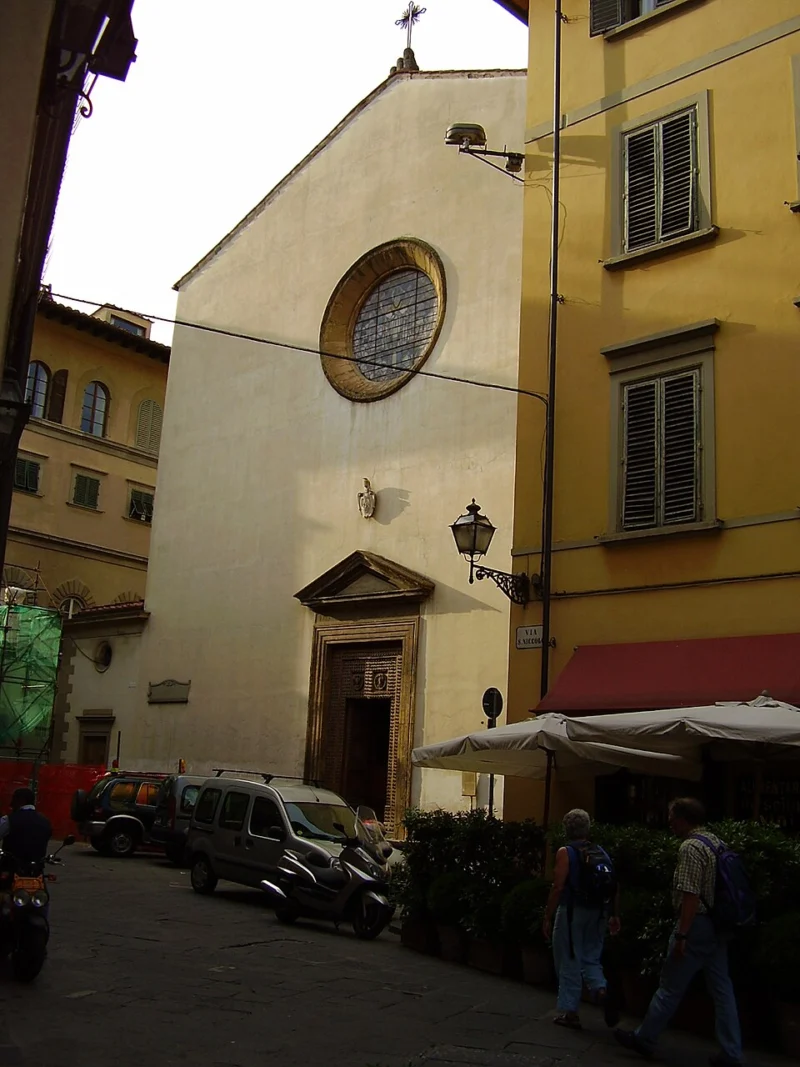
    Hidden historySan Niccolò OltrarnoThe parish church that gave the quarter its name, rebuilt after a flood in 1557. Look for the plaque on the front that marks the water level of the 1966 flood.
  • 5
    MuseumMuseo Stefano BardiniThe collection of a famous 19th-century antiques dealer, shown in the palazzo he built in the 1880s on the site of an old church. Sculpture, paintings and furniture fill the rooms. It is closed on some weekdays, so check before you go.
  • 6
    AfternoonGiardino BardiniA terraced garden climbing the hill behind Via de' Bardi, with views over the rooftops. Fort Belvedere, built for the Medici in the 1590s, stands just above it.
  • 7
    Evening glassLe Volpi e l'UvaA small wine bar on Piazza dei Rossi, just off Via de' Bardi, with Italian wines by the glass and plates of cheese and cured meat. It closes early in the evening, so come for an aperitivo.
  • Getting aroundPonte alle Grazie · Ponte VecchioWalk over the Ponte alle Grazie to Santa Croce, or along Via de' Bardi to the Ponte Vecchio in about ten minutes. Taxis can reach the quarter, but the hill paths are on foot only.
  • Where to staySan Niccolò has very few hotels, mostly apartments and small guesthouses in old buildings. Expect stairs and no lift in many of them, and book early, as the best flats go months ahead.

Did you know?

Named after its church The quarter takes its name from San Niccolò Oltrarno, a church documented since 1184.
A gate that kept its height Porta San Niccolò was built in 1324 and was spared when most of the walls were pulled down in the 19th century.
The flood mark A plaque on the front of San Niccolò church shows how high the Arno rose in the 1966 flood.
A terrace from 1869 Giuseppe Poggi laid out Piazzale Michelangelo in 1869, when Florence was the capital of Italy.
Quartiere di San Niccolò

Planning your stay in Florence

For Culture & History
  • Tickets to book before you arriveDome climb, Accademia, Uffizi and Brancacci Chapel. Everything else, from the Bargello to San Miniato, you can usually decide on the day.
  • Florence for history lovers in 3 daysDay 1: the dome, the Opera del Duomo Museum, the Medici palace and San Lorenzo. Day 2: the Uffizi, Palazzo Vecchio, the Bargello and Santa Croce. Day 3: the Brancacci Chapel and Santo Spirito, then up to San Miniato for the late afternoon.
  • Quieter museums worth your timeCasa Buonarroti, the Museo degli Innocenti, the Museo Stefano Bardini and the Cenacolo di Santo Spirito. They are rarely crowded, and each shows a side of Florence the big galleries miss.
Self-guided walking tours Culture & History (Florence, Italy)
Routes 4
Pick a route

Best time to visit Florence (Italy)

Now (November) avg high: 15°C, wetter month, full season — expect crowds. Best months to walk: Jul & Jun.

Live Temp …
~Day / Night Temp 15°C / 6°C
Sunrise / Sunset 8:01 / 17:57
Local time 14:37
Best Months Jul & Jun
J Jan F Feb M Mar A Apr M May J Jun best month J Jul best month A Aug S Sep O Oct N Nov this month D Dec
Check Florence hotels
Temperature Average daytime high, month by month. Zero line marks freezing point.
Crowds How busy it gets — traveller interest by month.
Rainfall Rainy days to expect each month.
Sunshine Hours of sun per day, by month.
Florence guides →

Best hotels in Florence for history lovers

From a hotel built around a 6th-century tower to small flats in the old artisan streets, all within walking distance of the museums.
Brunelleschi Hotel
Best overall
9.3 Outstanding
238 reviews

Brunelleschi Hotel

A hotel on tiny Piazza Sant'Elisabetta built around the Torre della Pagliazza, a round tower from the 6th or 7th century that stands on the remains of a Roman bath. Finds from the excavation are shown in a small museum at the base of the tower. The cathedral is a two-minute walk away.

Ideal for: History lovers who want to sleep inside the history
Rocco Forte Hotel Savoy
Central location
9.4 Outstanding
120 reviews

Rocco Forte Hotel Savoy

A grand hotel in an 1898 building on Piazza della Repubblica, on the site where the first houses of the Medici family once stood. The square itself was laid out over the old market and ghetto in the 1880s and 1890s. The Duomo, Orsanmichele and the Uffizi are all within a ten-minute walk.

Ideal for: History lovers who want a classic grand hotel
Hotel degli Orafi
Top pick
9.1 Outstanding
2120 reviews

Hotel degli Orafi

A boutique hotel on Lungarno degli Archibusieri, right beside the Uffizi and a short walk from the Ponte Vecchio. You can be in the Uffizi queue for the first slot of the day within minutes, and Santa Croce is about ten minutes east along the river.

Ideal for: Museum lovers who want the Uffizi on the doorstep
San Firenze Suites & Spa
Smart choice
9.3 Outstanding
538 reviews

San Firenze Suites & Spa

Suites on Via della Condotta, in the medieval streets between Piazza della Signoria and the Bargello. Dante's house, the Badia Fiorentina and Palazzo Vecchio are all within five minutes on foot. The spa in its name is worth checking in advance if it matters to you.

Ideal for: History lovers who want space in the medieval core
Tommy House San Frediano
Central location
9.0 Outstanding
57 reviews

Tommy House San Frediano

A small, highly rated place to stay in San Frediano, the old artisan quarter across the Arno. You are a short walk from the Brancacci Chapel and Santo Spirito, and about fifteen minutes on foot from the Ponte Vecchio.

Ideal for: History lovers who prefer a real neighbourhood
Serragli Flat Firenze by Charming Italy Tour
Walkable area
9.2 Outstanding
29 reviews

Serragli Flat Firenze by Charming Italy Tour

A self-catering flat on Via dei Serragli, the long street that links San Frediano and Santo Spirito. Good for a longer stay: you can walk to Santo Spirito, the Carmine and Palazzo Pitti, and shop at the local markets.

Ideal for: Slow travellers who want a flat for a week
Numa Florence Palazzo San Niccolò
Editor’s choice
8.6 Excellent
1091 reviews

Numa Florence Palazzo San Niccolò

An apartment-style stay in San Niccolò, the small medieval quarter between the river and the hill of San Miniato. The path up to San Miniato al Monte starts in the quarter, and the Ponte Vecchio is about ten to fifteen minutes on foot.

Ideal for: History lovers who want quiet evenings
32 nero - Florence Apartment San Niccolò
Walkable area
8.7 Excellent
82 reviews

32 nero - Florence Apartment San Niccolò

A small apartment in San Niccolò, a quarter where the 14th-century Porta San Niccolò tower and the ramps up to Piazzale Michelangelo are never far away. Expect an old building, so check for stairs and lift before you book.

Ideal for: Independent travellers who like old streets

Museum tickets go before rooms do

In spring and autumn the timed slots for the dome, the Accademia, the Uffizi and the Brancacci Chapel sell out days ahead. Book the room, then book the tickets the same evening.

Compare Florence hotels for history lovers

Location, building and what makes each one special, side by side.
Rocco Forte Hotel Savoy
Central location
9.4 Outstanding
120 reviews

Rocco Forte Hotel Savoy

Santa Maria del Fiore • Grand 1898 building • Piazza della Repubblica
Classic grand hotel in the heart of the old town
Luxury Stay
Grand 1898 palazzo
Hotel degli Orafi
Top pick
9.1 Outstanding
2120 reviews

Hotel degli Orafi

Santa Croce • On the Arno • Next to the Uffizi
The closest base to the Uffizi
River Views
On the Arno by the Uffizi

Traditional Local Food Florence (Italy)

Main course Fish & Seafood

Cacciucco

kah-CHOO-ko

A rich seafood stew with tomatoes, garlic, and white wine.

Open Cacciucco recipe
Dessert Vegetarian

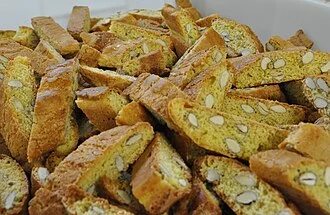
Cantucci with Vin Santo

Cantucci e Vin Santo
kan-TOO-chee eh VEEN SAN-toh

Almond biscotti cookies served with a sweet dessert wine.

Open Cantucci with Vin Santo recipe
🥩
Starter Meat

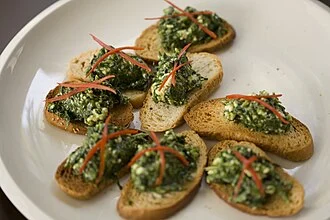
Chicken Liver Crostini

Crostini di fegatini
kroh-STEE-nee dee feh-ga-TEE-nee

A Tuscan starter of toasted bread topped with savory chicken liver pâté.

Open Chicken Liver Crostini recipe
Snack Vegan

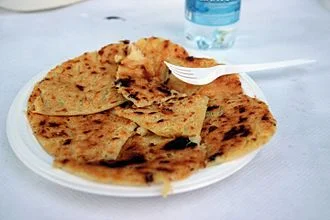
Chickpea Pancake

Cecina
cheh-CHEE-nah

A savory pancake made from chickpea flour and olive oil.

Open Chickpea Pancake recipe
Starter Meat

Crostini di Fegato

kroh-STEE-nee dee FEH-gah-toh

Toasted bread with a chicken liver pâté topping.

Open Crostini di Fegato recipe
Dessert Vegetarian

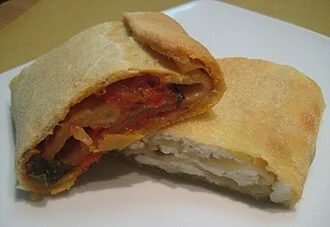
Florentine Schiacciata

Schiacciata alla Fiorentina
ski-ah-CHA-tah ah-lah fee-oh-ren-TEE-nah

A soft, sweet flatbread dusted with powdered sugar.

Open Florentine Schiacciata recipe
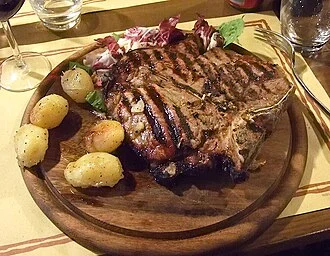
Main course Meat

Florentine Steak

Bistecca alla Fiorentina
bee-STEK-kah ah-lah fee-yohr-EN-tee-nah

T-bone steak grilled rare, seasoned with olive oil and salt.

Open Florentine Steak recipe
Main course Meat

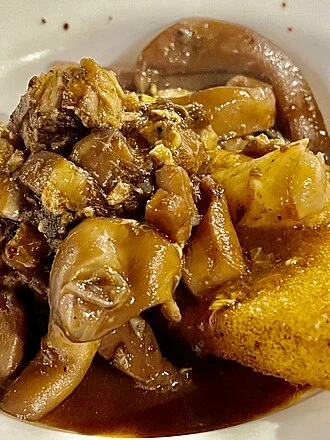
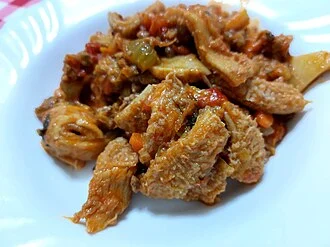
Florentine Tripe

Trippa alla Fiorentina
TREE-pah ah-lah fee-or-en-TEE-nah

A traditional stewed tripe dish in tomato sauce.

Open Florentine Tripe recipe
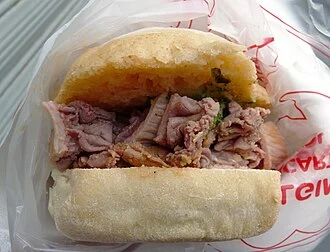
Street food Meat

Lampredotto Sandwich

Panino con il Lampredotto
pah-NEE-noh kohn eel lahm-preh-DOH-toh

Florentine street food sandwich with boiled tripe.

Open Lampredotto Sandwich recipe
Starter Vegan

Panzanella

pahn-tsah-NEL-lah

A refreshing salad of stale bread and ripe tomatoes.

Open Panzanella recipe
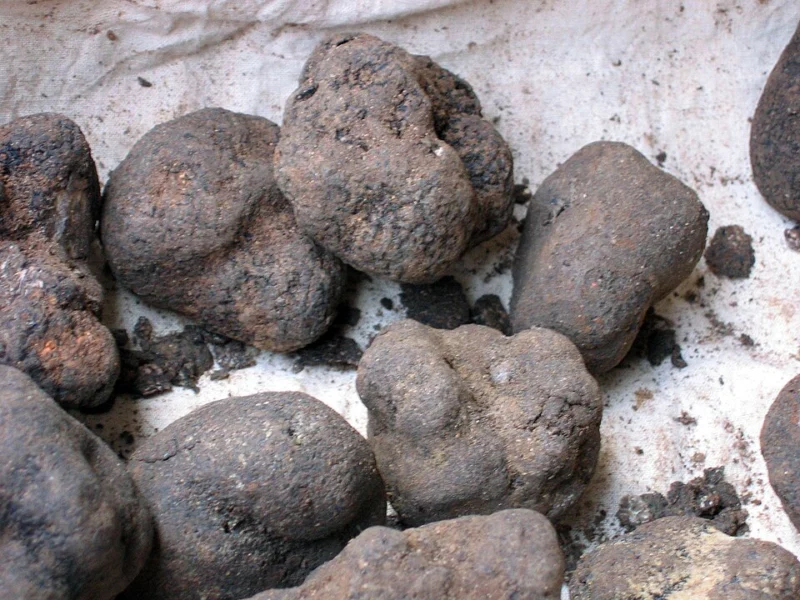
Truffle Pasta
Main course Vegetarian

Truffle Pasta

Tagliatelle al Tartufo
tah-lyah-TELL-leh al tar-TOO-foh

Tagliatelle pasta with a luxurious truffle sauce.

Open Truffle Pasta recipe
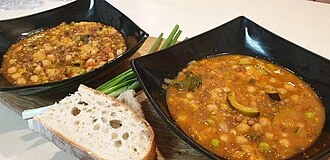
Soup Vegetarian

Tuscan White Bean Soup

Zuppa di fagioli
ZOOP-pah dee fah-JYO-lee

A hearty soup of white beans, vegetables, and stale bread.

Open Tuscan White Bean Soup recipe

Activities & Experiences

Things to Do in Florence

Top-rated tours, day trips and local experiences — book in advance to secure your spot.

City & Country Data Florence (Italy)

Key travel data for Florence — local prices, safety, healthcare, local currency and essentials, curated by Triplandio.

Safety 🔒 75
Health 🏥 85
Lifestyle ⭐ 69
Infra 🏗️ 74
Rank 🎯 #33
Score 📊 58
Tourists ✈️ 38.4M/y
GDP/cap 💵 $43.3k
Life Exp ❤️ 84.0 yrs
Population 👥 58.9M
Currency 💱 EUR €
Language 🗣️ Italian
Payments 💳 Cards OK
Emergency 🆘 112
Coffee ☕ $2.01
Beer 🍺 $6.00
Lunch 🍽️ $20.00
Groceries 🛒 $40.73/w
Taxi/km 🚕 $1.10
Transit 🚇 $1.70
Fuel ⛽ $1.75/l
Internet 📡 $29.11/m
Salary 💵 $1,788/m

Travel tipsFlorence (Italy)

Quick tips

  1. Don't paddle in fountains or sit on monuments — Caution

    Many Italian cities, including Rome, Florence and Venice, fine visitors for bathing in public fountains, sitting on monument steps or eating next to major churches and historic buildings.

  2. Buying from street sellers is illegal — Caution

    In Italy it is an offence to buy from unlicensed street traders, such as sellers of fake designer bags laid out on blankets. Local police can stop and fine the buyer, not just the seller.

  3. Validate your ticket before you travel — Caution

    Paper bus, tram and regional train tickets in Italy must be stamped in the machine at the station or on board. Inspectors fine passengers on the spot for an unvalidated ticket, even if you bought it.

  4. Taking sand or shells is against the law — Caution

    Removing sand, shells or pebbles from Italian beaches is illegal and can mean a large fine, as can picking protected flowers and plants in the mountains. Leave them where they are.

  5. Pickpockets work the big sights — Caution

    Bag-snatching and pickpocketing are common at Italy's main tourist sites, stations, metros and busy buses. Keep bags zipped and in front of you, and don't carry all your cards and cash together.

  • Do
  • Say buongiorno when entering shops
  • Stamp paper tickets before boarding
  • Cover shoulders and knees in churches
  • Keep cash for the hotel tourist tax
  • Stand at the bar for cheaper coffee
  • Don’t
  • Wade or bathe in public fountains
  • Buy from unlicensed street sellers
  • Sit or eat on monument steps
  • Take sand or shells from beaches
  • Drive into a restricted town centre

Florence tips for history lovers

Do the second-row museums

The Bargello, Casa Buonarroti, the Museo degli Innocenti and Palazzo Medici Riccardi are smaller and far quieter than the Uffizi. In one or two hours each you see Donatello, the young Michelangelo, Brunelleschi's first building and the Medici's own chapel.

Tip: Quieter rooms, same Renaissance

Cross the river for the craftsmen

Florence's history is not only in palaces. In San Frediano and around Santo Spirito the old workshops of restorers, gilders and framers still open onto the street, a few minutes from Masaccio's frescoes.

Tip: Workshops next to the masterpieces

Climb to San Miniato late in the day

San Miniato al Monte, begun in 1013, sits above the city with the best view of the old centre. Walk up from San Niccolò in the afternoon, look inside the church and come back down via Piazzale Michelangelo.

Tip: The oldest view of Florence

Florence for history lovers: FAQ

When is the best time to visit Florence?

The best time to visit Florence is July and June — fewer crowds, comfortable temperatures, less rain and more sunshine. Compare every month in the seasonal chart above.

Which area of Florence is best for history lovers?

For a first trip, stay around the cathedral (Santa Maria del Fiore): the Duomo, the Baptistery, San Lorenzo, the Medici palace and the Accademia are all within ten minutes. If you have been before, Santa Croce puts Dante, the Bargello and Michelangelo's house on your doorstep.

Which museums should I book in advance in Florence?

Book the climb up the dome, the Accademia (Michelangelo's David has been there since 1873), the Uffizi and the Brancacci Chapel. Smaller museums such as the Bargello or Casa Buonarroti rarely need booking, but check their opening days, as several close one or two days a week.

Can I stay in a historic building in Florence?

Yes. The Brunelleschi Hotel is built around the Torre della Pagliazza, a tower from the 6th or 7th century, and many smaller hotels and flats in the centre and the Oltrarno occupy old palazzi. Ask about stairs and lifts, as old buildings often have neither.

Is the Oltrarno worth it for history lovers?

Very much. Across the river you have the Brancacci Chapel, Santo Spirito with its Michelangelo crucifix, Palazzo Pitti, the Bardini museum and San Miniato al Monte, plus streets of craftsmen that feel far less touristy than the centre.

How many days do I need in Florence for museums?

Three full days lets you see the cathedral complex, the Uffizi and Accademia, Santa Croce and the Bargello, and one day across the river. With four or five days you can add the Medici Chapels, Palazzo Pitti and the smaller museums without rushing.

Florence for history lovers, quarter by quarter

★ For history lovers
Florence packs more Renaissance into a square mile than anywhere else, but where you sleep decides what you see first each morning. This guide picks four quarters for history lovers: the cathedral and Medici streets, Santa Croce with Dante and Michelangelo, artisan San Frediano across the river and medieval San Niccolò under the hills. Each comes with a walk through its museums and churches, a place to eat and hotels nearby.
  • Handpicked hotels
  • Areas close to the history
  • Museums and landmarks on foot
  • Updated 2026
Europe — Italy — Florence — Discover Florence’s Best Stays for History Buffs
keyboard_arrow_up